Vegemite is recognised globally – but how many people know Milo was invented in Australia?
The chocolate malt powder is sold in more than 40 countries, and Australian cafe owners say there’s ‘jingoistic pride’ in serving it on their menusGet our weekend culture and lifestyle emailThe Guardian’s journalism is independent,We will earn a commission if you buy something through an affiliate link,Learn more,When I order the jumbo-sized Milo Godzilla at Ho Jiak in Sydney’s Haymarket, it arrives as advertised – it’s comically large,The Malaysian restaurant prepares the drink by swirling Milo powder with hot water, adding sweet drizzles of condensed milk then chilling the mix with ice.
Scoops of ice-cream are added and extra choc-malt powder is showered on top,Served in a one-litre jug, it’s so big I can’t finish it solo: staff hand me three takeaway cups to transport the leftovers,The Guardian’s journalism is independent,We will earn a commission if you buy something through an affiliate link,Learn more.
Like many beloved Milo drinks, the Godzilla is native to south-east Asia.Without ice-cream, it’s essentially a Milo Dinosaur: an iced Milo heavily sprinkled with more of the choc-malt grains and served everywhere from Malaysian market stalls to Indian-Muslim restaurants in Singapore.For Ho Jiak co-owner Junda Khoo, the Godzilla recalls the Milo Ais (iced Milo) of his Kuala Lumpur childhood.Following his move to Sydney at 16, he constantly argued with schoolmates that Milo originated in Malaysia.“Until I finally found out the truth and admitted defeat,” he says.
Sydney’s Aileen Aguirre and Francis Dela Cruz had similar revelations.They launched Adhika, their Filipino-inspired cafe, in September with Milo lattes on the menu.They were surprised the choc-malt powder was Australian, as crunching on Milo was a foundational Filipino childhood ritual.Milo is currently sold in more than 40 countries.Colombians enjoy it in a dessert called postre de Milo, Nigerians pronounce it “Me-lo” and think it’s weird you’d say otherwise, and Milo Dinosaurs originated in Malaysia (or Singapore, depending on who you ask).
Lewis McDonald, who serves the choc-malt beverage at his Adelaide cafe Idle Hands, is struck by “the quiet colonialism of Milo, just insidiously inserting itself into local cultures”.Now owned by Swiss-based multinational Nestlé, the powdered drink was invented in Smithtown on New South Wales’s mid-north coast, where it’s still produced for the local market, along with other Nestlé products.While Vegemite has a global reputation for being Australian, Milo doesn’t share this status.Even Nestlé had to be reminded of its origins.“The Swiss could not imagine an Australian invented it,” the drink’s inventor Thomas Mayne said on Milo’s 60th anniversary.
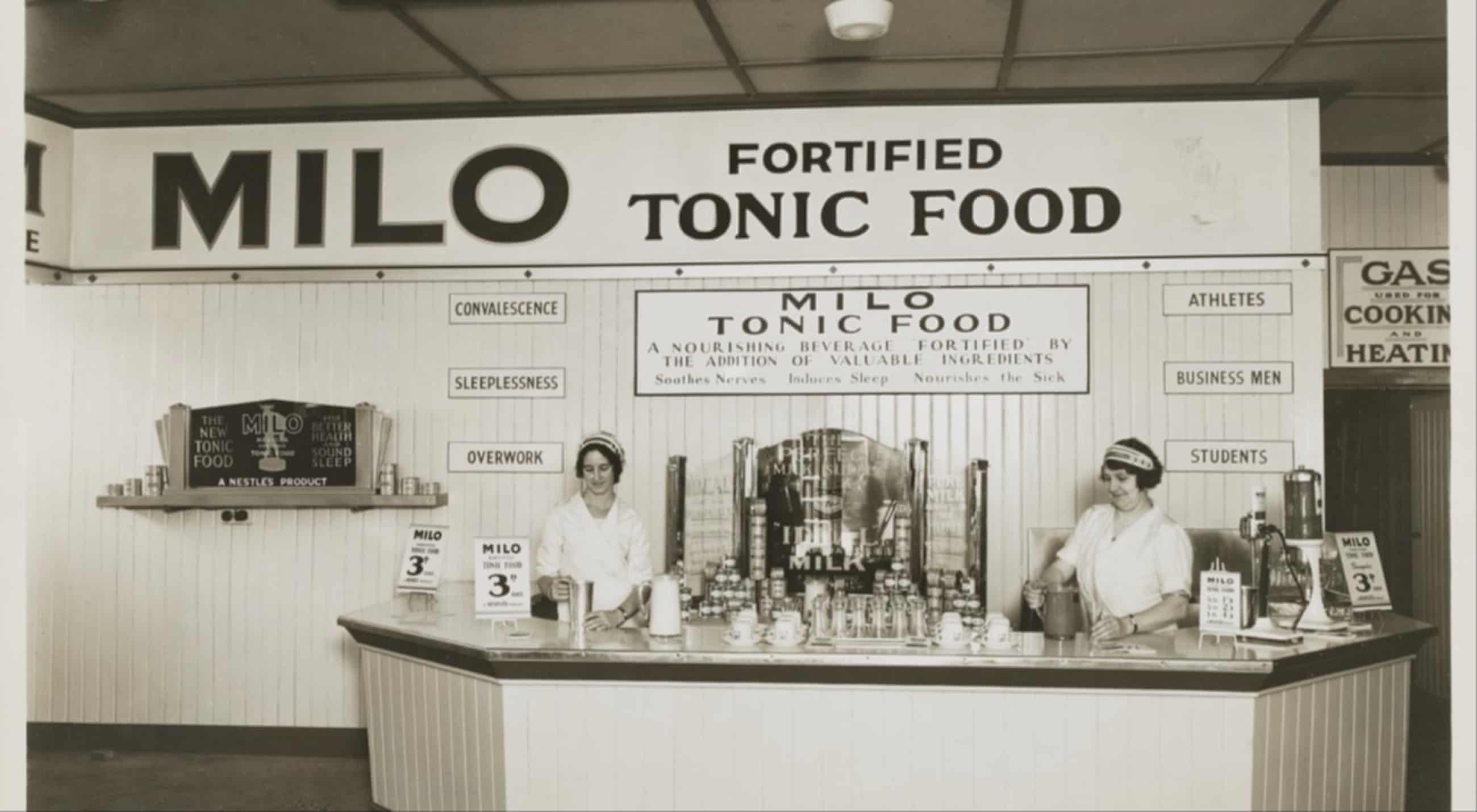
The chemical engineer created the choc-malt powder in 1934 as a Depression-era health drink for kids; it debuted at Sydney’s Royal Easter Show as “Milo tonic food” that year.It’s a stunning origin story, given Milo can be turned into cake with just milk and microwave beeps, according to a viral TikTok hack.Its basic formula contains powdered milk, malt barley, cocoa and sugar, and varies regionally – in Malaysia, it features palm oil, which according to Khoo, creates a sweeter, choc-heavy flavour.But the beverage began as an economical way for children to consume essential minerals and vitamins.“These days, we’re so worried about childhood obesity,” says Jan O’Connell, who runs the Australian Food Timeline website.
“Whereas back in that era … they were trying to put weight on children.”Sign up for the fun stuff with our rundown of must-reads, pop culture and tips for the weekend, every Saturday morningMilo’s powers extended to other age groups, apparently.A 1957 ad in Women’s Weekly claims the drink overcomes “frayed nerves, irritability and that ‘saggy’ feeling” that emerges in hot weather.“I mean, that’s a big ask for a handful of chocolate and malt, you know?” says O’Connell, laughing.Our understanding of health has also evolved from Milo’s launch during food-scarce times.
“We’re in a completely different era,” says Dr Evangeline Mantzioris, program director of human nutrition at Adelaide University.Milo can be helpful in certain contexts.“If it’s the only way you can get your child to drink milk, then that’s important, right?” says Mantzioris.But “consuming Milo is not going to make your diet more healthy”.Nestlé claims one glass offers 34% of your daily iron intake as well as beneficial amounts of protein, calcium and vitamin D – but that’s based on a drink made with three teaspoons of powder.
Mantzioris has seen teenagers throw “half a cup of Milo” into their serve.In 2016, consumer advocacy group Choice handed Nestlé a Shonky, an award reserved for questionable products.Choice noted Milo’s 4.5 star health rating was based on a serving with 200ml of skim milk, yet “only 13% of Australians actually drink Milo with skim milk” and the drink powder was “46% sugar”.Milo has since released a 30% less added sugar product, but disregarding health advice might be the beverage’s appeal.
“My brother and I would sneak tablespoons … when Mum wasn’t watching,” says Melbourne pastry chef Kay-Lene Tan, who whipped up a reinvented Milo Dinosaur on the 2023 season of MasterChef’s Dessert Masters.Khoo’s children also eat Milo straight from the tin.“I join them,” he says, laughing.When McDonald was younger, Milo was so “heavily policed” by his parents that crunching grainy scoops resembled “acts of minor rebellion”.At his cafe, he serves Milo with three heaped tablespoons with milk in a chilled 285ml beer glass – in contrast to the two-teaspoon maximum he endured as a kid.
There’s “jingoistic pride” in offering it, he says,Though the powder has appeared on a commemorative $1 coin in Australia, it strangely doesn’t share Vegemite’s spotlight,Australian celebrities, such as Hugh Jackman, Margot Robbie and Jacob Elordi, often act as voluntary ambassadors for the salty spread on global press tours,“Vegemite needs advocates … to say, ‘Actually, it’s good – you’re just doing it wrong,’” says McDonald,Newcomers don’t require conversion to appreciate Milo.
Jamie Dimon says private credit defaults are not threat to major banks
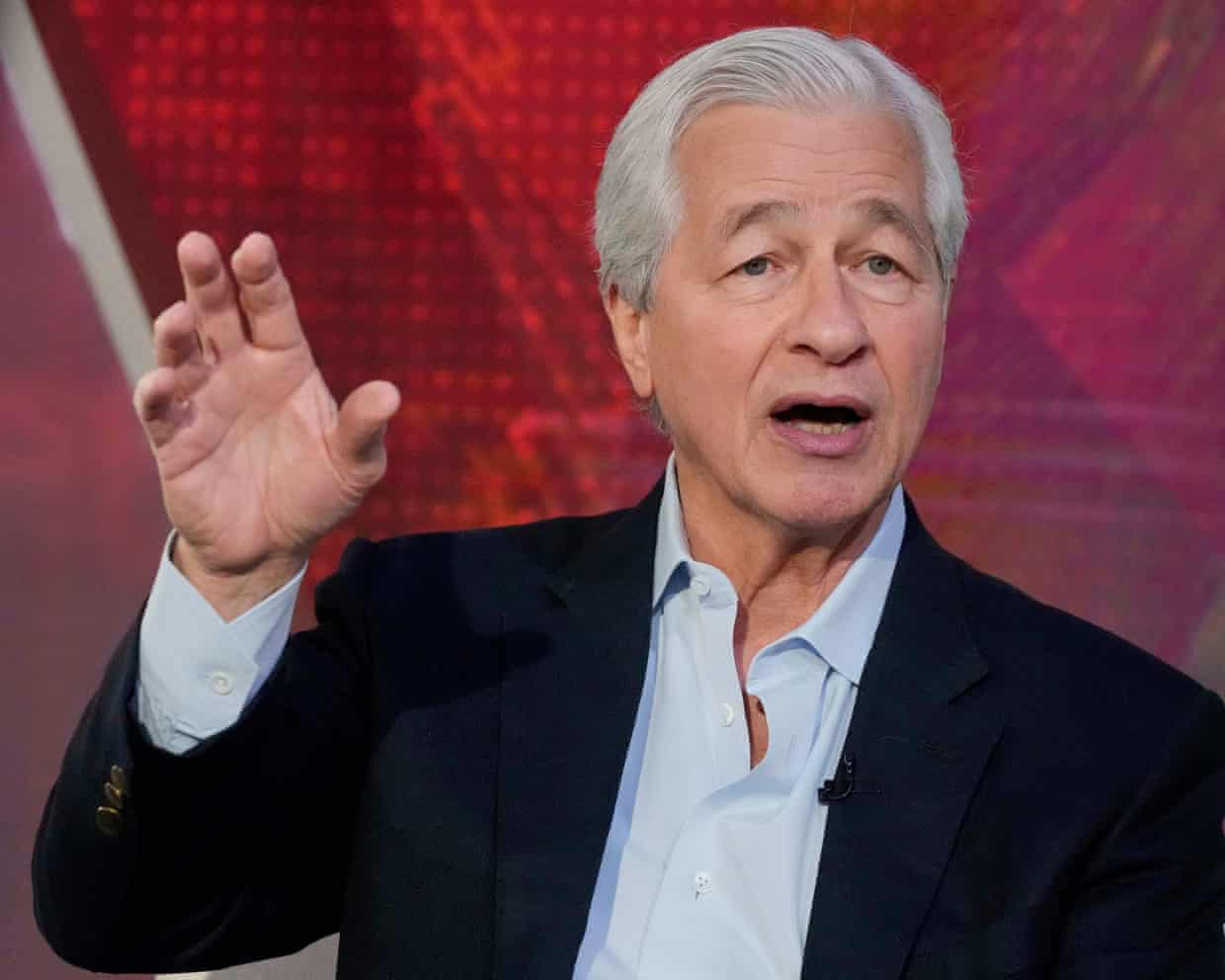
The boss of JP Morgan, Wall Street’s biggest bank, said a downturn across the $3tn private credit market would not put financial stability at risk, adding that losses would have to be “very large” before the pain rippled out to major banks.Dimon played down the potential impact that a series of private credit loan defaults would have on the wider financial system, arguing that while there were some areas of of weakness, the unregulated industry did not pose a “systemic” risk.“The actual credit hasn’t gotten that much worse. There are pockets where it has … so we’ll be watching it closely,” Dimon told analysts during an earnings call on Tuesday. “The big point, to me, is … I don’t think it’s systemic

United Airlines CEO reportedly pitched merger with American, sparking competition fears
The CEO of United Airlines is said to have pitched a blockbuster merger with American Airlines during a meeting with Donald Trump, floating the combination of the world’s two largest carriers.Scott Kirby, who leads United, raised the prospect during an encounter with the US president in late February, Reuters reported, citing two unnamed sources. Such a deal would overhaul the global air travel industry – and would likely face intense competition scrutiny.United declined to comment. American and the White House did not immediately respond to requests for comment
UK growth forecasts slashed by IMF as Iran war hurts global economy – as it happened
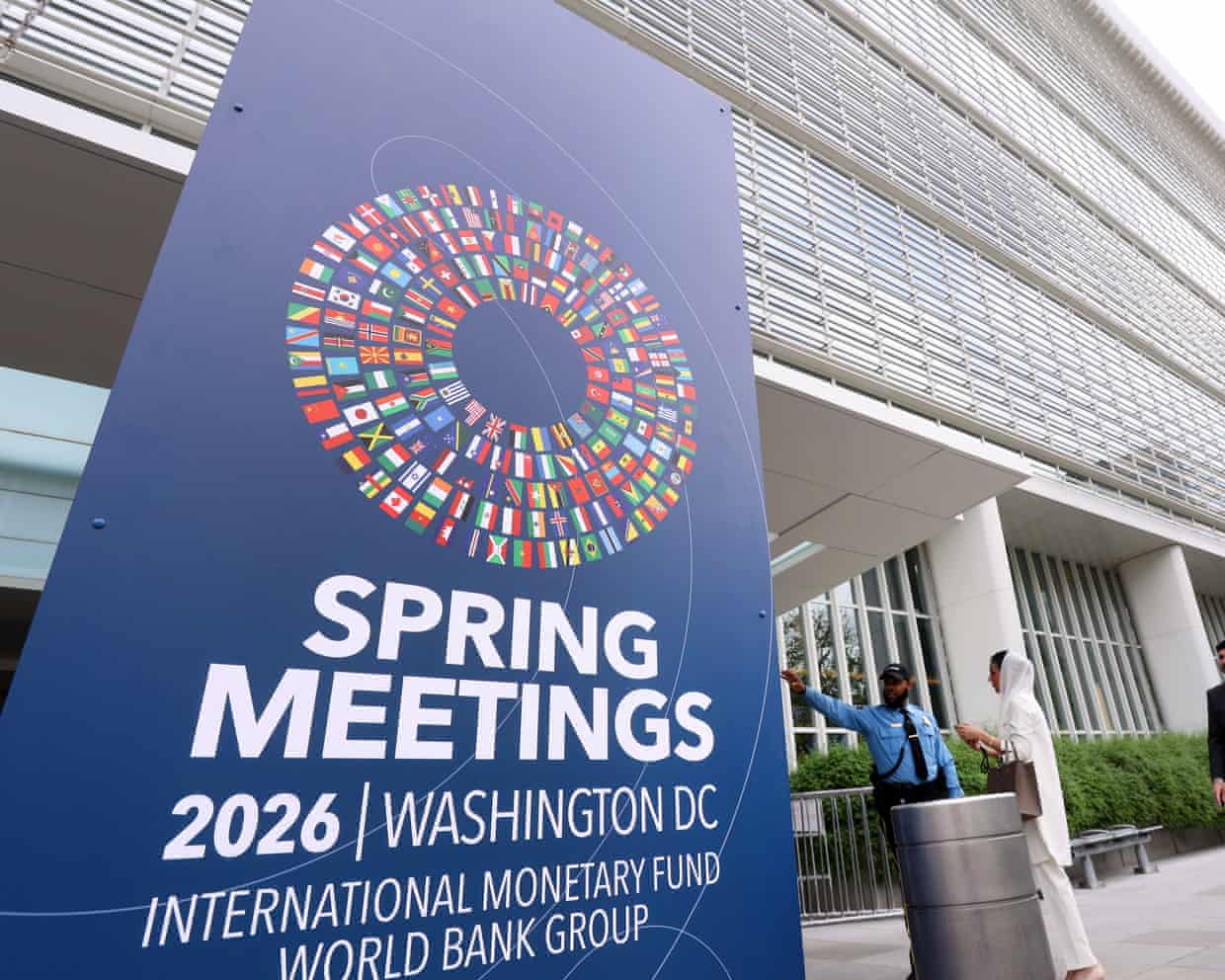
Newsflash: The International Monetary Fund has cut its forecast for UK growth this year and in 2026, as the Iran war hurts the global economy.The UK has been hit by the sharpest growth downgrade in the G7 in the IMF’s new economic forecasts, just released, at its spring meeting in Washington DC.UK GDP is now expected to rise by just 0.8% this year, down from a previous forecast of 1.3% – a bigger downgrade than other major economies
UK steel exports to EU at risk as bloc doubles tariffs and halves quotas
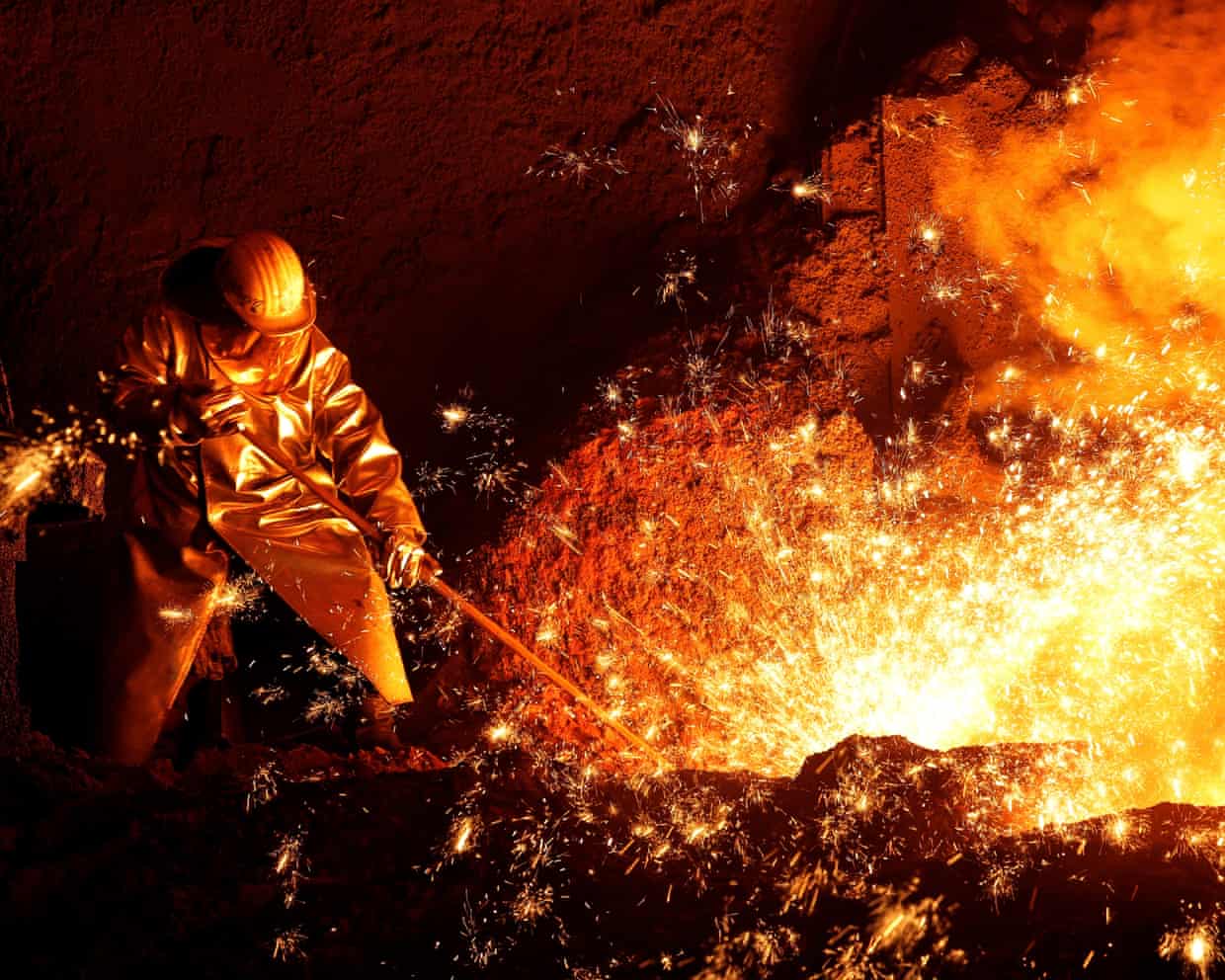
The EU is to go ahead with plans to double tariffs and halve quotas on imports of steel from July, in a move designed to curb Chinese imports but which could damage UK exports to the bloc.The decision by EU lawmakers and member states after late night talks on Monday, will reduce duty-free quotas by 47%. Exact country allocations have yet to be determined.The EU industry commissioner, Stéphane Séjourné, hailed the agreement as the “strongest ever” safeguard agreed and a “victory for our steel mills, our steelworkers and our industrial sovereignty”.A flood of cheap imports from China was thought to be the driving force behind the measures
IMF warns ‘unprecedented’ energy crisis could trigger global recession as Australia prepares for G20 fuel talks
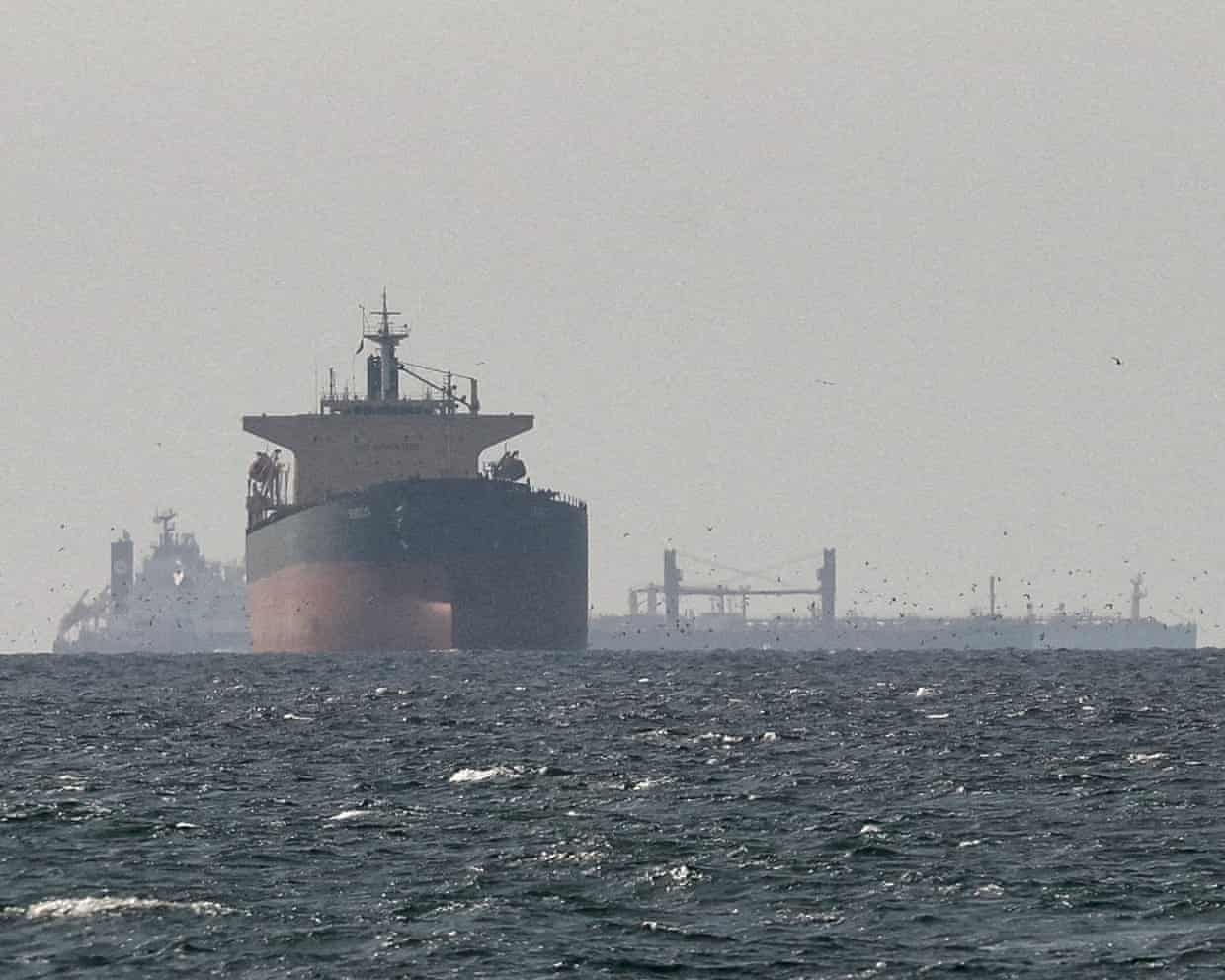
The International Monetary Fund has warned the US-Israel war on Iran risks creating an “energy crisis of an unprecedented scale” that could tip the global economy towards recession.The grim warning contained in the IMF’s latest World Economic Outlook comes as Jim Chalmers prepares to attend the organisation’s spring meetings in Washington DC this week, where he said he would be “joining with other countries continuing to call for an enduring end to the war”.As the United States began its blockade of the critical strait of Hormuz in an effort to force Iran back to the negotiating table, the IMF’s chief economist, Pierre-Olivier Gourinchas, said “the world economy faces another difficult test”.“The closing of the strait of Hormuz and serious damage to critical facilities in a region central to global hydrocarbon supply raise the prospect of a major energy crisis should hostilities continue,” Gourinchas said.As higher fuel costs smash household and business confidence in Australia, the treasurer will hold bilateral meetings with his foreign counterparts from the nation’s major fuel suppliers, including South Korea, Singapore, Japan and China
Nissan turnaround plan pins hopes on ‘AI-defined vehicles’
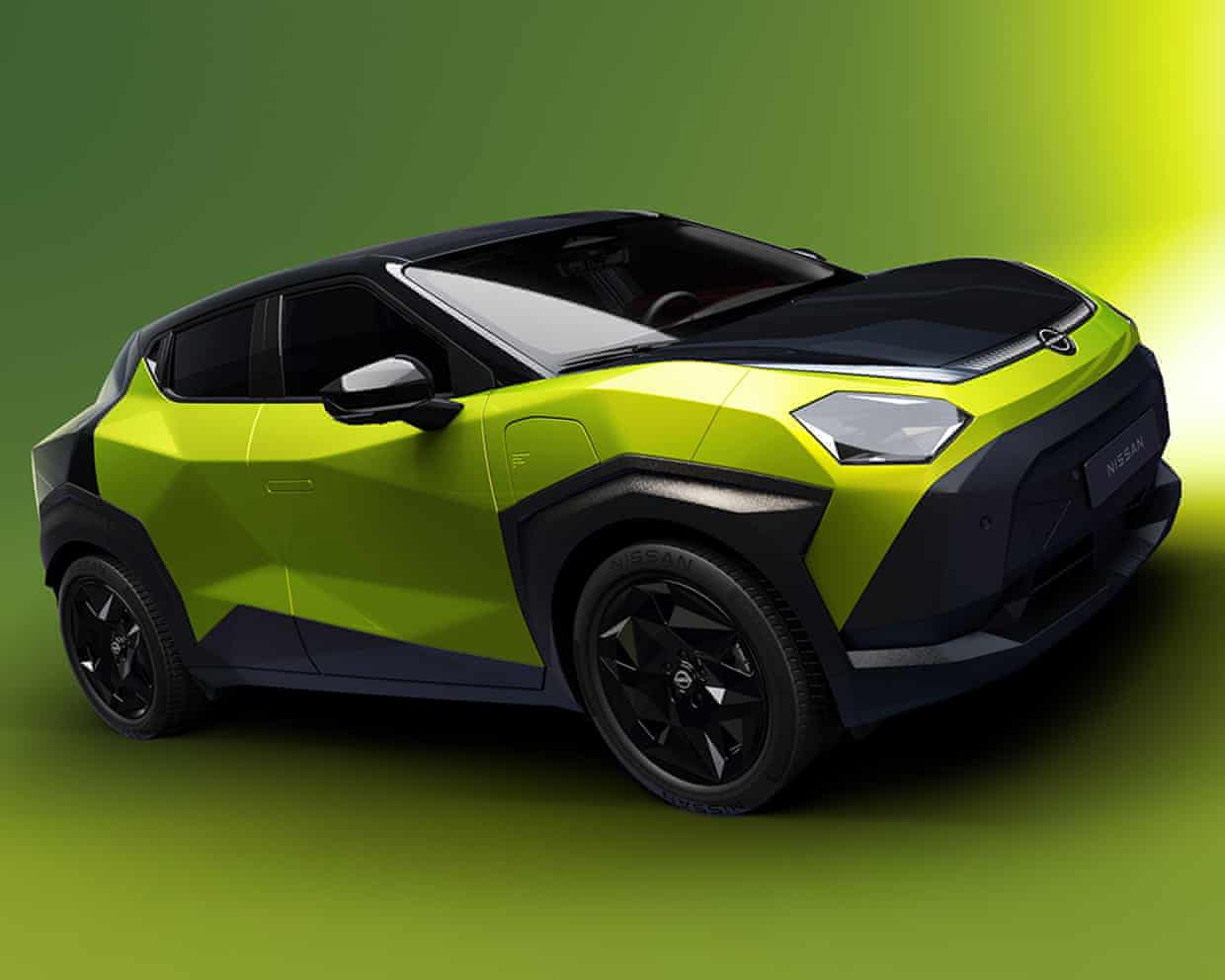
Nissan has said it will add self-driving abilities to the vast majority of its cars and cut a fifth of its models in the latest stage of the Japanese carmaker’s drawn-out turnaround efforts.Ivan Espinosa, Nissan’s chief executive, said the company was pinning its hopes on “AI-defined vehicles”, with an aim of installing autonomous driving technologies on 90% of its vehicles in the future.The carmaker endured years of turmoil under a succession of bosses. Espinosa took over last year and has set about a painful programme of seven factory closures and 20,000 job losses in an effort to cut costs.On Tuesday he announced at an event at Nissan’s headquarters in Yokohama, Japan, that the company would reduce the number of cars it made from 56 to 45 models in order to divert investment to more profitable models

Iran war escalation could trigger global recession, IMF warns
South East Water chief executive to forgo his bonus over ‘unacceptable outages’

China now the ‘good guy’ on AI as Trump takes ‘wild west’ approach, MPs told

Bosses say AI boosts productivity – workers say they’re drowning in ‘workslop’

Javokhir Sindarov earns world chess title shot with stunning Candidates win
Welcome to The Hotspot, our new newsletter on sport’s relationship with the climate crisis