Oats, sardines and crisps: emergency foods to stockpile – and why you should share them
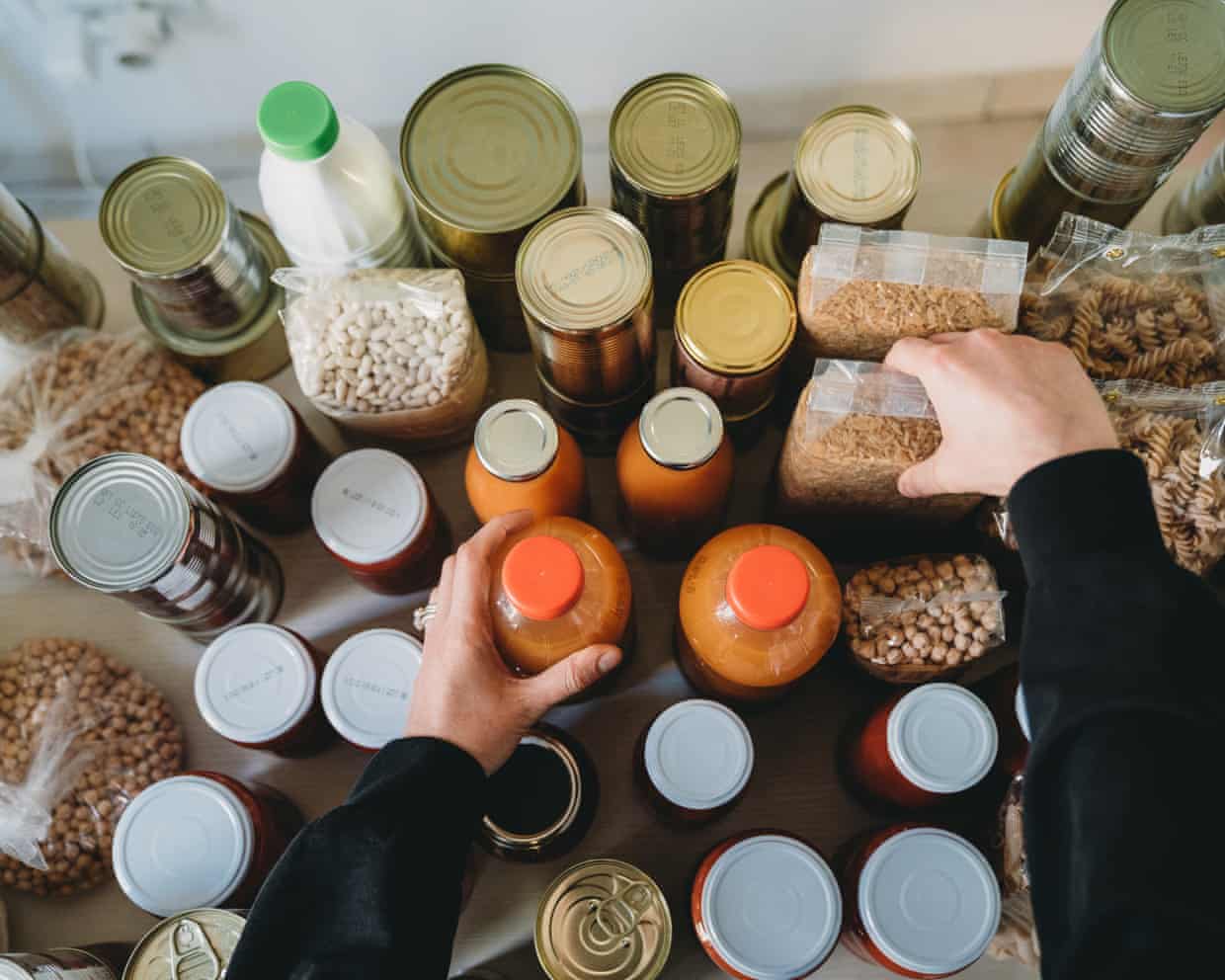
People should have an emergency stockpile of food in their homes in case conflicts, extreme weather or cyber-attacks shut down supplies, leading UK experts have told the Guardian.In an ever more turbulent world, they say it is essential to choose long-life items that can be eaten without cooking – think tinned beans, vegetables and fish, rice crackers, and oats that can be soaked.But it is also important to choose items you actually like to eat, and some treats such as chocolate or crisps to keep your spirits up.You will also need water – lots of it – not just to drink but for washing too.Perhaps the most surprising advice is to be prepared to share your stockpile with neighbours.
With one in seven households with children already suffering food insecurity in the UK, many people cannot afford to build up a stockpile and, without food, civil unrest soon follows.“Yes, do store food, but be prepared to share to maintain social solidarity,” says Prof Tim Lang.“All resilience theory and experience, in shocks, wars, or sub-war conflicts, shows it is essential to maintain social cohesion if you want to maintain social order.”One shock could spark social unrest and even food riots in the UK, according to a report from dozens of the country’s top food experts, published in February.They said chronic issues like low incomes and fragile “just-in-time” supply chains have left the food system a “tinderbox”.
The Iran war, hitting vital fuel and fertiliser supplies to farmers, has added to the pressure.Lang warned in early March that the British government should be stockpiling food – unlike Switzerland and many others, it is not.A recently uncovered government report from 2024 also warned that hits to the nation’s food security from the climate crisis and geopolitical instability meant it could be “at strategic risk of catastrophic failure” by 2030.UK glasshouse growers have already warned of shortages of cucumbers, tomatoes and peppers in supermarkets due to soaring gas prices.Some countries take emergency home stockpiles of food very seriously – they add to the overall resilience of a society in a crisis.
Switzerland’s government provides a website where you can put in the details of your family, food allergies, if you are vegetarian and even if you have pets and get a detailed list of the food required.A week’s supply for a family of two adults and two children, for example, includes 20 tins of vegetables, seven packets of instant soup, salami, a kilogram of coffee and 47 1.5-litre bottles of water.For two adults and two children, all omnivorous, according to the Swiss guidelines• Mineral water 47x 1.5l bottles, for drinking and coking• Other drinks 5l of fruit and vegetable juices and soft drinks• Tea about 300g• Coffee 1kg• Milk or milk alternative 5l • Vegetables 21x 300g portions of canned vegetables, such as corn, tomatoes, mushrooms, peas or carrots• Fruit 17x 300g portions, for example apple sauce, canned pineapple or dried fruit• Sauces 7x 200g portions, eg pesto, tomato sauce, ketchup, mayonnaise or mustard• Soups 7x 200g portions, eg bouillon cubes, readymade soup or instant soup• Grains 10x 500g portions, eg pasta, rice, rice cakes, muesli or gluten-free alternatives• Ready meals 12x 250g portions, for example ready-made risotto or rosti • Legumes 14x 400g portions, eg chickpeas, beans in tomato sauce, canned or dried lentils• Meat 7x 100g portions, for example cured meat, salami or canned meatloaf • Fish 12x 100g portions, for example sardines or canned tuna• Dairy 3x 300g portions of hard cheese• Nuts 3x 200g portions, eg cashews, almonds or hazelnuts• Oil 1l, for example olive or rapeseed oil• Spices and seasoning eg salt, pepper, sugar, sweetener• Snacks 10x portions of sweet and salty snacks such as crisps or chocolateGermany has a similar site, while Latvia and Lithuania both distribute booklets to all citizens on how to survive for 72 hours in a crisis.
Sweden also provides detailed advice in a booklet: “You need food that is filling, energy-rich, can be stored safely at room temperature [and] requires very little water or can be eaten immediately.Start building up your emergency storage by simply adding one or two additional items when doing your regular shopping.”The UK’s food advice on its Prepare website is, in contrast, minimal: one short sentence.Lang is blunt, calling the advice stupid: “The state ought to be protecting us more and be giving us specific advice.”Lang has a store of food himself.
“You’ve got to be thinking, no cooking facilities, plus maybe no water, plus the internet has gone down, so you can’t go and ask the web,” he says.“You must think very carefully about what you wouldn’t mind living off for a week or 10 days if things were really bad.”“My favourite meal is dal and we store beans in 24-36 big jars and we have lots of dried goods,” he says.“We also have tins of sardines and other fish that would help you get through and we always have a lot of oats in – you can soak them and eat them raw.They’re a great thing to have.
”“If you have a garden, you can keep some things growing,” he says.Lang currently has two long rows of spinach and he says even herbs in a pot would be valuable in brightening up a meal: “If you’ve got some chives growing, you’ll titivate the beans that you’re eating for the fourth, or 10th time in 10 days into tasting a bit different.Those things matter and they’re actually also giving you micronutrients.”As for water, you need a lot, says Lang: “You need, as a very minimum, 7 to 12 litres per person per day.”Prof Sarah Bridle, at the University of York, also recommends having an emergency food store: “Yes, definitely.
There’s lots of different reasons why we could have a food crisis.”“I did go a little bit crazy [during Covid lockdowns] getting lots of stuff in and what I learned very quickly there is to make sure you get stuff that you actually like and eat anyway,” she says.“In my case, I love beans, lentils and chickpeas.I cook with them all the time and so have about a week’s worth, one tin per day, and I use them on a regular basis,” she says.“I learned how to incorporate things that are long-life into my everyday diet, so it is now a natural part of what I’ve got in the cupboard.
”She says it is helpful to have official guidance on what people should store, but this should not be too prescriptive.“If they’re not things you like, then it’s going to be wasted when it goes past the use date.” Some treats, such as sweets or chocolate, are good to have, especially for children, though her preferred treat is crisps.The environmental campaigner and Guardian columnist George Monbiot has frequently warned of the fragility of the food system and revealed the contents of his own stockpile last year: 25kg of rice, 15kg of dried chickpeas, 15kg of bread flour, 7kg of chapati flour, 5kg of oats, six litres of vegetable oil, a slab of tinned tomatoes, some nuts and dried fruit.Along with the vegetables he grows, he says this is about two months’ supply for his family of three.
Addressing the risks of food shortages requires large-scale systematic changes but home stockpiles can buy time for the authorities in emergencies.A spokesperson for the UK’s Department for Environment, Food and Rural Affairs said the country had a high degree of food security, built on both strong domestic production and imports through stable trade routes.The UK produces about 60% of its food domestically, while the US, France and Australia are all food self-sufficient, and the Netherlands is 80% self-sufficient.“The government is actively monitoring the developments in the Middle East and the impact for our food and farming sectors,” she said.“There is no reason for consumers to change their buying behaviours and we stand ready to act swiftly and appropriately to support our farming industry and protect food security.
”Lang accused the government of complacency: “Britain is way, way behind on this,The best thing people could do is write to their MP to put pressure on the government to be more realistic about preparing for food shocks and possible turnoffs,That is not catastrophising: it’s actually just being grown up and sensible about it,”
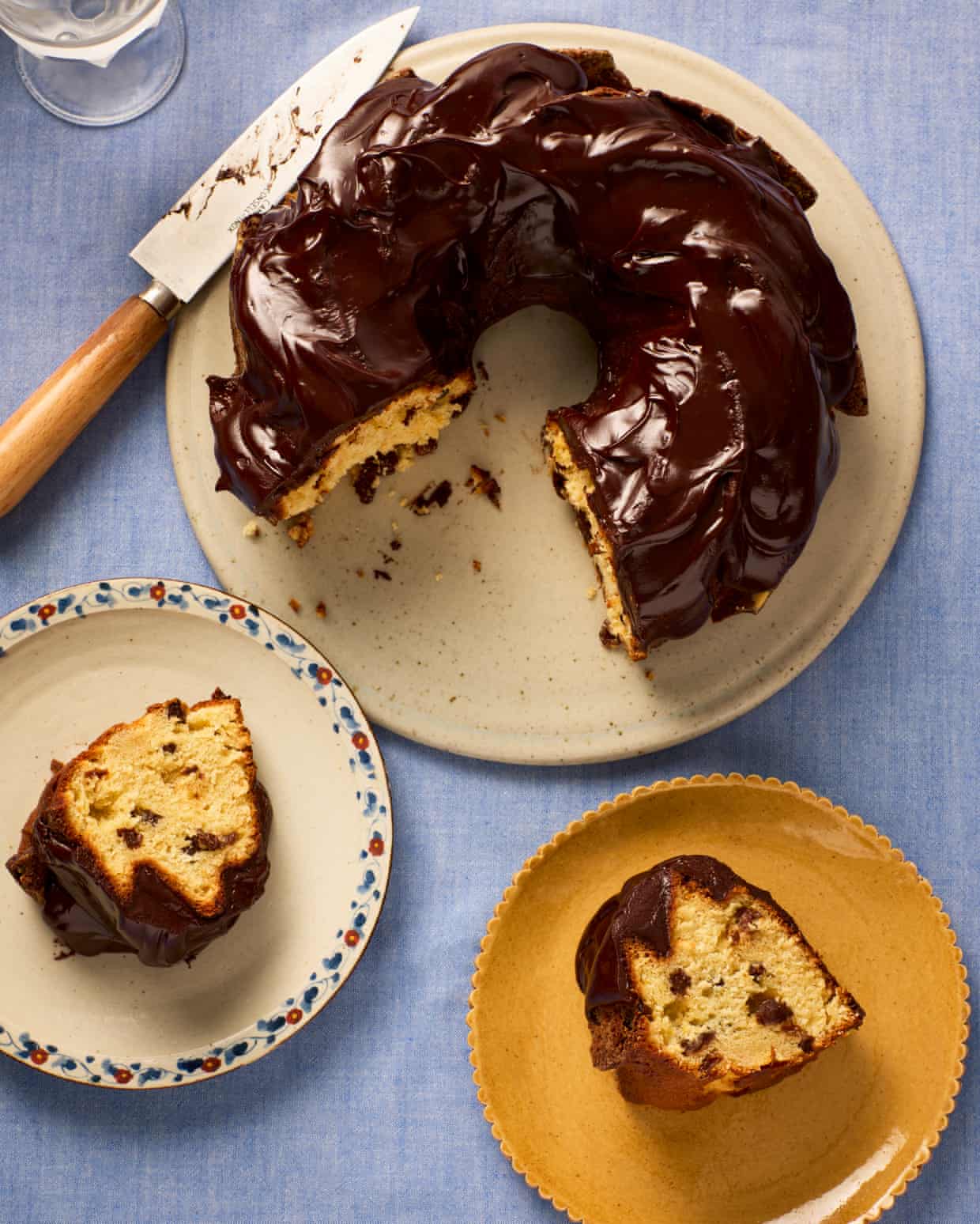
Helen Goh’s recipe for ricotta, rum and raisin cake | The sweet spot
This is a cake for the long, ambling tail-end of an Easter lunch. It’s gently scented with orange and vanilla, lightened by ricotta, and studded with rum-soaked raisins that bring bursts of sweetness to each slice. Ideally, they’d be soaked overnight to plump them into something luscious, but if time gets away from you, take a shortcut: put the raisins and rum in a microwave-safe bowl, zap for 20–30 seconds, then leave to cool and absorb. The chocolate glaze is optional; on days when you want something simpler (or lighter), a generous sifting of icing sugar is all this cake needs. Serve with a small glass of grappa or something similarly warming for a quietly perfect way to bring a feast to a close

Cocoa-crazy: chocolate-infused liqueurs deserve their own moment
Among my minor childhood traumas was the time my dad returned from a business trip to Belgium with a smart box of assorted chocolates (cue tiny violins). Expecting caramel, I bit into a truffle and was met by an explosion of very boozy liqueur. The box seemed to be an exciting change from the usual duty-free Toblerone, but after this incident, truffle assortments have always struck me as deeply unsafe. (I have tried liqueur-filled chocolates since, but still remain flummoxed by them.)The Guardian’s journalism is independent
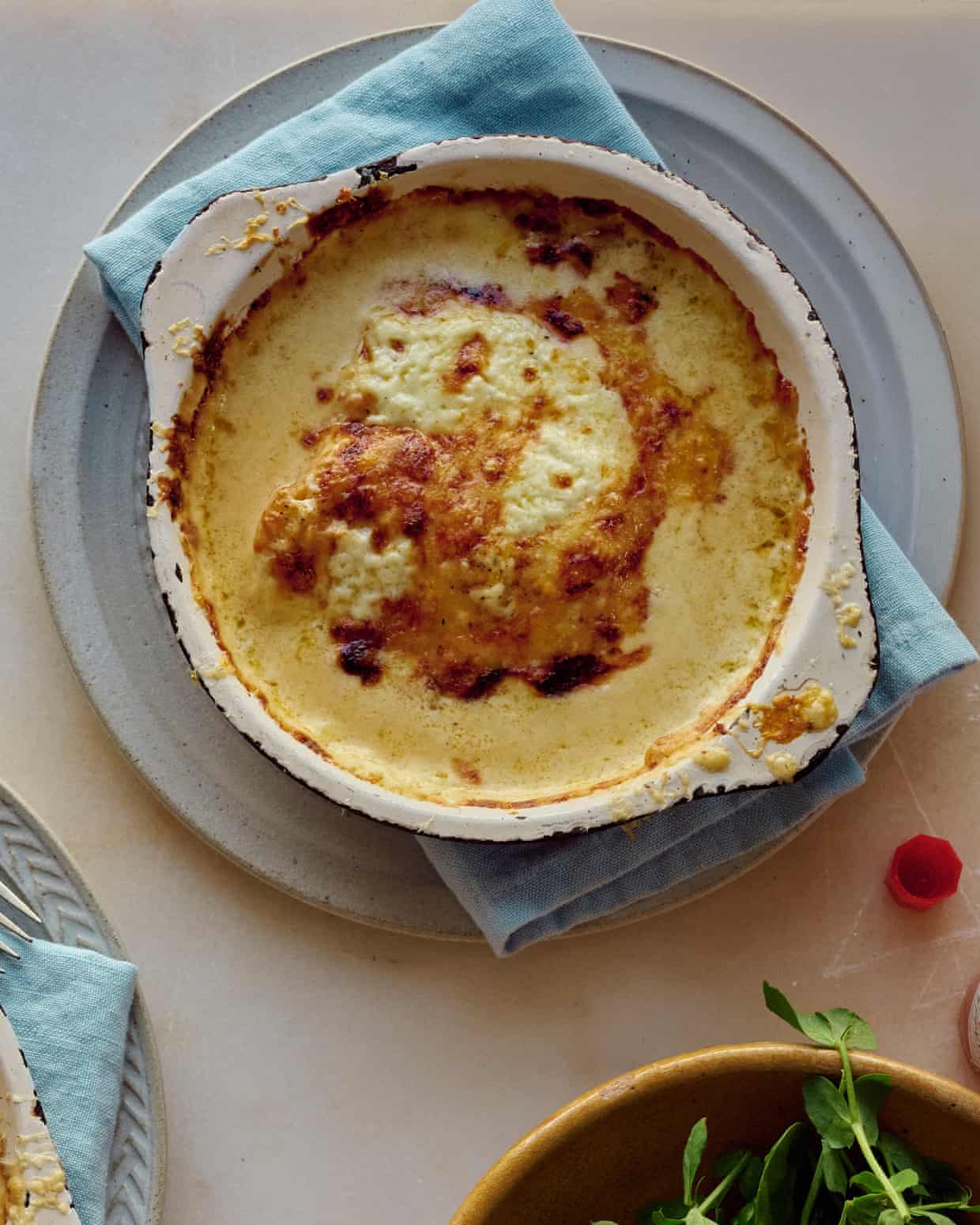
Baked cheesy smoked haddock and lemon icebox pudding: Henry Harris’ alternative Easter lunch
Sometimes all you want is a hot, bubbling dish and a spoon, and for me today’s cheesy haddock is that dish – a 15-minute supper to be enjoyed in front of the telly with a salad or a large bowl of hot buttered peas. Add a lemony, biscuity iced dessert, and you have a light, very easy and enjoyable supper that’s almost the perfect close to a long Easter weekend.Choose your smoked haddock carefully: you want large, thick fillets of undyed fish. Stating the obvious, here, but a good fishmonger will have this; a supermarket never. The creme fraiche must be a French, naturally soured cream, too, becausethe cheaper English versions coagulate when heat is applied, resulting in an unpleasant, watery gunk
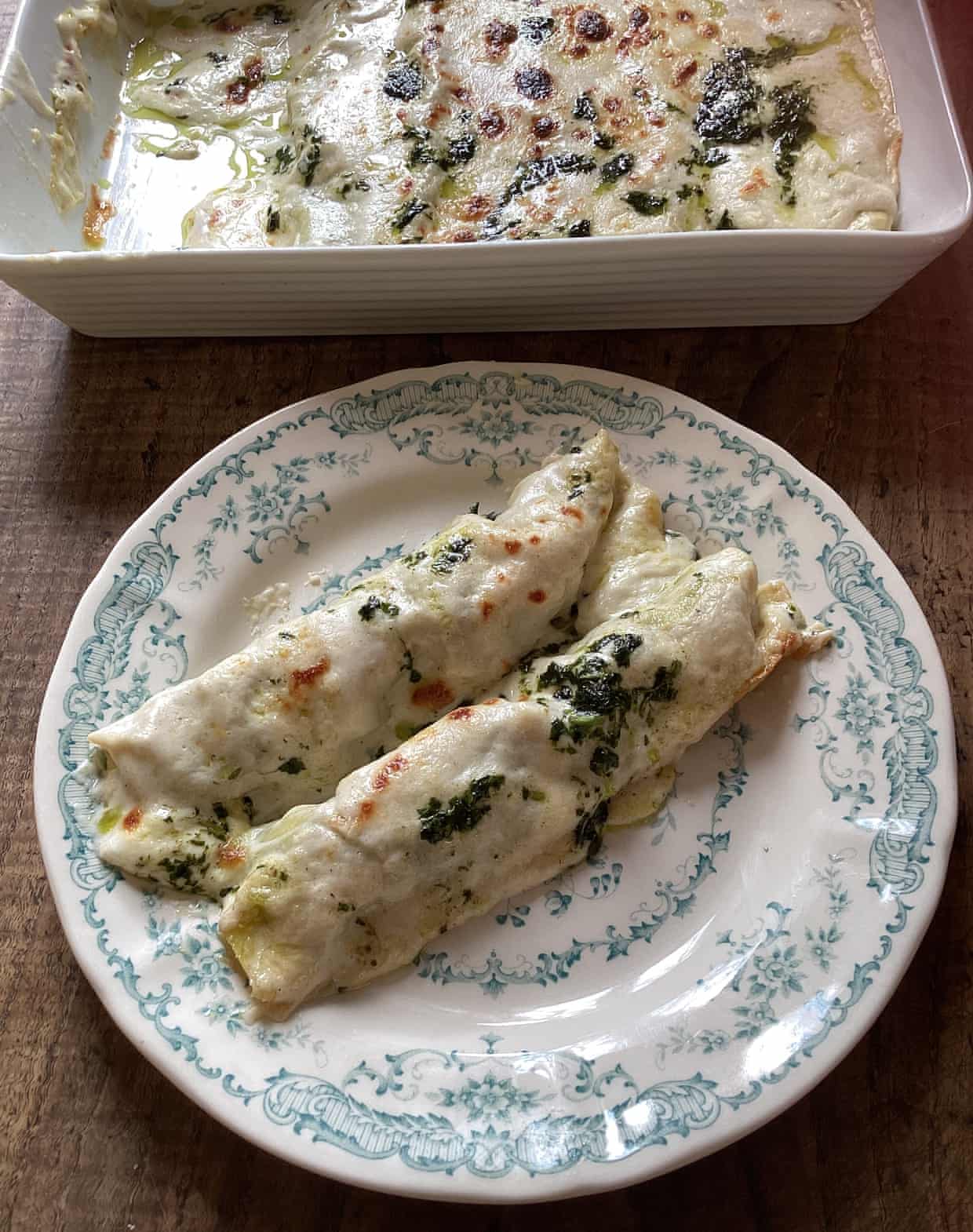
Rachel Roddy’s Easter cannelloni with spinach, peas, ricotta and mozzarella – recipe
Fresh sheets smelling of fresh air or fabric softener (or both) with hospital corners are one of life’s great pleasures. As are fresh sheets of egg pasta – the sort that comes in squat boxes protected by clingfilm and found in the fridge section alongside ravioli. They are also one of the most useful and certainly the most multi-talented of all the pasta shapes.That they are labelled lasagne is limiting; of course, they can be lasagne, but they could just as easily be numerous other shapes. The most easy-going of which is maltagliati, meaning badly cut, which tells you everything you need to know about the approach required as you cut them (using a knife, pizza wheel or pair of scissors) into uneven bits that are ideal in all sorts of soups, but especially those with beans
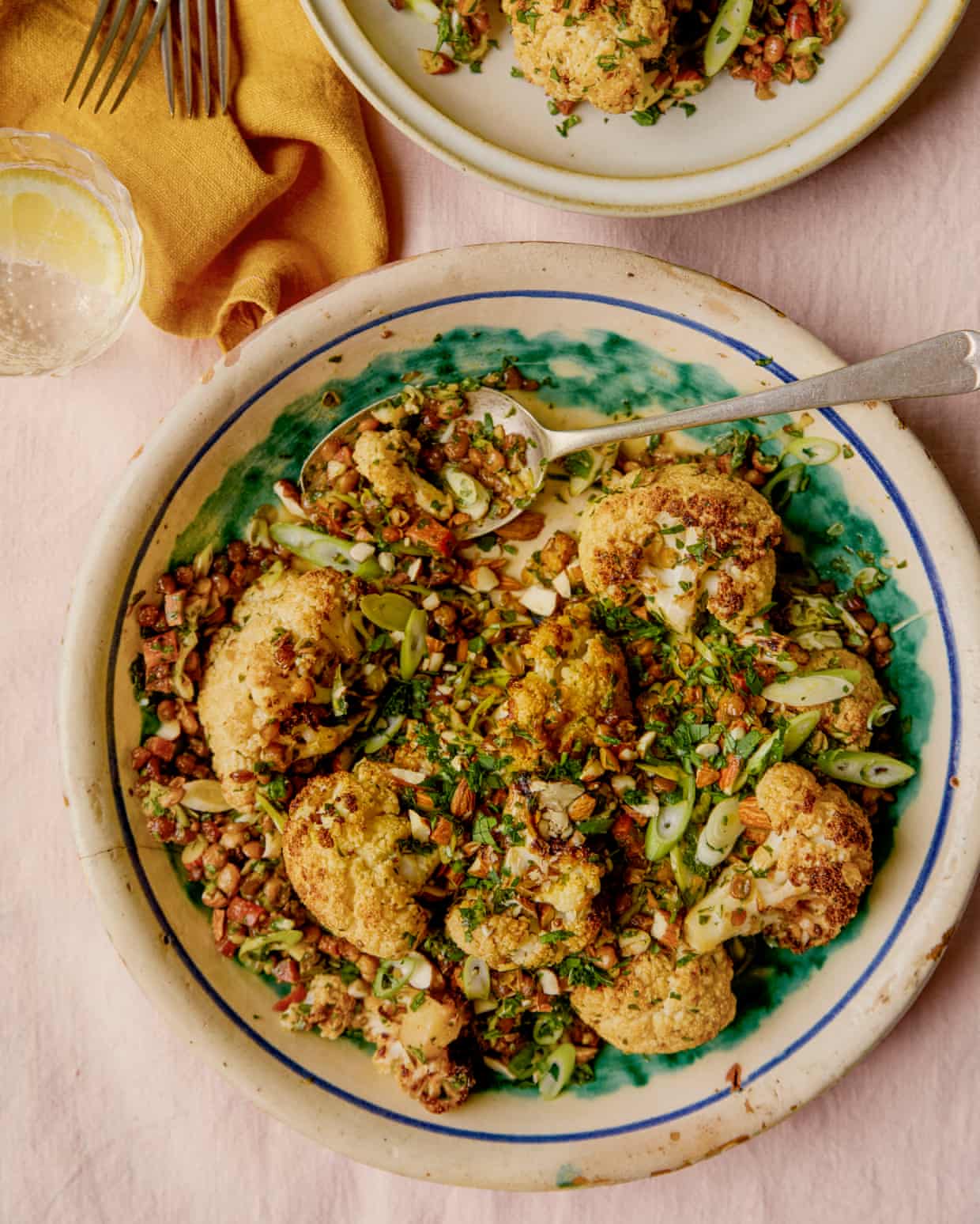
As Australian food prices rise, ‘robust’ cauliflower and cabbage are April’s best value fruit and veg
As roast and soup season starts, it is “a good time for brassicas”, says Graham Gee, senior buyer at the Happy Apple in Melbourne – “cauliflower and broccoli”. “You get a good supply of cabbage, kale, silverbeet and leeks too. All the robust veggies.”While they might not be ultra cheap, he says “a whole cauliflower can go a long way. You can feed a lot of people with them
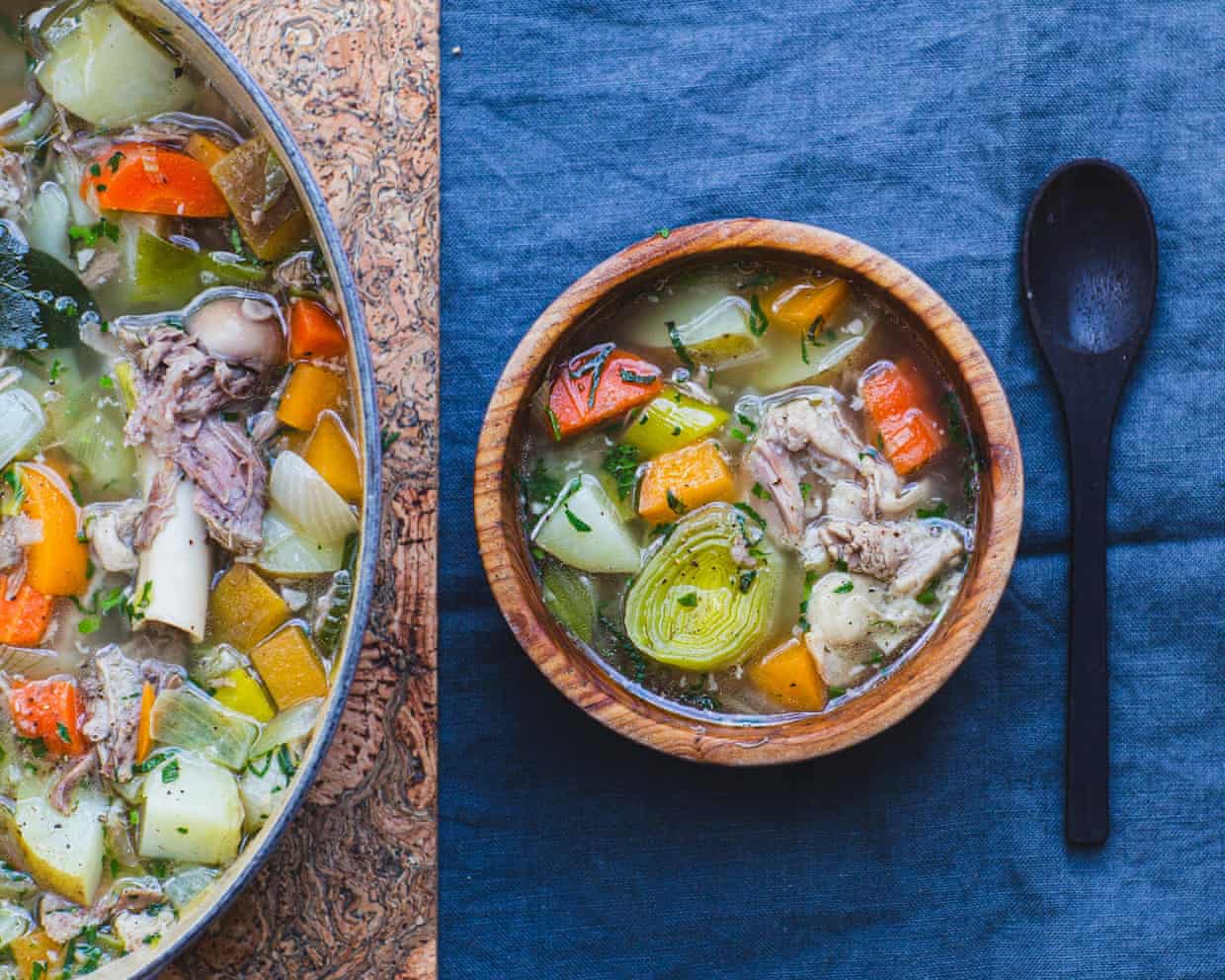
How to turn a leftover roast lamb bone into Wales’ national dish – recipe | Waste not
Cawl is Wales’ gift to the world of thrifty, slow-cooked broths and, like all great peasant dishes, it’s seasonal, versatile and immensely practical. A few years ago, Food & Drink Wales invited me to create two food sustainability toolkits, one for hospitality and one for the public, with both celebrating Welsh produce and recipes. This led me to explore Wales’ national dishes and discover cawl (or lobscows, the northern Welsh name for the dish) properly for the first time. Inspired by Welsh culinary legends Dudley Newbery and Tomos Parry’s recipes, it’s the perfect way to turn lamb leftovers, or even just a bone, into a hearty meal.The magic of cawl lies in its sheer simplicity

Rising star ‘Wreck-It Will’ Sherman has roots in US rugby’s past and eyes on its future

NCAA women’s Final Four: UCLA 51-44 Texas; South Carolina 62-48 UConn – as it happened

Geno Auriemma and Dawn Staley have tense postgame exchange after South Carolina shock UConn in Final Four

County cricket: Gay makes hay on opening day to blast season’s first century

Foakes to the rescue for Surrey as County Championship makes its earliest start

Timeforshowcasing into Classic contention after Burradon success