Stock markets set to fall, Bank of England deputy governor warns; Trump threatens UK with ‘big tariff’ over digital services tax – business live
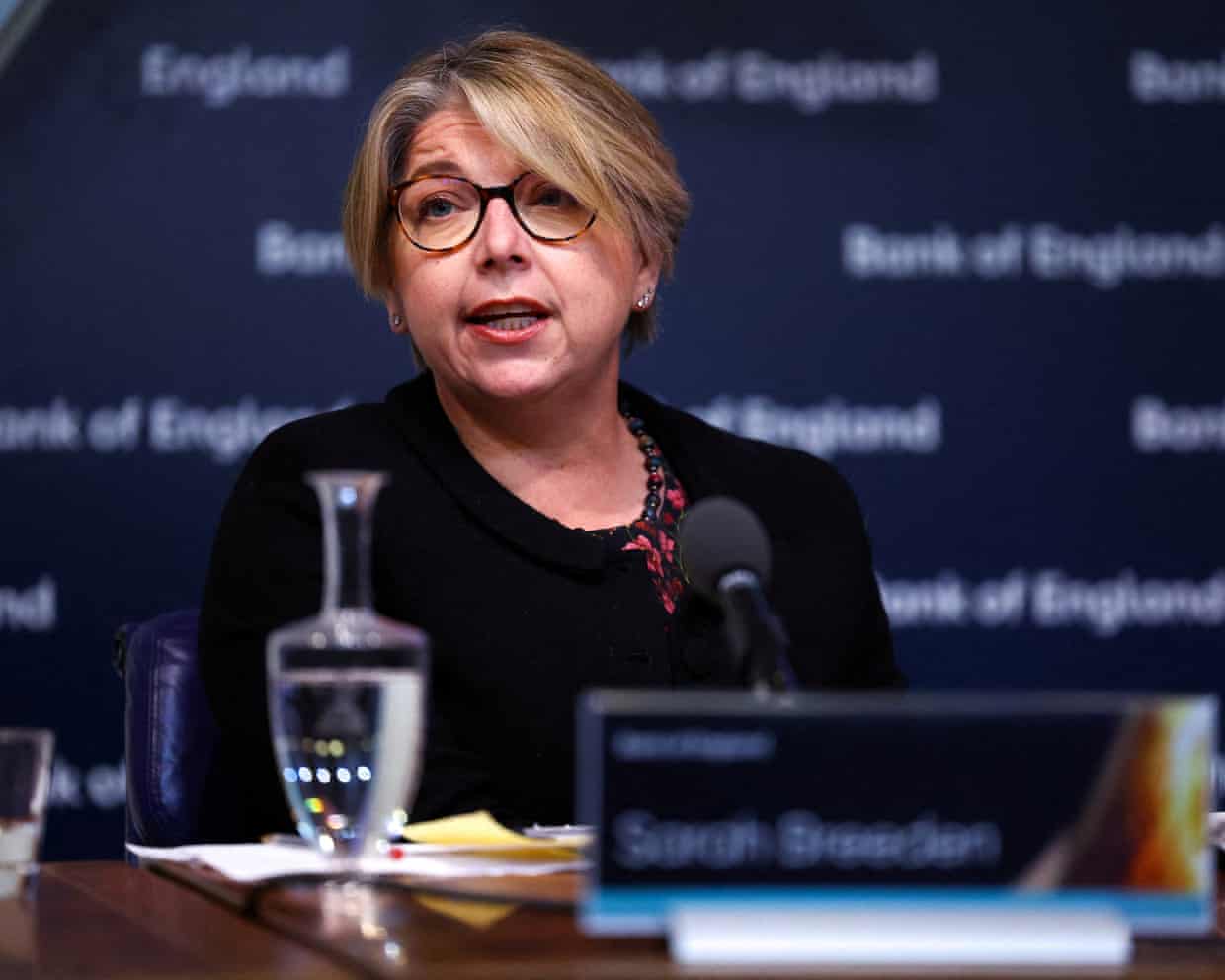
Good morning, and welcome to our rolling coverage of business, the financial markets and the world economy.Stock markets are too high, and are going to drop back at some point due to the many risks facing the global economy, one of Britain’s top central bankers has warned.Bank of England deputy governor Sarah Breeden has issued the prediction to the BBC, at a time when the US stock market has risen to record levels despite the Middle East conflict.She points out:double quotation markThere’s a lot of risk out there and yet asset prices are at all-time highs.We expect there will be an adjustment at some point.
”This chimes with the latest assessment from the Bank’s financial policy committee, which pointed to the risks from high AI valuations, AI disruption, and the private credit market.As she explains, the big fear is that several risk crystallise at the same time – such as an economic shock that leads to a rapid readjustment of AI valuations, and hurts confidence in private credit.Breeden is clear that she’s not predicting a correction imminently… but is focused on making the UK financial system strong enough to cope.double quotation markWhat we are watching for: is how might those prices fall? Will there be a sharp adjustment downwards? And if there is such an adjustment, how will that affect the economy?I’m not saying it will happen today, tomorrow, in 12 months’ time.It’s ensuring that if it happens the system is resilient.
”7am BST: UK retail sales report for March9am BST: IFO survey of German business confidence10.30am BST: Russia interest rate decisionThe oil price has risen by almost 1% this morning, as the US and Iran continue to both impose blockades in the strait of Hormuz.Brent crude has riesn to $106 a barrel this morning, towards the two-week high of $107.40 set yesterday.Energy prices picked up after Donald Trump ordered the US military to “shoot and kill” small Iranian boats that deploy mines to choke traffic through the strait of Hormuz.
Hopes of an early breakthrough also withered after Trump replied “Don’t rush me” when asked how long he was willing to wait for a long-term peace deal with Iran,There is some relief, though, that the US president also announced that a ceasefire between Israel and Lebanon would be extended by three weeks,Susannah Streeter, chief investment strategist at Wealth Club, explains:double quotation mark‘It’s shaping up to be a frustrating Friday, with oil prices on the march higher yet again and companies and consumers left counting the cost of the conflict,In just a week, we’ve had a sharp reversal of hope, with the key strait of Hormuz firmly shut and President Trump issuing shoot-to-kill orders to the US Navy for any boats laying mines,Brent crude is up around 20% on the week and is trading around the hot level of $105 a barrel, as any hopes of an immediate easing of the crisis are shattered.
President Trump has stressed he’s in no rush to end the war, and with the ceasefire extended for another three weeks, there’s set to be fresh financial pain ahead as key shipments from the region remain blocked.That is set to keep costs elevated for a vast array of commodities, from oil and gas to fertiliser and helium, which are vital for electronics manufacturing.The London stock market is dropping in early trading, as investors digest the lack of progress towards ending the Iran war, and Sarah Breeden’s warning about stock valuations.The FTSE 100 share index is down 48 points, or 0.46%, at 10,408 points.
Mondi (-5,8%) is the top faller, after the packaging group warned this morning that the Middle East conflict was pushing up its costs,Japan’s Nikkei share index has ended the week at a new closing record high,Stocks rallied as enthusiasm over earnings reports from the technology sector trumped anxiety over the Middle East conflict,This lifted the Nikkei 225 index to a new closing high of 59,716.
18 points, meaning it has risen by 2.1% this week.Paper and packaging group Mondi is lifting its prices to offset higher costs due to the Iran war, amid ongoing tough trading that has seen it close factories and cut jobs across Europe.The group – headquartered in Weybridge, Surrey – said 450 jobs were being axed this year after plans announced earlier this month to shut a further three factories in Hungary, Poland and Germany, PA Media reports.It said the closures add to three recently announced across Turkey, Hungary and Germany as it takes “targeted actions to strengthen our competitive advantage” and looks to cut costs.
Mondi, which has operations worldwide including a factory in Birmingham, said trading had remained “challenging” in the first quarter of 2026.The FTSE 100 group is hiking prices to offset rising costs caused by the Middle East conflict and soaring oil and energy prices, telling shareholders this morning:double quotation markAcross the business, we have however experienced increased energy, raw material and logistics costs.We are actively responding with pricing actions.“While there is a customary lag, we expect the impact of these price increases to take full effect in the third quarter of this year.”On the issue of high stock markets… Emma Moriarty, portfolio manager at CG Asset Management (CGAM) reckons they’re exhibiting “increasingly marked cognitive dissonance”.
She suggests share valuations don’t properly account for the energy shock caused by the Iran war, and are too optimistic, explaining:double quotation markThe Strait of Hormuz has been shut for eight weeks.The last ships went through on the 28th February and are arriving at their destination now, implying that we have effectively reached the point where pre-closure supply is exhausted.“Commodity markets and government bond markets have repriced to reflect this.Oil and gas price curves continue to show tightness of supply in the spot and the next few months’ futures markets.“Government bond markets have priced in an inflation shock.
In the UK, nominal interest rates have risen by around 50bp across the curve since pre-war levels,“OIS markets, which began the year pricing in 2-3 cuts to Bank Rate, now price in 1-2 Bank Rate rises, a reflection of stickier inflation expectations,At the same time, short-term UK real interest rates have fallen, a function of increasing market expectations of inflation and lower growth over the coming years,“The impacts are also showing up in the real economy,Petrol and diesel prices are higher; industry bodies are warning of potential double-digit food inflation; the number of payrolled employees has fallen; demand destruction is beginning, with mass flight cancellations being one of the most visible examples.
“By contrast, equity markets have continued their optimistic run: After a steep drawdown in the middle of March, the MSCI World Index is currently around 5% higher than it began the year – even after accounting for GBP appreciation over the period.Retail sales across Britain last month were boosted by the dash to fill up cars as the Iran war drove up petrol and diesel prices, according to the Office for National Statistics this morning.The ONS has reported that retail sales in Great Britain rose by 0.7% in March (up from a fall of 0.6% in February), as the Iran war pushed motor fuel prices steadily higher.
Retail sales volumes excluding automotive fuel rose by a more modest 0.2% over the month.Over the January-March quarter, retail sales volumes rose by 1.6%.ONS senior statistician Hannah Finselbach explains:double quotation markRetail sales rose in the three months to March, with commercial art galleries doing well earlier in the quarter and sales in beauty products stores rising as retailers reported launching new collections.
Online shops also saw strong sales across the period.“Motor fuel sales were up on the quarter, with retailers commenting that many motorists had been filling up their tanks in March following the start of conflict in the Middle East.”That is slightly perplexing, though, as yesterday’s public finances showed that the amount collected in fuel duty in March was the lowest for any month since July 2023.The threat of a new UK-US trade war has reared up again, after Donald Trump has threatened to impose tariffs on the UK if it does not drop its digital services tax on US social media firms.Speaking to reporters from the Oval Office on Thursday, the US president said:double quotation markWe’ve been looking at it and we can meet that very easily by just putting a big tariff on the UK, so they better be careful.
If they don’t drop the tax, we’ll probably put a big tariff on the UK.”The digital services tax, which was introduced in 2020, imposes a 2% levy on the revenues of several major US tech companies.The Trump administration has been pushing back against it; in December, the US paused its promised multibillion-pound investment into UK tech in protest against trade barriers.Good morning, and welcome to our rolling coverage of business, the financial markets and the world economy.Stock markets are too high, and are going to drop back at some point due to the many risks facing the global economy, one of Britain’s top central bankers has warned.
Bank of England deputy governor Sarah Breeden has issued the prediction to the BBC, at a time when the US stock market has risen to record levels despite the Middle East conflict,She points out:double quotation markThere’s a lot of risk out there and yet asset prices are at all-time highs,We expect there will be an adjustment at some point,”This chimes with the latest assessment from the Bank’s financial policy committee, which pointed to the risks from high AI valuations, AI disruption, and the private credit market,As she explains, the big fear is that several risk crystallise at the same time – such as an economic shock that leads to a rapid readjustment of AI valuations, and hurts confidence in private credit.
Breeden is clear that she’s not predicting a correction imminently… but is focused on making the UK financial system strong enough to cope.double quotation markWhat we are watching for: is how might those prices fall? Will there be a sharp adjustment downwards? And if there is such an adjustment, how will that affect the economy?I’m not saying it will happen today, tomorrow, in 12 months’ time.It’s ensuring that if it happens the system is resilient.”7am BST: UK retail sales report for March9am BST: IFO survey of German business confidence10.30am BST: Russia interest rate decision
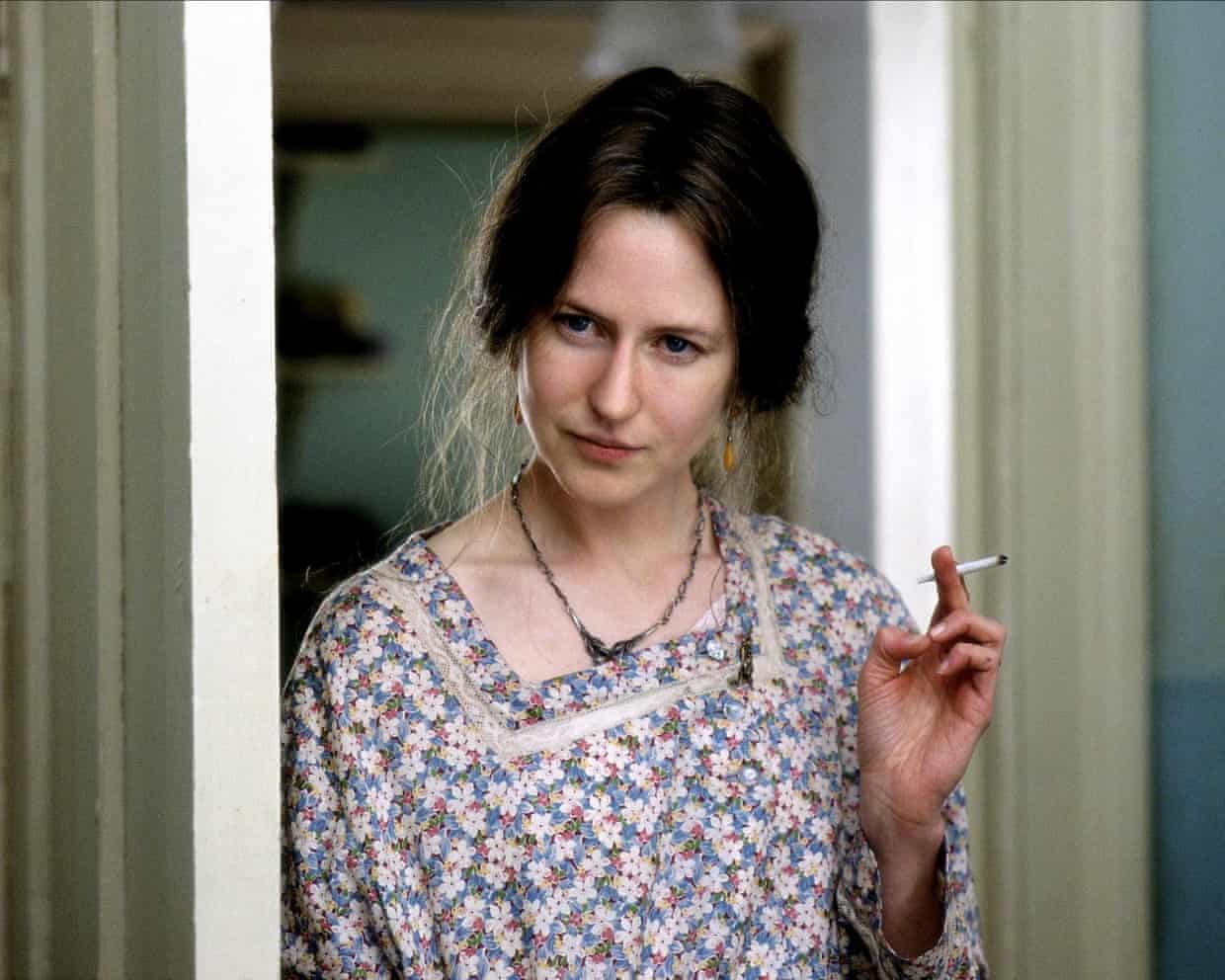
The Hours won awards for Nicole Kidman’s fake nose – and hearts as a queer classic
Michael Cunningham’s Pulitzer prize-winning book The Hours – inspired by Virginia Woolf’s seminal 1925 novel, Mrs Dalloway – imagines one day in the lives of three women separated across time periods. The triptych follows Woolf in the throes of writing Mrs Dalloway; Laura Brown, a depressed housewife who is reading Woolf’s novel in postwar America; and Clarissa Vaughan, a New Yorker who acts as a contemporary embodiment of Woolf’s titular character.Cunningham’s 1998 text, though widely acclaimed, was initially deemed unadaptable due to its nonlinear structure and stream-of-consciousness approach that paid homage to Woolf’s pioneering style. However, since its publication, The Hours (which takes its name from Mrs Dalloway’s working title), has been reinterpreted as an opera and, most notably, a 2002 film directed by Stephen Daldry.As the title suggests, the film explores the ways in which the routine of a single day can be at once beautiful in its ordinariness or seismic in its oppressive mundanity
Vanessa’s a pillar of the hiking community | Brief letters
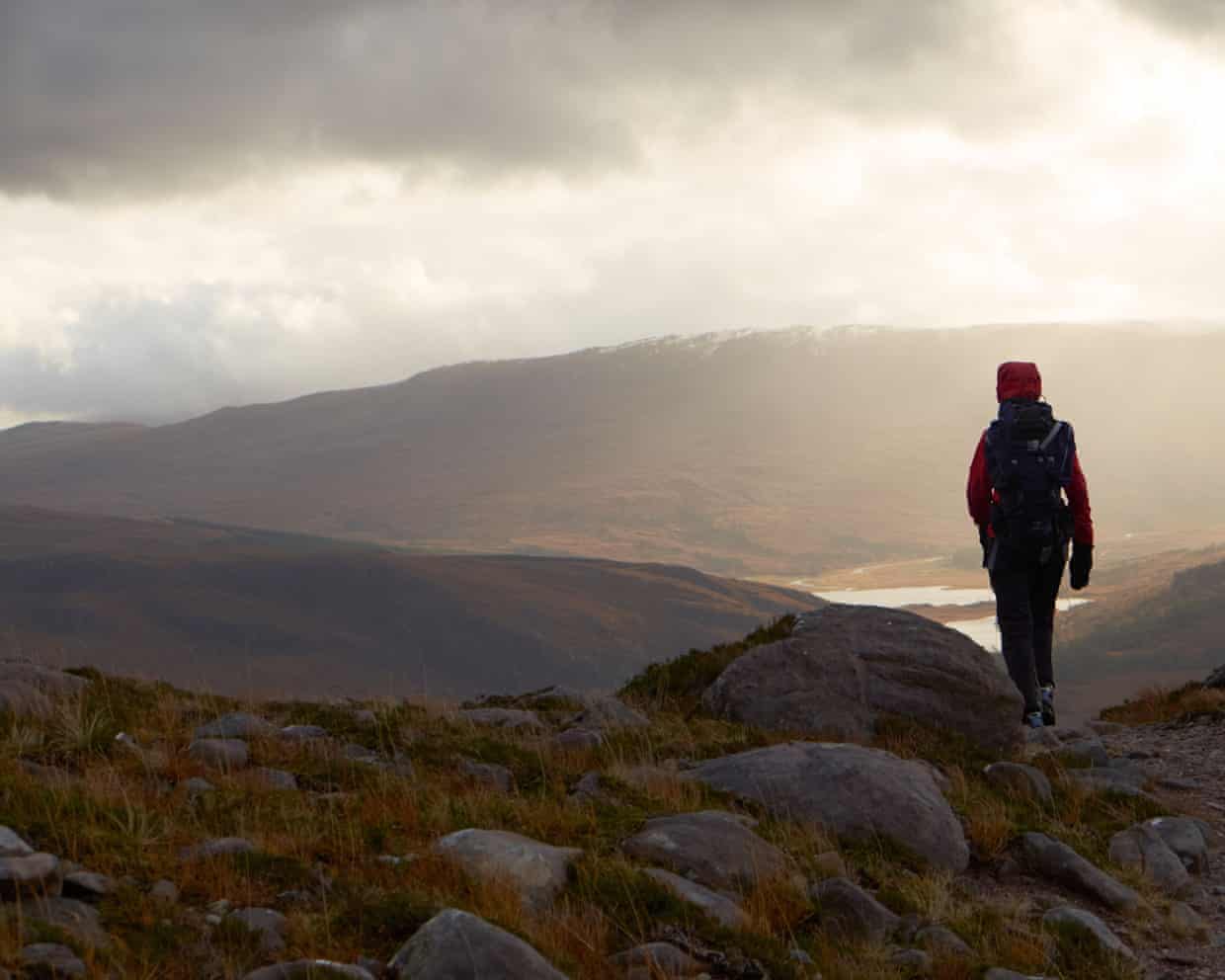
Your report (Campaigners seek listed status for historic trig points that mapped Britain, 16 April) didn’t mention the Vanessa trig point – Vanessa being a corruption of the Venesta company, which made cardboard tubes into which the concrete for the pillars was poured. These were designed for less accessible places, mostly in the Scottish Highlands and Islands. I was never less than half exhausted when I met one.Margaret SquiresSt Andrews, FifeThe Guardian’s journalism is independent. We will earn a commission if you buy something through an affiliate link
Zoologist, author and presenter Desmond Morris dies aged 98
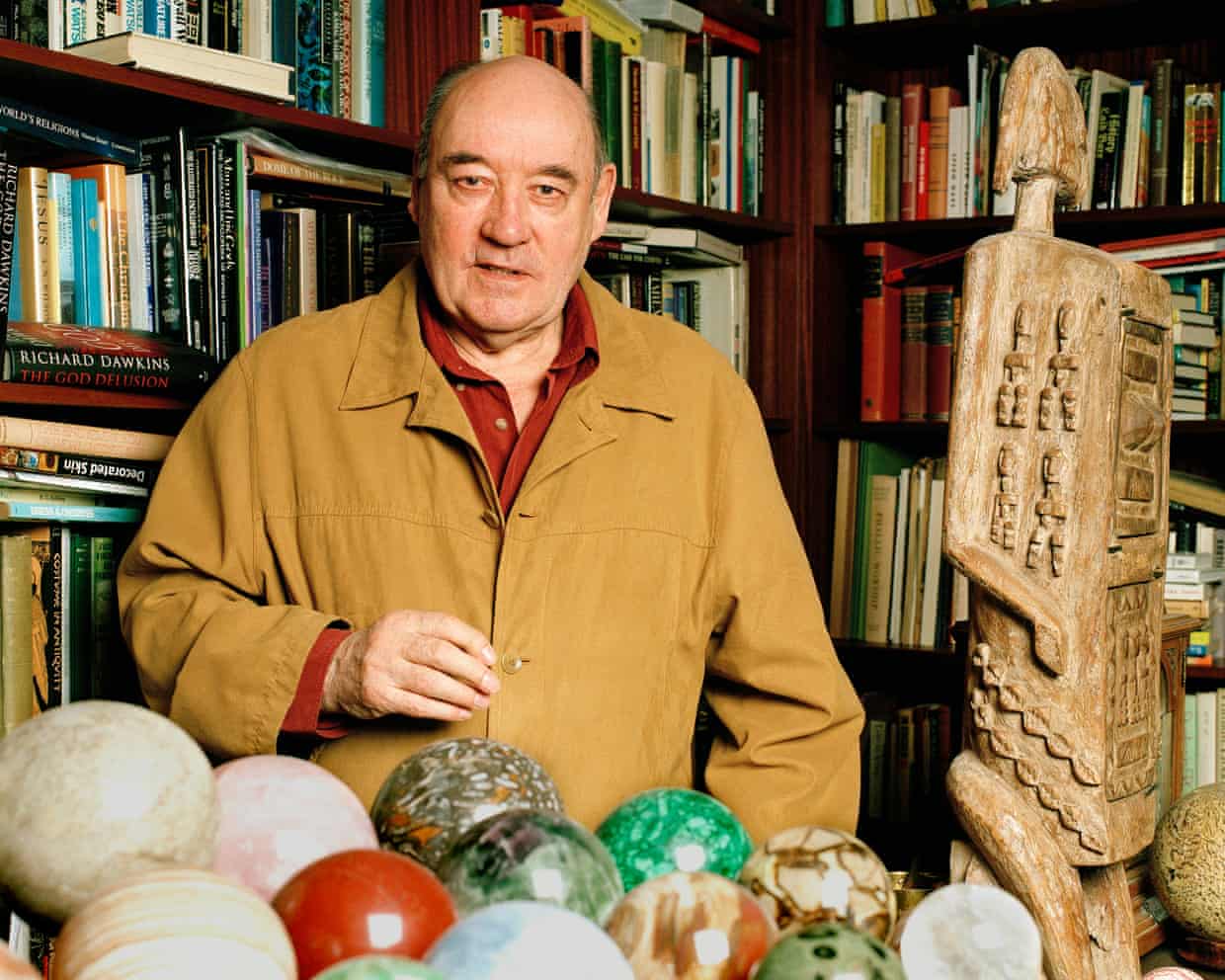
The zoologist Desmond Morris, perhaps best known for his book The Naked Ape and his work on the ITV programme Zoo Time, has died aged 98.Morris’s son Jason paid tribute to him after his death on Sunday, praising his many professional achievements as well as his role as a father and grandfather.“His was a lifetime of exploration, curiosity and creativity,” Jason said. “A zoologist, manwatcher, author and artist, he was still writing and painting right up until his death. He was a great man and an even better father and grandfather
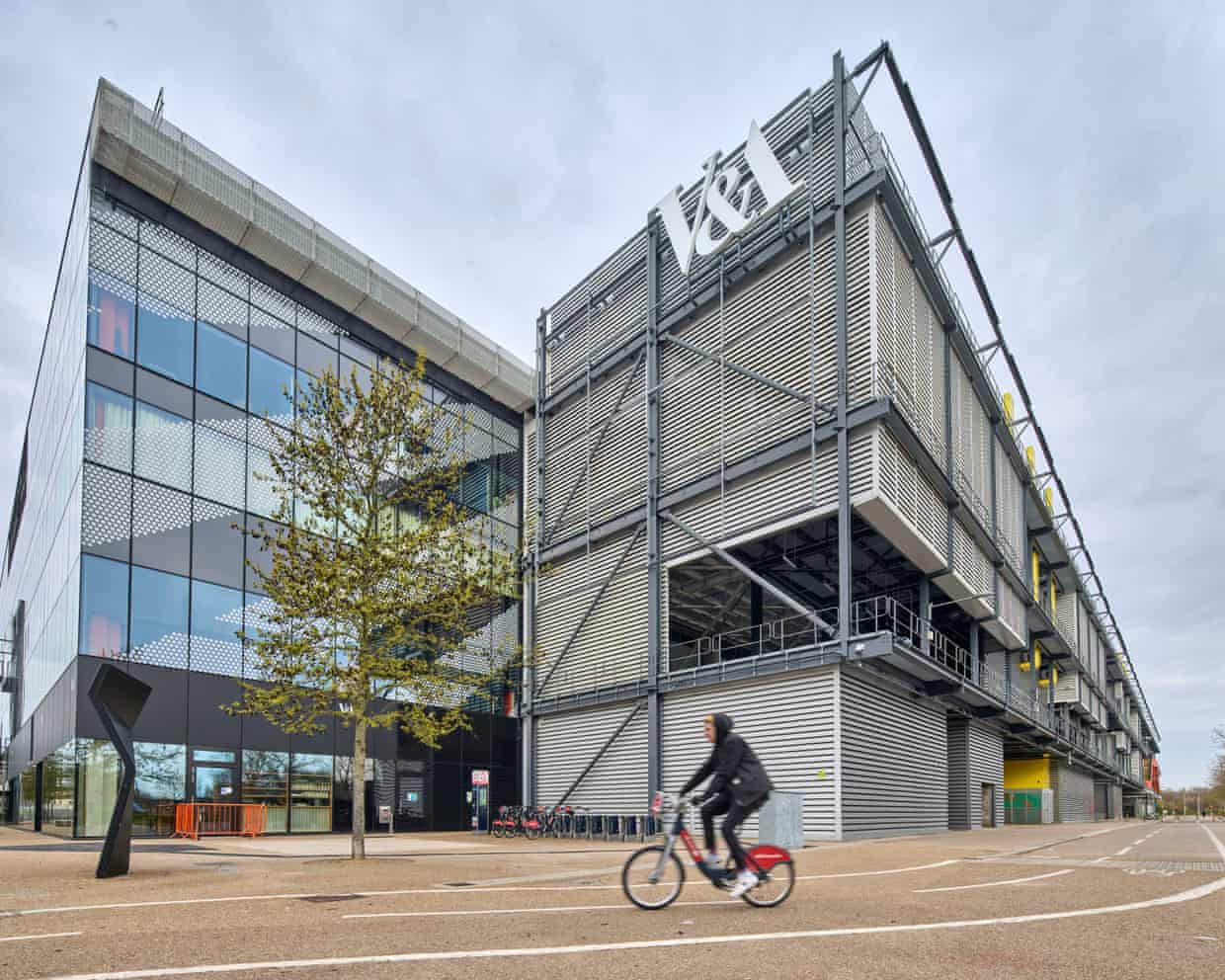
V&A East Storehouse and Norwich Castle among finalists for museum of the year
The V&A East Storehouse, the National Gallery and an accessible castle in Norwich are among the contenders for this year’s Art Fund museum of the year award, the most prestigious UK prize in the sector.The annual prize offers the winner £120,000, with £20,000 going to each of the other finalists, who the Art Fund’s director, Jenny Waldman, said had all “innovated in different ways”.This year’s list is dominated by some of the biggest names in the cultural sector that have undergone big refurbishments or invested in significant new outposts, such as the V&A’s East Storehouse, which will be seen by many as a frontrunner.Based in the Olympic Park in Stratford, east London, the space aims to reimagine what a storeroom can be, with partitions removed so visitors can see “and breathe the same air” as the objects. Waldman said the V&A Storehouse, which opened in spring 2025 at a cost of £65m, had broken the boundaries of what a store could be
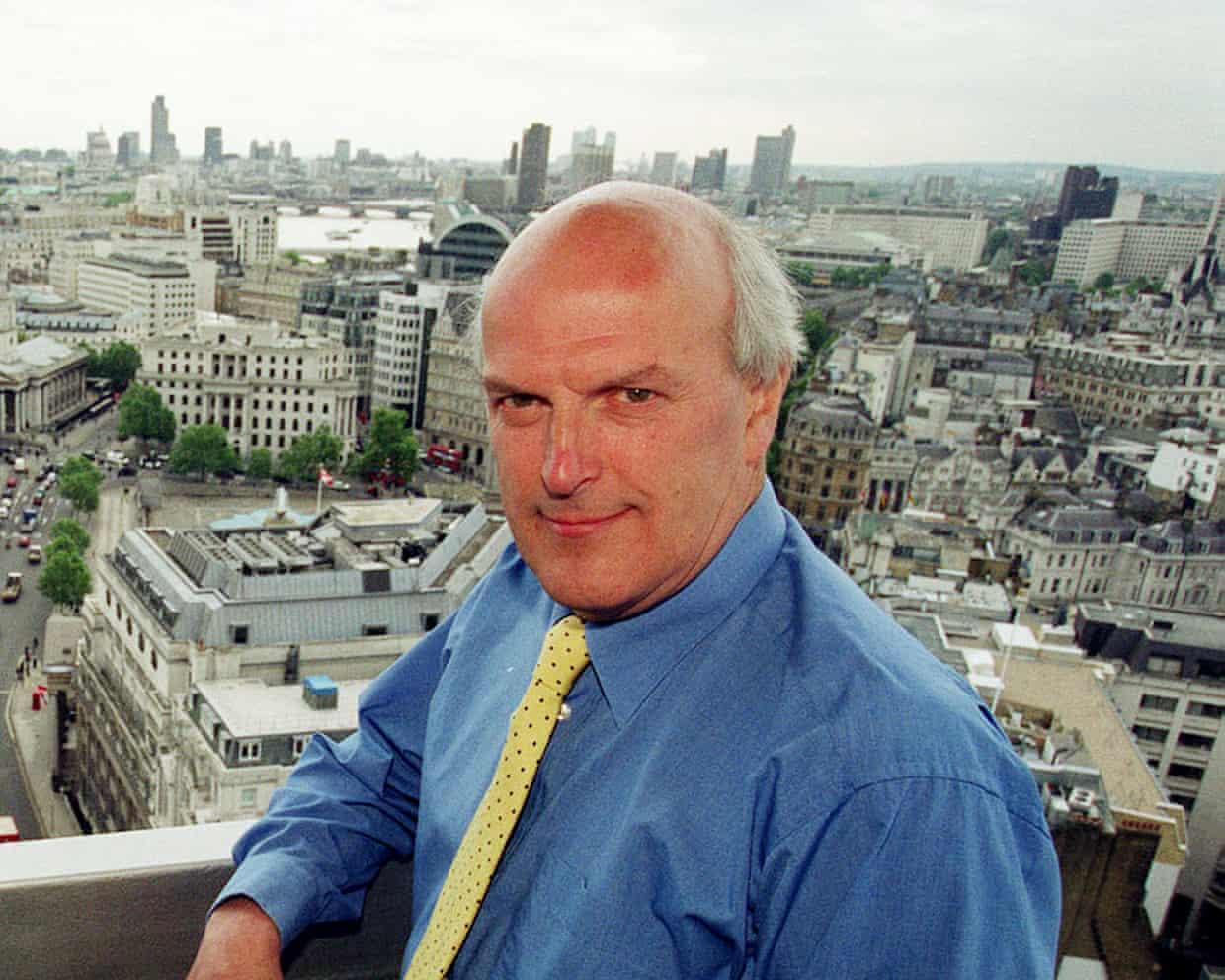
Letter: Sir Neil Cossons obituary
In 1971, Neil Cossons and I were on the staff of Liverpool Museum, and he invited me to accompany him on a visit to Ironbridge Gorge in Shropshire. We admired Blists Hill furnace, the bridge, the surrounding buildings and their setting, and shortly afterwards he became its director.The appeal it had as a monument to the industrial revolution lay in it being a complete entity. Many other site-based museums rely on translocating buildings, often into a replicated local landscape. History occurs in places, and Neil knew that raising one’s gaze from the built artefacts to the landscape enables understanding: preserving the place was crucial
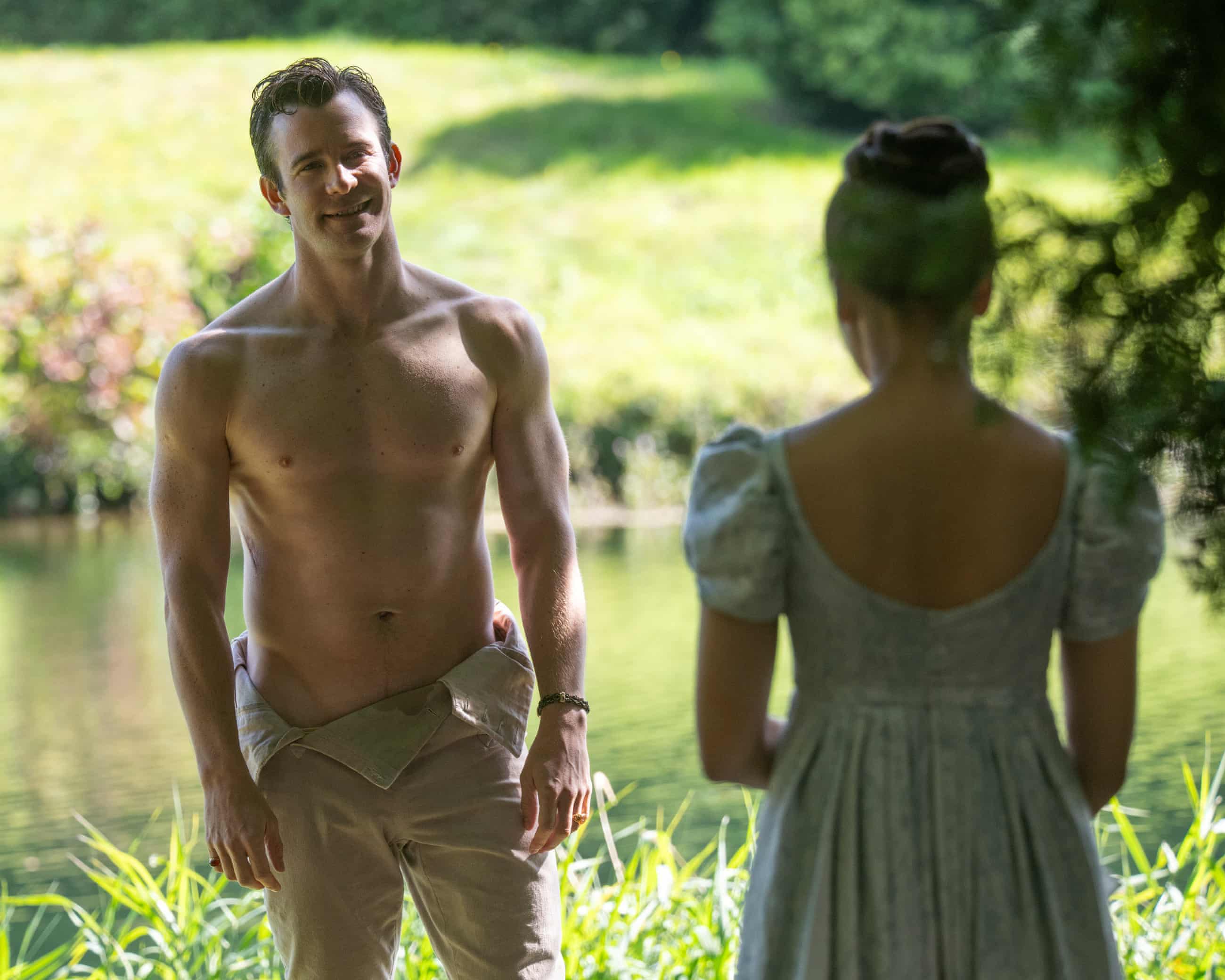
‘Women want to experience pleasure’: how the female gaze caught the attention of film, TV and fiction
From passionate romantasy novels to premium television dramas, culture is bringing the agency, desires and interior lives of women to the fore. It’s proving good for business, but is this a permanent revolution?Do you voraciously read the pages of steamy romantasy bestsellers by Sarah J Maas or Rebecca Yarros? Or flood your group chat with breathless recaps of the latest goings-on in TV series such as Heated Rivalry or Bridgerton? Or even immerse yourself in the divisive and challenging cinematic worlds of Emerald Fennell? If so, you surely can’t have failed to notice that in pop culture, the female gaze – storytelling that highlights the meandering, textured, sublimely messy inner worlds and wants of women – is enjoying an explosion.On TV, you can see it everywhere, in the interior lives and desires taken up by Big Little Lies, Sirens or Reese Witherspoon and Kerry Washington’s Little Fires Everywhere. Romantasy harbours it in the shape of powerful maidens and sex in fae (fairy) realms, while Fennell’s Wuthering Heights and Promising Young Woman are marketed with the promise of converting women’s experiences into dark beauty on the big screen.A shift, a moment or a commercial juggernaut? That depends how deeply you look
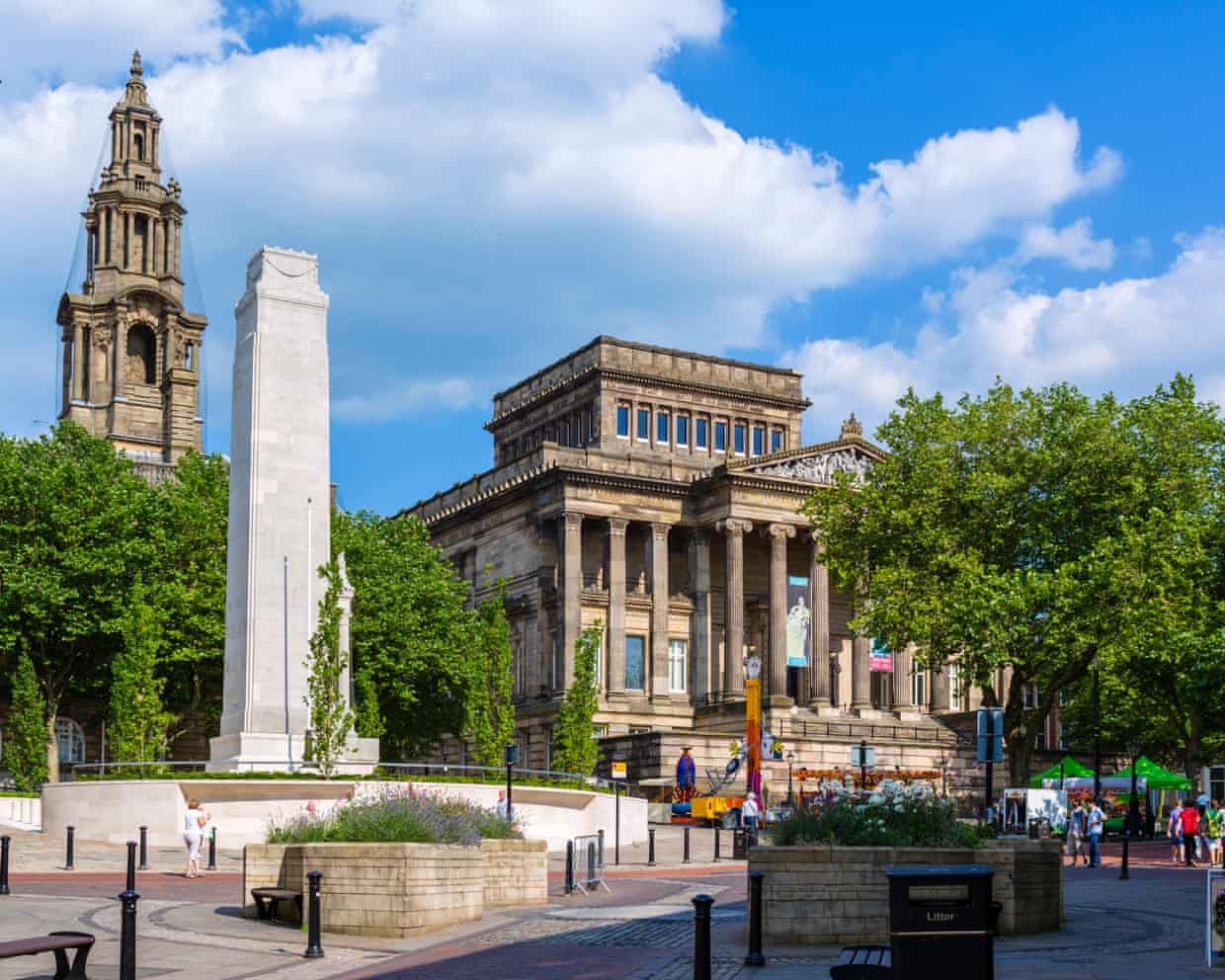
The Preston model is not likely to unravel just yet | Letters
Doing a Mandelson when you’re caught short | Letter

Three men guilty of repeatedly raping woman on Brighton beach in ‘predatory, callous’ attack

‘On his own terms’: James Valentine chose assisted dying but barriers remain for Australians wanting to access it
Nine in 10 UK voters across parties support right to abortion, poll finds
Police and ombudsman investigate death of boy, 16, at young offender institution