European stock markets fall and oil and gas prices jump 5% as strait of Hormuz ‘chaos’ worries investors – business live

European stock markets have dropped at the start of trading, as last Friday’s optimism about a Middle East peace deal evaporates.In London, the FTSE 100 has dropped by 42 points, or 0.4%, to 10,626 points, away from a six-week high at the end of last week.Germany’s DAX has fallen by 1.3%, and Italy’s FTSE Mib is down 1.
1%,The “chaos” over the strait of Hormuz has left the markets on edge, reports Chris Beauchamp, chief market analyst at investing and trading platform IG:double quotation mark“Friday’s euphoria has given way to confusion around the status of Hormuz,While Iran has declared it closed, markets seem to be, as ever during this crisis, looking on the bright side,US futures are down, and Europe is expected to open lower, but most of the gains are still intact,And oil futures aren’t back to where they were early Friday.
If talks do get underway that will help support risk appetite, but this is far from a foregone conclusion that they will even begin right now.A clear way out of the crisis is still impossible to foresee, and meanwhile the energy crisis continues to worsen by the day.”Chinese president Xi Jinping has weighed in on the Middle East crisis today, saying normal passage through the Strait of Hormuz should be maintained.Xi made the remarks during a phone conversation with Saudi crown prince and prime minister Mohammed bin Salman Al Saud, state news agency Xinhua reported.China is the world’s largest importer of oil through the Strait of Hormuz, but its booming electric car sector means drivers are better insulated from the crisis than in other countries.
The European Union is planning to propose measures on Wednesday to “optimize” jet fuel distribution among member states and help source alternative supplies, according to Bloomberg.With energy flows through the Strait of Hormuz still at a standstill, pressure on EU fuel supplies is intensifying.Bloomberg adds:double quotation markThe commission will also issue guidance next month outlining flexibilities in existing legislation, concerning areas such as airport slots and the consequences of flight cancellations in the event of fuel shortages.It will also address so-called fuel tankering — where aircraft load extra fuel at the point of departure to avoid buying pricier fuel at their destination.The London stock market has dropped further through the morning, after Iran indicated that it wasn’t planning to take part in new peace talks after US forces seized an Iranian flagged ship over the weekend.
The blue-chip FTSE 100 share index is now down 71 points, or 0.67%, at 10,595 points – with copper producer Antofagasta (-4.5%) leading the fallers.UK housebuilder have also dropped, with traders anticipating that they will suffer from higher mortgage rates, as the jump in the oil price pushes up inflation expectations.Esmail Baghaei, Iran’s foreign ministry spokesperson, has been quoted by Al Jazeera as having said that Iran has no plans for a new round of talks with the US, saying Washington has violated the agreement from its implementation.
The spokesperson also said Tehran can’t forget US attacks on Iran during previous diplomatic talks as he insisted that Iran will continue defending its national interests.Shipping traffic through the Strait of Hormuz remained at a virtual standstill on Monday with just three crossings in the space of 12 hours, according to shipping data.Reuters has the details:double quotation markThe oil products tanker Nero, which is under British sanctions for Russian oil activities, left the Gulf and was sailing through the Strait, according to satellite analysis from data analytics specialists SynMax and tracking data from the Kpler platform.Two other ships - a chemical tanker and a liquefied petroleum gas (LPG) tanker - sailed into the Gulf through the critical waterway separately on Monday, the data showed.UK petrol and diesel prices have dipped slightly, extending a drop that began last week.
RAC head of policy Simon Williams has the details:double quotation mark“Pump prices came down very slightly over the weekend,Petrol has now reduced by more than half a penny (0,65p) since it peaked last Wednesday (15 April) and diesel by a penny (1,06p),The RAC’s analysis of wholesale data shows that the drop ought to accelerate this week as more retailers buy in new supply at lower costs.
”However, the average price of petrol is still 18% higher than before the Iran war began, while diesel is more than a third higher.The Iran crisis hasn’t deterred UK homeowners from lifting the average asking price on British property.Average new seller asking prices rose by 0.8% (+£2,929) in April to £373,971, new data from Rightmove shows, below the long-term April average of 1.2%.
Rightmove reports that the UK housing market has remained “surprisingly resilient” despite the jump in mortgage rates since the Middle East crisis began.But… prices are rising fastest at the top of the market, where buyers are more likely to be paying cash, and in cheaper parts of the country (where a smaller mortgage would be needed).Colleen Babcock, property expert at Rightmove, explains:double quotation mark“With mortgage rates remaining elevated due to the war in Iran, it’s not a surprise that price growth is proving strongest in parts of the market less exposed to higher borrowing costs, such as top-of-the-ladder homes, while sectors more exposed to interest rates are seeing slower momentum.Across Great Britain, Scotland stands out as an example of resilience, with average prices rising by over 4%.Lower average asking prices and a faster home-buying process continue to support price growth in the Scottish market.
However, for most of the market, the combination of rising mortgage rates and the number of homes for sale being at its highest level for the time of year over a decade, means that competitive pricing is crucial for sellers looking to attract buyer interest and secure a sale this spring,”UK households’ confidence has fallen to a near three-year low as people grow more concerned about inflation and the jobs market,Data provider S&P Global has reported that its Consumer Sentiment Index (CSI) survey has dropped to a 33- month low in April, dropping to 42,3 points from 44,1 in March.
Maryam Baluch, economist at S&P Global Market Intelligence, says:double quotation mark“Consumer sentiment weakened further at the start of the second quarter, as the conflict in the Middle East weighed heavily on confidence.Views on the labour market soured for the first time in almost three years, while all other measures signalled more acute drags on overall sentiment, underscoring a growing unease among households.“Increased energy-market disruption raises the odds of further spikes in fuel and utility bills, with headwinds keeping near-term inflation stickier than policymakers would like.Against this backdrop, households’ rate expectations have turned more hawkish, with a growing share of households now anticipating a tightening of monetary policy by the Bank of England.“The strain on finances and an uncertain central bank policy outlook is showing up in consumer behaviour as households bear down on spending, particularly on big-ticket items, while running down savings at the fastest pace in a year.
Debt undertakings, too, edged higher with the need for loans growing to the greatest extent in over two-and-a-half years.”The renewed tensions in the Middle East have pushed the US dollar up to a one-week high against a basket of other currencies.The dollar index is up 0.2% to its highest level since last Monday.That’s nudged the pound down to below $1.
35,The Bank of England’s deputy governor is warning that vulnerabilities in the financial world could lead to “a rocky ride” in the markets,Sarah Breeden has singled out private credit markets, leveraged government bond markets and stretched asset valuations as three risk factors – should they all crystallise together, there could be aSpeaking at the HLS-PIFS Symposium on “Building the Financial System of the 21st Century: An Agenda for Europe and the United States” today, Breeden points out that the global financial crisis showed that crises often involve multiple vulnerabilities crystallising together,Breeden says:double quotation markAcross all three of these risks you can hear echoes of the past,The combination of leverage, complexity, concentrations and opacity rhyme with the vulnerabilities brought about by the rise of CDOs in 2007 and, more distantly, the development of investment trusts in 1920s.
All at a time when the disconnect between high risky asset prices and real economy uncertainty seems marked.I am not predicting the next crisis.But history suggests that when these conditions coincide, the system becomes more fragile.The conflict in the Middle East raises the odds that one or more of these vulnerabilities could crystallise at the same time.Shocks to growth, inflation and interest rates hit all borrowers simultaneously.
Because the system is interconnected, stress in one area can amplify behaviour in others.UK bond prices are weakening in early trading, hit by geopolitical tensions and domestic political uncertainty.This has pushed up the interest rate (yield) on short and long-dated British bonds.The yield on 10-year UK bond yields are up 5 basis points to 4.8%, while shorter-dated two-year bond yields are also up 5bps to 4.
16%.US government bond yields have also risen, but not by quite as much.The higher oil price will add to inflationary pressures, potentially leading to higher interest rates.Bond investors will also be watching the UK parliament today, where prime minister Sir Keir Starmer will explain to MPs how Peter Mandelson was appointed as the UK’s ambassador to the US having failed his vetting (as the Guardian revealed last week).Richard Flax, chief investment officer at European digital wealth manager Moneyfarm, says this latest UK political scandal has brought renewed attention to the link between politics and bond markets, saying:double quotation markThe Prime Minister is facing another tense period, between the latest revelations over Peter Mandelson and the prospect of difficult local elections in early May.
Looking at prediction markets like Kalshi or Polymarket, we see that bettors reckon it’s 50-50 that Keir Starmer will still be in office in September.We think this sort of uncertainty will make bond investors wary.Most replacements for Starmer within the Labour party would probably like to spend more freely than the current administration, suggesting higher taxes or a larger deficit.We’d argue that some of this is already reflected in starting UK government bond yields, which are high compared to their developed market peers.But we’d still prefer to take our UK government bond exposure in shorter-dated bonds, rather than add to longer-dated positions that could face more volatility.
The pound has also dropped by around 0,15% against both the US dollar and the euro,

Just the tonic: why it’s more than a mixer
If a tonic is something that “makes you feel stronger and happier”, my tonics come in the form of good wine, bad chocolate and an ageing whippet called Ernie. Recently, though, I’ve found myself craving the OG tonic – tonic water – which started life as a malaria treatment in the age of the British empire.The Guardian’s journalism is independent. We will earn a commission if you buy something through an affiliate link. Learn more

Move over matcha: how ube cocktails and coffees are hitting the UK’s sweet spot
Bright purple coffees and cocktails made with a root vegetable called ube have hit the high street in the UK after the yam’s striking hue caused a sensation on social media. Many are calling ube the “new matcha”, and it has a nutty, creamy, sweet taste, like a mix between coconut and vanilla.Ube coloured and flavoured drinks became popular in the US last year, after an earlier boom in Australia. Farmers in the Philippines, where the root vegetable is often sourced, have been struggling to meet demand.Now, the purple drinks have crossed the pond: Starbucks and Costa both launched ube drinks in their UK stores last month
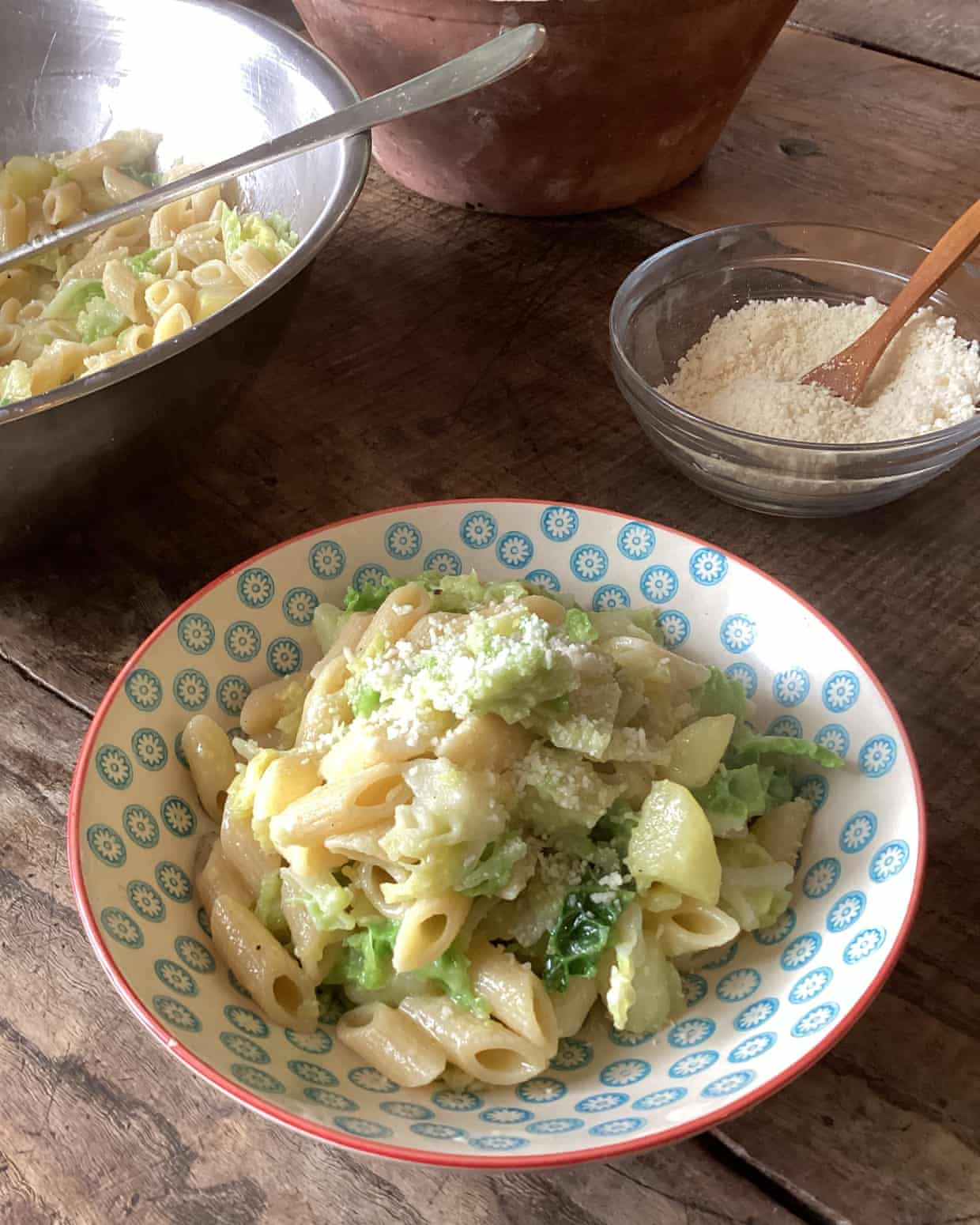
Rachel Roddy’s ‘high-ranking’ penne with potatoes, cabbage, butter and cheese – recipe
In December 2023, the magazine La Cucina Italiana ranked Italians’ favourite pasta shapes, according to data gathered by Unione Italiana Food (“the leading association in Italy for the direct representation of food product categories”). I love this sort of thing. According to the UIF, by processing NielsenIQ data (comprehensive market research, consumer intelligence and retail measurement), they identified the five most popular shapes from over 500, and examined how preferences vary in different regions.In first place was spaghetti, while penne came in second, with these two shapes – which also takes in thinner spaghettini, chunkier spaghettoni and both ridged and smooth penne – accounting for 78% of all pasta sold in Italy in 2023. The regional variations of three, four and five are as follows: in the north-west and north-east, fusilli, short pasta and mixed pasta for broth or minestra; in central Italy, short pasta, fusilli and rigatoni; in the south, mixed pasta for broth or minestra, short pasta and tortiglioni
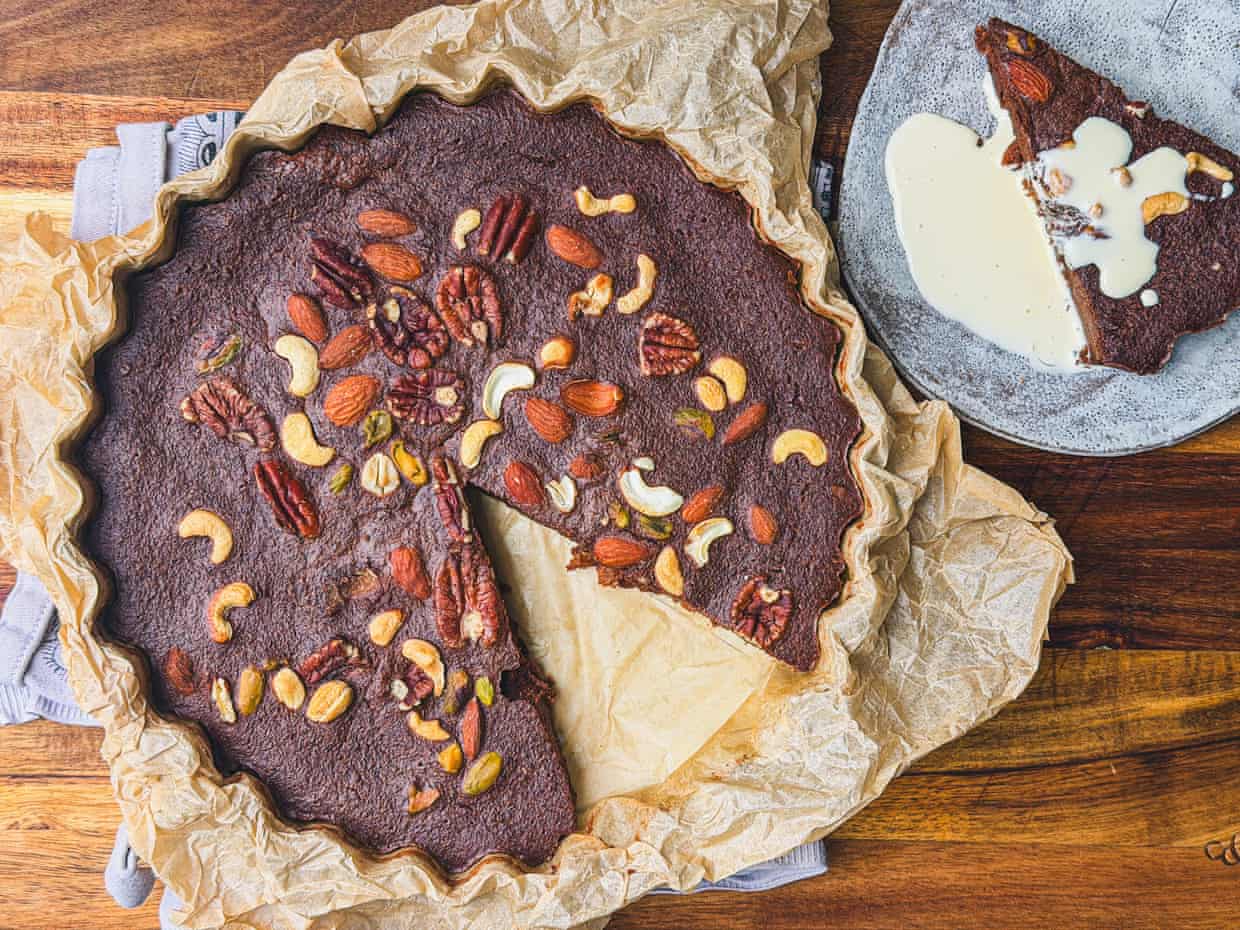
How to turn old bread into a brilliant Italian cake – recipe | Waste not
Old sourdough is my secret ingredient. To stop it going mouldy, I take it out of any plastic packaging and keep it in the bread bin with plenty of airflow around it – that way, it will dry out slowly, rather than turning mouldy. Any odds and ends, meanwhile, I store in a cloth bag to use in various dishes, from pangrattato (or poor man’s parmesan) to strata, a savoury bread-and-butter pudding.My new favourite recipe discovery for using up stale bread is today’s torta paesana, or village cake, from Lombardy. The best way I can come up with to describe it is that it’s a bit like a firm baked custard
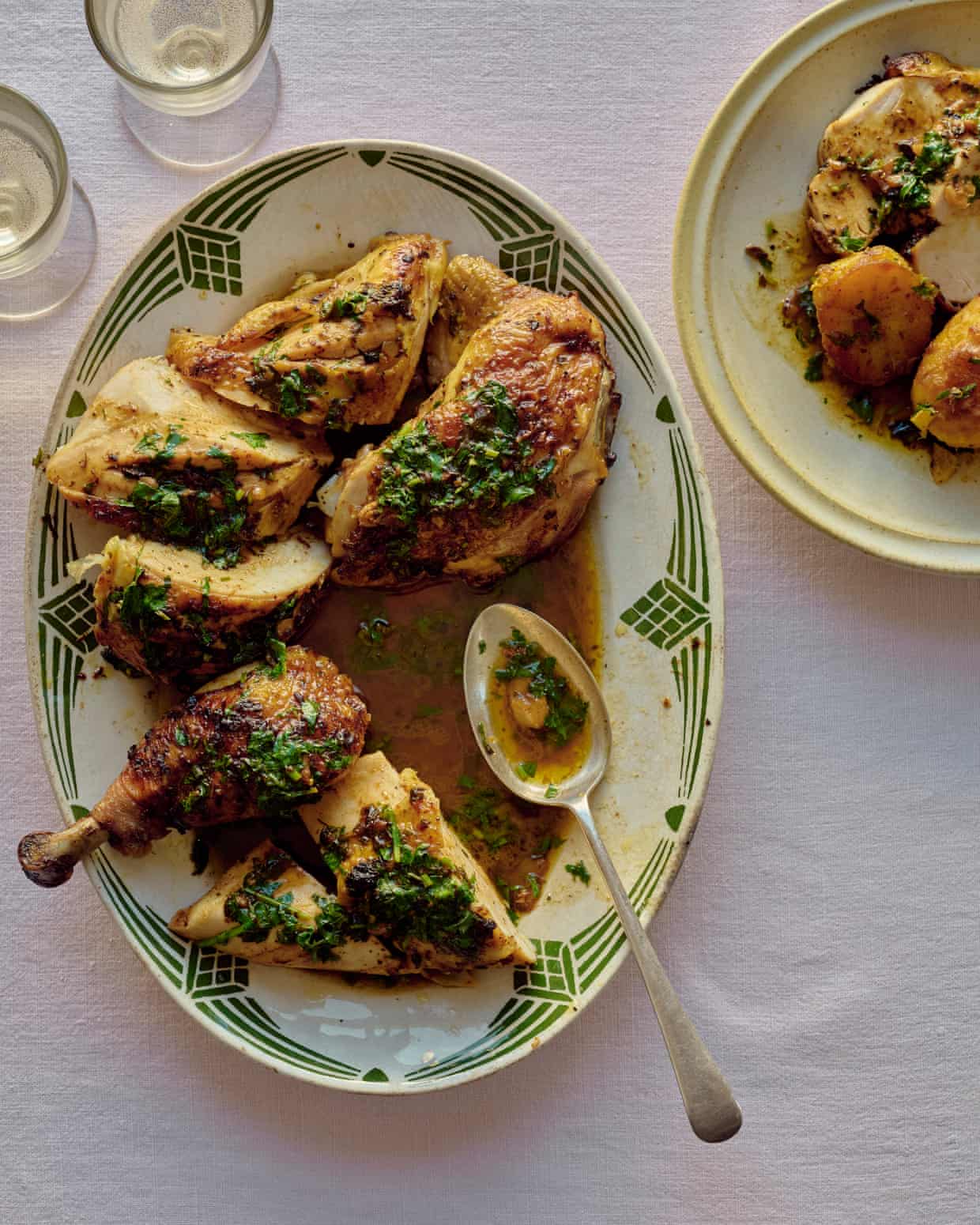
Roast chicken, cheesy scones and a genius cocktail: Ravinder Bhogal’s recipes for cooking with lime pickle
I’m obsessed with lime pickle. It’s savoury, sour, funky, spicy and full of bold personality that enlivens anything it’s smeared on. It’s made by salting and fermenting limes with chillies and spices for a fierce, flavour-packed condiment that’s traditionally eaten as a side to poppadoms or with simple dal and rice. Over the years, I have also folded it into grilled cheese toasties, marinades for fat prawns to barbecue in the summer or made compound butters with it to smother over sweet potatoes before roasting. It’s an instant flavour bomb and my pantry is never without a jar

Vegemite is recognised globally – but how many people know Milo was invented in Australia?
The chocolate malt powder is sold in more than 40 countries, and Australian cafe owners say there’s ‘jingoistic pride’ in serving it on their menusGet our weekend culture and lifestyle emailWhen I order the jumbo-sized Milo Godzilla at Ho Jiak in Sydney’s Haymarket, it arrives as advertised – it’s comically large. The Malaysian restaurant prepares the drink by swirling Milo powder with hot water, adding sweet drizzles of condensed milk then chilling the mix with ice. Scoops of ice-cream are added and extra choc-malt powder is showered on top. Served in a one-litre jug, it’s so big I can’t finish it solo: staff hand me three takeaway cups to transport the leftovers.Like many beloved Milo drinks, the Godzilla is native to south-east Asia

State of Origin coaches back Australian NRL takeover of England’s Super League

Castleford’s shock win over Wigan shows NRL that Super League still has a lot to offer

England Women are dominating rugby in a way few have done in any sport | Sarah Rendell

‘This feeling sucks’: $381m Mets, with second-highest payroll in MLB, lose 11th game in a row
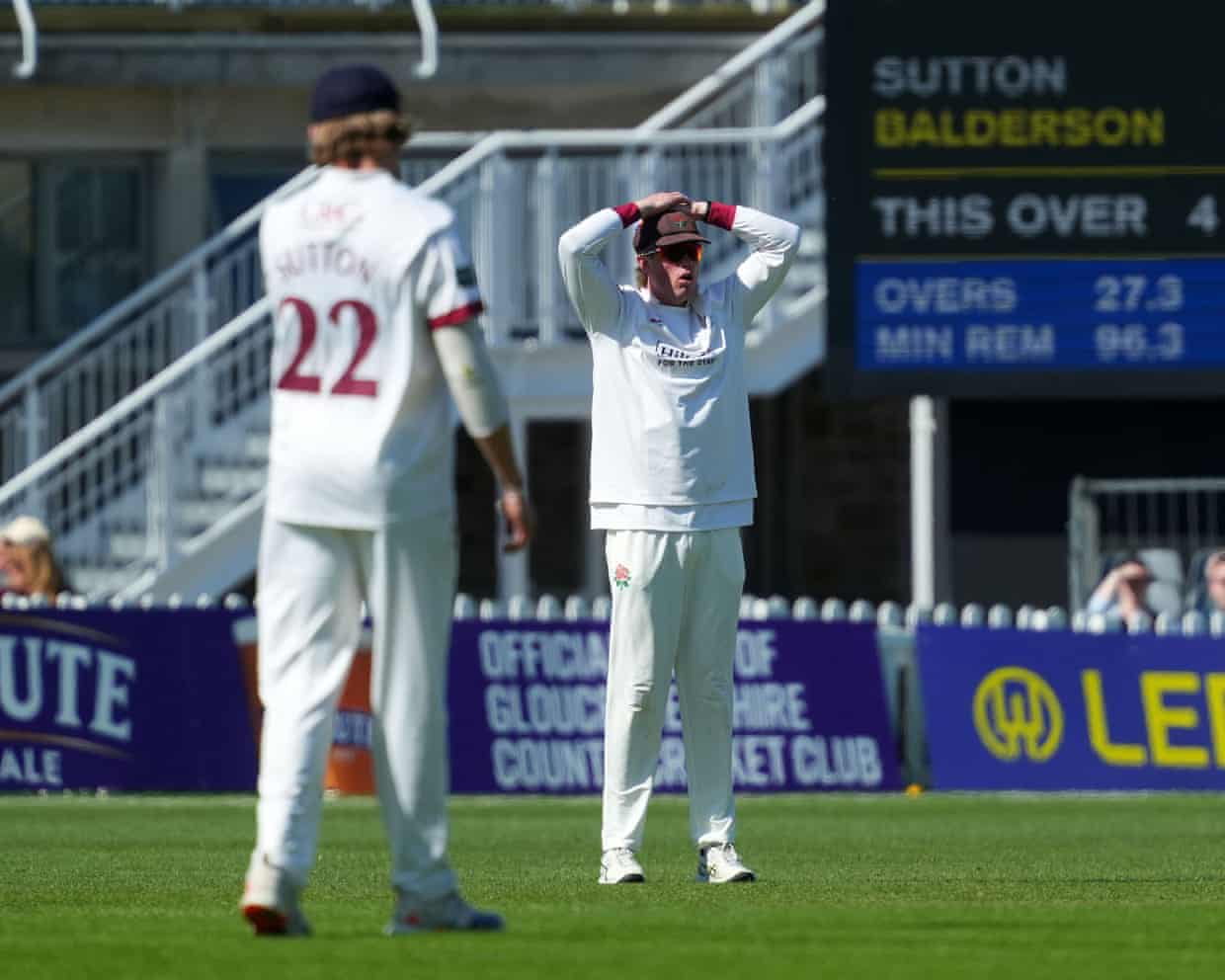
James Rew shines with the bat as Somerset set up Hampshire chase – as it happened

Noah Caluori repeats five-try display as Saracens demolish sorry Sale 85-19