Investors are expecting Donald Trump to back down in the war with Iran – but what if he doesn’t?
Investors over the past year have learned that Donald Trump has a boundless capacity to quickly reverse course in the face of acute political or market pressures.But a week since the United States and Israel launched missile strikes on Iran, there are fears the war could morph into a protracted conflict.In purely economic terms, the war has brought about what has long been considered a worst-case scenario from a conflict in the Middle East: the closure of the strait of Hormuz, through which travels a fifth of the world’s oil and gas supplies.Since the start of the hostilities, the global benchmark oil price has jumped by 17% to more than US$85 a barrel, triggering shock waves through financial markets.The Australian sharemarket has been relatively shielded from the worst of the fallout, but still suffered a steep 3.
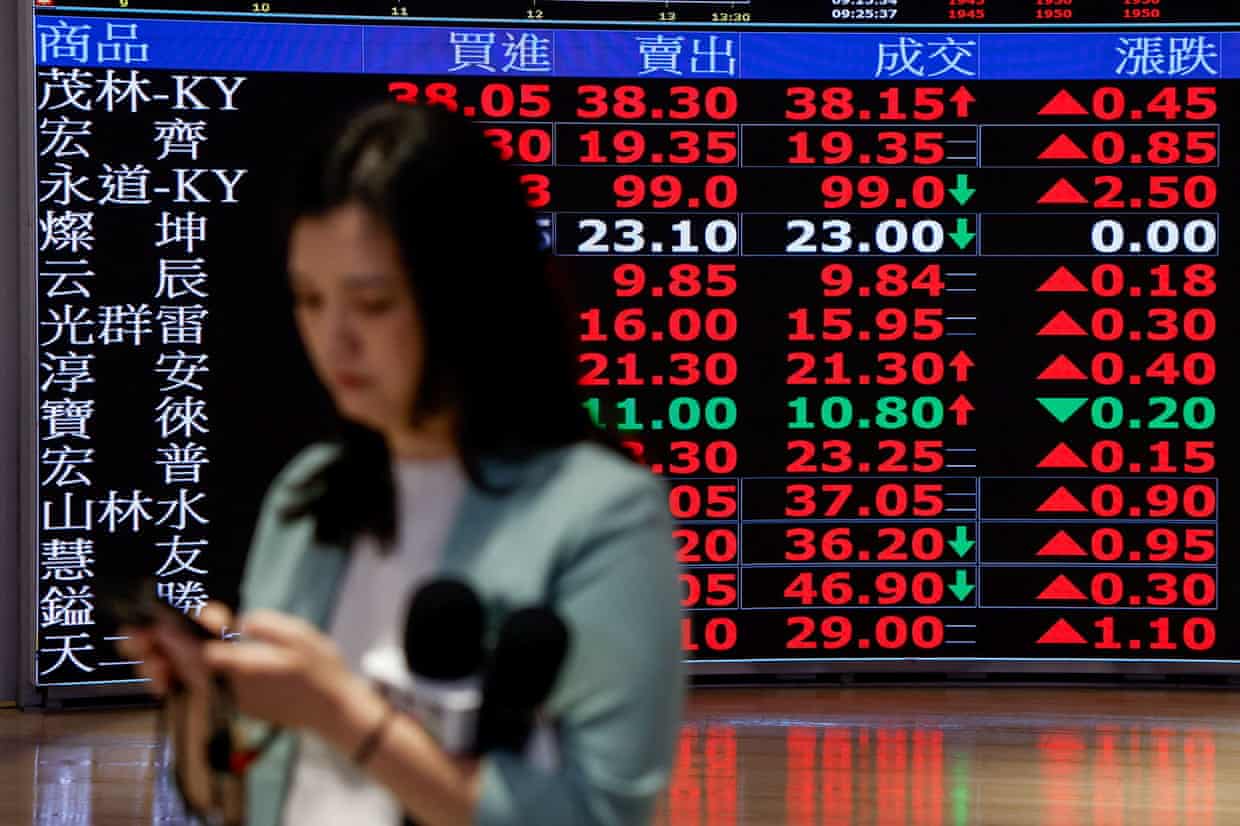
8% loss for the week.Sign up: AU Breaking News emailAsian markets, many based in countries heavily reliant on imported energy, were battered.In South Korea, the stock market collapsed by 13% in a single session to record its worst day in history.But on Wall Street, the S&P 500 index had lost less than 1% leading into its final session on Friday night.As the Trump administration on Friday mulled using America’s strategic oil reserve to take some of the pressure off prices, Shane Oliver, the chief economist at AMP, said he was worried that “markets are a little bit complacent”.
“The mildness of the response has surprised me,” Oliver said.“And that partly reflects the experience of the past year or so with Trump, where there have been numerous shocks – especially around American tariff announcements – and then we get some sort of backdown.“Markets are assuming there will be some sort of backdown and this won’t be a long, drawn-out war.”The essential challenge for investors is that it’s not clear why Trump decided to launch the war, and therefore what it will take to end it.That has left markets in a holding pattern: priced for a sharp but relatively short conflict that lasts for another two to three weeks, but not for months.
It’s a high-stakes bet, but a defensible one,The fact that the Australian dollar has held above 70 US cents is testament to the relatively sanguine response to what is being referred to as the third gulf war,Ray Attrill, the head of foreign exchange strategy at National Australia Bank, said the Australian dollar’s resilience in part reflected the fact that Australia is a major energy exporter through our LNG and coal resources,“With oil prices in the 80s, the underlying assumption is that oil will start travelling through the strait of Hormuz sooner rather than later, and the big disruption will not last too long,” Attrill said,Bets placed in derivatives markets suggest oil prices will be back into the US$60s or US$70s within a month.
But a much larger and prolonged shock would send the dollar much lower, Attrill said.“If that assumption starts to get challenged, then oil at US$90 or US$100 starts to become very viable.And in that environment, there would be a much deeper sell-off.”An oil price shock is stagflationary, as higher fuel costs push inflation higher even as they hurt growth.It’s a dynamic that puts central bankers in a bind: hike rates to contain inflation, or ease monetary policy to support the economy?This is not the 1970s, when a doubling in the oil price drove inflation and unemployment in Australia into the double digits.
Which is not to say there hasn’t and won’t be any impact.Jim Chalmers this week warned of the potential for “substantial” consequences on the local and global economy as a result of the war.For now, the focus is on what higher oil prices mean for inflation, and interest rates.NAB economists estimate that inflation is now likely to peak at about 4.75% in the year to June, or half a percentage point higher than predicted before the start of the Iran war.
That’s with Brent crude prices around current levels.A sustained move towards $US100 a barrel, they calculate, could push inflation above 5% and to its highest level since late 2023.Those types of figures show why investors, central bankers, and politicians around the world are so fixated on the oil price.Michele Bullock, the Reserve Bank governor, on Tuesday made it clear she was alert to the risk that climbing petrol prices would entrench views that inflation would stay higher for longer, which can make it harder to bring price pressures back under control.The RBA typically looks past temporary price shocks, but Bullock said it was not clear that was the right approach.
“This one might be a little bit harder, because … we already have elevated inflation, and I think there is a risk that inflation expectations might become a little bit unanchored,” she said.Brett Solomon, a senior portfolio manager in QIC’s fixed income team, said investors have become accustomed to geopolitical uncertainty over recent years, but that this time could be different.“Over the last few years investors have seen geopolitical headlines only last for a week.We’ve seen that many, many times.So we’ve become accustomed to that,” Solomon said.
“What is different this time is that this could be longer lasting, and that could be a really big difference.”Solomon said that, for now, he was sticking with a view that the RBA would hike one more time in May.But he, like other investors, will be watching to see whether oil prices move high enough for long enough to trigger central bankers and investors to fundamentally reevaluate their positions.Kerry Craig, a global market strategist at JP Morgan, said the “base case for most hasn’t changed: that this won’t be something that drags on for months, and the outlook for the global economy is fairly decent”.“Really when you change that view, it’s because you think we are now heading towards recessions.
”Patrick Commins is Guardian Australia’s economics editor
Rachel Roddy’s recipe for apple, honey and poppy seed cake | A kitchen in Rome
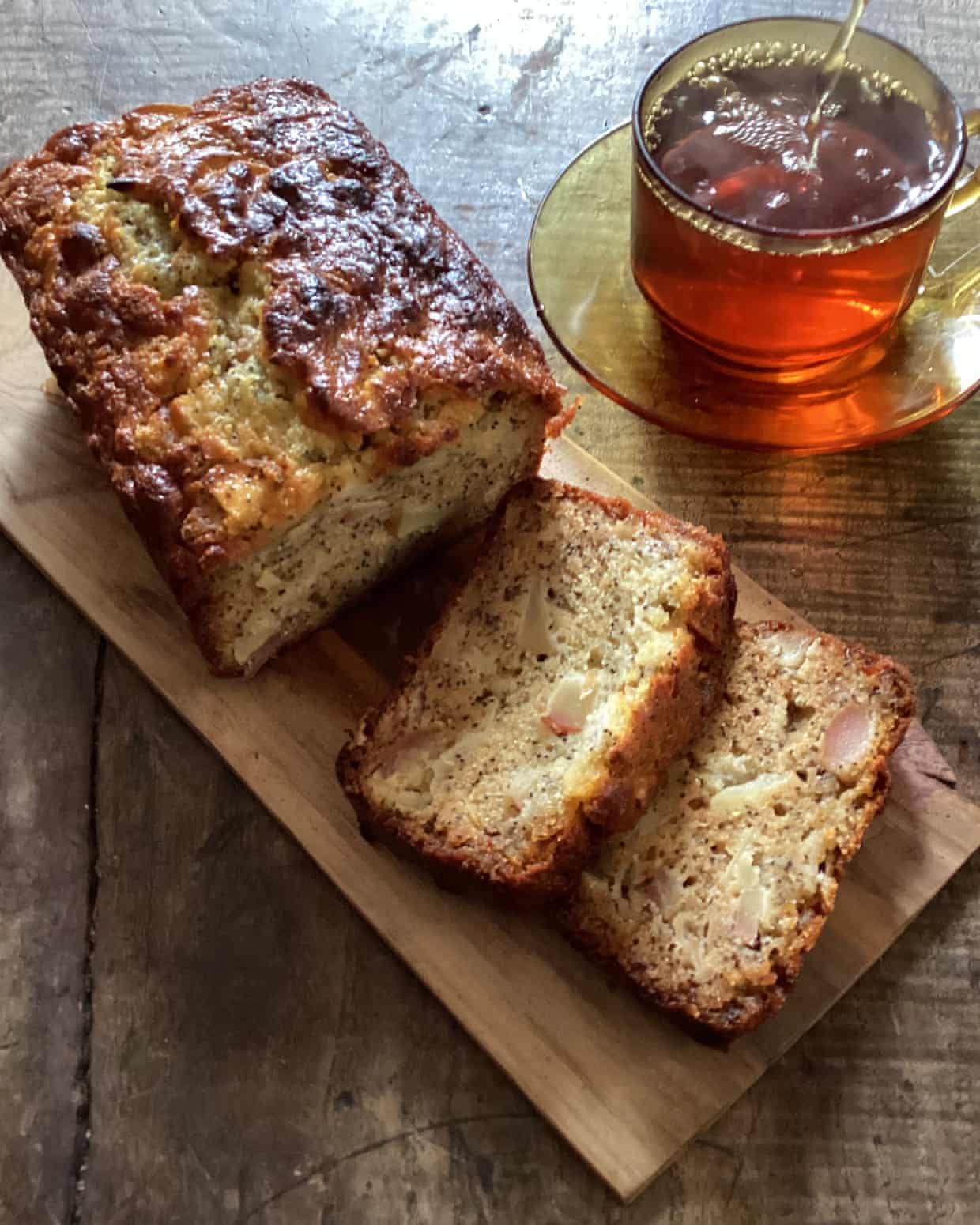
Honey is, among other things, a successful embalming agent. It is also a humectant, which isn’t an eager cyborg, but one of many short-chained organic compounds that are hygroscopic, meaning they attract and hold water, which in turn prevents hardening and encourages softness. Other hardworking humectants are glycerine, which is what keeps face creams creamy and hydrating, and sorbitol, which ensures toothpaste can be squeezed and smeared all over the sink and on the mirror. Honey, though, is the humectant that’s most suitable for this week’s recipe: a one-bowl, everyday cake inspired by my neighbour’s Polish honey cake, miodownik, combined with the tortino di mele e papavero (apple and poppy seed cake) enjoyed at a station bar in Bolzano.Not only does honey keep the cake moist, its sweetness comes largely from fructose, which is naturally sweeter than refined sugar, so the perception of sweetness is much greater even when less is added
My whey: dairy milk back on menu as protein boom cuts demand for plant-based alternatives
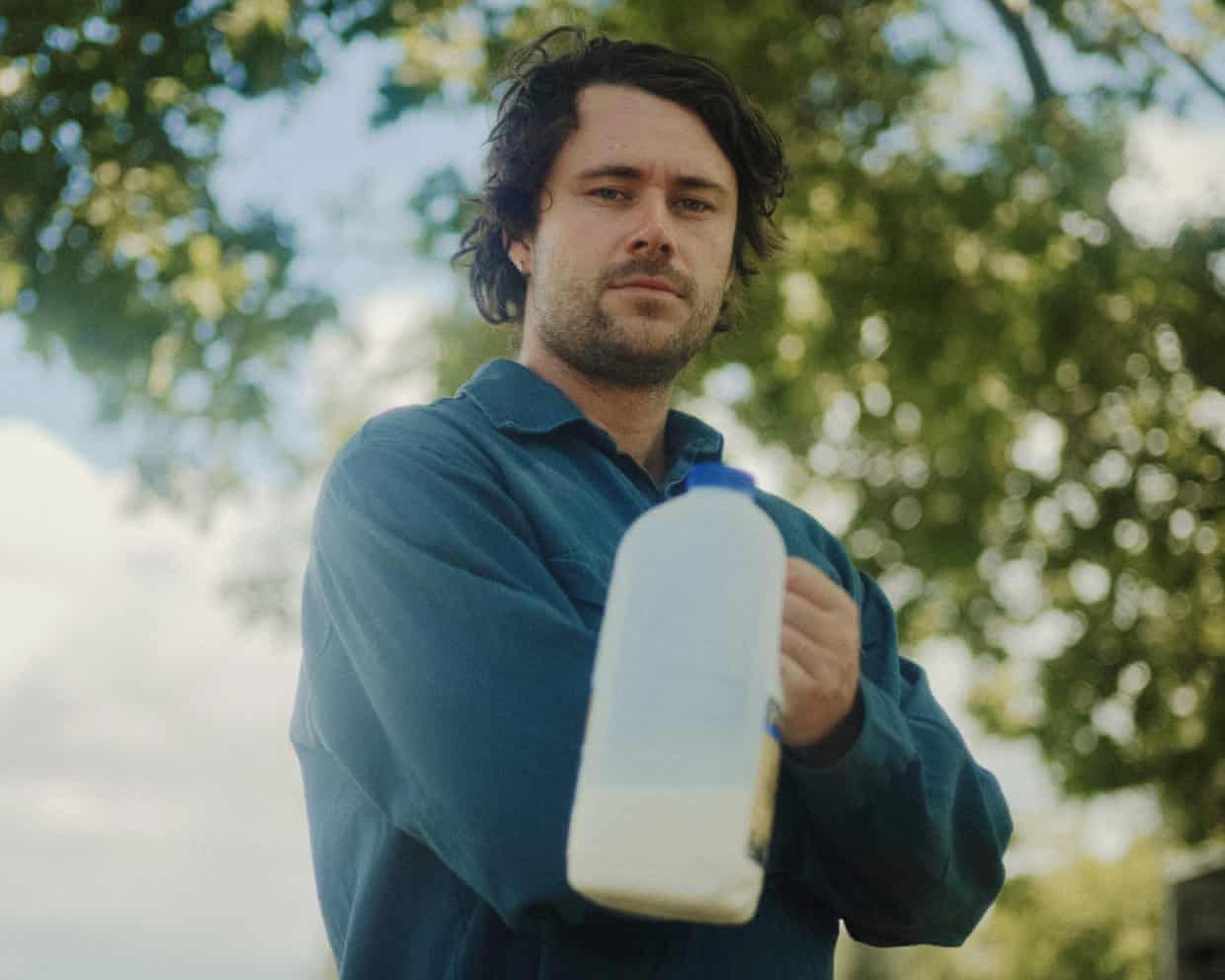
Gabriel Morrison hadn’t touched dairy milk for a decade until he read the ingredients label on his cheap carton of oat milk.“It’s [so much] canola oil and you imagine that in your glass, and imagine discovering that much olive oil, you’re like, that’s actually really gross,” he says.“I was just like, ‘ooft, I should stop this’.”The 28-year-old cinematographer had exclusively drunk soy, then almond, then oat milks since 2015 but had started worrying about processed foods – despite expert reassurance.In early 2025, with his housemate already buying cheaper dairy, he gave the old classic another look
It’s crunch time! Gala apples and nashi pears among Australia’s best-value fruit and veg for March
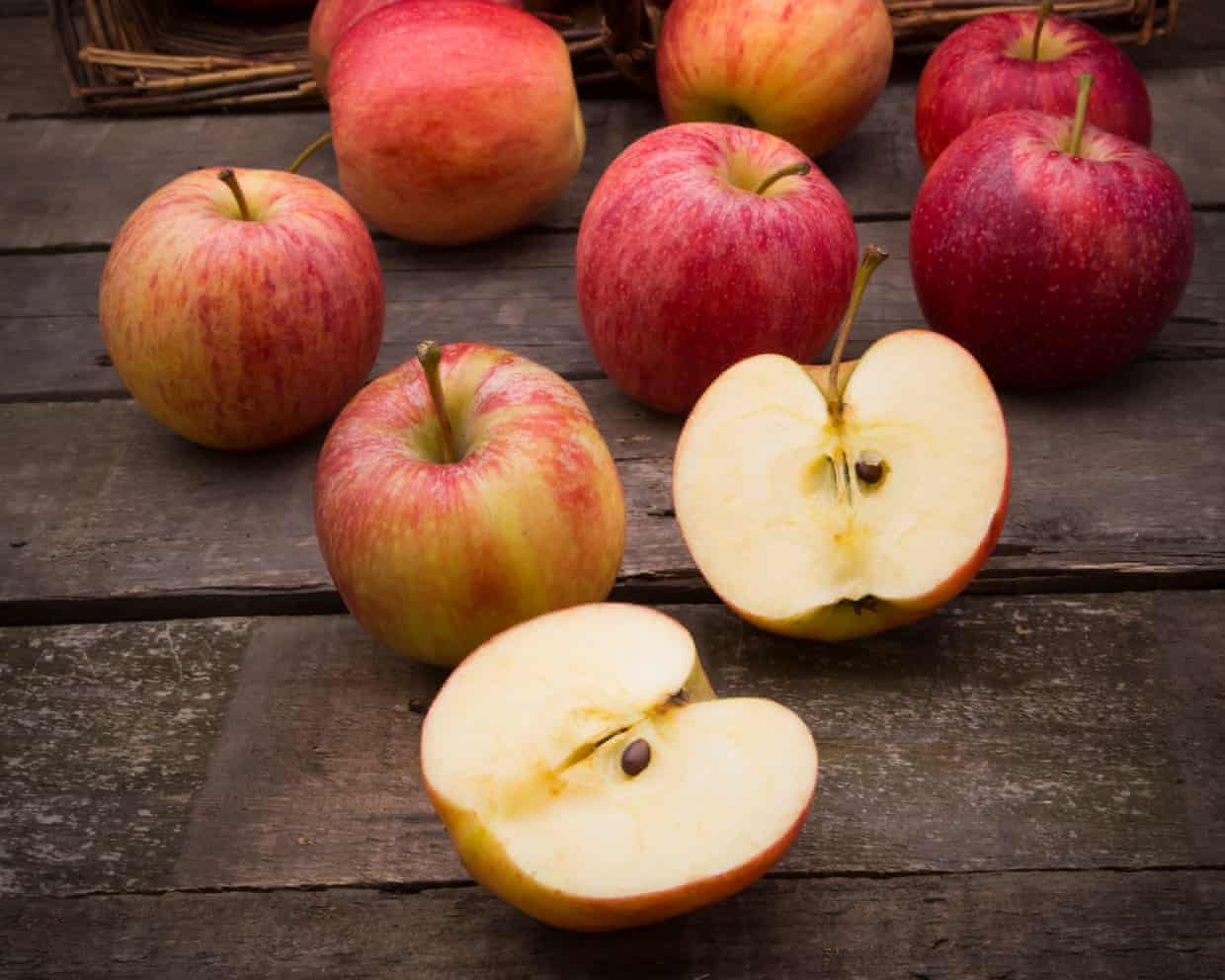
It’s a core month for pome fruit, with apples, pears and quince all heralding the start of autumn. “The first cab off the rank is the gala – a big sweet and juicy apple,” says Graham Gee, senior buyer at the Happy Apple in Melbourne.Granny smith, jazz and kanzi apples will come in during March too, and “Australia’s most popular variety, the pink lady, generally starts in April,” he says.Royal gala apples are between $5 and $8 per kilo at supermarkets. They’re $7 to $9 per kilo at Sydney’s Galluzzo Fruiterers, and Gee is selling them for about $3 to $5 per kilo; Spudshed in Perth is selling bags of prepacked new season apples for $3
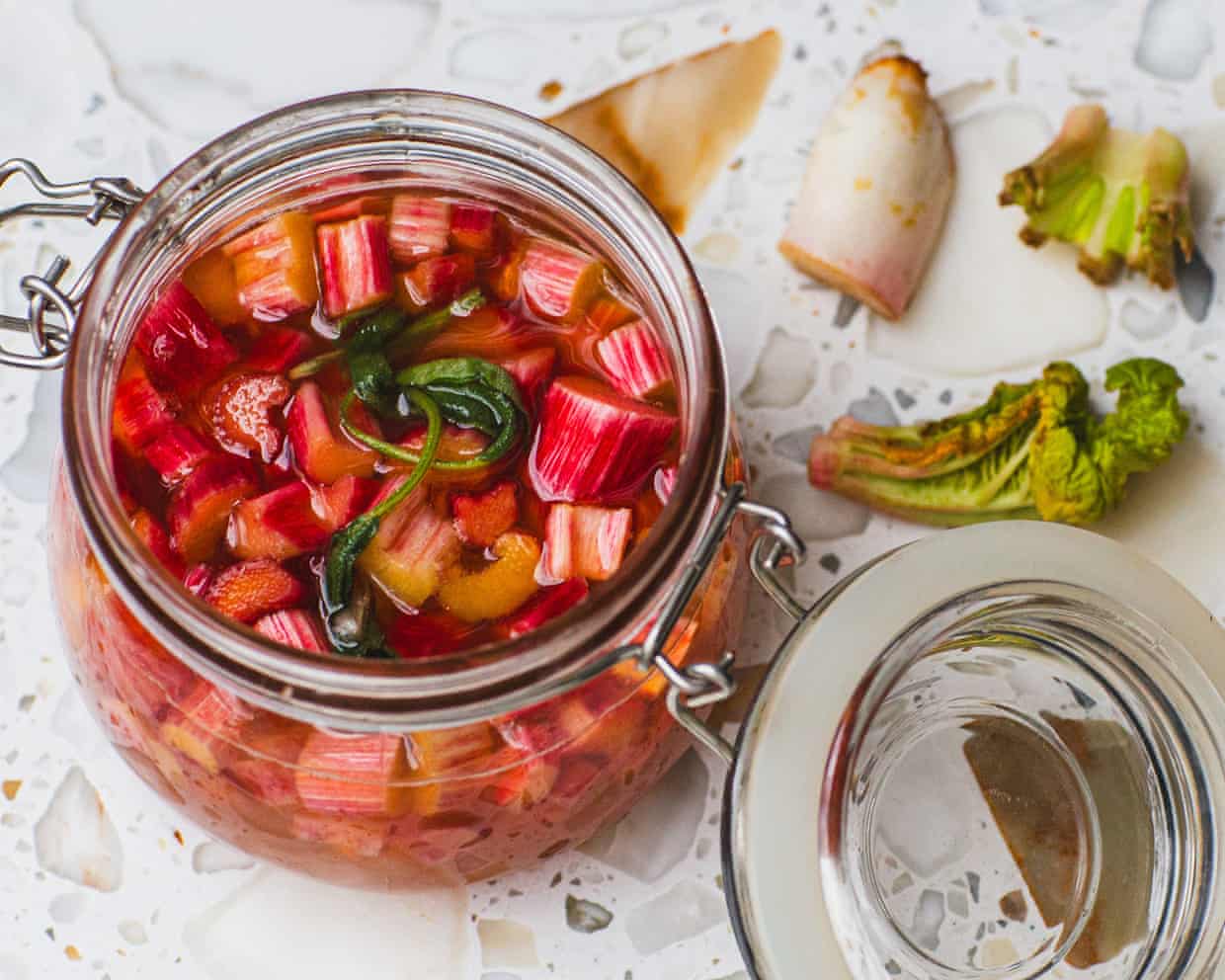
How to turn limp rhubarb into tasty jam – recipe
Rachel de Thample is one of my food heroines. She’s the author of six books, and has also been course director of the College of Naturopathic Medicine’s natural chef diploma, head of food for Abel & Cole and commissioning editor of Waitrose Food Illustrated, among so much else. She trained with the likes of Marco Pierre White, Heston Blumenthal and Peter Gordon, and now teaches fermentation and gut health at River Cottage HQ, where I cut my own teeth in teaching eco-gastronomy more than 20 years ago. While researching honey fermenting recently, I came across her recipe in River Cottage’s Bees & Honey Handbook, which I’ve adapted here so you can make as much as you like using a variety of aromatics.The Guardian’s journalism is independent

£25 for a cookie? What the baffling luxury bakery boom tells us about Britain
Amid a cost of living crisis, pricey patisserie is all the rage – and not just in London. Our reporter goes on a crawl to find out if a tart can really be worth £45There was a time when you could get a stuffed vanilla cream slice or a neon-pink Tottenham cake for about £1 on the leafy, residential corner of Hackney, east London, where I stand today. But the branch of Percy Ingle bakery that was here for nearly 50 years is gone. In its place sits Fika, a cafe where a cinnamon bun costs £4.20 and a pistachio croissant will set you back nearly £5
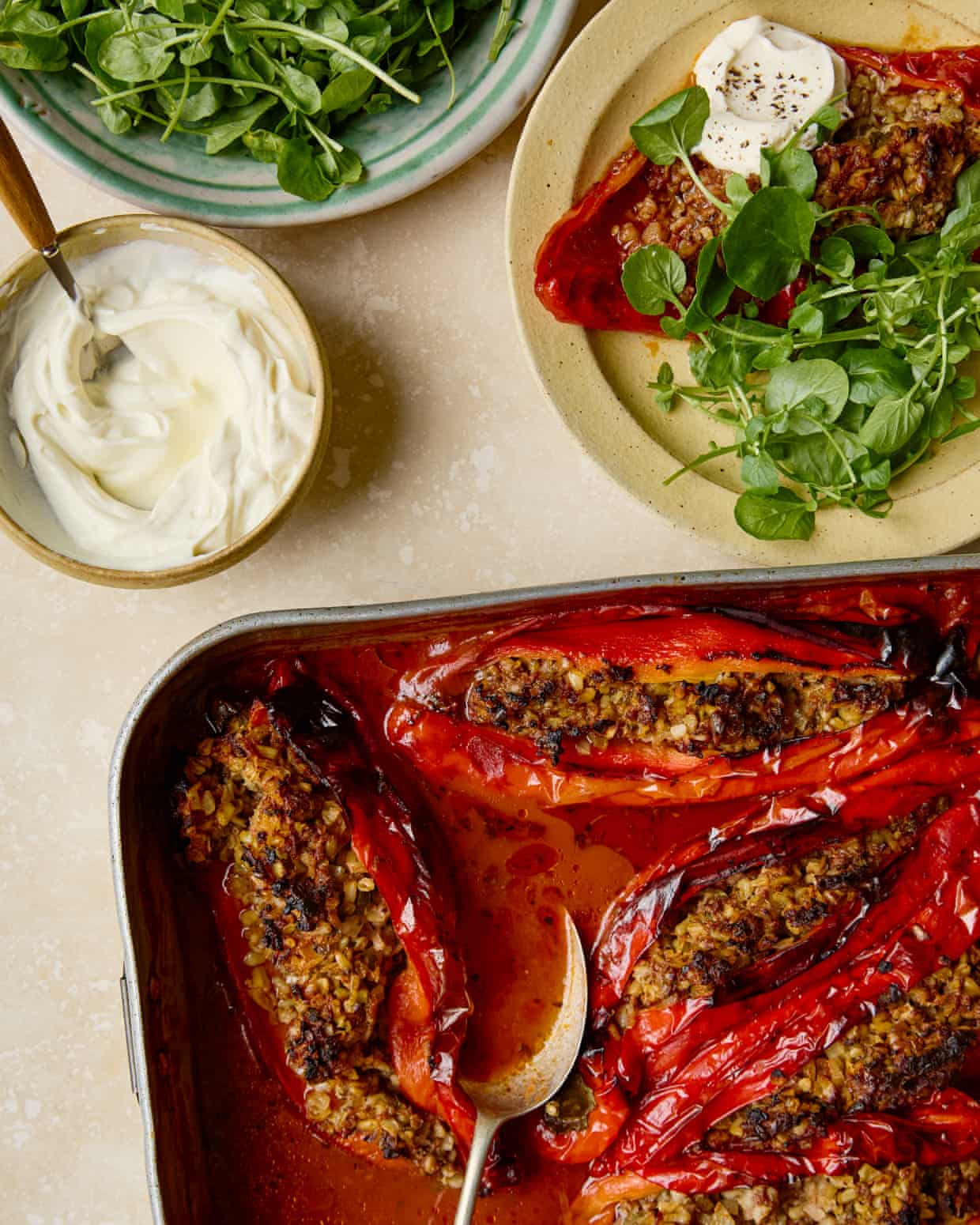
Stuffed peppers and aubergine dip: Sami Tamimi’s recipes for savoury Palestinian snacks
I still remember, when I was a kid, the end of spring and early summer when markets in Jerusalem and across Palestine overflowed with freshly harvested freekeh. As you approached, the air carried a smoky, earthy aroma. Freekeh is an ancient grain, a staple across the Middle East and Turkey, made from green wheat roasted over open fires to burn off the husks, which gives it the characteristic nutty flavour. The name comes from the Arabic freek, meaning “to rub”, which describes how the grains are cleaned, dried, cracked and stored for the year.Throughout the Middle East and Palestine, mahashi (stuffing vegetables) is a true labour of love, creating dishes that are designed to be shared
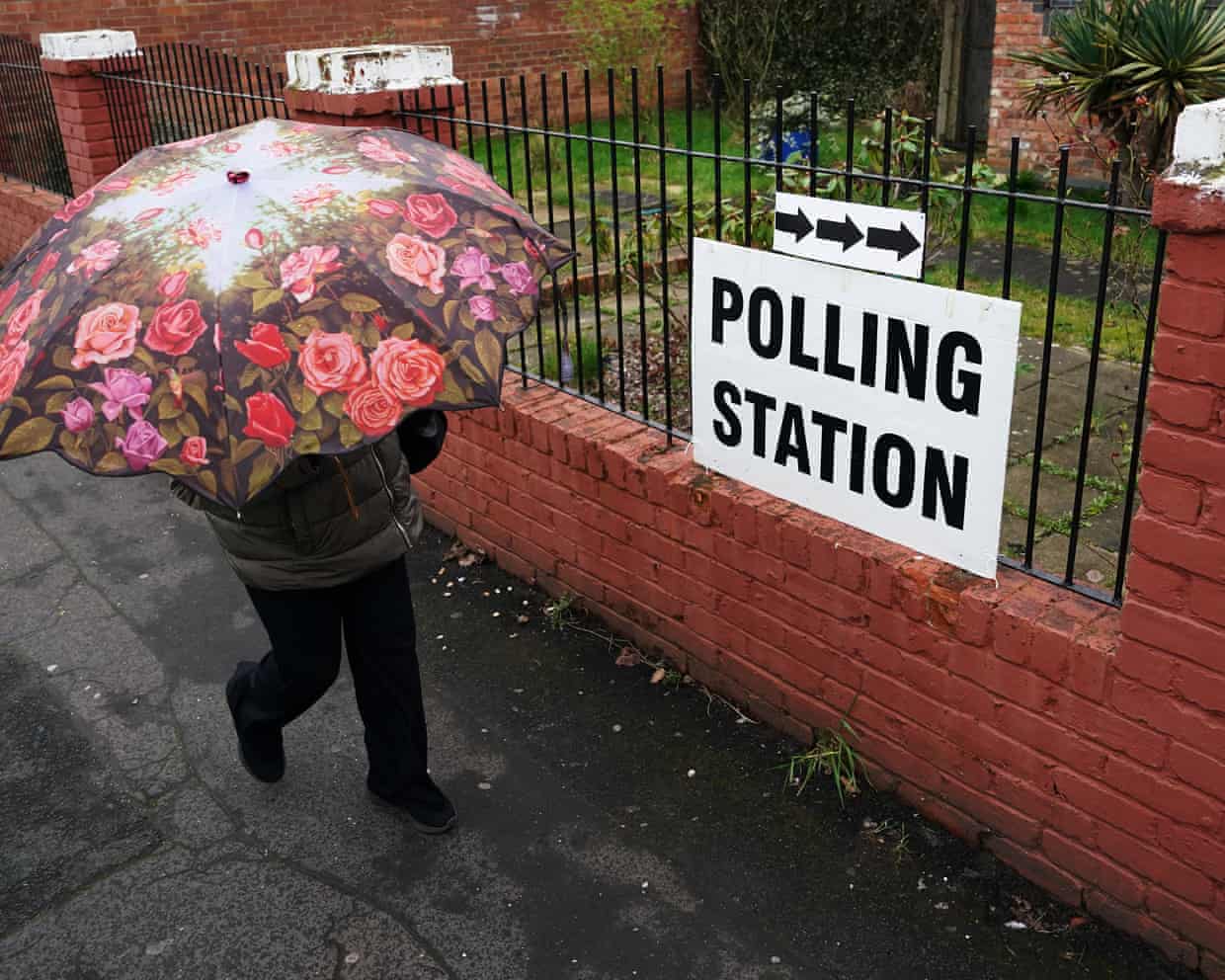
Proportional representation is true rule by the people | Letters

Senior Labour figures warn government amid fears of ‘political earthquake’ in London
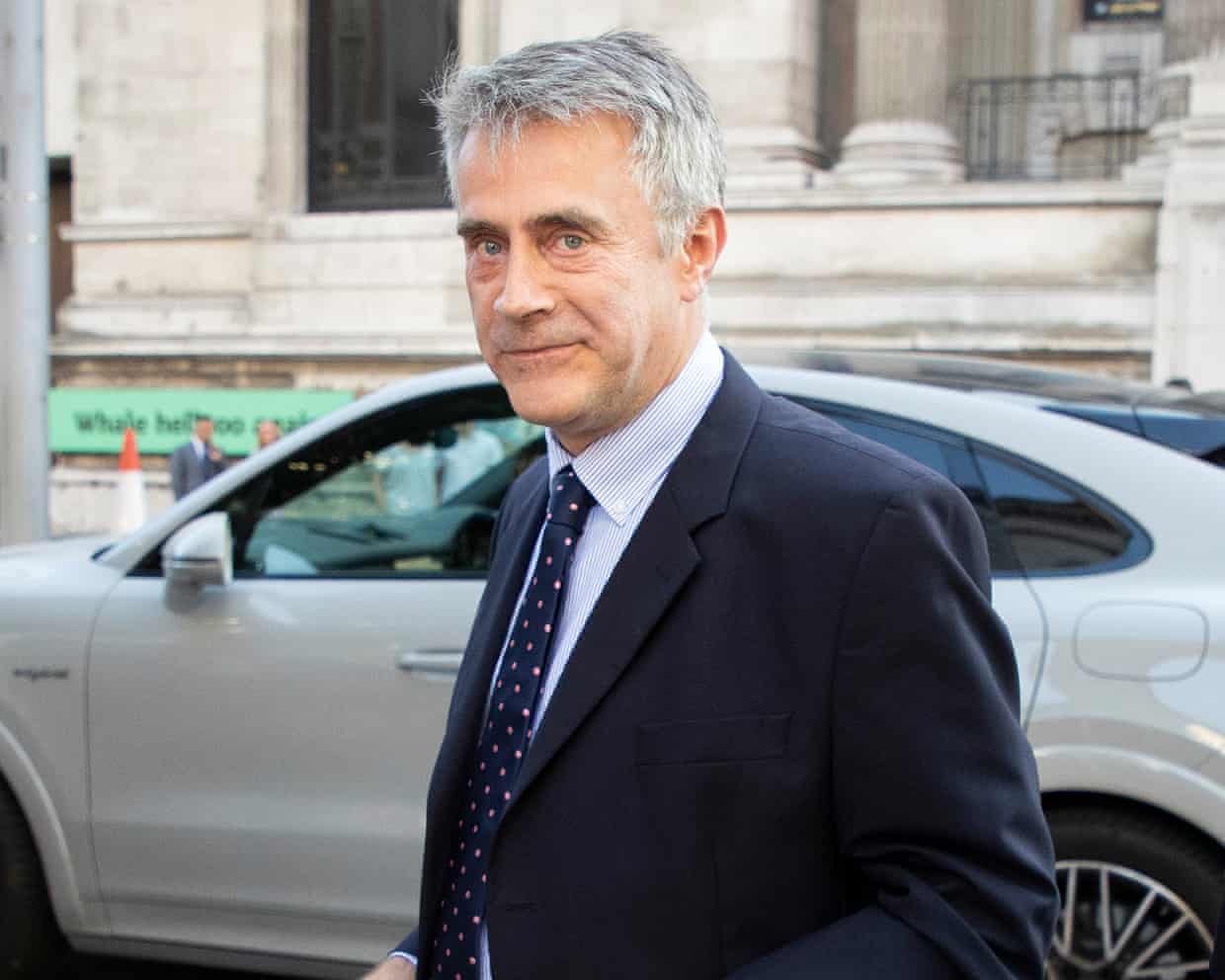
Crypto billionaire Christopher Harborne no longer interested in Reform-Tory pact
Nigel Farage to discuss Chagos Islands deal at Mar-a-Lago dinner with Donald Trump tonight – as it happened
Starmer is facing a cocktail of dissent that is growing ever more potent
Defence secretary accuses Tory and Reform MPs of ‘unpatriotic’ behaviour