Waiting on a tariff refund after Trump’s duties were struck down? Don’t bother | Gene Marks

Now that the supreme court has found that the Donald Trump exceeded his authority to levy tariffs, the big question for many businesses – particularly small businesses who were so hard hit by these tariffs – is are they able to get their money back?Don’t hold your breath.When it comes to tariffs, Trump still has many more tricks up his sleeve.He can use section 223 of the Trade Expansion Action Act of 1962 (along with section 301 of the Trade Act of 1974) to levy tariffs on specific industries and sectors, like Joe Biden did on Chinese steel, semiconductors, electric vehicles and other products during his term.Or – as he’s recently threatened – he can use another section of the 1974 trade act to increase tariffs to 15% for 150 days which gives him “balance-of-payments authority”.Although both tactics are limited and reviews, public comment and – in some cases – congressional approval are required, they can be pushed to their limits and there’s little doubt that the president will do just that.
He will bend the rules to the fullest extent possible and fight anyone in court who dares to challenge his authority,He’ll make the case that these tariffs overlap with the ones previously – and illegally – levied under the International Emergency Economic Powers Act and will deny any responsibility for having to pay those tariffs back,All of this means years of litigation, appeals and appeals of appeals,What small business has the time and money to do that? I’m betting not even your industry association is up for that fight,Already, the administration is wiping its hands clean of any “refund” discussion.
The US treasury secretary, Scott Bessent, told CNBC back in December that the “Trump admin will be able to replicate tariffs even if it loses supreme court decision,” and recently said: “The overall tariffs, at the end of the day, will be unchanged.”And then, who gets the refund? To answer this question you’ll need to talk to the brokerage house that brought the goods in from overseas.They’re the typical “customer of record” in these international transactions and they’re the ones who would be responsible for representing your business as they’ve already done.Good luck with that.There is no formal refund process and the Trump administration has bounced the issue back to the lower court where the original tariff lawsuit was filed.
Even people in this field are dubious as to whether they’ll ever be able to get back the money for their customers,Lori Mullins of Rogers & Brown, a customs brokerage firm, told CNBC that her initial view of the supreme court decision is that it does not grant or guarantee refunds,“For importers hoping for refunds the answer is yes, we have a ruling but we do not have a ruling on if any refunds will be granted,That will be handled by a lower court at a future date/time,”A number of large corporations are taking a shot at this.
FedEx, Costco, Toyota, Goodyear and other large firms have all filed lawsuits seeking tariff refunds, but who knows if they will succeed.There’s no insurance for this.There are no specialists or superheroes.Just big companies hiring big law firms in an attempt to claw some dollars back.Maybe they will … years from now.
Maybe not.There are two things that could happen.Congress could pass legislation requiring that refunds be made and set up a system for doing so.Legislation has already been proposed to do so.But in this very divided environment, and elections coming, imminent action seems unlikely.
And maybe a few intrepid law firms will be willing to undertake a class-action lawsuit on behalf of the millions of businesses and consumers affected by tariff-related price increases and go after the government, betting that the rewards could exceed the significant costs of going down that road, unpaid for years.It’s a big bet.And who knows what or if ever such funds could actually be recouped.Again, don’t hold your breath.
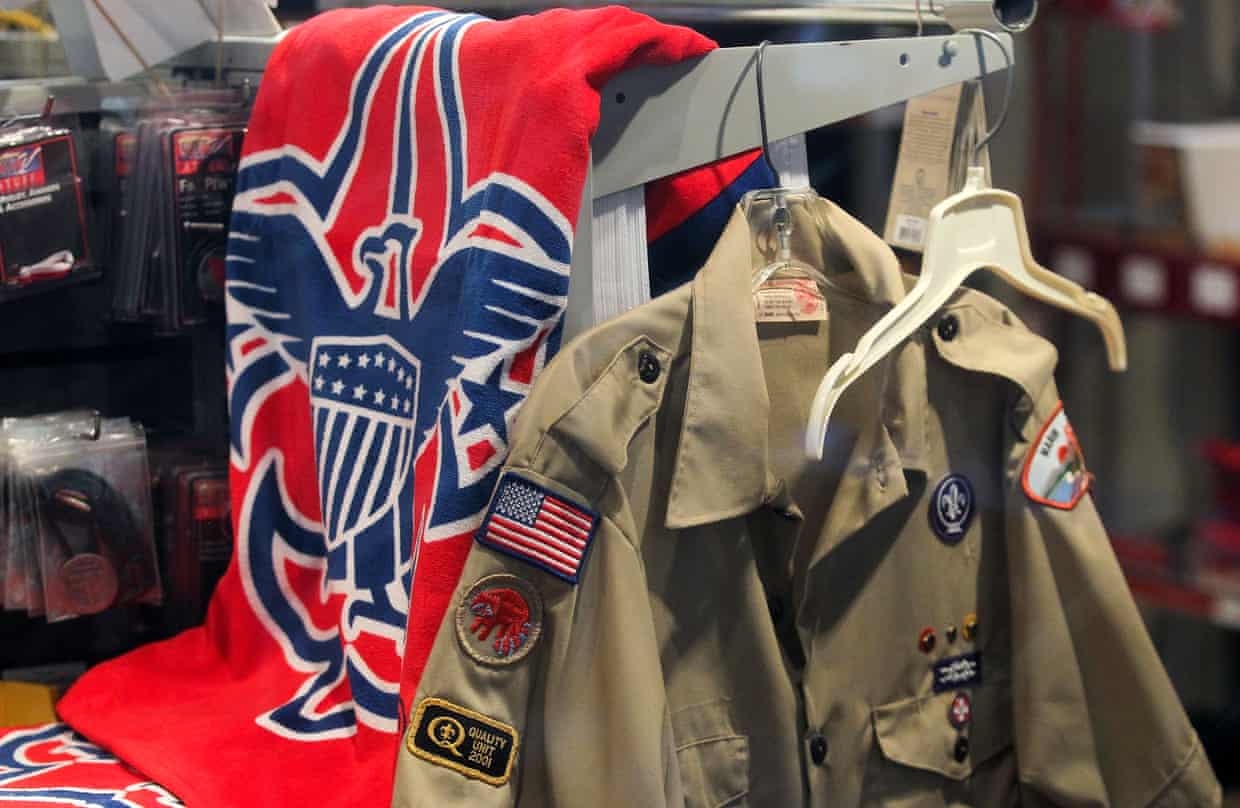
Scouting America to reinstate ban on trans children to appease Pentagon
Scouting America will alter several policies at the urging of the Pentagon, including one targeting transgender children, the US defense secretary, Pete Hegseth, announced on Friday as he pushes a campaign against military support for diversity, equity and inclusion efforts.Some of the changes mirror what the organization suggested to the defense department in January, which included discontinuing its citizenship in society merit badge and introducing a military service merit badge as well as waiving registration fees for the children of military personnel.Under Hegseth, the Pentagon has taken aim at the military’s partnership with Scouting America, decrying its historic rebrand in 2024 from the Boy Scouts and other changes in recent years that he sees as part of “woke culture” efforts that he wants to root out.Hegseth said in a video posted on X that, after 2012, the “Boy Scouts lost their way and a once great organization became gravely wounded. Diversity, equity and inclusion, DEI, crept in

European girls aged 13-15 have world’s highest rate of tobacco use for age group
Teenage girls in Europe have the highest rate of tobacco use in their age group around the world, while one in seven adolescents across the continent use vapes and e-cigarettes, figures show.The data, based on analysis by the World Health Organization (WHO), shows that Europe is on course to maintain its status as the world’s biggest consumer of tobacco up to 2030, and reveals “particularly concerning” trends of tobacco use among women and young people.Four in 10 adult female smokers around the world – about 62 million women – live in Europe, while 4 million teenagers aged 13 to 15 across the continent use tobacco products.For vapes and e-cigarettes, Europe has the highest prevalence of teenage regular users, at 14.3% of children aged between 13 and 15

Vegetarians have ‘substantially lower risk’ of five types of cancer
Vegetarians have a substantially lower risk of five types of cancer, a landmark study on the role of diet has revealed.The research, using data from more than 1.8 million people who were tracked over many years, found that vegetarians had a 21% lower risk of pancreatic cancer, a 12% lower risk of prostate cancer and a 9% lower risk of breast cancer compared with meat eaters. Combined, these cancers account for around a fifth of cancer deaths in the UK.Vegetarians also had a 28% lower risk of kidney cancer and a 31% lower risk of multiple myeloma, according to the study published in the British Journal of Cancer

Kinship carers in England to be given financial support in government pilot
Grandparents who step in to provide full-time care for their grandchildren to prevent them being taken into care will be given guaranteed financial support under a government pilot scheme.Charities welcomed the trial as groundbreaking and said if fully rolled out across England it had the potential to transform the lives of tens of thousands of children looked after under “kinship care” arrangements.Kinship carers are grandparents, aunts and uncles, older siblings or close family friends who take on full parental responsibility when a child loses their birth parents as a result of death, a family court order, severe illness or imprisonment.Campaigners have fought for more than two decades to establish financial recognition of the role and personal sacrifices that kinship carers make. Some carers say they have felt ignored and exploited as a “cheap option” despite saving the state billions it would otherwise have had to spend on foster or residential care
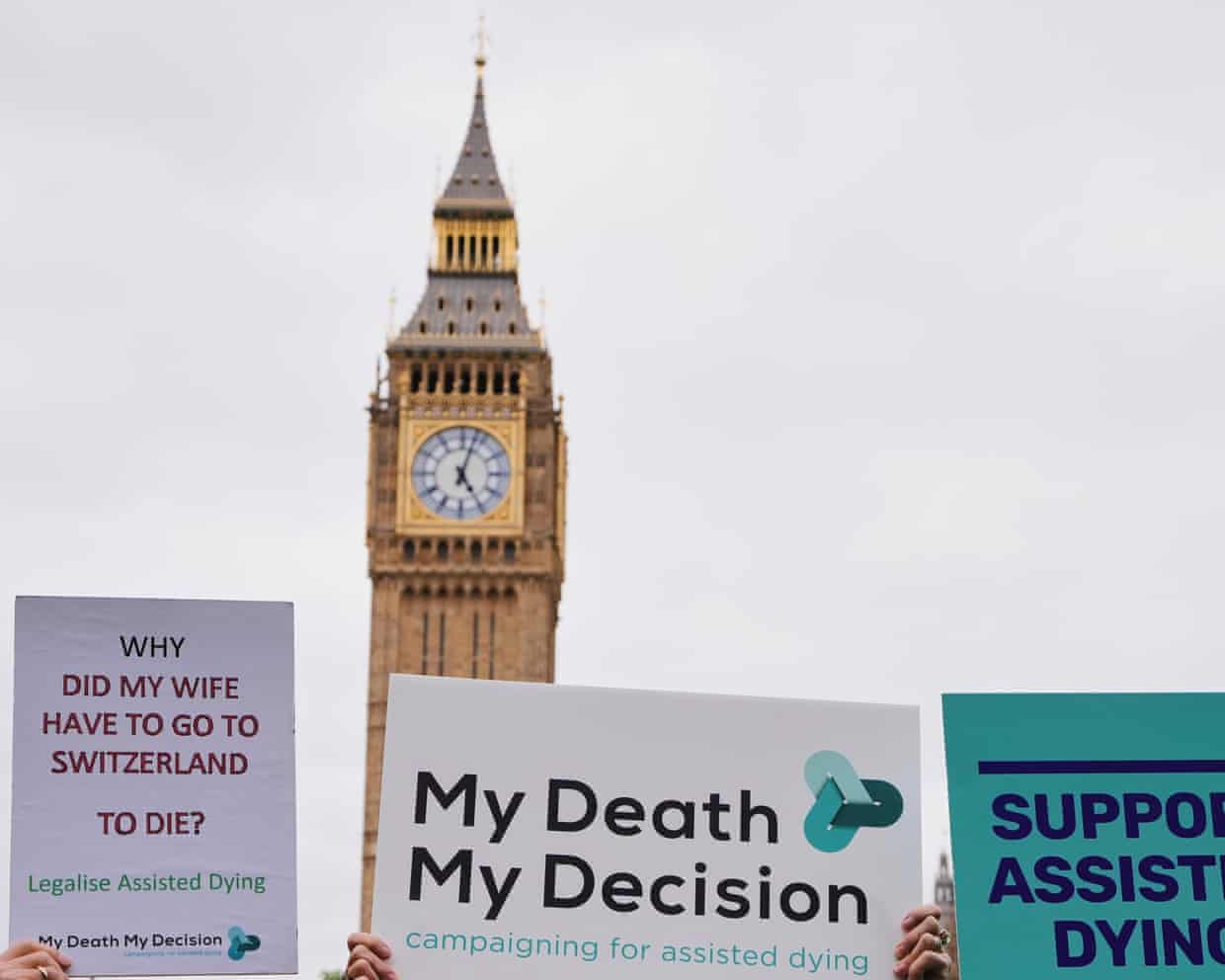
Why have efforts to bring in assisted dying law been thwarted?
The attempt to bring in new laws allowing assisted dying for terminally ill people with less than six months to live looks likely to fail. The legislation passed the House of Commons but it has struggled in the House of Lords, and campaigners in favour of the new law have accused peers of “sabotage”. Here is what has happened:The law was proposed by a backbench MP, Kim Leadbeater, and backed by a majority in the House of Commons. It did not have government support but No 10 allowed a “free vote” of MPs that permitted them to follow their conscience and it was not whipped.The bill then went to the House of Lords but a small number of opponents of the legislation have laid down so many amendments that it will not be voted on in time to make it through the current parliamentary session that ends in May
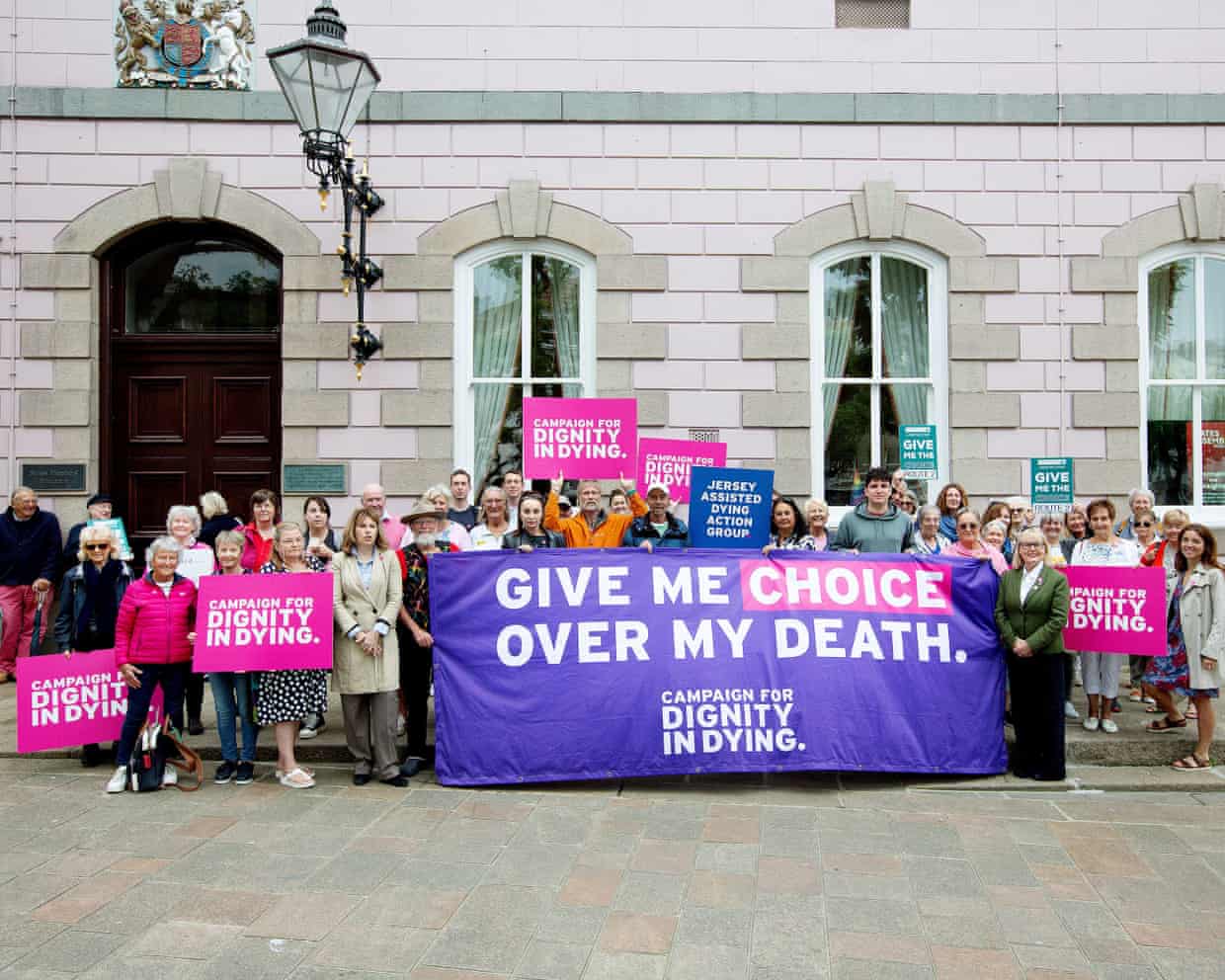
Jersey approves bill to legalise assisted dying for terminally ill adults
Jersey’s parliament has given final approval to a bill to legalise assisted dying for terminally ill adults who live on the island.Members of the States Assembly voted by 32 to 16 on Thursday in favour of the bill, which will now need royal assent before it becomes law.A private member’s bill to legalise assisted dying in England and Wales is being scrutinised by the House of Lords, with some campaigners accusing peers of obstructing its passage.The bill, introduced by the Labour MP Kim Leadbeater in October 2024, would allow adults with a prognosis of six months or fewer to live to have the option of an assisted death.It can become law only if both Houses of Parliament agree on its final wording

Seth Meyers on Team Trump’s Iran threats: ‘These guys speak like they’ve been hit on the head’

How to keep free entry to UK museums and galleries | Letters

‘You’re sweet – and I’m old!’: Billy Porter and Sam Morrison on teaming up for a comedy about love and death
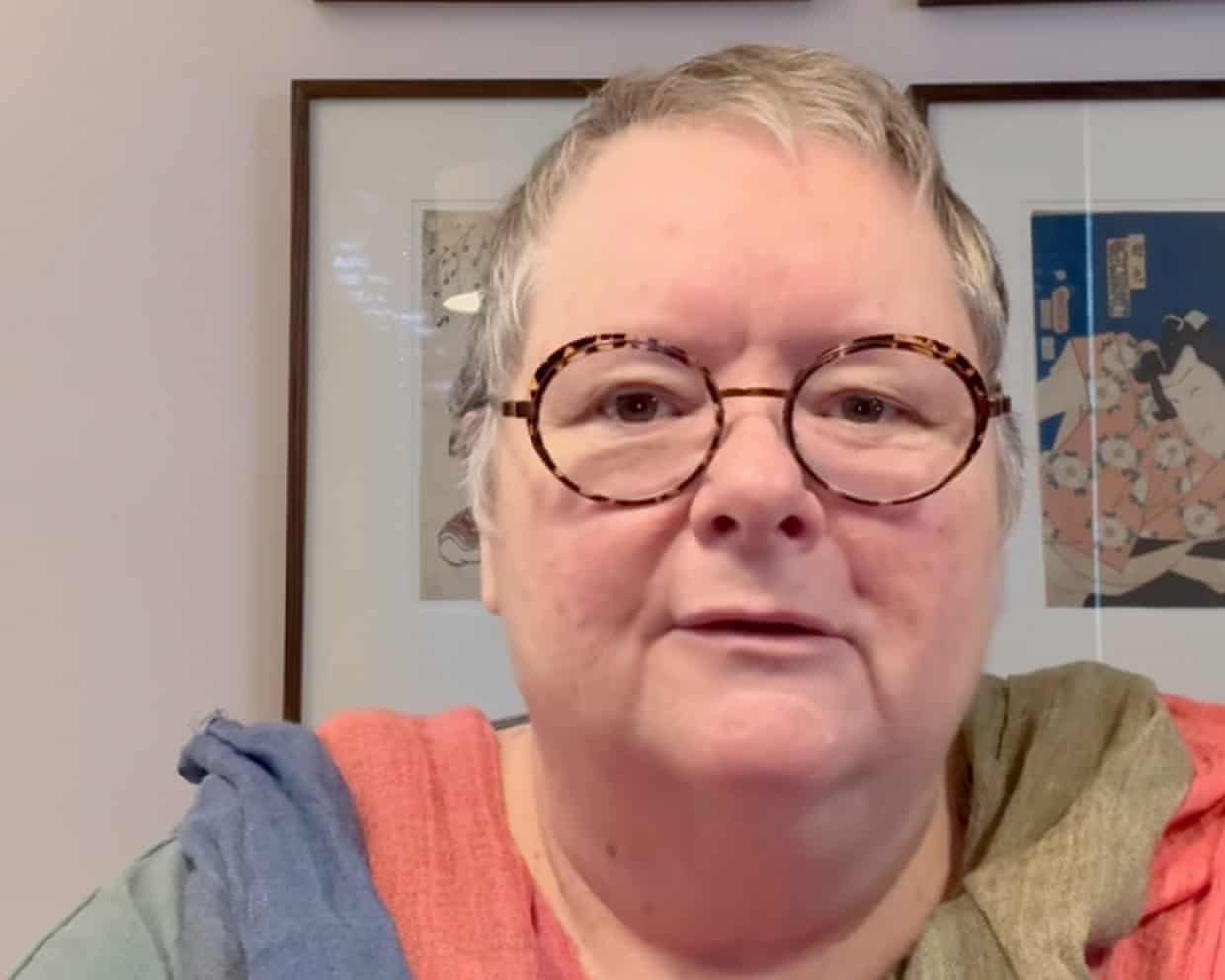
‘Seems I’m not dead’: Magda Szubanski says she is in remission after treatment for stage four cancer

Seth Meyers on Trump’s State of the Union address: ‘A vehicle to attack anyone who doesn’t bend the knee’

‘The sky’s the limit’: Newcastle Art Gallery unveils its ‘divisive’ $48m expansion with a blockbuster opening show