OBR a backseat driver with out-of-date maps, thinktanks tell Rachel Reeves
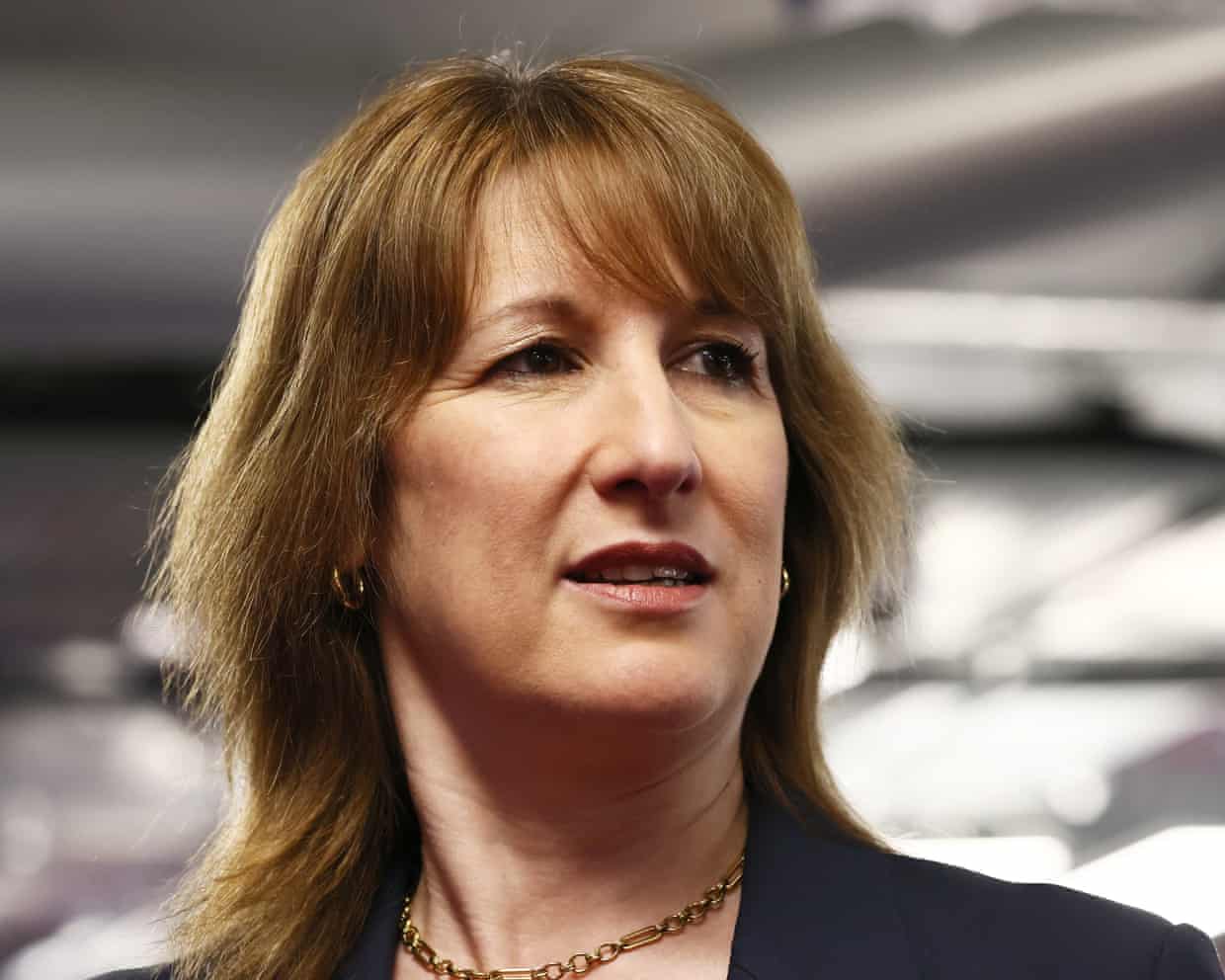
Rachel Reeves must reform the Office for Budget Responsibility (OBR) to open the way to more public investment, an alliance of thinktanks has argued ahead of the chancellor’s spring forecast on Tuesday.With Keir Starmer’s government under intense pressure after Labour’s defeat by the Greens in Thursday’s Gorton and Denton byelection, the thinktanks called on Reeves to review the watchdog’s remit.The coalition includes the Labour group Progress, usually considered on the right of the party, the leftwing thinktanks the New Economics Foundation (NEF) and Common Wealth, and the feminist Women’s Budget Group.They said: “It has become increasingly clear that our current framework is contributing to instability, short-termist underinvestment and a lack of focus on long-term risks and opportunities.”Reeves is expected to focus in the spring forecast on Labour’s progress in restoring fiscal stability and point to evidence of a nascent economic recovery.
Louisa Dollimore, the director of strategy at the Good Growth Foundation, which convened the group, said: “The OBR is a backseat driver with out-of-date maps: it obstructs long-term planning and investment at a moment when Britain needs both.”Hannah Peaker, the NEF’s deputy chief executive, said: “While independent scrutiny of the government’s spending plans is important, our current system means small changes in uncertain forecasts lead to governments making kneejerk policy changes of huge consequence.This is no way to run an economy.”Last week the Institute for Fiscal Studies called for the fiscal rules to be overhauled.Some economists complain that the OBR takes insufficient account of the potential benefits of future government investment, and that the way it has been set up to deliver a pass-fail verdict on the chancellor’s fiscal rules leads to hasty decision-making – such as the £5bn in welfare cuts made in last year’s spring statement.
Reeves has since asked the OBR, which was established by George Osborne as chancellor in 2010, to give its verdict on her fiscal rules just once a year, at the autumn budget,The thinktanks have called on her to go further,Adam Langleben, the executive director of Progress, said: “The OBR was created for an era defined by austerity, and while it can clearly count the upfront cost of investment, it too often misses the long-term value, whether that’s a healthier workforce, better housing or modern transport,“Its judgments should guide decisions, not shut down ambition,The real risk isn’t investing in Britain’s future, it’s leaving things exactly as they are.
”Reeves has changed the fiscal rules to allow the Treasury to borrow more to invest, and significantly increased taxes to fund public services, but some Labour MPs remain concerned that the party has been too cautious on tax and spend.However, the former OBR directors Richard Hughes and Robert Chote said at a hearing before the Treasury select committee last week that successive governments had overspent.Hughes, who resigned last year after the accidental early release of the OBR’s budget forecasts, told MPs: “Most surprises that governments face tend to be bad ones, especially these days, and so if you don’t take account of them, you’re always going to end up with this upwards drift … of deficits going up and debts going up.”
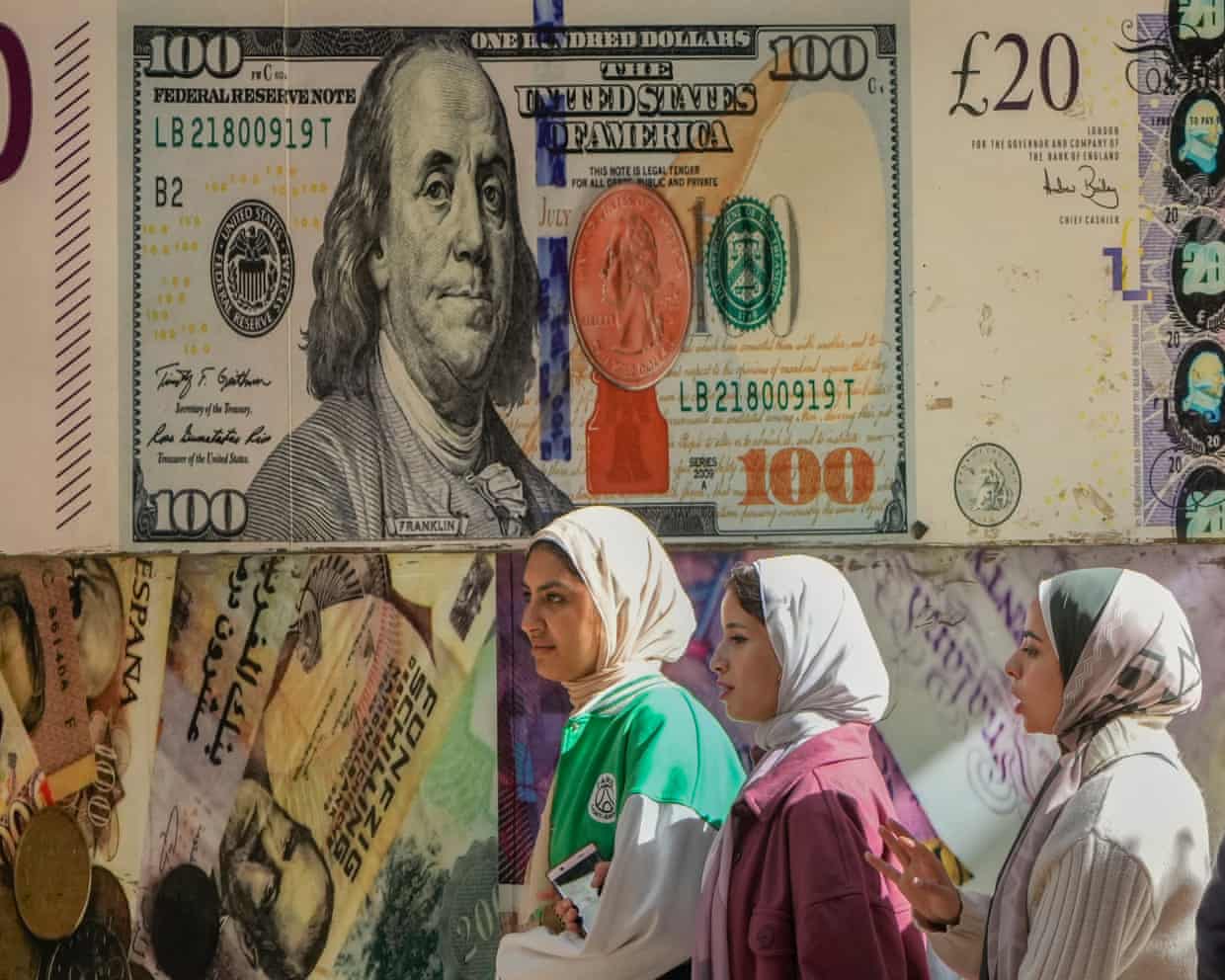
Trump’s Iran strikes accelerate the world’s drift from dollar dominance | Heather Stewart
Donald Trump’s attack on Iran, with its puerile Pentagon nametag Operation Epic Fury, is another show of violent force from a bullish administration.Aside from unleashing fresh instability across the Middle East, the strikes add to the sense of a US operating with little regard for international law or global norms – as with Trump’s on-off tariff regime, and the attack on Venezuela.In the financial sphere, that is only likely to add weight to an incremental but historic shift away from the global dominance of the US currency and towards a more complex world that may be less to Washington’s liking.The trade-weighted dollar, measured against a basket of global currencies, has lost 7% of its value over the past year despite strong US economic growth and soaring stock prices on Wall Street. That partly reflects the outlook for inflation, and therefore interest rates, but also perhaps a more nebulous sense that the US policy framework is not as solid and predictable as it may once have been

Young fashion fans help UK charity shops thrive on struggling UK high streets
Young people inspired by secondhand fashion websites such as Vinted and Depop are helping charity shops thrive despite rising energy and employment costs.Save the Children’s retail sales rose 3% last year, helped by a surge in December when the charity rang up 11% more than the same month a year before, raising more than £1m for its causes.Ian Matthews, the charity’s director of retail and communities, said it saw a “big spike”, with sales continuing to be pretty strong in January.It did better than the charity industry’s average of 1.4% last year, according to the Charity Retail Association (CRA), which was itself ahead of the wider retail industry’s 1

AI-resistant ‘halo’ stocks drive UK and EU markets to record highs
Investors have a new mantra as they prepare for AI to shake up the global economy – the Halo trade.Interest in Halo – short for “heavy assets, low obsolescence” - has risen as investors seek out companies with tangible, productive assets, which might be insulated from AI disruption, such as energy and transport infrastructure companies.While US mega-cap tech companies have had a rough start to 2026, the Halo trade helped to push UK and EU stock markets to record levels by the end of February.Goldman Sachs reported this week that its basket of more than 100 big-spending companies had outperformed a similar grouping of capital-light firms by 35% since 2025, as “asset intensity becomes a key driver of valuations and returns”.“After more than a decade of under‑investment (particularly in Europe), corporates are shifting decisively back toward physical assets,” Goldman analysts told clients
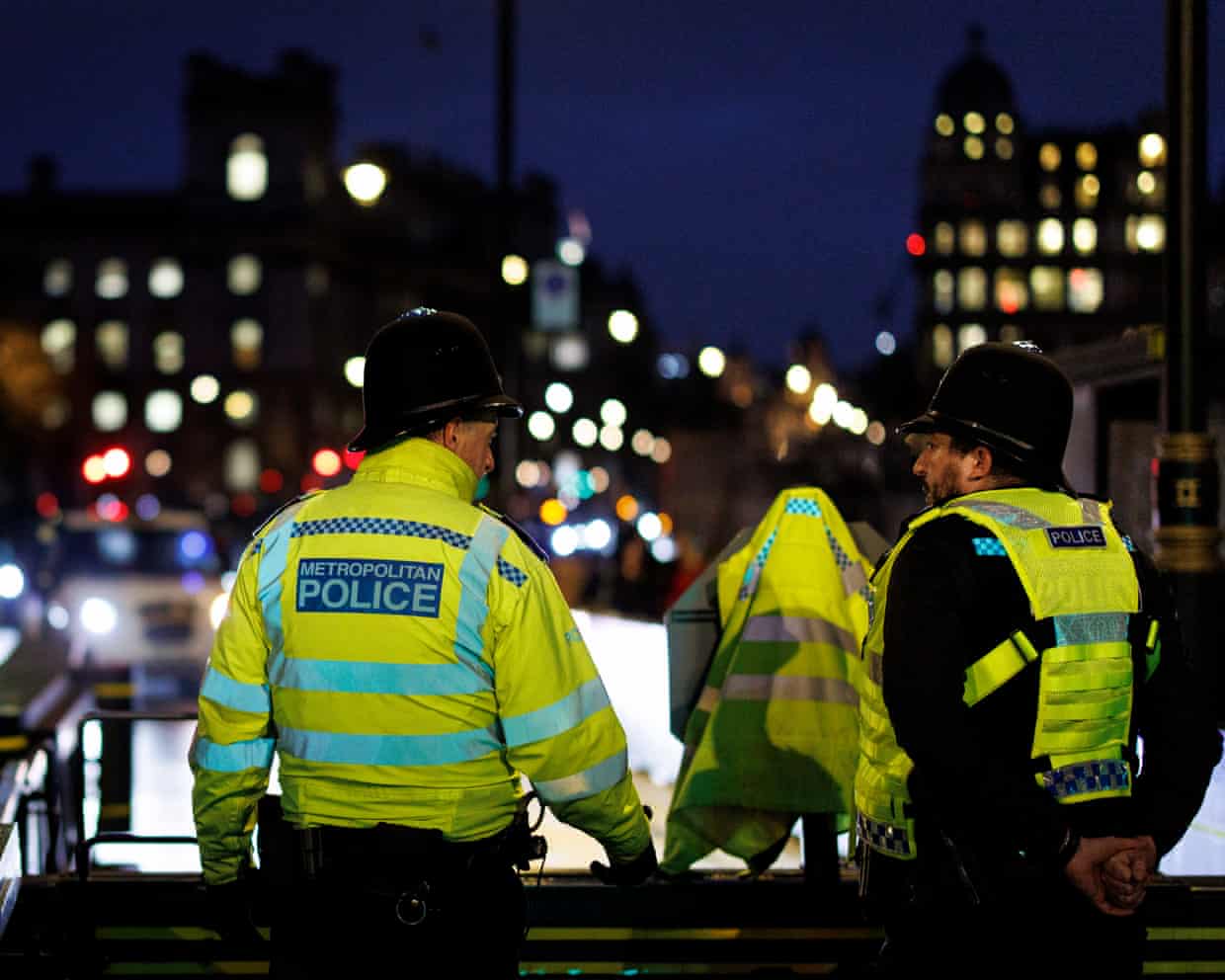
Square Mile strikes back: how the City of London is fighting disinformation about crime
“Just visit London and you’ll see that it’s filled with crime,” the tech billionaire Elon Musk said as he was beamed into Tommy Robinson’s far-right rally in the UK capital last September.The comments by the SpaceX and Tesla boss, part of a roving speech that was later condemned by the UK government, added to a growing wave of anti-London disinformation that has spread in recent months. That includes Donald Trump’s notorious comments of London “no-go zones” and Nigel Farage’s warnings against wearing jewellery after 9pm in the West End.But the panic over antisocial behaviour and petty crime plaguing the capital has burst out of rightwing circles and social media platforms and into City boardrooms and diplomatic meetings, raising the hackles of state officials and influential financial sector bosses who fear that, if left unchecked, trade, recruitment and business investment could suffer.“Nobody’s saying ‘it means that I won’t invest in the City’,” said Susan Langley, the City of London’s mayor
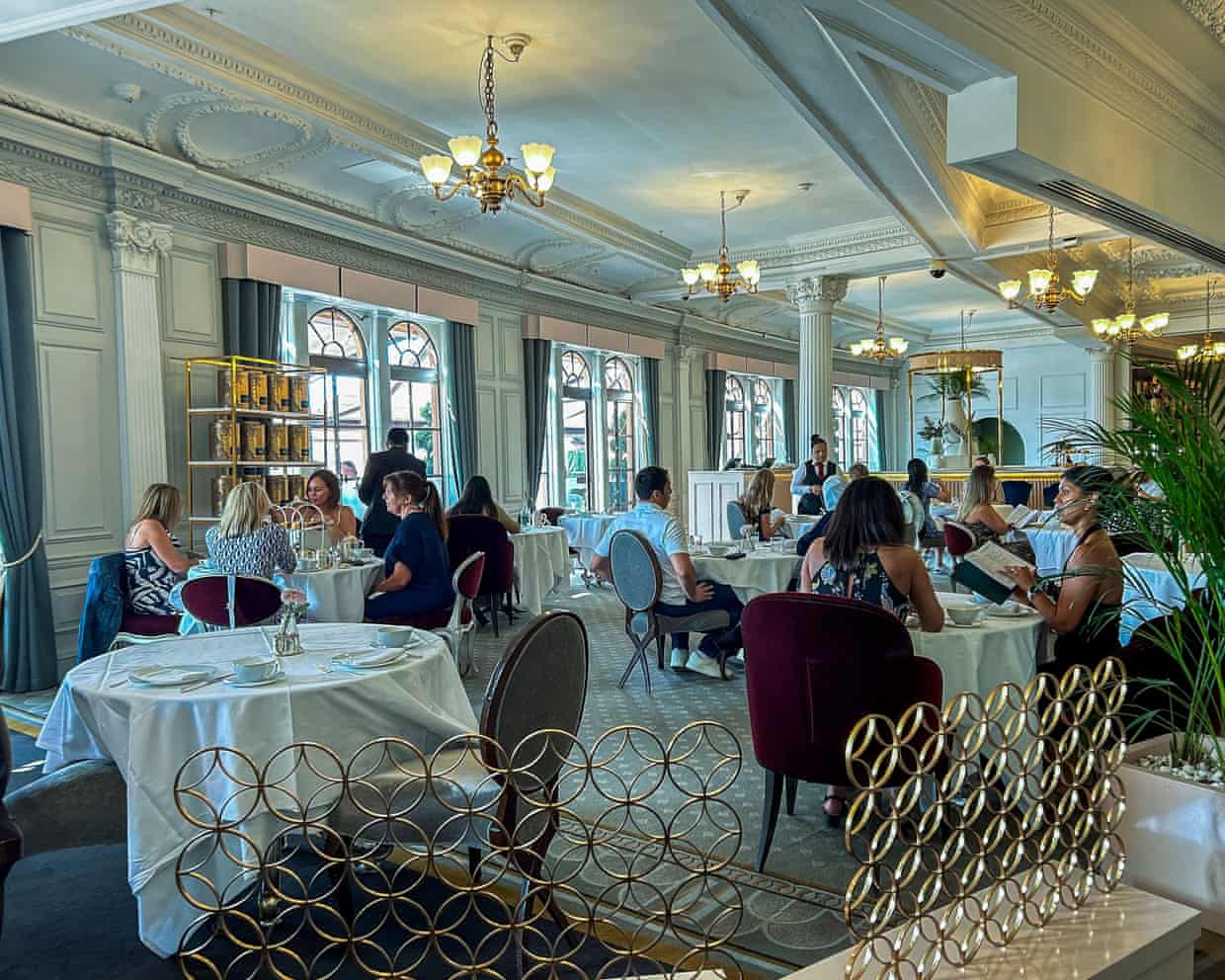
Harrods faces legal action over £1-a-head dining charge not going to staff
Harrods is facing legal action over its addition of a £1-a-head cover charge to diners’ bills that does not go to workers, in a test case that could lead to changes at a string of upmarket restaurants.Legislation, which came into force in October 2024, requires business owners to hand over all tips and service charges to staff. Some restaurants, including those at Harrods, add a mandatory cover charge as well as an optional service charge and only pass on the latter to their workers.An employment tribunal case involving 29 Harrods restaurant workers backed by the United Voices of the World (UVW) union is to be heard in September. Workers argue that the cover charge functions in practice as a service charge and so should be distributed to them and not kept by Harrods
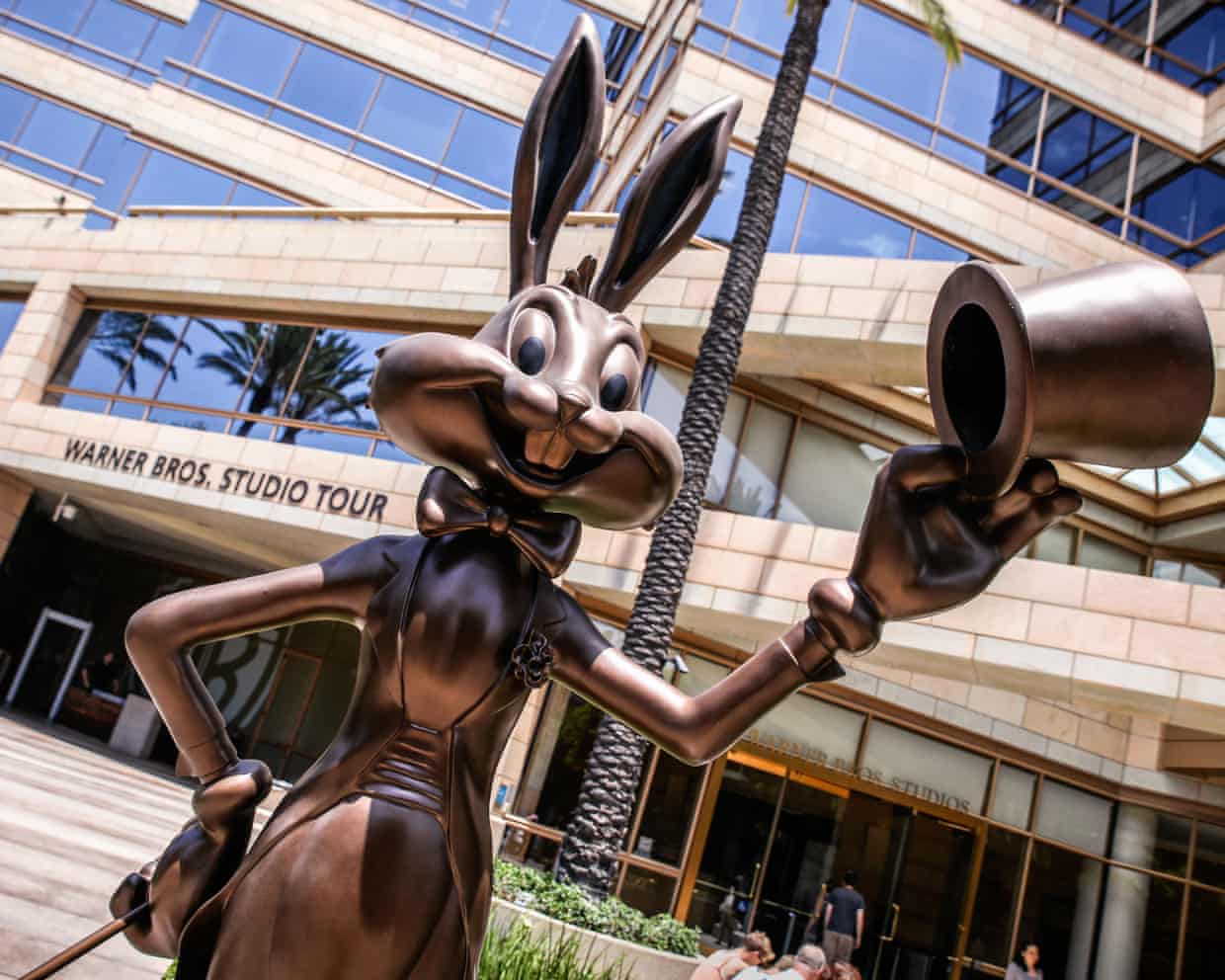
Paramount Skydance wins Warner Bros Discovery bid after Netflix walks away from deal
Paramount Skydance has beaten Netflix to take over Warner Bros Discovery’s storied Hollywood studios and streaming business after the streaming giant refused to increase its bid.The $110bn deal ends a high-stakes bidding war between the two media companies, but the takeover still faces regulatory hurdles and a backlash from critics worried about a rightward tilt in US media.David Ellison, chairman and CEO of Paramount, said: “From the very beginning, our pursuit of Warner Bros Discovery has been guided by a clear purpose: to honor the legacy of two iconic companies while accelerating our vision of building a next-generation media and entertainment company.”In a statement on Thursday evening, the Netflix co-chief executives Ted Sarandos and Greg Peters said: “At the price required to match Paramount Skydance’s latest offer, the deal is no longer financially attractive.”Netflix was given four business days to beat Paramount’s revised offer but quickly decided against doing so

The bubbling beauty of baked pasta

Rachel Roddy’s recipe for beans with greens and sausages | A kitchen in Rome

Doom Bar maker Sharp’s Brewery in Cornwall to be closed by US owner

Table for one: is eating lunch at work on your own a bad thing?

How to use on-the-turn milk to make an Italian classic – recipe

Nadiya Hussain on food, faith and finding her voice: ‘I get paid less than the white version of me’