UK job vacancies ‘fall to lowest level since pandemic’
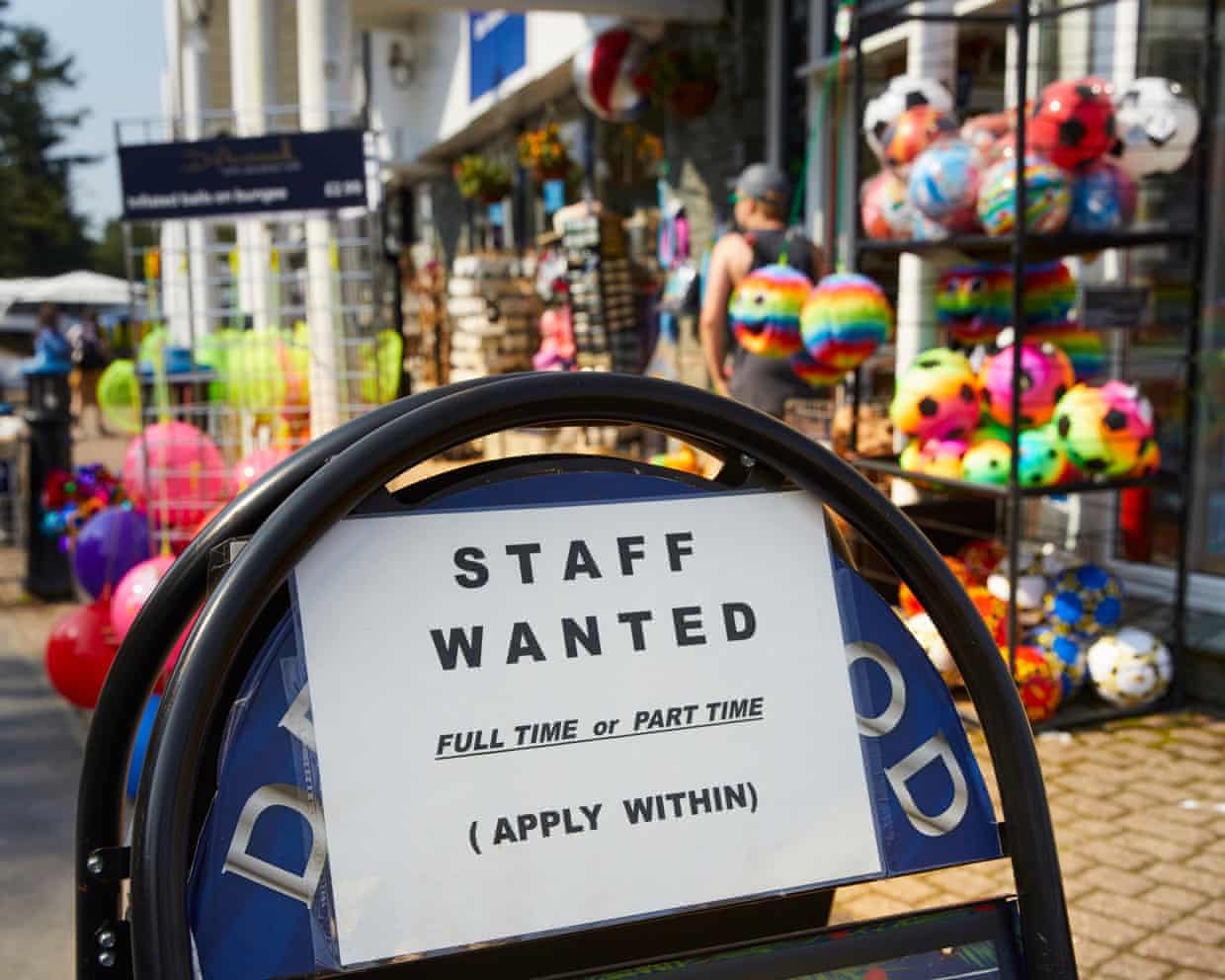
The number of job vacancies in the UK has tumbled to the lowest level in five years, research suggests, falling to levels not seen since the pandemic.The number of jobs being advertised slid by 3% in January to 695,000, according to the job search site Adzuna, marking the first time advertised vacancies have dropped below 700,000 since January 2021.Graduate jobs fell below 10,000 for the first time since Adzuna began tracking this in 2016.The research comes days after official figures showed unemployment in the UK had risen to a five-year high of 5.2%, at a time when wage growth is slowing and concerns are increasing that young people are bearing the brunt of the slowdown in hiring.
The fall in the number of vacancies marked a continuation in the downward trend seen during late 2025 and showed a 16% slide compared with last January and a near-20% fall since six months earlier.It highlights how sharply job opportunities have shrunk since mid-2025, as employers have reined in their hiring in the face of increases in national insurance contributions and the minimum wage announced by Rachel Reeves in her last two budgets.The extra cost of labour for business also comes as some companies are prioritising investment in automation and artificial intelligence tools rather than recruitment.This trend has particularly affected young jobseekers, at a time when unemployment among 18- to 24-year-olds rose to 14% in the final three months of 2025, the highest rate in five years, or nearly 11 excluding the pandemic, adding to concerns that Britain is slipping down the global youth employment league table.While the number of vacancies advertised has declined across the UK, the sharpest monthly drop was in London, with advertised roles falling by almost 6% in January.
Competition for jobs has increased, the research found, with 2.4 jobseekers for each vacancy, up from 2.27 in December.The most searched-for jobs included warehouse staff, healthcare support workers, lorry drivers, labourers and kitchen assistants.Andrew Hunter, a co-founder of Adzuna, said: “Although competition for roles remains high, these pockets of strength suggest businesses are beginning to adapt to tougher conditions and invest where it matters.
For jobseekers in early 2026, the market remains challenging, with fewer vacancies and intense competition, but continued wage growth suggests employers are still willing to pay for the right skills.”However, one bright spot for jobseekers remains wage growth.Average advertised salaries rose to £43,289 in January, marking an almost 6% annual increase and comfortably outpacing inflation, which fell to 3% last month.

The feast before the fast … my pre-Lent indulgent recipes
In terms of religious food festivals, this week is kind of a double whammy. First up was pancake day, which is always a whole-day affair in our kitchen, with both sweet and savoury stations, crepe pans and all the toppings (you can always rely on Felicity Cloake for a foolproof recipe). And, because of the way the calendars fall this year, we are also celebrating Orthodox Maslenitsa, or cheesefare, week at the same time.OK, so the sentiment is pretty much the same (it’s the week before the start of Lent, when people ease into their strict fasting period), but these two celebrations can often be weeks apart (blame the battle of the Gregorian and Julian calendars). For those of Orthodox faith, last week was all about eating meat, and this week is all about dairy
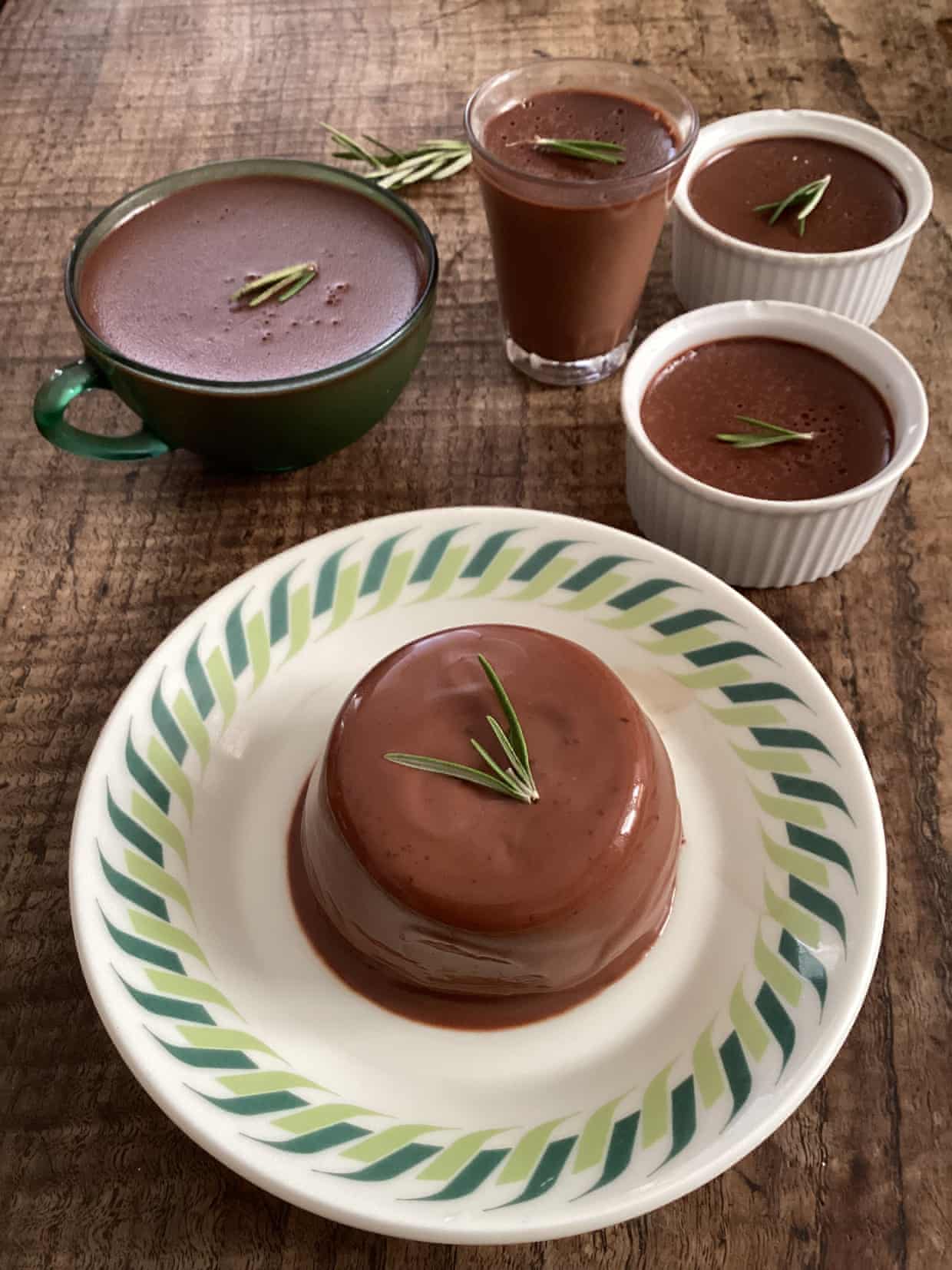
Rachel Roddy’s recipe for chocolate and rosemary panna cotta | A kitchen in Rome
The pungent and lingering aromas of familiar kitchen herbs – oregano, rosemary, sage, thyme, bay, lavender, mint – seem purposely made to donate their landmark volatiles to our everyday lives and food. In fact, their design is not for domestic calm and onion basket or fridge drawer neglect, but for uncultivated wilds. In particular the limestone terrain of the Mediterranean, where their defining smells are hardcore chemical defences, with every small, tough leaf or needle loaded with enough volatiles to deter both predators and competitors.Rosemary is particularly kick-arse in this respect, with those volatiles (mostly organic compounds called terpenoids) synthesised and stored in minuscule glands that project from the surface of each dark green needle, which breaks when brushed against or bitten, releasing an intense, hot, bitter shot. It’s the evergreen equivalent of carrying personal defence spray
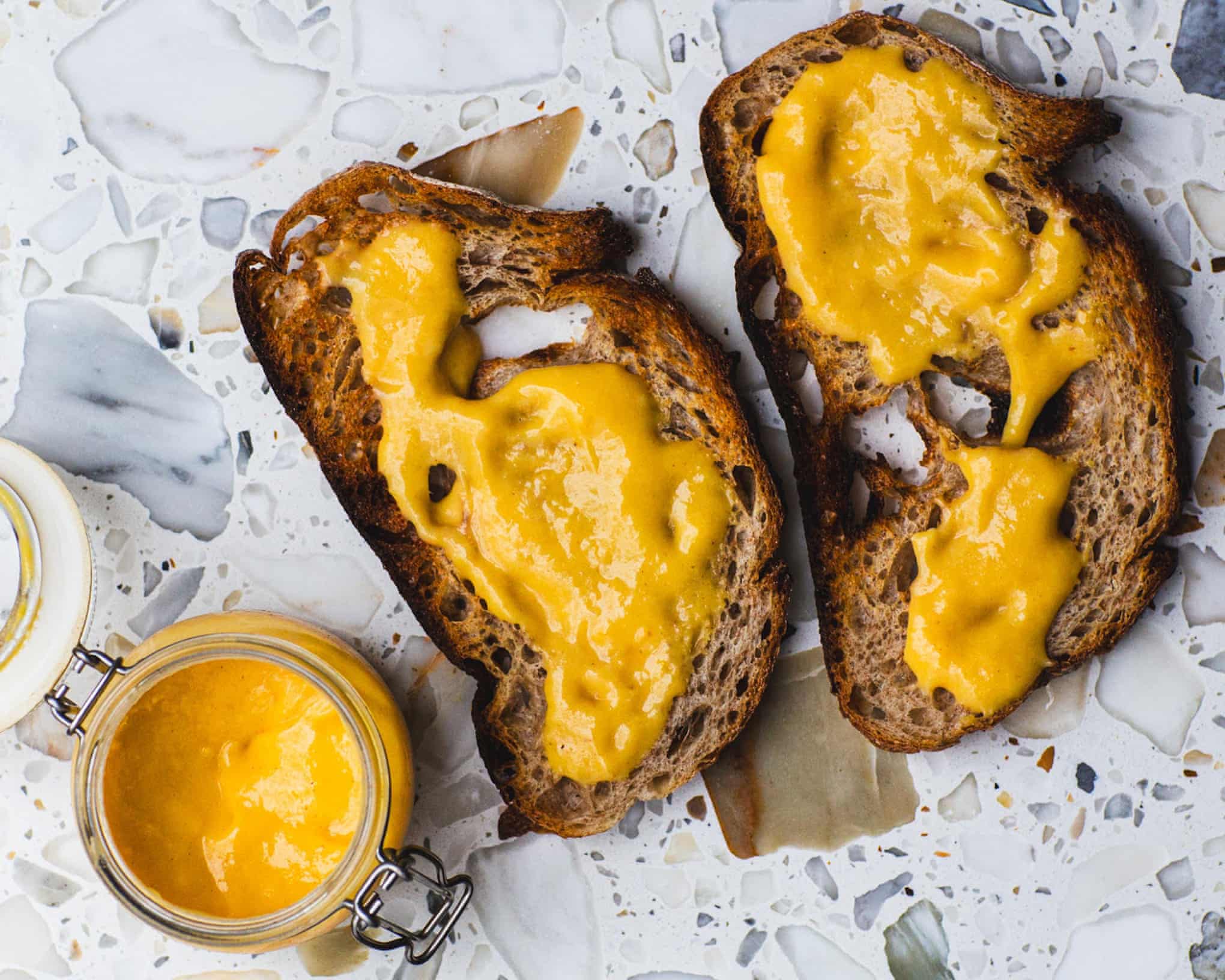
How to turn any leftover fruit into curd – recipe
You can make curd with almost any leftover fruit, as long as you add a little lemon juice for acidity and blend it to that familiarly special smooth textureI love ingenious recipes like curd that have the superpower to turn a tired piece of fruit or a forgotten offcut into something utterly decadent. Lemon curd is the original and a classic, but you can make curd with almost any fruit, as long as you add a little lemon juice for acidity. Each version is intense, indulgent and dreamy. So, please approach with caution: this spread is deeply moreish, in the best possible way.When testing this recipe, I had some leftover frozen mango that had been accidentally defrosted on the counter, a sad golden kiwi and some wrinkled grapes, so I split the recipe and made three small batches of different curds

‘Food porn’: are sexy meal pics ruining the restaurant industry?
Name: Food porn.Age: Entered common parlance around the 1980s – Rosalind Coward used the term in her 1984 book Female Desire (one of its earliest documented uses).Appearance: A total restaurant killer.Your thesis is that nice-looking food is destroying the restaurant industry? Yes, and I’m sticking with it.Why? Because if you make your food look nice, it attracts the wrong sort of customers, that’s why
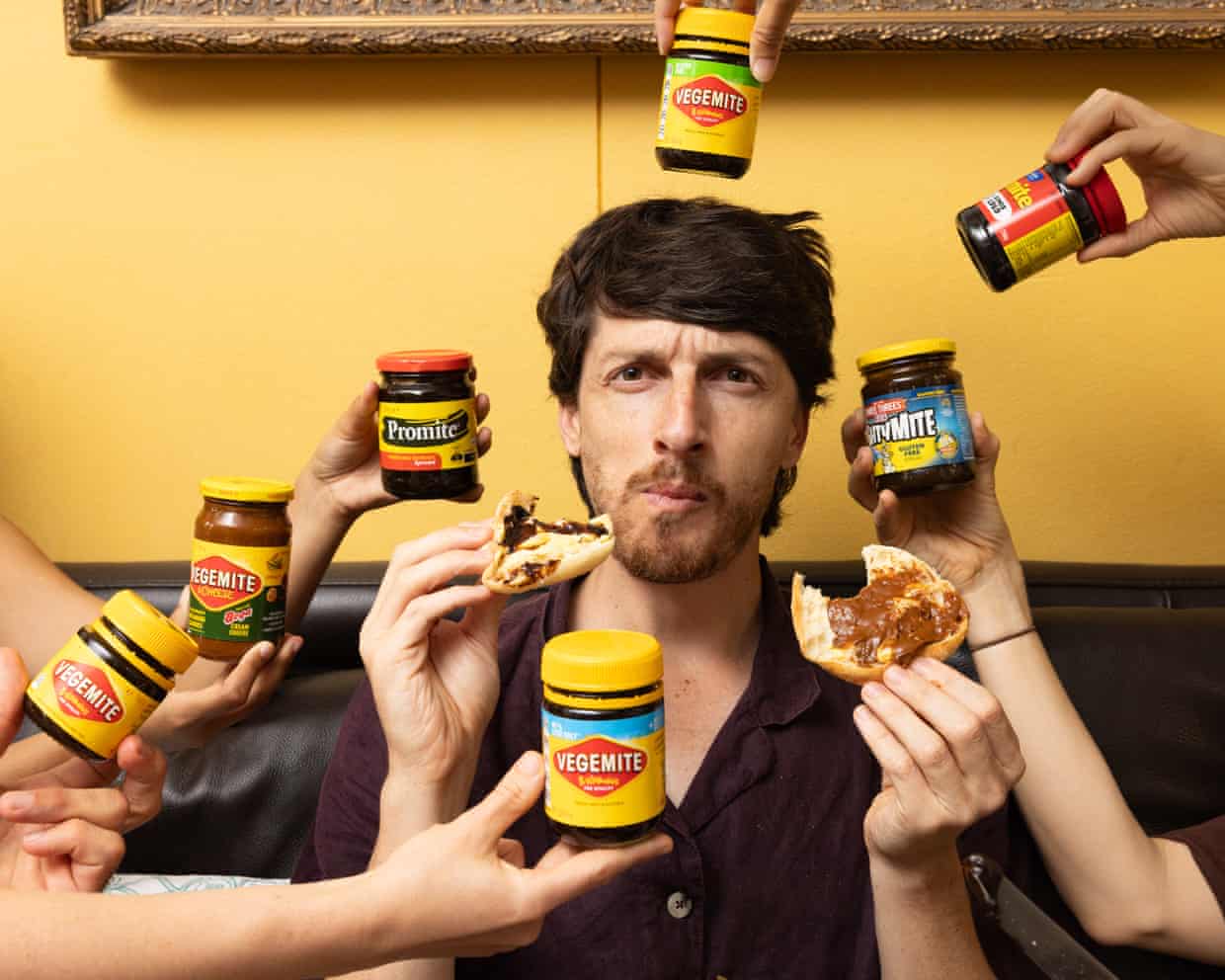
In a taste-test battle of supermarket mite-y bites, which will win? (Spoiler: it isn’t Vegemite)
At the end of most taste tests, I have a clear idea of winners and losers, and I’m usually confident enough in the findings that I’d bet if I repeated it 100 times, with a different set of testers, the results would be similar. This is not a normal taste test.After blind tasting eight yeast spreads, readily available at Australian supermarkets, I don’t even know what my favourite is, let alone which are the best and worst.In Australia it is impossible to taste yeast spreads without comparing them with Vegemite, for better or worse. So this isn’t really a yeast spread taste test, it’s a taste test of Vegemite and things that taste like it
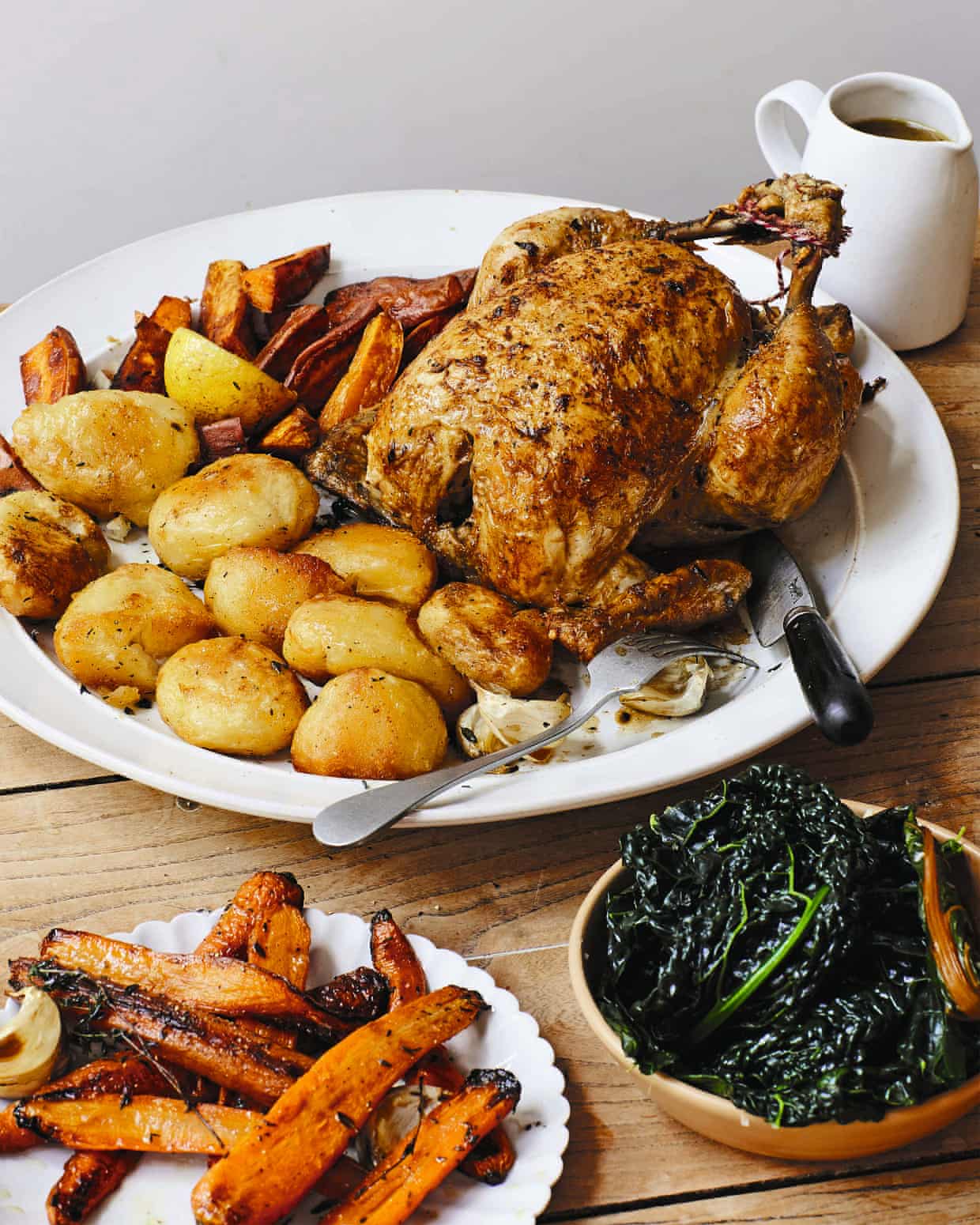
The secret to perfect roast chicken | Kitchen aide
What’s the best way to roast a chicken?Nicola, by email “Fundamentally, people overcomplicate it,” says Ed Smith, who has, rather conveniently, written a new book all about chicken, Peckish. “Yes, you can cook it at a variety of temperatures, use different fats, wet brine or dry brine, etc etc, but, ultimately, if you put a good chicken in the oven and roast it, you will have a good meal.”To elaborate on Smith’s nonchalance, he has three key rules: “One, start with a good chicken: free-range, ideally slow-reared and under the 2kg mark – small birds just roast better, I think.” Second, it doesn’t need as long in the oven as you might think. “Whatever it says on the packet will be too long,” says Smith, who roasts his chicken for about 50 minutes in a 210C (190C fan) oven

Nvidia reportedly plans to invest $30bn in OpenAI’s next funding round

Mind launches inquiry into AI and mental health after Guardian investigation

West Virginia sues Apple over child sex abuse material stored and shared on iCloud

Skiers stranded by California avalanche used iPhone SOS feature to seek help

US builds website that will allow Europeans to view blocked content

Accenture ‘links staff promotions to use of AI tools’