Shares in trucking and logistics firms plunge after AI freight tool launch

Shares in trucking and logistics companies have plunged as the sector became the latest to be targeted by investors fearful that new artificial intelligence tools could slash demand.A new tool launched by Algorhythm Holdings, a former maker of in-car karaoke systems turned AI company with a market capitalisation of just $6m (£4.4m), sparked a sell-off on Thursday that made the logistics industry the latest victim of AI jitters that have already rocked listed companies operating in the software and real estate sectors.The announcement about the performance capability of Algorhythm’s SemiCab platform, which it claimed was helping customers scale freight volumes by 300% to 400% without having to increase headcount, sparked an almost 30% surge in the company’s share price on Thursday.However, the impact of the announcement sent the Russell 3000 Trucking Index – which tracks shares in the US trucking sector – down 6.
6% on Thursday, with CH Robinson Worldwide plunging 15% by the close of trading, having been down as much as 24%.The fall across the sector – Landstar System dropped 16%, RXO 20.5% and JB Hunt Transportation Services and XPO both about 5% – was the worst since Donald Trump’s tariff trade war in April last year.“The level of paranoia is category 5,” said Joseph Shaposhnik, a portfolio manager at Rainwater Equity.“It’s not something that we’ve seen in quite a long period of time.
”Algorhythm Holding’s chief executive expressed incredulity that his company could spark an artificial intelligence “scare trade” reaction of such scale.“Never in my wildest dreams would I ever have imagined a day like today,” said Gary Atkinson, whose company was considered a “penny stock” in terms of stock market scale.“It’s almost like David versus Goliath.”Listed drug distribution stocks were also caught up in the sell-off, with McKesson Corp and Cardinal Health falling about 4%.In Europe, the logistics business DHL Group fell 4.
9%, DSV A/S fell 11% and Kuehne+Nagel International AG plunged 13% in late trading on Thursday.“[There is an] emerging debate around open-source automation agents such as Molt Bot that offer increased potential to automate routine back-office tasks and help equalise the technology playing field for smaller operators,” said Daniel Moore, an analyst at Baird.Algorhythm was previously focused on developing in-car karaoke systems but sold its Singing Machine business to Stingray for $4.5m in 2025 before pivoting to its AI freight platform.In London, shares in RELX (formerly Reed Elsevier) rose 5% in early trading, clawing back some of the steep declines suffered by European publishing and legal software companies last week, which were triggered by Anthropic revealing new capabilities of its chatbot Claude.
“We can see a broad AI fear trade taking place and it’s touching all corners except those that are immune to disruptions – materials, energy, staples,” said Neil Wilson, an investor strategist at Saxo UK.“This AI fear trade has been the main narrative of the last few sessions as a whole host of industries and subsectors have been caught up in selling as investors think companies will be exposed to significant AI disruption.”
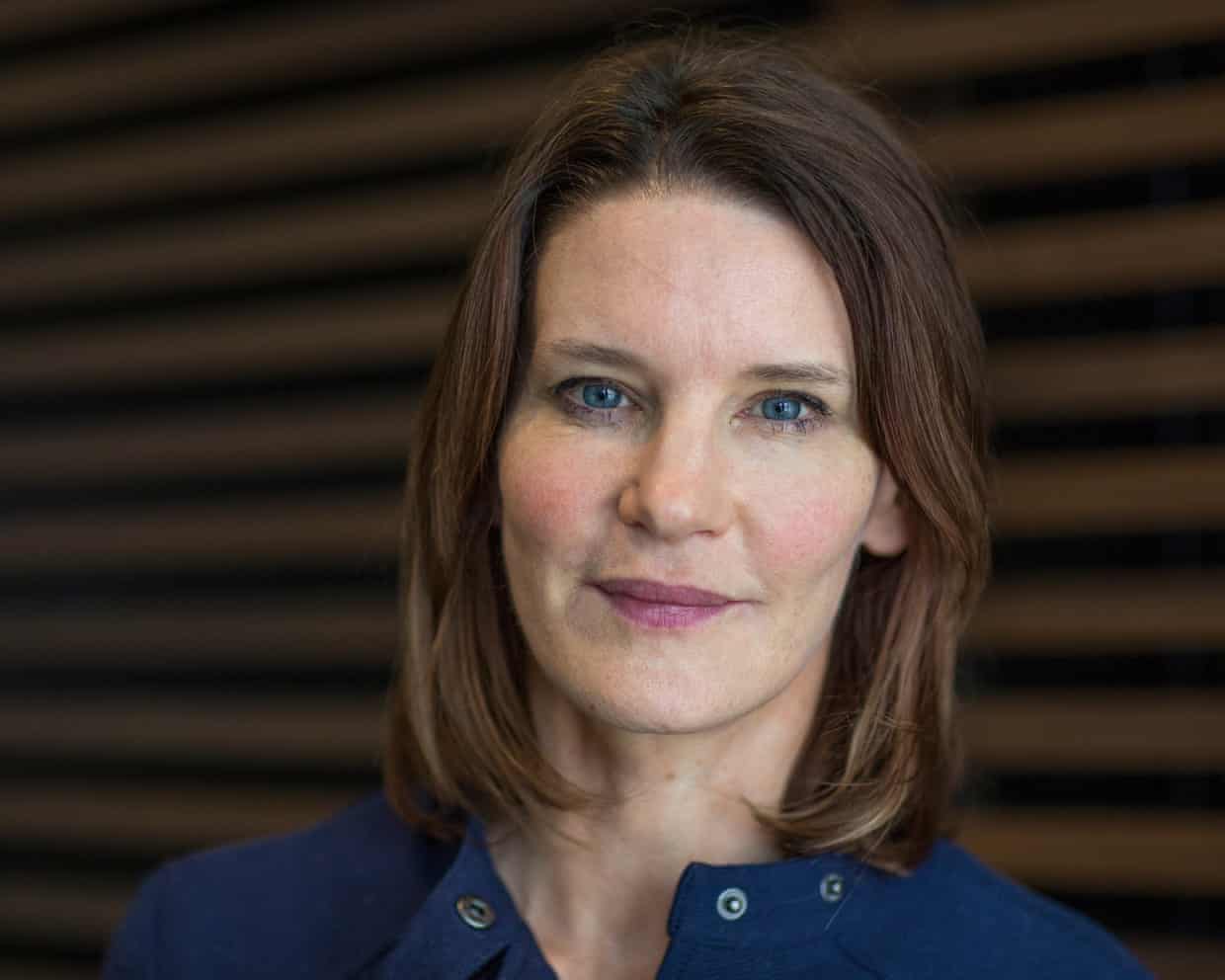
Children’s vocabulary shrinking as reading loses out to screen time, says Susie Dent
Children’s vocabulary is shrinking as reading loses out to screen time, according to the lexicographer Susie Dent, who is urging families to read, talk and play word games to boost language development.The Countdown star’s warning comes as the government prepares to issue its first advice to parents on how to manage screen use in under-fives, amid concerns that excessive screen time is damaging children’s language development.“So many children are now falling behind,” Dent said. “The vocabulary gap is getting bigger and there is a real perception that vocabulary development is suffering and that impacts on learning.”Citing a 2023 Oxford University Press report that found that two in five pupils had fallen behind in vocabulary development, she said: “There is a huge perception that screen time is having a negative impact on vocabulary, and I think that’s because it is taking away from reading time

‘We’re on a cliff edge’: the struggle to keep youth services alive in Knowsley
“I feel like I’m failing because I can’t reach everyone,” said Toni Dodd, the centre manager at Karma in the Community, a youth service in Knowsley on the outskirts of Liverpool.“I’ll go over and get kids hanging outside the shops, bring them in, but it’s who am I not reaching? It just takes one thing and they’re on that track into crime, into drugs. There are kids going into school on ketamine. I do all I can but it’s so hard to keep it open and running, and you can’t meet the demand there is.”Young people in Knowsley don’t have it easy

Youth work ‘black holes’ in half of all council areas in England, study finds
Almost half of all council areas in England have youth work “black holes” with few or no services despite high levels of deprivation and antisocial behaviour, analysis shows.The first mapping in decades of youth centres across the country has revealed a nationwide crisis in youth support and significant inequality. Poorer areas in the north of England are shown to have been the worst affected by cuts to youth services since 2010.The research, produced by the charity funder Social Investment Business (SIB) and the University of Leeds, plotted youth services against the needs of the local population for the first time and found “a consistent picture of youth work black holes” across the country.Bethia McNeil, the director of quality and impact at the YMCA, the country’s largest youth charity, said: “Having this data is critical – we haven’t had anything like this in a very long time, probably since 2010, and youth provision has changed dramatically since then

One in 14 children who die in England have closely related parents, study finds
One in 14 children who died in England in a four-year period had parents who were close relatives, according to “stark” figures revealed by the first study of its kind.The figures, published by the National Child Mortality Database (NCMD), based at the University of Bristol, analysed all 13,045 child deaths in England between 2019 and 2023. Of these, 926 (7%) were found to be of children born to consanguineous parents, meaning the mother and father are close blood relatives, such as first cousins.Although the exact number of children with consanguineous parents across England is unclear, the data clearly shows their overrepresentation within mortality statistics and requires “urgent action”, according to researchers.The largest geographical estimate of consanguinity currently available is from a large study following the lives of 13,000 babies born in Bradford

Parents of children taken in to care should get more help, say experts after Victoria Marten death
Parents whose children are taken into care should receive trauma-informed support to reduce the risk of harm to any further babies they have, according to child protection experts.A national child safeguarding review, launched after the death of baby Victoria Marten, said that if “destructive cycles of harm are to be interrupted” there needed to be more focus on parents, as well as their vulnerable baby or unborn infant.Victoria died in January 2023 after her parents, Constance Marten and her convicted rapist partner, Mark Gordon, took her to live in a tent in wintry conditions to evade social services. The child’s decomposed remains were found by police officers in March that year.The pair, who were jailed last September for 14 years for killing their newborn baby, had fled authorities to prevent Victoria being taken into care, as four older siblings had been previously, their Old Bailey case heard

Reading and writing can lower dementia risk by almost 40%, study finds
Reading, writing and learning a language or two can lower your risk of dementia by almost 40%, according to a study that suggests millions of people could prevent or delay the condition.Dementia is one of the world’s biggest health threats. The number of people living with the condition is forecast to triple to more than 150 million globally by 2050, and experts say it presents a big and rapidly growing threat to future health and social care systems in every community, country and continent.US researchers found that engaging in intellectually stimulating activities throughout life, such as reading, writing or learning a new language, was associated with a lower risk of Alzheimer’s disease, the most common form of dementia, and slower cognitive decline.The study author Andrea Zammit, of Rush University Medical Center in Chicago, said the discovery suggested cognitive health in later life was “strongly influenced” by lifelong exposure to intellectually stimulating environments
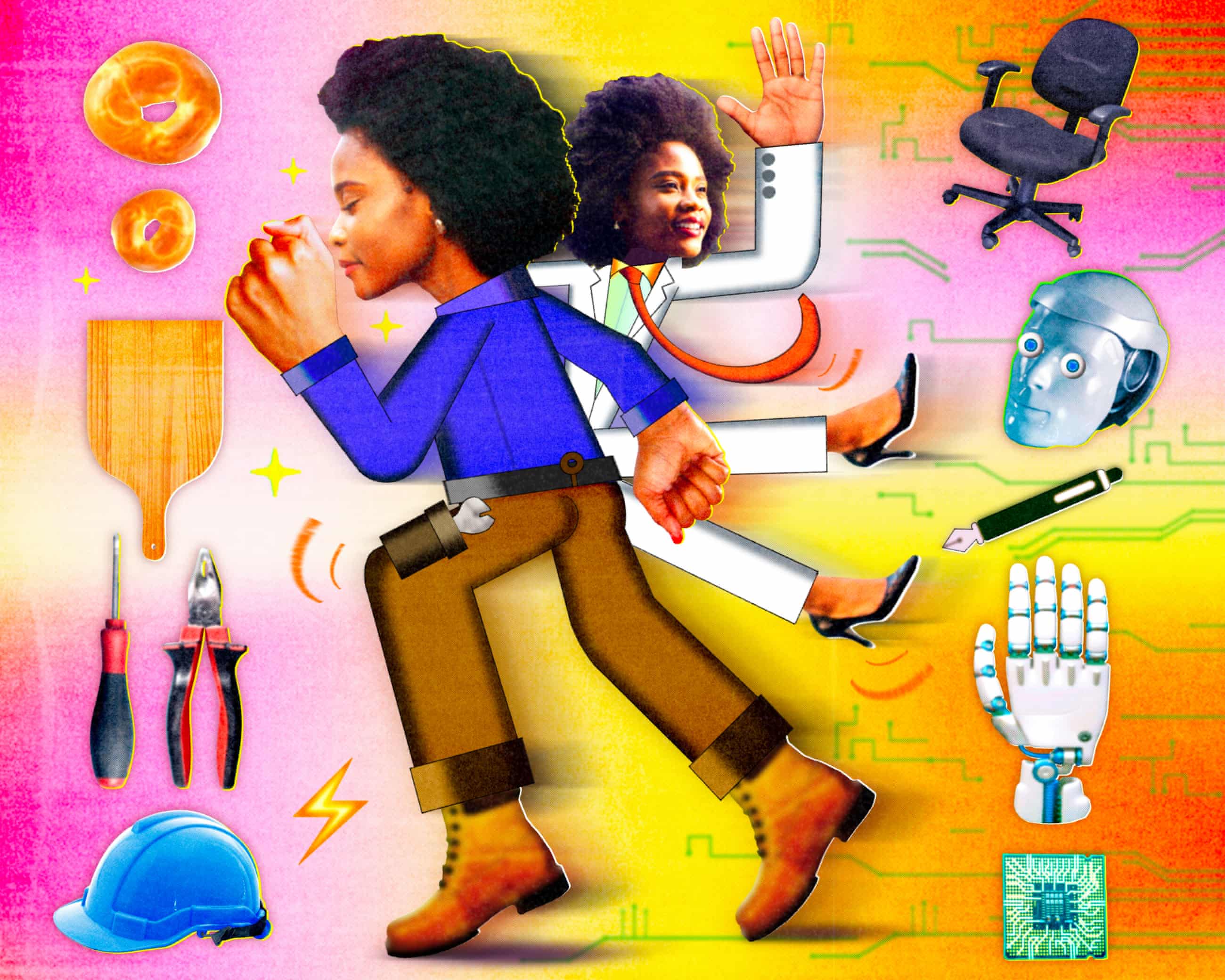
The big AI job swap: why white-collar workers are ditching their careers

Is it possible to develop AI without the US?

Apple and Google pledge not to discriminate against third-party apps in UK deal

Beats Powerbeats Fit review: Apple’s compact workout earbuds revamped

Files cast light on Jeffrey Epstein’s ties to cryptocurrency

EU threatens to act over Meta blocking rival AI chatbots from WhatsApp