Zero net migration would shrink UK economy by 3.6%, says thinktank
The UK economy would be 3.6% smaller by 2040 if net migration fell to zero, forcing the government to raise taxes to combat a much bigger budget deficit, a thinktank has predicted.The National Institute of Economic and Social Research (NIESR) said falling birthrates in the UK and a sharp decrease in net migration last year had led it to consider what would happen if this trend continued to the end of the decade.In this scenario the UK population would stop growing at about 70 million in 2030.The latest official figures showed the UK population was 69.
3 million in 2024.Dr Benjamin Caswell, a senior economist at NIESR, said: “Net zero migration leaves the economy 3.6% smaller by 2040 and this reflects slower employment growth and a smaller workforce.”The thinktank said that initially real wages and disposable income would rise as firms would be forced to use more machinery and become more productive, with GDP per capita rising by 2% by 2040.However, these gains would come at the cost of weaker growth in the economy overall as a smaller and ageing population would lead to fewer tax revenues, opening up the gap between public spending and receipts and causing the government to borrow more.
“Imagine it as like freezing the population where it is, and then just having a continually ageing population,” Caswell said.“In the short to medium term, it’s not too detrimental, but over 20 years this gap [in spending and receipts] becomes continually larger and larger.”The thinktank said the government would fill this gap by borrowing, which would cause the budget deficit to increase by about 0.8% of GDP, or £37bn, by 2040.This forecast is based on the assumption that government spending and tax rates up to 2030 follow the path estimated by the Office for Budget Responsibility (OBR), the UK’s official forecaster, and then the share of government spending as a ratio of GDP remains constant thereafter.
The thinktank said that certain payments, such as child benefit or jobseeker’s allowance, would adjust following these changes in the population, but that government investment and consumption would not alter greatly.Caswell said that unless the fertility rate picked up, then zero net migration “would not be fiscally sustainable for the UK unless there were significant tax rises, and significant tax rises could potentially choke off economic growth”.The forecast came after a sharp fall in net migration in 2025, from 649,000 to 204,000 in the year to June, after a tightening of work visa requirements by the Conservative government.Additional measures by the Labour government around recruiting foreign workers within health and social care may bring down migration further, NIESR said.At the same time, the number of births and deaths in the UK have been more or less equal since the start of the decade, with any change in the UK population being driven by migration.
Council and community could join up on housing | Letters
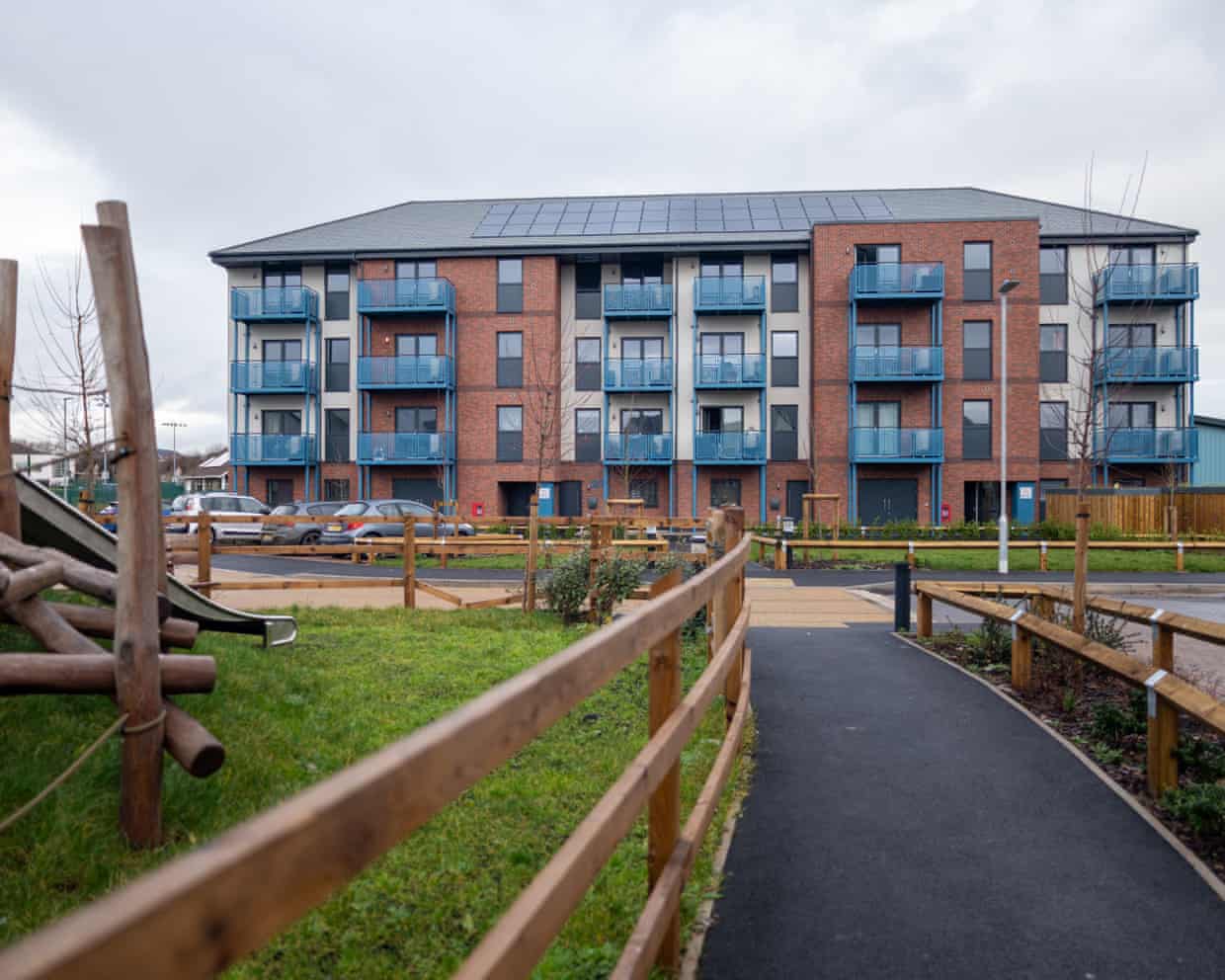
John Harris is absolutely right to draw attention to the tragic lack of council housing provision in the UK, and his visit to the new homes at Rainbow Way in Minehead, Somerset, is a welcome reminder that building genuinely affordable, secure homes is both possible and transformational for people’s lives (In Somerset, I found glorious proof that England can build great council houses. So what is holding us back?, 25 January). The emotional testimony from residents who now have stability and dignity in their housing reinforces how urgently we need similar projects across the country.However, my own experience working on the East Quay project in the adjacent town of Watchet reinforced another uncomfortable truth: local authorities do not always have the will or imagination to take the initiative and improve things for their residents.In Watchet, it was not the local council that led progressive change, but a remarkable community group, the Onion Collective
Campaigners challenge Scottish policy on transgender inmates in female prisons
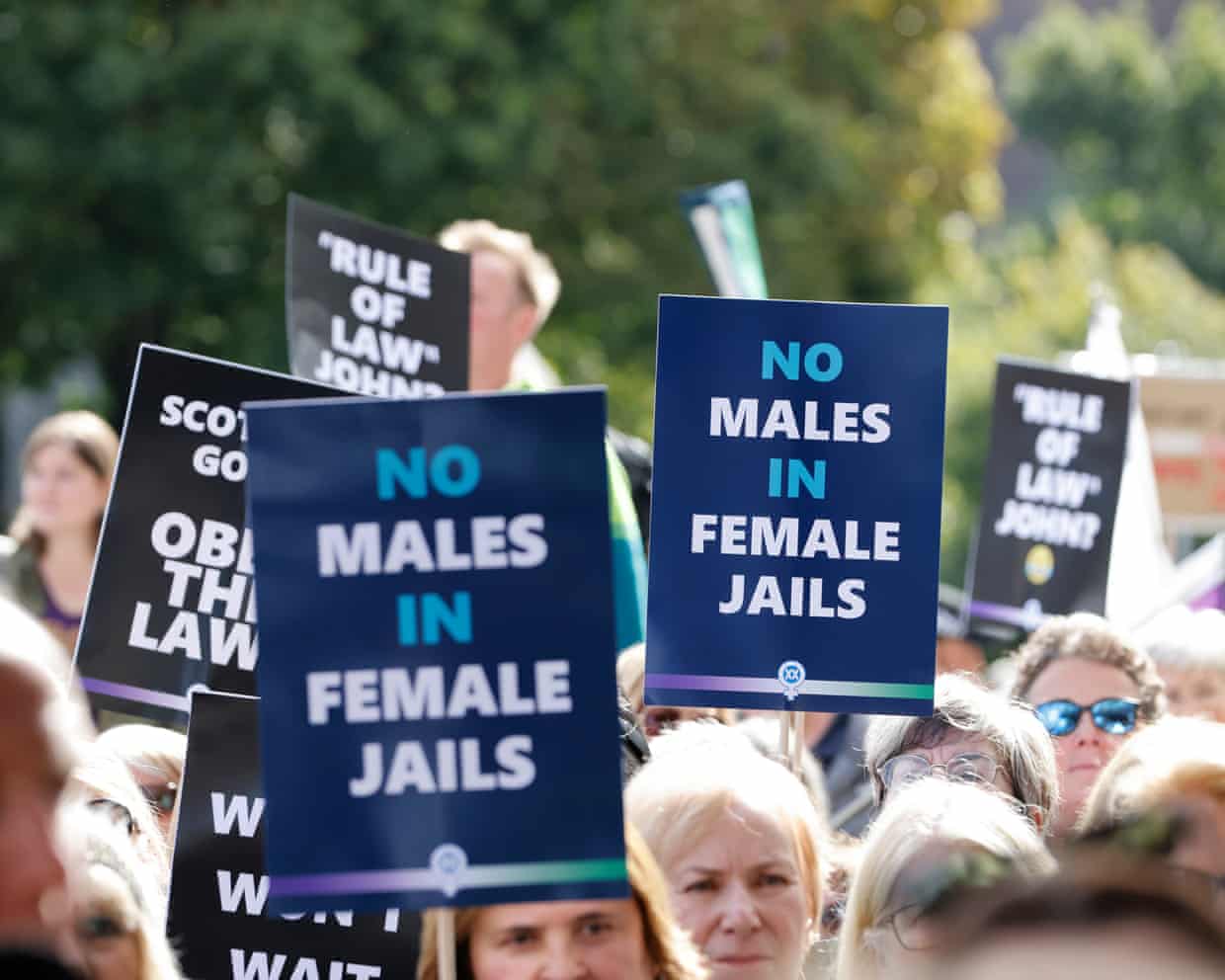
Female prisoners are paying the price for an “Orwellian” Scottish government policy that allows some transgender inmates to be housed in female prisons, Scotland’s highest civil court has heard.The campaign group For Women Scotland is challenging guidance that says trans prisoners should be housed according to individual risk assessment, which the group argues is contrary to the supreme court’s ruling on women-only spaces.For Women Scotland brought the original challenge that resulted in last April’s landmark ruling that the definition of a woman in equalities law refers to biological sex alone. The UK government is still considering new guidance on how public bodies and businesses should apply the ruling to the exclusion or inclusion of transgender women in women-only spaces.Speaking on the first day of a judicial review at the court of session in Edinburgh, Aidan O’Neill KC challenged the Scottish government’s position that having a “blanket rule” for where prisoners are housed could contravene obligation under the European convention on human rights

Emergency pneumonia cases surge to half a million a year in England
The number of people requiring emergency care for pneumonia has risen by a quarter over two years to reach more than half a million cases, new figures show, amid warnings that preventable cases are adding pressure on overstretched A&E departments.Analysis of the most recent NHS England data from between April 2024 and March 2025 found that there were 579,475 cases of pneumonia requiring emergency hospitalisation, and this was likely to have risen further since, according to the charity Asthma + Lung UK. There were 461,995 cases between April 2022 and March 2023.Pneumonia is the single biggest cause of emergency admissions and is responsible for more than double the number of cases of the next biggest. It can also be deadly: between April 2022 to March 2025 more than 97,000 people died of pneumonia after ending up in hospital
Resident doctors in England vote to continue industrial action for another six months
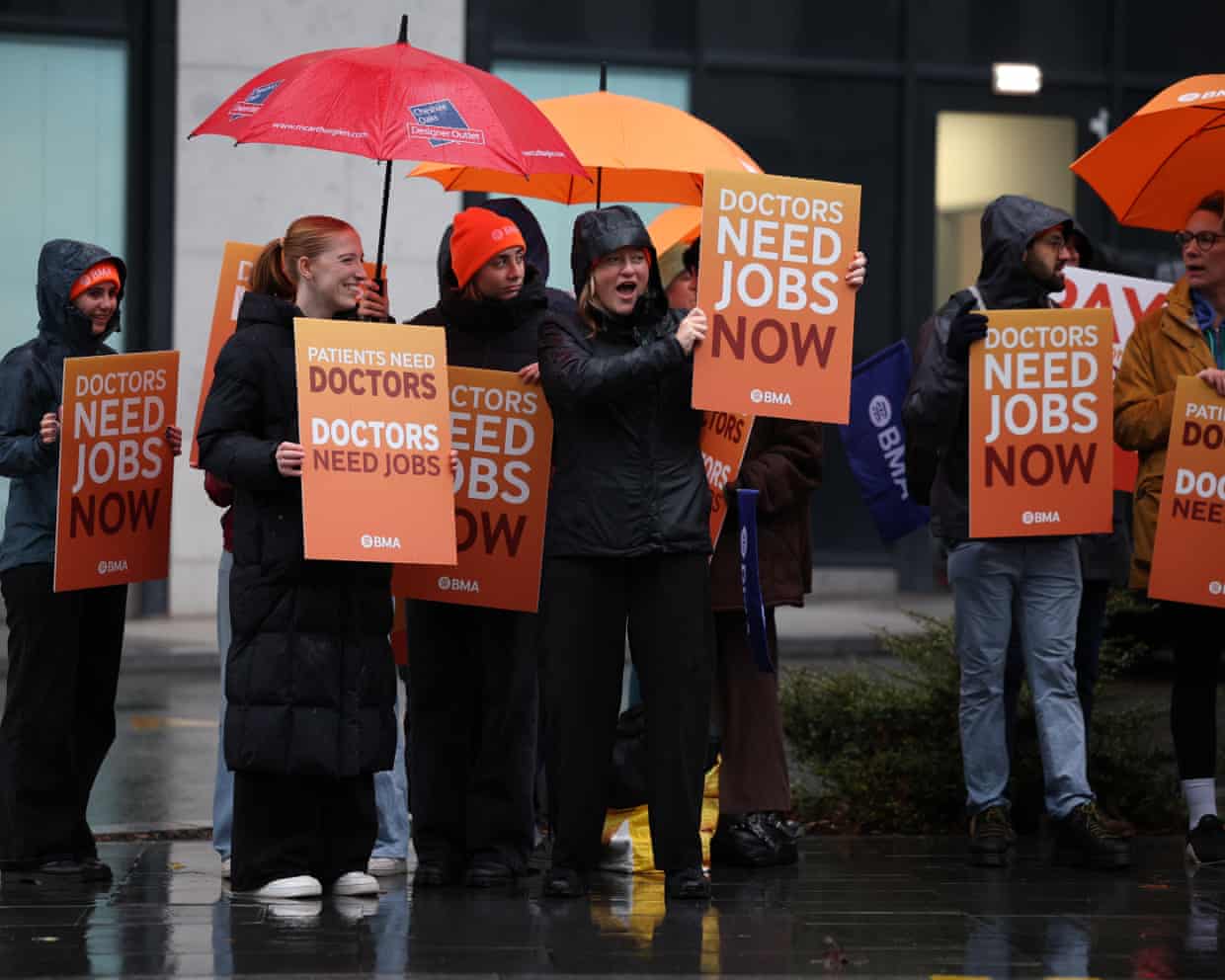
Resident doctors in England have voted to strike for another six months in their long-running jobs and pay dispute with the government.Their decision means that, unless an agreement emerges, the campaign of strikes by resident – formerly junior – doctors will enter its fourth year, as the industrial action began in March 2023.The British Medical Association (BMA) said 93% of the resident doctors who voted in their latest strike ballot endorsed holding a further series of stoppages. In all, 26,696 of the 28,598 resident doctors who took part backed continuing industrial action – a 53% turnout.The Department of Health and Social Care (DHSC) highlighted that this was the lowest turnout yet seen in the five strike ballots held as part of the action

Lack of mental health beds contributed to UK teenager’s death, inquest finds
A shortage of mental health beds and poor communication between agencies contributed to the death of a teenage girl on hospital grounds, an inquest has found.Ellame Ford-Dunn, 16, who had a history of self-harm, died in March 2022 after absconding from an acute children’s ward where she had been put because of a dearth of appropriate mental health beds.Her family and campaigners say Ellame’s death exposed a mental health system “crumbling at the seams”.The inquest jury at West Sussex coroner’s court was told that Ellame absconded “multiple times” during her stay at Worthing hospital’s Bluefin ward, which was not a specialist mental health unit.Jurors concluded the decision to place Ellame there was “inappropriate” and “more than minimally” contributed to her death
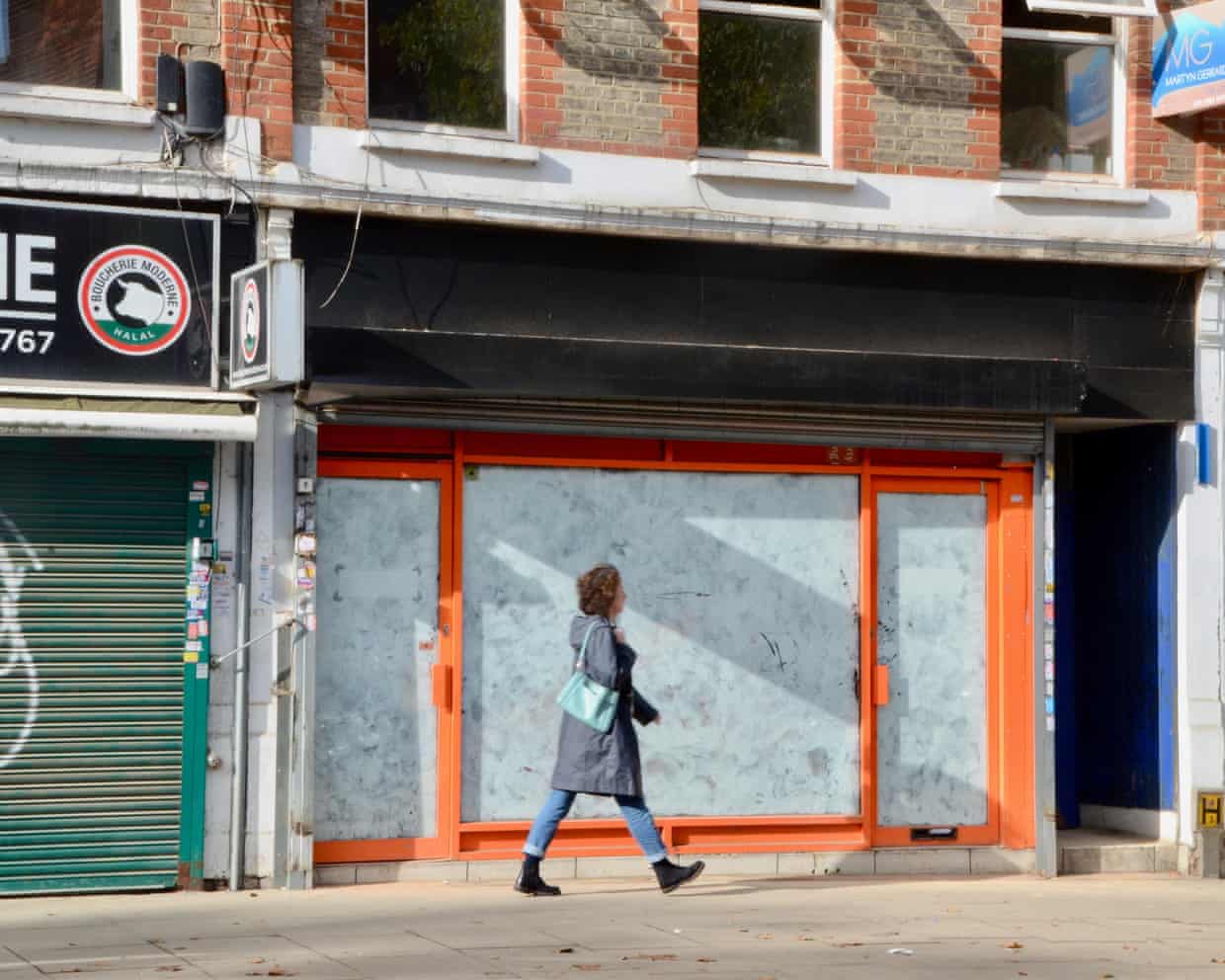
Here’s how we can save Britain’s high streets | Letters
High streets have been changing throughout my lifetime (I’m 82 and had a high-street business for more than 20 years) and they have somehow survived with precious little government help (Labour risks election wipeout unless it improves Britain’s high streets, study finds, 28 February). In my postwar rural Essex village, we had three butchers, two newsagents, two bakers, two ironmongers, three general stores (one a dairy) plus a potpourri of haberdashery, hair stylists, two sweet shops and an electrical shop that had every plug and wire known to man.There was consternation when the dairy went self-service, but soon everyone was shopping with a basket. Then came the grocery chains – the butchers and bakers disappeared, and the main haberdasher closed. But the village adjusted and other enterprises appeared

FTSE 100 falls back from record high amid AI worries; gold heads for best day since 2008 – as it happened
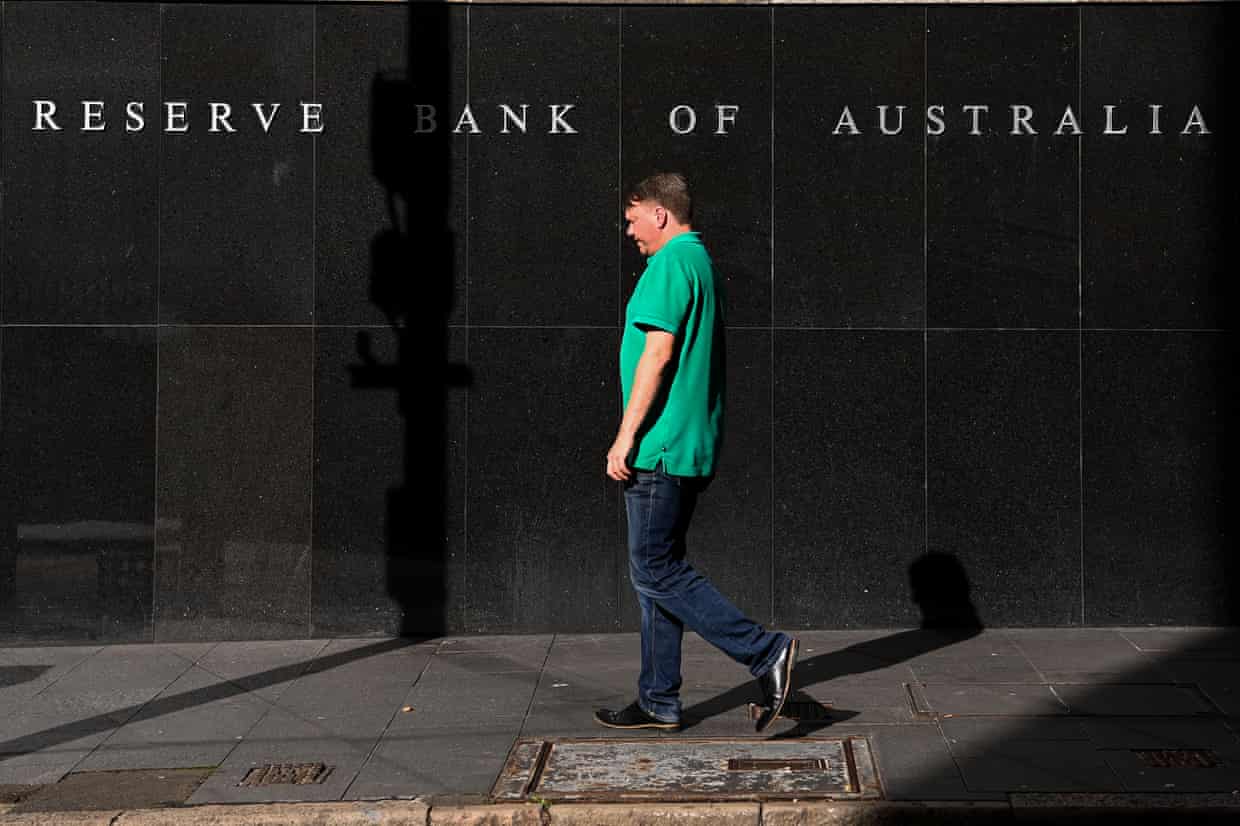
What are the odds? The RBA has raised interest rates – for no real reason other than to meet the desires of speculators | Greg Jericho
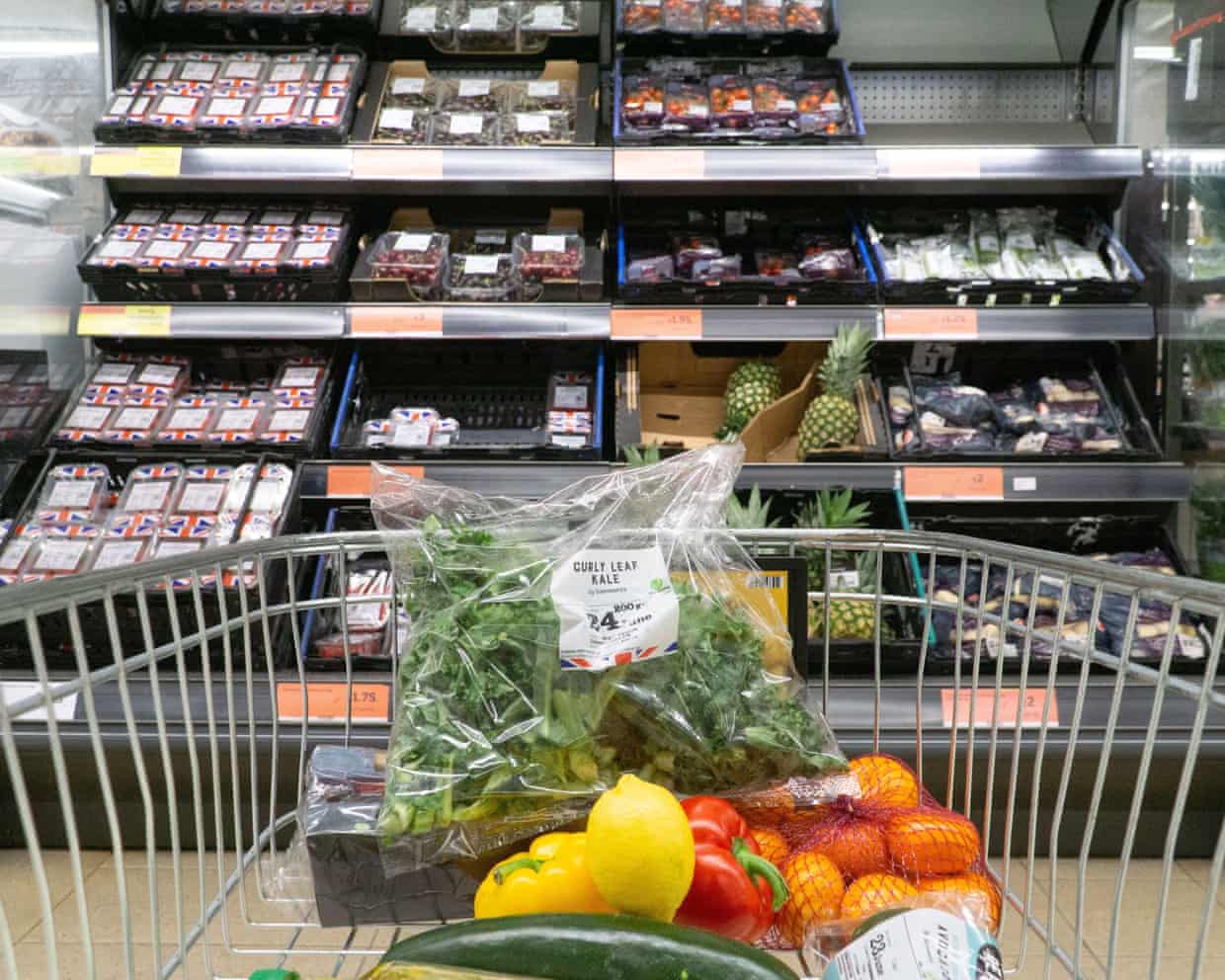
UK shoppers buy more fruit and yoghurt in healthy start to 2026
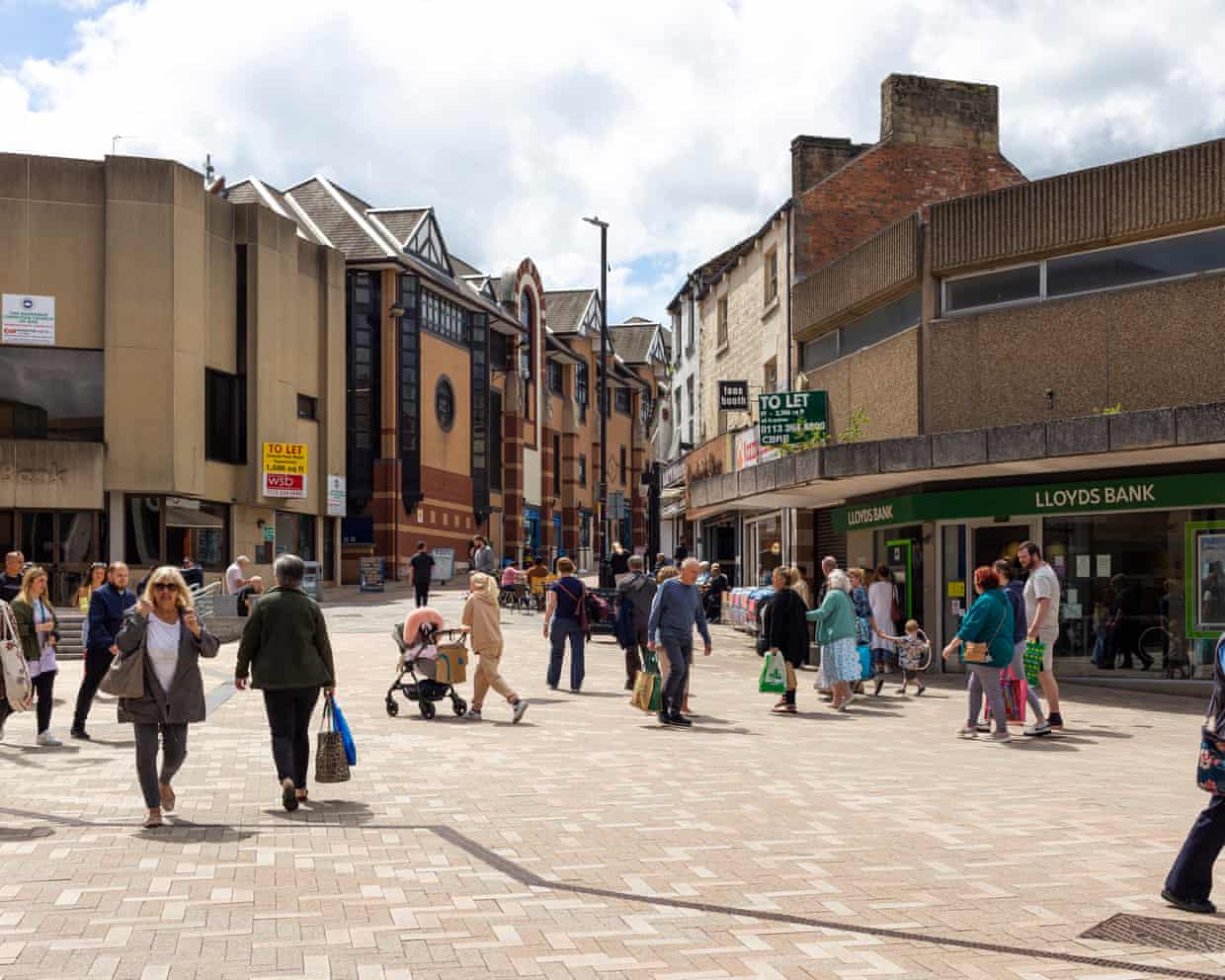
Barnsley rebranded UK’s first ‘tech town’ as US giants join AI push
US jobs report delayed again amid government shutdown

Gold and silver prices seesaw as FTSE 100 hits record high