Jamie Dimon says US should strengthen allies economically, in veiled criticism of Trump
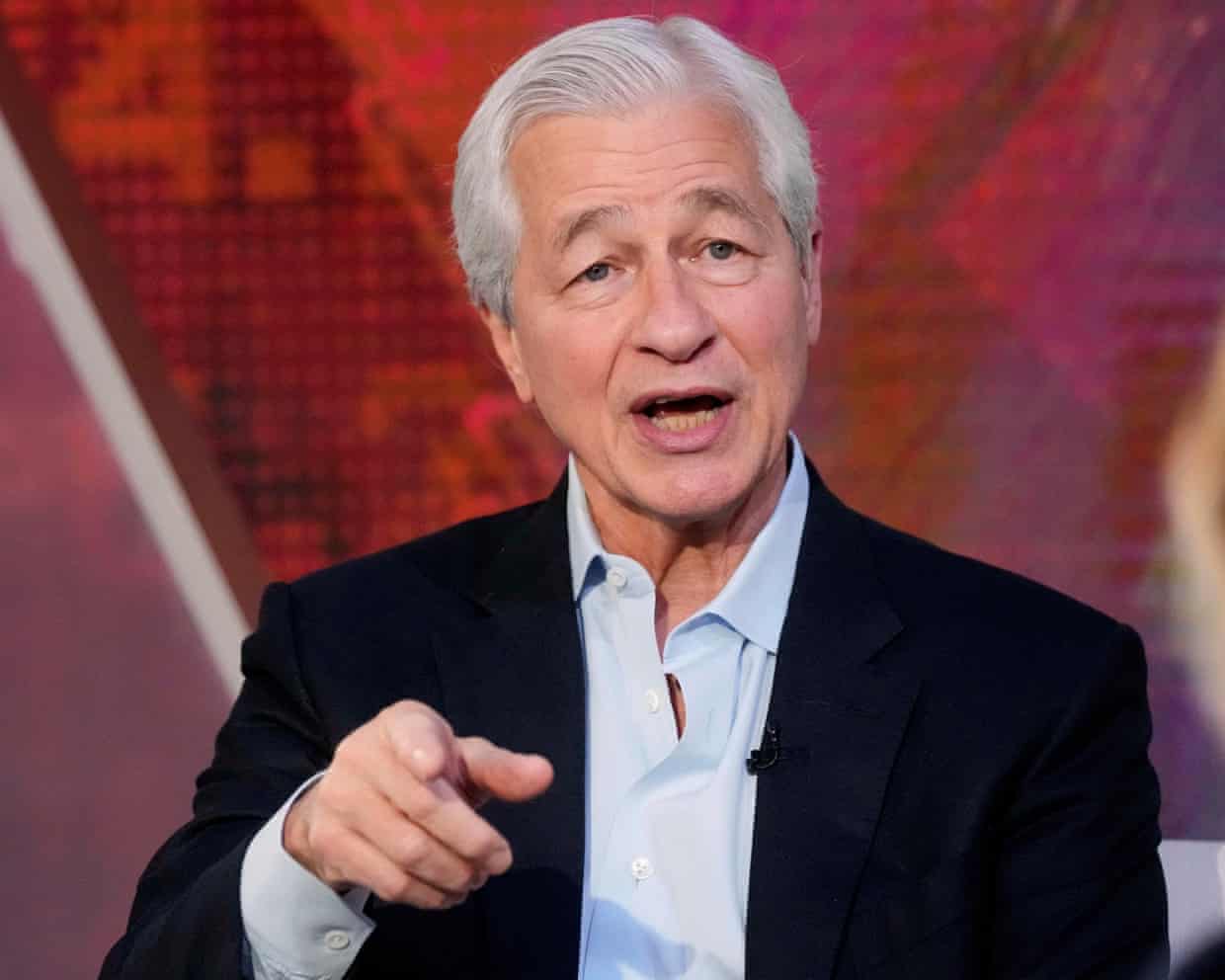
The head of the US’s largest bank has pressed the White House to strengthen Washington’s allies economically in order to “avoid truly adverse consequences”, in the latest intervention in an increasingly testy relationship with the Trump administration.As the Middle East conflict sparked by US and Israeli attacks on Iran enters its sixth week, Jamie Dimon, the chair and chief executive of JP Morgan Chase, said in his annual letter to shareholders that good US foreign policy should put America first “though not alone”.His remarks appear certain to be viewed as critical of Donald Trump, who in January announced he was suing the banker and the Wall Street institution for at least $5bn (£3.8bn) after accusing them of debanking him.The comments also come five days after Trump told governments to “go get your own oil” by force from the Gulf, as transatlantic relations further soured over soaring energy prices as a result of the war.
Some economists have warned that a prolonged conflict could drive oil prices above $170 a barrel, triggering a global recession.Dimon wrote: “Economic weakening of the world’s democracies or a fragmentation of their economic bonds could lead to truly adverse consequences.This is precisely what some of our adversaries and many autocratic nations want – it is their stated objective.“They would like to see all of our allies far less dependent on the United States and therefore far more dependent on them.In this scenario, many countries would be compelled to seek deeper economic bonds with some possible bad actors – over time, they could become vassals of these countries and unable to avoid coercion from them.
”Dimon, a lifelong Democrat, was thought of as having a surprisingly close relationship with Trump during the president’s first term, with the banker reportedly turning down an offer to lead the US Treasury department during that administration.However, the Wall Street tycoon has since appeared increasingly at odds with the White House.Addressing speculation over his own presidential ambitions in 2018, Dimon told a panel in New York: “I think I could beat Trump … because I’m as tough as he is, I’m smarter than he is … And by the way, this wealthy New Yorker actually earned his money.It wasn’t a gift from Daddy.”Dimon’s annual letter to shareholders is a much-anticipated event on Wall Street, with the text and accompanying charts spanning almost 50 pages and containing more than 20,000 words.
Maintaining his theme, the banker also appeared critical of Trump’s tariff regime, one of the president’s landmark policies during his second term, in which goods imported to the US have been hit with rising duties – even when they have originated from the country’s traditional allies and established trading partners,“While tariffs have certainly ‘brought people to the table’ and have allowed us to start to correct some of our past bad trade practices, we need to look at US foreign economic policy comprehensively,” Dimon wrote,“Not only should our foreign economic policy help us grow as a nation, but it should also help other countries grow,”The JP Morgan boss also warned of possible challenging scenarios for the global economy,“The skunk at the party – and it could happen in 2026 – would be inflation slowly going up, as opposed to slowly going down,” he wrote, as he joined numerous economists in warning that the conflict in the Middle East could be inflationary.
“Now, because of the war in Iran, we additionally face the potential for significant ongoing oil and commodity price shocks, along with the reshaping of global supply chains, which may lead to stickier inflation and ultimately higher interest rates than markets currently expect.Continual trade negotiations exacerbate the tense geopolitical issues.And high asset prices, which certainly feel good in the short run, create additional risk if anything goes wrong.”The banker did see reasons for optimism in the general US economy, however, saying he continued “to believe the American Dream is alive”, as well as highlighting the threats and opportunities of artificial intelligence.“I do not think it is an exaggeration to say that AI will cure some cancers, create new composites [for uses in manufacturing] and reduce accidental deaths, among other positive outcomes.
It will eventually reduce the work week in the developed world.And people will live longer and safer,” Dimon wrote.

Say it right! The trouble with unfamiliar names | Letters
Priti Ubhayakar’s article resonated with me because of my non-English surname (A moment that changed me: for the first time in my life, a stranger pronounced my name correctly, 1 April). I grew up in the 1950s on a very English council estate. Most other kids were a Brown, Smith, Jones, etc, but I was an Uszkurat. My lineage is complex on my dad’s side, with a Lithuanian grandfather whose original name was changed to Uszkurat by, I think, German authorities. My dad was born in a part of Europe that was German until the Treaty of Versailles made it part of the new Poland
A striking exchange between nurse and doctor | Brief letters
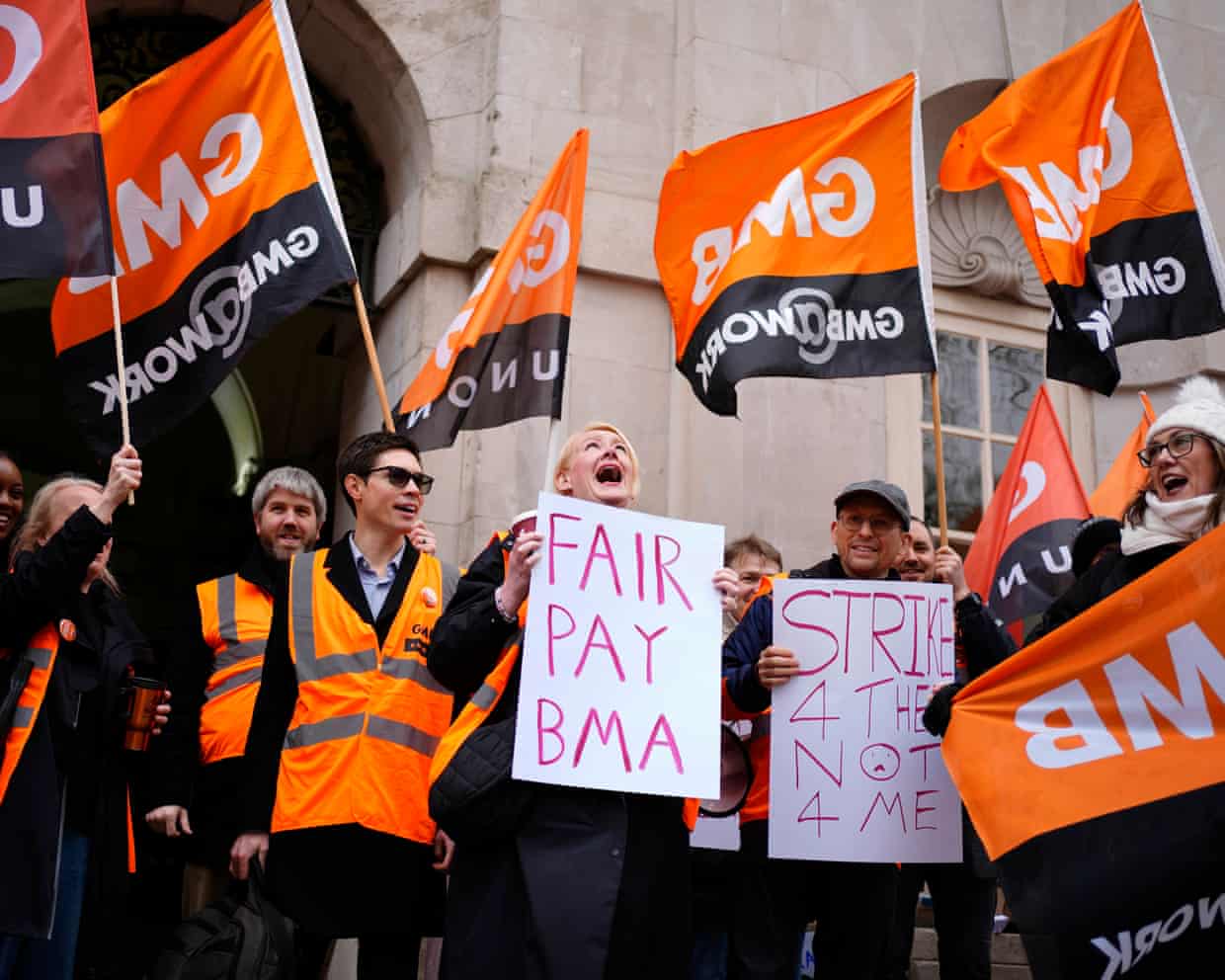
As a young ward sister and trade union steward, I remember, in the 1980s, when I was on the picket line in front of my hospital, stopping a doctor in his Mercedes. He asked me who I was, and I replied: “One of your colleagues.” He looked at me with contempt and answered: “I don’t think so, my colleagues are intelligent people.” So I wonder where their newfound enthusiasm for industrial action comes from. Has the price of Range Rovers gone up?Hilary BramleyCourbesseaux, France There seem to be experts for every aspect of life nowadays, but to read that the Woodland Trust has a “conversation adviser” in the form of Dr Ed Pyne surely takes the biscuit (Contractor that cut back 500-year-old oak in London park identified, 3 April)

Medicines watchdog to investigate UK peptide clinics over health claims
The medicines regulator is investigating whether UK clinics are breaking the law by making claims about the benefits of unregulated, experimental peptide therapies, the Guardian can reveal.Interest in experimental peptides has boomed in recent years. The substances are delivered by injection and are touted by sellers, influencers and even some medics as aiding everything from anti-ageing to recovery from injury.There is little scientific evidence to support such health and wellness claims in humans. Where studies have been carried out, most are in animals or cells

‘Young people want to come together’: experts respond to mass teen meet-ups in Clapham
It started with a flyer sent around on Snapchat. Teenagers were invited to gather at a south London basketball court to celebrate the start of the Easter holidays. They were told to bring their own weed and laughing gas because it was going to be a late one.What followed in the hours after was chaos. Hundreds of young people came to the “link-up” last Saturday, and then gathered on Clapham High Street
Dorothy Logie obituary
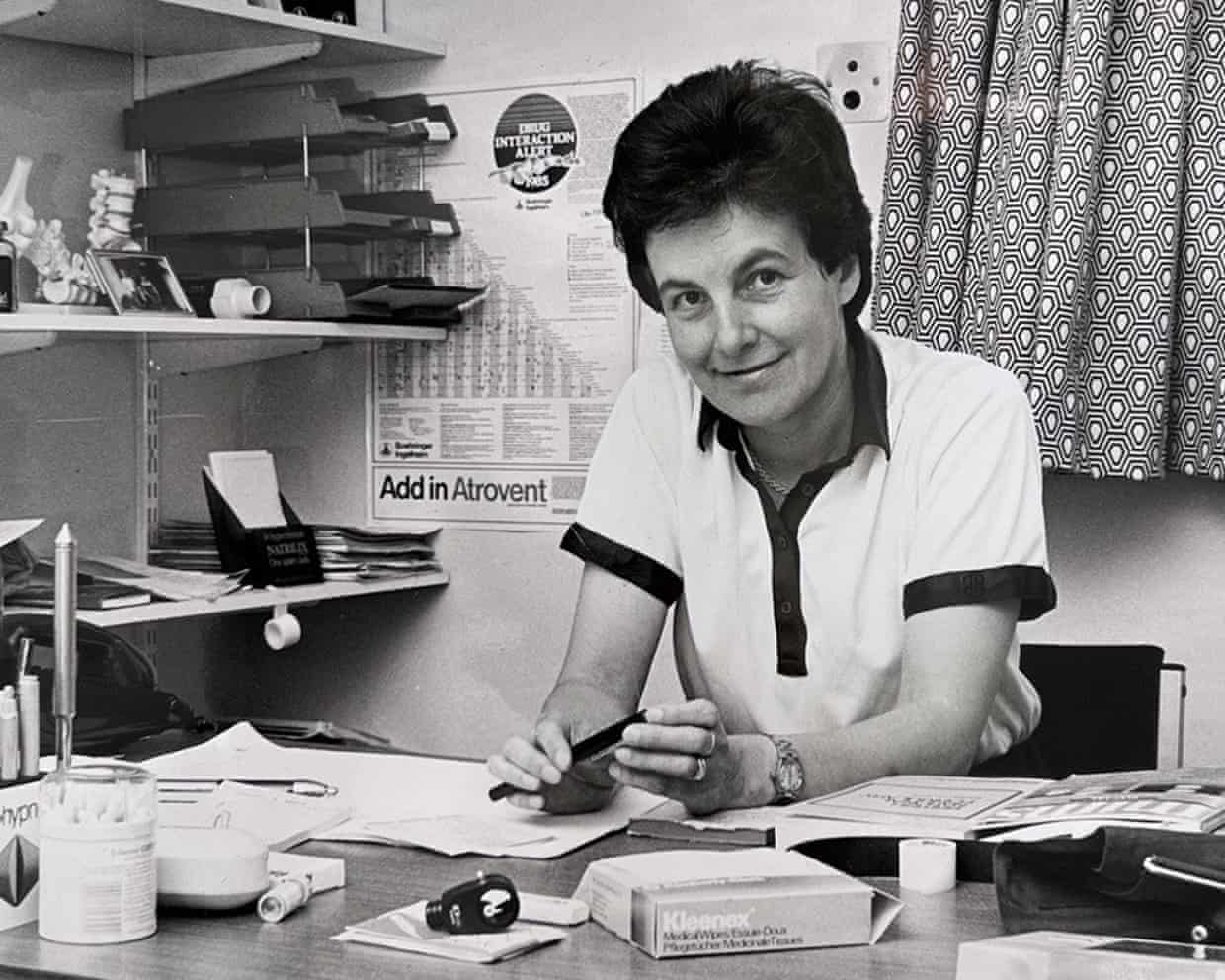
My sister, Dorothy Logie, who has died aged 83 of Alzheimer’s, was a Scottish GP whose commitment to global health extended to HIV/Aids care and advocacy in Africa.Dorothy was born in Aberdeen, the daughter of Adeline (nee Donald), a housewife, and William Caie, group secretary of Aberdeen General Hospitals who helped establish the NHS in Aberdeen, inspiring Dorothy to study medicine. She left St Margaret’s school aged 17, qualified as MBChB from Aberdeen University in 1966, and married Sandy Logie, a fellow doctor, two weeks later.She and Sandy travelled the following year to the Gambia to join the Medical Research Council; Sandy was a medical officer and Dorothy researched maternal malaria. When she became pregnant with their first child, she returned to Aberdeen, but the visit sparked a lifelong love of Africa

How we won a refund from a cash-grabbing care home firm | Letters
As witness to the cash-grabbing nature of these businesses (The great care home cash grab: how private equity turned vulnerable elderly people into human ATMs, 28 March), I would like to draw your attention to a specific practice: that of trying to deny grieving families the balance of fees owed to them when a resident dies in the home with full weeks already paid for.I had already heard of this from someone else, so I was on the alert when the same thing happened to us. We were told that it was not their “policy to refund” when, policy or not, a careful reading of the contract showed that the money was owed. We appealed, and were successful.I imagine that many families in the grip of bereavement simply accept this “policy”, shrug their shoulders and say goodbye to the money owed to them

Sharper Hawks claim thriller over Cats with one mad minute of the utmost drama | Jonathan Horn

Courtney Lawes to return to Prem from Brive and would be again eligible for England

Retirement gnome? Masters miniatures rumoured to have short future at Augusta

The Joy of Six: moments of unbridled joy in sport

NCAA Tournament 2026 men’s final predictions: will UConn or Michigan cut down the nets in Indy?

US sprint star Sha’Carri Richardson wins 2026 Stawell Gift off scratch in thrilling finish