Medicines watchdog to investigate UK peptide clinics over health claims

The medicines regulator is investigating whether UK clinics are breaking the law by making claims about the benefits of unregulated, experimental peptide therapies, the Guardian can reveal,Interest in experimental peptides has boomed in recent years,The substances are delivered by injection and are touted by sellers, influencers and even some medics as aiding everything from anti-ageing to recovery from injury,There is little scientific evidence to support such health and wellness claims in humans,Where studies have been carried out, most are in animals or cells.
The Medicines and Healthcare products Regulatory Agency (MHRA) has said clinics are not permitted to make medicinal claims for the peptide treatments offered by their service.An MHRA spokesperson said: “If clinics offering peptide injections make medicinal claims for those treatments, the products will be considered medicines and subject to regulation under the Human Medicines Regulations 2012.“The MHRA will take action against clinics which are identified as breaching the legal requirements.”However, a Guardian investigation has found a number of clinics operating in the UK offering a variety of unregulated, experimental peptides and making a host of claims about their benefits on their websites.The website of one of the top Google search results for peptide clinics in the UK states Cortexin is “used for neuroprotection and cognitive enhancement”, that BPC-157 “aids in tissue repair and recovery from injuries” and Thymosin Alpha “boosts immune function”.
The MHRA confirmed such websites were making medicinal claims for the peptide treatments being offered and this was not permitted.After the Guardian approached the clinic for comment, it deleted the claims from its site.Another of the top clinics from Google search results says on its website that peptides are lacking large clinical trials, and stresses that human evidence is limited, yet advertises seven named peptides and gives a “results duration” and price for each, despite labelling them as “research only”.The clinic said its peptides cost £350 a month for a single peptide and £450 a month for two, with the therapy provided in either a vial with a disposable syringe or, for an extra fee, in pre-loaded injection pens.When a Guardian reporter carried out a free consultation with the clinic they were told most research into peptides was pre-clinical and some peptides were still very experimental.
The clinician also said there was a lack of randomised multi-centre clinical trials for peptides to provide information about their long-term effects.They said the clinic advised taking four to eight weeks off between two to three month periods of using a peptide to reduce any risks.However, the clinician recommended that the reporter could consider taking two peptides to help with recovery after exercise and fatigue.They said the first, BPC-157, was one of the more commonly used peptides.“It helps in repair and recovery of cells.
So if somebody comes to us saying I want to get fitter, lift heavier, get bigger muscle, I will still recommend BPC-157, even though it doesn’t directly affect any of those things.It’s because it helps your recovery after those workouts,” the clinician said.“This helps provide more blood flow and nutrients to different tissues that need repair … [and] promotes quicker recovery from whatever physical activity that you’ve done.”The clinician said BPC-157 was not advised for people who smoke or have a family history of cancer as there were concerns the peptide could increase blood supply to such tissue and help fuel the cancer.The second peptide recommended to the reporter was MOTS-C.
The clinician said: “MOTS-C is something that helps provide more stress resilience and better health to your mitochondria to be able to produce more energy cells … so the direct net effect for you would be reduced insulin resistance, better energy production in the form of [the energy molecule] ATP, and the net result of that is basically reduce visceral fat.”The MHRA said it was investigating whether the claims made by the clinician were medicinal.The clinic said it had “clearly explained that the peptides discussed are not licensed medicines, and that the current evidence base is largely pre-clinical, with an absence of large-scale randomised controlled trials assessing long-term outcomes”.It said its consultations encouraged “shared decision-making, where individuals are given balanced information on potential mechanisms, theoretical benefits and uncertainties”.A spokesperson said it was “important to acknowledge the current reality: a significant number of individuals in the UK are already accessing peptide products through unregulated channels (including informal online networks such as messaging platforms), where there is little to no clinical oversight, quality assurance, or safety screening”.
Peptides are short chains of amino acids,Some occur naturally in the body and have particular functions,for example the hormone insulin which helps regulate blood sugar levels,But in recent years there has been a boom in interest in using peptides for therapeutic purposes, from weight loss to anti-ageing and injury recovery,These include approved prescription weight-loss medications based on synthetic peptides that mimic natural hormones, such as semaglutide and tirzepatide, found in weight loss drugs such as Wegovy and Mounjaro respectively,But many other peptides on the market have not undergone the strict regulatory processing that those used in medications have undergone, and remain experimental.
The MHRA says a medicinal product includes “any substance or combination of substances presented as having properties of preventing or treating disease in human beings”,Disease includes “any injury, ailment or adverse condition, whether of body or mind”,A medicinal product can also be “any substance or combination of substances that may be used by or administered to human beings with a view to restoring, correcting or modifying a physiological function by exerting a pharmacological, immunological or metabolic action, or making a medical diagnosis”,Lynda Scammell, the head of borderline products at the MHRA, said: “Peptide products may be sold as cosmetics, supplements and medicines, and depending on their intended purpose, they fall under different regulatory frameworks,“The MHRA determines whether a product is a medicine on a case-by-case basis.
This includes consideration of a number of factors including the product’s effect on the body, the way it is used and takes into account all the available evidence and relevant legal precedents.“We disregard claims that products are for ‘research purposes’ if it is clear that such claims are being used as an attempt to avoid medicines regulations.If there is evidence within the promotional material that the products are in fact unauthorised medicines intended for human use, we will take appropriate regulatory action.”
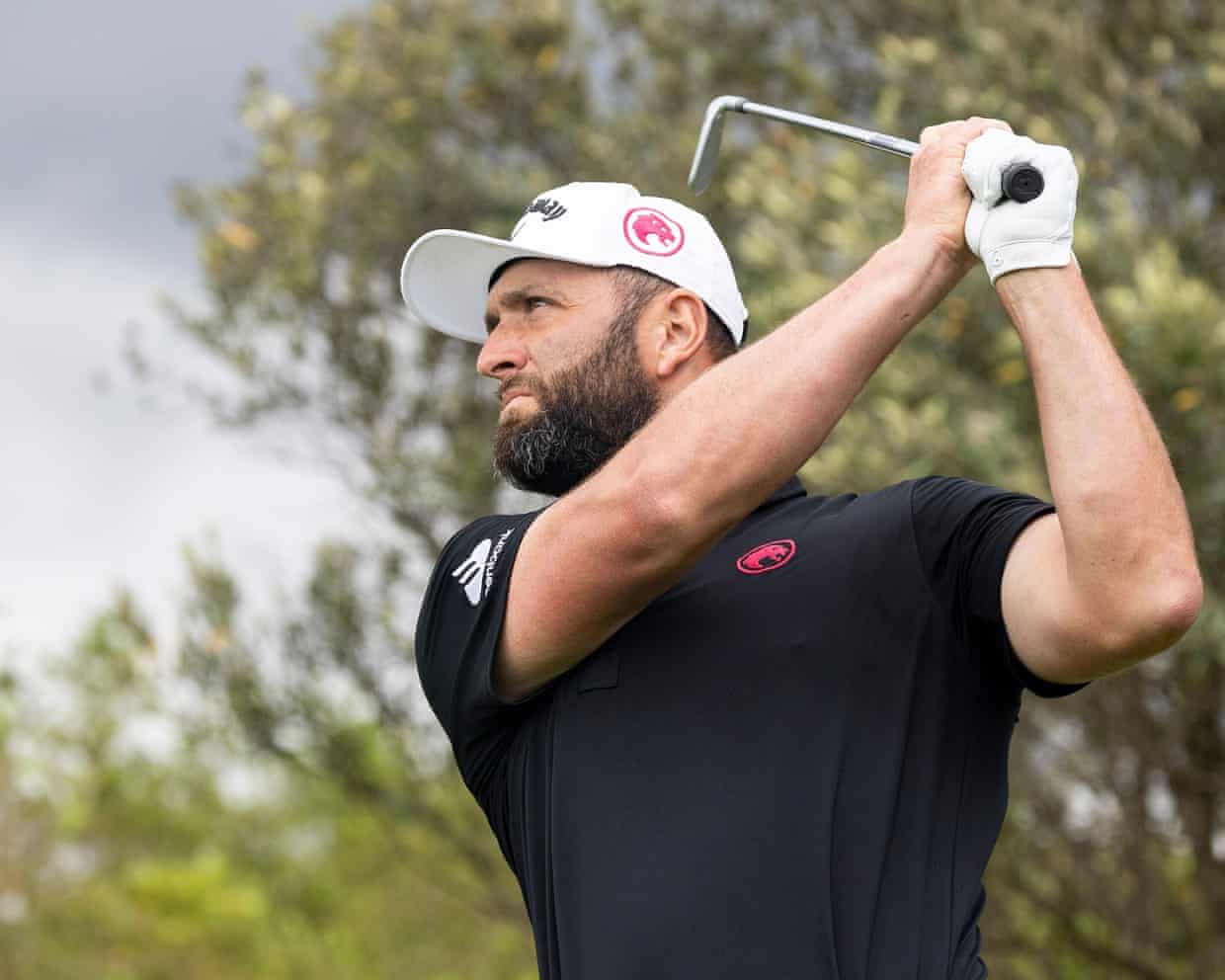
Saudi-backed LIV Tour looks at staging national opens after plug on talent drain
Tournaments as opposed to players could become the next key domain in elite golf’s power struggle, with the Saudi Arabian-backed LIV circuit exploring the staging of national opens. Any such approach is likely to cause anxiety within the corridors of power at the DP World, formerly European, Tour given the number of such events already on its schedule.While the talent drain of elite players from traditional tours towards LIV has stopped, or reversed, the concept of increased competition for prime tournament markets is an intriguing one.LIV executives have rightly reflected positively on competitions staged outside the US, primarily in Australia and South Africa. They are now advocating an increasingly international schedule

Super League’s rousing Rivals Round offers timely boost for takeover talks
Healthy crowds, a five-way title race and some stunning action give NRL executives plenty to be encouraged bySuper League’s possible takeover by the National Rugby League could gather pace in the coming weeks as executives head to the UK for talks to thrash out a deal. Had the NRL’s chief executive, Andrew Abdo, or anyone associated with the game in Australia watched the past few days, they would have been mightily impressed with matters both on and off the field.The overriding mood in recent months as speculation rises over a partnership between rugby league’s two premier competitions has been that Super League is in desperate need of help. A league in crisis, sinking without a trace unless the sprinkling of magic that follows the NRL at every turn steps in and saves the day.Financially, that may be true

Female athletes’ fertility is still a blind spot | Letter
As you report, changes to insurance cover for female athletes following the Carney review are welcome (Landmark changes to insurance cover for female athletes to be implemented, 30 March). Addressing contraception, pregnancy, menopause and other health conditions disproportionately affecting women is long overdue.Yet one crucial blind spot remains: fertility. Elite athletes push their bodies to extremes, often with low body fat and intense training, which can disrupt hormones and menstrual cycles. Nearly two-thirds experience irregular or absent periods, which can affect fertility

Rayasi hat-trick inspires nine-try Bordeaux in crushing win against Leicester
Even at full-strength, Leicester would have struggled against the most potent attack in Europe. But without a string of first-choice forwards – including Ollie Chessum, Joe Heyes, Tommy Reffell and Nicky Smith – the result at a sun-drenched Stade Chaban-Delmas was never in doubt.So it proved as Bordeaux Bégles tore their English guests to shreds, scoring nine tries to underline their status as continental champions with a 64-14 win. A quarter-final against their domestic rivals, Toulouse, will be required viewing next weekend.It took a while for the floodgates to open
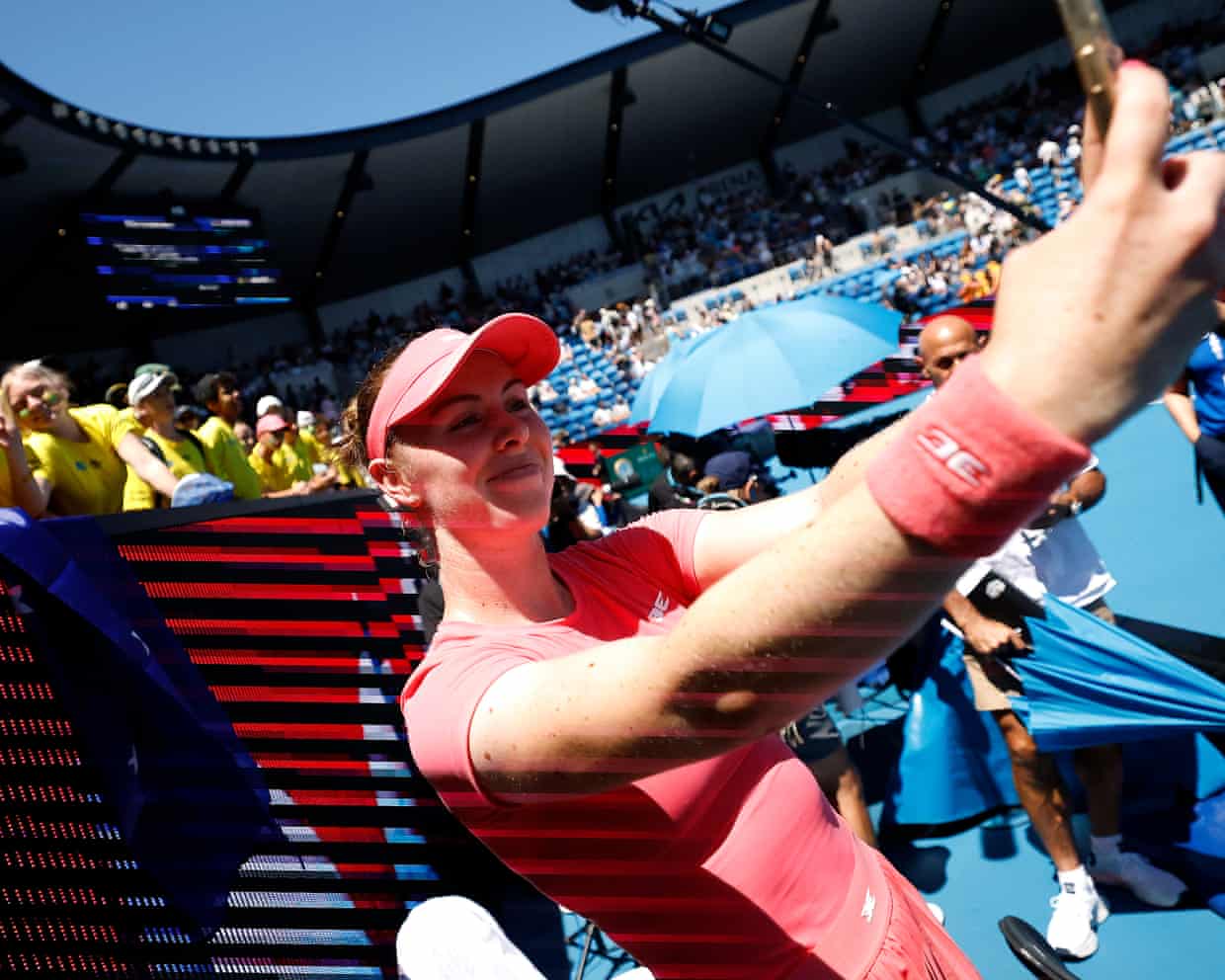
‘It can be overwhelming’: Talia Gibson on her rapid rise and going toe-to-toe with the big hitters | Jack Snape
She is the little-known Australian who has the tennis world talking, with the power to go toe-to-toe with the biggest hitters in the game.Talia Gibson became the youngest player in seven years to reach a quarter-final in her debut at one of the not-quite-grand-slam tournaments – known as WTA 1000s – last month, as part of an eye-catching run during which she beat five top 20-ranked players.Despite her coaches spending years reminding her of her immense potential, the admittedly shy 21-year-old agrees she is only now beginning to believe.“Something that I’ve reflected on the most was how much more belief I think I should have had in myself,” she says, speaking from her home town of Perth before the Billie Jean King Cup tie in Melbourne against Great Britain which starts on Friday.At Indian Wells at the start of March, she won through qualifying then reeled off victories against Ekaterina Alexandrova (ranked 11), Clara Tauson (17) and Jasmine Paolini (7) before losing against the world No 14 Linda Noskova in three sets

Tradition, trepidation and that Augusta ‘thing’ – why the Masters remains golf’s greatest prize
They say the Masters is all about tradition. One involves the sense of trepidation that collides with excitement as the finest golfers in the world take to Augusta National. Rory McIlroy, now a Masters champion, was scared to take a divot when first taking to the Georgia venue. “For my first two or three times, it kind of felt like I was in a museum,” says Xander Schauffele.Some visibly wilt under an intimidation provided by a course that is picture perfect

Post your questions for DJ Shadow

Stephen Colbert on Trump attending birthright citizenship hearing: ‘That’s mob-boss-level intimidation’

Colbert on Trump’s shifting tone on Iran: ‘It’s a military strategy known as starting a 1,000-piece jigsaw puzzle’

Jon Stewart on Trump: less war leader, more ‘grandpa who’s lost his filter’

Chatting dating, jazz and the Harlem Renaissance: the exclusive supper clubs where Black women nourish community

Smiley Face: finally, a stoner comedy for the girls who get overstimulated at the supermarket