‘My life changes on one shot’: Joe Johnson on snooker glory, Princess Diana and his seven heart attacks

After starting the 1986 world championships as a 150-1 outsider victory against Steve Davis led to watching tennis with royalty and being mobbed in Tesco“It was like a strange dream,” Joe Johnson says as he remembers becoming the world snooker champion 40 years ago as a 150-1 outsider and former gas board and factory worker who was the father of six children.Johnson had never previously won a game at the Crucible and he had struggled for years to make a living as a pro.It was a time when Britain was “snooker loopy” and Johnson played characters such as Bill Werbeniuk who, in 1985, beat him in the first round while drinking a staggering amount of beer.The following year, Johnson outplayed the great Steve Davis in the world championship final.He was suddenly outrageously famous and became the lead singer for an obscure band, Made In Japan, who then had a hit record.
Johnson reached the final again the following year – with Davis avenging the 1986 defeat – but never won another ranking tournament.Hard times followed as he had to sell the large house he had bought after winning the worlds.Johnson survived seven heart attacks as his fading career was given a sobering perspective.On a quiet morning in Chiswick, where Johnson is working as a commentator on the current world championships for TNT Sports, the amiable 73-year-old relives everything.In a rare but moving reflection, he also discusses his mixed race heritage and how he endured racism while growing up in Bradford.
But there is no bitterness in Johnson as words tumble from him.“I was thinking: ‘Is it really me?’” Johnson says, recalling how he felt after his brilliant attacking snooker won the world title.“I couldn’t get my breath because I expected Steve to beat me.He was a different player to the Steve I had always beaten as an amateur.He had already been world champion three times.
So when I beat him, and won £70,000, which was a huge amount of money then, it really was a beautiful dream.”Johnson also describes “a very dark time when I was signing on in 1982”.He had turned pro in 1979, when he was already 27, having reached the World Amateur Championship final a year earlier.But he began to “doubt my ability when I didn’t do well straight away as a professional.I was facing experienced pros who knew how to stop an up-and-coming kid.
”The real challenge was that, “when I started, there were only two professional events – the worlds and UK championship.If you lost early there was nothing to feed a family.”As more tournaments emerged, Johnson’s fortunes improved.But he had a poor record at the worlds.In 1984, on his Crucible debut, he was crushed 10-1 by Dennis Taylor in the first round: “My mum had a heart attack on the Friday and I played Dennis on the Saturday.
It was horrendous.“The next year I played Bill Werbeniuk in the first round.Bill hadn’t won a match all year and I beat him comfortably every time in exhibitions before the tournament.Then, in Sheffield, he was a different man [Werbeniuk raced into a 4-1 lead].“It was a confidence-builder for Bill and of course he drank a lot.
He had six pints before we started and then a pint during every frame,So he had 18 [Werbeniuk won 10-8], plus the six and four pints in the interval,”I remember watching Werbeniuk, and being stunned by his prodigious drinking while playing, but 28 pints? “It’s true,I’m not exaggerating,I played Bill for money in Australia in 1978 at a billiard hall and he carried a crate of booze up the stairs.
I said: ‘Are you drinking them while we’re playing?’ He said: ‘I’m going to drink them before we play.’ He drank a full crate of beer before the match and, again, beat me.”In 1986, Johnson finally broke his Crucible hoodoo and won two matches before facing his friend Terry Griffiths in the quarter-finals.“Terry always seemed to have my number and I’d never beaten him.I decided to play him differently and go for everything.
It worked because I was 9-7 up going into the last session, but all of a sudden he played really well.He won five on the trot to go 12-9 up and it was first to 13.“It relaxed me because in my mind I was going home – so go out attacking.It worked as I made it 12-12.In the final frame he played a safety shot, which left a really difficult red.
Normally, I would have played a safety, but I went for it and got it.I then knocked in a red and it’s probably one of the best shots that anybody’s ever played, not just me.”Johnson had been in pain, because of a cyst on his lower back, throughout that match.He was in agony in the semi-final and locked at 8-8 against Tony Knowles told the tournament director he was retiring.“But a doctor came over and burst the cyst.
It gave me such relief and I won the next eight frames to win 16-8,“It meant I didn’t need any painkillers before the final,They were horrible because they subdued me – without them my mind was clear and I played my natural game,”Before the final he and his wife, Terryl, “went shopping in Sheffield and she saw these pink, red and white shoes,She said: ‘They’re gorgeous.
Buy them, Joe.’ When I said yes she told me I had to wear them in the final.She talked me into it and during the match I was slipping all over the place.So she took them outside and rubbed them on the pavement and that helped.”Johnson had few other worries facing the usually remorseless Davis.
“Steve didn’t hold any fears for me because I’d beaten him quite heavily as an amateur.I was totally relaxed.If you watch it back you can see I’m joking with the crowd.It was 8-8 after the first day and I then had two really good sessions to win [18-12].I really enjoyed it.
”His fame was sealed: “The 1985 final [which Taylor won 18-17 on a black ball finish after midnight against Davis] is credited with the most viewers for a snooker match at 18 and a half million.Mine was 18 million.But a BBC guy said mine was by far the most viewed because we finished at half-nine when every pub in England was crammed with people watching the snooker.There were only four channels so people were glued.He said my viewing figures were something like 40 million.
But becoming so famous was very difficult because snooker was absolutely mega.Me and my wife couldn’t go anywhere.Not even Tesco.”Was there anything he liked about being famous? “I liked it because famous people liked me.At some function Princess Diana was shaking people’s hands, moving down the line, but when she came to me she stopped: ‘Oh, you’re the snooker player with the pink shoes.
’ After talking a while she said: ‘Do you like tennis?’ I said: ‘I love tennis.’ She said: ‘Would you and your wife like to go?’ When I said yes, Diana asked: ‘Is there a star you would like to go with us?’ I chose Cliff Richard.“So the four of us went to the tennis.My wife wanted to sit next to Diana and I wanted to sit next to Cliff, but it didn’t work out.When we sat down, Terryl whispers: ‘Cliff’s sat on my dress.
Would you ask Diana to swap?’ I said: ‘I’m not asking her that.It’s disrespectful.’ So Cliff sat on her dress the whole time.She wasn’t happy.”Did Cliff at least live up to Johnson’s expectations? “Oh, yes.
I was in awe of him, but he was lovely,I met him again after I went to his show and he told the audience: ‘Joe’s here,’ I was so well known he didn’t have to say Joe Johnson,He said: ‘I’d like to invite him backstage for a cup of tea,’ I was embarrassed, but I went and the two of us ended up singing together in his dressing room.
It was magical.”Problems in his career soon emerged.“My eyesight went in 1988 and I struggled on for another four years.But once I slipped out of the top 16 the big money events disappeared.One of the most disappointing things was having to sell the house because I couldn’t afford the repayments.
That was 1991-92.I also had my first heart attack in 1991.”Did Johnson think he was dying? “I did.I was in the gym and couldn’t get up.The manager phoned an ambulance and they carried me out.
“I had seven heart attacks, but then I had a quadruple bypass and the surgeon said: ‘If you don’t stop smoking it’s over.’ I’ve been OK since then.”It was a humble ankle injury, Johnson says, that ruined him.“If that happened now I’d drop off the tour and then, when my ankle’s mended, go back at the same ranking.But my ranking fell and I was knocked off the tour.
They changed the rules after that but it was too late for me,”I surprise Johnson when I ask about the fact he was born Joseph Malik,His father was from Pakistan and Johnson says: “I lived with him till I was 12 and then, through various reasons, my mother got custody and my stepdad adopted me when I was 13,”Does he still feel part Pakistani? “Of course,” he says softly,“I’m mixed race and I was one of the first.
When I went to school there was only me.”Was Bradford difficult for him growing up? “It was.Especially in infant and junior school, and then in seniors as well.It toughened me up, without a doubt.It was lonely in a way.
There were very few friends, although the friends I did have, both English and Pakistani, were very good.”Has he ever visited Pakistan? “No, but I do communicate with my family in Pakistan.I’d like to go, but just never had the time.”Did he endure racism in snooker? “No.It was the opposite because I was so good
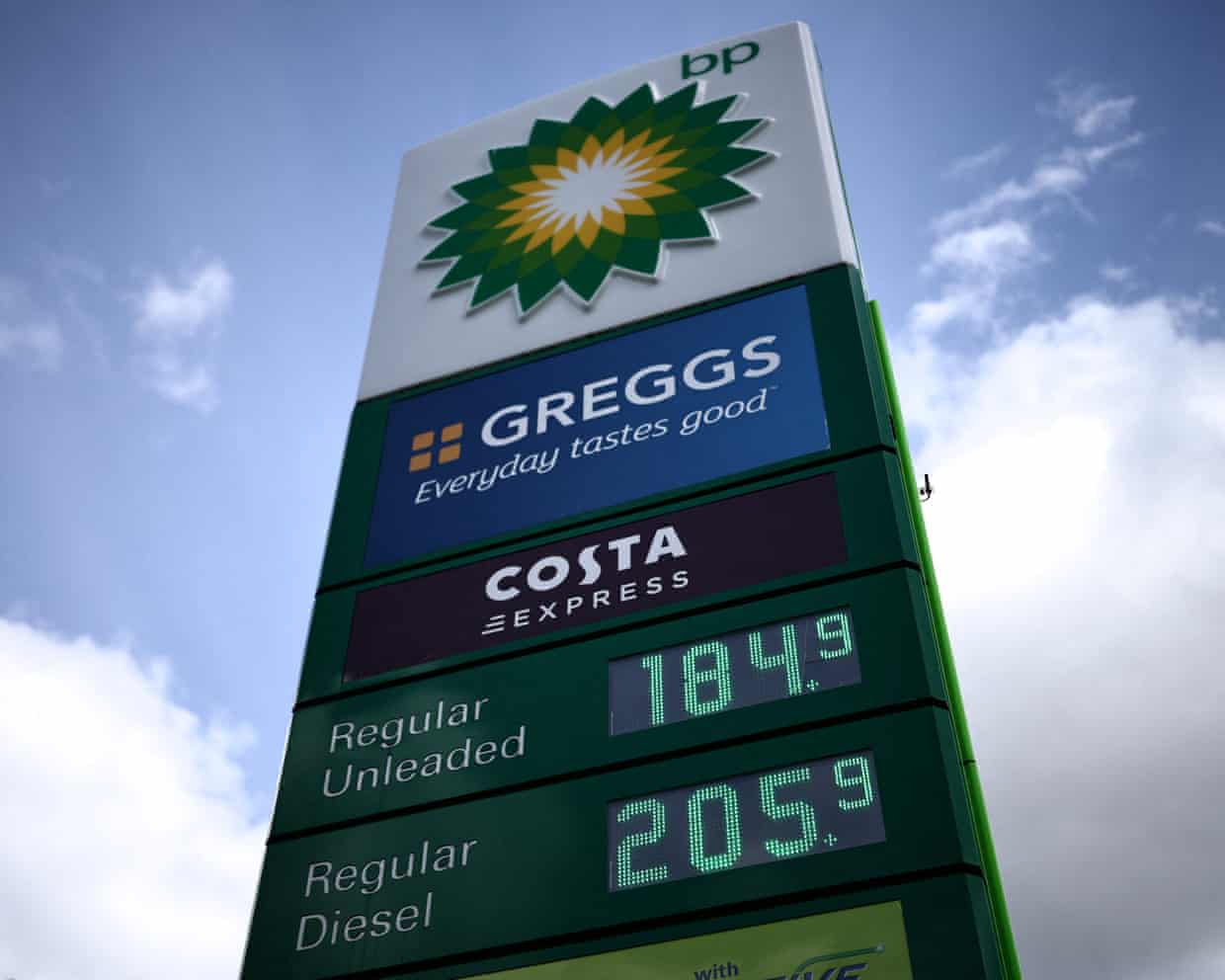
BP profits more than double as oil prices soar in Iran war
BP has provoked outrage by revealing its profits more than doubled in the first quarter of this year after its oil traders reaped the benefit of the war in Iran.The energy company capitalised on a surge in global oil market prices to report better than expected profits of $3.2bn (£2.4bn) for the first quarter, more than double the $1.38bn it made in the same period last year

Deloitte and Zoom’s trims to parental-leave benefits may hurt them in long run, experts say
Recent moves by US companies Deloitte and Zoom to reduce how much paid parental leave they offer employees could signal a larger reduction in benefits in corporate America, according to labor market experts.American workers are already seen as having less benefits and labor protections than many of their counterparts across the world, especially in Europe.Leadership at huge accounting and communication technology companies likely made the decisions because the labor market has stagnated, meaning that people looking for jobs do not have the same leverage when considering a job opening, the experts say.But while cutting the benefit might help companies save money in the short term, some consultants argue that the moves will ultimately hurt companies because it will make workers less productive, among other negative consequences.“It feels like someone is just looking at a spreadsheet saying, ‘How can I get more hours?’” said Bobbi Thomason, a professor of applied behavioral science at Pepperdine Graziadio Business School

Shares in buy-to-let mortgage lenders fall after report Reeves plans rent freeze
Shares in some of the UK’s biggest buy-to-let lenders such as Paragon and One Savings Bank have fallen after it emerged that the chancellor may make private landlords commit to a one-year rent freeze.In an effort to protect households from rising living costs as a result of the Iran war, Rachel Reeves is considering whether to ban landlords in England from increasing rents for a limited period of time, the Guardian revealed on Monday night.Shares in buy-to-let lenders fell when the London Stock Exchange opened on Tuesday.Stock in OSB Group, one of the UK’s biggest buy-to-let mortgage providers, was down 3.6% at 510p as investors worried the rent freeze would hurt the FTSE 250 company behind the lenders Kent Reliance and Precise Mortgages
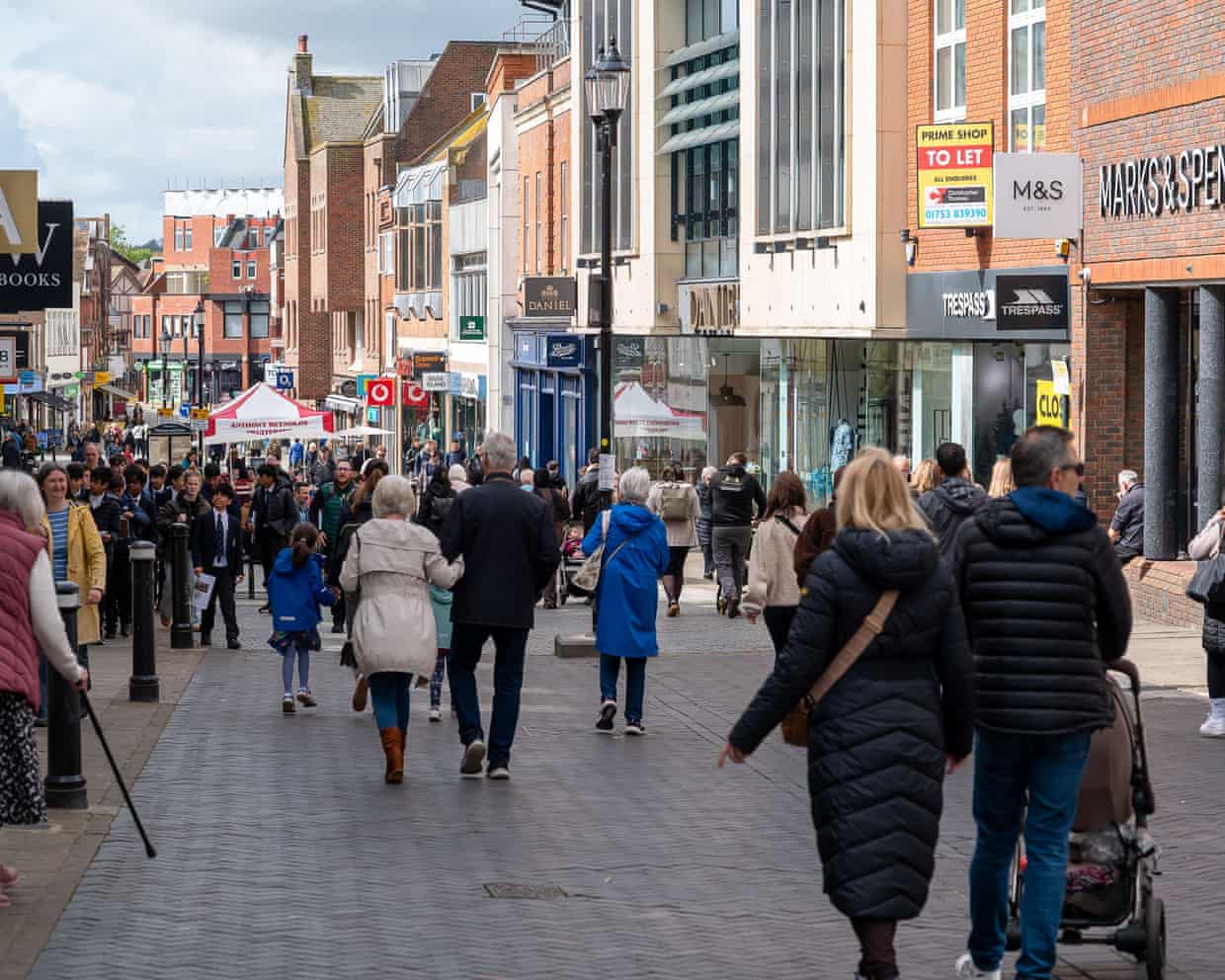
Price rises in UK shops slow as retailers apply heavy discounts to lure shoppers
Price rises in UK shops have slowed as retailers applied “heavy discounting” to their goods in an effort to entice shoppers amid weakening consumer confidence, the industry’s trade group said.Shop price inflation rose by 1% year-on-year in April, a slowdown from 1.2% in March and below the three-month average of 1.1%, according to the British Retail Consortium (BRC).Retailers made discounts to clothing, furniture and DIY goods, the BRC said in its monthly survey of its members, compiled with NielsenIQ (NIQ)
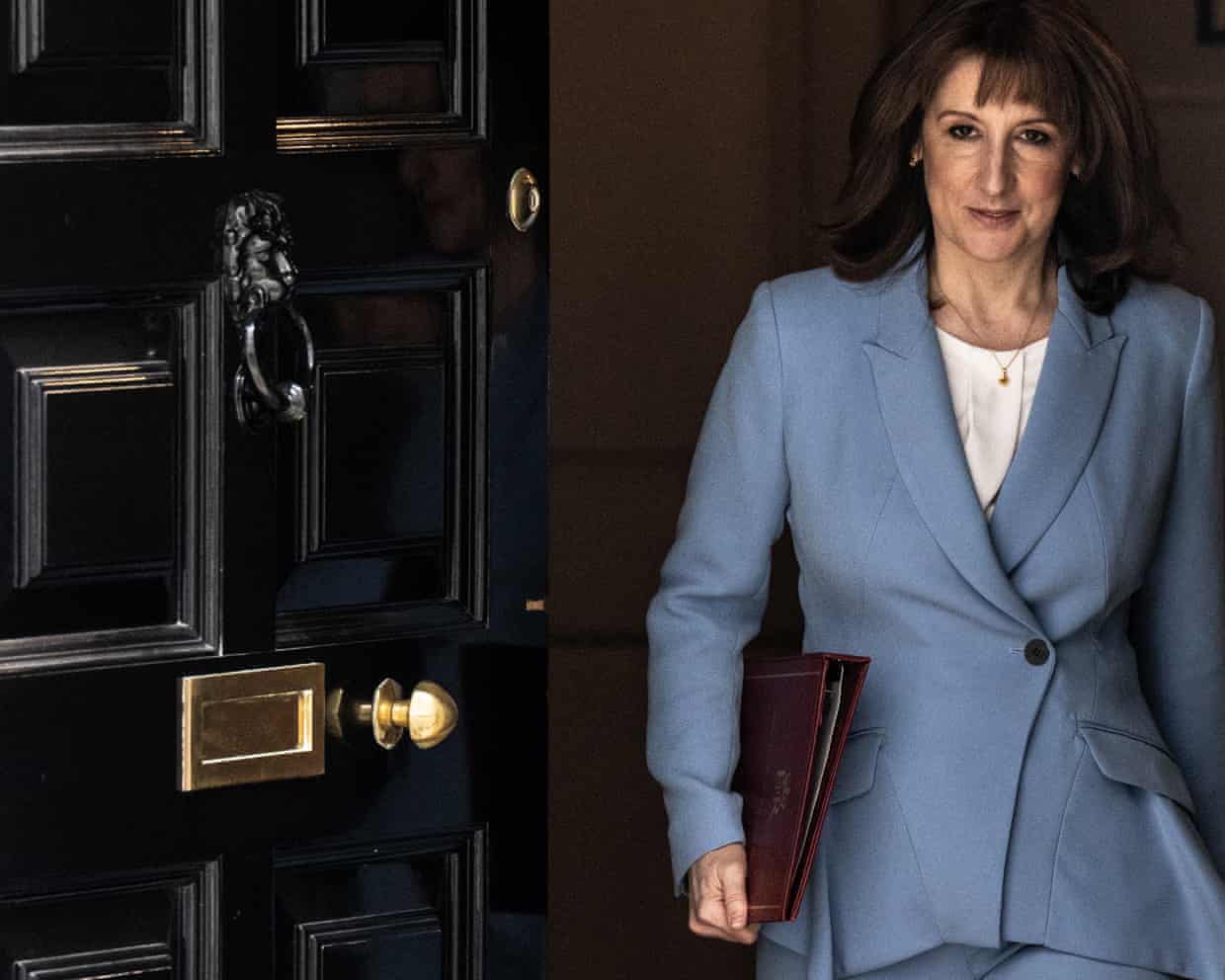
Rachel Reeves’s fiscal rules buffer should be ‘significantly larger’, say peers
Rachel Reeves should aim to run a “significantly larger” buffer against her fiscal rules, according to a report from a House of Lords committee that says the UK’s public debt is on an unsustainable trajectory.The chancellor raised taxes at last year’s budget in order to more than double the “headroom”, or buffer, against her fiscal rules to £22bn – some of which is expected to be eroded by the impact of the Iran war.But the Lords economic affairs committee says Reeves should aim to raise it more, and complains that she and her recent predecessors have tended to allow themselves too little room for manoeuvre, compared with the £30bn average between 2010 and 2022.“Despite the recent increase in the size of the buffer, it remains at an historically low level and further substantial increases are still required,” it says. “Significantly larger buffers must become the norm

Nationwide should give its boardroom challenger a fair run
James Sherwin-Smith, who is aiming to become the first customer to be voted onto the board of Nationwide in nearly 25 years, deserves top marks for perseverance. A year ago his attempt to get his name on the ballot paper was stymied, or so it seemed, by data protection rules and so forth. This time, he has the necessary 250 nominations to be a candidate at the July annual meeting.It is a development to welcome. As argued here a year ago, there is something of a democracy deficit at Nationwide
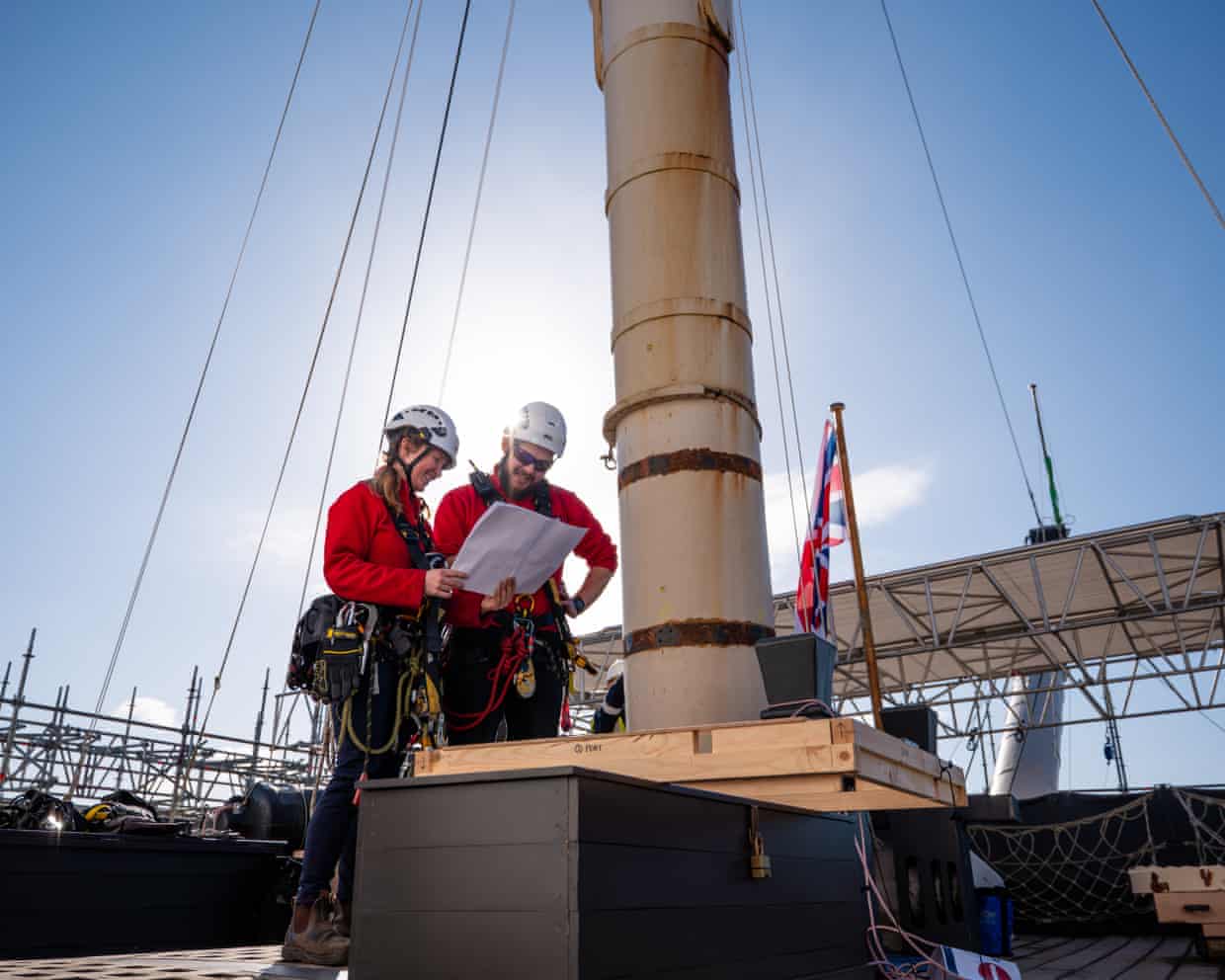
‘Protected for another century’: experts lift 15-tonne foremast from HMS Victory
Having Spent Life Seeking by Kae Tempest review – painfully earnest tale of trauma and transition
The Primitives: ‘A reviewer said that Crash would finish the band. Then it was in Dumb and Dumber’
‘I wanted alcohol to take me to a place where I was not’: comedian John Robins on the moment he realised he had a drinking problem
Tate at a turning point: new director must confront unwieldy ‘beast’ of an art institution
The Guide #240: My new obsession is the mesmerising world of the Chipmunks at 16rpm