David Winnick obituary
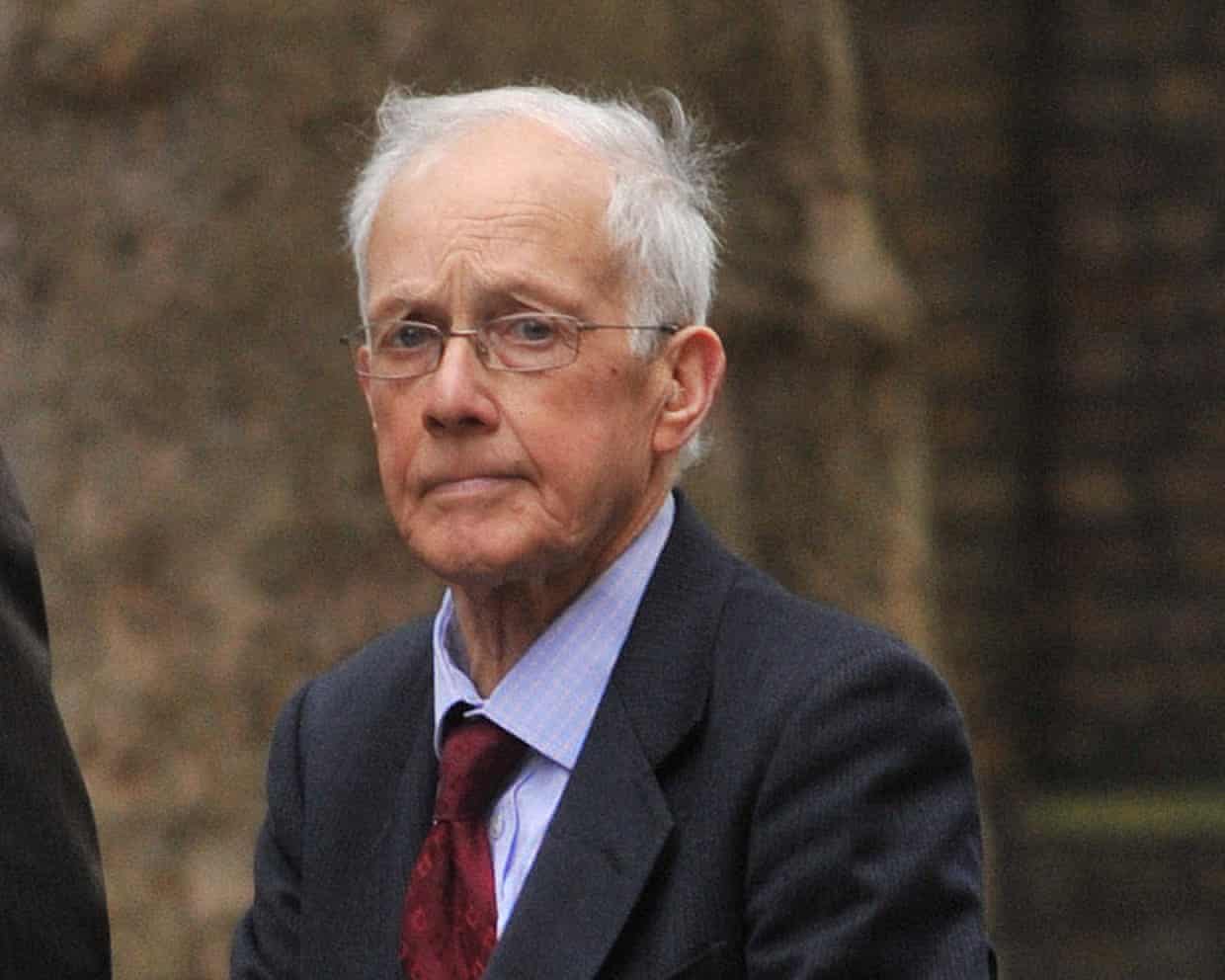
For much of his career, David Winnick, Labour MP for 42 years – representing Walsall North for 38 of them – was a dogged parliamentarian, originally of the Tribunite left and never aspiring to ministerial office.Yet he will be best remembered for an act of singular courage when he succeeded in defeating the plans of the Blair government in its Iraq war-era attempt to hold terrorist suspects for up to 90 days without charge.Winnick, who has died aged 92, had supported the invasion of Iraq in 2003, but took his stand on civil liberties grounds and, much to the aggravation of ministers, led the charge against the prolonged detention proposal in the Commons in 2005 – and then in the home affairs committee against a further attempt by the subsequent Brown administration to hold suspects for 42 days.Winnick’s successful amendment limited the term to 28 days; the vote against the terror bill was the first defeat for the Labour goverment, nine years after taking power.Winnick’s stand was of a piece with his concern for civil liberties – he also opposed the plans to introduce identity cards – but he was no pacifist.
He had also supported the earlier British interventions in Kuwait and Bosnia, insisting it was right to expel tyrants in the absence of effective action by the United Nations.These stances caused a falling-out with some leftist colleagues and the possible embarrassment of praise in the Commons from Douglas Hurd, then foreign secretary, at the time of the Gulf war in 1991: “I have often disagreed with the honourable gentleman but I have always recognised that he is a through-and-through United Nations man.He believes in collective security and international order.He is following the logic of his convictions.”Those convictions were strong, permanent and undeterred by hostility or unpopularity.
A slight, dour figure, often to be seen scurrying along the corridors of Westminster with sheaves of parliamentary papers under his arm, Winnick struggled for attention and his interventions in the Commons chamber were often overwrought and even rancorous in tone.His causes were worthy and unshowy, such as free television licences for elderly people and a national minimum wage, long before they became government policy.He described himself to the journalist Andrew Roth as unclubbable and was said by his agent to be a combination of public extrovert and private individual.But he served diligently in parliament for more than 40 years, first for Croydon South (1966 to 1970) then, from 1979 to 2017, for Walsall North, an industrial Black Country constituency that was never entirely safe for Labour.Winnick was born in Brighton, into a Jewish family, the son of Eugene, a chemical company representative, and his wife Rose (nee Cohen), who left home when her son was eight.
His childhood and schooling were disrupted by wartime evacuation to Northamptonshire, though he would later obtain a diploma in social administration from the London School of Economics.His education came about otherwise from voracious reading in Brighton public library.After national service with the Royal Army Ordnance Corps, he became a clerk, first for an engineering firm and then as a branch secretary in the then Clerical and Administrative Workers’ union (later evolving into Apex until absorbed into the General, Municipal and Boilermakers’ union).His political activism was stirred by the Suez invasion and the Soviet invasion of Hungary, and he joined the Labour party in 1957, serving as a local councillor, first in Willesden, in north-west London, from 1959 and then, after the council merged with Wembley in 1965 to form the London borough of Brent, he served as a councillor there too until he became an MP.He was made advertising manager for Tribune, the leftwing Labour newspaper (now magazine), in 1963 and the following year fought Harwich – a hopeless cause – in the general election that brought the party to power under Harold Wilson.
In the landslide election of 1966 he won the Croydon seat, only to lose it four years later as Ted Heath’s Tories swept to power.Out of parliament during the 1970s, he worked for the Immigration Advisory Service, an organisation he would later chair for six years.It was Winnick’s misfortune to be chosen to fight the Walsall seat in a byelection in 1976 following the resignation of John Stonehouse.The Labour MP and former minister had tried to fake his own death by disappearing from a beach in Miami, leaving his clothes behind in a neat pile, after getting into financial difficulties, only to be discovered a month later trying to start a new life under an assumed name in Australia.The seat understandably fell to the Conservatives on a 22% swing, but Winnick won it back for Labour in the 1979 general election and held it through eight subsequent elections, with majorities generally in the low thousands.
In parliament, his early reputation was as a trade union leftwinger.He supported Tony Benn for the deputy leadership of the party in 1981 and stood for treasurer of the Tribune group before moving aside for Michael Meacher.As any ministerial ambitions died away, and with Labour in opposition, he busied himself on the home affairs committee and then on the house procedures committee.From that experience stemmed his outrage over the parliamentary expenses scandal in 2009, during which he outspokenly condemned the then Commons Speaker, Michael Martin, for declining to apologise for the administrative failings that facilitated the corruption.He was finally defeated in Walsall North, against the national trend, in the 2017 general election, one of the handful of seats in Brexit-voting areas that Labour lost that night.
At the declaration he said ruefully: “You have to take the rough with the smooth, and for some of us this was rough tonight.Anything that led to this result I take full responsibility for.” His victorious Tory opponent praised his long service to his constituents.Winnick was married to Bengi Rona, a Turkish linguist and teacher, from 1968 until their divorce in 1983.He is survived by a son.
David Julian Winnick, politician, born 26 June 1933; died 25 March 2026

UK car production falls 17% as industry warns of ‘worrying’ decline
Fewer cars rolled off UK production lines in February in what the industry called an “extremely worrying” slump even before the impact of the Iran war was felt.Vehicle production was 17% lower last month on the same period in 2025, according to the Society of Motor Manufacturers and Traders, as exports dropped sharply.A further decline is expected in March, after the war sent global energy prices soaring and further dented consumer demand, a double blow for carmakers.Mike Hawes, chief executive of the SMMT, said: “Another decline for UK vehicle production and exports is extremely worrying, given these figures pre-date the crisis in the Middle East. While the sector has made efforts to build resilience into its logistics and supply chains post-Covid, the conflict adds further strain

Almost half a million Lloyds customers had personal data exposed in IT glitch
Lloyds Banking Group exposed the personal data of nearly 500,000 customers in an IT glitch that left people’s payments, account details and national insurance numbers visible to other users, a committee of MPs has revealed.A letter from Lloyds, published by MPs on the Treasury select committee on Friday, blamed the glitch on a software defect introduced during an IT update to its Lloyds, Halifax and Bank of Scotland mobile banking apps overnight into 12 March.The bank explained that customers would have had to be looking at their app within “small fractions of a second” of other users in order to access their details.However, it still meant up to 447,936 customers were potentially able to view private information of other users, with Lloyds adding that about 114,182 people ended up clicking into transactions that revealed account details, national insurance numbers or payment references.Even people who were not Lloyds Banking Group customers may have had their transaction details exposed, the bank said

Five firms including Autotrader and Just Eat investigated over fake review failings
The UK competition watchdog has launched investigations into five companies including Autotrader and Just Eat over concerns they have not done enough to tackle fake and misleading online reviews.The Competition and Markets Authority (CMA), which has previously investigated the tech companies Amazon and Google, said its latest crackdown includes the funeral services operator Dignity, the review company Feefo and the restaurant chain Pasta Evangelists.The CMA said that in the case of Autotrader and Feefo it was looking at whether a number of one-star reviews, moderated by Feefo, were excluded from being published on the car-selling platform and therefore did not give consumers a full picture of other customers’ experiences.The Dignity investigation focuses on whether staff were asked to write positive reviews about the company’s cremation services.Just Eat, the food delivery company, is being investigated over concerns that its system “inflated certain restaurants’ and grocers’ star ratings”
US markets see biggest slump since start of US-Israel war on Iran
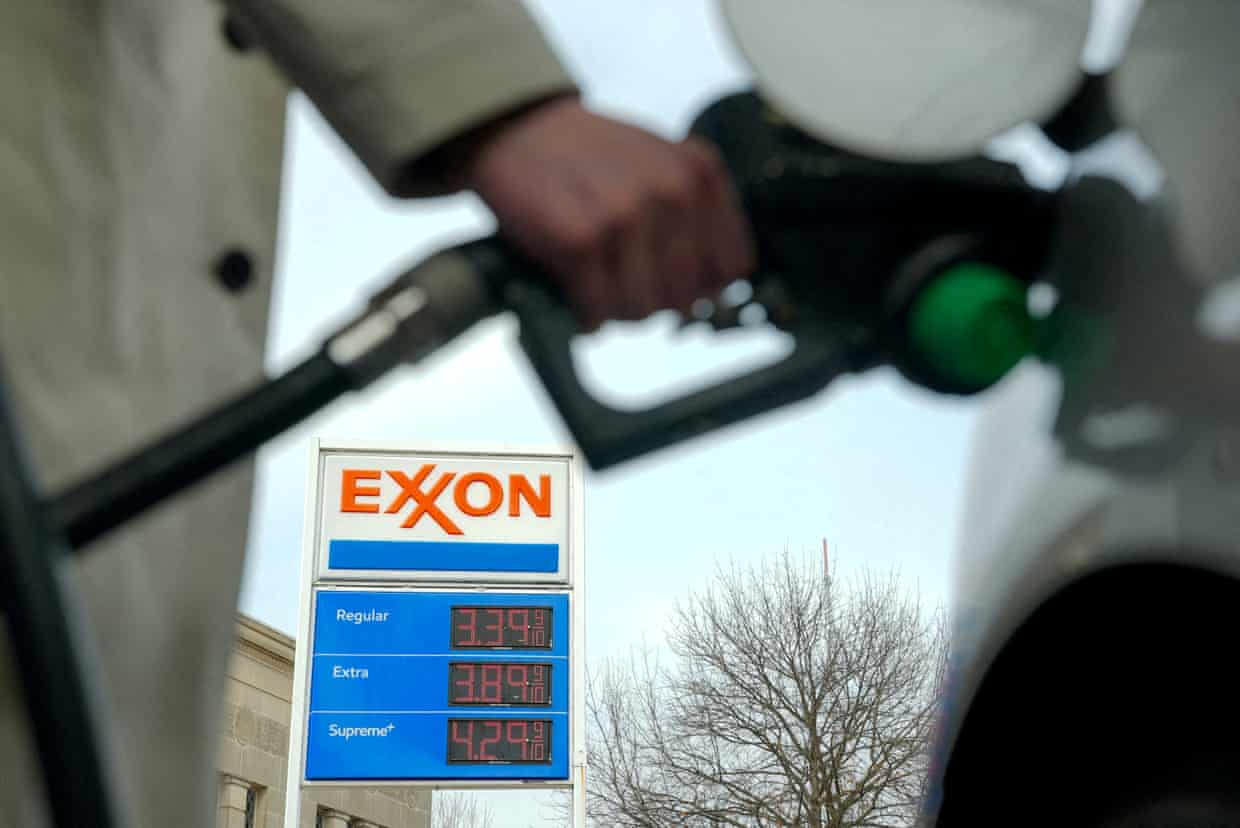
US markets saw their biggest slump since the start of the US-Israel war with Iran on Thursday as Donald Trump said the conflict’s impact on oil prices had not been as bad as he expected.The Dow closed 450 points down, while the S&P 500 dipped 1.7%. The tech-heavy Nasdaq fell 2.3%, plunging into correction territory, which happens when an index falls at least 10% below its most recent peak
The Middle East price shock hasn’t hit Next – yet | Nils Pratley
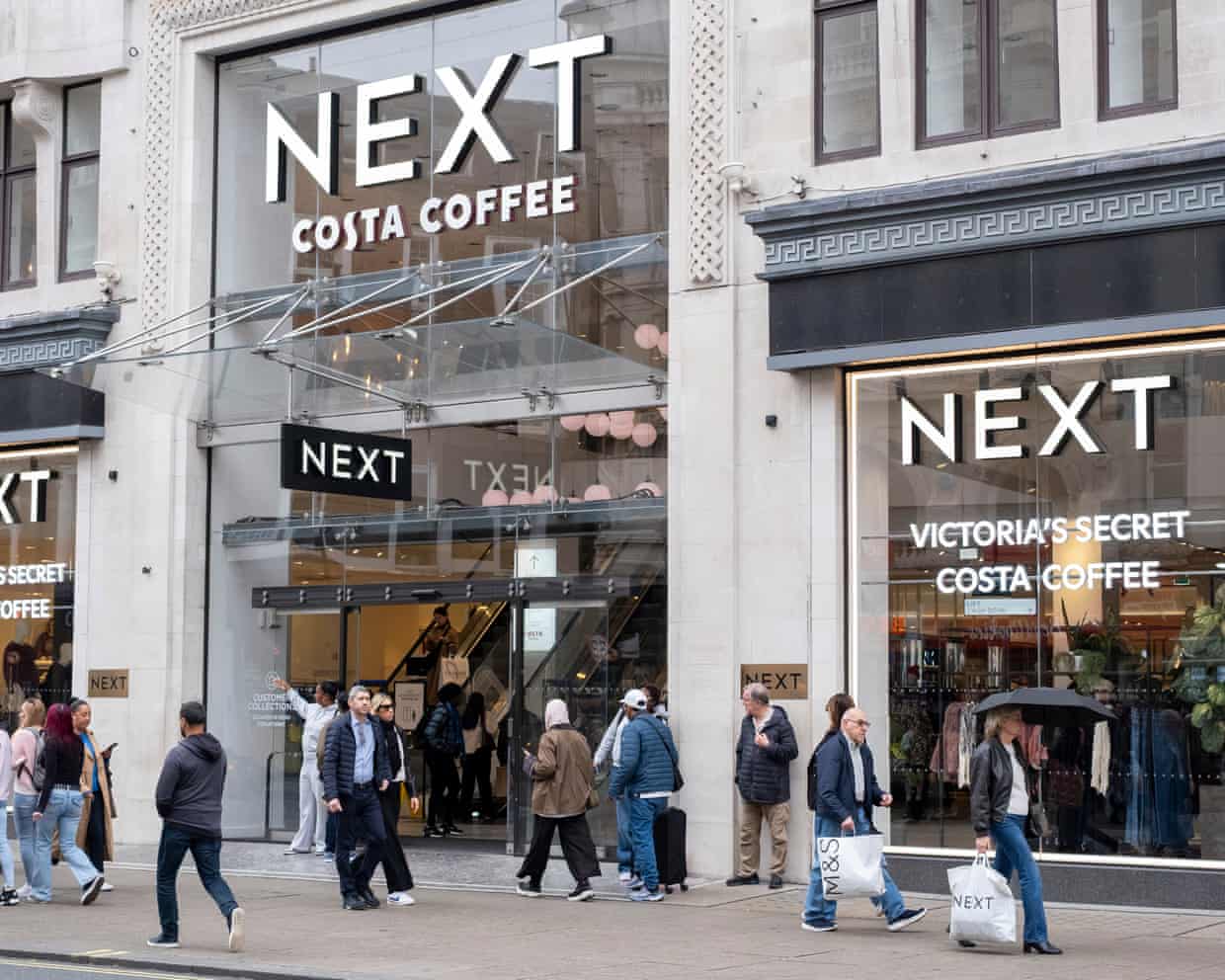
In the context of Next, which has just reported full-year pre-tax profits of £1.16bn, an estimated £15m of extra fuel and air freight costs arising from the Middle East conflict is tiny. The sum, which in any case assumes disruption lasts three months, can be lost in the wash, or more precisely “offset by savings elsewhere”.The chief executive, Simon Wolfson, a boss who tends to err on the side of caution when guiding on profits, saw no reason not to add £8m to this year’s number as a mechanical read-through from last year’s outcome. If there wasn’t a war on, one can assume there would have been a proper profit upgrade
NS&I chief executive replaced in ‘fresh start’ over missing savings crisis; bad day for markets – as it happened
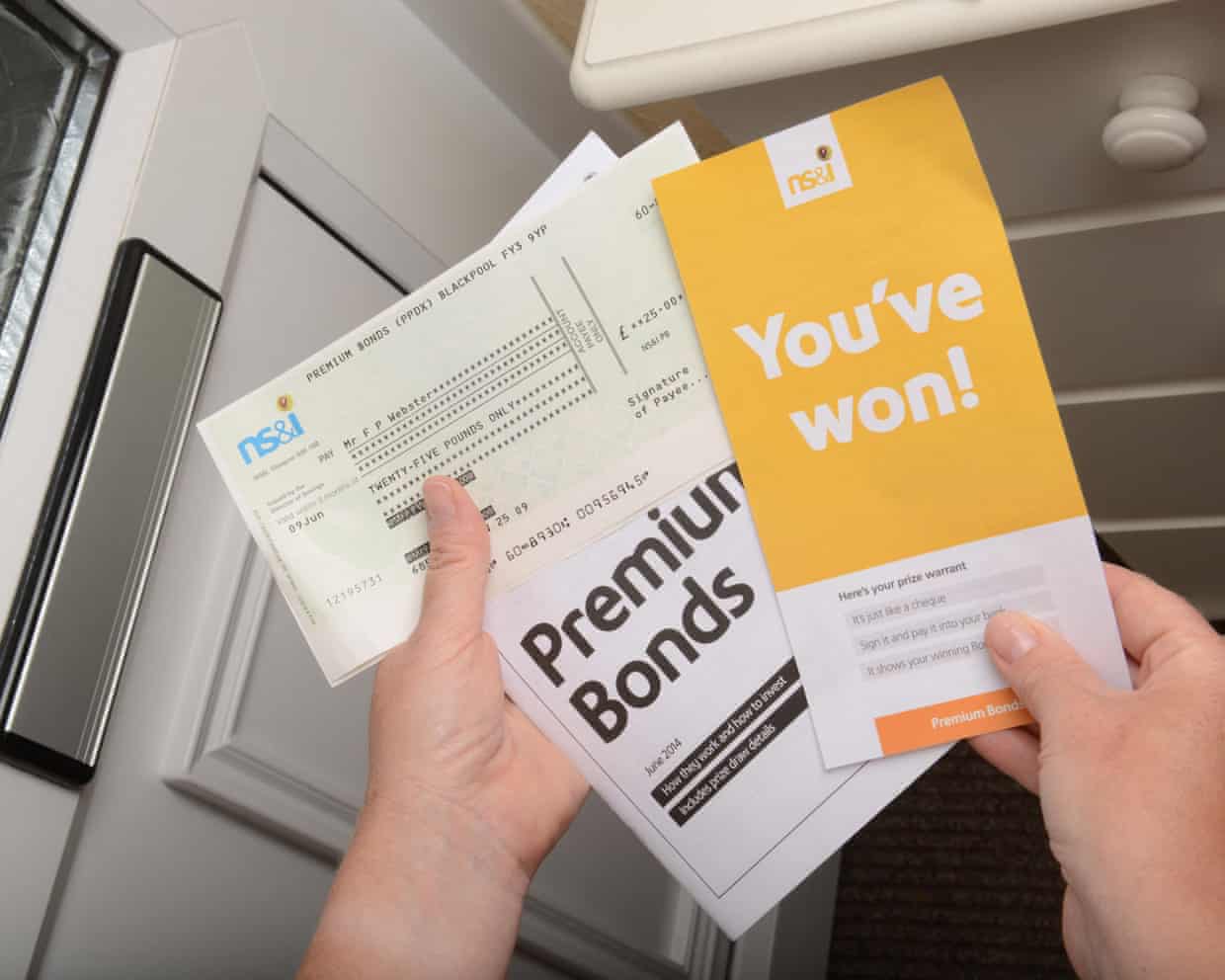
The boss of National Savings and Investments appears to have been dismissed over the £476m savings scandal at the bank.Pensions minister Torsten Bell has told MPs that he has appointed Sir Jim Harra, a senior civil servant, to take over as the chief executive of NS&I on an interim basis, replacing Dax Harkins.Bell says Harra, a former first permanent secretary at HMRC, will provide “a fresh start for NS&I”, following its failure to trace missing savings belonging to customers who have died.Updating MPs on the crisis over deceased customers’ savings, Bell says he wants to make sure NS&I has “the very best leadership” in place.Bell tells MPs: double quotation markSir Jim will undertake a review over the next three months to spell out in detail the background to this tracing problem and to set out what lessons must be learned for NSI going forward
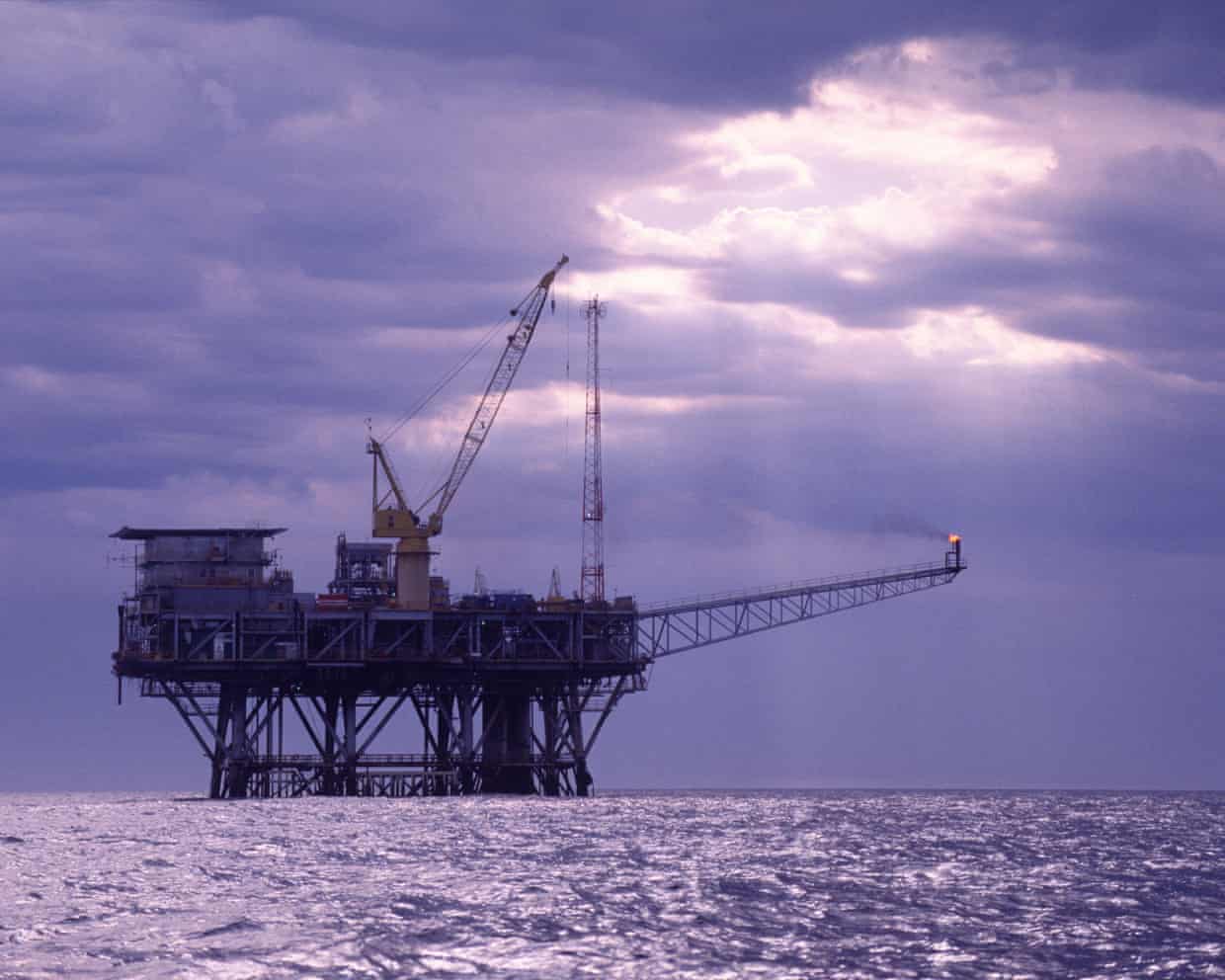
‘It’s fired people up’: support grows, including within Labor, for new gas tax to curb wartime profits
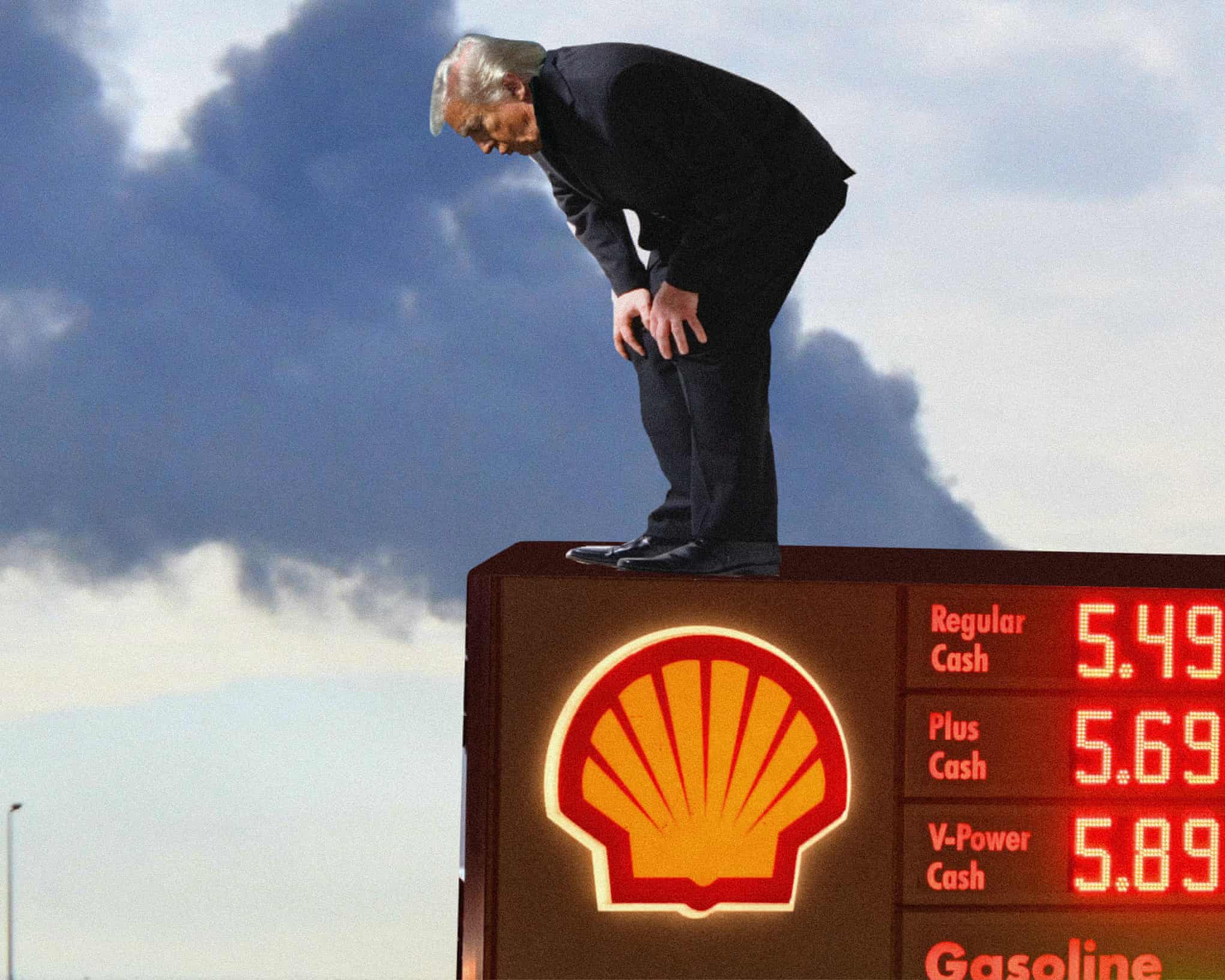
Blink and miss: Trump’s tactic of threats first and U-turn later is proving stale in Iran war
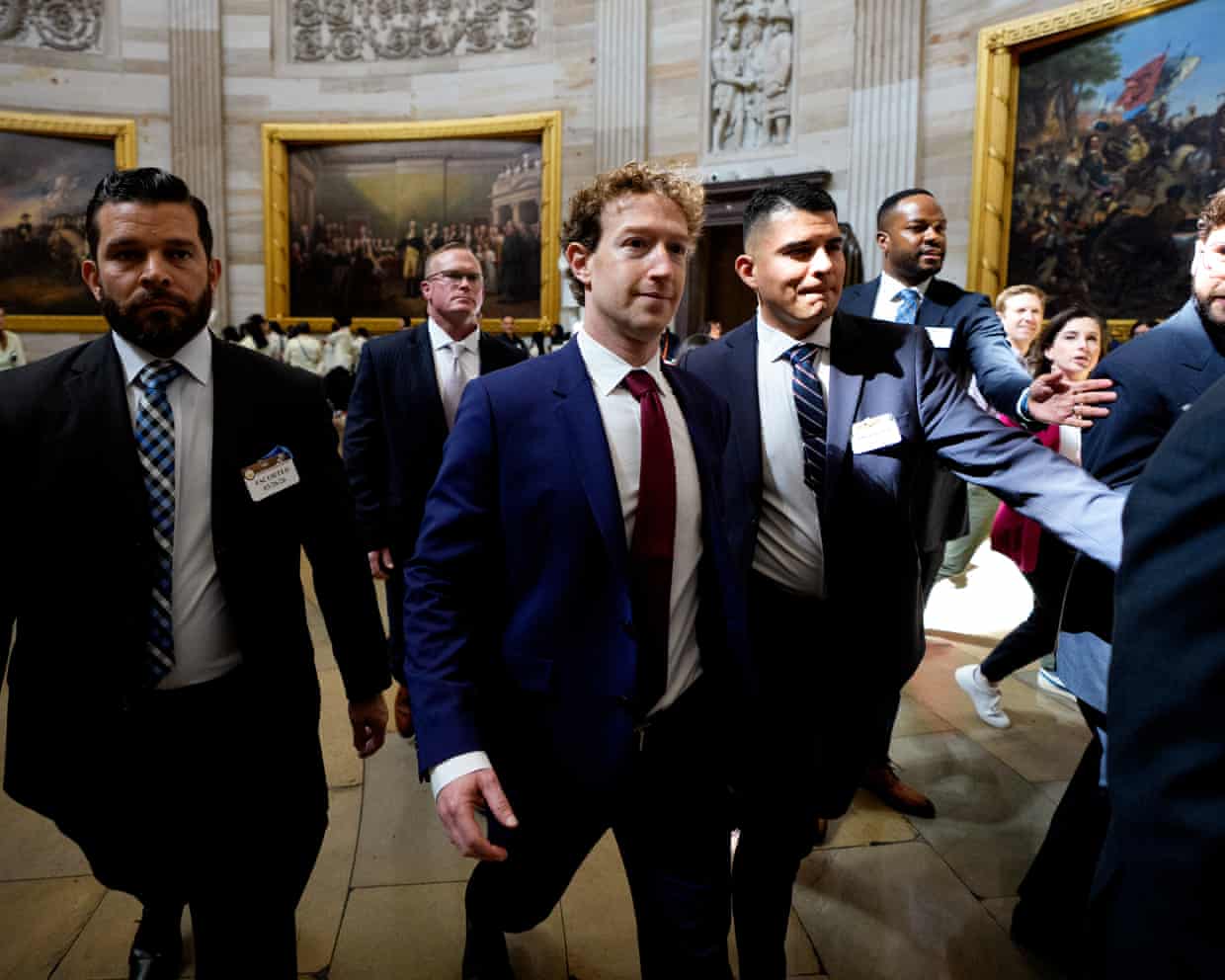
‘Accountability has arrived’: dual US court losses show shifting tide against Meta and co
New York City hospitals drop Palantir as controversial AI firm expands in UK
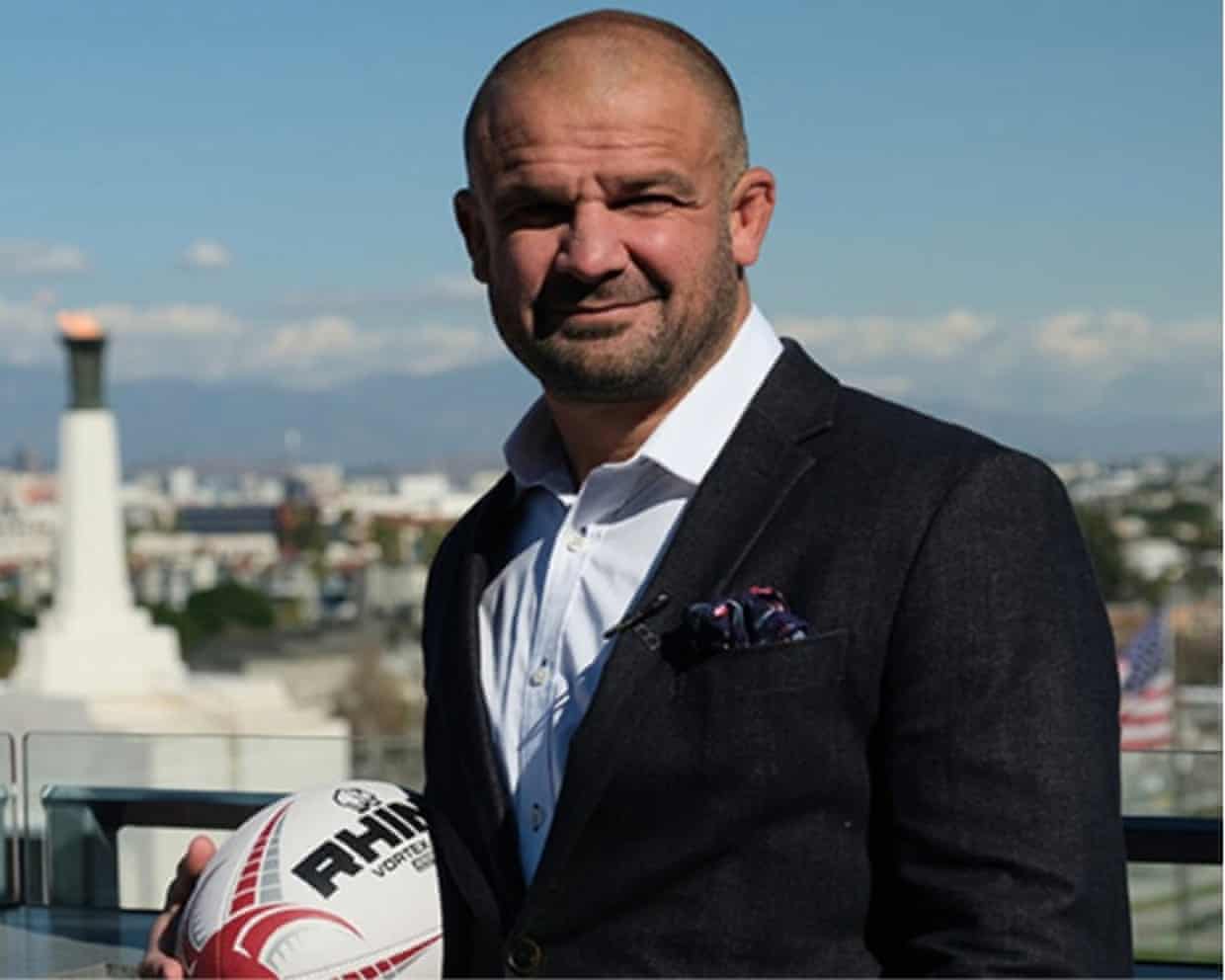
Can Adam Freier’s California Legion solve America’s rugby problem?

The Strong, silent type: UConn’s standout is making basketball stardom look easy