Deacon Blue ‘appalled’ by Reform UK’s Scottish leader quoting their song lyrics
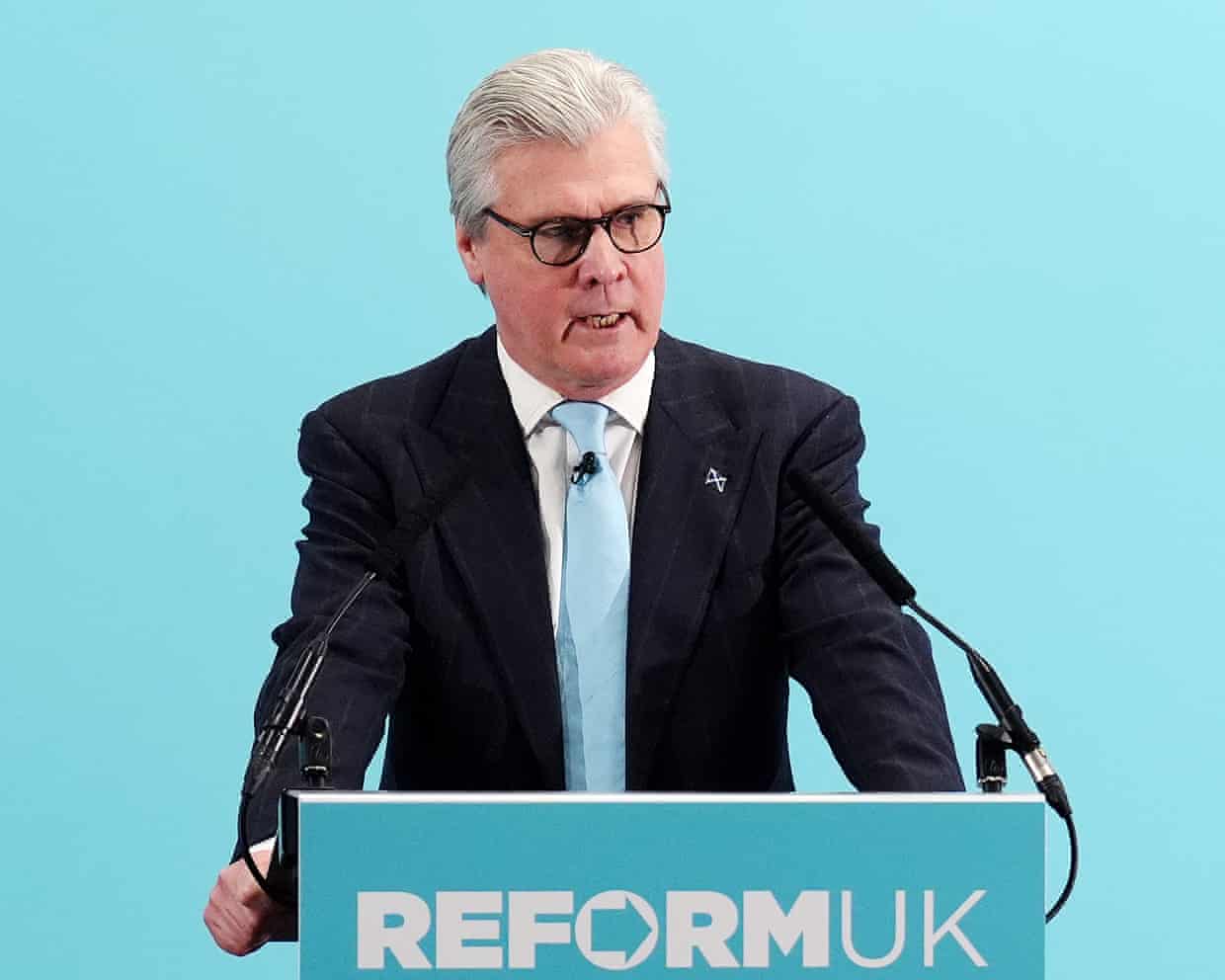
One of Scotland’s most celebrated rock bands, Deacon Blue, say they are “appalled” that one of their greatest hits is being used by Reform UK’s new Scottish leader to bolster his party’s “poisonous rhetoric”.Malcolm Offord quoted at length on Monday from the group’s song Dignity at his first major speech since he was announced as Reform UK’s first Scottish leader, three months before a crucial Holyrood election in which the party is expected to win up to 18 seats.Responding overnight from Perth, Australia, where the band are embarking on a two-week tour with songs from their new album, The Great Western Road, Deacon Blue told the Guardian: “Once a song is released into the world it can be sung, listened to and loved or hated by anyone; that is just the nature of releasing a song.“However, it appals us to see the lyrics of any of our songs being used to bolster a campaign and ideology which is completely at odds with what the song, and we as a band, believe”.Describing it as “one of my favourite songs”, the multimillionaire financier said the lyrics encapsulated his own journey from growing up in modest circumstances on the Clyde and admiring the yachts he “couldn’t afford to sail”, to making his money in the City of London and now being able to afford several yachts of his own.
Dignity – the first single from Deacon Blue’s critically acclaimed debut album Raintown – tells the story of a council worker who sweeps litter and dreams of saving up enough money to buy a dinghy,The former Conservative peer told an audience of Reform supporters gathered at a country club near Glasgow on Monday that he loved the song “not just for the words and music but also for the message of working hard and saving up to make your dreams come true”,According to most recent reports by the Daily Record, Offord owns at least two yachts, including an 11-mete (37ft) racer and another named Braveheart,“I think these lyrics encapsulate the essence of Scotland,” Offord said,“I want everyone in Scotland to work, to save up their money, and to follow their dreams.
To have dignity at home, in faith and in work.”Deacon Blue, fronted by Ricky Ross, who was a vocal supporter of Scottish independence during the 2014 referendum campaign, added: “It has been deeply depressing to see the poisonous rhetoric of Reform take hold in Scotland”.Touching on Offord’s comments on Monday in reference to the parable of the Good Samaritan that “we need to prioritise our own people over strangers”, the band said: “To see the demonising of desperate people with their anti-immigration policies, the talk of Scotland as a place for ‘our’ people and not strangers, goes against everything we believe in.Perhaps Malcolm Offord has overlooked another song from our first album.Loaded is sung at our gigs by the audience, too: ‘It’s just you laugh, ‘cause you’re loaded.
And things are different from there’.”The band added: “It goes without saying we hope Malcolm Offord and his party are roundly defeated by people all over the UK.”Offord has been approached for comment.
One in four adults in England do not drink alcohol, survey finds
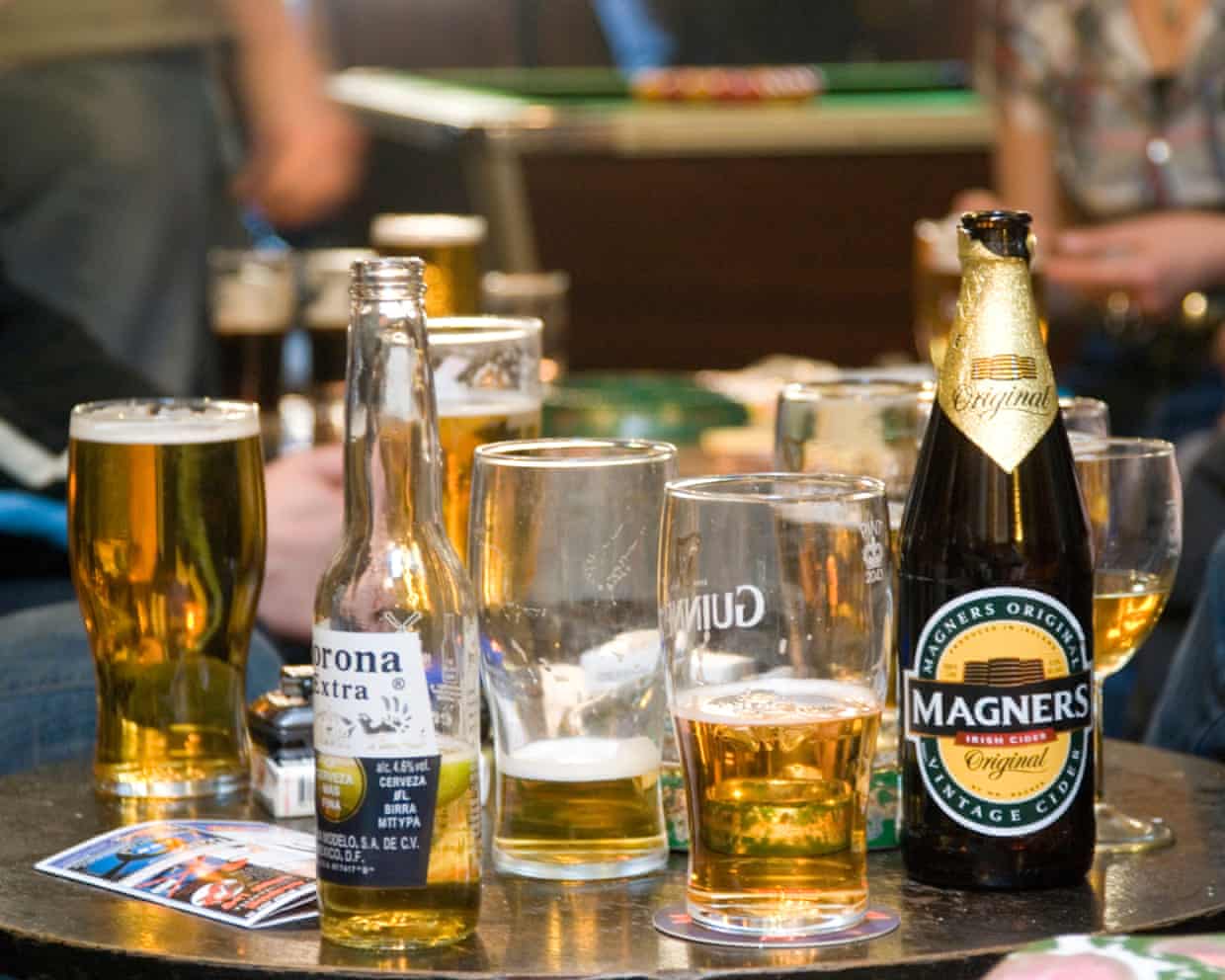
One in four adults in England do not drink alcohol, with increasing numbers of men and young people deciding to stay sober, according to a survey.The figures, which come from a questionnaire of 10,000 people as part of the Health Survey for England, found that almost a quarter (24%) of adults in England had not drunk alcohol in 2024, an increase from just under a fifth (19%) in 2022.Women appeared slightly more abstemious than men, as 26% did not drink alcohol that year compared with 22% of men. The proportion of non-drinkers increased in both genders compared with previous years.The survey also indicated regional variations in alcohol consumption
EHRC single-sex spaces guidance being adapted under ‘constructive’ new chair
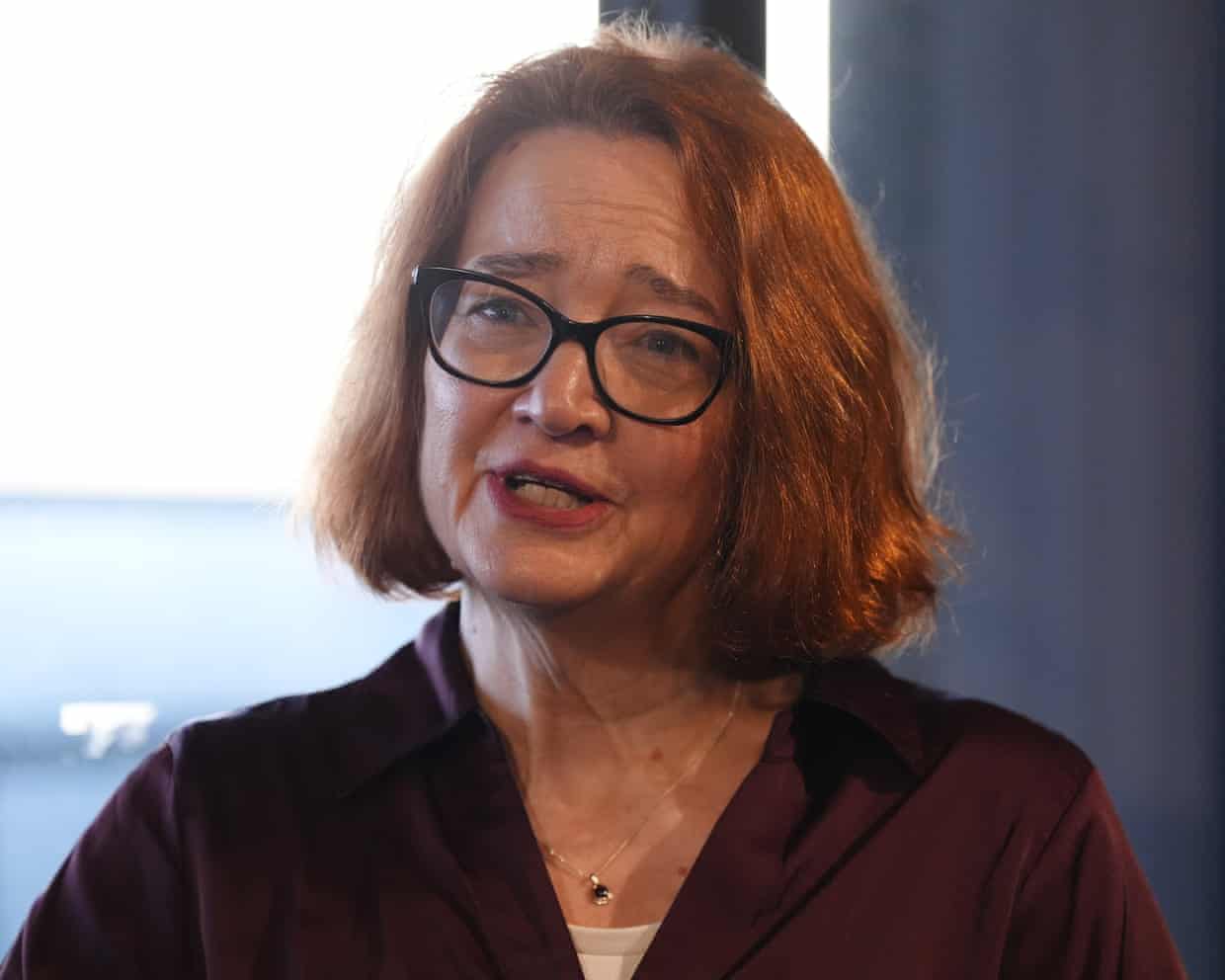
Guidance on how to implement the landmark supreme court ruling on gender is being adapted to lessen its impact on businesses and to ensure it tries to balance single-sex spaces with the lives of transgender people, the Guardian has been told.Lawyers from the Equality and Human Rights Commission (EHRC) are understood to be in discussions with government lawyers over the practicalities of guiding businesses and other institutions about last year’s ruling that the legal definition of a woman is based on biological sex only.While talks have been going on since the EHRC’s guidance was sent to ministers in September, there has been what is viewed as a change in approach from the equalities watchdog since its new chair, Mary-Ann Stephenson, took over late last year.Under law, the EHRC cannot unilaterally change a code it has submitted – this can happen only if ministers reject the draft and request amendments. But Stephenson is viewed as more open to listening to concerns about its implementation than her predecessor Kishwer Falkner
Temporary accommodation in England is ‘torture’ for neurodivergent children, report finds
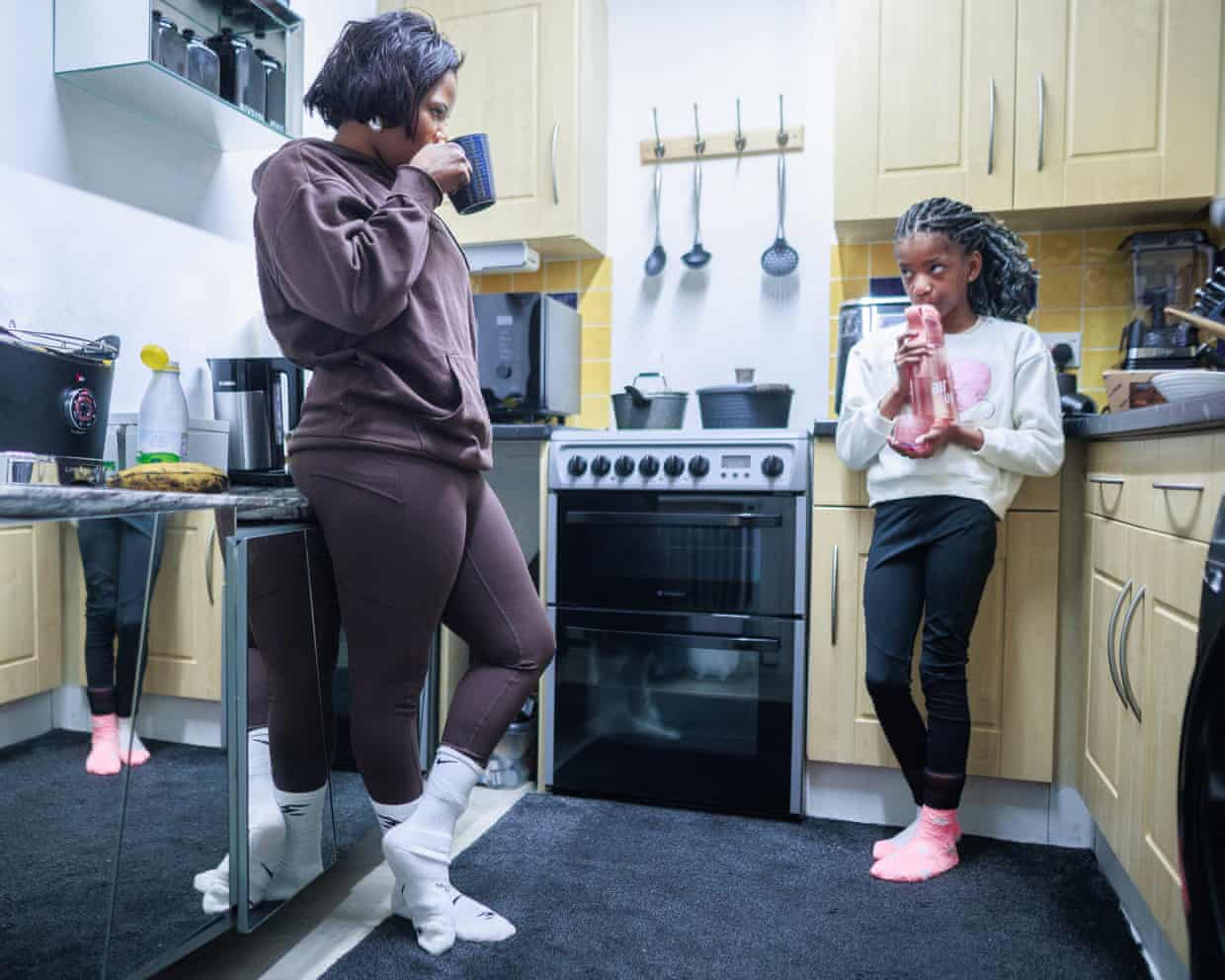
Neurodivergent children living in temporary accommodation (TA) in England are subjected to conditions that amount to “torture”, and the harm it causes them is “psychologically excruciating” and a form of “child cruelty”, a report has found.The report by King’s College London through the all-party parliamentary group (APPG) for households in temporary accommodation, found that while living in TA was damaging for any child, it had a particularly severe impact on neurodivergent children and those with special education needs and disabilities (Send).It found that, for neurodivergent children, TA was “relentless and cruel” and that “continuing to house them in such conditions – despite evidence of the damage it causes – can be considered as a form of torture and child cruelty”.Parents told researchers their neurodivergent children had become withdrawn or hypervigilant because of “chronic uncertainty, restricted space, lack of outdoor access, unsafe environments and the removal of familiar supports”.“The pace and frequency of moves between different TA spaces is overwhelming for neurodivergent children, resulting in a semi-permanent state of meltdown,” the report says
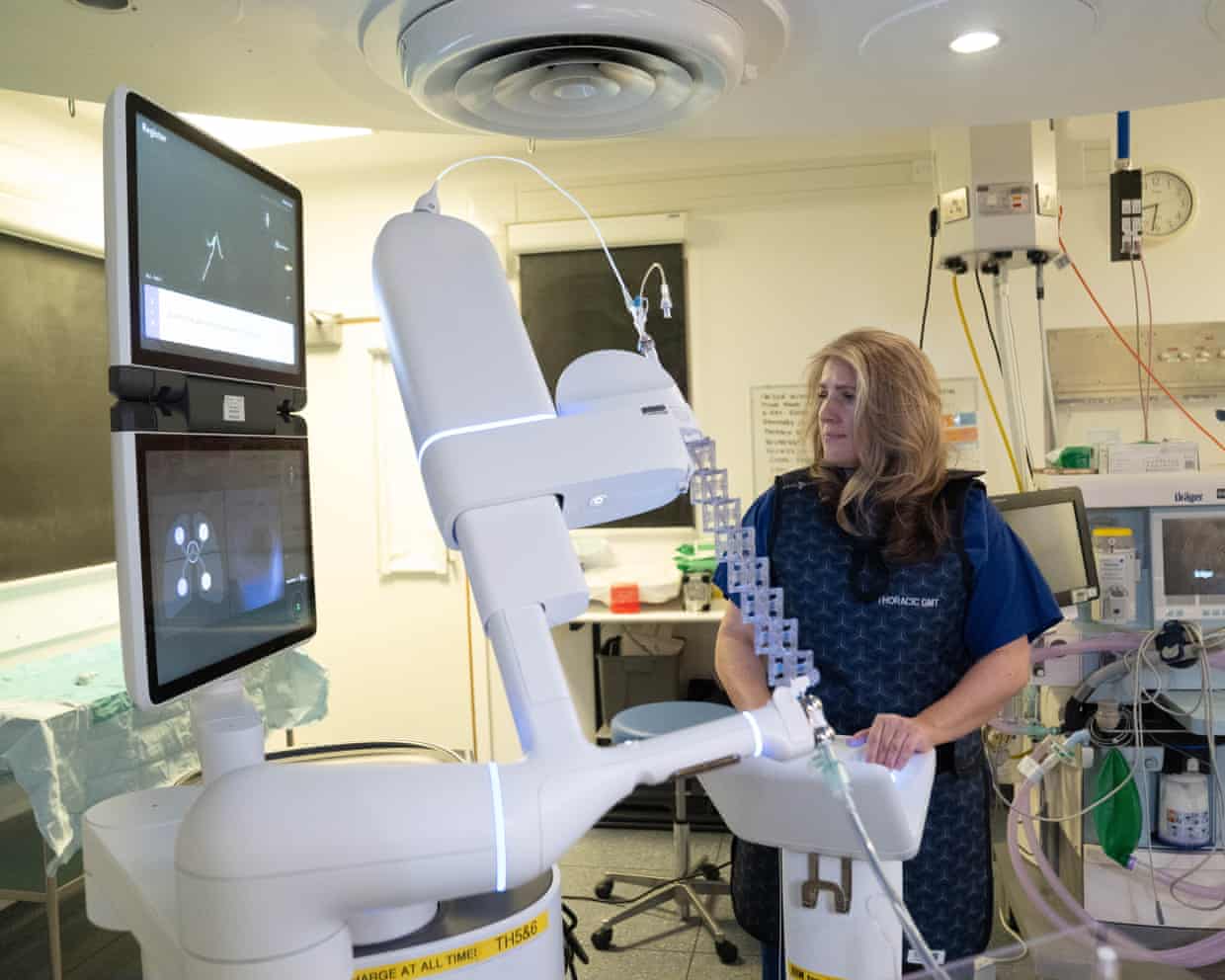
NHS England to trial AI and robotic tools to detect and diagnose lung cancer
NHS England is to trial a combination of AI and robot-assisted care to speed up the detection and diagnosis of lung cancer, the UK’s most lethal form of the disease.The trial comes at the same time as the health service pledges to offer all smokers and ex-smokers the chance to be screened for lung cancer by 2030.That expansion will lead to an estimated 50,000 lung cancers being diagnosed by 2035, of which 23,000 will be at early stage, which could save thousands of lives, it said.The disease is a particular focus of the government’s forthcoming national cancer plan for England because it is Britain’s biggest cancer killer, reflecting historic high rates of smoking. It claims 33,100 lives a year across the UK, about 91 a day
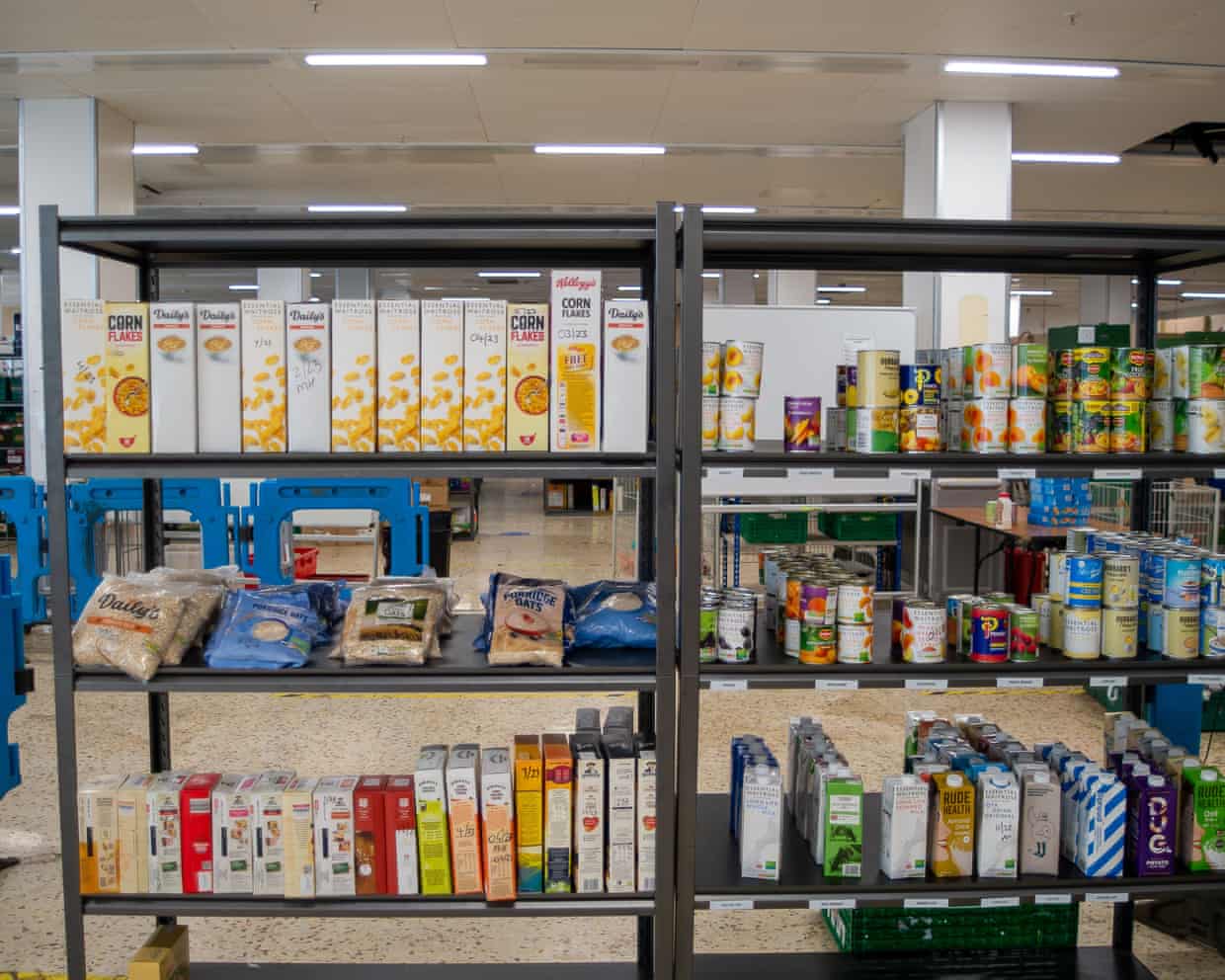
Record number of people in UK live in ‘very deep poverty’, analysis shows
The UK’s poorest families are getting poorer, with record numbers of people classed as in “very deep poverty” – meaning their annual household incomes fail to cover the cost of food, energy bills and clothing, according to analysis.Although overall relative poverty levels have flatlined in recent years at about 21% of the population, life for those below the breadline has got materially worse as they try to subsist on incomes many thousands of pounds beneath the poverty threshold.About 6.8 million people – half of all those in poverty – were in very deep poverty, the highest number and proportion since records began three decades ago, said the Joseph Rowntree Foundation (JRF), which carried out the analysis.Households on the lowest incomes were still experiencing a cost of living crisis four years on, with millions of people forced to go without food, falling behind on household bills and having to borrow to survive, said JRF

Most young adults in UK are anxious about jobs and the economy, research suggests
More than seven in 10 teens and young adults in the UK say they wish they were not starting their careers in the current economic climate, according to new research from the King’s Trust.The study also found that more than a quarter of people aged 16 to 25 feel they are going to fail in life, highlighting growing anxiety among those entering the labour market.Jonathan Townsend, the UK chief executive of the King’s Trust, said: “This new research shows young people today are deeply concerned about their job prospects and futures, particularly those already facing the greatest barriers.”According to the YouGov survey of 4,097 people, 73% of respondents were acutely anxious about their future careers and concerned there would not be enough jobs for people like them.The research, sponsored by the retailer TK Maxx, was published on Tuesday in the charity’s social impact report, 50 Years of Working for Young People

Hobbycraft issues full recall of asbestos-tainted children’s play sand

‘It’s a hospitality-wide problem’: night-time traders react to business rates relief plan
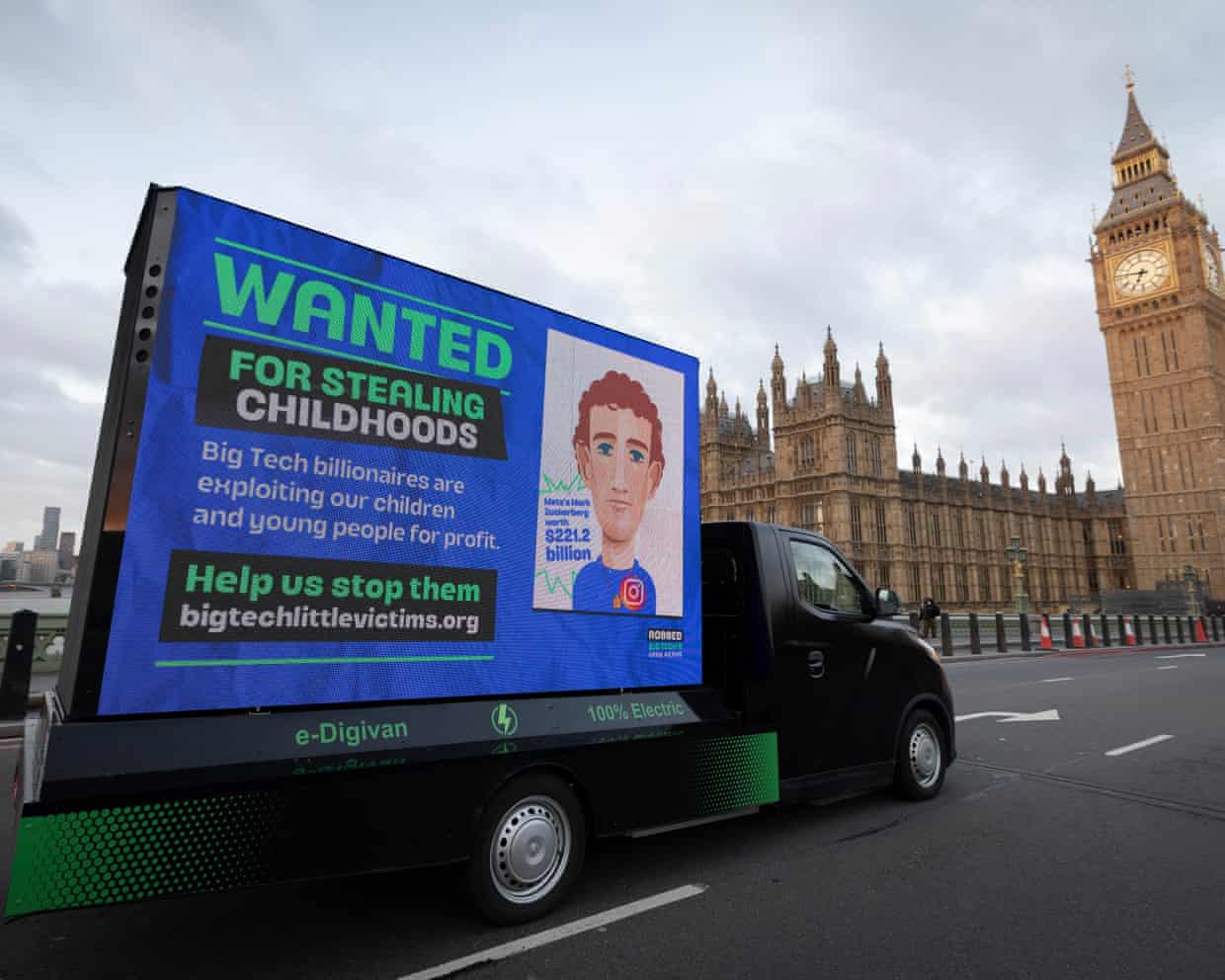
UK ministers accept $1m from Meta amid social media ban consultation

At Davos, tech CEOs laid out their vision for AI’s world domination

England beat Sri Lanka by 53 runs to win third men’s ODI and series – as it happened

Harry Brook’s brutal century sets up England for ODI series win in Sri Lanka