Sir Patrick Duffy obituary
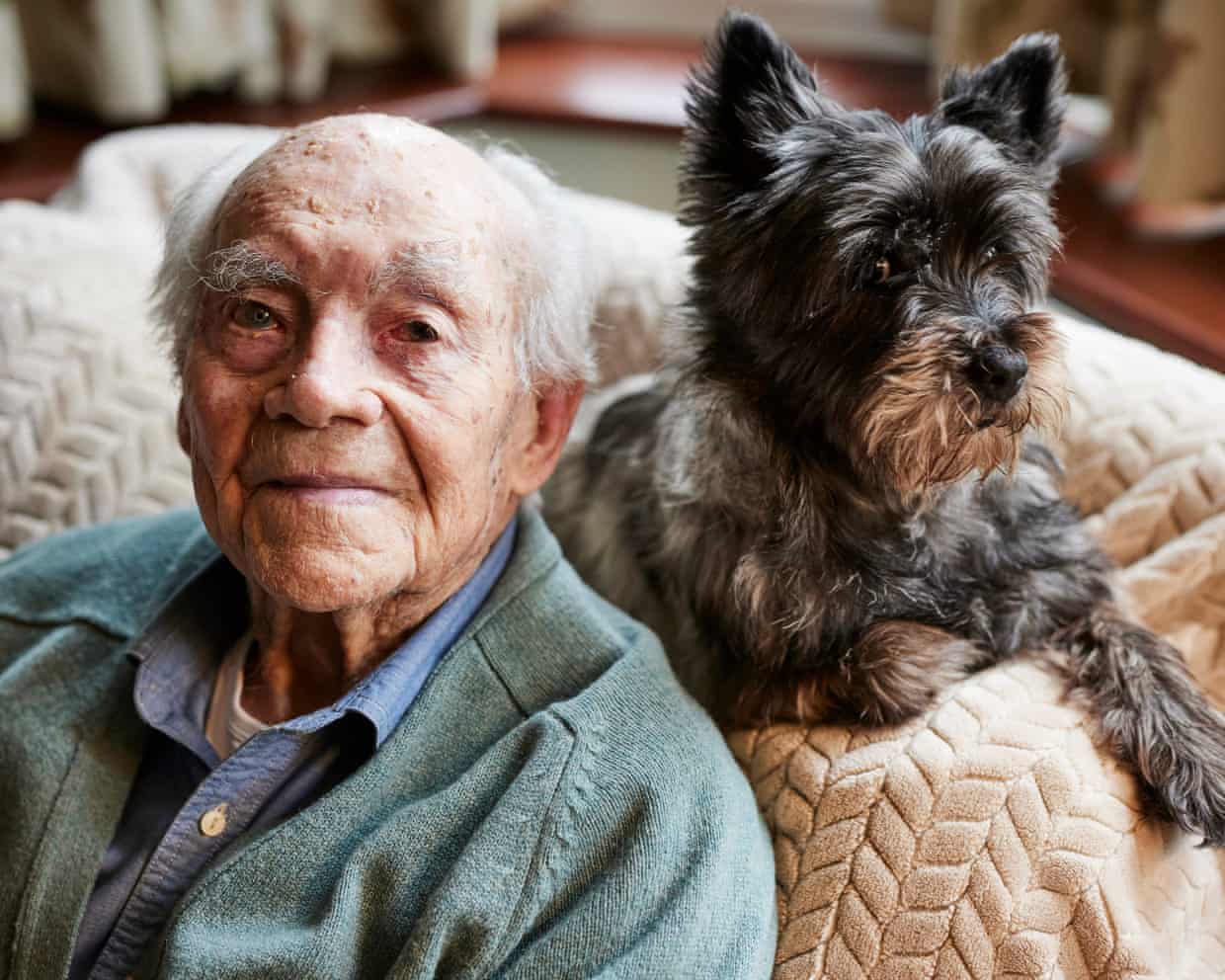
The former Labour minister Sir Patrick Duffy, who has died aged 105, was one of his party’s foremost experts on defence and disarmament during the cold war and its immediate aftermath.It was his misfortune that 19 years of his quarter of a century as a Labour MP were spent on the opposition benches, although he had the gratification of 13 years as a member of the Nato parliamentary assembly, of which he served as president for two years from 1988.Duffy first stood for parliament in Tiverton, Devon, in 1950, and was successfully elected as an MP on his fourth attempt at a byelection in the Colne Valley, West Yorkshire, in 1963.He was an economist by training and entered the House of Commons in midlife, after an eventful career during the second world war in the Royal Navy and subsequently as an academic in Britain and the US.His experience made him an Atlanticist and a fervent European for most of his life, although in 2016 he supported Brexit on the grounds that the eurozone had made the EU no longer practical.
He was always prepared to stand up for his convictions, even if these were at variance with those of his party.This was notably the case when Labour was committed to a unilateral defence policy in the early 1980s, coinciding with his Nato assembly role to which he was appointed after the 1979 general election defeat, which had cost him his job as the navy minister.The post gave him a suitably dignified status and his term as president earned him a customary knighthood in 1991, albeit awarded on the recommendation of the then Conservative prime minister, John Major – the Labour leader, Neil Kinnock, having refused to nominate any candidates for a knighthood.Duffy was proud of this elevation, given the humble circumstances in which he was raised.He was born in Wigan, the eldest of four children of Irish parents, James and Margaret Duffy, who came from the same village of Raith, near Aghamore in County Mayo.
James worked as a miner and in 1925 moved his family to Rossington, on the outskirts of Doncaster, as the pit was developed there.Patrick attended Rossington primary and secondary schools, was an altar boy at his local Roman Catholic church and was taught Latin by his priest, inculcating a love of reading.He was badly injured during six years’ war service from 1939, partly with the Fleet Air Arm, and a disability pension funded his studies at the London School of Economics from 1946, where he was awarded a BSc (Econ) and a PhD.He also studied at Columbia University, New York.During the war he had developed a growing sense of his Irish identity, which would inform both the rest of his life and also his politics.
He had grown up in a household that read the Labour movement newspaper the Daily Herald, and as a student he joined the Labour party.From 1950, when he first stood for parliament, until his election in Colne Valley, Duffy was a lecturer at the University of Leeds.In the general elections of 1951 and 1955 he stood again in the safe Conservative seat of Tiverton, and was rewarded with the Labour candidacy for the high-profile Yorkshire byelection contest he won in 1963.He held the seat – by just 187 votes – in the general election the following year, but was the only sitting Labour MP to lose in the election of 1966.He returned to lecturing at Leeds and at Drew University, Madison, New Jersey, before being found a comfortable Labour berth in Sheffield Attercliffe, where he was MP from 1970 until standing down in 1992.
At Westminster he was parliamentary private secretary to Roy Mason as defence secretary (1974-76), before being appointed as junior minister with responsibility for the Royal Navy,He was opposition defence spokesman from 1979 until Michael Foot became Labour leader in 1980 and again briefly in 1983,Duffy was critical of many leftwing party policies, provoking a challenge to his incumbency as an MP from local activists during Labour’s internal problems of the 80s,He survived one attempt to deselect him by five votes,As a devout Catholic he was strongly opposed to abortion and embryo research.
He also voted against Sunday trading and televising the House of Commons.He was forthright on Irish issues, criticising the “colossal and criminal incompetence” of Conservative policy in Northern Ireland at the time of the death by hunger strike of the IRA’s Bobby Sands, an elected MP, in 1981.He was also critical of the imprisonment of the “Birmingham Six”, before their release from wrongful imprisonment for an IRA bomb attack in Birmingham in 1974, and of the SAS killings of three members of the Provisional IRA in Gibraltar in 1988.He voted against the Anglo-Irish agreement because it gave legitimacy to the partition of Ireland.After leaving Westminster, Duffy resumed academic work in the US and at the universities of Hull and Lancaster.
He made a series of annual pilgrimages on foot to the Walsingham shrine, to Croagh Patrick in County Mayo, and to Santiago de Compostela in Spain.In 2013 he published an autobiography, Growing Up Irish in Britain and British in Ireland, and two years ago a second volume, From Wigan to Westminster.He is survived by his sister Patricia.(Albert Edward) Patrick Duffy, politician and economist, born 17 June 1920; died 2 January 2026
From Hamnet to Bridget Christie: your complete entertainment guide to the week ahead
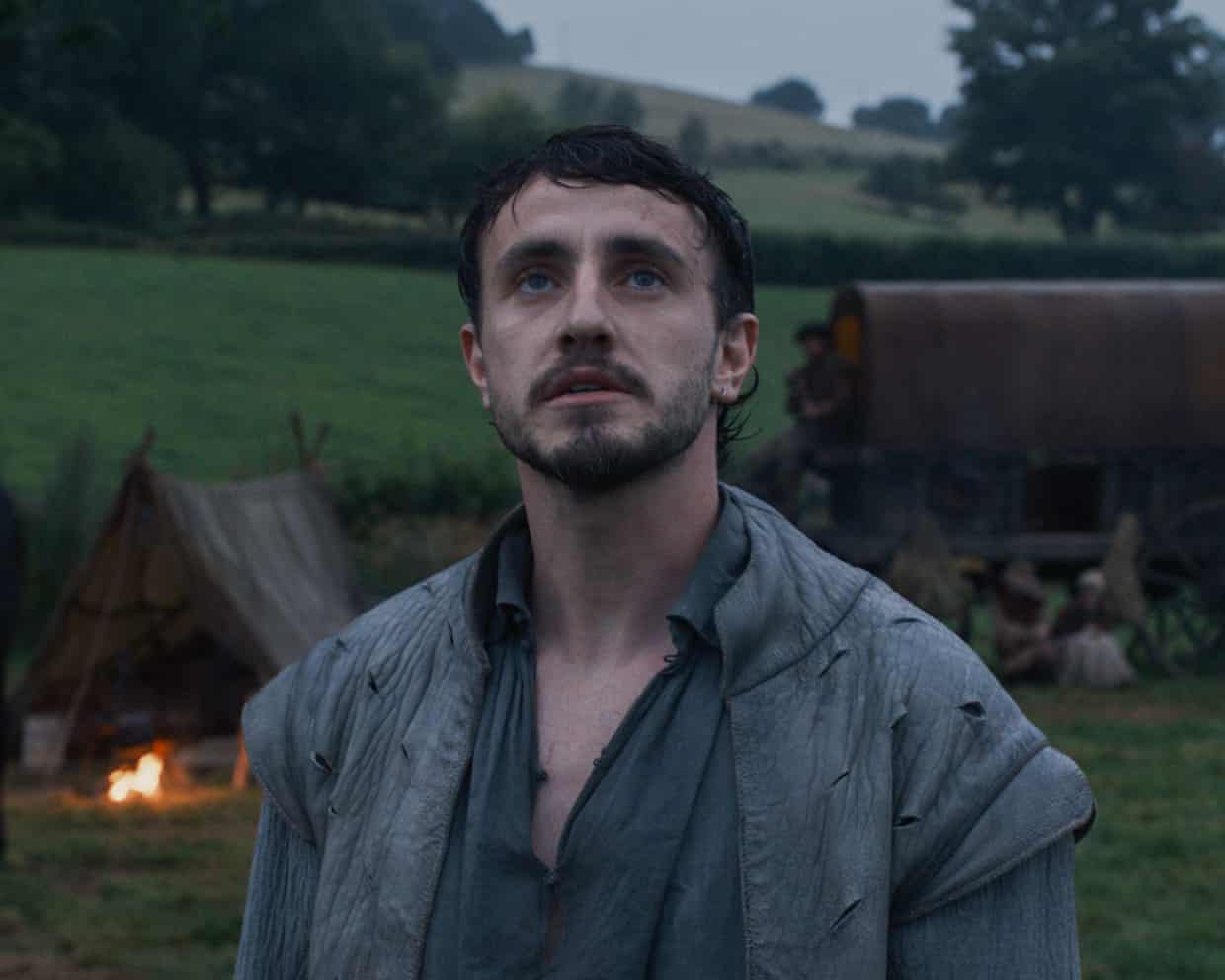
HamnetOut now Bring the tissues for this emotional Oscar hopeful which sees Paul Mescal and Jessie Buckley star as none other than William Shakespeare and his wife, Agnes, whose son Hamnet died at the age of 11. It is based on the book by Maggie O’Farrell, and Chloé Zhao (Nomadland) directs.David Lynch: The DreamerBFI Southbank & BFI Imax, London, to 31 JanuaryMarking what would have been the director’s 80th birthday, this new season includes screenings of key films such as The Elephant Man, Blue Velvet and Mulholland Drive, as well as lesser-seen work, such as six of his short films and all eight episodes of his animated webseries Dumbland. There’s even a David Lynch VJ night and a quiz evening.GiantOut now Up and coming star Amir El-Masry toplines this sports drama depicting the rise of British boxer Prince Naseem Hamed, from untested no-mark all the way to world champion – with a little help from trainer Brendan Ingle (Pierce Brosnan)
The Guide #225: Everyone loves an origin story: Guardian debuts, from the Beatles to Donkey Kong
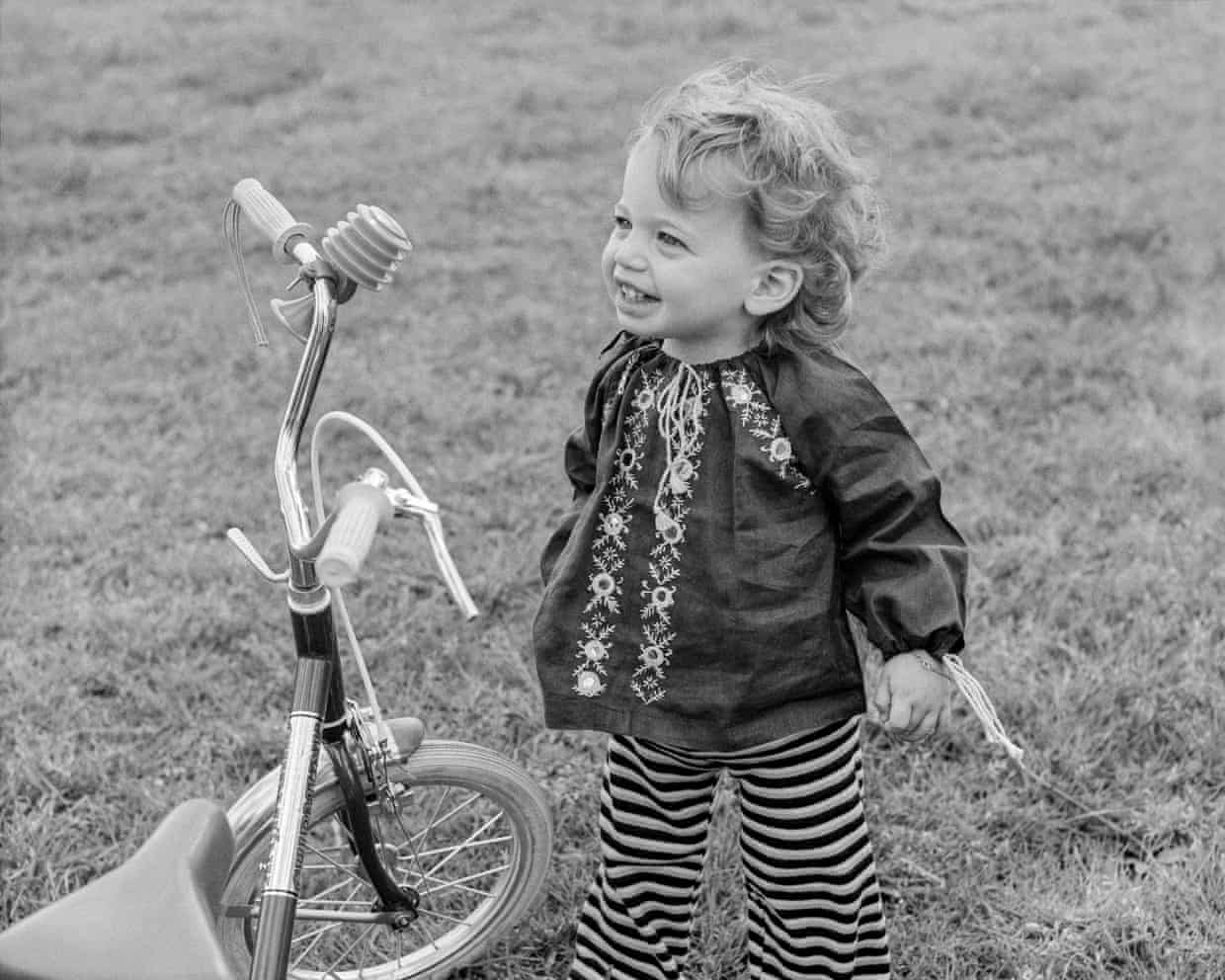
From Radiohead playing in backroom pubs as On a Friday to Timothée Chalamet’s early days as an Xbox YouTuber, it’s always fascinating to see the faltering first steps of famous folk. So in this week’s newsletter we’re launching a new regular feature, Origin stories, where we’ll look at how the Guardian first covered some now very familiar pop culture figures or institutions. And you’ll find out who the tyke above is, from a 1973 photoshoot, at the end.To the archives!The BeatlesThe Guardian, regrettably, wasn’t at the Cavern or the clubs of Hamburg for an on-the-ground report of the Fabs’ early years. Instead, the first appearance that we can find is in an article about the rise of “coffee dance clubs”, basement venues in Manchester where a “metropolitan mixture of artist, Continental girls who could be students, but may just be au pair, and young manual workers having a fairly inexpensive night on the town” would dance till they dropped (though apparently not drink much coffee)
Comedy and tragedy, with Spike Milligan | Letter
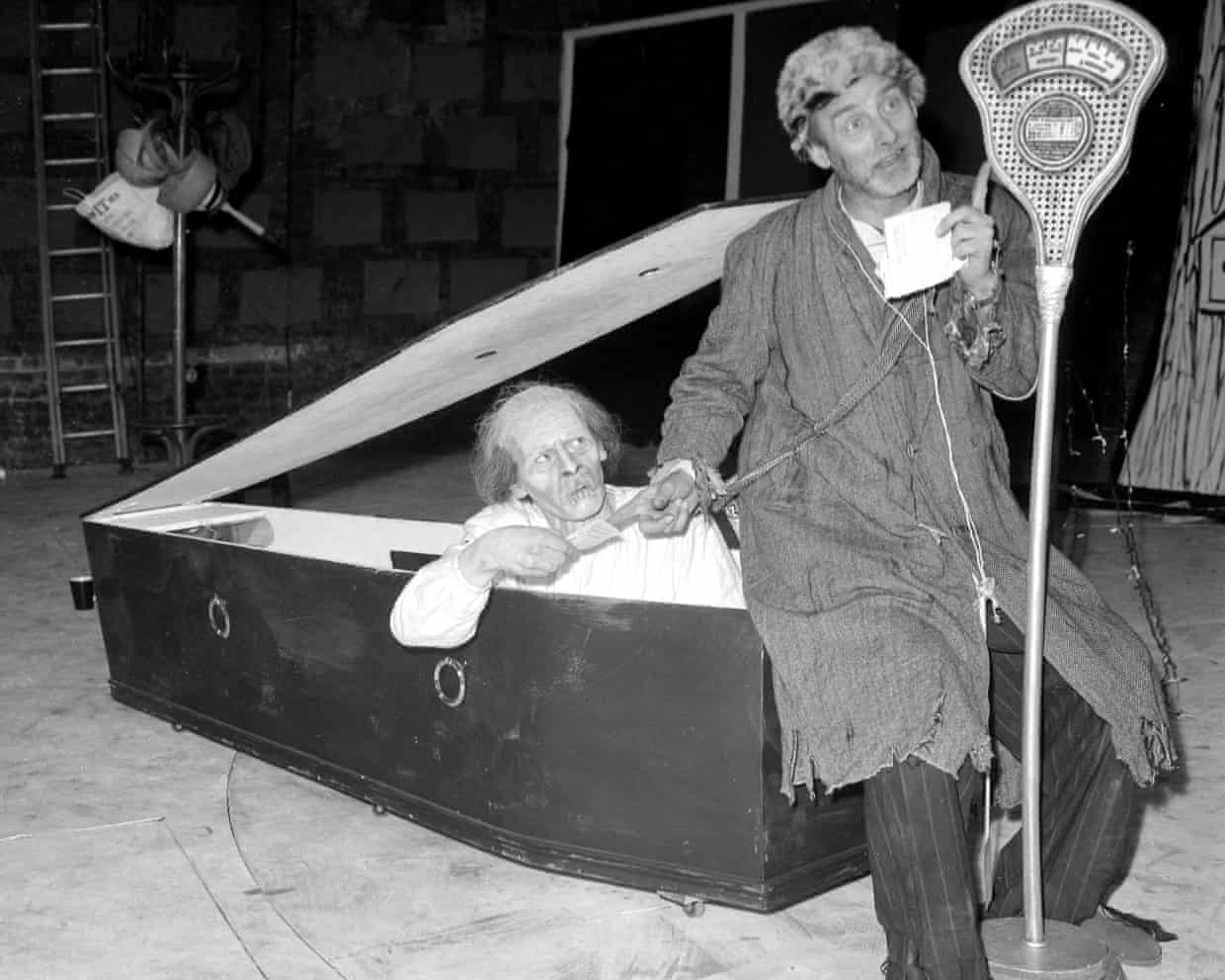
I too saw Spike Milligan in The Bed-Sitting Room as a 16-year-old (Letters, 30 December), on a trip organised by my church youth club. Due to the double selling of our tickets at the theatre in London, we were put in a box next to the stage. During the performance, Milligan climbed up the outside and peered over. He shouted: “There will come a time when all those in the box will sit at the back of the theatre and all those at the back will have the best seats!” He then added: “You’re not on complimentaries, are you?”On the way home, the coach driver stopped to see why there were scores of people on otherwise empty streets buying the late-night final. The date was 22 November 1963
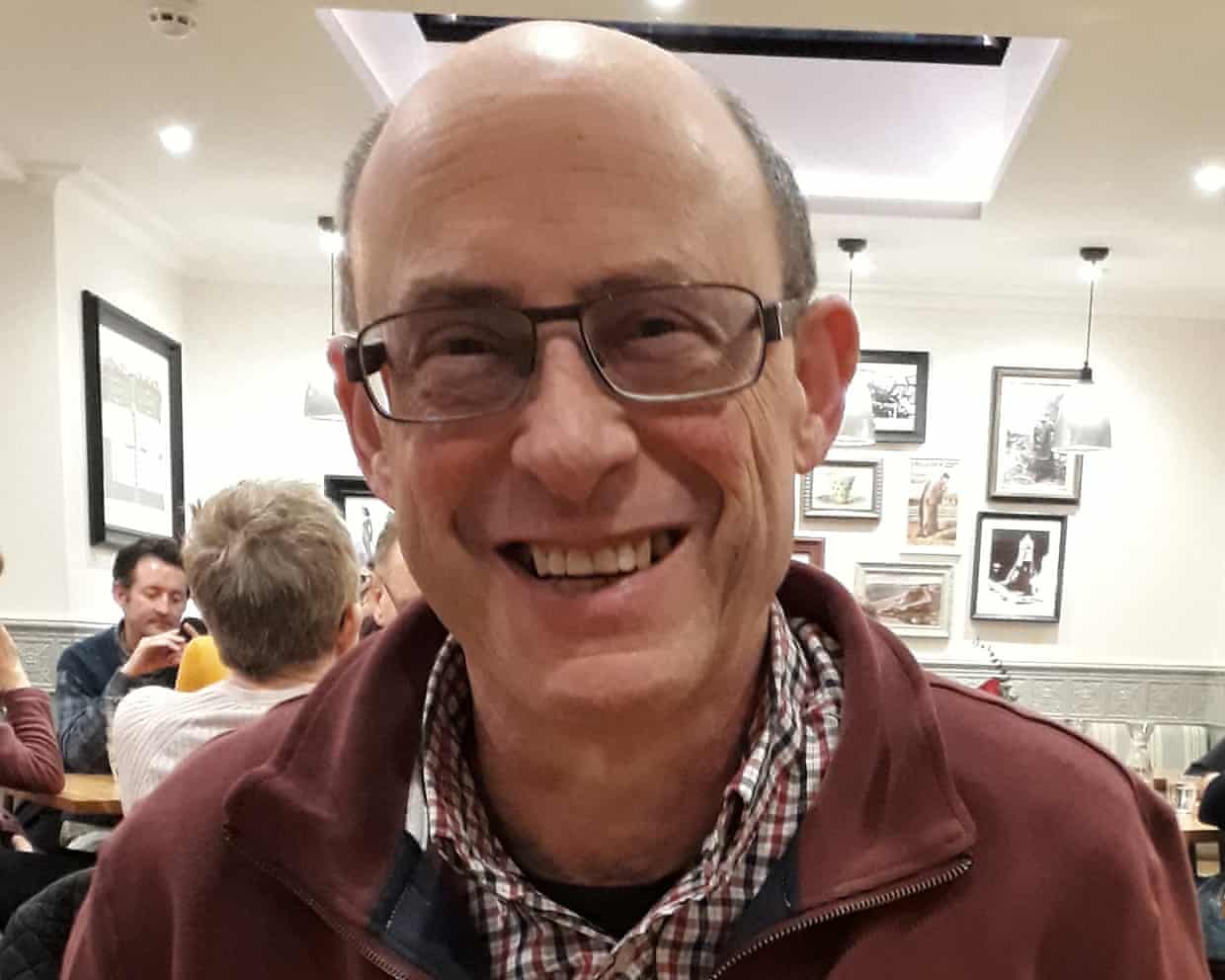
Warren Lakin obituary
My friend Warren Lakin, who has died of a respiratory tract infection aged 71, for many years promoted live shows and tours by comedians, singers, poets and public speakers, latterly with Lakin McCarthy Productions, the company he ran with Mike McCarthy. Among the performers he worked with were Barry Cryer, Susan Calman, Andy Hamilton, Robin Ince, Ruby Wax, Jon Ronson and – most notably – his partner Linda Smith.Warren met Linda in the early 1980s when they were founder members of the leftwing Sheffield Popular Theatre, which, as well as producing plays, also staged the cabaret nights in which Linda performed her first standup routines.Warren was with Linda throughout her comedy career and her time as a Radio 4 stalwart. After her death in 2006, he curated her legacy with the same kind of energy that made him such a successful promoter
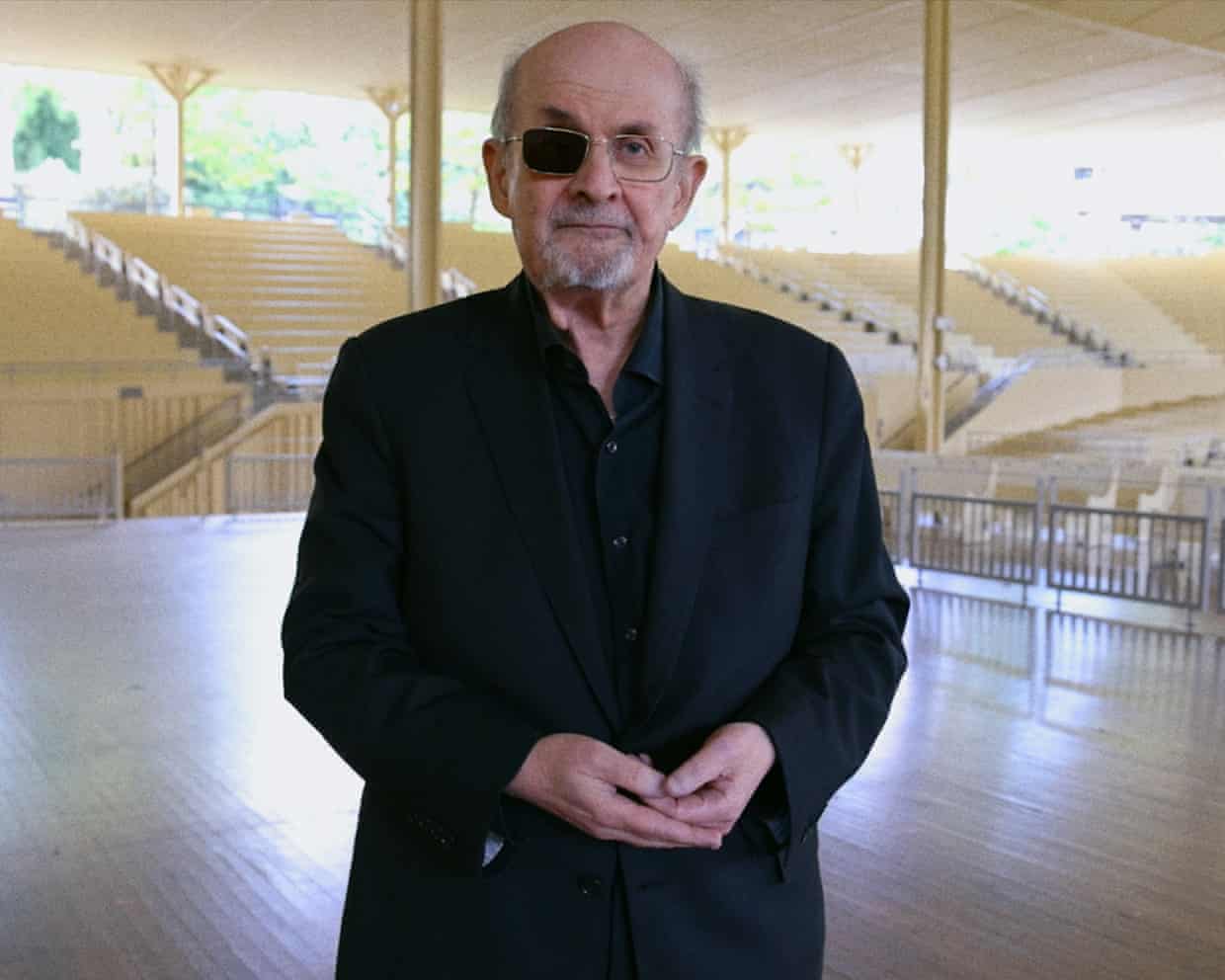
AI, Salman Rushdie and Elon Musk: the most anticipated documentaries of 2026
The landscape for nonfiction cinema is swift, fragile and constantly in flux in these absurd times; films we discuss now may not be released, and films we discuss a year from now may not even be the germ of an idea yet. But between the usual stable of celebrity retrospectives, music documentaries and the ongoing work to record the atrocities in Gaza, the documentary slate for 2026 already seems both full and promising. From the assassination attempt on Salman Rushdie to AI, a Billie Jean King retrospective to Elon Musk, here are 10 of the most hotly anticipated documentaries in 2026.In recent years, the Sundance film festival has become the premier destination for buzzy and/or prestige documentaries – three of the last five Oscar wins have gone to films that premiered in Utah, and the festival is now routinely alight with major celebrity retrospectives. Potentially combining both at the festival this year is Knife: The Attempted Murder of Salman Rushdie, film-maker Alex Gibney’s nonfiction adaptation of the writer’s bestselling memoir, which detailed the 2022 onstage assassination attempt that cost him his vision in one eye
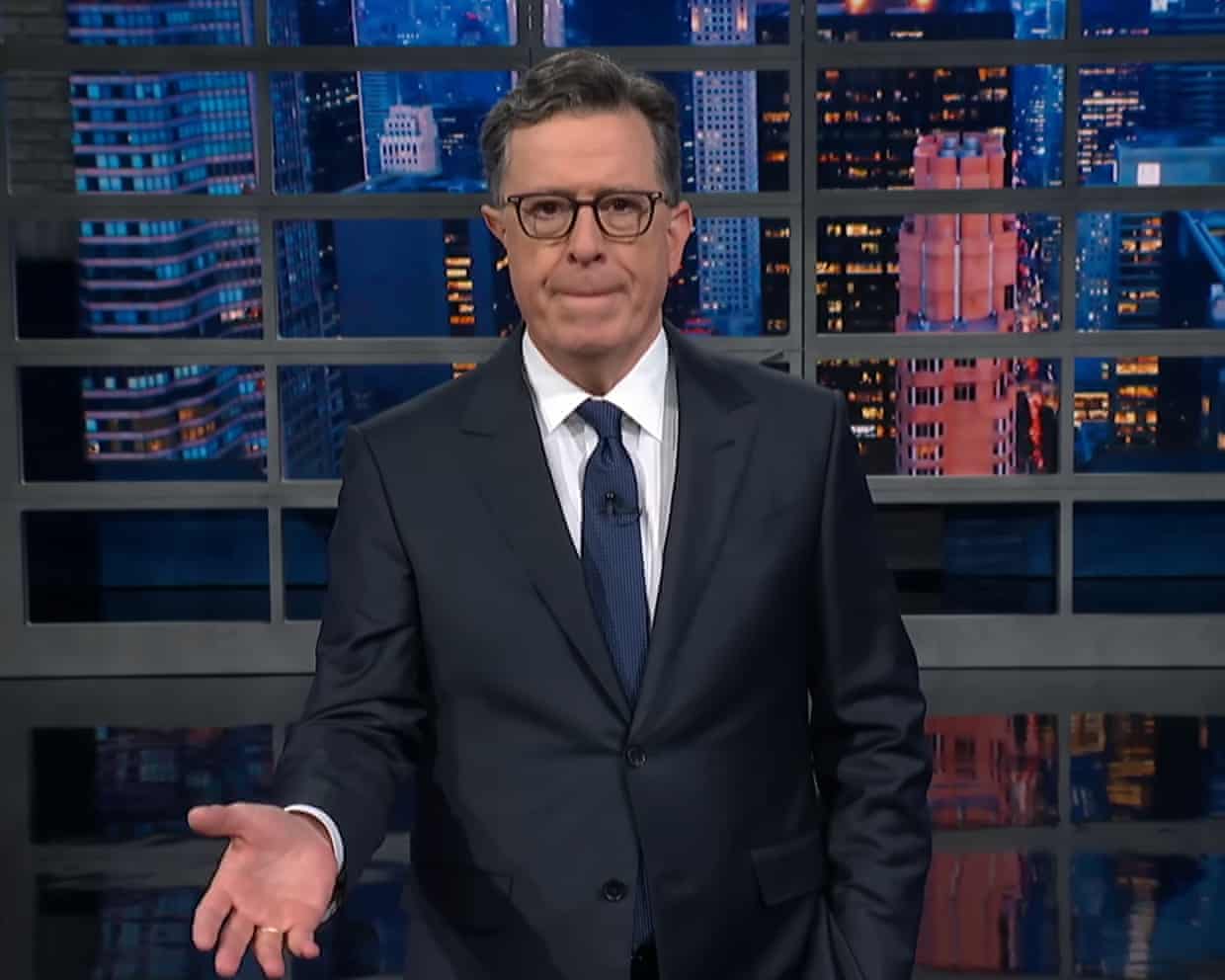
Stephen Colbert on ICE killing of Minnesota woman: ‘A senseless yet entirely predictable tragedy’
Late-night hosts expressed outrage over the fatal shooting of Renee Nicole Good by an Immigration and Customs Enforcement agency (ICE) officer in Minneapolis.Stephen Colbert opened Thursday’s Late Show on a somber note, following the killing of Good, a 37-year-old mother of three, by an ICE agent in Minneapolis on Wednesday morning. “It’s a senseless yet entirely predictable tragedy,” said Colbert. “And our hearts go out to Renee Good’s loved ones, friends and the community where it happened.“By now we’ve all seen the video,” he continued, referring to multiple videos shot by witnesses which show Good’s car appearing to turn away from the officer, who then fires shots into the side of her vehicle as she drove

Mark Hix’s recipe for roast pumpkin and pickled walnut salad

Premium peaches and luscious lychees: Australia’s best-value fruit and veg for January

How to turn excess hard veg into fridge-raid sauerkraut – recipe | Waste not
Hurrah for veganism and Victorian sewers | Letters

What can I use in vegetarian curries instead of coconut milk? | Kitchen aide

Kenji Morimoto’s recipe for root vegetable rösti with crisp chickpeas