Vetting process for Mandelson needed more awkward questions, expert says
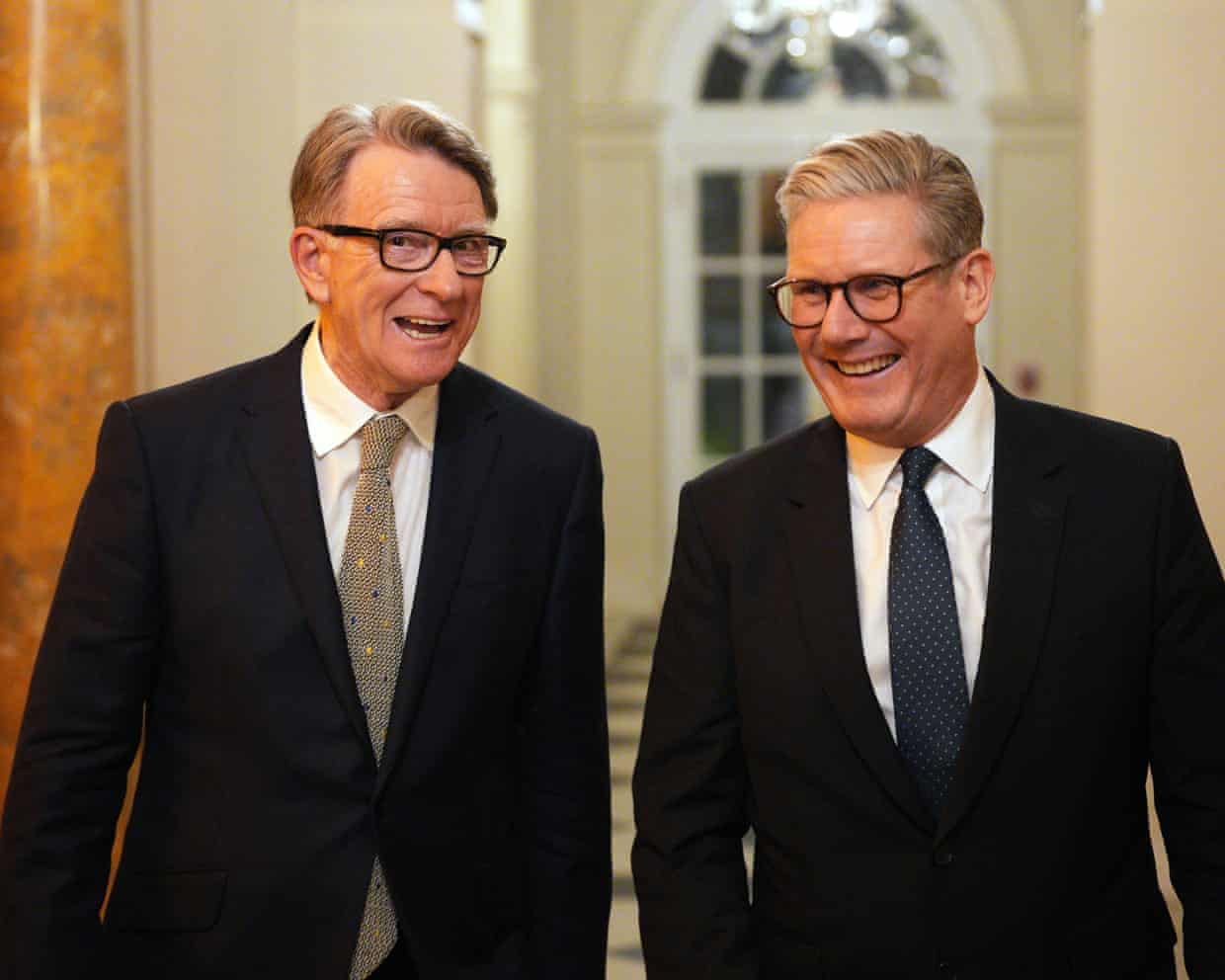
Downing Street cannot appoint politicians or business figures to senior diplomatic posts using the same security vetting it uses to check civil servants, a former national security adviser has said.Peter Ricketts said there had to be more “awkward questions” asked of a person such as Peter Mandelson than the system allows, given “all the baggage” of his three decades in politics and business.“For that person there must surely be an even more thorough process including detailed interviews with those who have known him/her well in their previous life.That will take time,” Lord Ricketts said.Other insiders familiar with the appointment process said Mandelson’s appointment was streamlined and the reality was that Downing Street “wanted Peter to be the answer”, with informal concerns brushed off.
One government adviser said they had raised the issue of Mandelson’s association with the Russian billionaire Oleg Deripaska from 2005 – but were told that he was considered “such a master of the dark arts” that it was necessary to appoint him.“Minds had already been made up,” they said.Mandelson’s appointment on 20 December 2024 was made subject to developed vetting clearance.It was completed in less than two months.No objections were made by MI5 or MI6, though their involvement in the process run by the Cabinet Office was limited to assessing if there were current issues of national security concern.
Mandelson’s friendship with Jeffrey Epstein had been well reported by the media.The fact the disgraced financier was a known sex offender, while recognised as serious, was not considered a national security matter on a par with terrorism or a hostile state threat.Nor had Mandelson been vetted before, because ministers are not subject to developed vetting.But it is required for ambassadors and other officials so they can read top secret material, and it is renewed every seven years.Developed vetting is conducted by a special unit, United Kingdom Security Vetting.
An individual must fill in a security questionnaire and submit financial information about themselves and anybody with whom they live or have shared financial liabilities.There is also a lengthy and intrusive interview in which civil servants are typically asked about their associations, sexual history and habits, use of pornography and drugs as well as their financial affairs.A candidate’s referee is also interviewed The process has been criticised for being insufficiently rigorous.Arthur Snell, a former UK high commissioner to Trinidad and Tobago, said the process, typically conducted by retired police officers, is not cross-checked beyond the referee, meaning candidates can lie and get away with it.“You can tell them ‘Oh I never touch drugs, I have very strong views about this’ whilst spending every Saturday night snorting away your salary and, as long as your referee is squared away, the vetters will never know,” he wrote this week.
Information about Mandelson’s Epstein links was collated as part of an initial due diligence report by the Cabinet Office, of which so far only a summary has been published in correspondence with parliament last year.It included “direct extracts from media reporting and notes a general reputational risk”, and a reference to a meeting between Tony Blair and Epstein facilitated by Mandelson that at that time had not been made public.The best public interest journalism relies on first-hand accounts from people in the know.If you have something to share on this subject, you can contact us confidentially using the following methods:The Guardian app has a tool to send tips about stories.Messages are end to end encrypted and concealed within the routine activity that every Guardian mobile app performs.
This prevents an observer from knowing that you are communicating with us at all, let alone what is being said.If you don’t already have the Guardian app, download it (iOS/Android) and go to the menu.Select ‘Secure Messaging’.Our guide at theguardian.com/tips lists several ways to contact us securely, and discusses the pros and cons of each.
Files relating to Epstein released by US authorities last month showed that Mandelson appeared to notify the financier in advance of an €500bn bailout being agreed during the financial crisis in 2010, and that three payments of $25,000 were apparently made to Mandelson between 2003 and 2004,Mandelson said he did not recall receiving those sums,Mandelson’s appointment was unusual because it was made directly by Downing Street, a rare measure used for a handful of diplomatic postings in the past decade, including that of Ed Llewellyn, David Cameron’s former chief of staff, to the post of UK ambassador to France in 2016,One person familiar with the process said it had been streamlined, without being considered by a normal civil service appointments panel, which includes outsiders,The prime minister “could have run an interview process, with external people, testing Mandelson and his history properly, but he didn’t do that”, they said.
Last week Keir Starmer said the security vetting processes needed “to be looked at again” because it had not uncovered the “depth and darkness” of ties between Mandelson and Epstein.Other allies such as Steve Reed, the housing secretary, said the spy agencies should have come up with “more information”.Ricketts said: “There is a real difference between the vetting needed for a professional diplomat who comes to a top job with 30 years of regular vetting and annual staff appraisals – a known quantity – and someone who comes after 30 years in politics or business, with the associated baggage.”
Heraskevych’s ‘helmet of memory’ forces IOC into PR fiasco at Winter Olympics | Sean Ingle
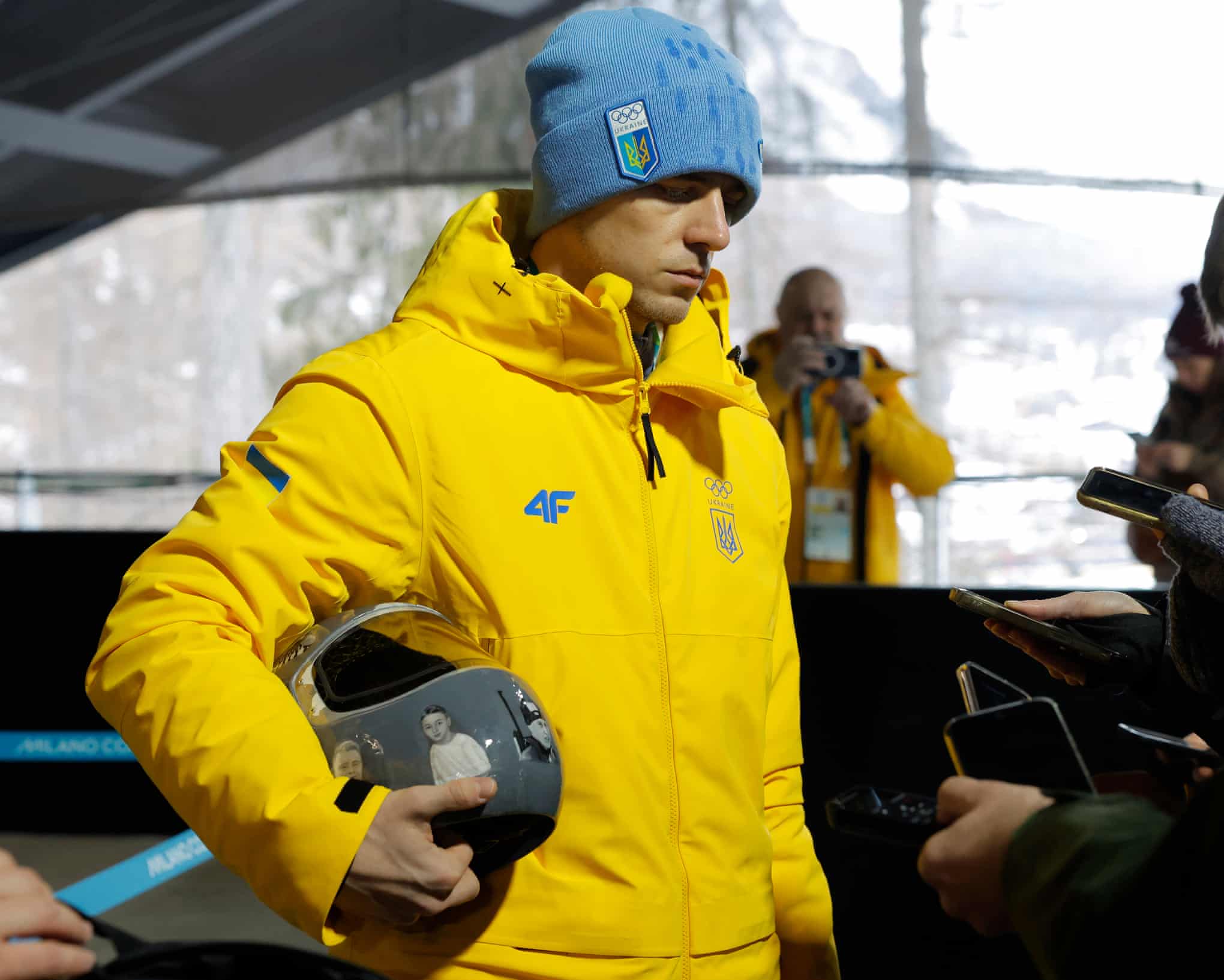
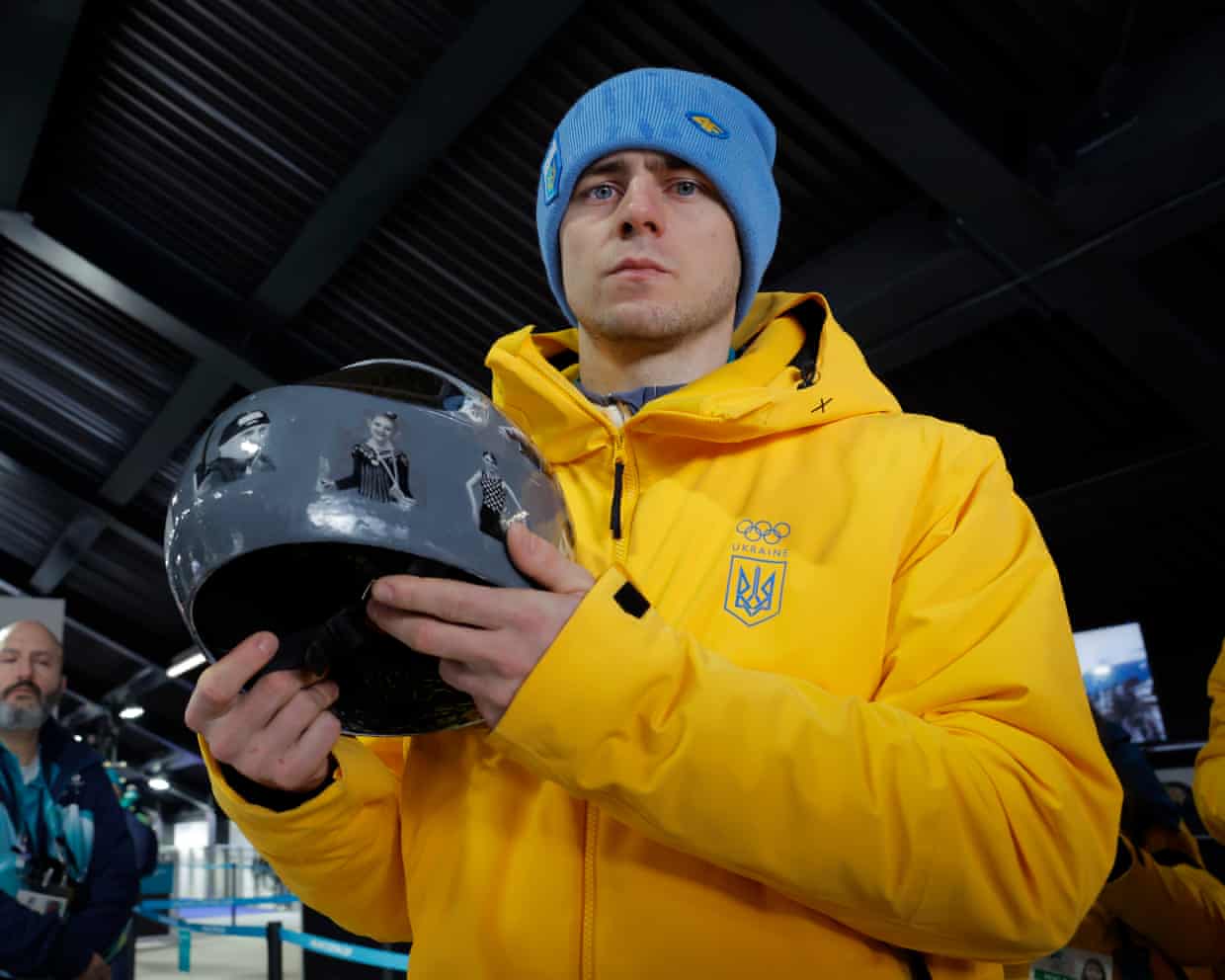
Skeleton racer sacrificed his dream of winning a medal and succeeded in putting the horrors of the war in Ukraine back on the agendaTo be an Olympic-class skeleton racer requires extraordinary guts and impeccable nerve, as the corners loom and then whoosh past at frightening speed. So did anybody really believe that Ukraine’s Vladyslav Heraskevych would lose his when the world’s eyes were upon him?Not the International Olympic Committee, who flipped between threats of expulsion and sweet talk over the past fortnight, without coming close to changing his mind. And certainly not those of us who have spoken and messaged Heraskevych, and found a man utterly prepared to sacrifice his dream of winning a Winter Olympic medal for a higher purpose.In public and private his message was the same: he would not back down. And if the IOC barred from competing in his “helmet of memory”, which commemorates some of the 600 Ukrainian athletes and coaches killed by Russian bombs and bullets since 2022, he would accept his fate
‘It’s emptiness’: banned Ukrainian athlete accuses IOC of fuelling Russia’s propaganda
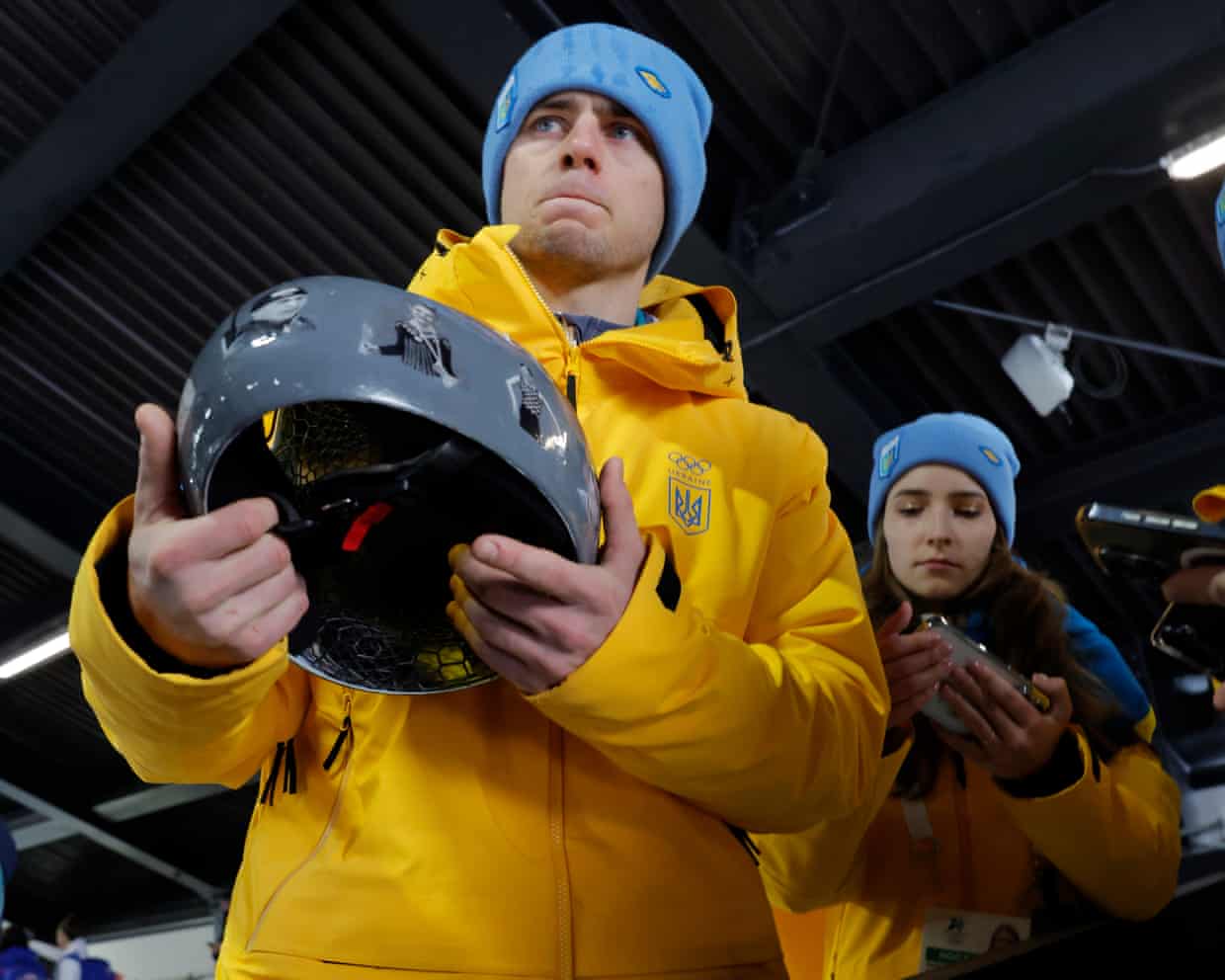
Vladyslav Heraskevych has accused the International Olympic Committee of doing Russia’s propaganda for them after he was barred from racing in the Winter Games because he wanted to wear a “helmet of memory” in honour of Ukraine’s war dead.In one of the most controversial decisions in recent Olympic history, the Ukrainian skeleton racer was informed only minutes before he was due to compete that his accreditation had been rescinded.It followed a last-ditch meeting in Cortina on Thursday morning with the IOC’s president, Kirsty Coventry, who left in tears after she failed to persuade Heraskevych to change his mind.The IOC has maintained all week that the helmet, which shows the images of 24 athletes and children that died from Russia’s invasion of Ukraine, violates its athletes’ charter because the field of play must be free from political expression.However Heraskevych, who had a genuine chance of winning Ukraine’s first medal at these Winter Olympics, has insisted that the helmet is an act of remembrance for the friends he has lost and that it would be a “betrayal” to back down
Move over Pommel Horse Guy: USA’s Curling Rambo becomes cult hero of Winter Olympics
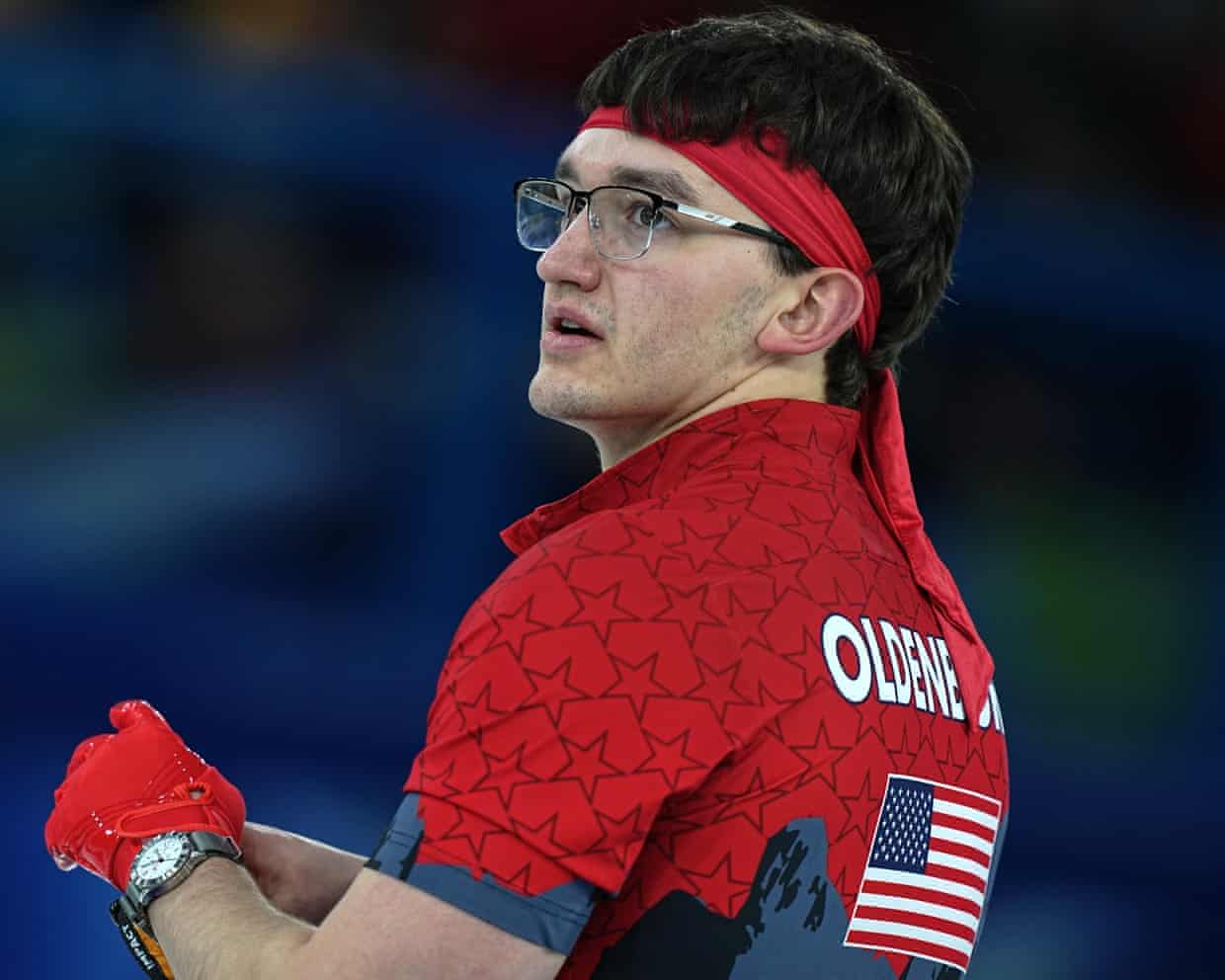
At Paris 2024, the US had Pommel Horse Guy. At these Winter Olympics, the Americans have a new cult hero: Curling Rambo.Aidan Oldenburg, a member of the US men’s curling team, has attracted attention for his glasses, thick thatch of hair and red bandana. His appeal as an unlikely hero has drawn comparisons with Stephen Nedoroscik, USA’s bespectacled, Rubik’s Cube-solving gymnastics hero who won two bronze medals at the Paris Olympics.Like Nedoroscik, the 24-year-old Oldenburg has hobbies away from his sport
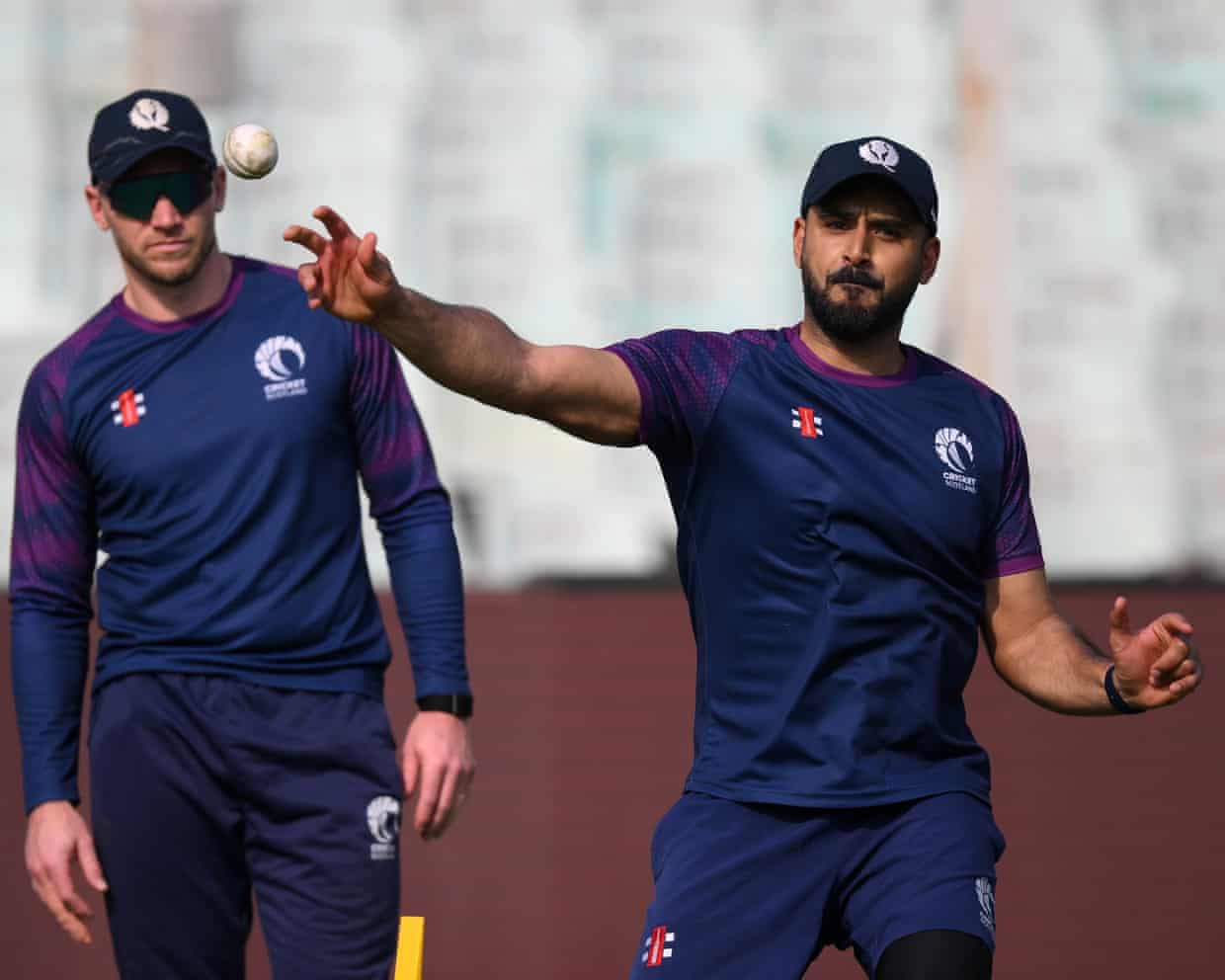
‘If they’re a chef short, I’ll fill that role’: Safyaan Sharif ready to cook up T20 World Cup shock
It is fair to say that England’s first two games at the T20 World Cup have not inspired much confidence – unless you’re one of their future opponents. For Scotland, last-minute call-ups after the decision to banish Bangladesh from the tournament last month, English travails have put some extra pep in their step ahead of the now-crucial Group C clash in Kolkata on Saturday.“Definitely,” says the seamer Safyaan Sharif. “They’ll be feeling pressure because they know they have to win if they want to qualify. Obviously that’s the same with us, but I don’t think we have too much to lose
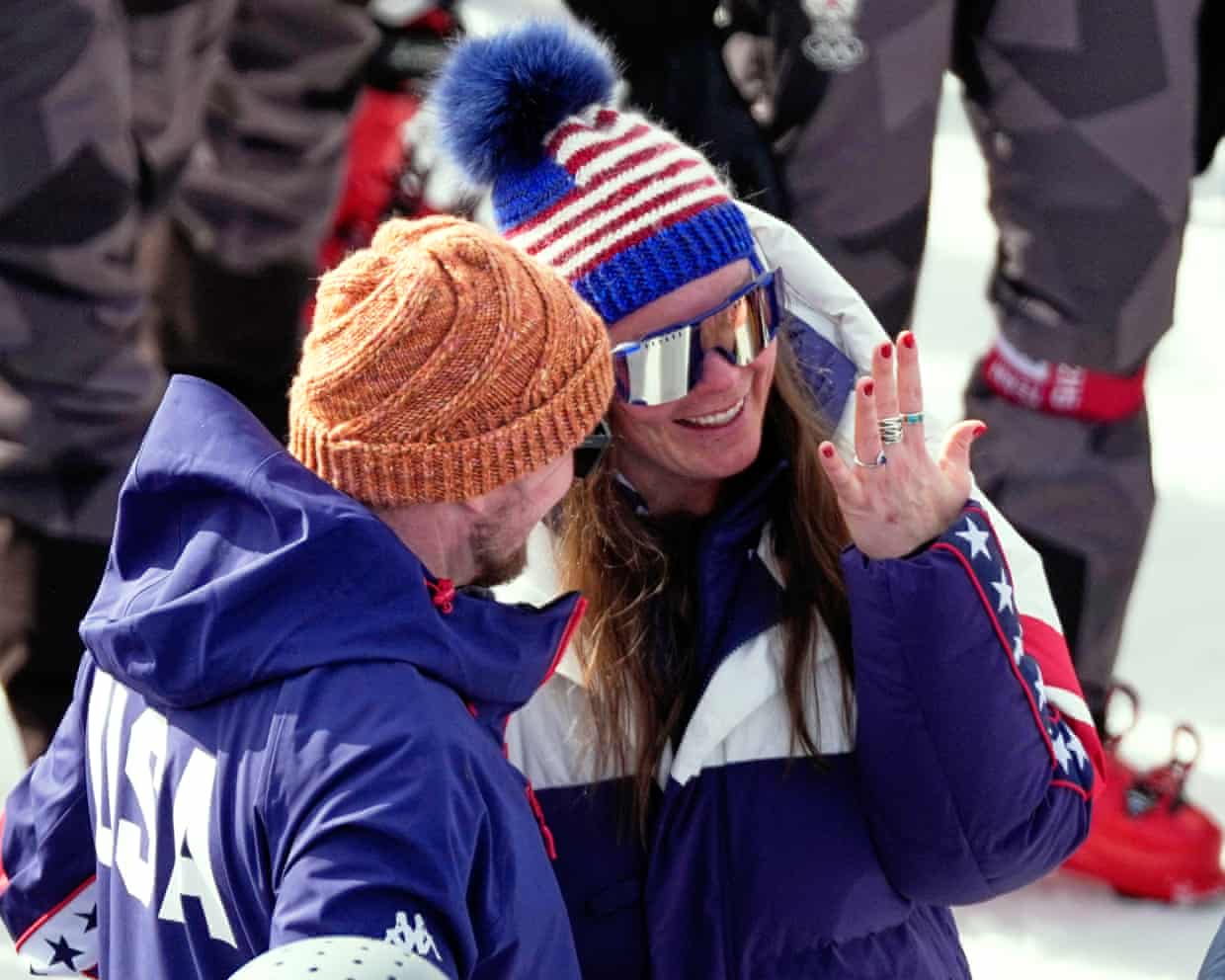
Olympic champion Breezy Johnson crashes out of super-G then gets engaged at end of course
Olympic downhill champion Breezy Johnson didn’t add to her medal haul during the women’s super-G on Thursday, but she left Tofane with something precious anyway: an engagement ring.Johnson, who won gold on Sunday in the downhill, crashed out of the super-G after she clipped a gate with one of her poles, sending her tumbling into the safety fence. However, there was some consolation: her boyfriend, Connor Watkins, proposed to her near the finish line. Surrounded by members of the US Ski Team, Johnson said “Yes!” and the two embraced.Johnson said she had an idea Watkins would propose, although the exact location and timing was still a surprise
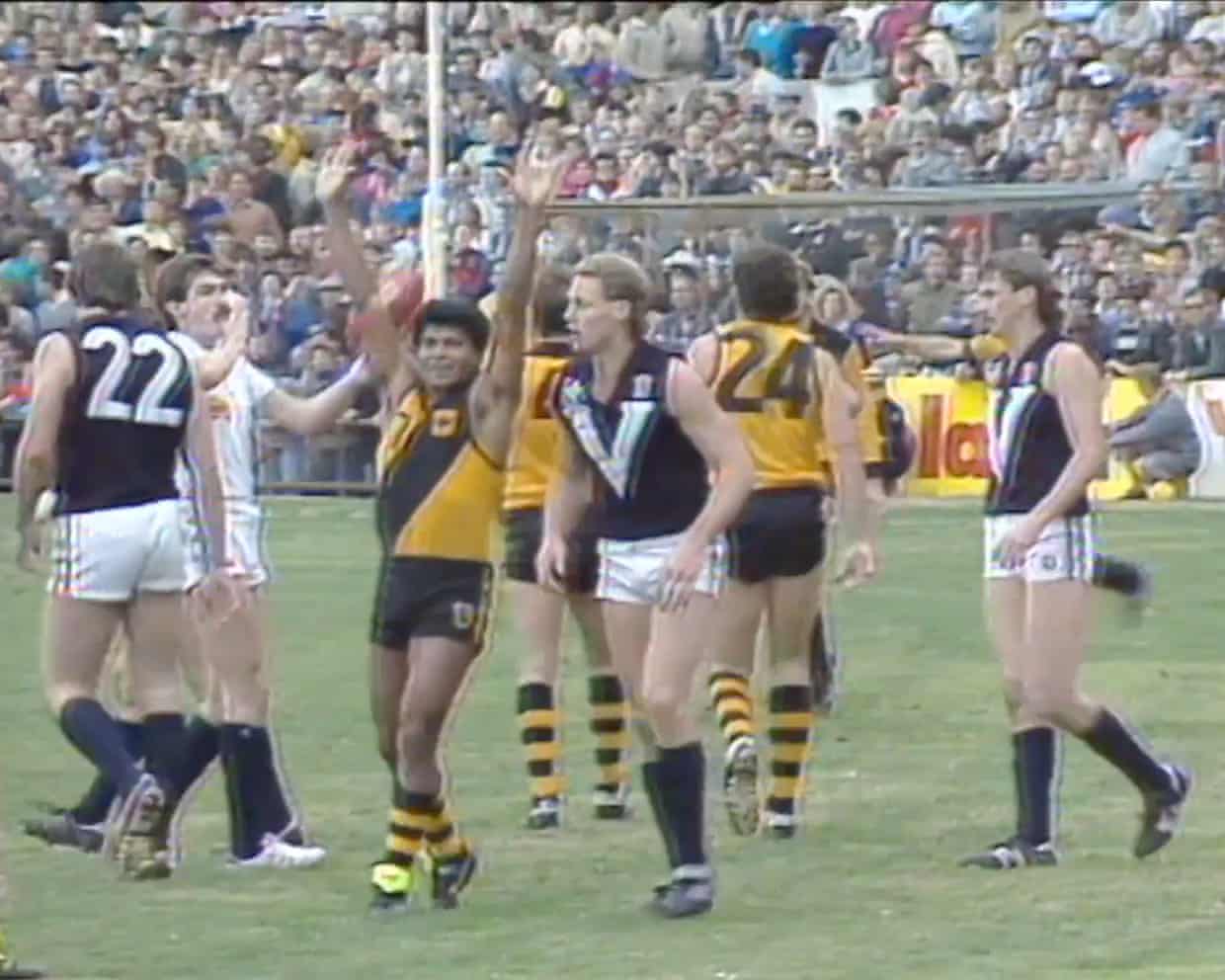
Victoria and WA shook the foundations as Origin hit a peak that it will never reach again | Brendan Foster
When a late snap from Gary Buckenara put Western Australia ahead of Victoria in the 1986 State of Origin game, I feared the stands at Subiaco Oval were about to collapse under the weight of the thunderous thumping of rapturous fans.Almost 40,000 supporters squeezed into the ageing Soviet-style concrete stadium on a Tuesday afternoon in July to watch the Sandgropers take on the Big V in what is widely regarded as one of the greatest interstate football matches.Maybe it was because the ground was bulging at the seams with thousands of jittery, sugar-fuelled school kids and slightly sloshed Sandgropers, whose bosses had turned a blind eye to their midweek sickies – but I’ve never experienced an atmosphere like it.There was a chaotic, Colosseum-like frenzy to the noise, without the gladiators or the lions. (If you think I’m dishing up a decent serving of hyperbolic hogwash, watch the last quarter to see why the game remains timeless
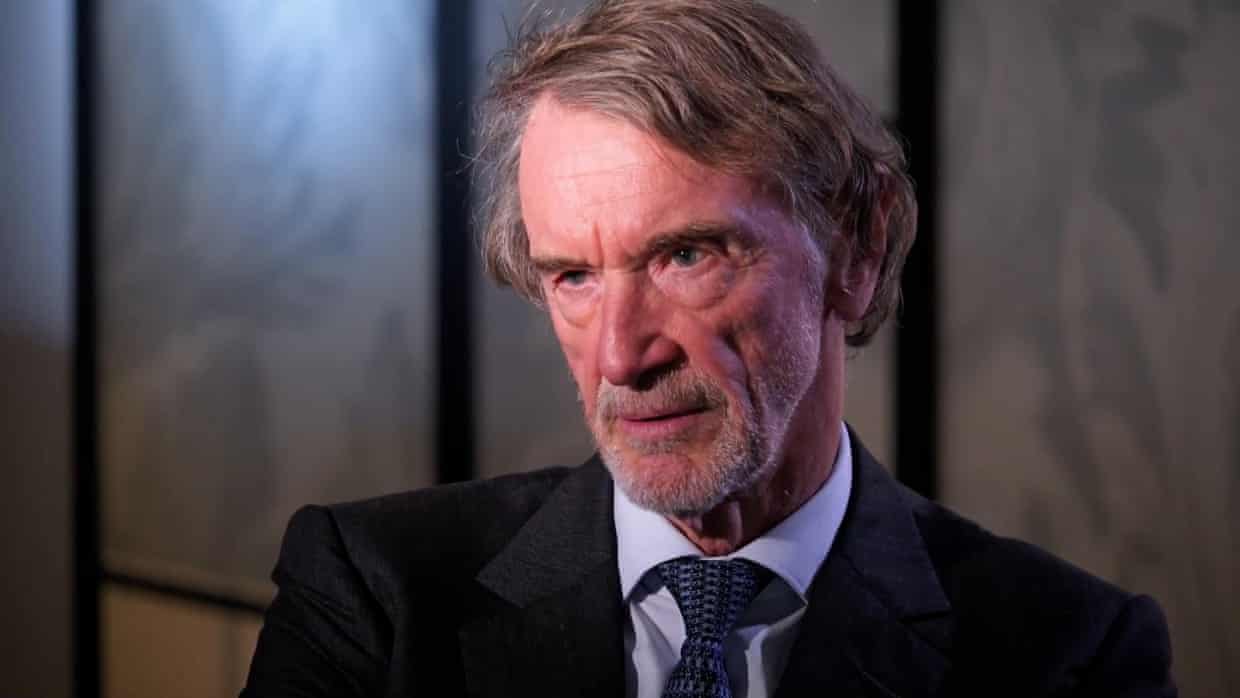
Jim Ratcliffe apologises for ‘choice of language’ after saying immigrants ‘colonising’ UK
To revive manufacturing we must first change attitudes towards labour | Letter

How to deal with the “Claude crash”: Relx should keep buying back shares, then buy more | Nils Pratley
Share values of property services firms tumble over fears of AI disruption
Winter Olympics: Chloe Kim goes for gold in women’s snowboard halfpipe – live
Winter Olympics 2026: Ukrainian athlete kicked out over helmet tribute, Lollobrigida claims dramatic speed skating gold – live