How the Downing Street machine ensured Starmer survived to fight another day
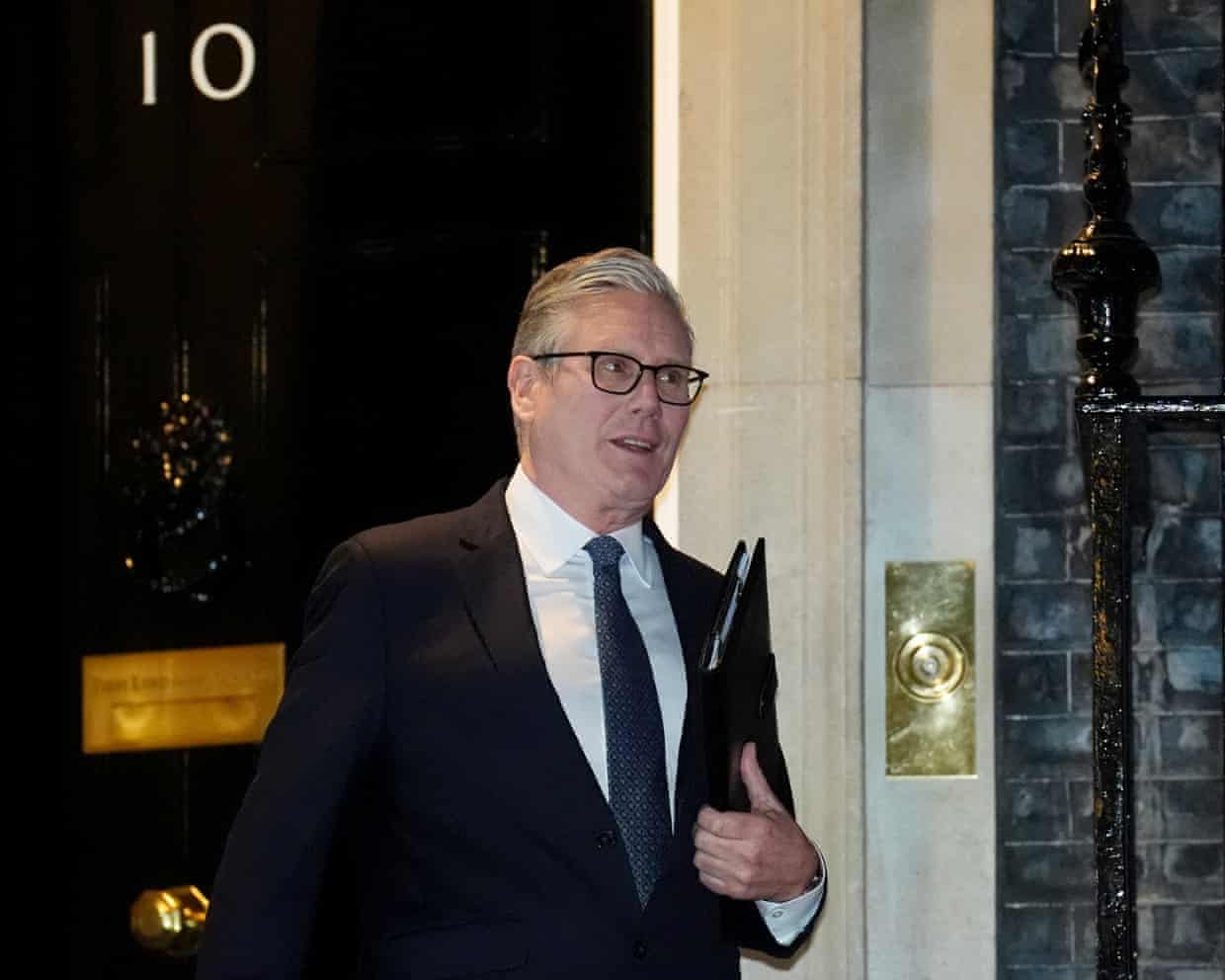
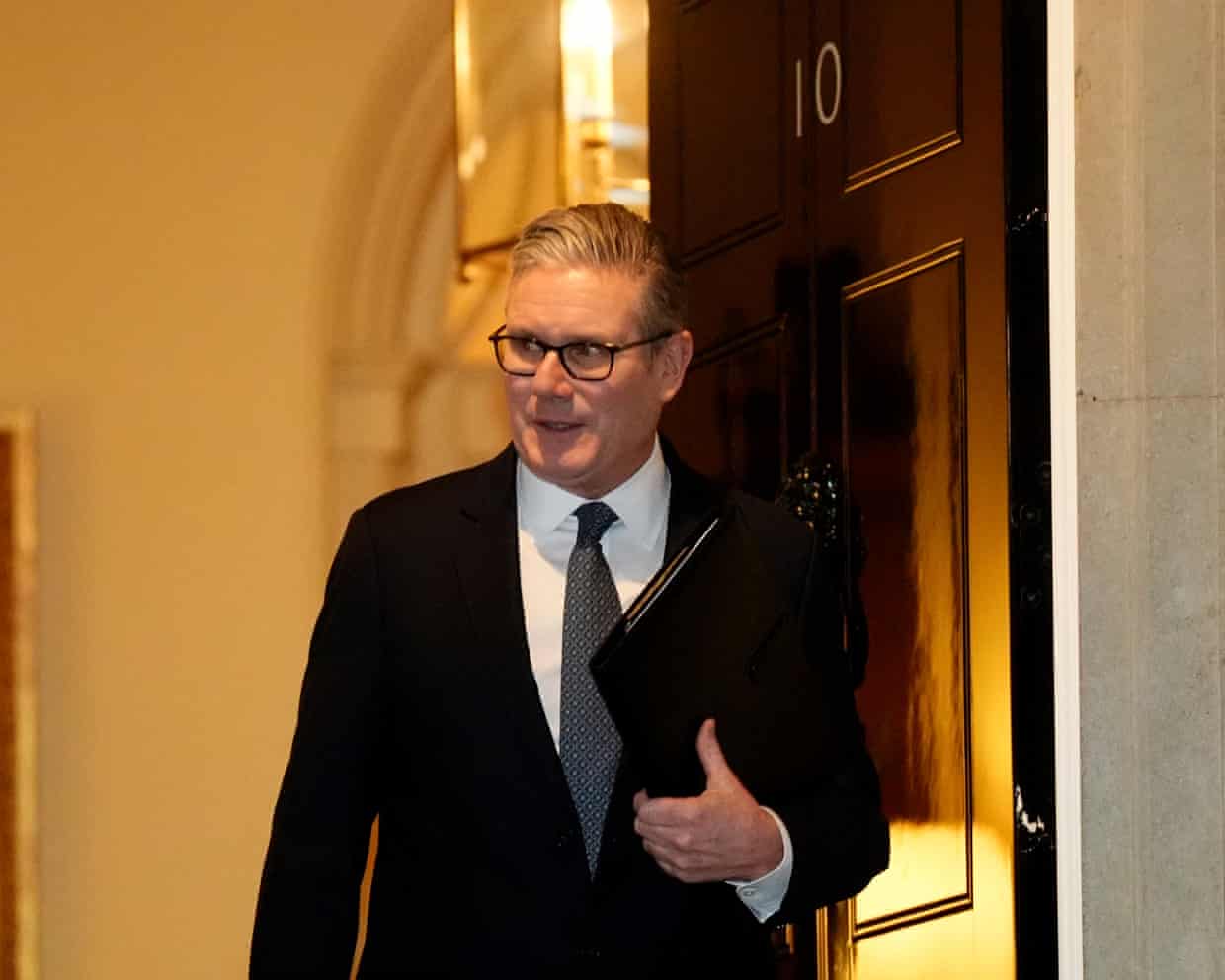
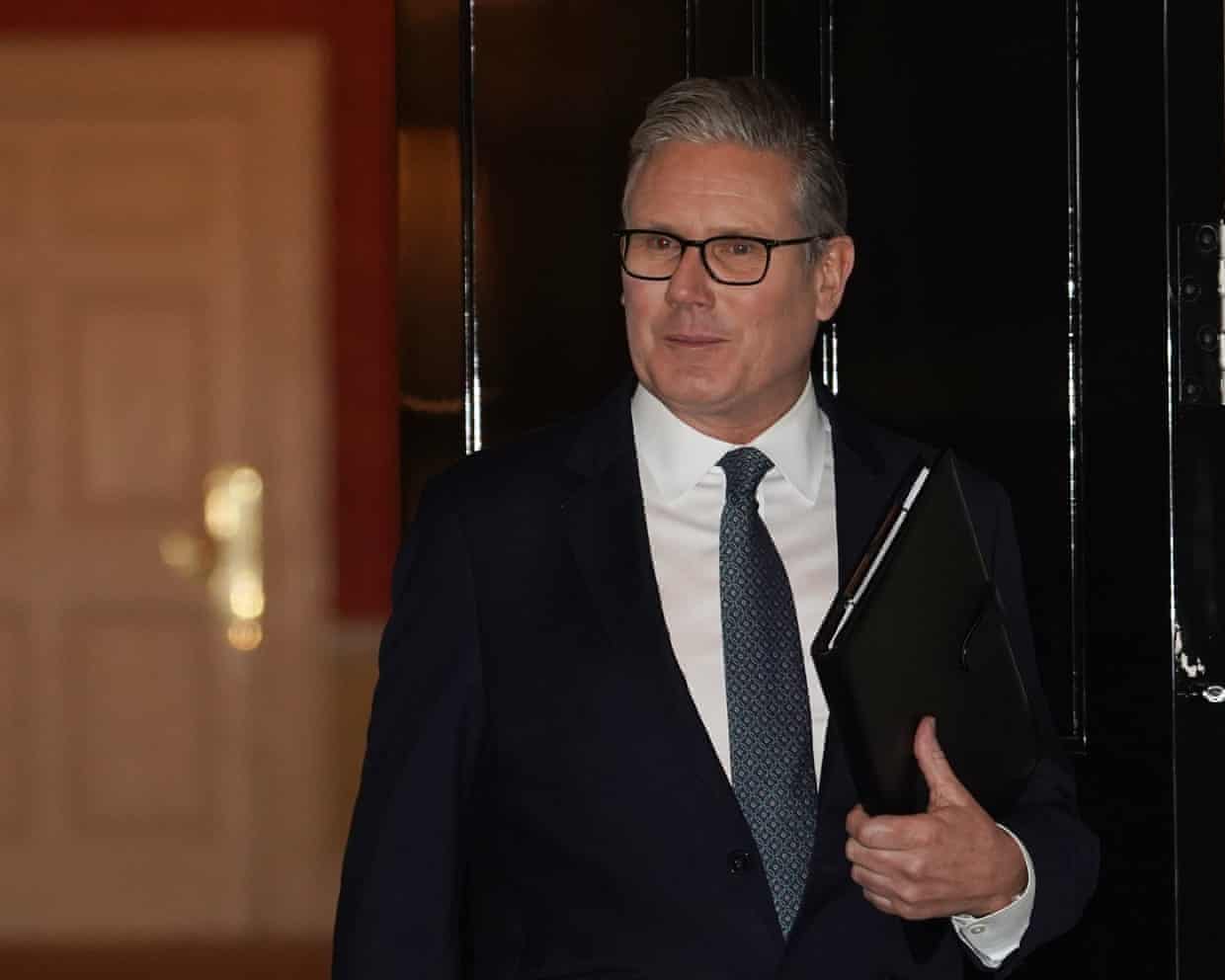
At about 1.30pm on Monday, Downing Street officials feared the worst.Anas Sarwar, the Scottish Labour leader, had announced an impromptu press conference at which he was expected to call for Keir Starmer to stand down, and those close to the PM were worried senior ministers would soon follow suit.What followed was three hours of frenetic activity as a group of about 10 ministers and officials at the top of government hit the phones in a desperate – and ultimately successful – attempt to shore up the prime minister’s position.It was Downing Street’s first test without Starmer’s former chief of staff Morgan McSweeney, whose resignation on Sunday arguably precipitated Monday’s chaotic events.
Those who were part of the operation say the new team proved it could thrive even without the man who has been at the prime minister’s side since he became Labour leader.“It was swift, organised and united,” said one government insider.“It was an excellent operation by some really excellent operators,” said another.The drama of the last few days began on Friday as McSweeney flew home to Scotland after a turbulent week during which it had become clear how close his mentor Peter Mandelson had been to the late child sex offender Jeffrey Epstein.Throughout the week Starmer had insisted his chief of staff was going nowhere.
“Morgan McSweeney is an essential part of my team,” he said at prime minister’s questions on Wednesday.“He helped me change the Labour party and win an election.Of course I have confidence in him.”But by the weekend, with Mandelson under investigation by the police, McSweeney was having doubts about whether he should stay, according to those close to him.Over the weekend the prime minister kept in regular touch with his chief of staff while others in London advised him on the best path out of the Mandelson scandal.
One of them was Richard Hermer, the attorney general who has known Starmer since they worked as barristers at Doughty Street Chambers in the early 2000s.One government source said Hermer’s advice had been key in persuading the prime minister to accept the departure of the man who helped elect him Labour leader and put him in Downing Street.One Hermer ally, however, denied that his had been an “important role”.After several phone calls between Starmer and McSweeney, the chief of staff decided he was not getting the backing he needed to carry on in his role, and so decided to resign.His friends were dismayed, accusing the prime minister of allowing McSweeney to take the blame for a decision made by various people.
The group of people who knew any of this was kept extremely small.Hours before McSweeney announced his departure, the work and pensions secretary, Pat McFadden, told the BBC the resignation would not “make any difference at all”.Downing Street staff were only shown McSweeney’s resignation statement a minute before it was sent to reporters.No 10 staff came into work on Monday morning unsure of how the operation would run given the departure of the second most important person in the building.Late on Sunday evening, Starmer had appointed McSweeney’s two deputies, Jill Cuthbertson and Vidhya Alakeson, as his temporary replacements.
The fact that both were given “acting” titles, however, meant several others were jostling for position in the expectation that they could get the job in the long term,But the new operation was put to the test far sooner than anyone expected,Just before 11am, Starmer’s director of communications, Tim Allan, announced he was following McSweeney out of the door, with reporters once again notified at the same time as Downing Street staff,Starmer did not mention this at a staff meeting at 10am, sources say, because it had not yet been made official,As officials began processing Allan’s departure, it became clear Sarwar was going to make a major intervention.
At around 12.45pm, he announced an unexpected press conference in Glasgow.He confirmed in a call with Starmer that he would use it to call for his departure.Downing Street officials started making calls.Led by Cuthbertson and Amy Richards, Starmer’s political director, his aides began calling ministers to gauge their loyalty, beginning at cabinet level.
Ministers were given a form of words they should use to make their support clear.Stuart Ingham, Starmer’s director of strategic interventions, and Sophie Nazemi, his press secretary, pitched in.Jonathan Reynolds, the chief whip, David Lammy, the justice secretary, and Rachel Reeves, the chancellor, added some cabinet heft to the operation.Varun Chandra, Starmer’s business adviser, began speaking to business leaders to talk about how disruptive a change of prime minister could be for the UK economy.One business leader said: “The last thing we need at the moment is the chaos of a leadership election or uncertainty about who is going to be our prime minister.
The UK has just about got things under control and the world stage is a turbulent place.”Starmer’s advisers worried Sarwar’s announcement would be a prelude to resignations by other ministers, culminating in that of Wes Streeting, the health secretary, one of the prime minister’s most likely successors.Their concerns were not helped by the sight of Streeting dashing across the atrium of Portcullis House, parliament’s modern annexe, followed by a period of silence from him on social media.Other senior ministers had begun posting their support for the prime minister, most of them focusing on the mandate he had won at the election less than two years ago and the importance of “delivering the change this country voted for”.Streeting, it turned out, had been recording an episode of the Electoral Dysfunction podcast for Sky News, during which he gave his own endorsement of the prime minister.
“Keir Starmer doesn’t need to resign,” he said.“Give Keir a chance.”Angela Rayner, another potential challenger, added her own support.“I urge all my colleagues to come together, remember our values and put them into practice as a team,” she posted on X.In Downing Street, there was a collective sigh of relief.
The putsch had not arrived and the prime minister lived to fight another day.That evening, Starmer addressed a packed room of MPs in Westminster at a previously planned meeting of the parliamentary Labour party.“I’ve won every fight I’ve been in,” he told them.“As I have breath in my body, I’ll be in that fight, on behalf of the country that I love and I believe in.” MPs leaving the room said they had been impressed with the prime minister’s emotional honesty - even if they were not sure how for long he could continue to win those fights.

Logitech MX Master 4 review: the best work mouse you can buy
Logitech’s latest productivity power-house updates one of the greatest mice of all time with smoother materials, a repair-friendly design and a haptic motor for phone-like vibrations on your desktop.The Guardian’s journalism is independent. We will earn a commission if you buy something through an affiliate link. Learn more.The MX Master 4 is the latest evolution in a line of pioneering mice that dates back more than 20 years and has long been the mouse to beat for everything but hardcore PC gaming

‘It felt hypocritical’: child internet safety campaign accused of censoring teenagers’ speeches
An internet safety campaign backed by US tech companies has been accused of censoring two teenagers they invited to speak out about the biggest issues facing children online.Childnet, a UK charity part-funded by companies including Snap, Roblox and Meta, edited out warnings from Lewis Swire and Saamya Ghai that social media addiction was an “imminent threat to our future” and obsessive scrolling was making people “sick”, according to a record of edits seen by the Guardian.Swire, then 17, from Edinburgh, and Ghai, then 14, from Buckinghamshire, had been asked to speak at an event to mark Safer Internet Day in 2024 in London in front of representatives from government, charities and tech companies.The tech-backed charity also edited out references to children feeling unable to stop using TikTok and Snap, social media exacerbating a “devastating epidemic” of isolation, and a passage questioning why people would want to spend years of their lives “scrolling TikTok and binge-watching Netflix”, the edits show.The 2026 iteration of the Childnet-run event takes place on Tuesday with more than 2,800 schools and colleges listed as supporters
‘I fell into it’: ex-criminal hackers urge Manchester pupils to use web skills for good
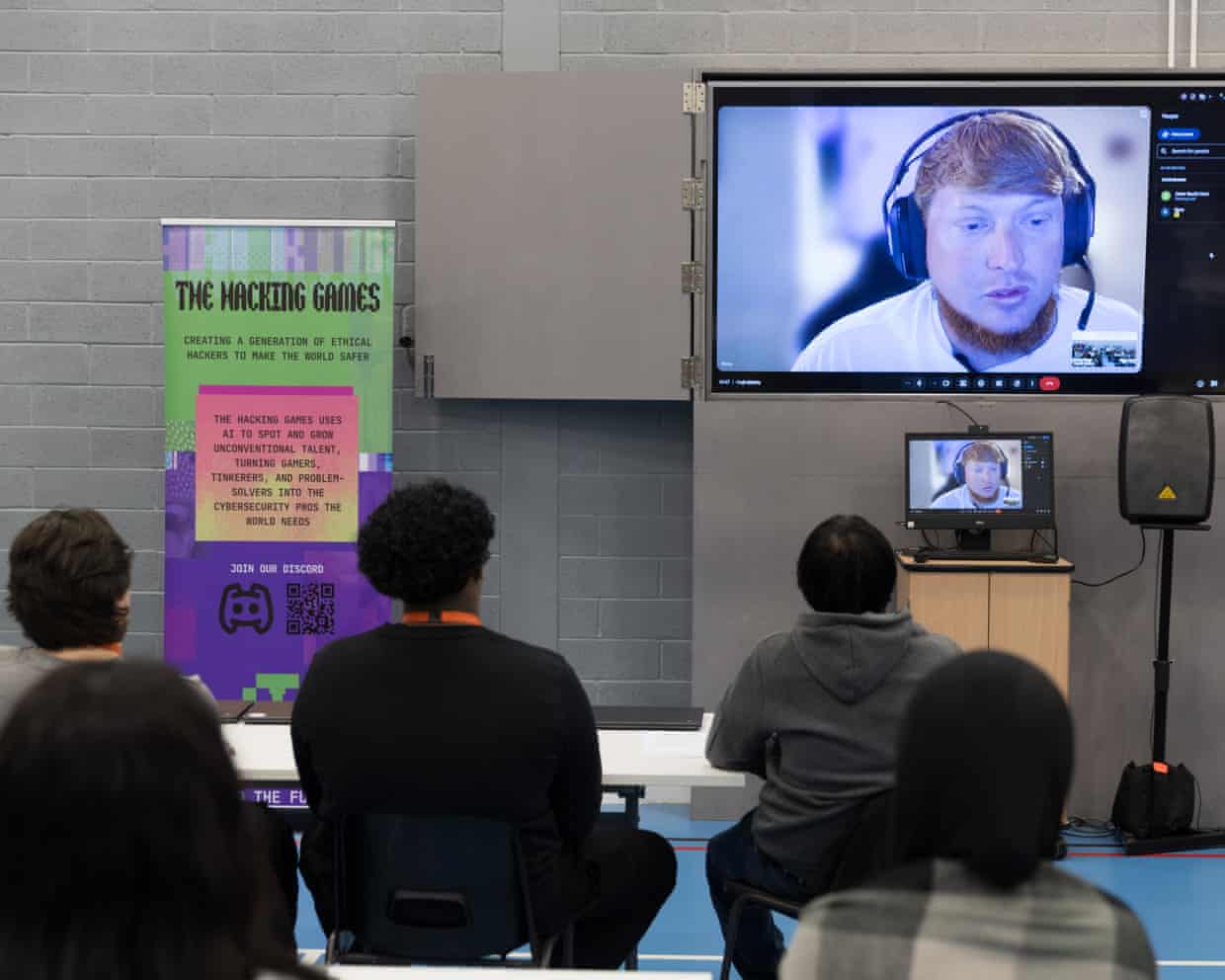
Cybercriminals, the shadowy online figures often depicted in Hollywood movies as hooded villains capable of wiping millions of pounds off the value of businesses at a keystroke, are not usually known for their candour.But in a sixth-form college in Manchester this week, two former hackers gave the young people gathered an honest appraisal of what living a life of internet crime really looks like.The teenagers in the room are listening intently, but the day-to-day internecine disputes they hear about is not the stuff of screenplays.“It’s just people getting into these online dramas and they’re swatting and doxing each other and getting people to throw bricks through their windows,” one of the hackers says.If the language sounds unfamiliar, it should – “swatting” and “doxing” involve people outing each other online by posting their genuine identities – but their message is clear: though cybercrime may seem alluring, the reality is anything but

Battle of the chatbots: Anthropic and OpenAI go head-to-head over ads in their AI products
The Seahawks and the Patriots aren’t the only ones gearing up for a fight.AI rivals Anthropic and OpenAI have launched a war of ads trying to court corporate America during one of the biggest entertainment nights of the year.Ahead of the Super Bowl, Anthropic has launched a series of ads going hard at its rival.For the scrawny 23-year-old who wants a six-pack, a ripped older man who is supposed to depict a chatbot suggests insoles that “help short kings stand tall” because “confidence isn’t just built in the gym”. And for the man trying to improve communication with his mom: his therapist prescribes “a mature dating site that connects sensitive cubs with roaring cougars” in case he can’t fix that relationship

Why has Elon Musk merged his rocket company with his AI startup?
The acquisition of xAI by SpaceX is a typical Elon Musk deal: big numbers backed by big ambition.As well as extending “the light of consciousness to the stars”, as Musk described it, the transaction creates a business worth $1.25tn (£920bn) by combining Musk’s rocket company with his artificial intelligence startup. It values SpaceX at $1tn and xAI at $250bn, with a stock market flotation expected in June to time with Musk’s birthday and a planetary alignment.However, there are questions over the deal, such as whether it is good for SpaceX’s non-Musk shareholders and whether the technological premise behind it can succeed
Victims urge tougher action on deepfake abuse as new law comes into force
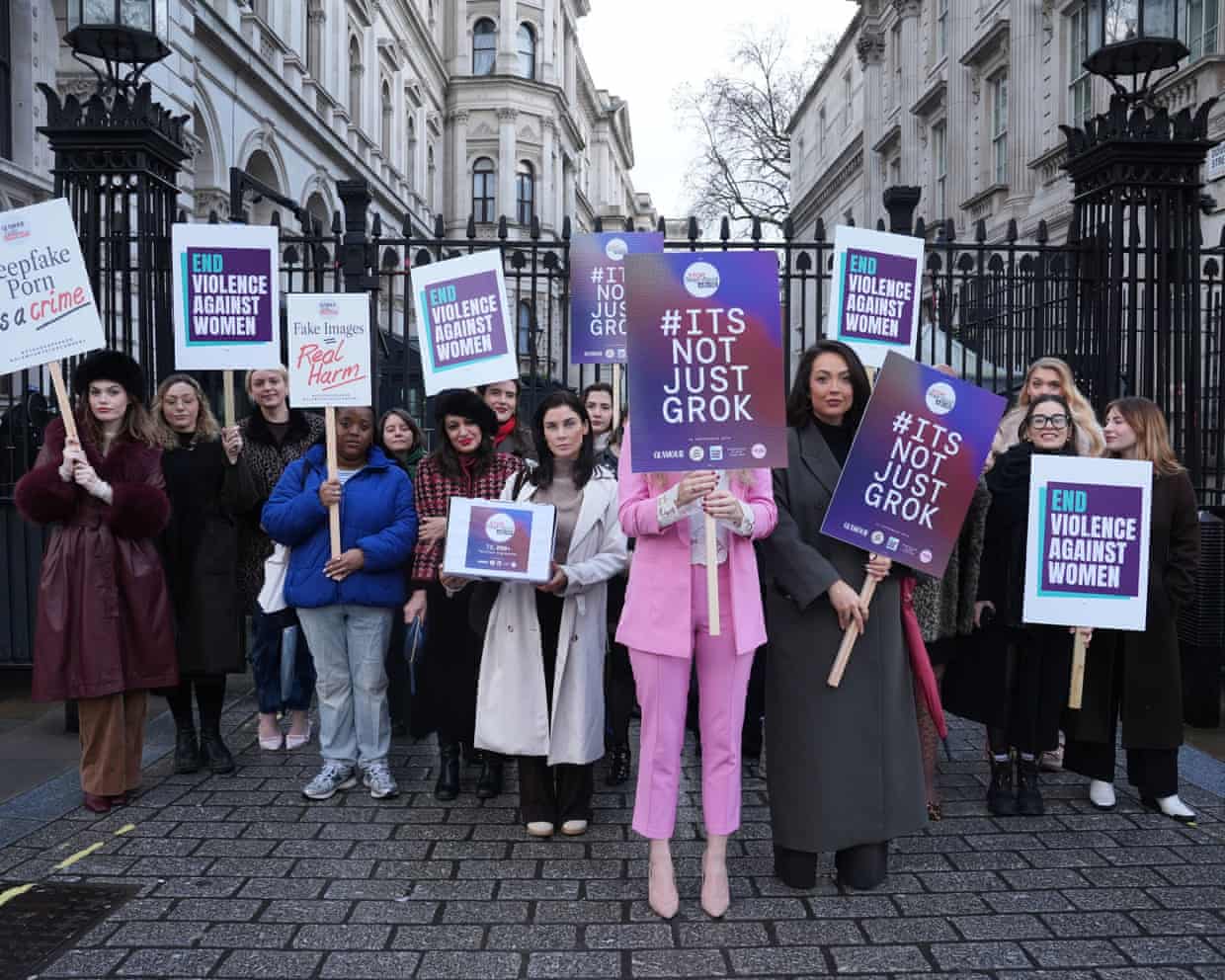
Victims of deepfake image abuse have called for stronger protection against AI-generated explicit images, as the law criminalising the creation of non-consensual intimate images comes into effect.Campaigners from Stop Image-Based Abuse delivered a petition to Downing Street with more than 73,000 signatures, urging the government to introduce civil routes to justice such as takedown orders for abusive imagery on platforms and devices.“Today’s a really momentous day,” said Jodie, a victim of deepfake abuse who uses a pseudonym.“We’re really pleased the government has put these amendments into law that will definitely protect more women and girls. They were hard-fought victories by campaigners, particularly the consent-based element of it,” she added
Tell us: do you live in a Reform run council or mayoral authority?
How the Downing Street machine ensured Starmer survived to fight another day
‘Keir Starmer doesn’t do anything but U-turns’: the bleak mood in Makerfield
Labour soft left urges Starmer to reshuffle cabinet to end infighting
Starmer tells Labour MPs he is ‘not prepared to walk away’ after call for him to resign – as it happened
Keir Starmer says he is ‘not prepared to walk away’ after call for resignation