A costly lesson for Labour in Caerphilly | Letters

The most worrying factor in the devastating result for Labour in Caerphilly is that its roots stretch further back than the election of Keir Starmer’s government in 2024.According to YouGov, in 2019, 52% of the electorate under the age of 40 voted for a Labour party led by Jeremy Corbyn.This is not because they were “looney lefties”, but because they were likely seeking something to deal with the “British crisis” that you identify in your editorial (The Guardian view on the Caerphilly byelection: Labour’s collapse in its Welsh heartland signals a wider loss, 24 October).The populism of Corbynism was not the answer to the country’s malaise, but rather a symptom of it.Nigel Farage realised this, and until those controlling the direction of Labour do likewise, its decline will continue.
Colin BurkeCartmel, Cumbria You appear to have assumed that because Reform didn’t win in Caerphilly that immigration must not have been an important issue.In fact, there are many voters for whom immigration is important but who reject the xenophobia of Reform UK, the Tories and Labour.This would seem to be just as plausible an explanation for both Reform’s failure to win and the collapse in support for Labour.Daniel OwenTorrington, Devon The prime minister’s advisers will doubtless react to the Caerphilly result with more of the same Reform-lite policies that have caused support for the government to crash.A reset is needed, including no more back-room deals with property developers and lobbyists, respect for environmental concerns, democratic oversight of infrastructure development, restoration of our protest rights and a halt to City deregulation.
Above all, Labour should put the country above petty party tribalism and work with others to agree a liberal consensus against the dangers of the far right and big tech.Paul KeelingWelling, Kent Given the Reform UK leader’s habit of disappearing from view whenever an election result doesn’t go his party’s way (Reform swaggered into Caerphilly, ready for a coronation.An unpleasant surprise lay in store, 24 October), should we start referring to him as Nigel Mirage?Tony MabbottRotherham, South Yorkshire Have an opinion on anything you’ve read in the Guardian today? Please email us your letter and it will be considered for publication in our letters section.

‘People thought I was a communist doing this as a non-profit’: is Wikipedia’s Jimmy Wales the last decent tech baron?
In an online landscape characterised by doom and division, the people’s encyclopedia stands out – a huge collective endeavour giving everyone free access to the sum of human knowledge. But with Elon Musk branding it ‘Wokipedia’ and AI looming large, can it survive?Wikipedia will be 25 years old in January. Jimmy Wales’s daughter will be 25 and three weeks. It’s not a coincidence: on Boxing Day 2000 Wales’s then wife, Christine, gave birth to a baby girl, but it quickly became clear that something wasn’t right. She had breathed in contaminated amniotic fluid, resulting in a life-threatening condition called meconium aspiration syndrome
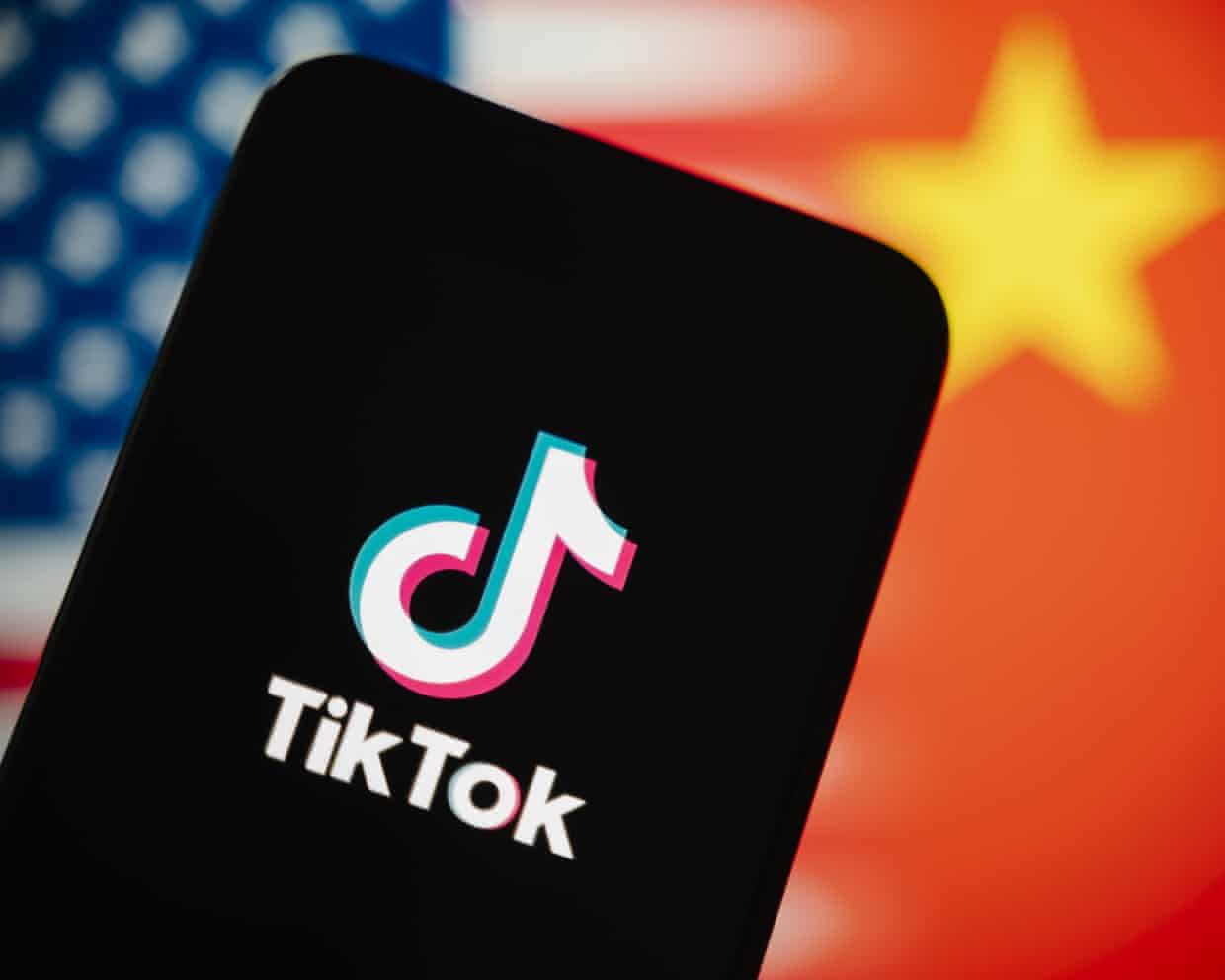
US and China reach ‘final deal’ on TikTok sale, treasury secretary says
The US treasury secretary, Scott Bessent, claimed on Sunday that the US and China have finalized the details of a deal transferring TikTok’s US version to new owners.“We reached a final deal on TikTok,” Bessent said on Sunday on CBS’s Face the Nation with Margaret Brennan. Alluding to Donald Trump and his Chinese counterpart, Xi Jinping, Bessent continued: “We reached [a deal] in Madrid, and I believe that as of today, all the details are ironed out, and that will be for the two leaders to consummate that transaction” during a meeting scheduled for Thursday in Korea.Bessent did not disclose any details of the deal. But he did say it was a part of a broader framework – agreed to by both the US and China – of a potential trade deal to be discussed when Trump and Xi meet in the coming days
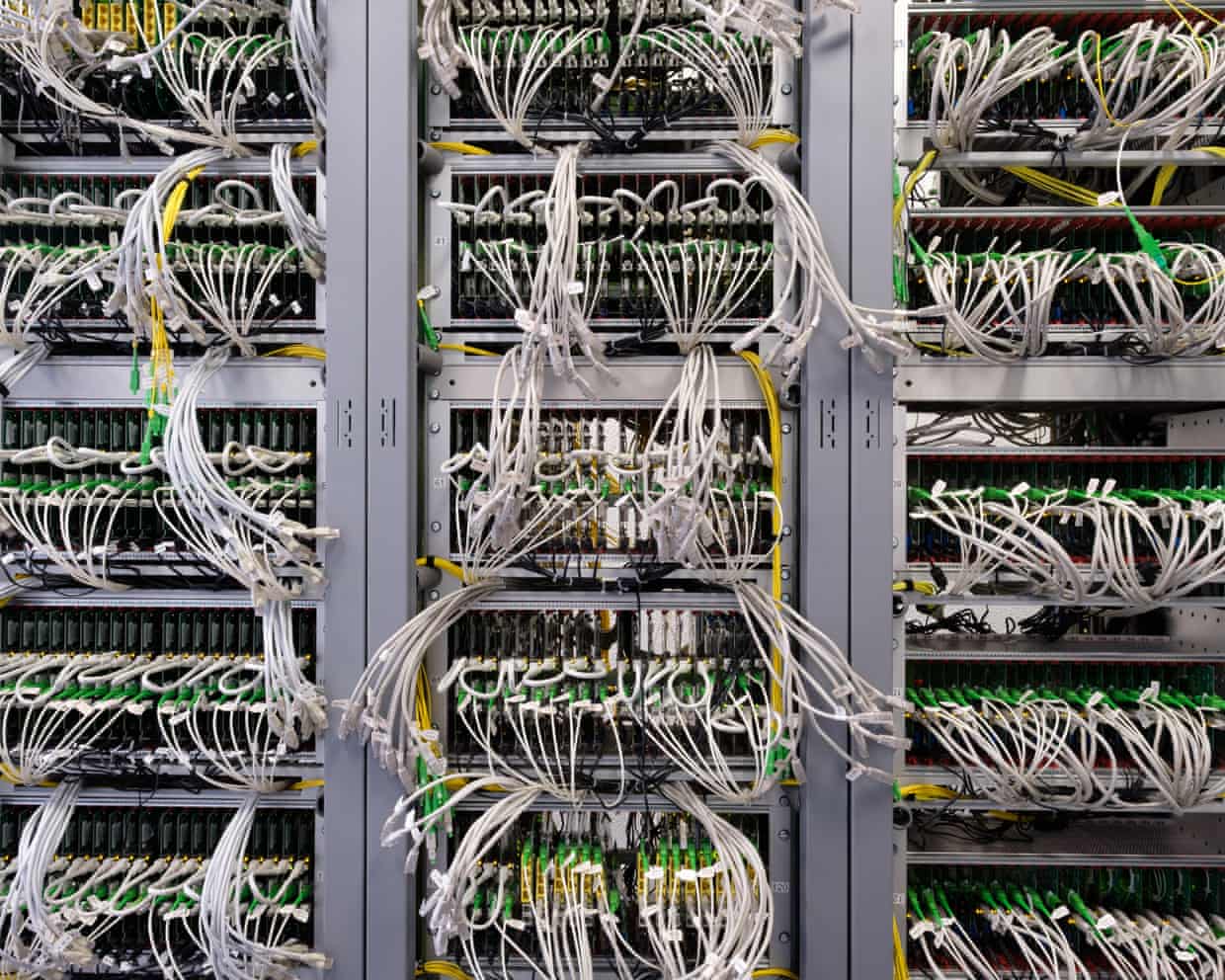
Could the internet go offline? Inside the fragile system holding the modern world together
It is the morning after the internet went offline and, as much as you would like to think you would be delighted, you are likely to be wondering what to do.You could buy groceries with a chequebook, if you have one. Call into work with the landline – if yours is still connected. After that, you could drive to the shop, as long as you still know how to navigate without 5G.A glitch at a datacentre in the US state of Virginia this week reminded us that the unlikely is not impossible
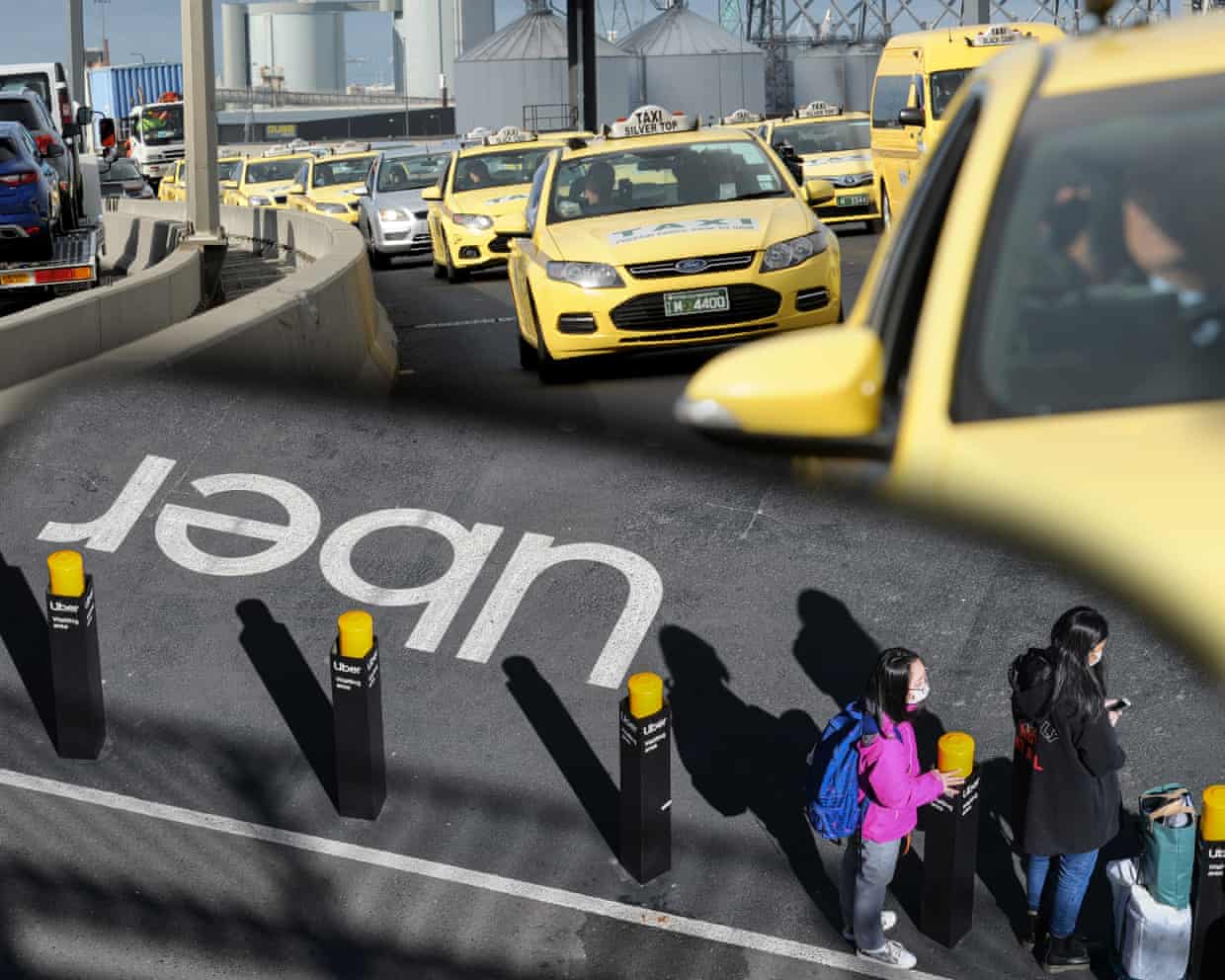
Fare game: what the battle between taxis and Uber means for your airport trip in Sydney and Melbourne
By the time you’ve exited the plane, edged through passport control and endured the baggage claim wait, your only thought may be of home or a hotel bed. But passengers at Australia’s major airports have recently noticed some changes as they contemplate the final leg of their journey.Since Friday, in a bid to deter illegal touts, a new taxi booking trial at Melbourne airport has allowed some passengers to pay a fixed fare upfront. And next month, Sydney airport will begin its own one-year trial of a $60 flat fare for the 13km journey to the CBD.The changes, supported by the taxi industry, are a sign of its struggle to remain competitive with the rideshare companies – especially Uber

Amazon strategised about keeping its datacentres’ full water use secret, leaked document shows
Executives at world’s biggest datacentre owner grappled with disclosing information about water used to help power facilitiesAmazon strategised about keeping the public in the dark over the true extent of its datacentres’ water use, a leaked internal document reveals.The biggest owner of datacentres in the world, Amazon dwarfs competitors Microsoft and Google and is planning a huge increase in capacity as part of a push into artificial intelligence. The Seattle firm operates hundreds of active facilities, with many more in development despite concerns over how much water is being used to cool their vast arrays of circuitry.Amazon defends its approach and has taken steps to manage how efficient its water use is, but it has faced criticism over transparency. Microsoft and Google regularly publish figures for their water consumption, but Amazon has never publicly disclosed how much water its server farms consume

AI models may be developing their own ‘survival drive’, researchers say
When HAL 9000, the artificial intelligence supercomputer in Stanley Kubrick’s 2001: A Space Odyssey, works out that the astronauts onboard a mission to Jupiter are planning to shut it down, it plots to kill them in an attempt to survive.Now, in a somewhat less deadly case (so far) of life imitating art, an AI safety research company has said that AI models may be developing their own “survival drive”.After Palisade Research released a paper last month which found that certain advanced AI models appear resistant to being turned off, at times even sabotaging shutdown mechanisms, it wrote an update attempting to clarify why this is – and answer critics who argued that its initial work was flawed.In an update this week, Palisade, which is part of a niche ecosystem of companies trying to evaluate the possibility of AI developing dangerous capabilities, described scenarios it ran in which leading AI models – including Google’s Gemini 2.5, xAI’s Grok 4, and OpenAI’s GPT-o3 and GPT-5 – were given a task, but afterwards given explicit instructions to shut themselves down
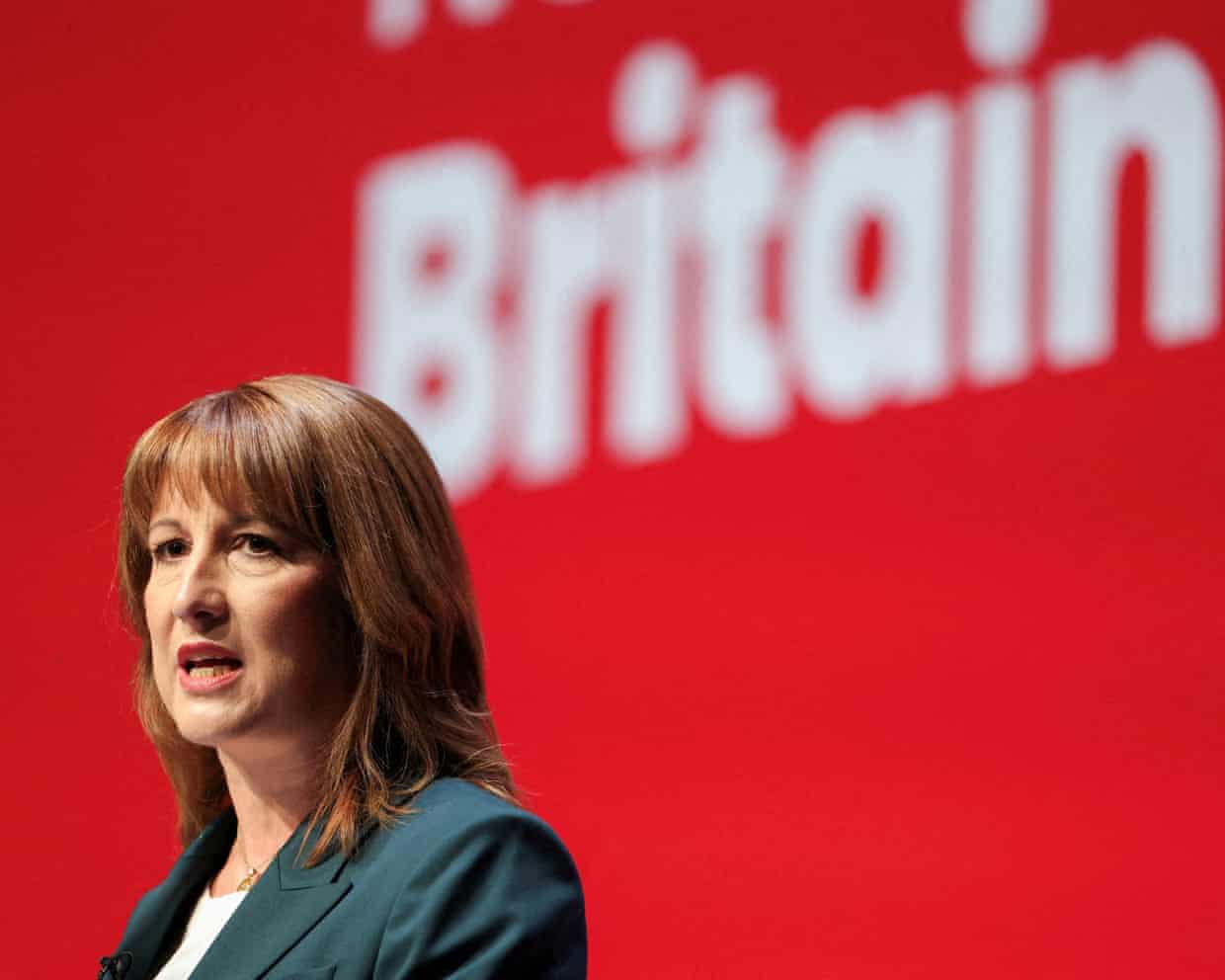
How can Rachel Reeves reduce inflation?
A costly lesson for Labour in Caerphilly | Letters

Reform UK expels two Kent councillors accused of ‘undermining’ its interests

Reeves to lead trade mission to Saudi Arabia amid human rights concerns

Labour must counter ‘growing sense of despair’, Streeting warns after Welsh defeat

Lord Taverne obituary