The Hodge report into Arts Council England: ‘Not exactly a ringing endorsement’
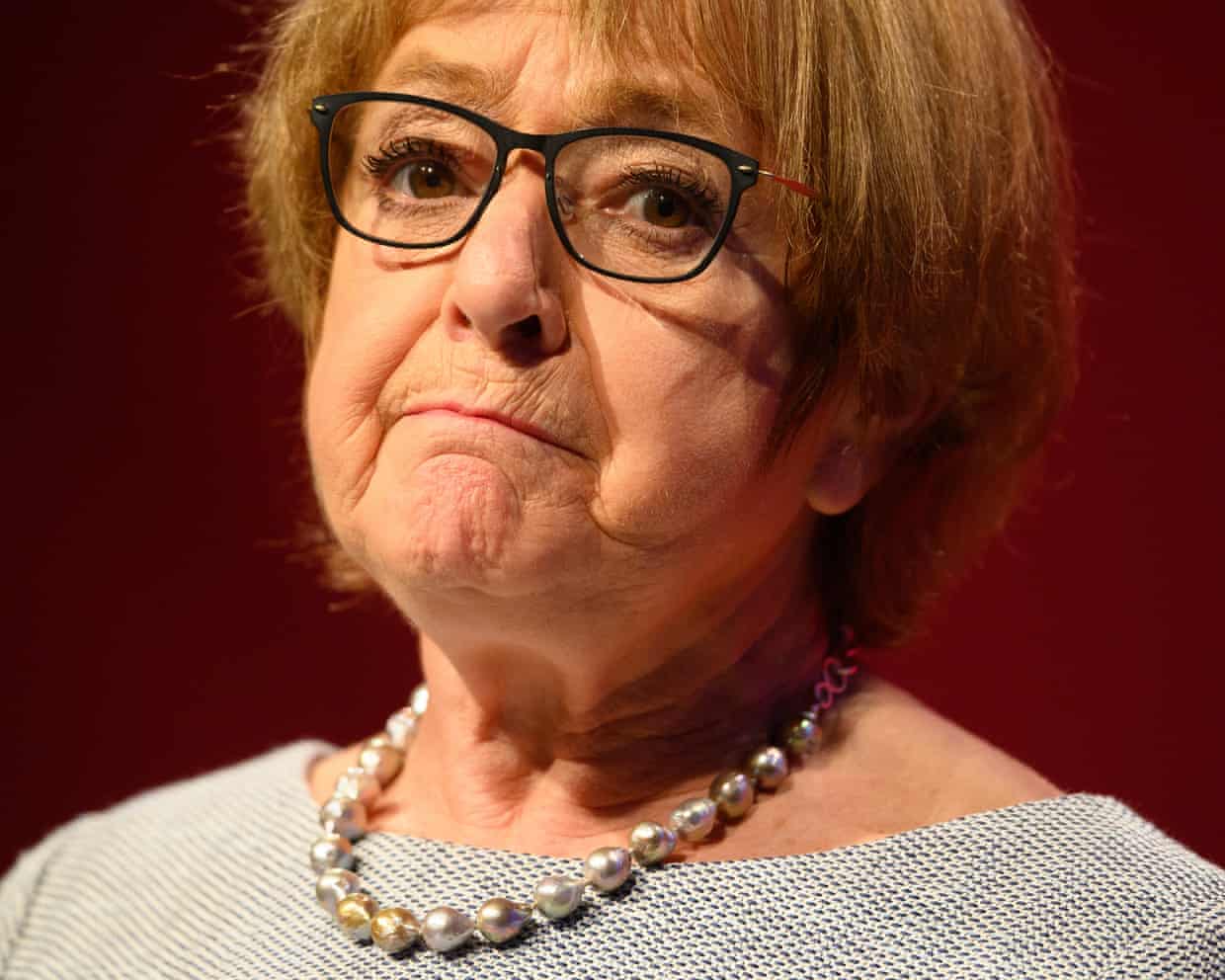
The arts in England are underfunded, and were dealt a blow by Covid from which many organisations have not yet recovered.But that has been only part of the story.The sheer weight of required form-filling, the endless bureaucracy, the impracticable length of time it takes to simply be funded by Arts Council England (ACE) have caused universal frustration among those working in the arts.There is much talk of exhaustion and burnout.Many organisations have felt frustrated, too, by the strictures of ACE’s flagship strategy, Let’s Create, which, though admirable in principle, with its focus on participation in the arts, is perhaps tilted too far from recognising the expertise and individuality of artists and arts institutions.
Especially in classical music and opera – where ACE has made crude interventions into the direction of the art form – the body has been widely condemned for overreach of its powers.As with many things in life, though, opinion depends on your perspective.Funding has been diverted to underserved areas, and grassroots organisations, outside the south-east.Unsurprisingly, those who have received support for the first time are better disposed to ACE than those who have had their funding reduced or cut off.The report on Arts Council England by Margaret Hodge, Labour peer and former arts minister, urges a bonfire of red tape.
That will be welcomed.More controversially, she also recommends binning Let’s Create, the 10-year strategy designed to take ACE all the way to 2030, in favour of a simpler strategy that allows organisations to apply based on their own strengths, rather than endlessly banging square pegs into round holes.With Hodge’s language of “excellence and access to excellence”, those with long memories might remember Brian McMaster’s report of 2008, Supporting Excellence in the Arts, which similarly urged an end to box-ticking and a revival of trust in artists and arts organisations.Those with even longer memories might recall regional arts boards, which were abolished in 2001 in order to streamline the Arts Council’s operations.Hodge is proposing to revive a version of these bodies – once condemned as wasteful – in order to strengthen regional decision-making, though without, importantly, handing off powers to the political control of metro mayors.
(Nationally and internationally important bodies, on the other hand, would stay within the purview of the central ACE operation, which could cause some friction.)There is often a sense with the Arts Council that it trundles off in one direction for a few years, only to be pulled back in the opposite direction, before the entire cycle begins all over again.Another revival of an old hit is a recommendation to reboot something like the old Creative Partnerships programme, which, between 2002 and 2011, put local artists into schools.The report has some sensible ideas to help plug the funding void in the arts, without simply demanding more money be coughed up from the Treasury, which in the current climate is unlikely to happen.These include extending existing tax breaks for touring (arts organisations like these tax breaks – they are straightforward and simply incentivise making things and performing them without adding all sorts of extra prescriptions).
Ideas on encouraging philanthropy include increasing tax breaks for givers outside London (the vast majority of giving to the arts is in the south-east of the nation).The report is not exactly a ringing endorsement of Arts Council England as it stands: banish your bureaucracy! Strangle your strategy! And still, England has not addressed the single most calamitous cause of funding reduction in the arts, which is the collapse of local authority support.(Though the report does recommend mandating local authorities to at least have a cultural strategy.) But Hodge does insist that Arts Council England is the right body to deliver public funding to the arts and should continue to exist.And she strongly reasserts its most central and fundamental principle, that it should be at arm’s length from government, protected from political interference.
More UK interest rate cuts expected in 2026 after Bank of England lowers borrowing costs to near three-year low – as it happened
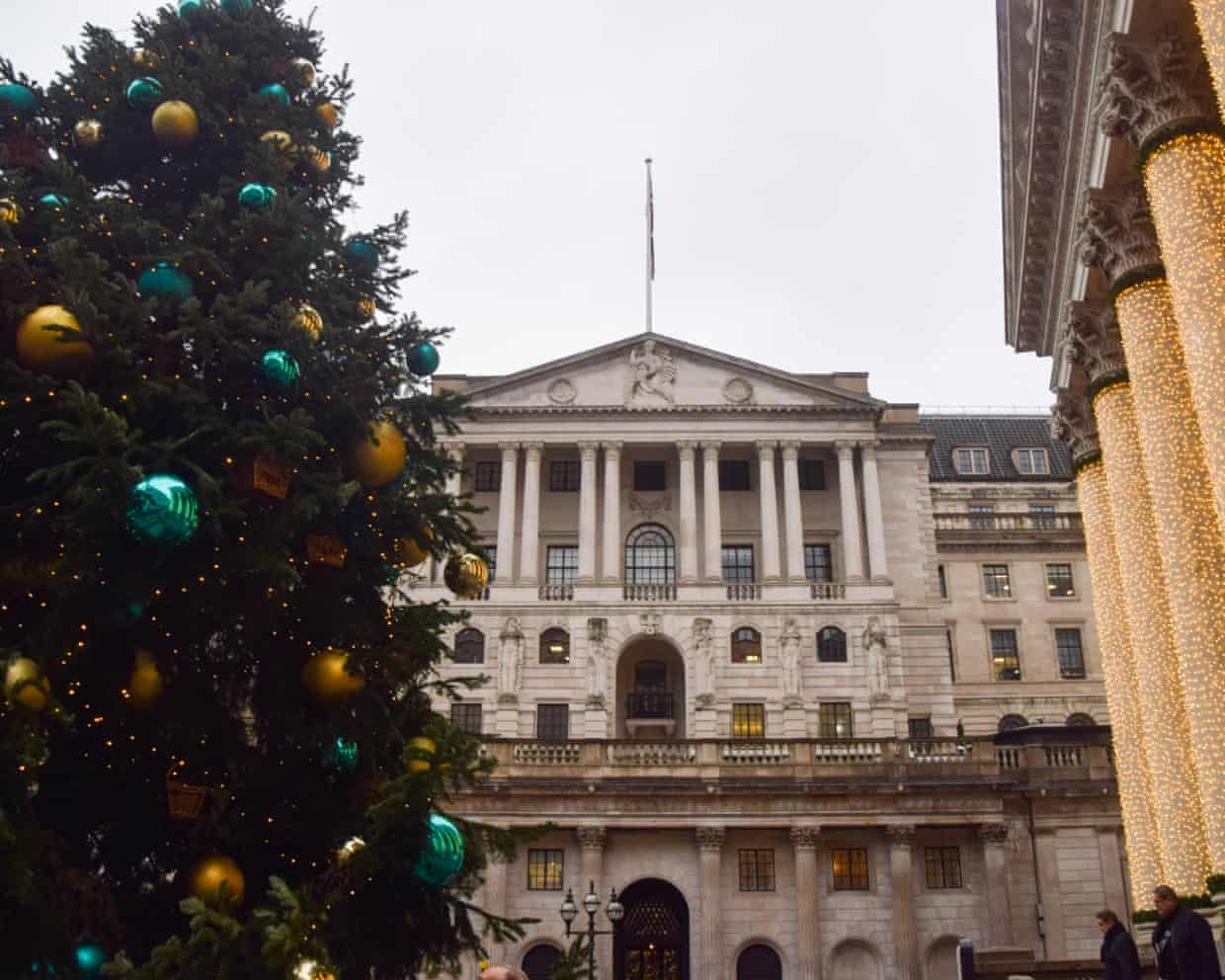
Some economists are predicting that the Bank of England will lower interest rates in 2026, despite its warning today that “judgements around further policy easing will become a closer call.”Simon Dangoor, deputy chief investment officer (CIO) of fixed income at Goldman Sachs Asset Management, predicts inflation won’t misbehave in 2026:‘Weak data could give the BoE scope to cut rates more than markets currently anticipate next year. The labour market continues to show signs of deterioration, and we expect inflation to remain well-behaved through 2026.If evidence continues to build confirming these trends, the MPC may adopt a more dovish stance.’ING predict two cuts in the first half of 2026, which would lower Bank rate to 3

What the UK interest rate cut means for you, from mortgage deals to savings rates
The Bank of England gave millions of borrowers an early Christmas present on Thursday when it cut interest rates from 4% to 3.75%. It is the fourth cut this year following reductions in February, May and August.For the vast majority of borrowers the answer is no: more than 7.2m (86%) of Britain’s 8
German prosecutors bring charges against Greensill officials over role in bank’s collapse
German prosecutors have brought criminal charges against three people involved in running Greensill Bank for their role in the 2021 collapse of the lender.The Bremen public prosecutor’s office said the unnamed people were charged with crimes related to the bankruptcy, as well as the misrepresentation of the German bank’s finances.The people are alleged to have circumvented banking regulations involving a €2.2bn (£1.9bn) refinancing in 2019 of steel plants owned by the Gupta Family Group Alliance (GFG), a struggling group of companies overseen by metals tycoon Sanjeev Gupta
Narrow Bank of England vote puts end of interest rate-cutting cycle in sight
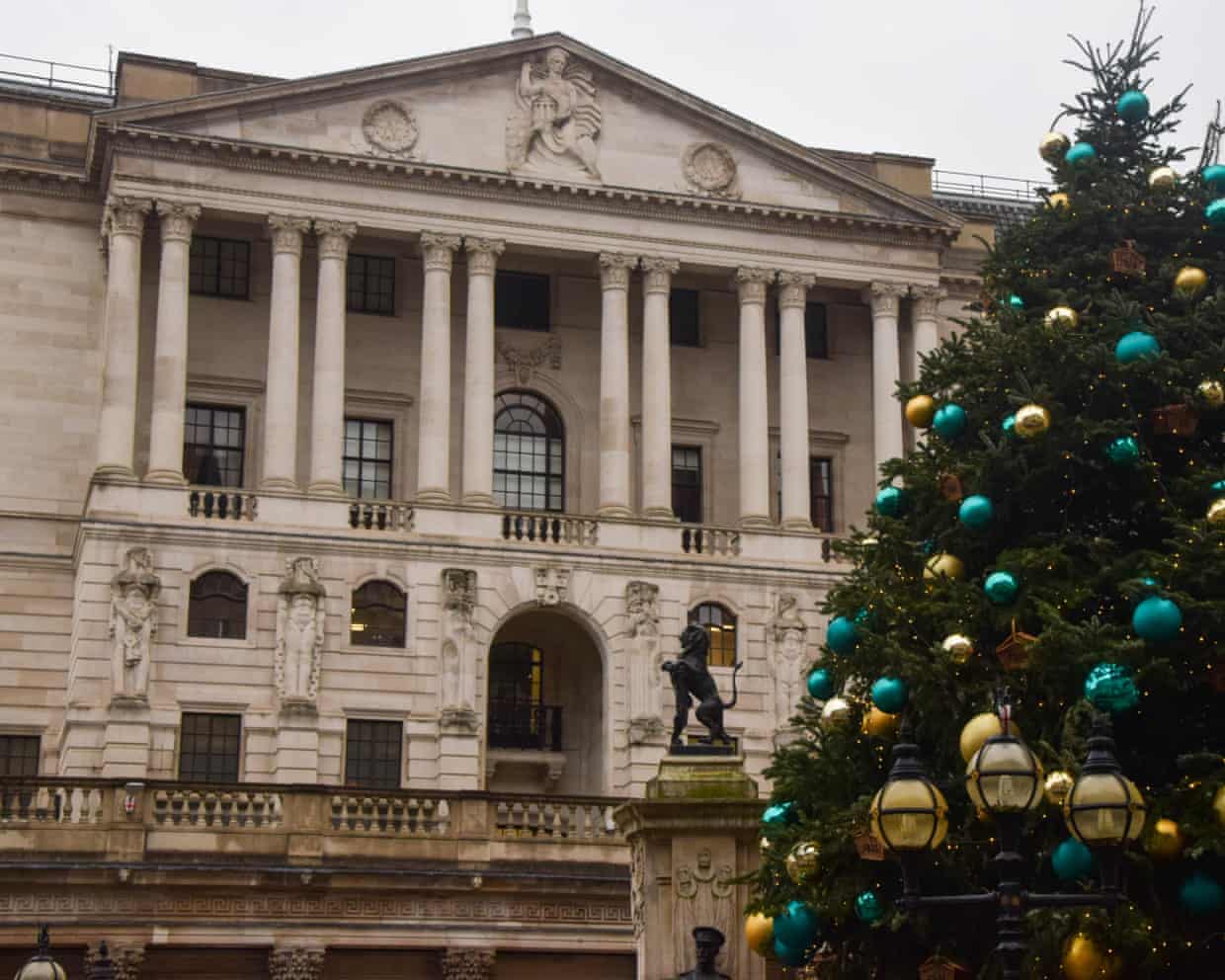
Rachel Reeves has reason to be cheerful. After last month’s budget, the Bank of England cutting interest rates will come as an early Christmas tonic for the chancellor by lifting some of the pressure on hard-pressed borrowers.The City had been heavily betting on a sixth cut since August last year, and Threadneedle Street delivered with a reduction in the base rate from 4% to 3.75%. The question, however, is how much further the Bank can go to bring to an end its current easing cycle, after a painful hump in inflation over the past year

Leeds £2.5bn tram scheme delayed to late 2030s after government review
The opening of the long-awaited Leeds tram system has been pushed back by at least two to three years, after a government review of the £2.5bn project.The West Yorkshire combined authority (WYCA) said its mass transit scheme, including new tram lines connecting Leeds and Bradford, would now be completed in the late 2030s.West Yorkshire’s mayor, Tracy Brabin, said she was fully confident that she would be “driving this tram” by the end of the next decade, despite fears that the delay could lead to the whole scheme being cancelled.She said the new timeline would “help offer certainty” for the tram at the heart of plans for an integrated transport network with the region’s buses, which are being brought under local control

US prices continued to rise despite Trump claims they are ‘rapidly’ falling
US prices rose 2.7% in the year to November, according to federal data released a day after Donald Trump claimed they were falling “very fast” on his watch.The latest consumer price index, released on Wednesday morning, was down from 3% in September, and short of economists’ expectations of about 3.1% for last month.It comes amid questions over the strength of the US economy
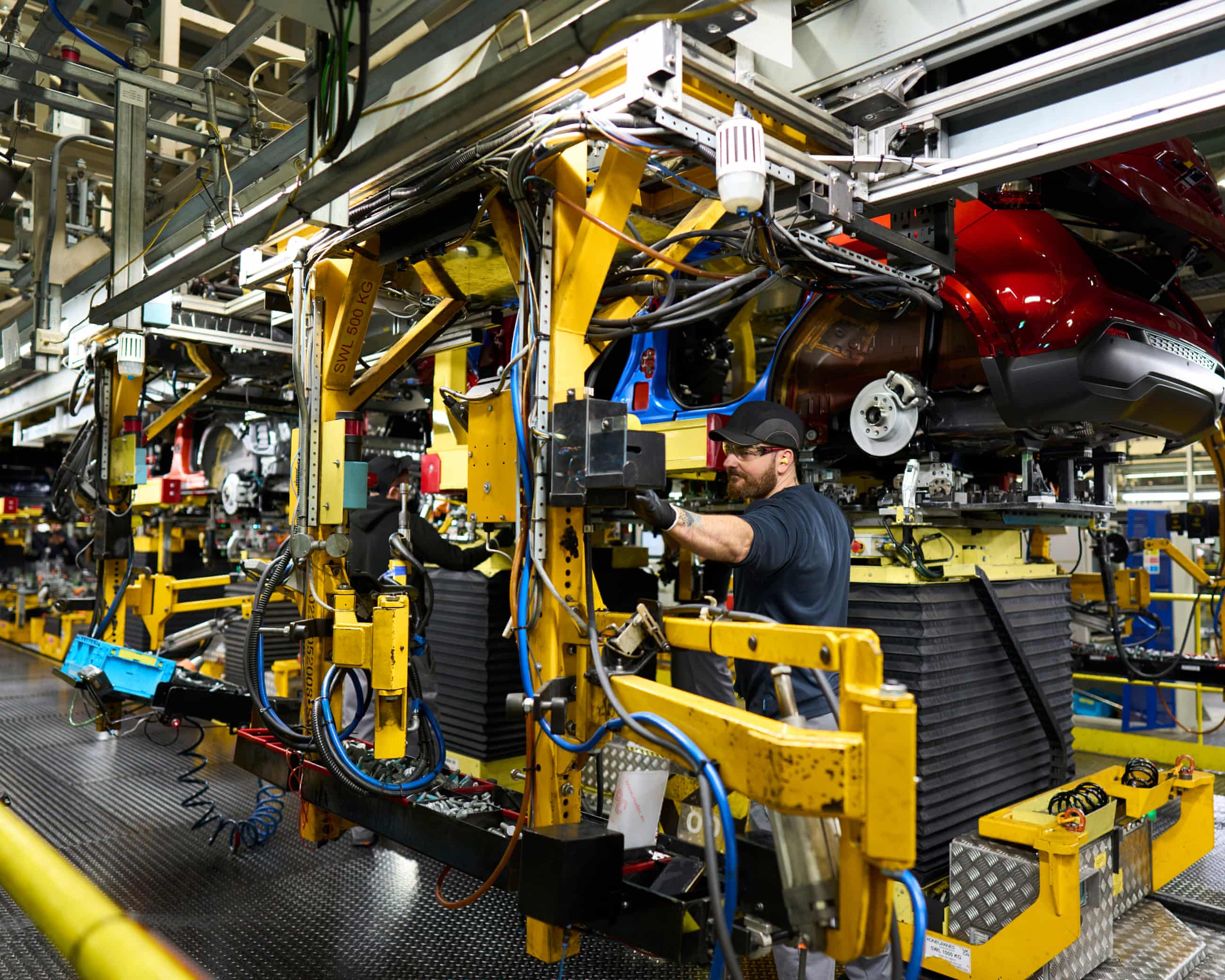
‘We’ve future-proofed’: how UK’s biggest car factory upgraded for EV revolution

Meg O’Neill: ‘hard-nosed’ outsider who will head BP’s pivot away from green energy

AI boom has caused same CO2 emissions in 2025 as New York City, report claims

Third of UK citizens have used AI for emotional support, research reveals
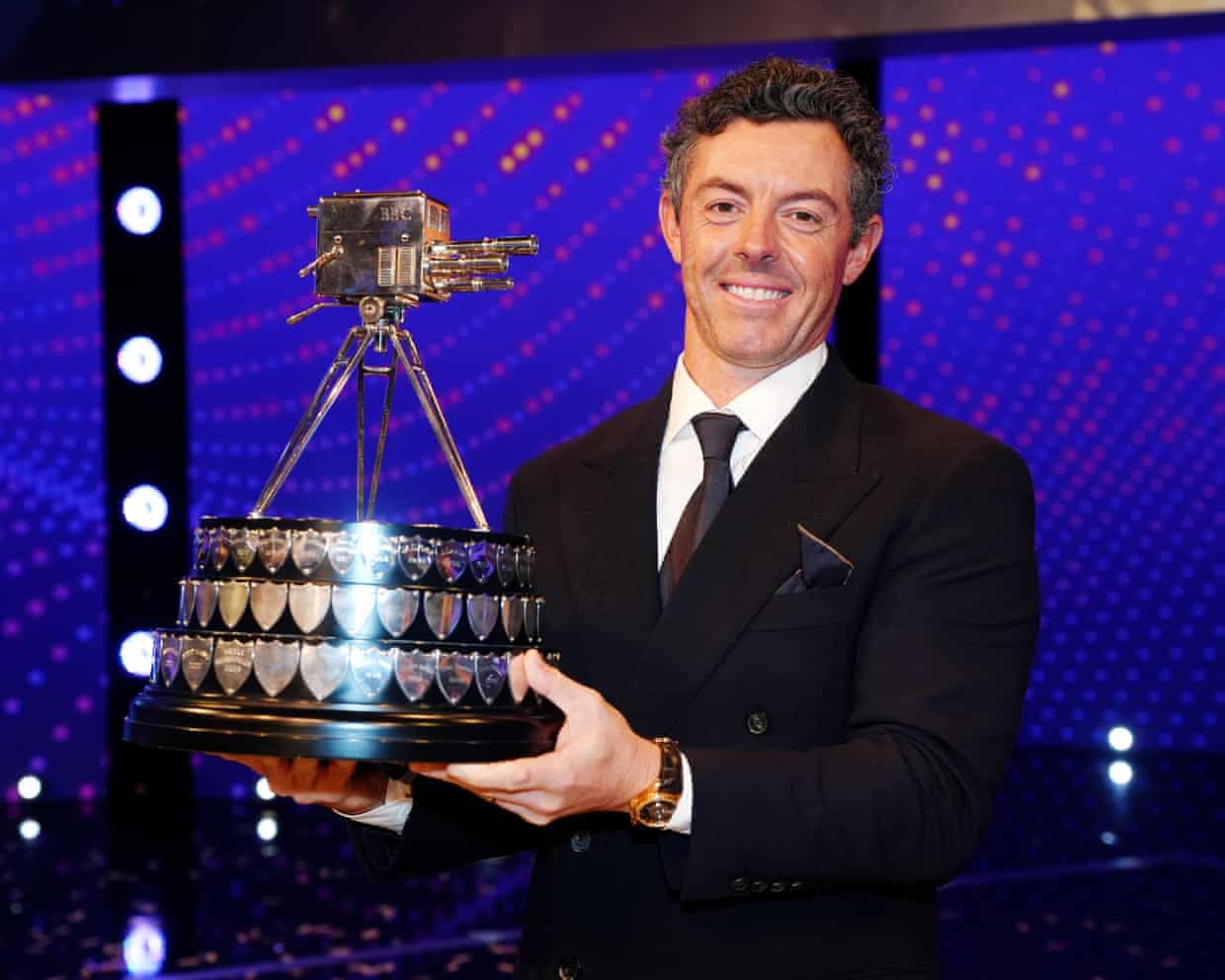
Rory McIlroy named Sports Personality of the Year to end golf’s drought
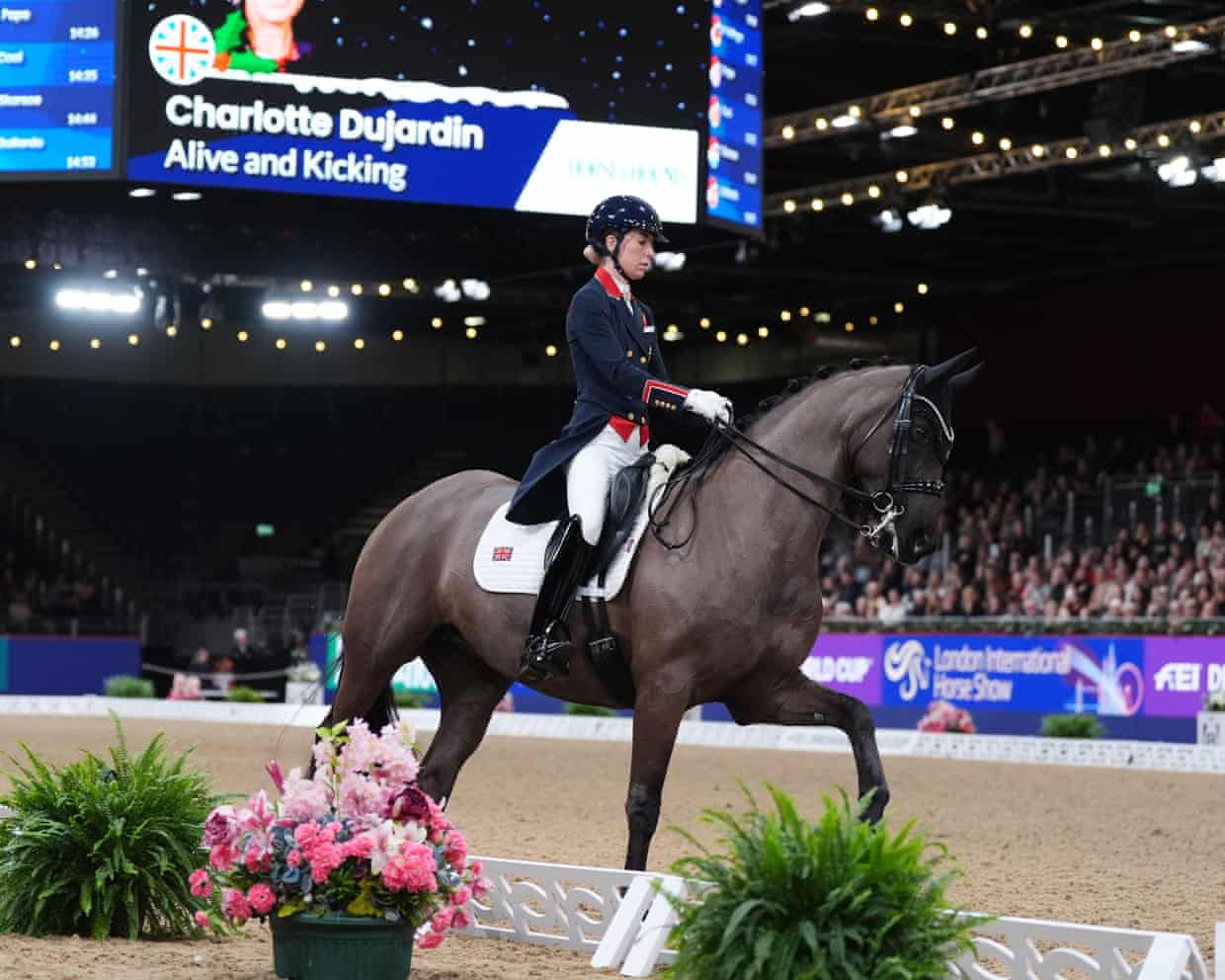
Charlotte Dujardin ‘very emotional’ at warm reception after horse-whipping ban