How far must UK go to fend off threat of foreign interference in its elections?
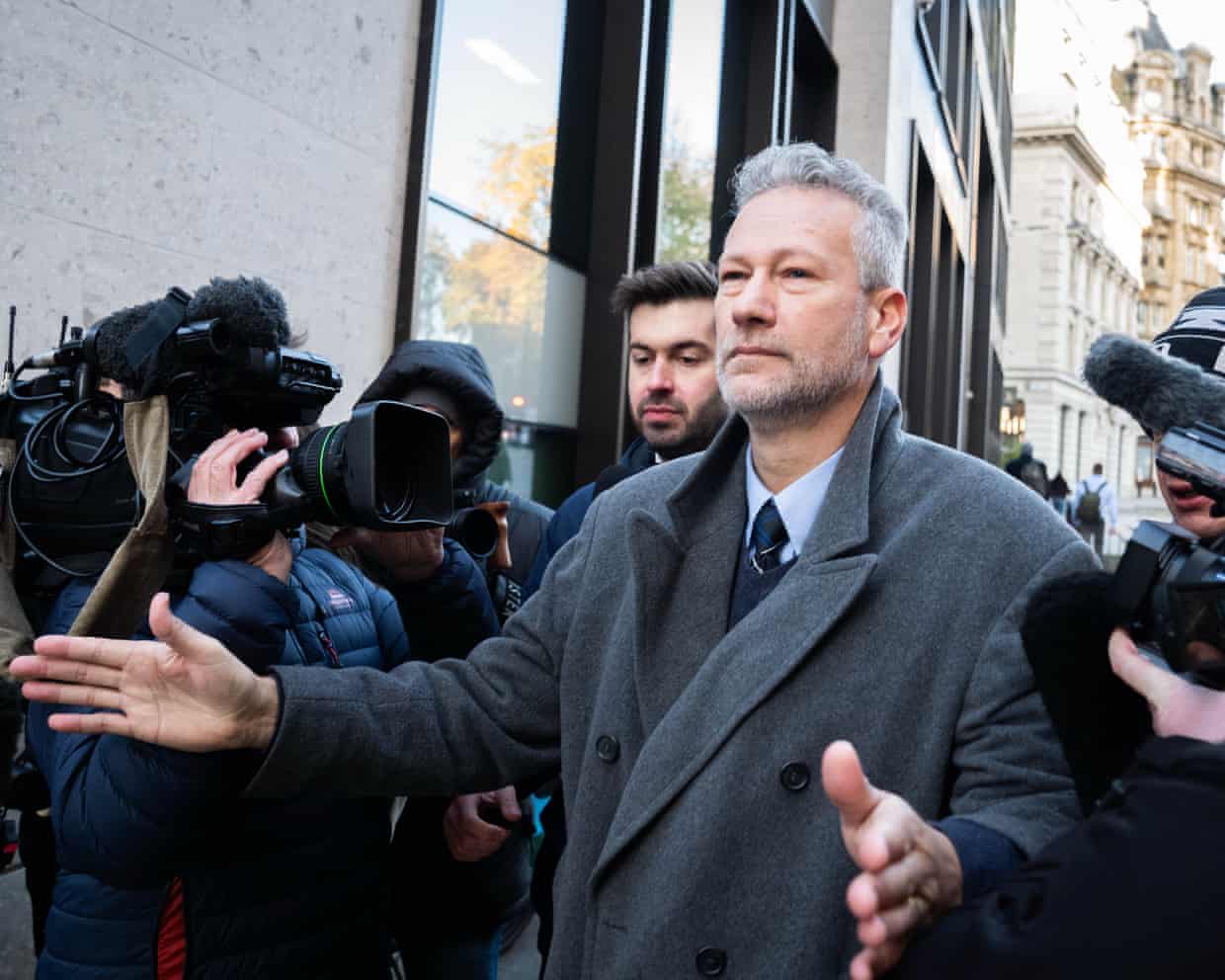
Russia has been attempting to meddle with western democracy for years, but successive governments led by Boris Johnson and others have insisted that the UK’s electoral system can withstand its influence.That argument was recently blown apart by the conviction of former Reform politician Nathan Gill, jailed for 10 years for accepting bribes to advance Russian arguments.And now Steve Reed, the cabinet minister responsible for elections, has admitted there are worries that the UK’s “firewall” against foreign interference may not be strong enough as he ordered an independent review.The decision is clearly partly motivated by the chance to score political points against Reform UK over its links to the Russian bribe case.And yet there is no doubting the reality of the threat, even if it has until recently been ignored.
There has been a sense of denial about the risk of political funds from unclear sources – known as “dark money” – among the two main parties, fuelled partly by self-interest as fundraising chiefs are reluctant to curb future sources of revenue.But there appears to be a dawning realisation now for Labour that the issue is urgent, with Nigel Farage’s party openly seeking money from offshore sources such as Monaco-based donors, welcoming cryptocurrency donations and making efforts to woo high-net worth individuals with policies friendly to non-doms.Reed’s acknowledgement that the UK system is vulnerable comes as absolutely no surprise to the myriad experts who have been warning for so long that Britain’s political financing system has more holes than a sieve.There are numerous potential sources of dark money.It is very difficult to know the origin of smaller donations flowing into unincorporated associations.
Any UK company carrying out business can donate money without any concern about how they are financed.And it is hard to check “crowdsourced” donations that may include large sums being broken down into many smaller contributions.UK nationals living abroad for years are still able to make donations despite it being harder to verify the source of their funds.And in the last year, the government has stood by while political parties – namely Reform UK – said they would take contributions in cryptocurrency, which is particularly hard to trace.Some of these loopholes are set to be dealt with in the government’s forthcoming elections bill, but all of them could easily be closed if there were the political will to lower the threshold for declaring donations or impose a cap on overall sums to limit excessive influence by single parties.
However, another major, overarching problem is the fact the Electoral Commission was weakened by the Conservatives.There is also a huge onus on parties, with sparse resources, to self-police and conduct their own due diligence, with new requirements to carry out “know-your customer” checks.The Electoral Commission is largely independent, but it remains under the direction of the government of the day, which sets its strategic direction.Its powers were severely curtailed in 2022, and it no longer has the ability to propose its own criminal investigations.Strengthening the powers of the watchdog, reversing Johnson’s efforts to curb its oversight, would be a major step towards countering efforts by Russia, China or other foreign powers to meddle with British democracy.
Keir Starmer’s government does now appear willing to take action.The test will now be how far it is willing to go to eradicate money of unclear origin from political donations to parties and politicians as well as tackling the prevalence of gifts and hospitality aimed at influencing individual lawmakers.Some within the main parties will be squeamish about limiting their own money-raising powers before an election, but the chance is there to protect the system from future malign influence.“It’s clear there are a range of actors seeking to buy influence in our democracy, including foreign governments, and for relatively small amounts of money,” Rose Zussman of Transparency International points out.“Without limits on how much any individual or organisation can donate, and in the context of increasingly high spending on election campaigns, political parties are becoming ever more reliant on a small pool of wealthy donors.
”Tom Brake of Unlock Democracy, an advocacy group, adds: “So long as foreign billionaires can still funnel vast sums into our politics via UK-based companies, we will remain vulnerable.”In parliament, Reed made the bold claim that he wanted to get “dirty money out of British politics” for good.If the government seizes the opportunity for serious and lasting reform, going much further and deeper than simply banning cryptocurrency donations, it would be a huge legacy in terms of safeguarding British democracy.
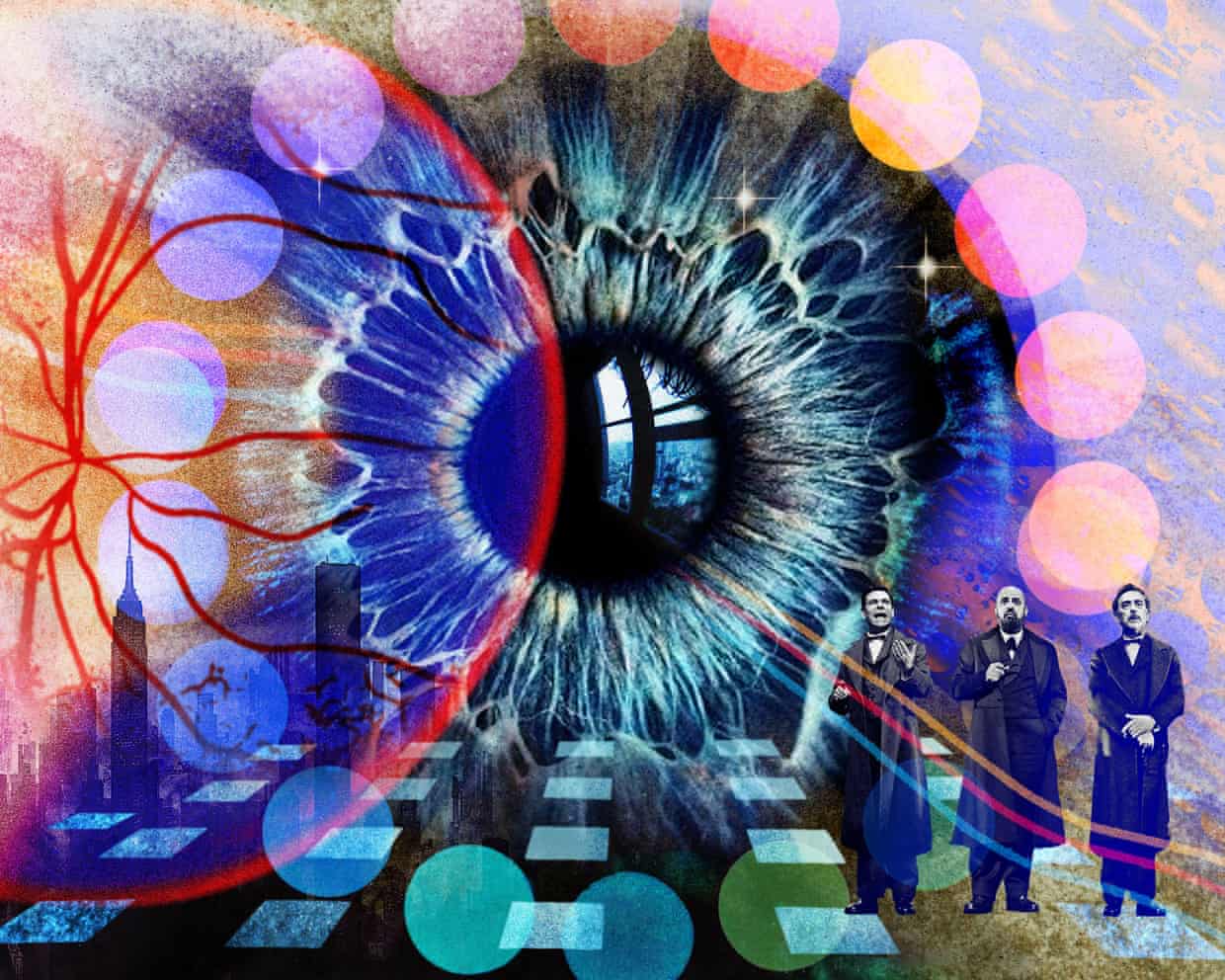
My cultural awakening: The Lehman Trilogy helped me to live with my sight loss
I began to notice my sight deteriorating in my 40s, but not just in the way that you expect it to with age. I had night blindness and blind spots in my field of view. At 44, I was diagnosed with retinitis pigmentosa, a genetic eye condition that causes the retina cells to die. I had always been a very visually oriented person: I was a practising architect, and someone who loved to read, draw, go to the cinema and visit art exhibitions. So when black text disappeared on a glaring white page, films became impossible to follow and artworks only took shape once explained to me, I questioned who I would be without my vision
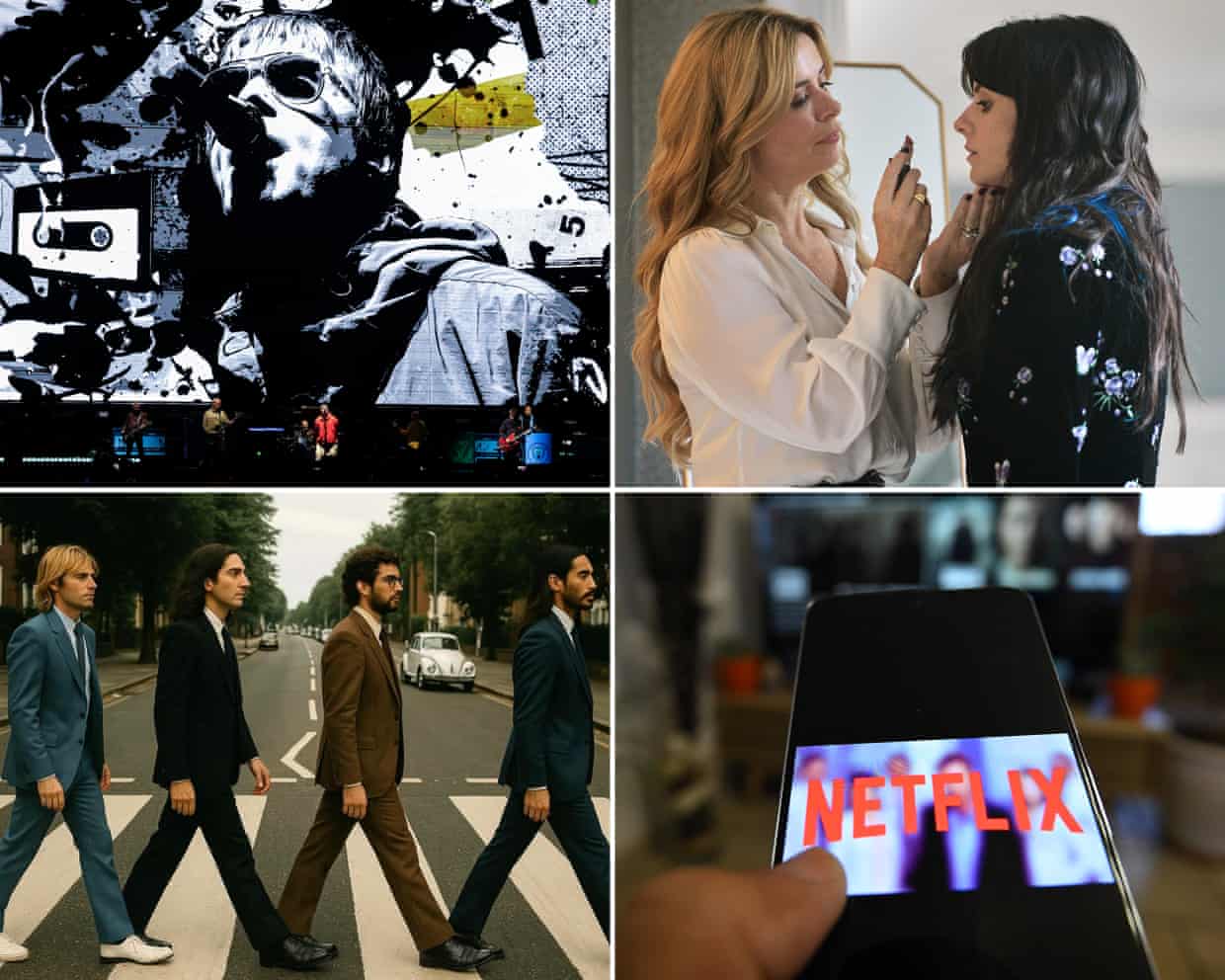
The Guide #221: Endless ticket queues, AI slop and ALL CAPS agony
It’s time for a big old moan. Next week’s newsletter will be a roundup of our favourite culture of the year, a bit of an annual Guide tradition by now, and something that’s great fun to put together.But do you know what’s even more fun? Complaining about things. So, this week’s Guide is devoted to cultural gripes, big and small, of 2025. Here’s what had us seething this year

From Eleanor the Great to Emily in Paris: your complete entertainment guide to the week ahead
Eleanor the GreatOut nowJune Squibb stars in Scarlett Johansson’s directorial debut, which premiered at Cannes and tells the tale of the eponymous Eleanor, a senior citizen recently relocated to New York, who strikes up a friendship with a 19-year old – and then stumbles her way into pretending to be a Holocaust survivor.LurkerOut nowA hit at Sundance, this is the story of a lowly retail employee who happens to strike up a friendship with a rising pop star, becoming the Boswell to his Johnson, if Boswell was part of a pop star’s entourage. But the path of friendship with a famous person never did run smooth, and the uneven power dynamic soon prompts some desperate manoeuvring in this psychological thriller.Ella McCayOut nowEmma Mackey stars in the latest from James L Brooks (his first since 2010), a political comedy about an idealistic thirtysomething working in government and preparing to step into the shoes of her mentor, Governor Bill (Albert Brooks). Jamie Lee Curtis co-stars as Ella’s aunt

Stephen Colbert on Trump’s ‘gold card’: ‘Pay-to-play program for rich foreigners’
Late-night hosts tore into Donald Trump’s new “gold card” immigration program and his many weird tangents about grocery prices.Stephen Colbert opened Thursday’s Late Show with a new Christmas jingle about the president: “He’s making a list, checking it twice, then handing that list to the people at ICE. Donald Trump … ruins everything he touches,” he sang. “And lately he’s been pretty handsy, slapping his face on anything in sight.”On Wednesday, Trump put his face on what Colbert called “his long-promised pay-to-play program for rich foreigners”
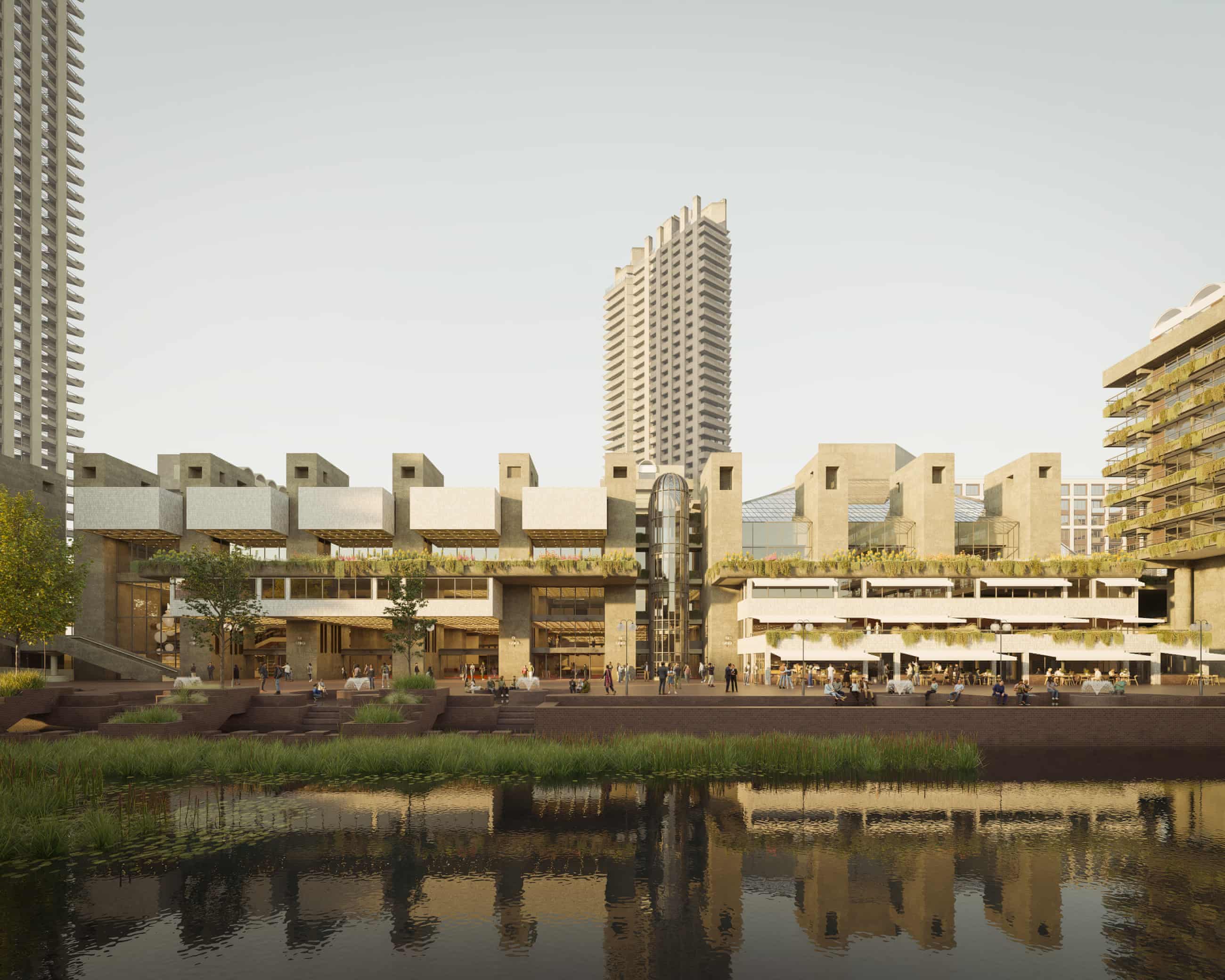
‘Like lipstick on a fabulous gorilla’: the Barbican’s many gaudy glow-ups and the one to top them all
The brutalist arts-and-towers complex, where even great explorers get lost, is showing its age. Let’s hope the 50th anniversary upgrade is better than the ‘pointillist stippling’ tried in the 1990sThe Barbican is aptly named. From the Old French barbacane, it historically means a fortified gateway forming the outer line of defence to a city or castle. London’s Barbican marks the site of a medieval structure that would have defended an important access point. Its architecture was designed to repel
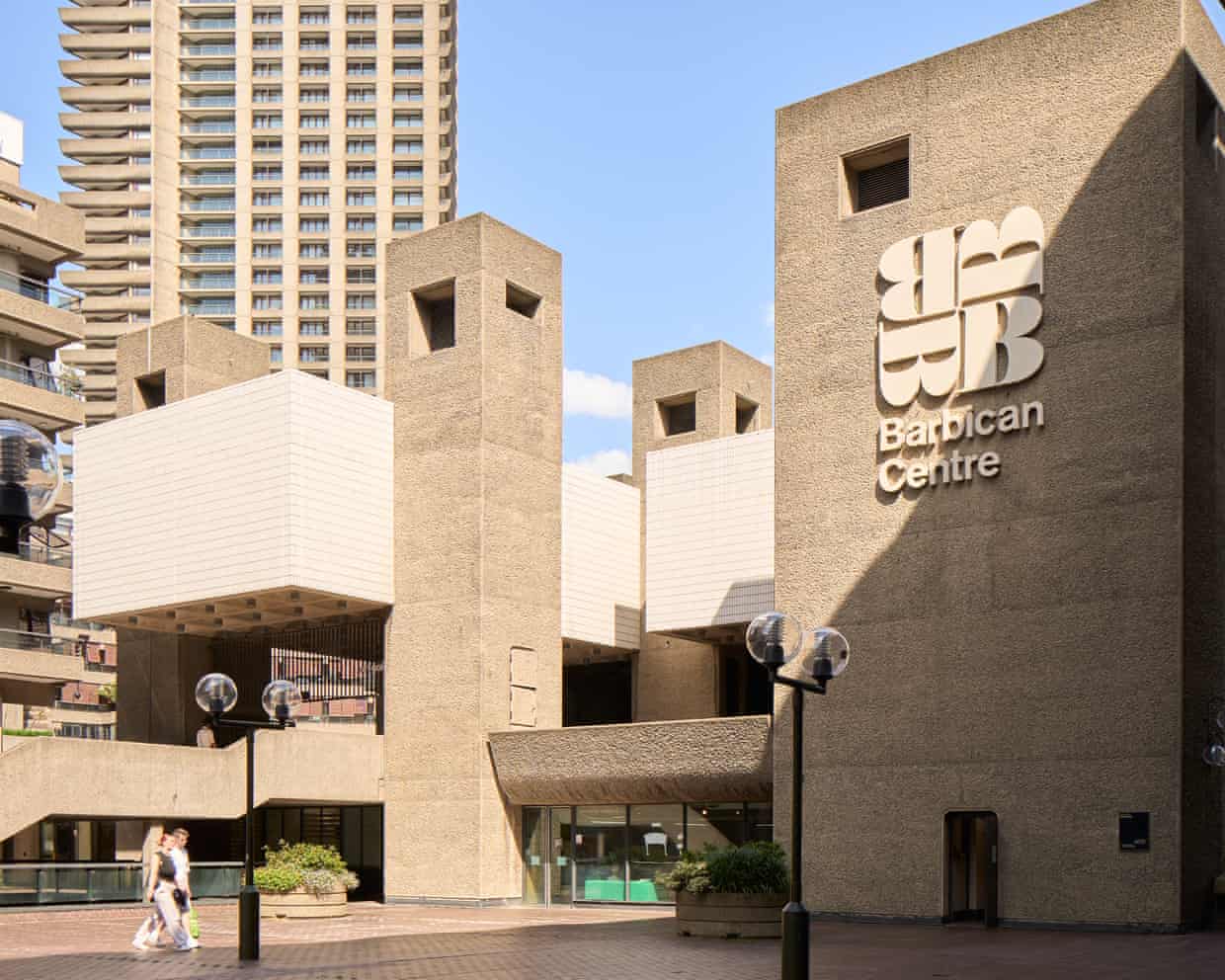
Barbican to close its doors for a year for multimillion-pound renovation
The Barbican will close its doors for 12 months from June 2028 as it undergoes a multimillion-pound renovation that its leaders say will secure its future.The arts organisation’s Beech Street cinemas will remain open but its theatre, music venue, conservatory and visual arts galleries are set to shutter as the overhaul of the 43-year-old building begins in the lead-up to its 50th anniversary in 2032.The main Barbican site will close its doors in June 2028 and reopen in June 2029, but some disruption will happen before that as the foyer, lakeside area and internal control room are all renovated.The conservatory, which is open only for a few hours at the weekend and currently has netting to stop falling glass, will close earlier, in 2027.Philippa Simpson, the director of buildings and renewal at the Barbican, said the work could not be completed while the site was open to the public as it would be too dangerous, but that it was essential to secure the site’s future

EU plans to water down ban on new petrol and diesel cars

Universal Studios UK theme park given planning permission in Bedfordshire
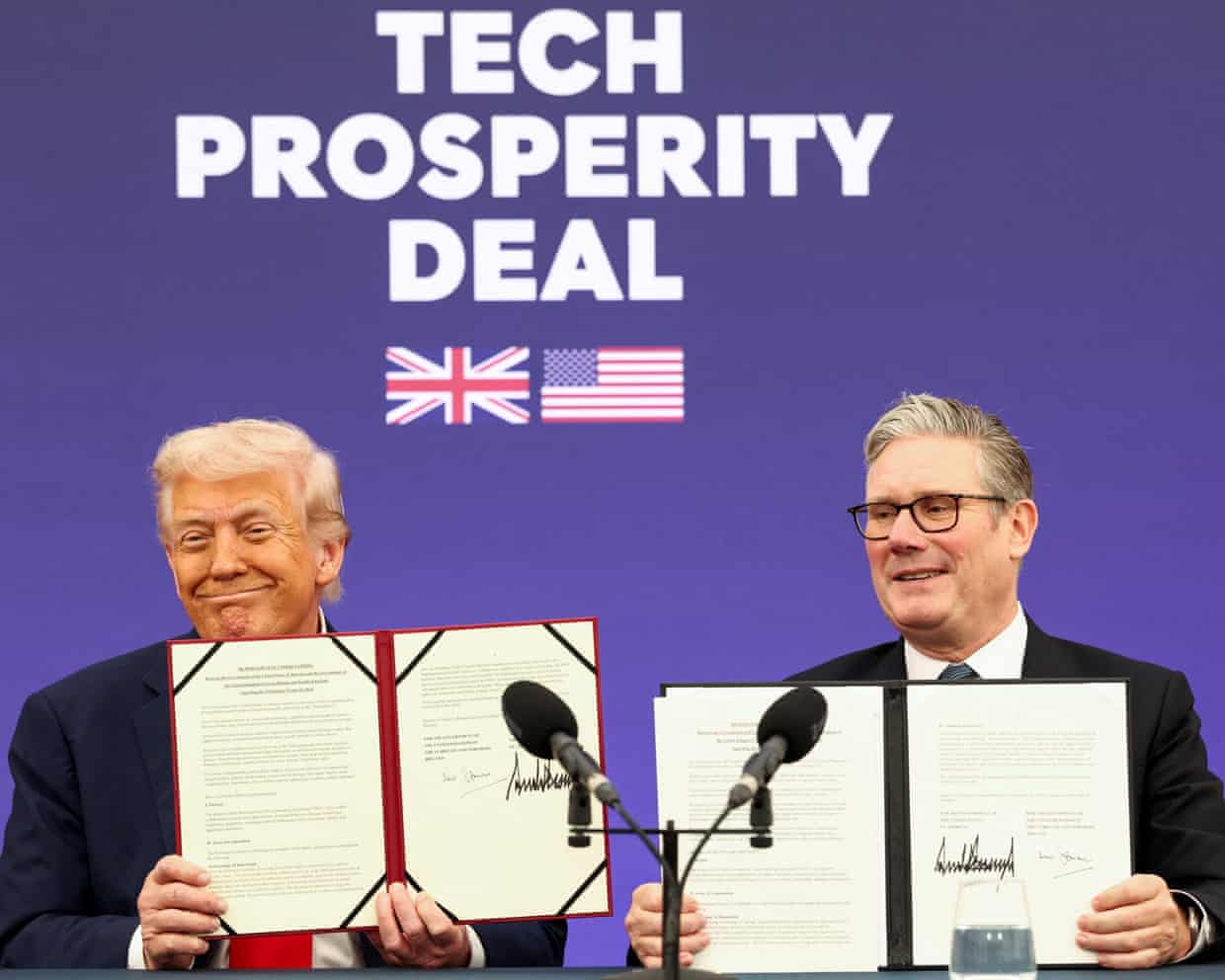
UK insists tech deal with US isn’t dead as Trump threatens penalties against European tech firms

US date rape survivors file lawsuit accusing Hinge and Tinder of ‘accommodating rapists’
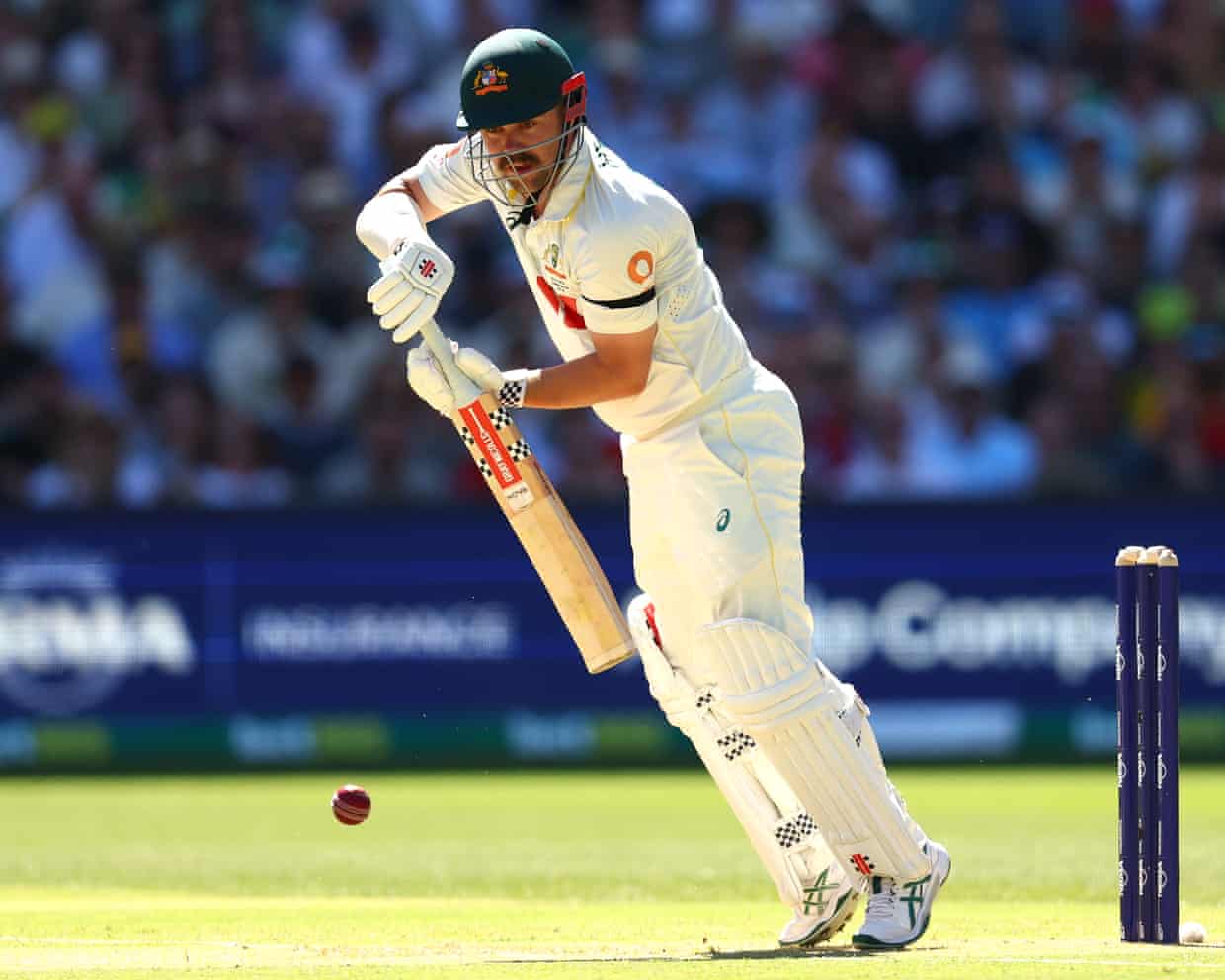
Australia v England: Ashes third Test, day one – live
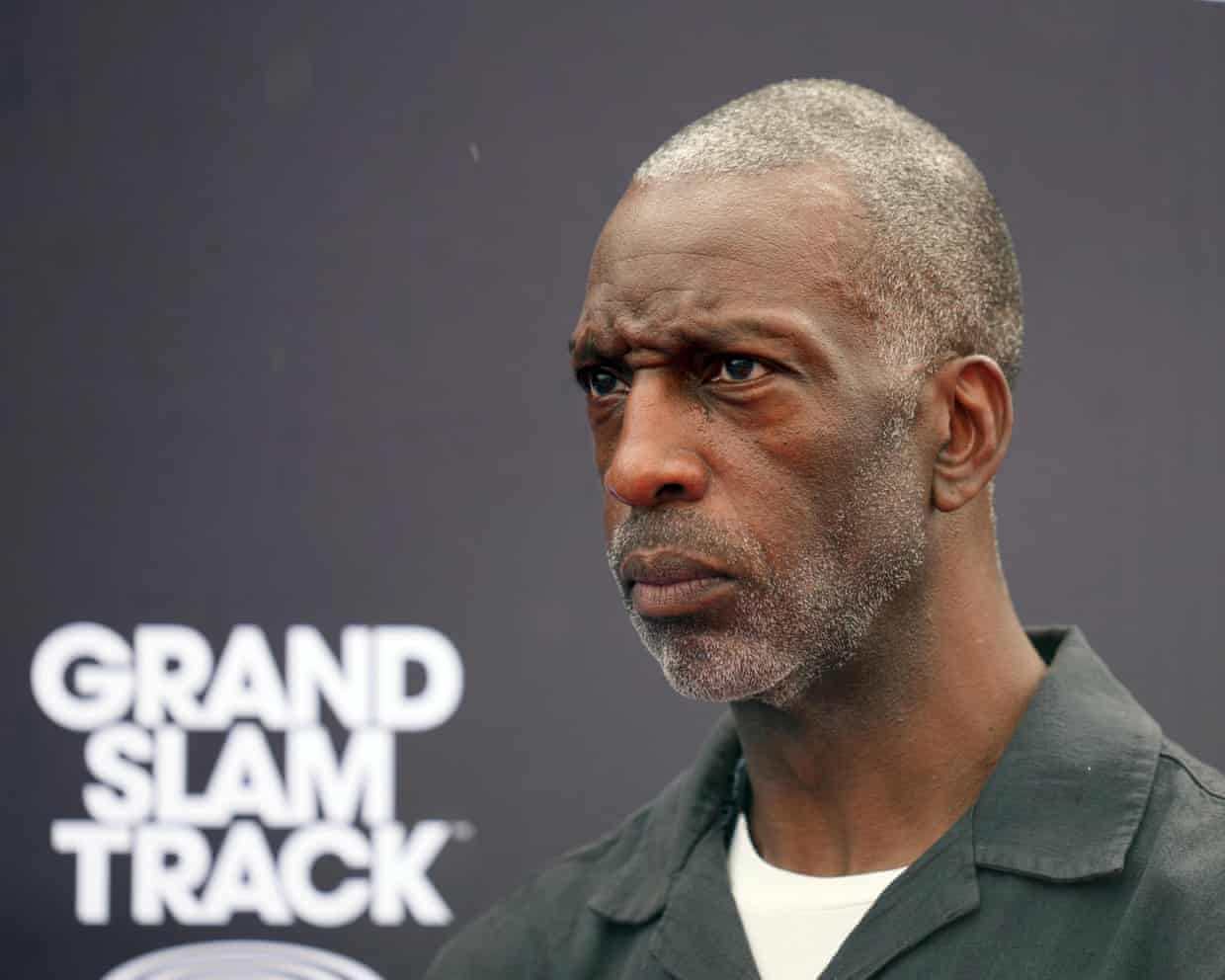
No guarantee Grand Slam Track will be allowed back, warns World Athletics