My cultural awakening: The Lehman Trilogy helped me to live with my sight loss
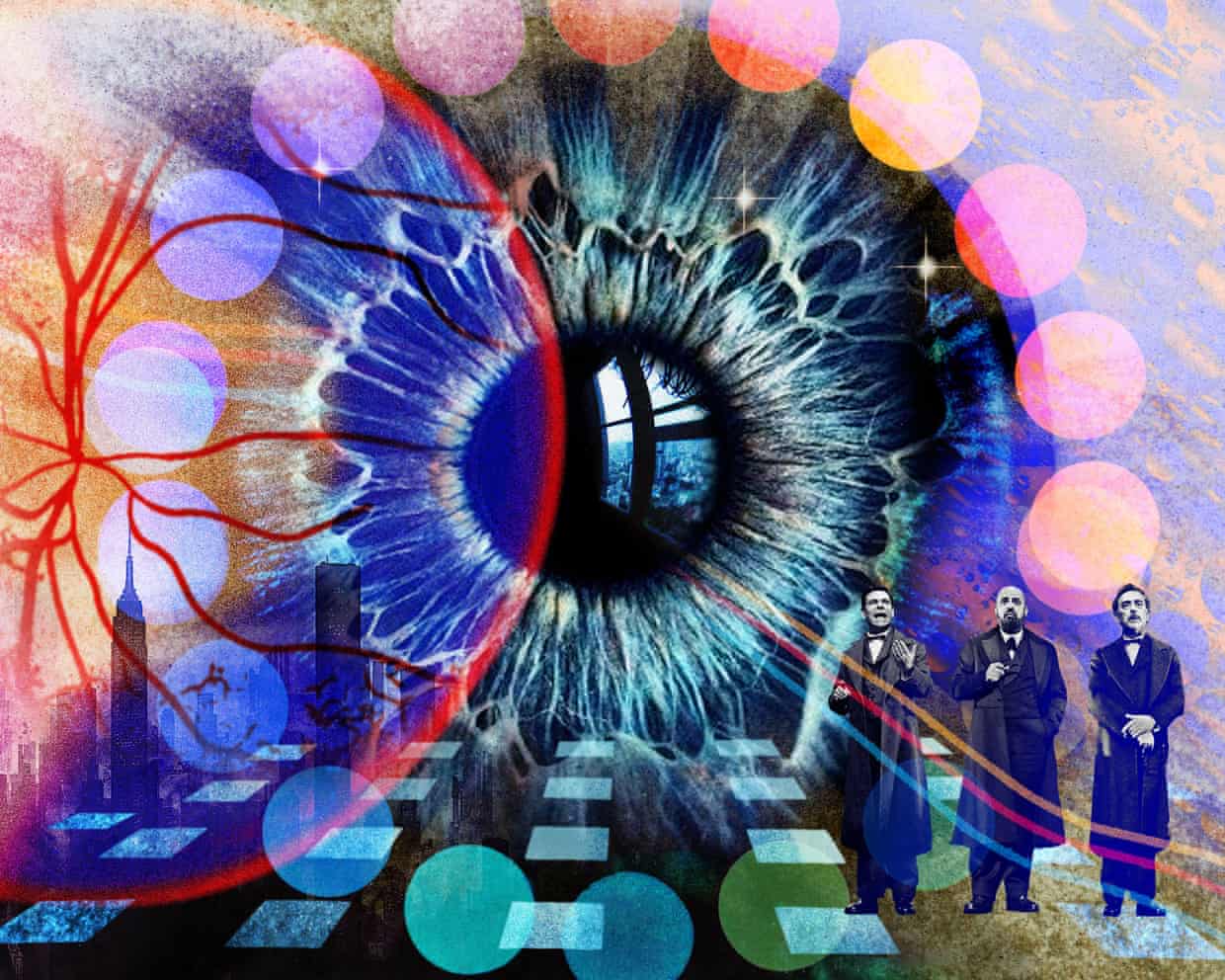
I began to notice my sight deteriorating in my 40s, but not just in the way that you expect it to with age.I had night blindness and blind spots in my field of view.At 44, I was diagnosed with retinitis pigmentosa, a genetic eye condition that causes the retina cells to die.I had always been a very visually oriented person: I was a practising architect, and someone who loved to read, draw, go to the cinema and visit art exhibitions.So when black text disappeared on a glaring white page, films became impossible to follow and artworks only took shape once explained to me, I questioned who I would be without my vision.
Around the age of 50, I had a particularly stressful year: I got divorced; dissolved my business; started a new job; moved house; and my dad died,As my life fell off a cliff, so did my eyesight, so that by 2015 my field of vision had decreased to only 5-10 degrees (a healthy average person’s is about 200 degrees),I was registered blind, but for a long time I lived in denial, not telling anyone how much vision I had lost,At work, feeling vulnerable and like I could lose my job, I presented as fully sighted, a daily performance that became exhausting,I was in survival mode, focusing on putting one foot in front of the other, hoping I wouldn’t get found out.
I refused to see myself as disabled, and resisted using a white stick, but once I eventually did, I found people saw my disability before they saw me.I felt a total loss of identity.And I stopped doing the cultural things that once brought me joy.Three years after that terrible year, I went to the theatre for the first time since losing most of my sight.It was The Lehman Trilogy at the National Theatre in London, a play about the Lehman Brothers and the 2008 financial crash.
I assumed it would be another frustrating exercise of trying to piece together fragments and failing to follow the action that I’d come to expect whenever I went to the cinema or watched TV.But from the darkness of the circle, as the curtain went up and the three characters appeared on stage, I felt as if I’d got my vision back.The simplicity of Es Devlin’s high-contrast set design, the lighting, the three-man cast, the actors’ silhouettes, the minimal props and the rotating set was a kind of conjuring trick that meant, for the first time in years, I could actually follow what was happening.The cage-like structure on the rotating set was literally pivotal: thanks to the play’s focusing of all the action within this framing device, I didn’t have to consciously think about where to look, and worry about whether I was missing parts of the narrative.The stripped-back staging laid bare the words, the action, the story, the theatre of it.
It was total immersion with no barriers, which felt freeing.The feeling was so visceral I didn’t even realise it at the time.I was simply back to being me as I used to be.It was only afterwards that I realised how completely absorbed I had been.I’ve now seen The Lehman Trilogy three times, and at each viewing, I have been able to forget that I am partially sighted.
For those three hours and 20 minutes, I was myself again.That first viewing of The Lehman Trilogy was an epiphany, a revelation that the immediacy of live performance gave me the control – I could lock on to the action and follow it in a way that I couldn’t with other visual culture.Not every theatre production manages such complete alchemy as this, but now, pretty much every time I see a play, I become totally connected to the world created on stage.I’ve been given back not just a sense of sight but a sense of self.You can tell us how a cultural moment has prompted you to make a major life change by filling in the form below or emailing us on cultural.
awakening@theguardian.com.Please include as much detail as possiblePlease note, the maximum file size is 5.7 MB.Your contact details are helpful so we can contact you for more information.
They will only be seen by the Guardian.Your contact details are helpful so we can contact you for more information.They will only be seen by the Guardian.If you include other people's names please ask them first.
Thames Water defers controversial £2.5m in bonuses to bosses
Thames Water has deferred awarding bosses retention payments totalling £2.5m, avoiding a potentially damaging pre-Christmas row as the heavily indebted utility scrambles to agree a multibillion-pound rescue deal.Sources at the UK’s biggest water company confirmed the controversial retention payment package for 21 senior executives, which had been due to go out this month, would remain on hold until the new year.The bonuses were put on pause earlier this year after the Guardian revealed the chair of the company wrongly told parliament that creditors had “insisted” on the payments.Sir Adrian Montague admitted he “may have misspoken” after he incorrectly told the environment, food and rural affairs (Efra) select committee that the lenders had insisted that “very substantial” bonuses of up to 50% of salary should be paid to executives to help retain important staff
Jim Chalmers won’t have good news in Myefo. Instead, he’ll be trying to sell Labor’s good intentions
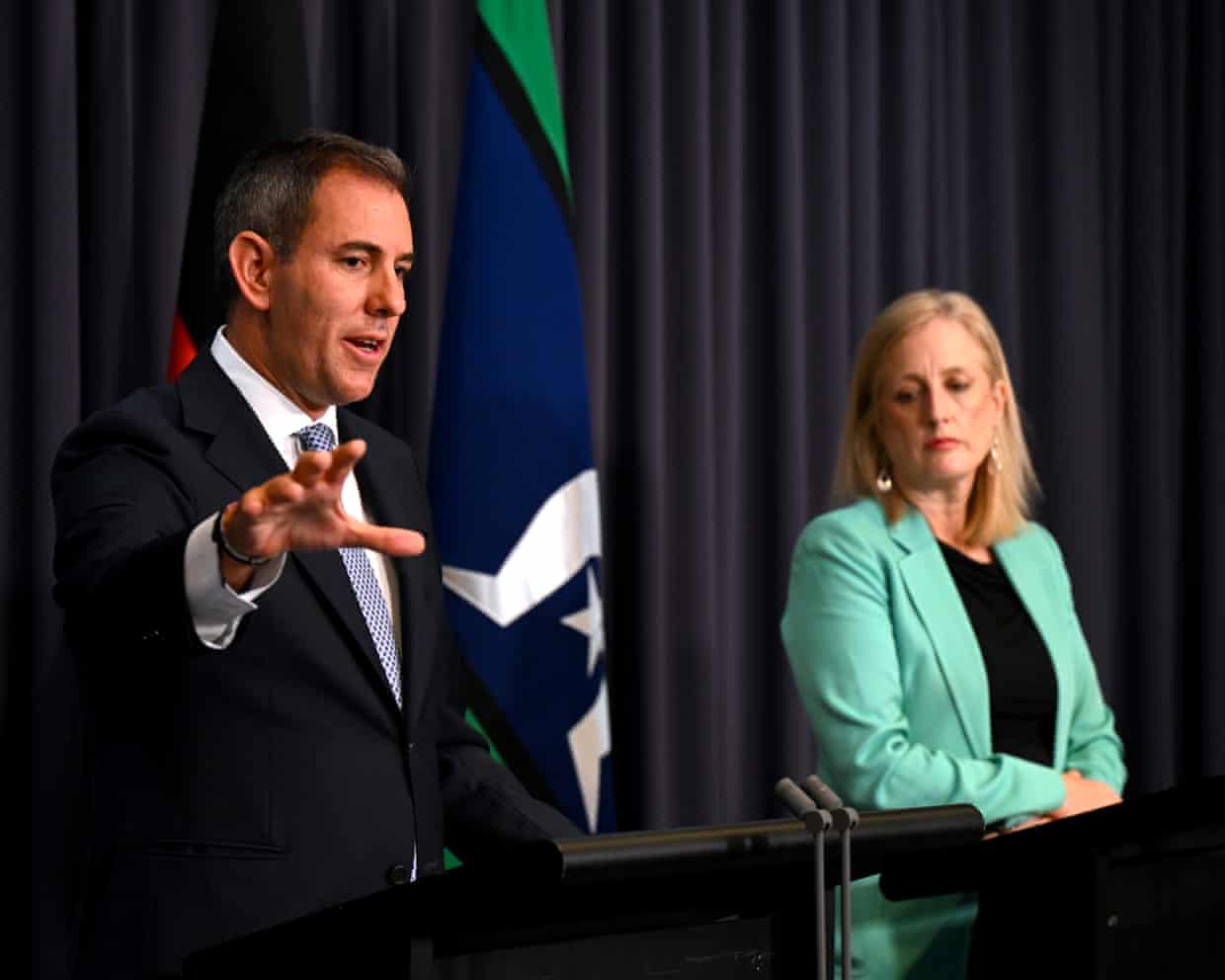
A penny-pinching Jim Chalmers will reveal a multibillion-dollar improvement in the federal budget that will still see the deficit nearly quadruple to $36.8bn in this financial year.The treasurer is the master of expectations management, and this week’s midyear economic and fiscal outlook (Myefo) will be an exercise in selling the Albanese government’s fiscal rectitude: Chalmers and Katy Gallagher gamely battling the rising tide of spending pressures.“Despite all the pressures we’ve had to accommodate in the budget, the bottom line is better in every year over the forwards thanks to our efforts,” the treasurer said in a statement as he revealed the latest budget figures.The newly estimated deficit is $5
Roasted! Morrisons loses £17m VAT battle over rotisserie chickens
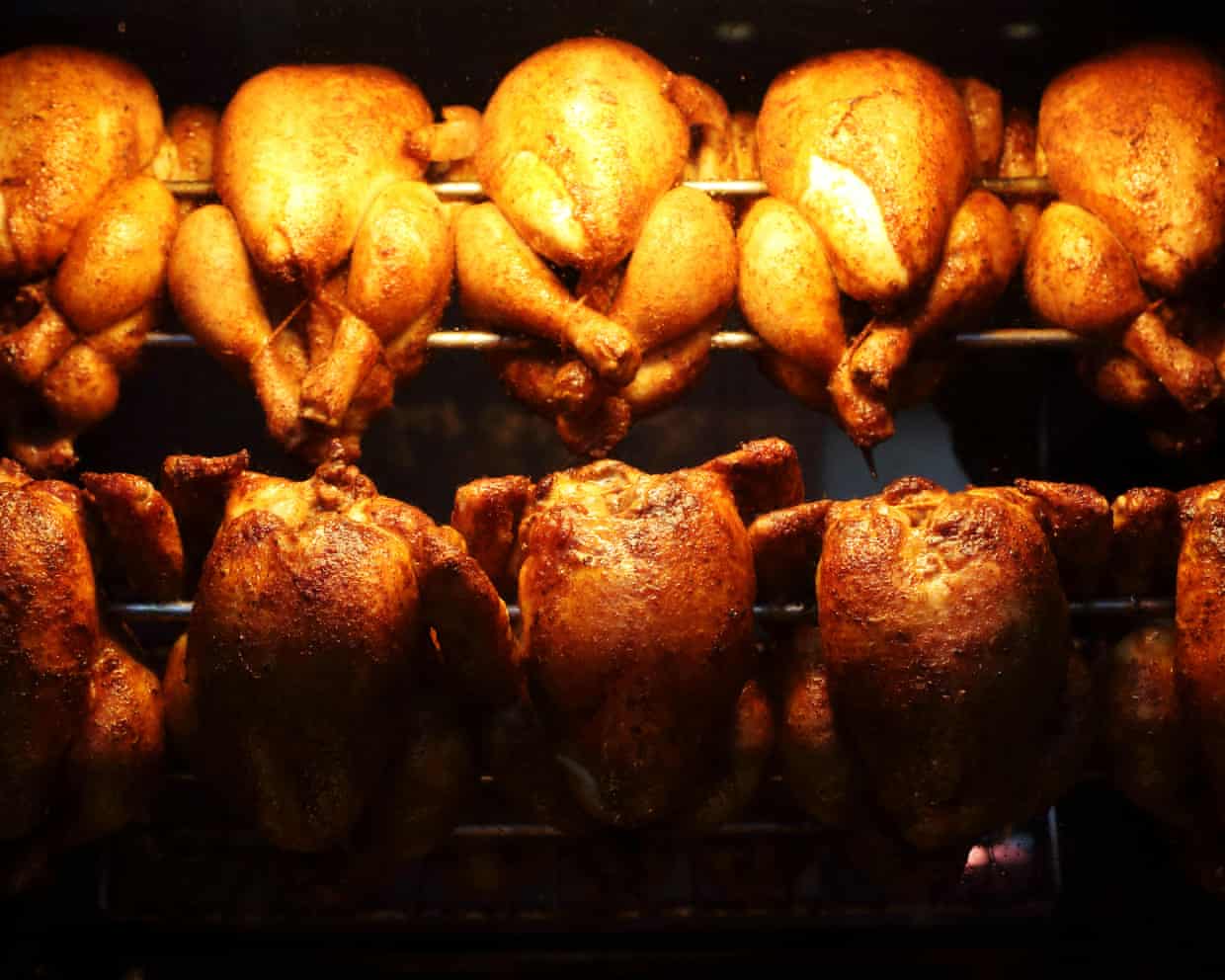
The UK supermarket chain Morrisons faces a £17m tax bill after losing a lengthy court battle against HMRC over the charging of value added tax (VAT) on rotisserie chicken.The high court has ruled that whole cooked cool-down chickens should be subject to the standard 20% VAT rate for hot food.The dispute relates to changes introduced by the then chancellor George Osborne’s controversial “pasty tax” of 2012, when the Treasury imposed VAT on all hot takeaway food sold by bakeries and supermarkets, such as Cornish pasties, pies and sausage rolls. This prompted a public outcry, forcing the Treasury to partially row back.The Treasury initially said that food sold above “ambient temperature” should be subject to VAT
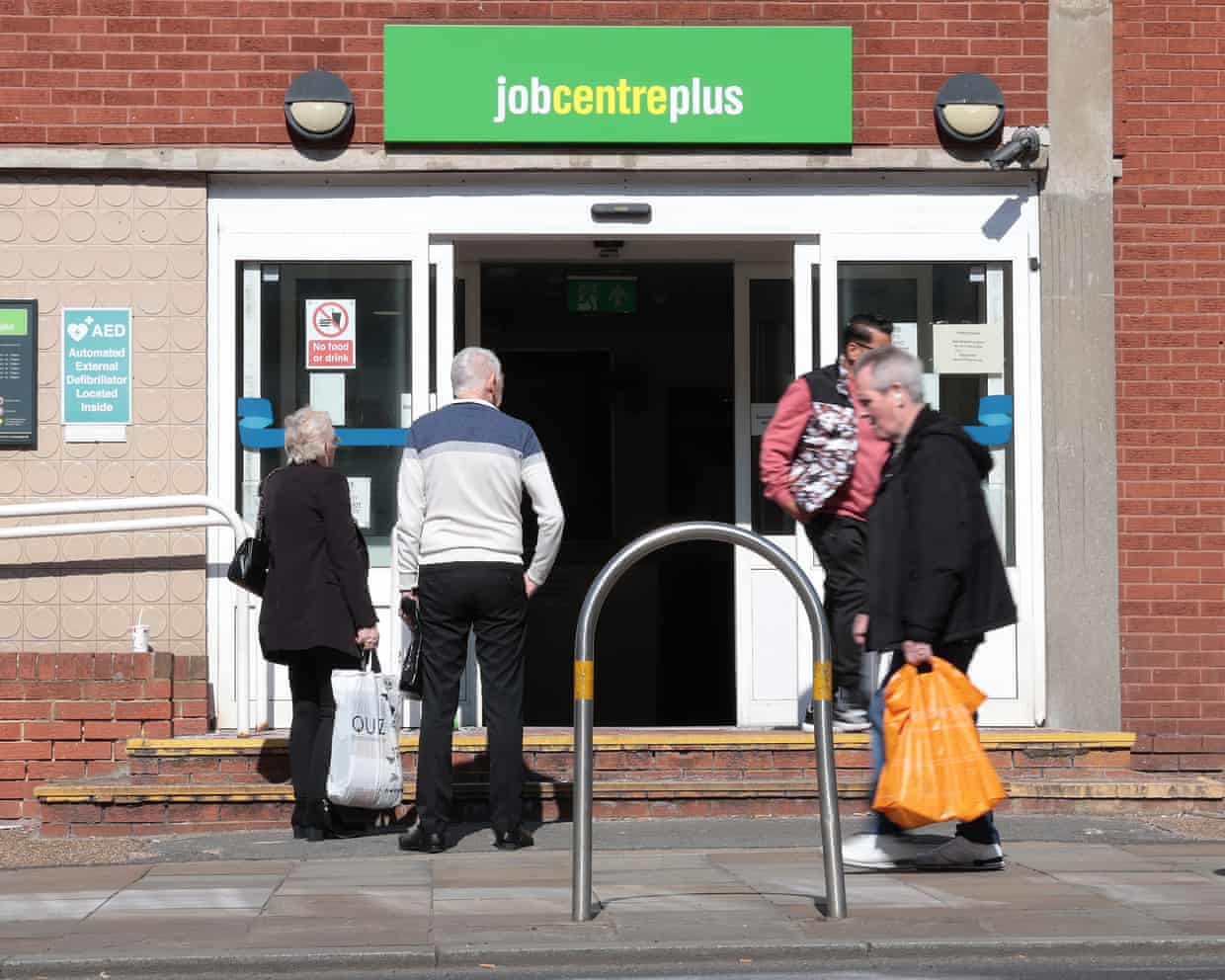
UK unemployment rose to four-year high of 5.1% before budget
The rate of UK unemployment rose to a four-year high of 5.1% in the three months to October, as the labour market showed signs of further weakening before last month’s budget.The Office for National Statistics said the jobless rate was the highest since January 2021 – but with the pandemic era stripped out, it was the highest since early 2016.Analysts said the rise in the jobless rate made it almost certain that the Bank of England would cut interest rates when policymakers meet on Thursday.The central bank has said it wanted wages growth to fall further before reducing the cost of borrowing again this year
Young people hit hard as UK unemployment marches upwards
When Labour came to power, it set a “long-term ambition” of increasing the employment rate – the share of the working age population with a job – to 80%. The latest data suggest things are moving in the wrong direction.The employment rate in the three months to October was 74.9%, according to the Office for National Statistics (ONS), down 0.3 percentage points on the quarter
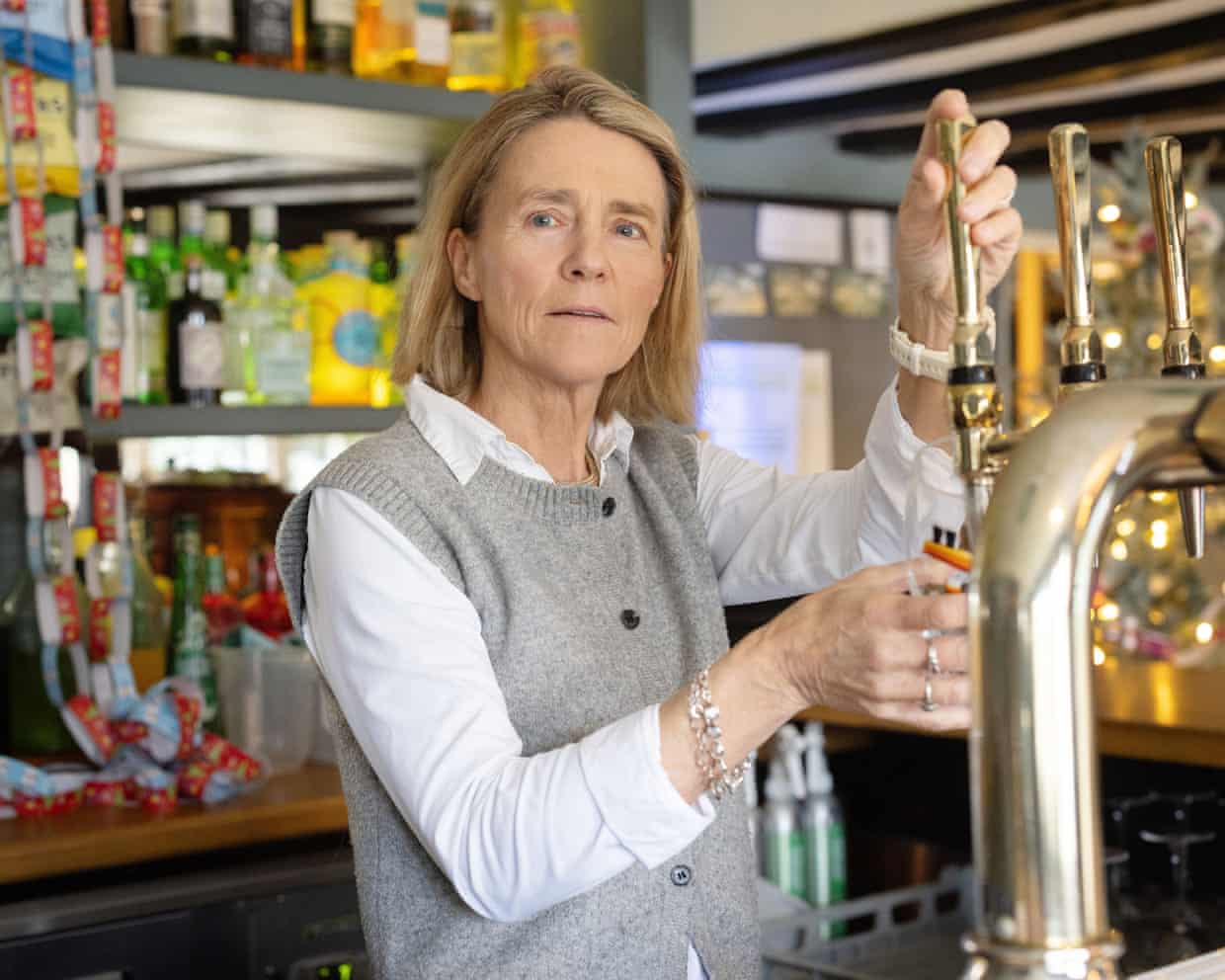
‘Squeezed from every direction’: pubs voice fury at Reeves’s business rates changes
Emma Harrison has begun to wonder how her business will survive in recent weeks. The managing director of the Three Hills pub in Bartlow, Cambridgeshire, is struggling to see how she will make a profit after examining the impact of her rising tax bill.“I’m really terrified about this coming year,” Harrison says. “We’re a well-run pub, we’ve won lots of awards, but this is going to be really hard.”Harrison is not alone
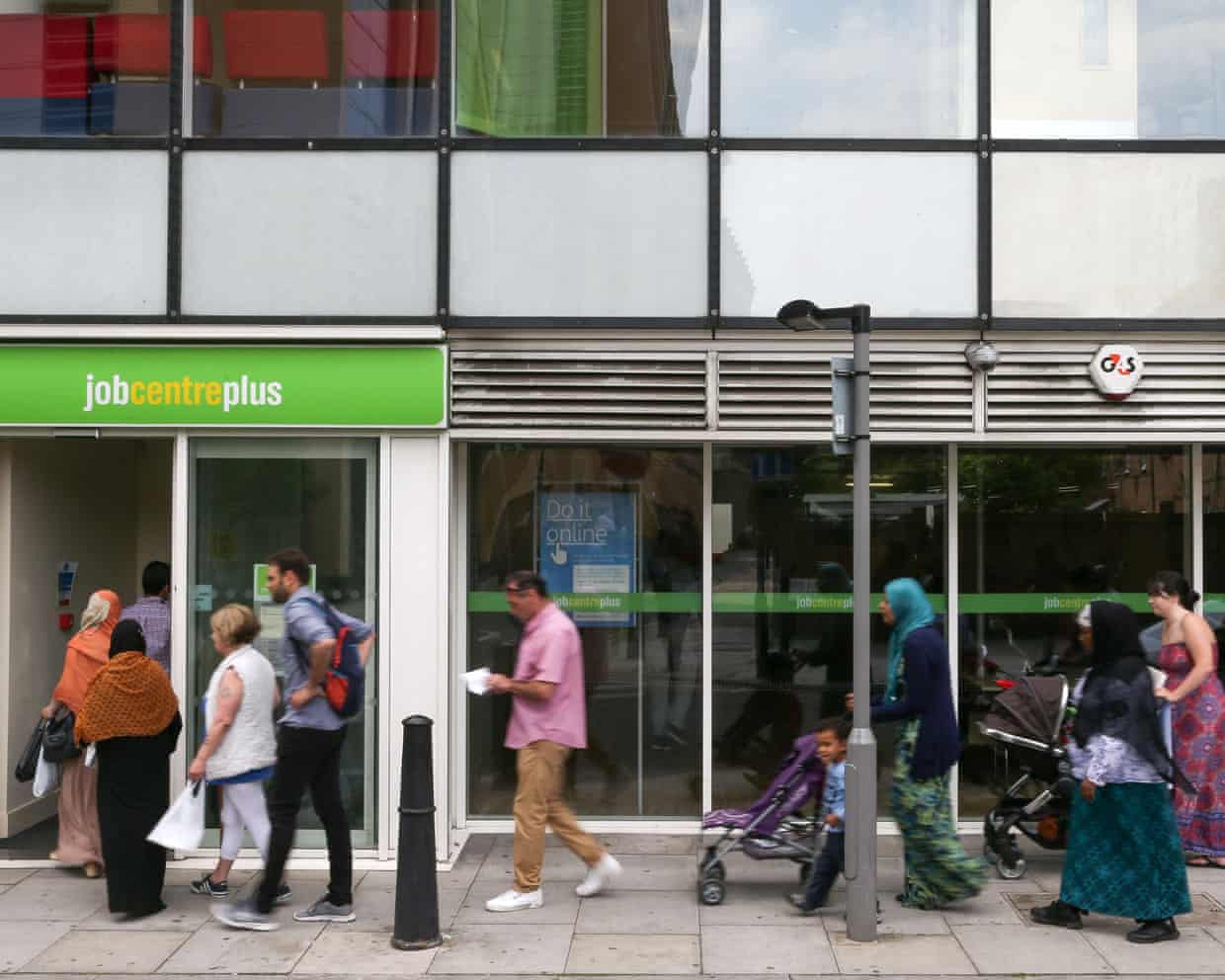
Unemployment rises in US and UK, adding to pressure to cut interest rates – as it happened
US lost 105,000 jobs in October and added 64,000 in November, according to delayed data

Water levels across the Great Lakes are falling – just as US data centers move in
Boost for artists in AI copyright battle as only 3% back UK active opt-out plan
Christmas Test a window to the world as Australia reels in wake of Bondi atrocity | Barney Ronay

Harlequins coach refuses to rule out move for Northampton back George Furbank