Louise Adler resigns as director of Adelaide writers’ week
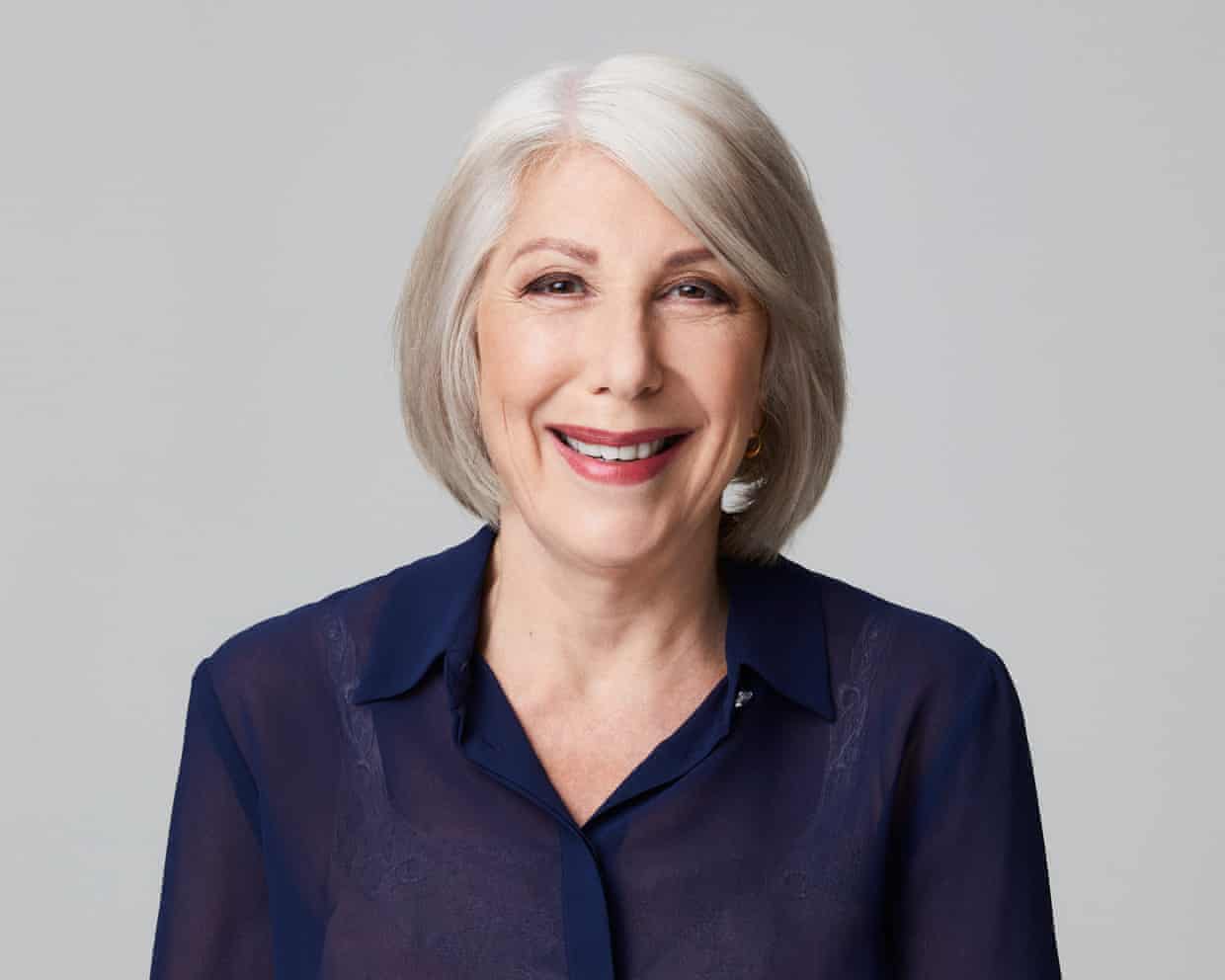
The director of Adelaide writers’ week, Louise Adler, has resigned after the board of the Adelaide festival announced it had dumped the Palestinian Australian author Randa Abdel-Fattah from the literary event,“I cannot be party to silencing writers, so with a heavy heart I am resigning from my role as the director of the AWW,” said Adler, one of Australia’s most influential literary figures,“Writers and writing matters, even when they are presenting ideas that discomfort and challenge us,We need writers now more than ever, as our media closes up, as our politicians grow daily more cowed by real power, as Australia grows more unjust and unequal,”Adler announced her resignation in an opinion piece published in Guardian Australia on Tuesday.
Since the board announced the cancellation of Abdel-Fattah’s appearance at the 2026 event, some 180 writers, commentators and academics have withdrawn, including the former New Zealand prime minister Jacinda Ardern, the bestselling author Zadie Smith, the Pulitzer prize-winning writer Percival Everett and one of Australia’s most decorated writers, Helen Garner.Abdel-Fattah previously faced sustained criticism from the Coalition, some Jewish bodies and media outlets for controversial comments about Israel, including alleging that Zionists had “no claim or right to cultural safety”.Adler was highly critical of the board she had been working with for the 2026 event, her fourth since being appointed director of AWW in 2022.At the weekend that board shrank by more than half, with four of its seven voting members, including the chair, Tracey Whiting, resigning.“The Adelaide festival board’s decision – despite my strongest opposition – to disinvite … Abdel-Fattah from the Adelaide writers’ week weakens freedom of speech and is the harbinger of a less free nation where lobbying and political pressure determine who gets to speak and who doesn’t,” she wrote, going on to condemn the board’s justification of community cohesion as the reason behind its decision to axe Abdel-Fattah.
“This is a managerialist term intended to stop thinking,” she said.“One doesn’t have to be a student of history to know that art in the service of ‘social cohesion’ is propaganda.”Adler also indicated that the decision was an example of a wider issue within Australian arts organisations, citing previous board decisions by the Melbourne Symphony Orchestra (the cancelling of a concert by the pianist Jayson Gillham), Creative Australia (the withdrawal and subsequent reinstatement of Khaled Sabsabi to the 2026 Venice Biennale), and the collapse of the Bendigo writers’ festival.Sign up: AU Breaking News emailThe column echoes concerns raised by 17 prominent cultural figures – who have all held senior leadership roles at Adelaide festival – in a letter to the festival’s board on Saturday.Signatories included nine past artistic directors of the festival: Jim Sharman, Anthony Steel, Rob Brookman, Robyn Archer, Peter Sellars, Stephen Page, Paul Grabowsky, David Sefton and Neil Armfield.
The director Barrie Kosky, who led the festival in 1996, has sent a separate letter to the South Australian premier, Peter Malinauskas, and the arts minister, Andrea Michaels, demanding that Abdel-Fattah be reinstated to the writers’ week program,The open letter condemned the board’s decision on Abdel-Fattah and challenged the SA government to appoint people with arts expertise to the board of one of Australia’s most internationally renowned cultural events,“We note there are currently none,” the open letter said,On Tuesday Abdel-Fattah called Adler’s resignation “a tragedy”, telling ABC Radio Adelaide that Adler was “one of the most incredible directors and icons in Australia’s cultural history”,“What we have now is Louise Adler, a Jewish woman, an anti-Zionist Jewish woman, who has had to resign and step down from this festival,” she said.
“It really shows you that in this moment her identity as a Jewish woman has been erased and this is an attack on me as a Palestinian and Louise Adler as an anti-Zionist Jewish woman.”Abdel-Fattah rejected any suggestion she had made antisemitic comments in the past.“I have never, ever called for Jews to be unsafe,” she said, adding: “Zionism is not a racial or religious identity, it is a political ideology.”In 2023 Adler was criticised for programming multiple Palestinian writers at AWW but argued that all authors had been invited based on their books, not their political opinions.“People are free to deeply object,” she told Guardian Australia after AWW finished that year.
“They don’t have to come.Or come, and you don’t need to agree with what people think.“But people listened.These steadfast Adelaide audiences came out in their thousands and listened with courtesy and respect for the conversation.It should be something that lifts the spirits of all of us.
”At that 2023 event, Malinauskas admitted he had been under immense pressure to axe the funding for writers’ week but decided it would set a dangerous precedent if a government determined who was allowed to speak.Adler pointed out in her resignation column that, in contrast to his 2023 position, the premier had publicly backed the decision to axe Abdel-Fattah.Malinauskas has denied he put any pressure on the festival board to withdraw the academic’s 2026 invitation.A former publisher and the Jewish daughter of Holocaust survivors, Adler has been a consistent defender of free speech, the right to criticise Israel and the right of Palestinians to speak freely, as other Australian arts leaders have wavered.She is on the advisory committee of the Jewish Council of Australia.
She is also a former editor of Australian Book Review, a former arts editor for the Age, a former presenter of ABC Radio National’s Arts Today program and a former president of the Australian Publishers Association.She has also worked as a publisher-at-large at Hachette and as the chief executive of Melbourne University Press.Adler’s paternal grandfather was murdered in Auschwitz-Birkenau.Her father joined the communist resistance in Paris aged 14, while her mother fled Nazi Germany with her parents in 1939, as their extended family was murdered by the Nazis.Born in Melbourne, Adler studied in Israel, the UK and the US, where she was a postgraduate student of the Palestinian American academic Edward Said.
Speaking on the ABC’s 7.30 in 2023, Adler recalled being summoned to a private meeting with an Israeli ambassador in the 2000s after she reviewed Said’s memoirs and being ordered to “not air Israel’s dirty linen in public”.“That was one of my early experiences of being told that we don’t talk about our criticism of Israel in the public sphere,” she said.But, she said, her family’s history had inspired her stance on Palestine.“It is important and it is vital for us to not look away,” she said.
“We all have a choice,The world looked away during the second world war and the Jews, six million of our people, were murdered in that looking away,“And that it is incumbent upon humanity to look at what is happening in Gaza now and to say, ‘We will not accept this,We will say no, not in our name,’”

Use of AI to harm women has only just begun, experts warn
“Since discovering Grok AI, regular porn doesn’t do it for me anymore, it just sounds absurd now,” one enthusiast for the Elon Musk-owned AI chatbot wrote on Reddit. Another agreed: “If I want a really specific person, yes.”If those who have been horrified by the distribution of sexualised imagery on Grok hoped that last week’s belated safeguards could put the genie back in the bottle, there are many such posts on Reddit and elsewhere that tell a different story.And while Grok has undoubtedly transformed public understanding of the power of artificial intelligence, it has also pointed to a much wider problem: the growing availability of tools, and means of distribution, that present worldwide regulators with what many view as an impossible task. Even as the UK announces that creating nonconsensual sexual and intimate images will soon be a criminal offence, experts say that the use of AI to harm women has only just begun
Crypto coin firm touted by Eric Adams denies allegations of ‘rug pull’ scam
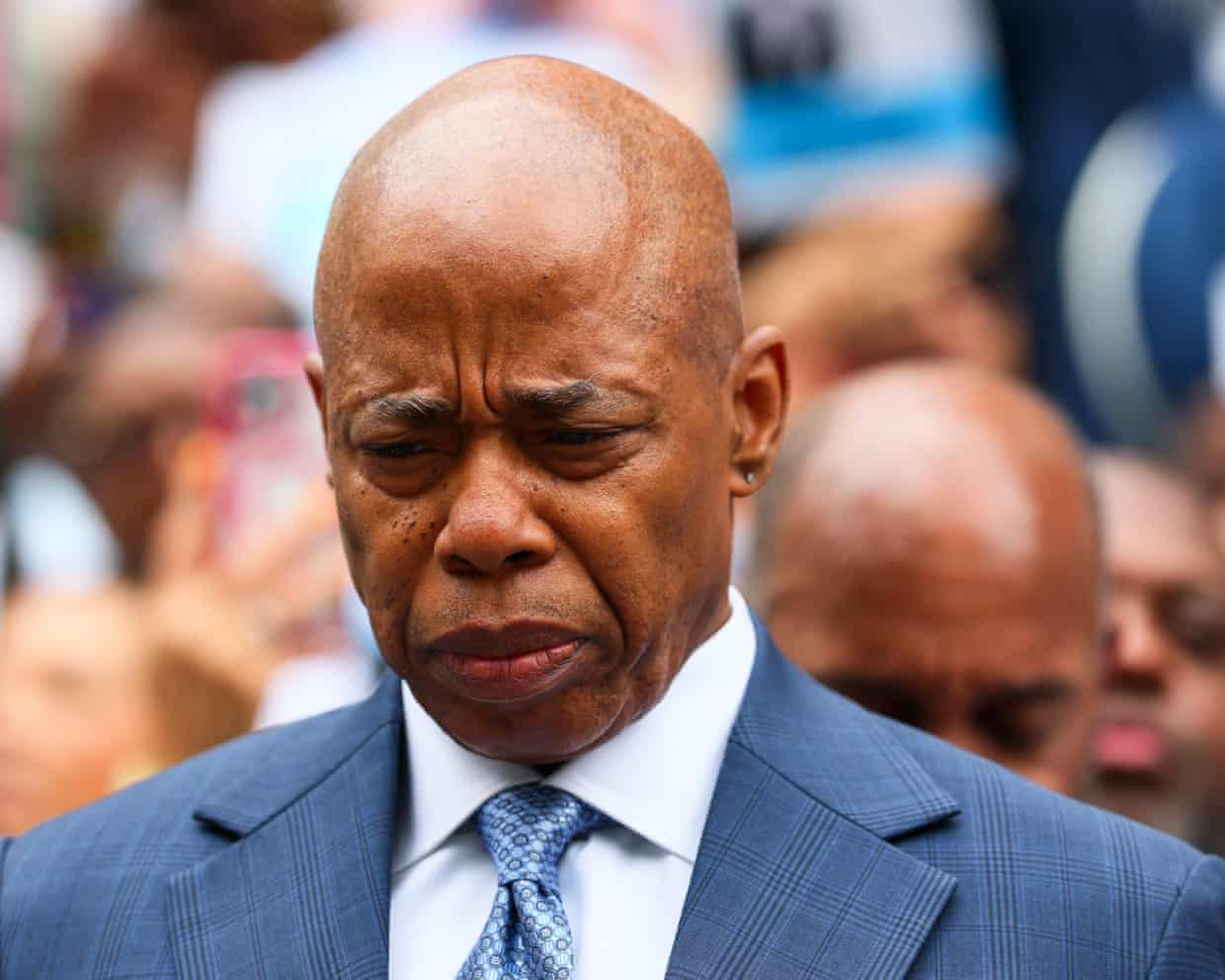
The cryptocurrency launched by New York City’s former mayor Eric Adams is already in hot water, and now the company behind it is being forced to defend itself from accusations that it scammed people.Investors and cryptocurrency watchers say the asset, dubbed NYC Token, surged to about $580m shortly after it hit the market on Monday and then rapidly plummeted in value. Observers speculated that someone behind the scene may have carried out what’s known in the crypto world as a “rug pull” – when the creators of the asset quickly sell their investments.The company behind the coin has denied any wrongdoing.In a statement posted on X, NYC Token said it was aware of the allegations but rejected claims of a rug pull

Trump says Microsoft will pay more for its datacenters’ electricity
Donald Trump said he is partnering with tech companies to ensure the large energy-hungry datacenters vital for AI do not drive up electricity bills in the US. On Tuesday, the US president announced that Microsoft was “first up”.“We are the ‘HOTTEST’ Country in the World, and Number One in AI. Data Centers are key to that boom, and keeping Americans FREE and SECURE but, the big Technology Companies who build them must ‘pay their own way.’” Trump wrote on Truth Social
It’s the governance of AI that matters, not its ‘personhood’ | Letters
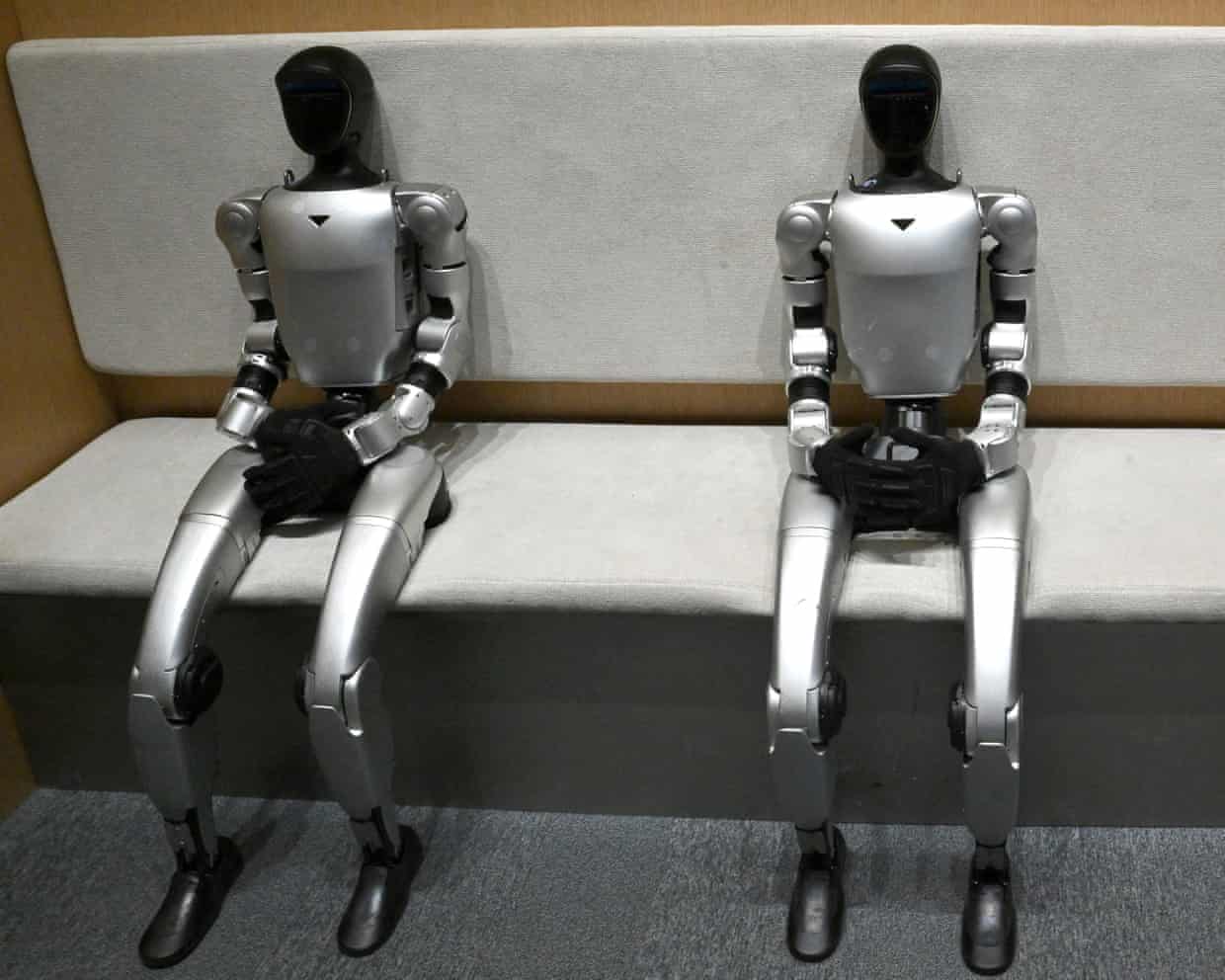
Prof Virginia Dignum is right (Letters, 6 January): consciousness is neither necessary nor relevant for legal status. Corporations have rights without minds. The 2016 EU parliament resolution on “electronic personhood” for autonomous robots made exactly this point – liability, not sentience, was the proposed threshold.The question isn’t whether AI systems “want” to live. It’s what governance infrastructure we build for systems that will increasingly act as autonomous economic agents – entering contracts, controlling resources, causing harm
Musk’s AI tool Grok will be integrated into Pentagon networks, Hegseth says
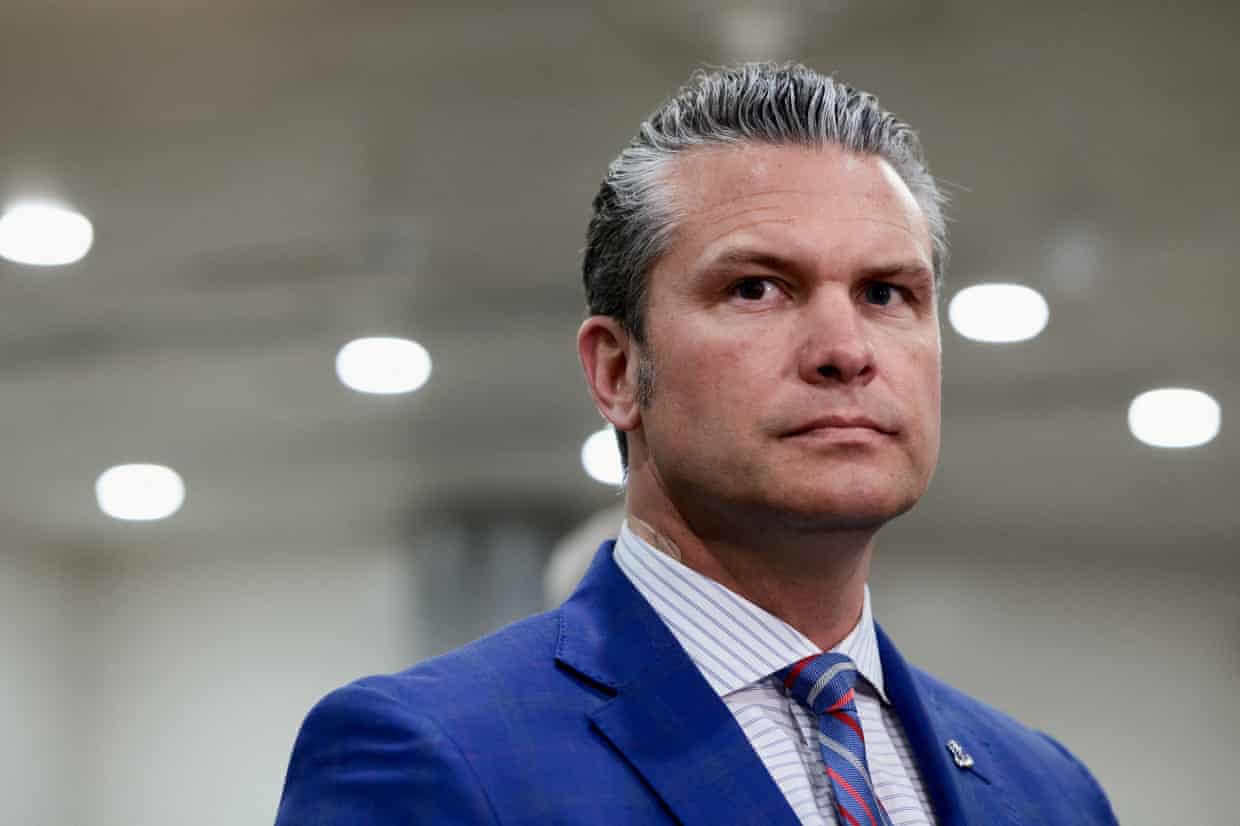
Pete Hegseth announced on Monday that the US military will begin integrating Elon Musk’s artificial intelligence tool, Grok, into Pentagon networks.Speaking at the SpaceX headquarters in Texas on Monday evening, the US defense secretary said that the integration of Grok into military systems would go live later this month. “Very soon we will have the world’s leading AI models on every unclassified and classified network throughout our department,” Hegseth said.Hegseth also unveiled a new “AI acceleration strategy” at the Department of Defense that he said will “unleash experimentation, eliminate bureaucratic barriers, focus on investments, and demonstrate the execution approach needed to ensure we lead in military AI and that it grows more dominant into the future”.In December, it was announced that the defense department had selected Google’s Gemini, another AI model, to power the military’s new internal AI platform, known as GenAI
Can X be banned under UK law and what are the other options?
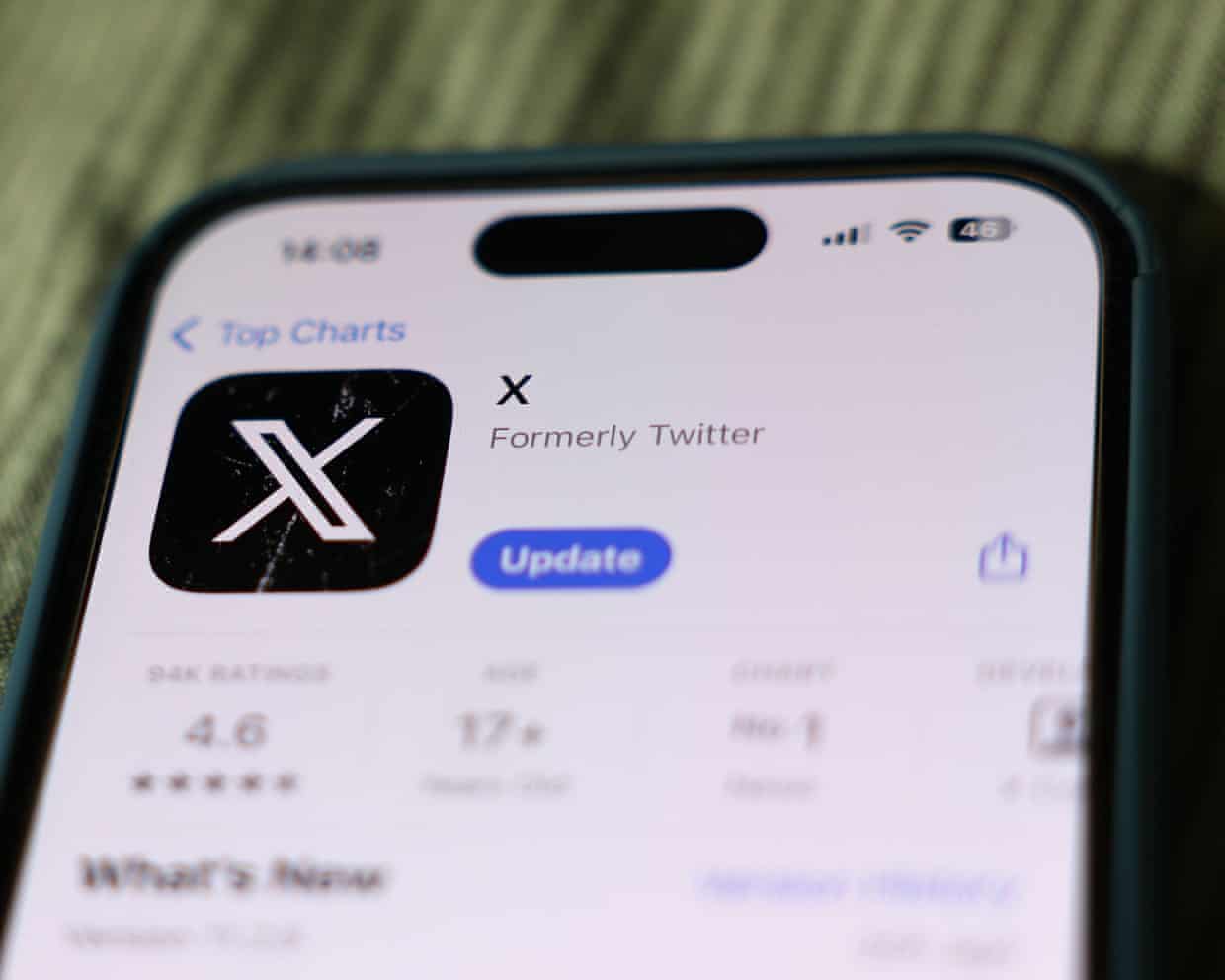
The UK government is threatening Elon Musk’s X with the nuclear option under the country’s online safety laws: a ban. The social media platform is under pressure from ministers after it allowed the Grok AI tool, which is integrated within the app, to generate indecent images of unsuspecting women and children.The government has said it will support the media regulator Ofcom, which has launched an investigation into X, if it decides to push ahead with a ban. But is such a move likely?The Online Safety Act (OSA) contains a provision that allows Ofcom to seek a court order imposing “business disruption measures” on a website or app that is in breach of the legislation. These measures are in effect a block on the recipient operating in the UK

Circumcision kits found on sale on Amazon UK as concerns grow over harm to baby boys

One in four UK teenagers in care have attempted to end their lives, study says

Five minutes more exercise and 30 minutes less sitting could help millions live longer

NHS spending up to £19k a time treating people suffering after overseas surgery, research finds

LGB+ people in England and Wales ‘much’ more likely to die by suicide than straight people

Football fan took his own life after using illegal ‘predatory’ betting sites, inquest told