My cultural awakening: Losing My Religion by REM helped me escape a doomsday cult
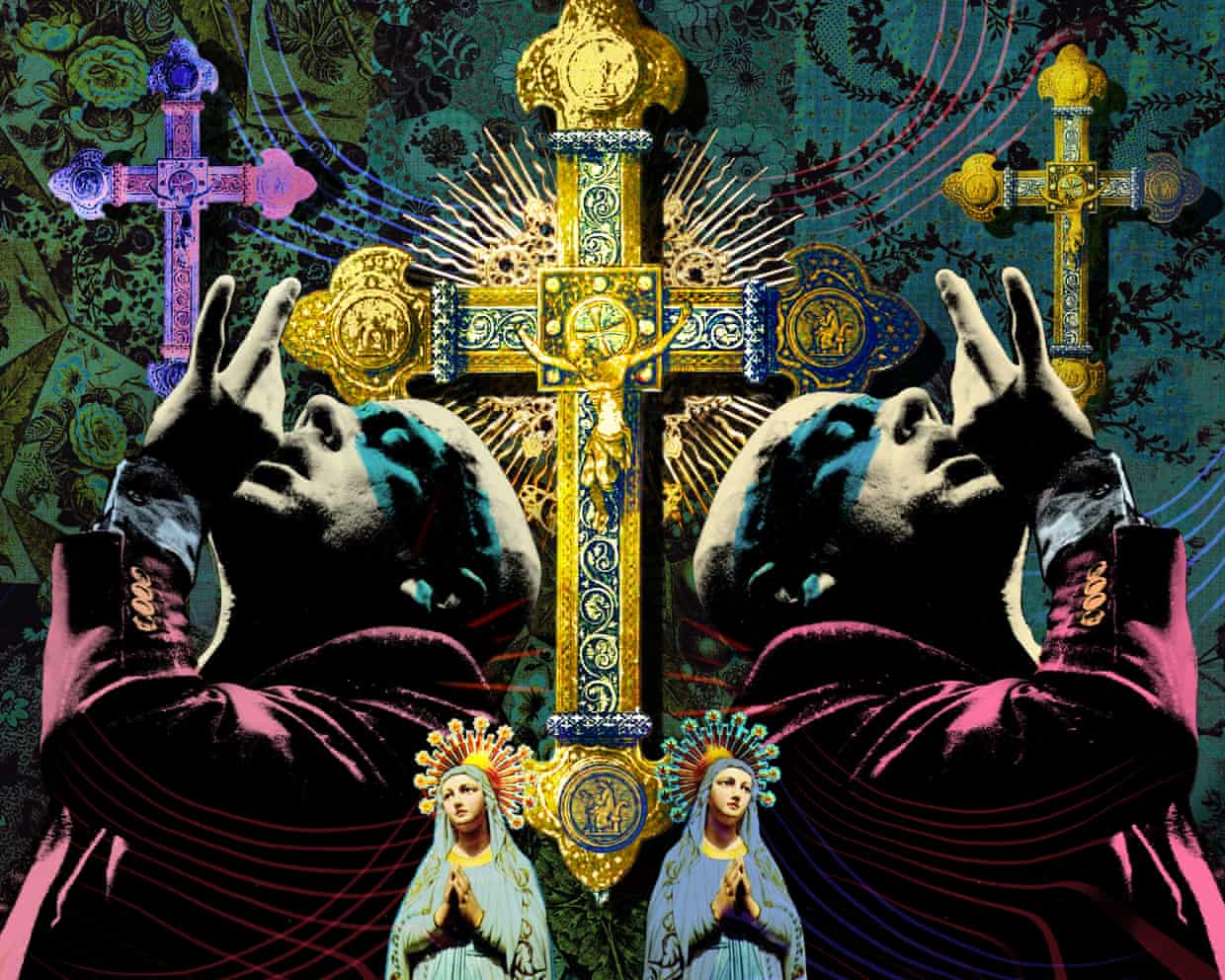
In 1991, I was living in a commune with 200 other people in Japan, as a member of a cult called the Children of God, which preached that the world was going to end in 1993.Everything I did – from where I slept each night, to who I was allowed to sleep with – was decided by the head of my commune.I was encouraged to keep a diary, and then turn it over to the leaders every night, so they could comb through it for signs of dissent.I was only allowed to listen to cult-sanctioned music, and I was only allowed to watch movies with happy endings, because those were the types of films of which the cult’s supreme leader – David Berg – approved.The Sound of Music was one of Berg’s favourite films, so we watched it on repeat.
By the time I was living in Japan, I was in my mid-30s, and I’d been part of the cult for 20 years,I was indoctrinated by a young hippy couple when I was 16, and persuaded to run away from my family and join a sect of the cult near my home town in Canada,I was a lonely teenager and desperately searching for some kind of meaning,Everybody I knew worked in the lumber mill in my small town, and the thought that I was doomed to live that life scared the hell out of me,The first time I visited the commune, everyone hugged me when I walked in, just to say “hello”.
It was intoxicating.But by 1991, after two decades in the cult, my faith was weakening.It was becoming clearer to me that Berg was wrong about the world ending in 1993.A whole series of events that were meant to directly precede the Second Coming hadn’t happened, and Berg – who lived in secrecy and communicated with his followers by written “prophecies” – kept issuing increasingly unconvincing excuses.I was also becoming more resistant to the way the cult leaders sought to control the most intimate parts of my life.
When I joined the cult, it was very sexually conservative,If you wanted to date another member of the community, you had to ask for permission from the leadership,But as the years went by, Berg started preaching a doctrine of sexual freedom, and ordering his members to couple-swap,I had got married to another cult member in the 1980s, and was living with her in a Children of God commune in Japan,Because I resisted couple-swapping I was forcibly separated from my wife as a punishment – and ordered to live in a different commune on my own.
There was also an even darker side to the Children of God that I was trying to shut my eyes to.Berg had released a written decree which permitted adult cult members to have sex with children.I never witnessed any sexual contact with children, and while I did read that decree when it was released in the 1980s, I refused to accept it.Still, it horrified me.Forcibly separated from my wife, and with Berg’s teachings becoming more twisted, I was in a state of spiritual turmoil.
But it was only when I heard REM’s song Losing My Religion that I was pushed to action.Cult members were allowed to own Walkmans, because the Children of God released their own music on cassette, but we were forbidden from listening to “worldly” music.As my will to blindly obey crumbled, I began to secretly tune in to the American armed forces radio station that broadcast in Japan.(Technically, I’d always had the power to covertly listen to music this way, but it’s a sign of how indoctrinated I was that I had never allowed myself to do so before.) One day, Losing My Religion came on, and I remember hearing it for the first time and freezing.
I physically stopped walking.It was that lyric, ”That’s me in the spotlight / Losing my religion”, that shook me.Hearing that line was the first time I’d even had words for what was happening to me.Then I heard the lyric, “Every whisper of every waking hour / I’m choosing my confessions”, and I began to think about the way the leaders made us write those daily diaries of our feelings, and then hand them over for inspection.I had learned to self-censor, because I was afraid that expressing my real feelings and doubts would result in punishment.
I had been “choosing my confessions” for many years,In 1991, Losing My Religion was a brand new song and the radio station had it on heavy rotation,Every day I’d go on my walk and hear it again, and at first, it made me terrified,I was a 36-year-old high school dropout with no possessions, and I had nothing to go back to,You had to turn all your money over to the cult, so I had barely anything to my name.
But with every re-listen, I became more determined to leave,It took me about five months, but I finally escaped the commune in the autumn of 1991,I moved back in with my parents, and ended up training to become a lawyer, but I have remained haunted by my decades with the cult,I’ve spent my career advocating for the children who were abused by Berg and some of his followers,A few years ago, I was surprised to learn that according to REM frontman Michael Stipe, Losing My Religion isn’t about someone losing faith at all; it’s about unrequited love.
He explained that the phrase is a common expression in the American south “meaning to lose one’s temper or civility, or to feel frustrated and desperate”.However, like poetry, songs are open to the interpretation of listeners who apply their own meanings to the lyrics.I applied that song to my own life and everything changed.You can tell us how a cultural moment has prompted you to make a major life change by filling in the form below or emailing us on cultural.awakening@theguardian.
com.Please include as much detail as possiblePlease note, the maximum file size is 5.7 MB.Your contact details are helpful so we can contact you for more information.They will only be seen by the Guardian.
Your contact details are helpful so we can contact you for more information.They will only be seen by the Guardian.If you include other people's names please ask them first.
My cultural awakening: Losing My Religion by REM helped me escape a doomsday cult
In 1991, I was living in a commune with 200 other people in Japan, as a member of a cult called the Children of God, which preached that the world was going to end in 1993. Everything I did – from where I slept each night, to who I was allowed to sleep with – was decided by the head of my commune. I was encouraged to keep a diary, and then turn it over to the leaders every night, so they could comb through it for signs of dissent. I was only allowed to listen to cult-sanctioned music, and I was only allowed to watch movies with happy endings, because those were the types of films of which the cult’s supreme leader – David Berg – approved. The Sound of Music was one of Berg’s favourite films, so we watched it on repeat
From Hamnet to Bridget Christie: your complete entertainment guide to the week ahead
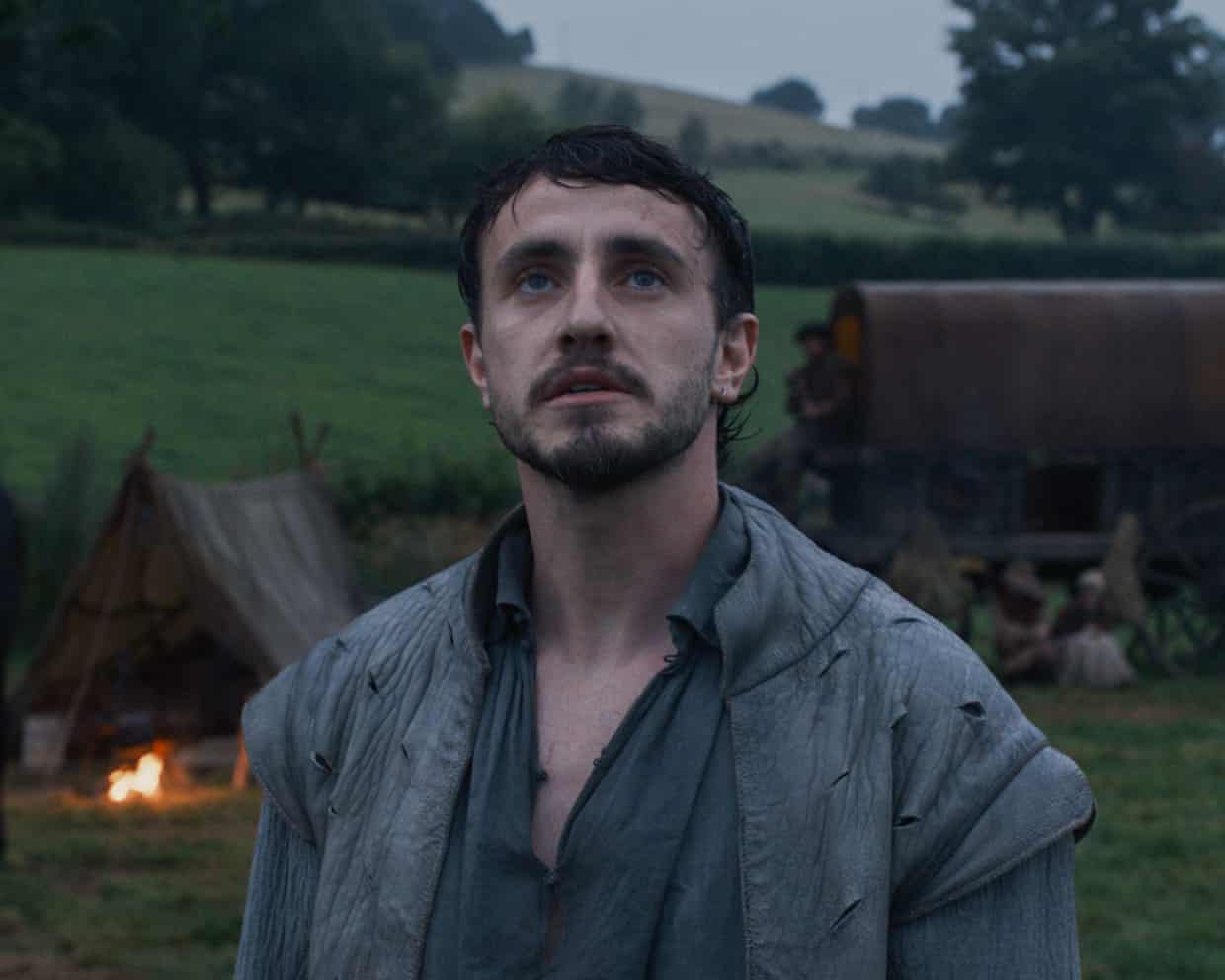
HamnetOut now Bring the tissues for this emotional Oscar hopeful which sees Paul Mescal and Jessie Buckley star as none other than William Shakespeare and his wife, Agnes, whose son Hamnet died at the age of 11. It is based on the book by Maggie O’Farrell, and Chloé Zhao (Nomadland) directs.David Lynch: The DreamerBFI Southbank & BFI Imax, London, to 31 JanuaryMarking what would have been the director’s 80th birthday, this new season includes screenings of key films such as The Elephant Man, Blue Velvet and Mulholland Drive, as well as lesser-seen work, such as six of his short films and all eight episodes of his animated webseries Dumbland. There’s even a David Lynch VJ night and a quiz evening.GiantOut now Up and coming star Amir El-Masry toplines this sports drama depicting the rise of British boxer Prince Naseem Hamed, from untested no-mark all the way to world champion – with a little help from trainer Brendan Ingle (Pierce Brosnan)

The Guide #225: Everyone loves an origin story: Guardian debuts, from the Beatles to Donkey Kong
From Radiohead playing in backroom pubs as On a Friday to Timothée Chalamet’s early days as an Xbox YouTuber, it’s always fascinating to see the faltering first steps of famous folk. So in this week’s newsletter we’re launching a new regular feature, Origin stories, where we’ll look at how the Guardian first covered some now very familiar pop culture figures or institutions. And you’ll find out who the tyke above is, from a 1973 photoshoot, at the end.To the archives!The BeatlesThe Guardian, regrettably, wasn’t at the Cavern or the clubs of Hamburg for an on-the-ground report of the Fabs’ early years. Instead, the first appearance that we can find is in an article about the rise of “coffee dance clubs”, basement venues in Manchester where a “metropolitan mixture of artist, Continental girls who could be students, but may just be au pair, and young manual workers having a fairly inexpensive night on the town” would dance till they dropped (though apparently not drink much coffee)

Comedy and tragedy, with Spike Milligan | Letter
I too saw Spike Milligan in The Bed-Sitting Room as a 16-year-old (Letters, 30 December), on a trip organised by my church youth club. Due to the double selling of our tickets at the theatre in London, we were put in a box next to the stage. During the performance, Milligan climbed up the outside and peered over. He shouted: “There will come a time when all those in the box will sit at the back of the theatre and all those at the back will have the best seats!” He then added: “You’re not on complimentaries, are you?”On the way home, the coach driver stopped to see why there were scores of people on otherwise empty streets buying the late-night final. The date was 22 November 1963

Warren Lakin obituary
My friend Warren Lakin, who has died of a respiratory tract infection aged 71, for many years promoted live shows and tours by comedians, singers, poets and public speakers, latterly with Lakin McCarthy Productions, the company he ran with Mike McCarthy. Among the performers he worked with were Barry Cryer, Susan Calman, Andy Hamilton, Robin Ince, Ruby Wax, Jon Ronson and – most notably – his partner Linda Smith.Warren met Linda in the early 1980s when they were founder members of the leftwing Sheffield Popular Theatre, which, as well as producing plays, also staged the cabaret nights in which Linda performed her first standup routines.Warren was with Linda throughout her comedy career and her time as a Radio 4 stalwart. After her death in 2006, he curated her legacy with the same kind of energy that made him such a successful promoter
AI, Salman Rushdie and Elon Musk: the most anticipated documentaries of 2026
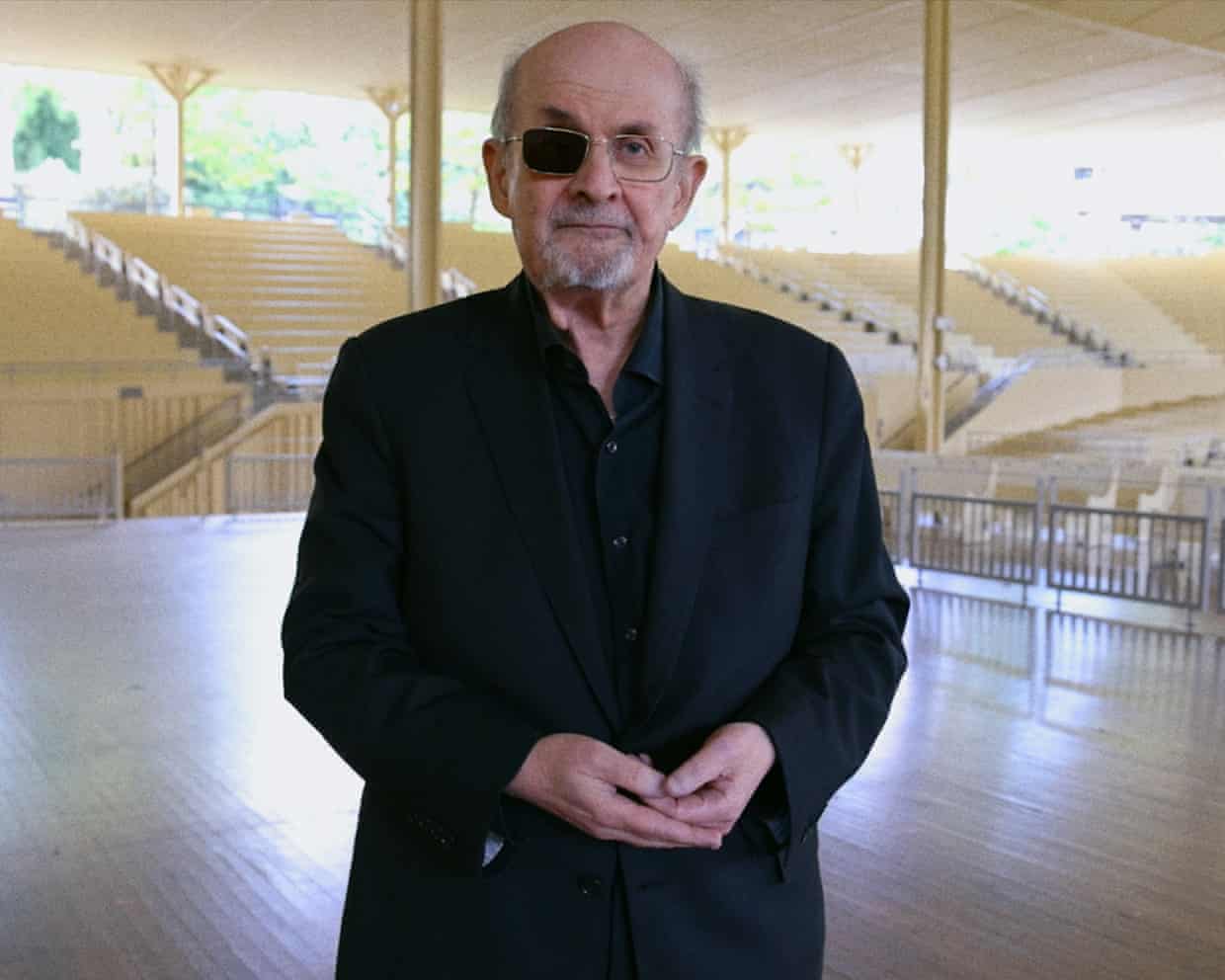
The landscape for nonfiction cinema is swift, fragile and constantly in flux in these absurd times; films we discuss now may not be released, and films we discuss a year from now may not even be the germ of an idea yet. But between the usual stable of celebrity retrospectives, music documentaries and the ongoing work to record the atrocities in Gaza, the documentary slate for 2026 already seems both full and promising. From the assassination attempt on Salman Rushdie to AI, a Billie Jean King retrospective to Elon Musk, here are 10 of the most hotly anticipated documentaries in 2026.In recent years, the Sundance film festival has become the premier destination for buzzy and/or prestige documentaries – three of the last five Oscar wins have gone to films that premiered in Utah, and the festival is now routinely alight with major celebrity retrospectives. Potentially combining both at the festival this year is Knife: The Attempted Murder of Salman Rushdie, film-maker Alex Gibney’s nonfiction adaptation of the writer’s bestselling memoir, which detailed the 2022 onstage assassination attempt that cost him his vision in one eye

UK wants any transition of power in Iran to be peaceful, says minister

Sir Patrick Duffy obituary

Zarah Sultana’s Your Party membership launch may be ‘criminal’ matter for police, ICO says

Reform UK accused of betraying election pledges after council tax rises

It is Labour’s party machine that is out of touch | Letters

UK politics: Reform UK mayoral candidate apologises for Lammy ‘go home’ tweet – as it happened