‘I got everything I dreamed of – when I had no ability to handle it’: Lena Dunham on toxic fame, broken friendships and her ‘lost decade’
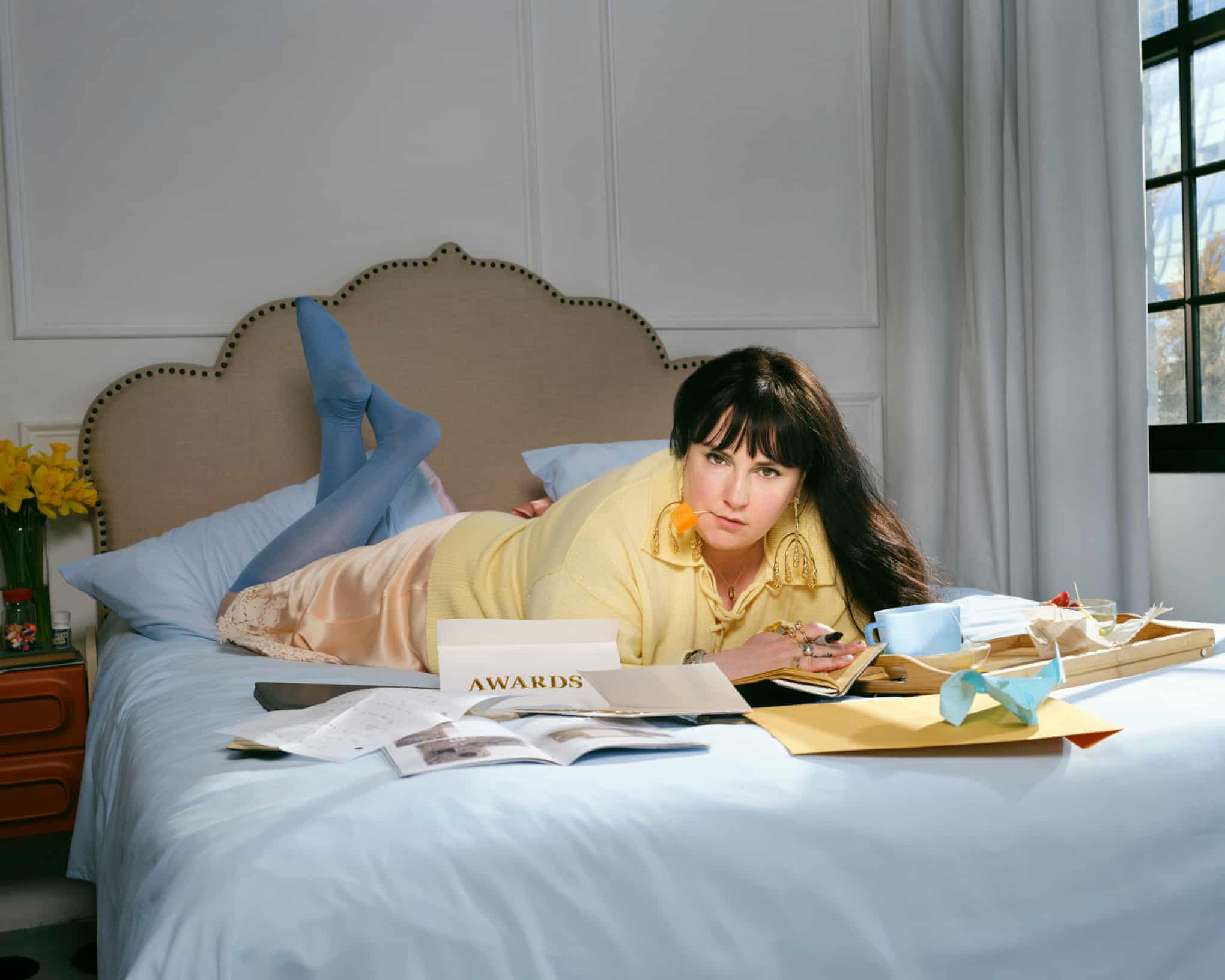
Stardom came fast and hard for the wunderkind who created the hit HBO series Girls aged just 23.Now she’s written a tell-all memoir about why she was forced to retreat from the spotlight Lena Dunham on going to rehab: read an exclusive extract from FamesickIf there is something to be learned from the words people pick for their passwords and proxies, then Lena Dunham’s choice of aliases – pseudonyms that, as a public person, she has used over the years to conceal her identity when checking into rehab or ordering room service – give us a tiny glimpse into the writer and director’s self-image.Among her staples, “Lauri Reynolds” (after her mum, Laurie, with whom she is strikingly close); “Rose O’Neill” (after the American millionaire illustrator, who lost her fortune to burnout and hangers-on); and my favourite, “Renata Halpern”, an alias Dunham shares with readers of her delicious new memoir, Famesick, without explaining the name’s origin.“Has anyone else clocked the Renata Halpern reference?” I ask Dunham, who is in her apartment in New York, talking fast via video call while waiting for an egg-and-cheese bagel to be run up from the deli.On the brink of 40, she is in her dark-haired era – very Jane Russell in Gentlemen Prefer Blondes – which, this morning, is set against a bright orange shirt and the pale, glowy skin she describes as the single happy side-effect of hypermobile Ehlers-Danlos syndrome, a genetic condition of the connective tissue with which Dunham was diagnosed in 2019.
Later this month, she’ll return to London, where she has lived for the last five years with her husband, Luis Felber, and where she enjoys greater anonymity than in her native New York – although, she says, not enough to dispense with the aliases,(“Just when you think no one cares, someone does something creepy, so you have to watch out,”)Renata Halpern: the alter ego of Savannah Wingo, luridly traumatised minor character in The Prince of Tides, Pat Conroy’s timeless potboiler of the mid-1980s, made into a movie starring Barbra Streisand and Nick Nolte which has always attracted a certain kind of smirking obsessive (hi!),Dunham screams,“No one’s ever caught it! The amount of mail I’ve received to Renata Halpern … thank you.
Now I’m going to have to change my fake names.”Here we are, then, nine years after the sixth and final season of Girls.If Dunham gravitates towards the names of hurt or traumatised women, it is advisedly so; for the last 20 years, her life has been a lot.Famesick covers it all without flinching: the early exposure that coincided with social media’s wildest west period; the creative and personal pressures of running a hit TV show that would’ve buckled a grizzled veteran three decades her senior; the health dramas, including a multi-year struggle to get doctors to take her endometriosis seriously; the subsequent addiction to prescription drugs; the dysfunctional and damaging sex and relationships; the challenge of dating musician Jack Antonoff; the challenge of managing actor Adam Driver; the fallout with her close friend and business partner Jenni Konner; the work; the loneliness when the success – irony klaxon! – of a show typifying the lives of a group of millennial women threw her completely out of sync with her peers.In Famesick, Dunham places PTSD, loss, trauma, fuck-up and body horror at the centre of the story, and describes herself variously as oversensitive, people-pleasing and always lying in bed.
And yet, reading and talking to her, one is keenly aware that, alongside this version of Dunham, is the other one: the absolute powerhouse of a woman, steely eyed, tunnel visioned, who pushed through punishing volumes of work at the highest of levels, year after year after year.It is, of course, this version of Dunham – the gimlet-eyed artist, ambitious to get the thing right – who wrote the book.Famesick is frank, unsparing, in parts horrifying and more honest about the experience of fame than anything I’ve read.As one would expect, it is also very funny.Here’s Dunham in hospital shortly before her hysterectomy, when she has been pumped full of drugs more commonly used to trigger labour: “It wasn’t lost on me,” she writes, “that this was the closest I’d ever come to birth – but beside me was not my husband, ready to greet our bundle of joy, but only Mary, a nurse from Staten Island who wondered aloud why I was so often nude on television.
” (After the operation, her uterus, she discovers, was “worse than anyone had imagined.It was the Chinatown Chanel purse of nightmares, full of both subtle and glaring flaws.”)On accusations of nepotism, she writes: “Nobody watching HBO had ever heard of my parents, unless they had trawled some of the quieter corners of the Museum of Modern Art and really studied the wall tags.” And this, which made me laugh out loud: “When I met my husband, he told me about his trauma, and I told him two things I saw as facts: I was sick, and people did not like me.”Let’s start with that last one: in the early 2010s, after the first season of Girls aired, she found herself the target of obsessive online criticism.
As she writes in the book, strangers online reached out repeatedly to tell her about, “my bad body, irritating voice, clearly horrific politics, inability to walk in heels, poor sense of style, and the fact that anyone – literally anyone – was more deserving of all of this than I was”.A young woman with talent, opportunity, power and exposure, who didn’t look as if she habitually starved herself, Dunham was extremely triggering to a large number of constituencies, from angry basement-dwellers to the legions of men who hate women, to anyone older than her who hadn’t had the writing career they felt they deserved.What I find remarkable, after that first flush of fame, is that Dunham didn’t stop looking at the online commentary or sharing intimate thoughts and feelings.Instead, she remained perversely, hopelessly open.Why on earth put yourself in harm’s way like that?“I don’t know,” she says.
“If you have an addictive personality, which clearly I do, any hit of the dopamine of positivity [is welcome] and there’s also a hit of adrenaline that comes from the negative.And then, because you see something negative, you want to see something positive to erase it, and you end up in this cycle.It’s easy when you’re young to feel the internet’s a game you want to win.I remember breaking up with a guy in my early 20s and him writing an email that was really mean.And my father said, ‘Well, why don’t you just ignore him? You’ve broken up, you don’t have to do anything else.
’ And I was like, ‘Because I don’t want him to have the last word.’ And then you meet up with the person and they act sweet so you kiss them, then they act mean again.And that’s the relationship you’re in with the internet.”It is interesting to compare Dunham’s experience with that of young women in the public eye today.No one is as young as she was – just 23 when she sold Girls, and 25 when it first aired.
The nearest comparison would be 30-year-old Rachel Sennott, who at 28 sold, then later wrote and starred in, HBO’s hit show, I Love LA (Sennott’s pitch: “Entourage for internet girls”), now heading into its second season.Sennott has acknowledged her love of Girls and debt to Dunham, some of which occupies definite cautionary-tale territory.For young women in the public eye, now, says Dunham, “I am one of the many examples they have of what [can happen] and there’s a sense of people learning how much vulnerability is useful and how much is not.And I did not have any of that.I didn’t have any sense about even just simple things like posing, or style, or how to show your body, or how to show your face.
”She and her fellow Girls stars were like “lambs to the slaughter.” This was driven home to Dunham recently while talking to a 26-year-old about obsessive compulsive disorder.“I said, ‘What are the things that come up for you?’ I was thinking about the stuff that comes up for me, my big OCD thoughts, which are the classics, like, ‘Am I a pervert? Am I evil?’ Ideas about purity.And he said, ‘I have very extreme cancellation anxiety.’ And I was like, oh, I heard the word ‘cancelled’ in real time when someone said to me ‘you’re cancelled’ and I was like, what does that mean? Like a TV show?”She has been cancelled too many times to count – she addresses them all in the book, big, small and enduringly weird.
(As she writes, “‘I saw Lena Dunham serve her dog salmon on a china plate’ should not have been a headline, but it was.”) In New York, rumours about her rose to the level of legend.“One of my best friends, Alissa, was once in a bookstore in Brooklyn and she overheard someone saying, ‘Lena Dunham’s been throwing these really exclusive sex parties, and they’re happening once a month and it’s really hard to get an invitation.’ And she was like, it must be really hard to get an invitation because she’s literally always in her bed watching The Bachelor.”The fact that for years now she’s been free of social media apps on her phone – Dunham writes posts which someone else uploads – is, she says, “aside from sobriety and moving more slowly and understanding my health better, a huge part of how my life can be calm and joyful”.
In recent years, she has only caved in, once.“I made the mistake of going to [the apps on] my husband’s phone – I wanted to see what people said about our wedding picture.” My hand flies involuntarily to my mouth.In 2021, Dunham married Felber, with whom she’d been set up by a friend, and for the ceremony in London, wore a beautiful satin gown designed by the British designer Christopher Kane.“I was so excited,” she says, her voice falling.
“I felt like it was so joyful and I wanted someone to say how cute my husband is, whatever,And I looked for five minutes and – it was five minutes I deeply regretted,”Famesick cuts off before the detail of Dunham’s marriage to Felber,Instead, there are two, central love stories in the book: one with Antonoff, the indie rock star and producer whom Dunham dated and lived with for five years until they broke up in 2017, and a platonic one with Konner, her ex-producing partner and a woman 15 years her senior, who was assigned to Dunham by HBO as a mentor when she first started working on Girls,Konner was married with two children when she met the young Dunham and the next 10 years were an absolute corker of toxic female friendship: jealousy, manipulation, sulking, clinginess and, eventually, the death of the relationship – as well as some lovely, sunny periods of mutual admiration and support.
Dunham’s youth and inexperience made her vulnerable, in those early years at HBO, to the influence of older people, not all of whom had her best interests at heart.She wasn’t a child star, but might as well have been; a wunderkind who, after graduating, hustled the low budget to write, direct and star in the autobiographical movie Tiny Furniture, which after winning best narrative feature at South by Southwest in 2010, brought her to HBO’s attention.It was an extraordinary position to be in at 23: given the keys first to the pilot, then to the season, then to a six-season arc of the hit show she would not only write, but also direct and star in.At the time of signing, Dunham was still living at home in the family’s Tribeca loft.When she travelled for meetings in LA, she had a stuffed toy in her suitcase.
She had never had a job, apart from babysitting or other Saturday-type jobs.She had no idea what was coming, and when her dad – someone she characterises drily in the book as, “forever looking a gift horse in the mouth” – tried to warn her things might be about to get weird, she shooed him away.“I was like, ‘You dumb old man, you don’t know how the world works! You check your email once a week!’ And he was right about everything.”As catalogued in Famesick, the first fallout was major disruption within her close friend group.Before Girls, Dunham’s only plan post-graduation had been to get a job teaching video production at Saint Ann’s, her old high school in Brooklyn, partly for the health insurance and so she could make “weird indie films” on the side.
Instead, she became suddenly, outrageously successful.As her fame grew, so her closest female friends withdrew from her.She discovered dinners and weekends away that she wasn’t invited to.When they did invite her to things, nobody asked her a single question about her life, either because her success was so triggering to them or because they assumed her life was perfect.In one, painful scene, they prank-called her.
These parts of the book are fascinating, and brave.It’s such a taboo to talk about this stuff, but of course, that’s not a challenge from which Dunham has ever shrunk.“The jealousy thing; it’s so complicated,” she says.“You never want to be the person who’s saying, ‘People are jealous of me’, because then people are like, ‘Girl, no they’re not.’ So I was self-conscious about it.
But I was also interested in the way in which having a very clear professional arc in your 20s, when a lot of your friends aren’t there yet, isn’t just that they’re jealous of you; it’s that their life has a different central narrative.My life was completely built around my job.And everything else came second to that.Whereas a lot of people I was close to, their life was built around their relationships, their social life.People worked so that they could go and hang out, instead of hanging out a little so that they could feel better about always being at work.
”And my God, she worked, endless long days with responsibility for hundreds of cast and crew.Dunham’s leadership style was “coper”, and bravado is a big part of this story, the feeling she had, rightly or wrongly, that any show of weakness and this vast opportunity would be taken away from her.“One of the great lessons of my life has been, like, companies are not your friend.And companies that are publicly traded are not your friend.I’m no longer interested in breaking my body for a company that gets more in tax write-offs in a year than any of the artists will make in their lifetime.
” It wasn’t only her youth that put Dunham in an invidious position.“I know lots of male wunderkinds, and they’re having a different experience,” she says.How so? “Young men are allowed the grace of learning how to behave, and the expectation isn’t that they’re going to do really brilliant work and then also be kind to everyone and listen to everybody, and remember everybody’s children’s names, you know.I did things on Girls like saying, ‘I don’t think we should go 10 minutes late because people might be hungry.’ And that doesn’t occur to men running sets, because they’re given the freedom to just be creative and have a stormy mood, and go into a room and rethink something and come back out.
But as a woman, you have to perform grace all the time, in a way that I’m only just now startling to unbuckle from.But: I also care a lot about having a set where people are happy, and feel free and heard and unafraid.Largely because I don’t want people to feel some of the ways that I felt.”I tell her that, given she was his boss, I found her account of how Adam Driver behaved towards her on set and in rehearsal completely unacceptable.Driver played Dunham’s character Hannah’s on-off boyfriend, Adam Sackler, for all six seasons of Girls, during which time he was spectacularly rude to her, according to the book.
He once hurled a chair at the wall next to her.He punched a hole in his trailer wall.He screamed in her face.She smiles.“At the time, I didn’t have the skill to … it never entered my mind to say, ‘I am your boss, you can’t speak to me this way.
’ And, at that point in my 20s, I still thought that’s what great male geniuses do: eviscerate you.Which is weird, because I was raised by a male genius who would never do that.”She says, “I have lots of amazing men in my life.Judd [Apatow] is a great hero of mine; Tim Bevan at Working Title is a huge part of my life and so is cinematographer Sam Levy.I just worked with Mark Ruffalo, the most thoughtful, sensitive, politically engaged, beautiful person.
There’s plenty of them walking around,But there were years when I thought: Can’t I just make things that only have women in them?”There is another strand to the jealousy story that’s even harder to write about, but Dunham goes there – and that is parental resentment,A great hero of the book is Dunham’s affable dad, Carroll, an artist, who brings her coffee every morning when she’s feeling sad, accompanies her to doctors’ appointments and is an all-round mensch,Her mother, Laurie Simmons, also an artist, is a more complicated figure whom Dunham refers to as her “original frenemy” and whose number she has saved in her phone under “Laurie Simmons” not “Mom”,Of Simmons, she writes: “Art had always been her religion, the one thing I knew I could not touch, change, inform, or be more essential than
‘It has your name on it, but I don’t think it’s you’: how AI is impersonating musicians on Spotify
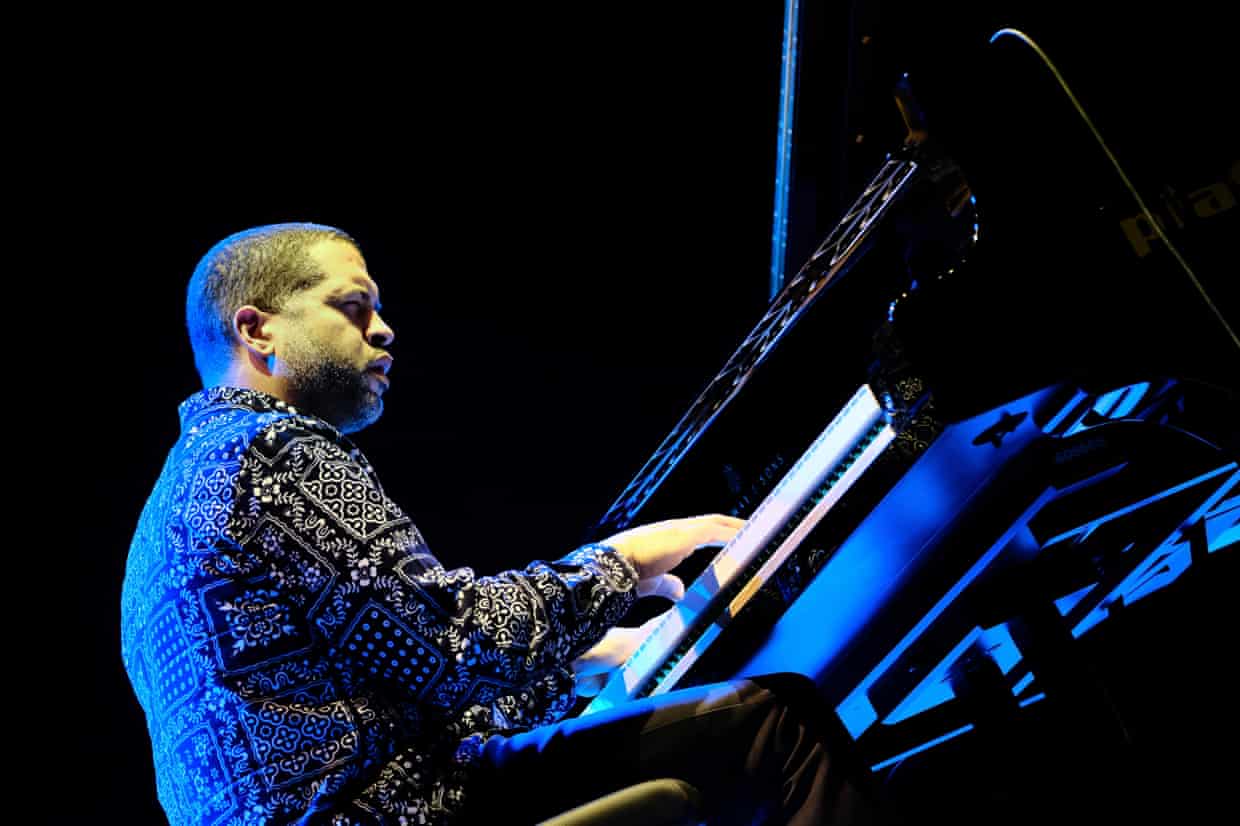
Jason Moran, a renowned jazz composer and pianist, got a strange call from a friend last month. The friend, bassist Burniss Earl Travis, was curious about Moran’s new record that he saw on the music streaming service Spotify.“It has your name on it,” Travis told him. “But I don’t think it’s you.”Moran said he doesn’t use Spotify or put his music on the platform, preferring only to use the site Bandcamp, so this didn’t track
OpenAI CEO Sam Altman’s home targeted with molotov cocktail
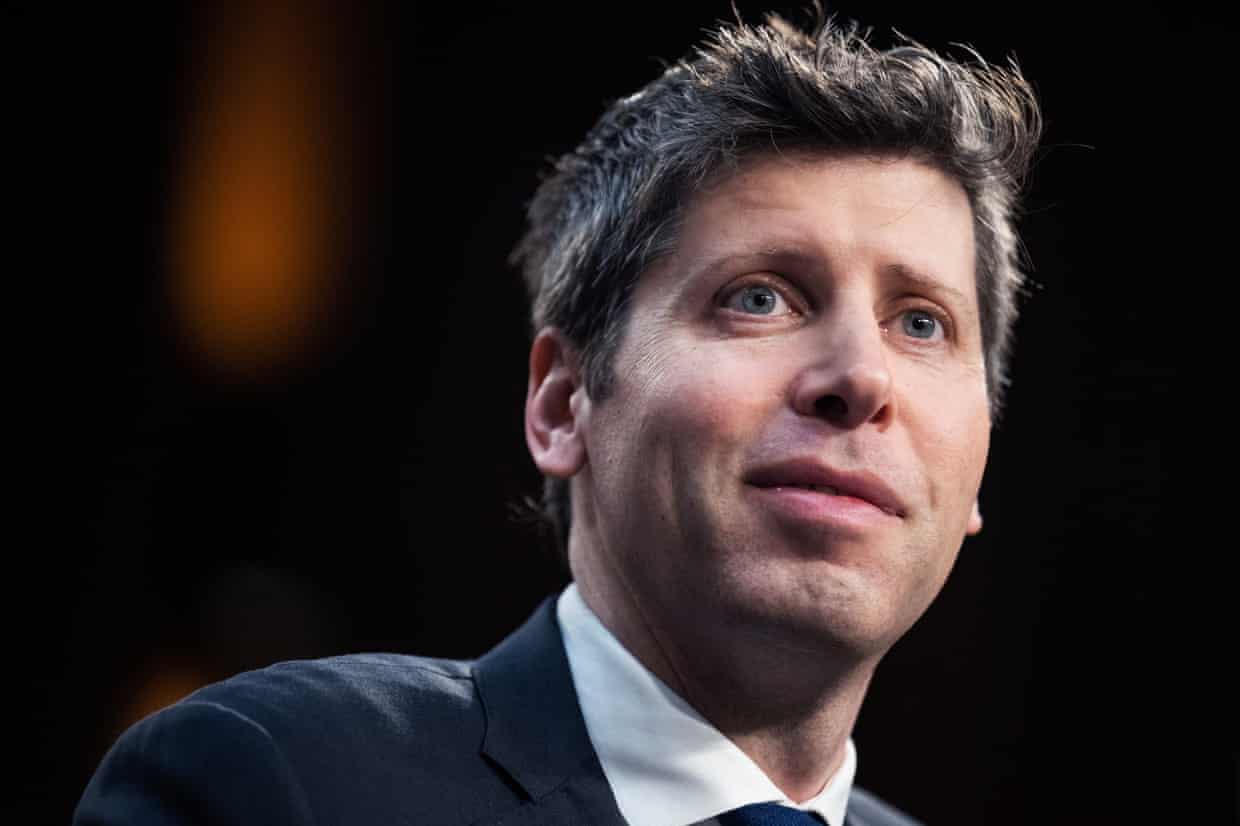
A 20-year-old man allegedly tossed a molotov cocktail at the home of Sam Altman, OpenAI’s CEO, before the sun rose on Friday, according to statements from San Francisco police.The suspect, who allegedly threw the fire bomb at the $27m Russian Hill residence around 4.12am, has been arrested but not identified. The same person allegedly threatened to torch OpenAI’s headquarters in the city. No injuries were reported

Amazon to finally launch Leo satellite internet in ‘mid-2026’, says CEO
Amazon has said its long-awaited satellite internet rival to Elon Musk’s Starlink will finally go live in “mid-2026”.The chief executive, Andy Jassy, said in a letter to shareholders that the technology company was “on the verge of launching Amazon Leo” and had secured “revenue commitments from enterprises and governments” for the scheme.Originally conceived in 2019 as Project Kuiper before being renamed last year, Leo now has 200 low-orbit satellites in space, with Jassy promising “a few thousand more” in the years to come.While on track to make Leo the second commercial satellite presence in space, the plans would still leave it far behind SpaceX’s Starlink, which has nearly 10,000 satellites in space and aims to have as many as 42,000 operational in the future.Jassy promised Leo would incorporate the successful Amazon Web Services cloud computing software into its function, writing: “Leo will seamlessly integrate with AWS to enable enterprises and governments to move data back and forth for storage, analytics, and AI

US summons bank bosses over cyber risks from Anthropic’s latest AI model
The US Treasury secretary, Scott Bessent, summoned major American bank chiefs to a meeting in Washington this week amid concerns over the cyber risks posed by Anthropic’s latest AI model, according to reports.Jerome Powell, chair of the Rederal Reserve, was said to have been among those gathered at the Treasury headquarters for the meeting after the release of the Claude Mythos AI model that Anthropic says poses unprecedented cybersecurity risks.A recent leak of Claude’s code prompted the startup to publish a blogpost at the beginning of the month saying that AI models had surpassed “all but the most skilled humans at finding and exploiting software vulnerabilities”, adding: “The fallout – for economies, public safety, and national security – could be severe.”This week’s meeting was reportedly called while bank bosses were already in Washington for a lobby group gathering, with a guest list focused on heads of so-called systemically important banks – meaning regulators believe that a major disruption to their operations, or their potential collapse, would put financial stability at risk.Those in attendance included the Goldman Sachs chief executive, David Solomon, Bank of America’s Brian Moynihan, Citigroup’s Jane Fraser, Morgan Stanley’s Ted Pick and the Wells Fargo boss Charlie Scharf, according to Bloomberg, which first reported details of the meeting

‘Irresponsible failure’: Google, Meta, Snap and Microsoft slam EU over child sexual abuse law lapse
The European parliament has blocked the extension of a law that permits big tech firms to scan for child sexual exploitation on their platforms, creating a legal gap that child safety experts say will lead to crimes going undetected.The law, which was a carve-out of the European Union’s ePrivacy Directive, was put in place in 2021 as a temporary measure allowing companies to use automated detection technologies to scan messages for harms, including child sexual abuse material (CSAM), grooming and sextortion. However, it expired on 3 April, and the EU parliament decided not to vote to extend it, amid privacy concerns from some lawmakers.The regulatory gap has created uncertainty for big tech companies, because while scanning for harms on their platforms is now illegal, they still remain liable to remove any illegal content hosted on their platforms under a different law, the Digital Services Act. Google, Meta, Snap and Microsoft said they would continue to voluntarily scan their platforms for CSAM, in a joint statement posted on a Google blog

Elon Musk’s xAI sues Colorado over new rules for artificial intelligence
Elon Musk’s artificial intelligence company, xAI, has filed a lawsuit against the state of Colorado over a new AI law set to take effect in June.The suit seeks to block the state from enforcing the law, which would impose new requirements on AI systems to protect state residents from “algorithmic discrimination” in sectors such as education, employment, healthcare, housing and financial services.Colorado was the first state to pass a comprehensive bill to regulate AI.The company claims the law infringes on its first amendment free-speech protections and would force xAI to “promote the state’s ideological views on various matters, racial justice in particular”, according to the Financial Times, which first reported the lawsuit. “Its provisions prohibit developers of AI systems from producing speech that the state of Colorado dislikes

GSK reports promising early results in ovarian and womb cancer drug trial
Collapse of US-Iran talks heightens fears of prolonged energy shock

AI companies know they have an image problem. Will funding policy papers and thinktanks dig them out?

‘Too powerful for the public’: Inside Anthropic’s bid to win the AI publicity war
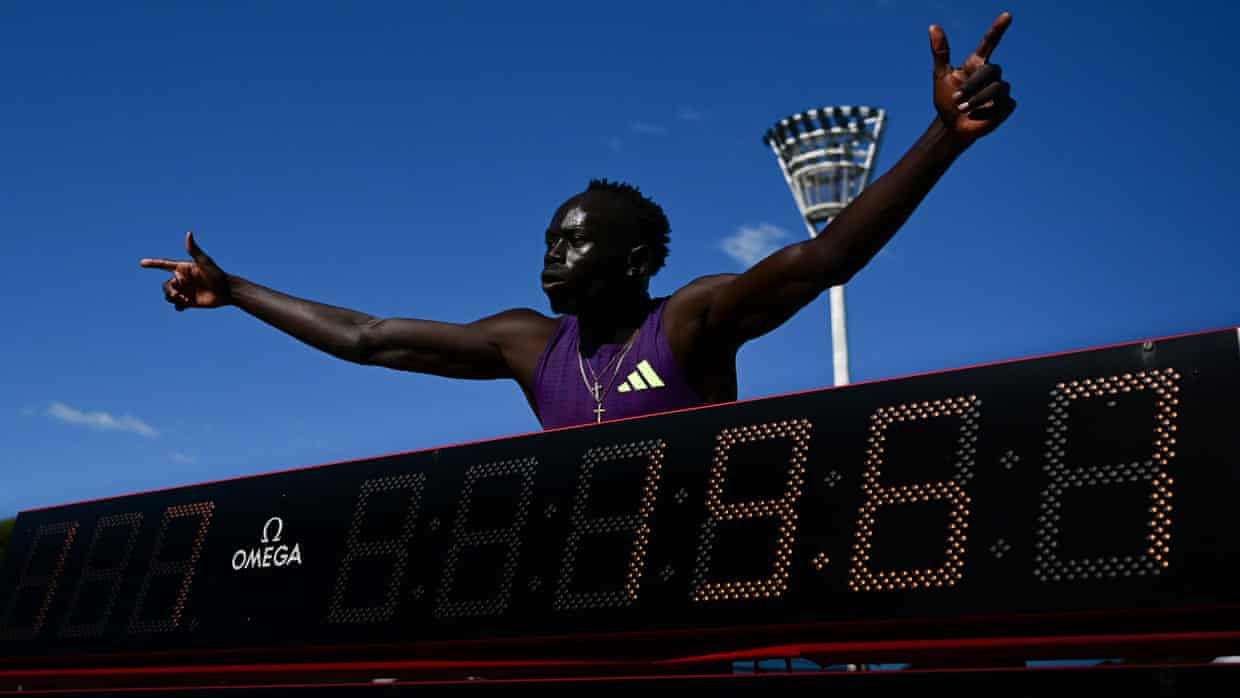
Is Gout Gout faster than Usain Bolt? Australian sprinter sets sights on Jamaican great’s 200m record
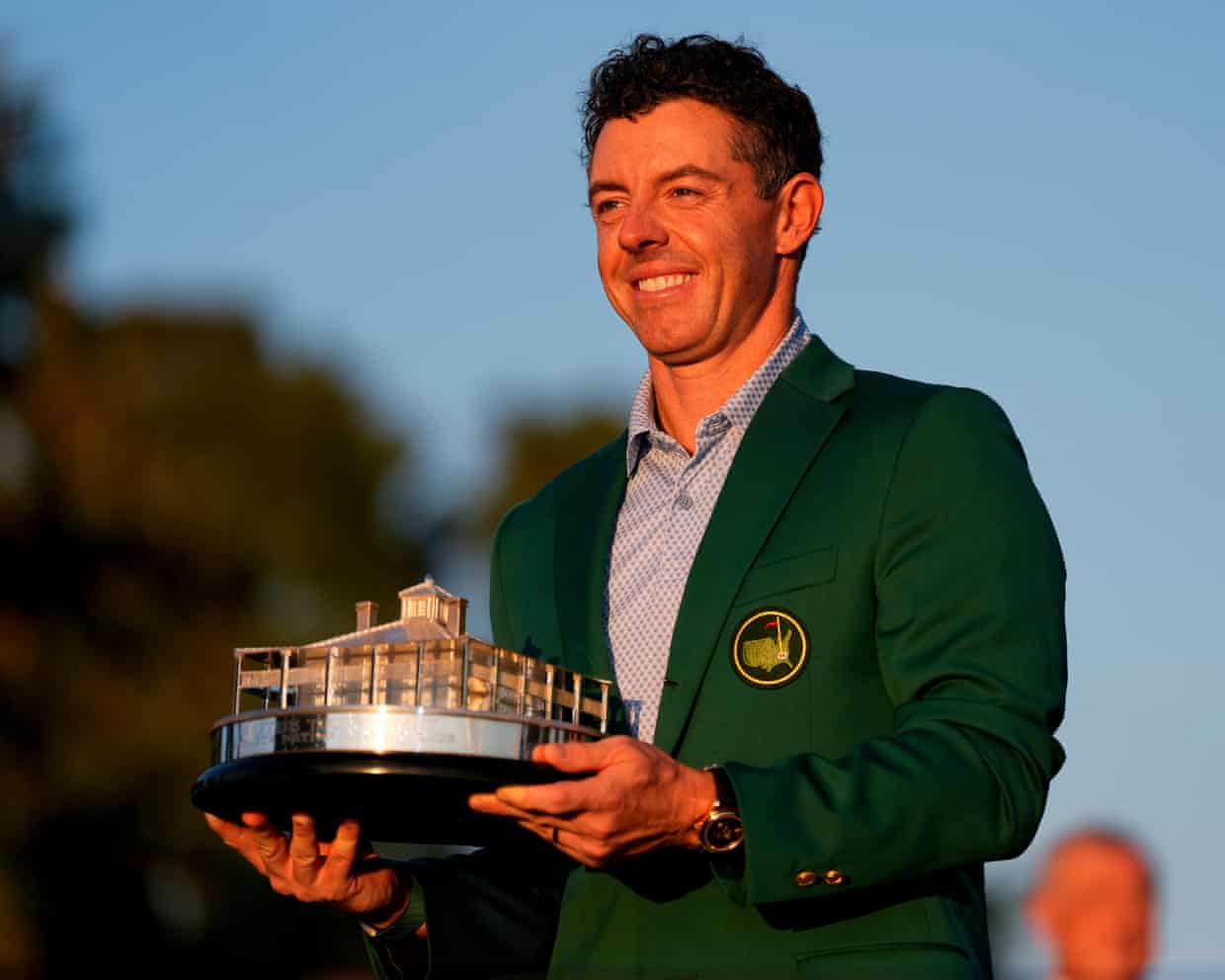
Rory McIlroy targets even loftier goals after winning back-to-back Masters titles