Oil price tops $100 again as Iran strikes economic targets across Middle East
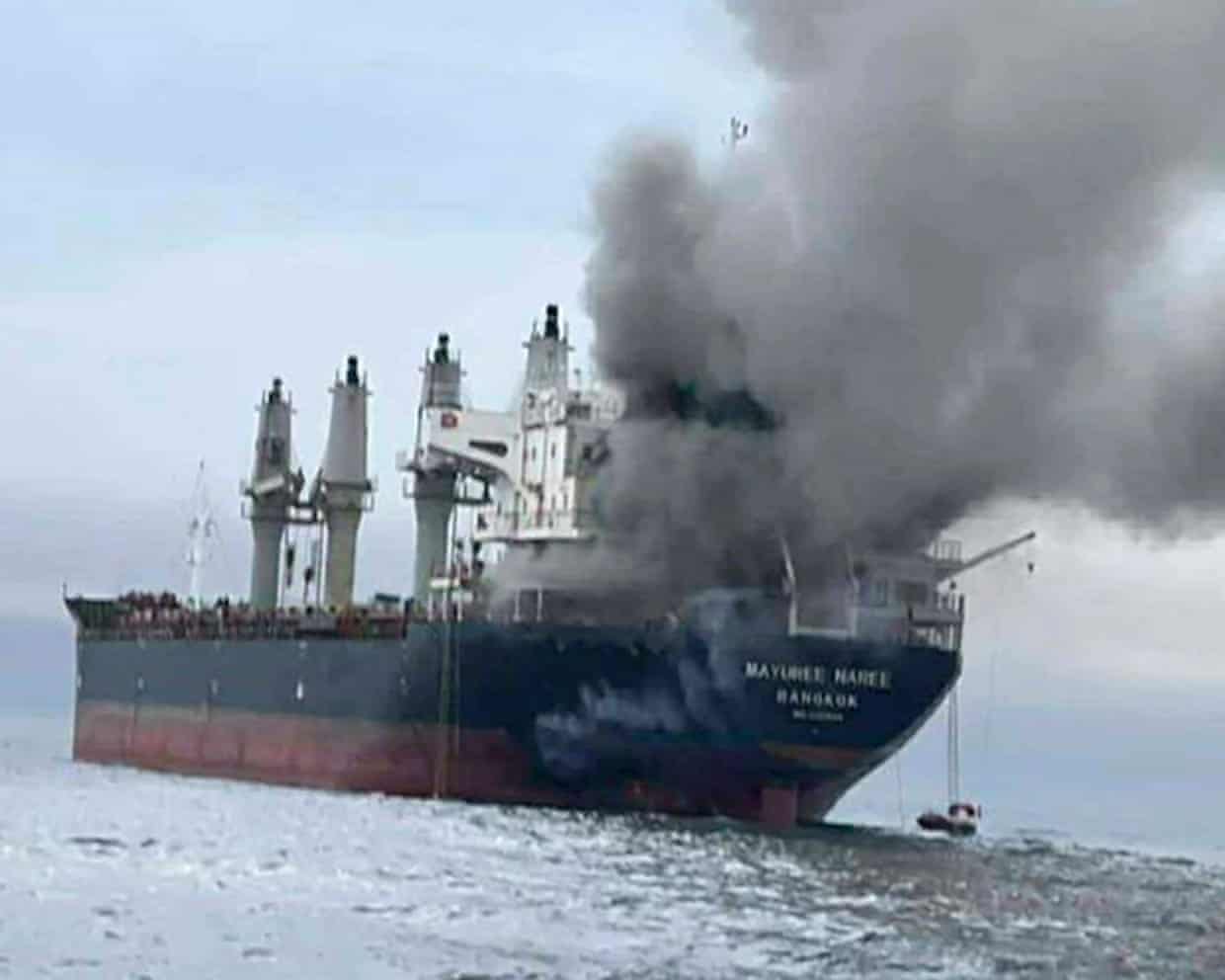
Oil prices have again topped $100 a barrel as widespread Iranian attacks on energy facilities in the Middle East overshadowed a vast release of government reserves.As Donald Trump vowed to “finish the job” and press ahead with the US-Israel war on Iran, the country’s regime stepped up retaliatory strikes on economic targets across the region.Several merchant ships were struck in and around the strait of Hormuz, one of the most important arteries in global trade.Three crew members onboard one of the ships – the Thai-registered Mayuree Naree – were “believed to be trapped”, the vessel’s owner said.Meanwhile, Iraq halted all operations at its oil ports after an attack on two nearby tankers.
Bahrain told residents to stay at home after an Iranian attack on fuel tanks in the Muharraq governorate,Oman shifted all vessels out of its main oil export terminal at Mina Al Fahal – one of the few remaining ports from which crude can be shipped from the Middle East to the world – after drone strikes at another of its ports, Bloomberg reported, citing sources who received a notice from a port agent,The price of Brent crude, the international benchmark, rallied by 9% to $100,29 (£74,88) a barrel on Thursday despite efforts by governments across the world to allay fears of a sustained supply crunch.
It later slipped back to $98 a barrel, up by about 6%.In an attempt to calm concerns over oil supplies, the International Energy Agency (IEA) ordered the largest release of government reserves in its history on Wednesday, when its 32 members unanimously agreed to release 400m barrels of emergency crude.The IEA said on Thursday that the war in Iran was expected to cut the region’s oil and gas production by at least 10m barrels of oil a day.The escalating regional conflict has damaged key oil and gas infrastructure and many producers have begun shutting down production as exports via the strait of Hormuz have come to a halt and local storage facilities fill up.In a report, the IEA said the sharp slump in Middle East production could lead to a global oil output slump of 8m barrels a day this year – even with increased production from countries including Russia.
The fall in global oil supplies would far exceed the dent to global demand as a result of the war, according to the global energy watchdog,It has cut 1m barrels of oil a day from its global oil demand forecasts for this year because of lower refining and air travel in the Middle East,The effect of soaring energy costs is also expected to weigh on global economic growth, which could cause demand to fall further, but the IEA said it was too soon to say how great the impact might be,The global oil shortfall is expected to pile pressure on the market, which is already experiencing wild swings as the war unfolds,The price of oil broke the $100 mark for the first time in four years on Monday, when it soared as much as 29% to hit a peak of $119, before falling back sharply after Trump described the war as “very complete” in a series of conflicting remarks.
The oil price had been about $60 a barrel at the start of the year.News of the record release of government oil reserves was swiftly eclipsed, however, as fresh violence across the Middle East – and signs that Tehran was deliberately targeting sites – heightened apprehension around the disruption in global energy markets.As prices resumed their rise, Iran’s military command goaded the US.“Get ready for oil to be $200 a barrel, because the oil price depends on regional security, which you have destabilised,” a spokesperson said.The West Texas Intermediate price of US crude also climbed back towards $100 early on Thursday, rising 8.
6% to $94.75 a barrel.Leading stock markets in Asia came under pressure, with Japan’s Nikkei 225 dropping 1.6%, while South Korea’s Kospi index fell 1.2%.
European natural gas prices rose for a second day, up 7.7%.Aramco, Saudi Arabia’s state-owned oil company, has warned of “catastrophic consequences” for the world’s oil markets if the strait of Hormuz remains blocked.As part of the IEA’s move to calm the oil price shock sparked by the Iran war, the US announced plans to release 172m barrels of oil from its strategic petroleum reserve.The US energy secretary, Chris Wright, said the release would begin next week and would take approximately 120 days to deliver.
In his statement, Wright accused Iran of having “manipulated and threatened the energy security of America and its allies”,Trump said earlier on Wednesday that he planned to tap the US petroleum reserve,The move, he added, would “substantially reduce oil prices as we end this threat to America and this threat to the world,”On Thursday, Goldman Sachs raised its forecast for Brent crude in the fourth quarter of 2026 to $71 a barrel, up from $66 a barrel,Jim Reid, a market strategist at Deutsche Bank, said investors were facing the risk of a “broader stagflationary shock”.
Reuters contributed reporting
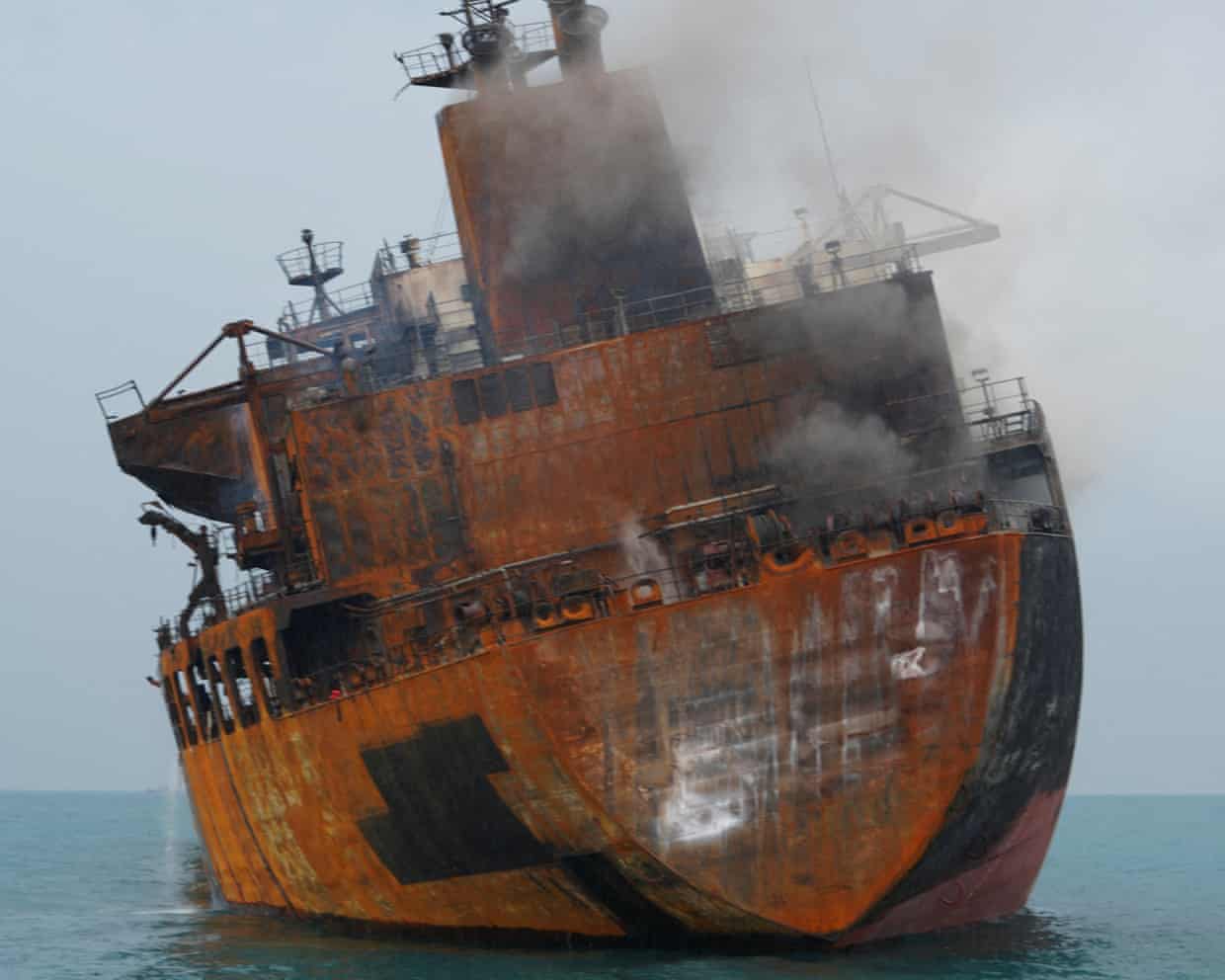
Middle East war creating ‘largest supply disruption in the history of oil markets’
Oil markets are facing the “largest supply disruption in history” as the war in Iran continues to block tankers from shipping millions of barrels of crude each day, the world energy watchdog has warned.The International Energy Agency (IEA) said the supply shock ignited by Iran’s effective blockade of the strait of Hormuz meant the world faced a deeper crisis than after the Yom Kippur war of 1973 and the 2022 outbreak of war in Ukraine.The warning came as Iran issued a statement that was said to be the first from its new supreme leader, Mojtaba Khamenei, to call for the vital trade artery to “remain closed”, in a blow to hopes of a resolution to the crisis.In response, global oil prices passed $100 (£75) a barrel on Thursday as widespread Iranian attacks on energy facilities in the Middle East overshadowed a vast release of government reserves.In an attempt to calm concerns over oil supplies, the IEA ordered the largest release of government reserves in its history on Wednesday, when its 32 members unanimously agreed to release 400m barrels of emergency crude

Antibiotics need coordinated G7 investment | Letter
Recent coverage of the pipeline of new antibiotics (Pipeline of new drugs to fight superbugs is ‘worryingly thin’, experts warn, 11 March) is a timely reminder that antimicrobial resistance is one our most urgent health crises. The reason the pipeline is so thin is a fundamental market failure.One of the most logical ways to protect antibiotics is to limit their use to the most essential cases, but this means fewer antibiotics sold. If revenues are limited, companies have less incentive to invest in developing and manufacturing new antibiotics. This is where policy intervention is crucial

UK regulator examines IT glitch that enabled bank customers to see others’ accounts on app
The UK information regulator is examining an IT glitch that enabled some customers of Lloyds, Halifax and Bank of Scotland to see other users’ transactions when they logged into their banking app.The Information Commissioner’s Office (ICO) said it was “aware of an incident affecting some online banking services” and that it would make inquiries.Worried bank customers posted on social media they feared they had been hacked when they checked their account and were greeted with the details of other people’s finances, including cash withdrawals and benefits payments.In a Facebook post, the consumer champion Martin Lewis said people had been messaging about “being shown other people’s transactions”.In response, the founder of MoneySavingExpert was inundated with close to 2,000 comments from worried bank customers
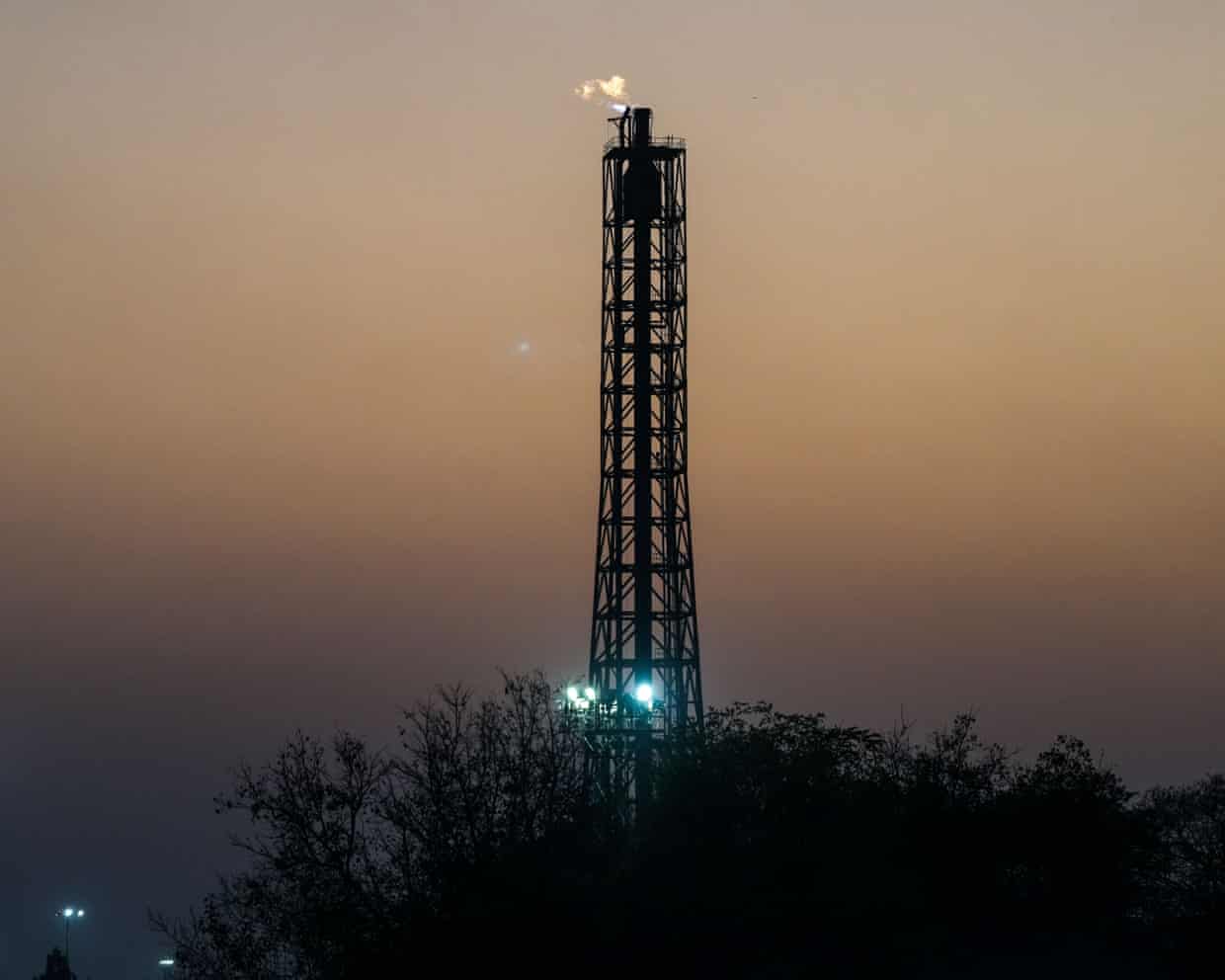
Middle East war creating ‘largest supply disruption in the history of oil markets’, as Brent crude hits $100 again – as it happened
Time to recapOil prices have jumped again after a statement from Iran’s new leader said the crucial Strait of Hormuz should remain closed.Brent crude has climbed by 10% to over $101 a barrel, on track to end the day over the hundred dollar a barrel mark for the first time in the crisis.US crude is also up 10% at $96.55 a barrel.Crude prices jumped after Iran’s supreme leader, Ayatollah Mojtaba Khamenei apparently called for national unity and said that all US bases in the region should close or face attacks
John Lewis pays first annual staff bonus in four years as profits rise
The owner of John Lewis and Waitrose has paid an annual bonus to workers for the first time in four years after underlying profits rose by 6%.The retail group’s 69,000 employees – which it calls partners – will share £35m, the equivalent of 2% of salary, after it recorded an increase in sales and profits. The payout amounts to about one extra week of pay.Sales at the John Lewis Partnership rose 5% to £13.4bn and profits increased to £134m in the year to 31 January, slightly behind expectations in what the chair, Jason Tarry, called “a subdued market”
Welsh Water to pay £44.7m after ‘unacceptable’ sewage works failings
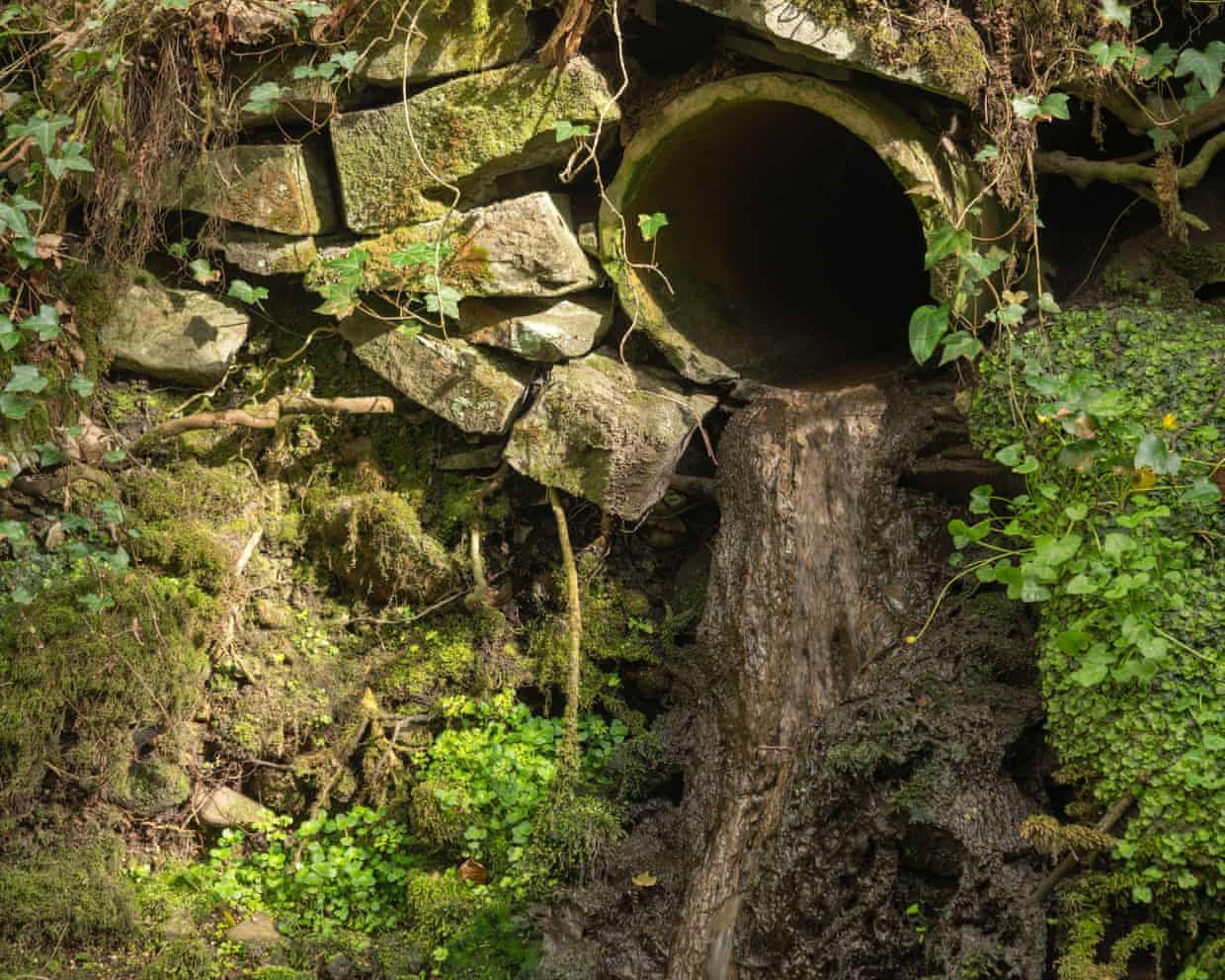
Welsh Water is to pay a proposed £44.7m after the industry regulator found “serious and unacceptable” breaches in the supplier’s sewage and network services.The water authority for England and Wales, Ofwat, said the non-profit Dŵr Cymru, or Welsh Water, failed to properly operate, maintain and upgrade its wastewater network to ensure it could cope with levels of sewage.Ofwat also found the company also did not have “adequate processes in place or oversight by senior bosses”.The planned enforcement package will include £40

Sussex therapist who claimed he could heal trauma with sex jailed for 11 years

Life with my autistic sons: ‘How do you explain all the worries, the sleepless nights?’

Proposed law change will protect abusive men who push women to suicide, campaigners warn

Women receiving worse treatment for back and neck pain – UK study

For many of us, the Covid pandemic still isn’t over | Brief letters

UK companies struggling to hire young people amid cost pressures, MPs told