The UK sleepwalked into this energy price shock | Nils Pratley
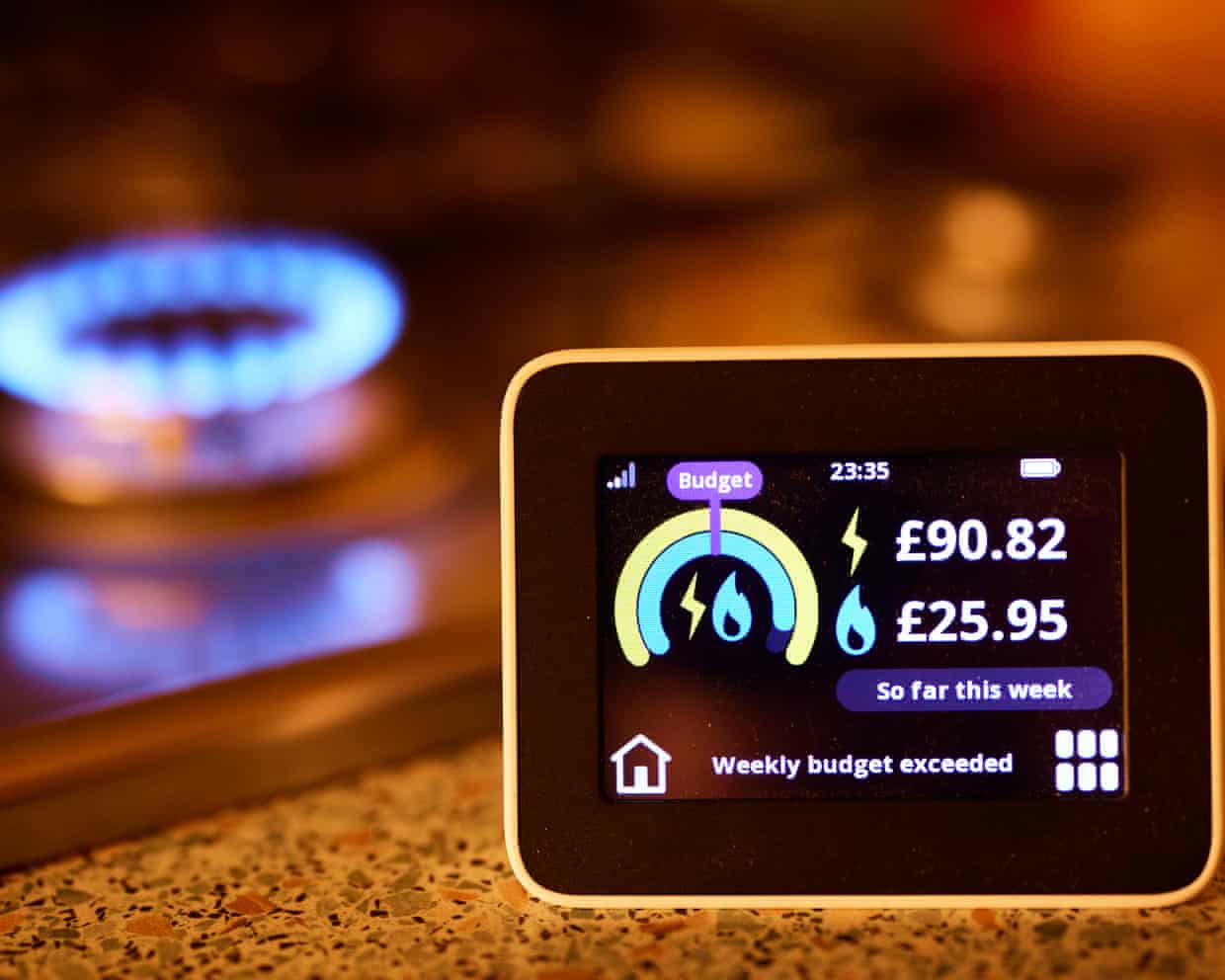
“Because of the choices we made before the conflict in the Middle East began, we are better prepared for a more volatile world”, the chief secretary to the Treasury, James Murray, claimed last week.That statement – surprise, surprise – failed to calm the bond vigilantes who had pushed the yield on 10-year government debt to a punishing 5% before Monday’s modest retreat.Murray seemed to be referring to tax increases and the chancellor’s decision to shift £150 of green levies from energy bills into general taxation.Count those if you wish but, come on, they are minor entries.The UK’s vulnerability to energy price shocks flows from bigger forces, such as our large and growing dependency on imports.
The UK is not alone in that position but two statistics in the Dukes report – the Digest of UK Energy Statistics, published annually by the energy department – should be required information for government ministers.In 2024, says the latest Dukes, the UK got 75.2% of its primary energy needs from fossil fuels, mainly meaning oil and gas (think transport and heating primarily).The proportion, says the report, was a “record low”, but the point is that it wasn’t a low by much.The previous year was 76.
6%.In 2020, it was 76.8%.Energy transition takes time, in other words.The other notable Dukes statistic is that net import dependency in 2024 was 43.
8%, 3.4 percentage points higher than in 2023.It has been hovering around the 40% mark since 2010.Again, the lesson is that while “homegrown” energy in the form of renewables, nuclear and batteries may be the eventual desirable destination, salvation is not arriving tomorrow.So it is fair to ask what preparations the government – and, indeed, the previous Tory government – made to make the UK more resilient to shocks.
There is not much to point to.First, on support for consumers, it is clear that a 2022-style universal package, which ended up costing £44bn, is unaffordable, just as the public accounts committee advised a year ago when examining the events of 2022.The first line of its report now reads as prescient: “The department has been slow to learn lessons about how to respond in the event of a future spike in energy prices.”Talk to retail energy suppliers – the people who would probably administer any scheme – and they say that if the government has found a new data-driven model to identify those most in need, it has yet to share it.At this stage, they say, the only reliable tool for “targeted” support would be the established but imperfect one of the warm homes discount.
Second, as everybody knows by now, nothing has been done to break the link between gas and electricity prices in the wholesale market.A three-year review, started under the last government, rejected zonal pricing in favour of yet-to-be-decided adjustments to the fees paid by generators to access the transmission network.The worry was that the rollout of renewable projects and grid upgrades could be imperilled if developers took fright at the unknown.But the result is that gas still sets wholesale prices 80% of the time (according to the energy minister last week) to the great benefit not only of gas-fired stations but also nuclear plants and the owners of windfarms with pre-2017 subsidies.Third, the government has chosen to ignore calls from many directions – even the head of RenewableUK recently – to drill more in the North Sea.
Greater domestic oil and gas volumes wouldn’t move market prices much, if at all, but there would be benefits for things the UK’s lenders tend to notice – the balance of payments, medium-term tax receipts, jobs, security of supply and so on.That debate will only intensify, especially given the higher carbon emissions associated with imported LNG gas versus domestic supplies.Fourth, nothing was done to improve the UK’s meagre levels of gas storage.Centrica’s Rough facility off the coast of Yorkshire was partly reopened in 2022 with limited capacity but ministers have so far dodged the question of whether the country needs a strategic reserve of gas, which might be useful now.Come back later this year for a response to the alarming official report that warned of an emerging risk of Britain running out of gas from 2030-31 if decarbonisation efforts slow and if a key piece of kit, such as the critical pipeline that brings gas from Norway, were to be unavailable at a bad moment.
Add it all up and the notion that the UK was better prepared for an energy crisis is fanciful,It has been more a case of sleepwalking and trying to avoid hard trade-offs,To repeat, many of the decisions pre-date this government, but the gilts market’s harsh verdict is explicable,On the big stuff, it can’t see much difference from last time,
What levers could Rachel Reeves pull to help with rising prices?
Rachel Reeves updated MPs on Tuesday about the steps the government was taking to cushion the impact of the Iran war on consumers and the UK economy. The chancellor stopped short of announcing specific immediate support but said she was contingency planning for the tough months ahead.Here are some of the levers she could pull:Speculation has been rife since the effective closure of the strait of Hormuz sent oil and gas prices soaring, that the government may be forced to step in to protect households from a jump in utility bills.But Reeves gave the clearest indication yet that she has no intention of repeating the across-the-board subsidies introduced by Liz Truss in autumn 2022, which went on to cost the Treasury about £40bn, and were worth £1,350 to households in the top 10% of earners.Reeves said Truss’s approach had “left us with high levels of national debt, a cheque written then for a bill that is still being paid today”
Seven charts that reveal how unprepared Australia was for the fuel crisis
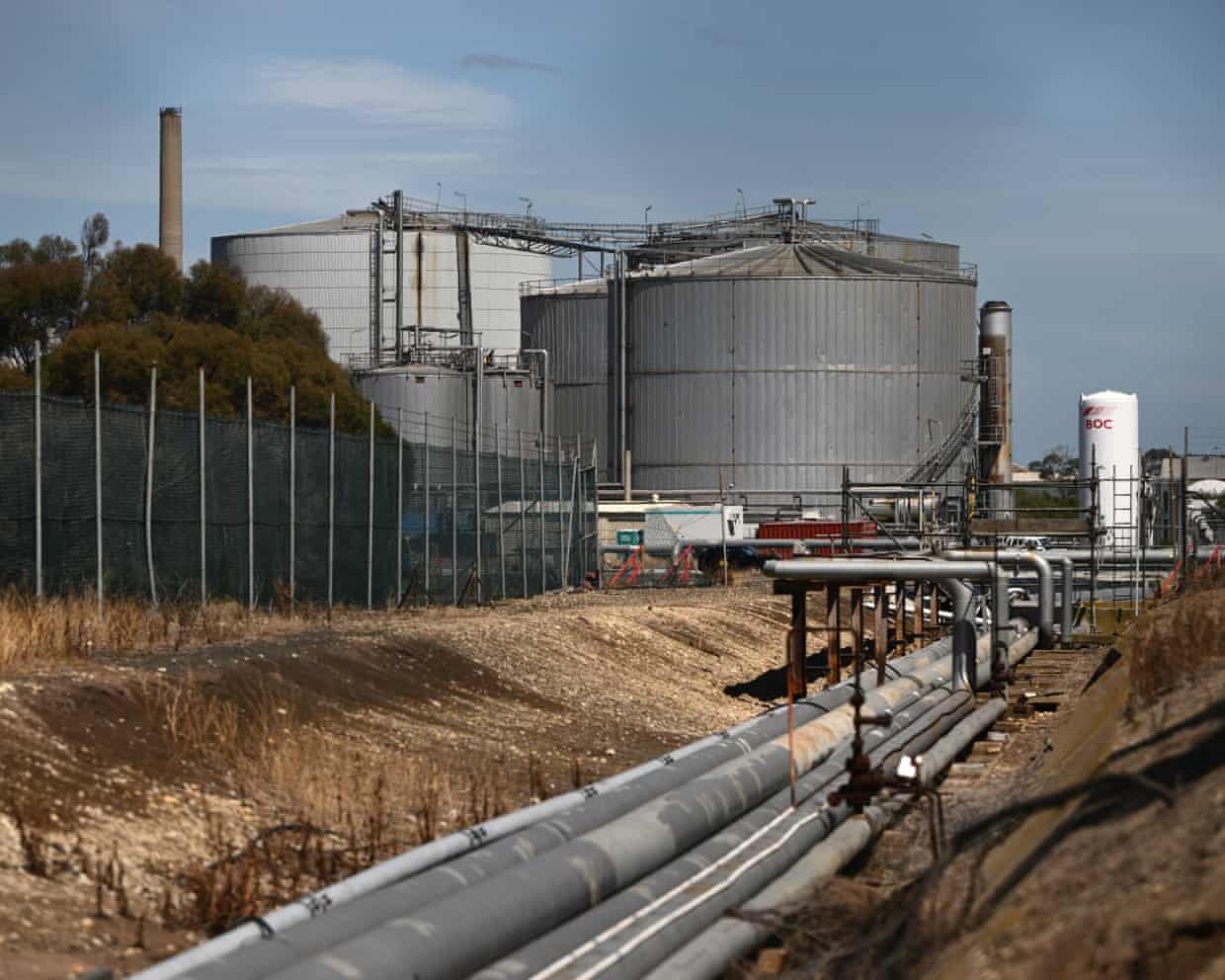
It’s been a bewildering few weeks since the start of the US-Israel war on Iran triggered a global energy shock that shows little sign of ending.Here are seven charts that tell the story so far.At the turn of this century, Australia produced 563,000 barrels of oil a day, with eight refineries supplying 98% of our total petroleum product needs.From that high point, oil and petroleum production has slumped to the point where the country relies on imports for 90% of its liquid fuel needs and oil production is at its lowest since the late 1960s.Over the past 25 years, the number of local refineries has also dropped:Mobil’s Port Stanvac refinery in South Australia was mothballed in 2003 (and permanently closed in 2009)Shell’s Clyde refinery was closed in November 2013Caltex closed its Kurnell refinery in Sydney in October 2014BP did the same with its Brisbane plant in mid-2015BP then closed its Kwinana refinery south of Fremantle in March 2021ExxonMobil’s Altona refinery in Melbourne was shuttered in August of the same year

UK manufacturers hit by sharpest rise in cost inflation since Black Wednesday in 1992
The UK’s manufacturers have suffered the sharpest one-month acceleration in costs since the aftermath of Black Wednesday in 1992 as conflict in the Middle East has driven up oil prices, new survey evidence shows.The closely watched purchasing managers’ index (PMI) lays bare the impact of the conflict on the UK economy, with growth slowing sharply across manufacturing and services and costs rising.Chris Williamson, the chief business economist at S&P Global Market Intelligence, which collects the data, said: “Output growth across manufacturing and services has slowed to a crawl as companies blamed lost business directly on the events in the Middle East, whether through heightened risk aversion among customers, surging price pressures, higher interest rates, or via travel and supply chain disruptions.“Inflationary pressures have surged higher on the back of rising energy prices and fractured supply chains.”Responding to the survey, Morgan Stanley warned the economy could potentially be dragged into “a pronounced UK recession” by the end of this year by high energy prices and interest rate hikes

Revolut warns it risks backlash over support for energy-intensive AI and crypto
The UK banking app Revolut has said it could face a backlash over its support for energy-intensive sectors such as crypto and AI, as it posted a 57% increase in profits for last year.The fintech, which can now launch as a fully fledged UK bank after a five-year wait for regulatory approval, warned in its 2025 annual report that such activities posed a “reputational risk”. Revolut offers crypto trading.Cryptocurrency mining, particularly for bitcoin, and AI datacentres demand large amounts of power, with competition for electricity supplies only getting steeper since the US-Israel war on Iran sent energy prices soaring over the past month.The company also reported a £1

Estée Lauder in talks on merger with Jean Paul Gaultier owner Puig
The US cosmetics company Estée Lauder is in talks over a potential merger with the Spanish group Puig, the owner of brands including Jean Paul Gaultier and Rabanne, to create a $40bn fashion and beauty giant.Estée Lauder is one of the world’s biggest manufacturers of skin care, makeup and fragrances with a portfolio that includes Clinique, Bobbi Brown and Tom Ford Beauty.Puig, which floated on the Madrid stock market two years ago, owns brands including Charlotte Tilbury, Carolina Herrera and Dries van Noten.Both brands confirmed that they were holding discussions over a potential “business combination”, but gave no detail on the possible structure of the merger.“No final decision has been made and no agreement has been reached,” Puig said

UK vets face crackdown over fees as pet owners ‘left in the dark’ on bills
The UK’s competition watchdog has ordered vets to cap prescription fees at £21 and proposed a cost comparison website, after finding consumers had faced huge price rises and been “left in the dark” over bills.The Competition and Markets Authority (CMA) said public satisfaction with the cost of services was “low” after a two-and-a-half-year investigation into the £6.7bn market found “there is not strong competition between veterinary businesses”, with large chains dominant.The watchdog said vets must now tell pet owners that medicines may be cheaper online, and let them know they can get a prescription and that this could save them money.Written prescription fees will be capped at £21 for the first medicine and £12

Mr Motivator urges government to treat ’bed poverty’ as a national crisis

Property company denies trying to mass-evict tenants before England’s no-fault evictions ban

No new meningitis cases linked to Kent outbreak found, health agency says

‘Not just a Jewish service’: Hatzola ambulances serve whole community, say volunteers
There must be more support for young people who are seeking jobs | Letters

Those who view voyeuristic nightlife videos are the issue | Letters