There are two big drivers of Australia’s economic growth – but shape matters as much as size | Greg Jericho
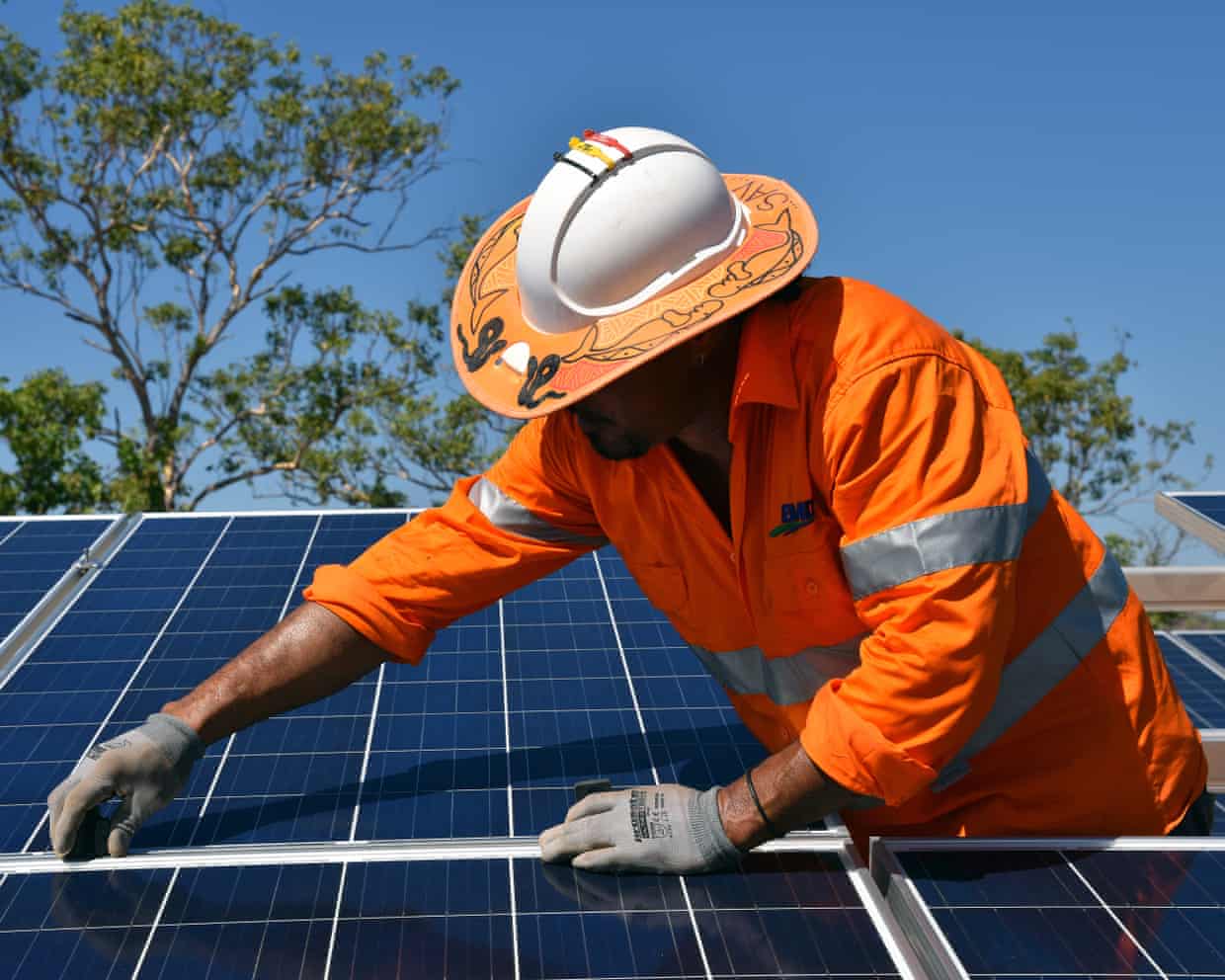
Australia’s economy grew 2.1% over the past year, and with that came improved household living standards – in part due to income from rooftop solar panels.But another big driver of economic growth was investment in datacentres, which hinders emissions reductions from renewable energy.These two facts lead us to the question: is all growth good?GDP figures are excellent at telling us the size of the economy, but those figures can also hide a lot of what Richard Denniss, the co-executive director of the Australia Institute (where I work), describes as “the shape of the economy”.A good example of this is that, in the past year, household spending was by far the biggest driver of economic growth.
If the graph does not display click hereAbout two-thirds of the increase in Australia’s economy came from people spending,This would seem to be quite good,We are back to spending at pre-Covid-19 levels:If the graph does not display click hereGreat size, how about the shape?Well, if you were told that more than half (55%) of the increase in household spending during the September quarter was on electricity and gas, health costs and insurance, would that seem so good? Especially given we usually only spend about 17% of our annual income on those items?We’re spending more on essentials and less on things we can do without,Shape matters,And so, before we go any further, I want to remind you of a couple of greenhouse gas emissions figures released last week.
Right now, electricity is the biggest contributor to Australia’s annual emissions,The good news is, because our use of renewables – such as rooftop solar – is growing, electricity has also had the biggest drop in emissions since 2005:If the graph does not display click hereThen we have the projected emissions to 2035, by which time the government wants to reduce emissions by between 62% and 70% below 2005 levels,Alas their projections suggest we will be nowhere near that:If the graph does not display click hereOne major reason we will fall short is the government projects increased demand for electricity,OK, let’s just keep those two things in our heads and now get back to the GDP figures,The figures had two major revisions to household income.
The first was a nerdy data change for how the Australian Bureau of Statistics measures superannuation investment income.The second occurred from the ABS including the income from electricity generation from household solar panels.The ABS estimates that “rooftop solar electricity saved households over $3bn in 2024-25”.This, combined with better measure of superannuation incomes, means that households are doing a lot better than previously thought.In the June figures, living standards were essentially at the same level they were in March 2020; now the ABS estimates they are much improved:If the graph does not display click hereIt rather destroys the opposition’s line about a collapse in living standards.
Once you ignore the abnormal impacts of the Covid-19 payments and stimulus, living standards are about 3% above what they were in March 2020 and have grown strongly over the past 15 months,A key reason is that lower interest rates mean households are on average paying 10% less on their mortgage than they were at the end of last year,So the shape of the economy is improved due to stronger household incomes from falling interest rates, and households being better off because they have invested in solar panels,Not only is renewable energy the cheapest from of electricity generation, it is now clearly leading to a more prosperous Australia,What else do the GDP figures tell us? The major driver of growth in the September quarter was private investment in machinery and equipment:If the graph does not display click hereThe ABS head of national accounts, Grace Kim, noted that this “reflects the ongoing expansions of datacentres.
This is likely due to firms looking to support growth in artificial intelligence and cloud computing capabilities.”This is very clear from the private investment figures released last week:If the graph does not display click hereSo investment in datacentres is driving economic growth.Sounds great.But how about the shape?Guardian Australia’s Petra Stock and Josh Taylor reported this week that datacentres could account for 11% and 8% of electricity demand in New South Wales and Victoria respectively by 2030.Under the national AI plan, datacentres will need to “offset” their emissions.
The federal industry minister, Tim Ayres, told Sky News on Tuesday that the increased energy requirements from datacentres could be met with “low-cost renewables, storage, hydro [and], gas peaking”,At this point we need to return to those greenhouse gas emissions figures, because the government itself has told us they don’t think the offsets will do much, and instead datacentres will increase emissions,The government’s projections of emissions report, released last week, states that “after 2030, electricity sector emissions are projected to decline to 2040 albeit at a much slower rate … as increasing electricity demand from electrification and data centres is being met by a combination of coal, gas, and renewable generation,”This brings us back to the shape,These GDP figures indicate households are now better off due to investing in solar panels and this has also driven a drop in greenhouse gas emissions.
And yet at the same time the government is fully committed to encouraging investment in datacentres which will consume masses of energy that will, in turn, increase emissions.Both solar panels and datacentres might drive the size of the economy but they deliver a much different shape.Greg Jericho is a Guardian columnist and policy director at the Centre for Future Work

Australian supermarket sorbet taste test: is this the most enjoyable taste test yet?
After blind-tasting more than a dozen supermarket sorbets, Nicholas Jordan and friends award a rare nine out of 10 score to a magical iced confectionIf you value our independent journalism, we hope you’ll consider supporting us todayGet our weekend culture and lifestyle emailThe only bad sorbet I’ve ever had was made by me. If it wasn’t for that syrupy pineapple-flavoured stack of ice shards, I don’t think I’d be able to imagine the characteristics. What’s a bad version of winning the lottery? You’d only know when it happens.To make a bad sorbet you need to be inept or cheap. But supermarkets distribute the cheapest foods on earth and usually the range in quality is hellish to “huh, pretty good”
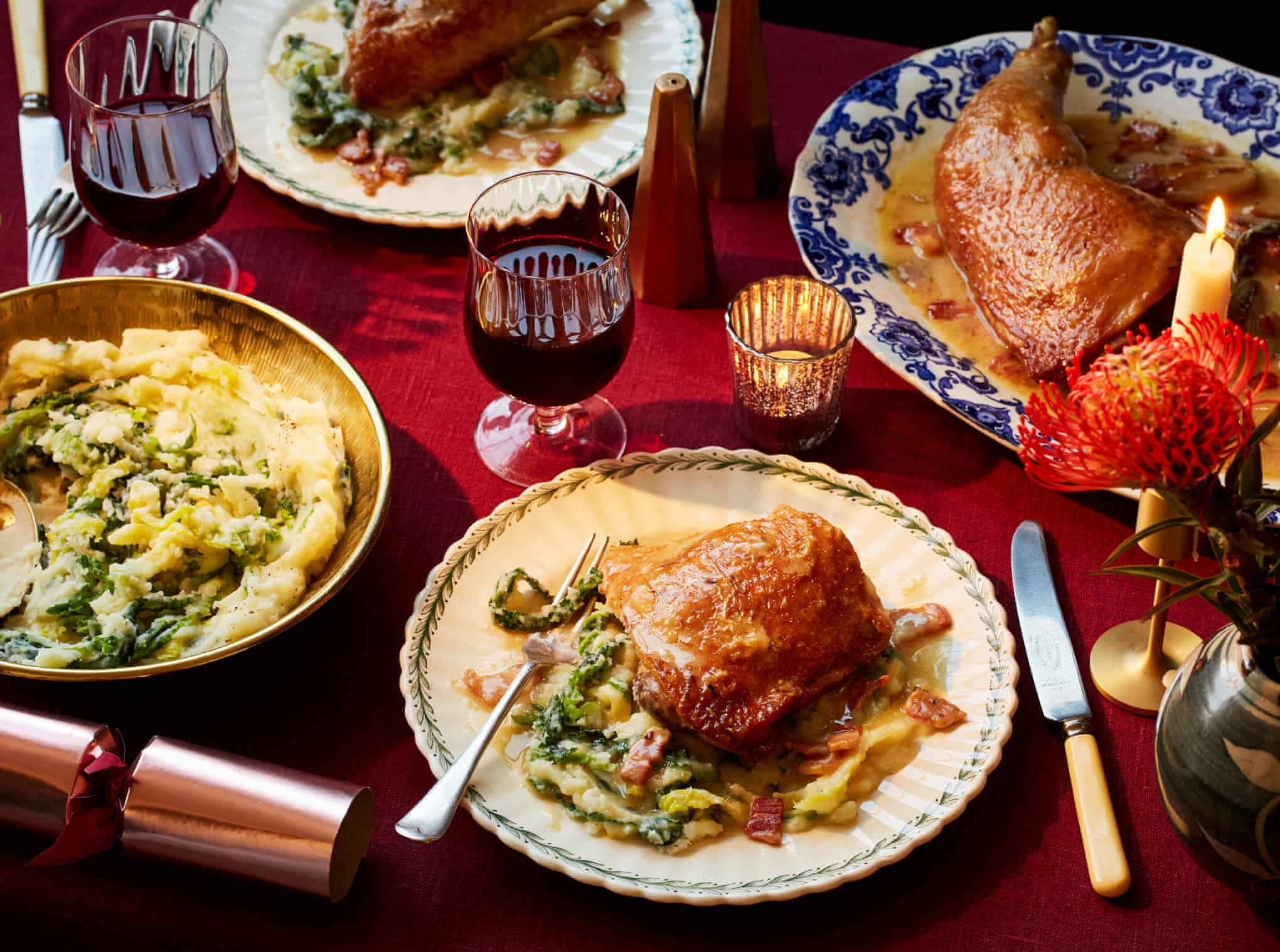
Christmas main course made easy: Max Rocha’s braised turkey legs with colcannon – recipes
Roast turkey breast is often dry and overcooked, so why not give everyone a leg instead and serve it with a traditional Irish potato-and-cabbage side?We often braise chicken and rabbit legs at Cafe Cecilia, because all the preparation and cooking can be done ahead of time, and it’s then just about heating them gently to serve. For Christmas, I often employ much the same process for turkey legs – it’s a lovely way to eat them. Serve with colcannon, although basmati rice, boiled new potatoes or roast carrots would also go great.This can easily be scaled up to feed more people – you’ll just need a larger pan.Prep 20 min Cook 1 hr 30 min Serves 2Sunflower oil Salt and black pepper 2 bone-in turkey legs 1 tbsp butter 5 garlic cloves, peeled and finely chopped2 shallots, peeled and halved 5 slices streaky bacon, diced8 sage leaves 70ml white wine60-100ml chicken stock ½ tbsp dijon mustard1 tbsp creme fraicheFor the colcannon500g large floury potatoes, peeled and cut into chunks
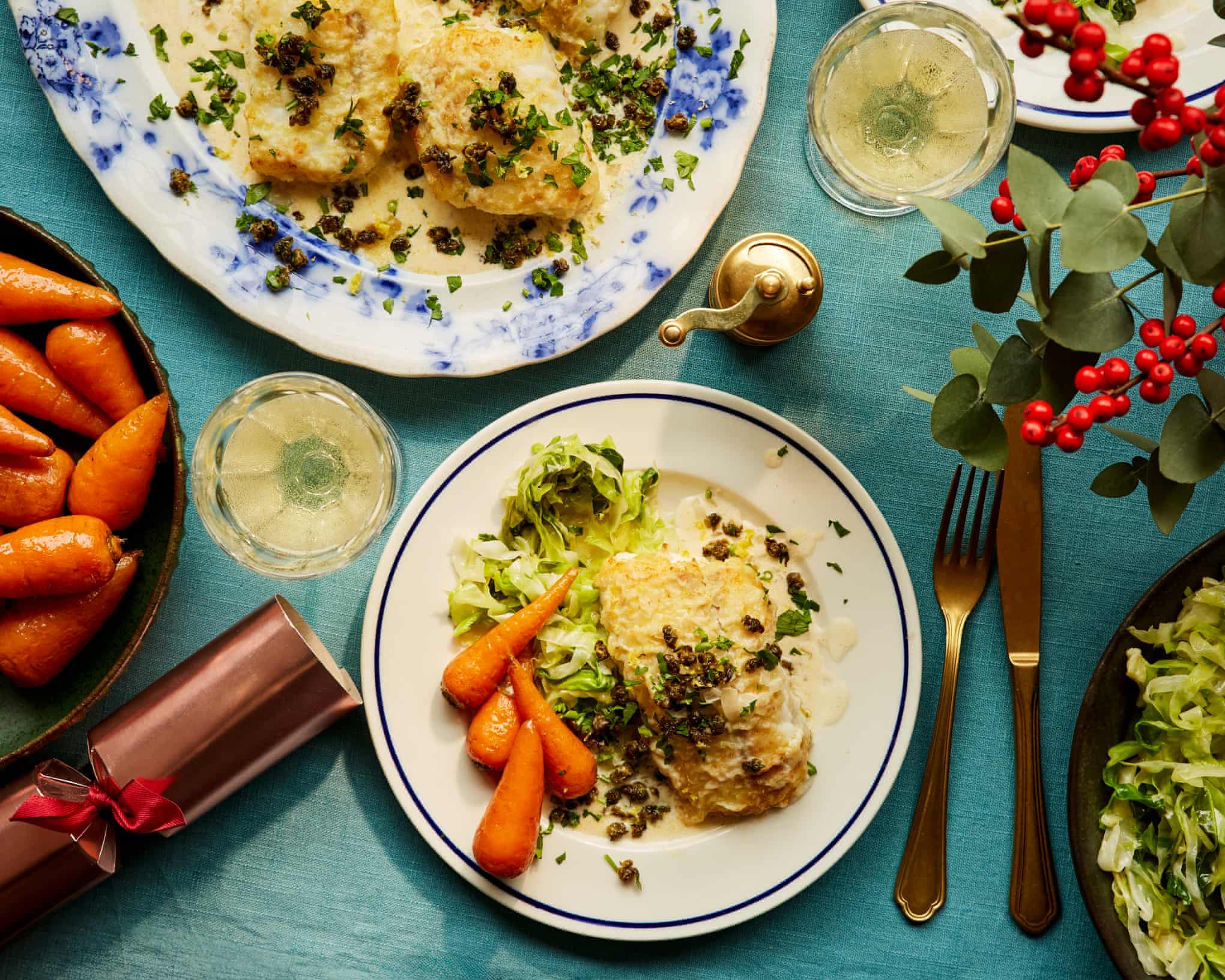
Christmas mains: Georgina Hayden’s pan-fried monkfish in a herby champagne butter – recipe
A fishy festive centrepiece that’s ready in next to no time but still has pizzazzWhile I tend to stick pretty close to tradition when it comes to my Christmas Day side offerings, I can’t remember the last time I cooked a turkey or goose as the showstopper. You see, my family is mostly made up of pescatarians, so anything larger than a chicken or cockerel (my personal favourite) for the meat eaters is just excessive. So, alongside a lovingly cooked smaller bird, I also make something fishy – hopefully something with a bit of star-quality, but not too shouty. A dish that will be delicious, fancy, but stress-free all at the same time. These pan-fried monkfish fillets are this year’s solution
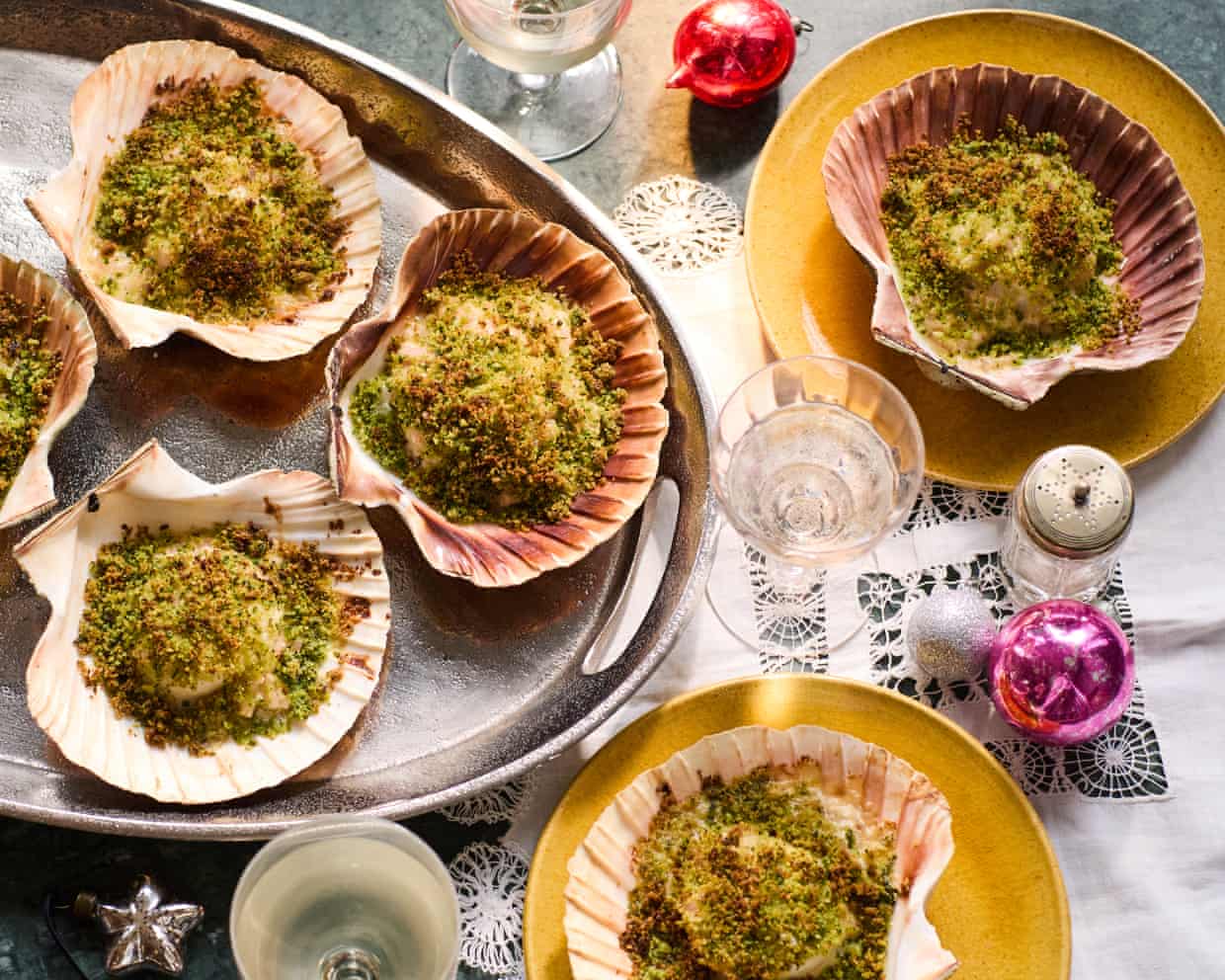
How to make coquilles St-Jacques – recipe | Felicity Cloake's Masterclass
’Tis the season for food that makes everyone feel a little bit loved and special; for showstoppers – but preferably the kind that don’t stop the show for too long, given how much else is likely to be going on. This French classic, which can be made a day ahead, if necessary, and/or bulked out with other seafood, is a luxurious light starter or fancy canapé.Prep 20 min Cook 15 min Makes 66 large sustainably-sourced scallops (diver-caught, ideally), cleaned and on the shell, or frozen and defrosted scallops (or see method)2 tbsp butter 2 banana shallots, or 4 round ones150ml white wine (optional; see method)100ml double creamFor the topping1 small garlic clove 25g parsley 2 tbsp butter 70g dried breadcrumbsIf you’d like to keep costs down, go for frozen scallops, or for smaller queen scallops (farmed or hand-dived ones tend to be the most sustainable), or mix scallops with other seafood such as small shelled clams and prawns, etc, and cook and serve them in gratin dishes. Store live scallops in the fridge round-side down. For a more substantial dish, add another chopped scallop, or other seafood, per person
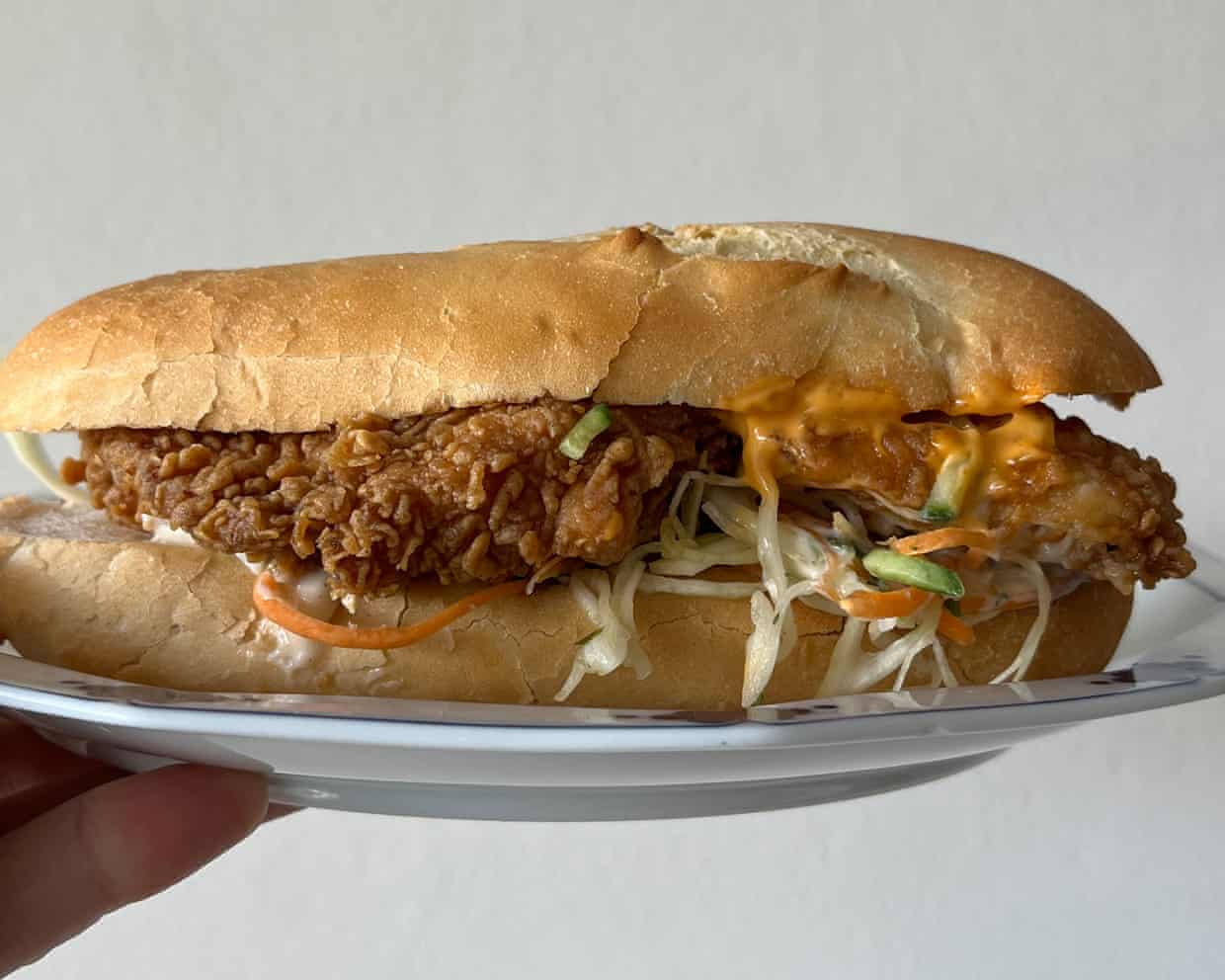
KFC’s bánh mì has its name but not its nature. Who is this sandwich for?
I bite into my KFC bánh mì, and there is silence. No crunch, no crackle. My teeth sink into a bread roll that is neither crusty nor flaky. There is a slaw of cabbage, carrot and cucumber, a whisper of coriander, a fillet of fried chicken, a splodge of mayonnaise and a slightly spicy, barbecue-adjacent “supercharged” sauce. There is no pate, no pickled daikon, no lineup of industrious sandwich-making Vietnamese aunties asking if I want chilli

Skye Gyngell obituary
The pioneering chef Skye Gyngell, who has died of Merkel cell carcinoma, a rare skin cancer, aged 62, was the first Australian woman to win a Michelin star, an early supporter of the slow food movement, and a champion of charities such as StreetSmart and the Felix Project.Gyngell was a quiet radical. She came to public attention when she opened the Petersham Nurseries Café in south-west London in 2004. Until that point, she had been honing her own distinctive cooking personality that emphasised the quality of ingredients and the simplicity of their treatment and presentation. Her dishes were light, graceful and deceptively simple, but were founded on a serious understanding of how flavours and textures worked together, sometimes in surprising ways

HSBC has a new chair but the succession process should have been slicker
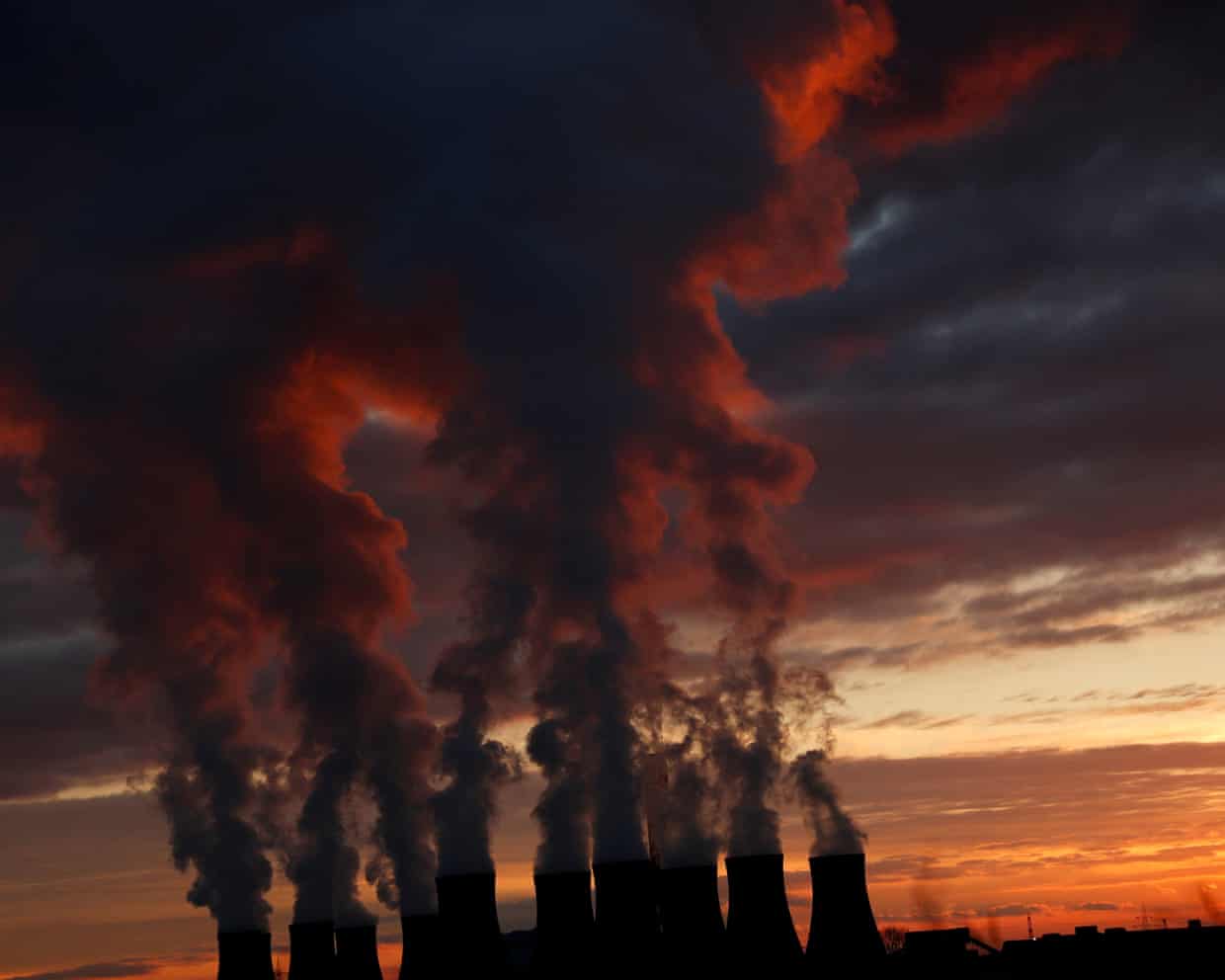
UK using more wood to make electricity than ever, Drax figures show
Thames Water profits surge on higher bills; Prada buys Versace for $1.4bn – as it happened

Design boss behind new Jaguar leaves JLR weeks after change of CEO
HSBC appoints interim chair Brendan Nelson to permanent role

Thames Water faces collapse as crisis talks take ‘longer than expected’