UK borrowing costs rise as Starmer speech fails to dispel investor ‘jitters’
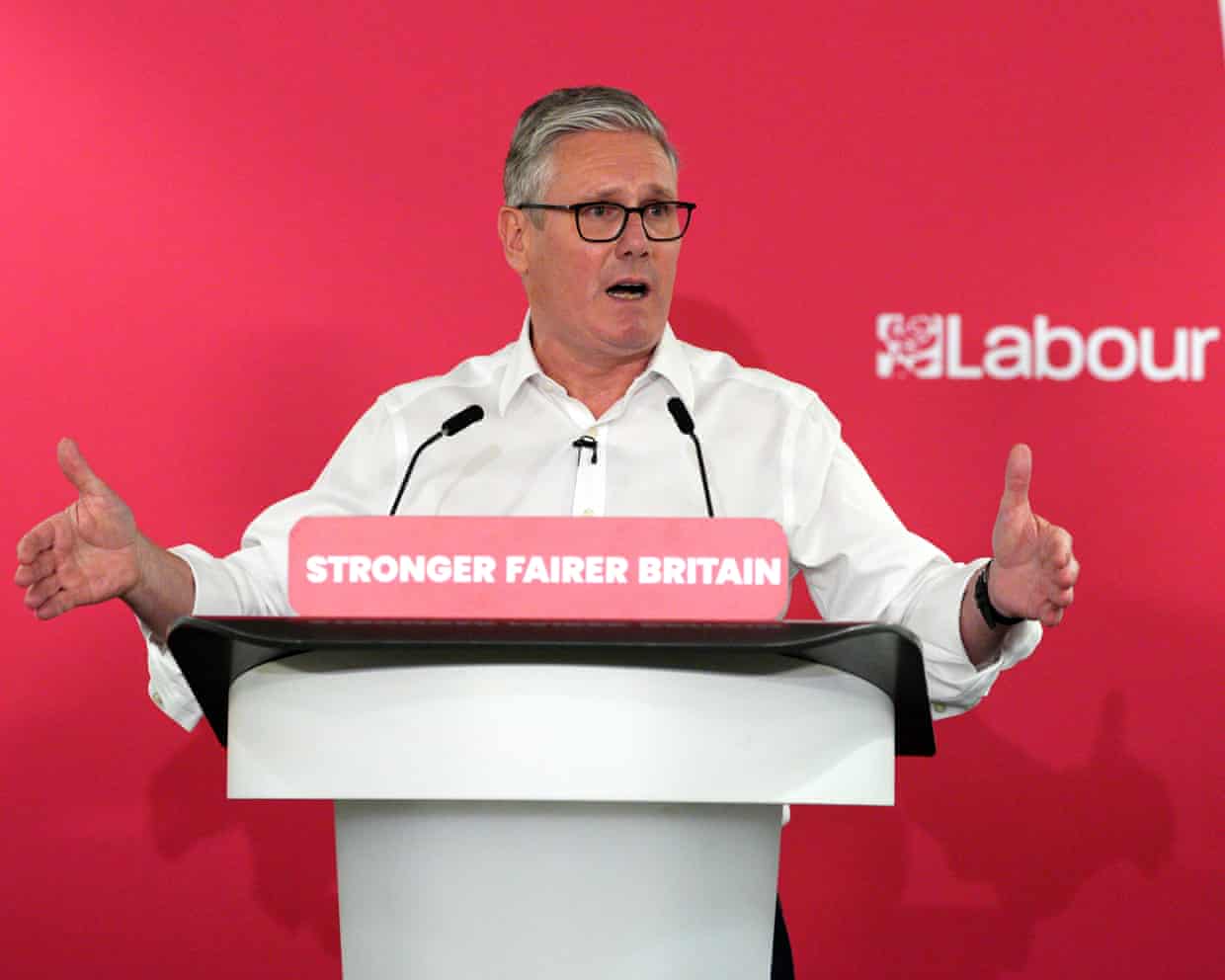
The cost of government borrowing has crept higher as Keir Starmer’s crucial speech failed to dispel investor “jitters” in the bond markets over political instability combined with fears of rising inflation.The yield, effectively the interest rate, on the benchmark 10-year UK government bonds (known as gilts) rose eight basis points (or 0.08 of a percentage point) to 5% on Monday.The yield on 30-year gilts rose 9.3 basis points to 5.
67%, edging closer to the 28-year high of 5.78% last week when uncertainty about Starmer’s future as prime minister was intensifying.In his speech, Starmer said he would fight any leadership challenge and would not walk away from his responsibilities after Labour’s drubbing in local elections in England and parliamentary contests in Scotland and Wales last week.Borrowing costs fell on Friday as the results of the elections emerged with signs that Labour had not suffered as badly as first feared.Those falls, however, were more than erased by Monday’s rises.
Susannah Streeter, the chief investment strategist at Wealth Club, a non-advisory investment service, said the speech had not “done the trick of calming bond markets”.“There is still a sense of jitters playing out as concerns about political instability collide with inflationary fears prompted by the ongoing conflict in the Middle East,” she said.Bond yields move in the opposite direction to bond prices because investors want to pay less and get a bigger reward for the risk of holding them.Higher yields increase the cost of borrowing for the government and eat away at the headroom that the chancellor, Rachel Reeves, has built up against her fiscal rules.The chief UK economist at Deutsche Bank, Sanjay Raja, estimated last week that more than half of the £24bn margin for error Reeves created by raising taxes in last autumn’s budget may already have been wiped out by higher gilt yields and the prospect of weaker economic growth.
Reeves has sought to win back bond market investors’ confidence since Labour came to power after Liz Truss’s short-lived government alarmed markets in 2022 with huge unfunded tax cuts.Reeves has repeatedly pointed out that £1 in every £10 the public sector spends goes on debt interest and said she is intent on bringing that down.Investors, however, are becoming increasingly worried that the risk of rising inflation as a result of soaring energy prices linked to the Iran war, alongside in-fighting among Labour MPs over Starmer’s future, will lead to a downgrade in the UK’s creditworthiness.Part of the worry is that if Starmer is forced out of Downing Street, his possible replacements may seek to increase public spending and loosen the government’s fiscal rules.Two potential frontrunners to succeed him, Angela Rayner and Andy Burnham, have hinted that they would like to see higher public spending.
The deputy chief UK economist at Capital Economics, Ruth Gregory, said: “The UK’s already fragile fiscal position means that investors will be on edge for any signs of fiscal loosening,”Alongside political uncertainty, the gilt market is also being affected by international developments in the Iran war,Investors believe the UK is more exposed than many other developed countries to the threat of rising inflation from higher energy prices and this is being priced into the yield,Oil prices rose on Monday after Donald Trump condemned Iran’s response to US proposals to end the war as “totally unacceptable”,Gregory said: “Most of the recent rise in gilt yields is due to the jump in energy prices, rather than a potential change in prime minister.
“For the gilt market, the war in Iran matters more.If there’s a resolution, market interest rate expectations and gilt yields would probably fall regardless of domestic political developments.”
Royal Opera House calls for release of Georgian bass singer jailed over democracy protests
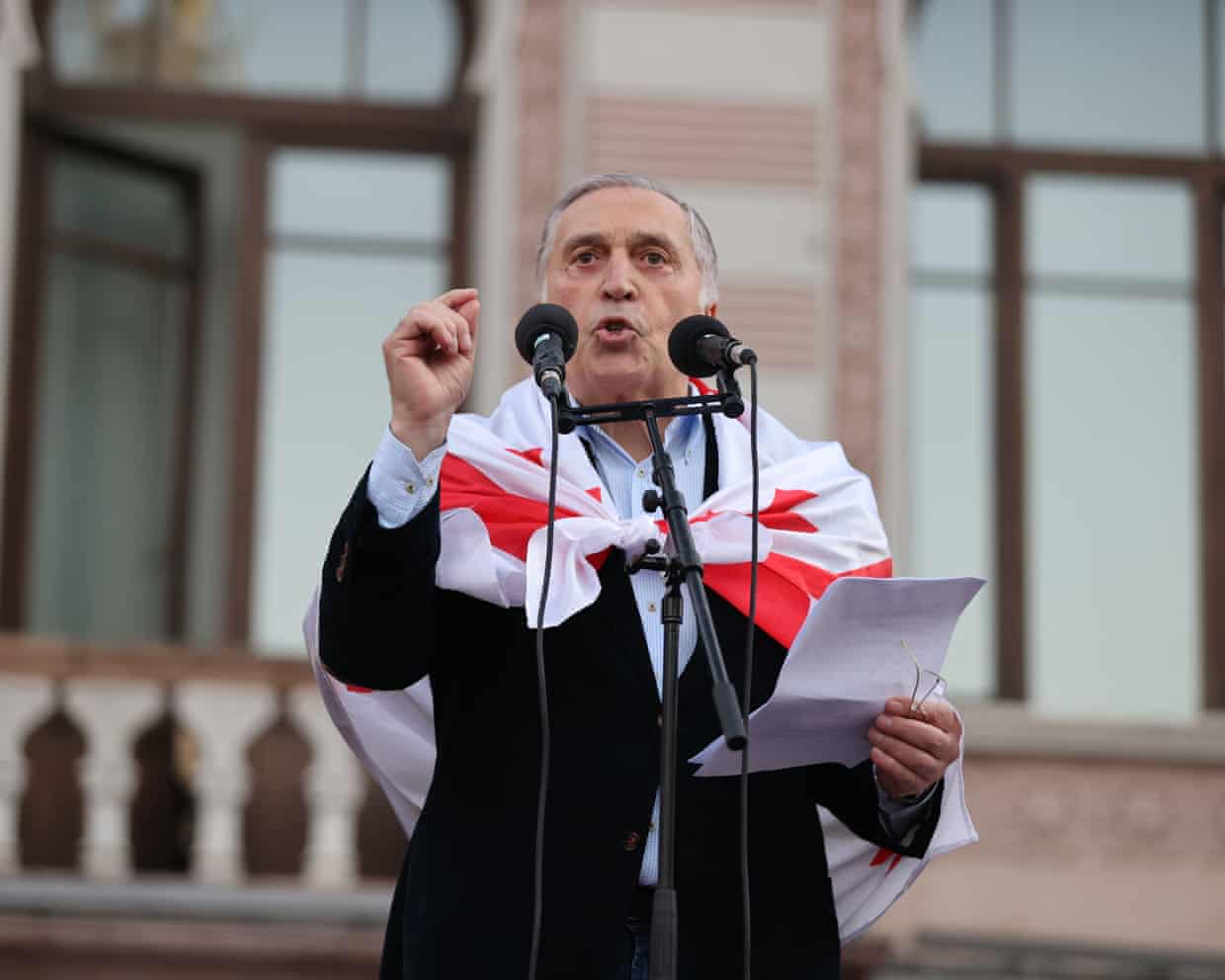
The Royal Opera House in London has urged Keir Starmer to intervene in the case of Paata Burchuladze, a world-renowned bass singer who has been imprisoned in Georgia since October on a charge of leading a coup against the country’s authoritarian leader.The 71-year-old has performed at the Royal Opera House and the Metropolitan Opera House in New York and collaborated with the likes of Luciano Pavarotti, Plácido Domingo and José Carreras. He was arrested after joining a protest outside the presidential palace in the Georgian capital, Tbilisi. Last week he was given a seven-year jail sentence which Burchuladze suggested to the court was equivalent to a life sentence given his age.Burchuladze became a rallying figure at nightly demonstrations against the government’s perceived pivot away from the west last autumn
‘Using his Terminator voice, Arnie said: “Your song. Give it to me. Now”’: Bad to the Bone’s creation – and aftermath
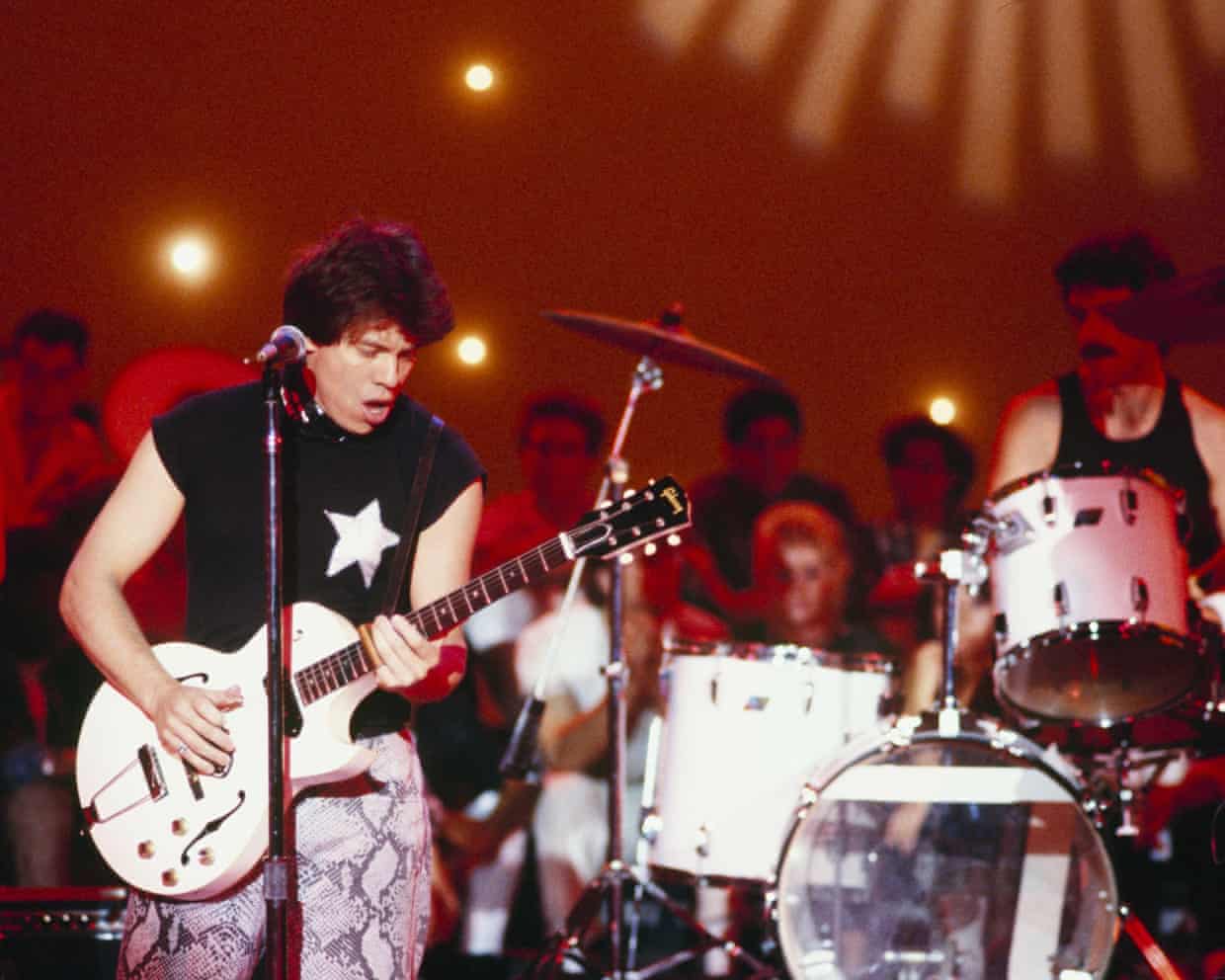
Before Bad to the Bone, we just played obscure blues songs from the archives. But when we toured with the Rolling Stones, I noticed the reaction to their Start Me Up. I said: “Man, we’d better hurry up and write an original song with a catchy intro or, five years from now, people will go, ‘Oh yeah, George Thorogood – wasn’t he good at playing Chuck Berry or something?’”Bad to the Bone is a male fantasy. Let’s face it: every guy wants to be bad. We were raised on Hollywood movies and all those tough guys, like Bernardo from West Side Story, or Howlin’ Wolf – we opened for him in 1974 and he had a ferocious reputation
What is a ‘Scientology speedrun’ and why is social media suddenly obsessed with it?
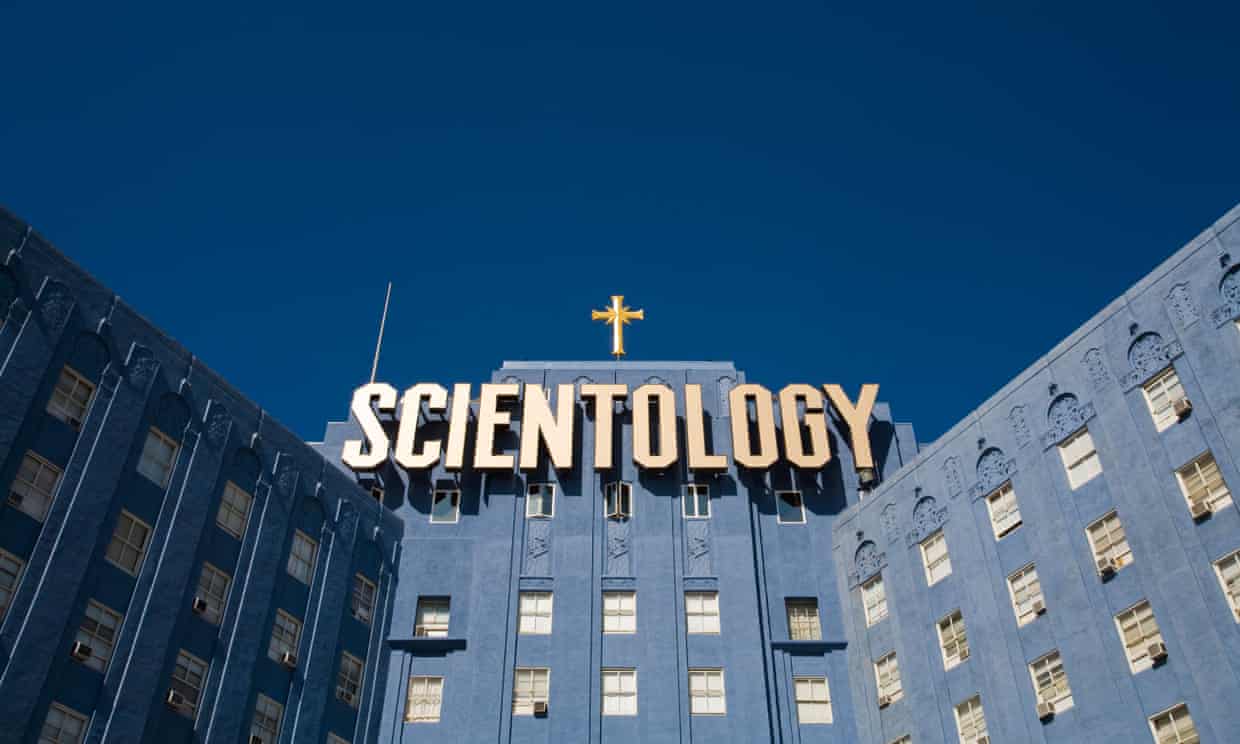
Ima, if someone said “Scientology speedrun” to me I would think about Tom Cruise in tight shorts. But that is not what is happening, is it?Not quite, Cait. The Scientology speedrun appears to have spawned in March when content creator Swhileyy filmed himself rushing the Church of Scientology on Hollywood Boulevard in Los Angeles. That video gained 90m views before it was deleted.Since then, groups of mostly young men have documented themselves charging into the LA centre, pulling in millions of views on TikTok
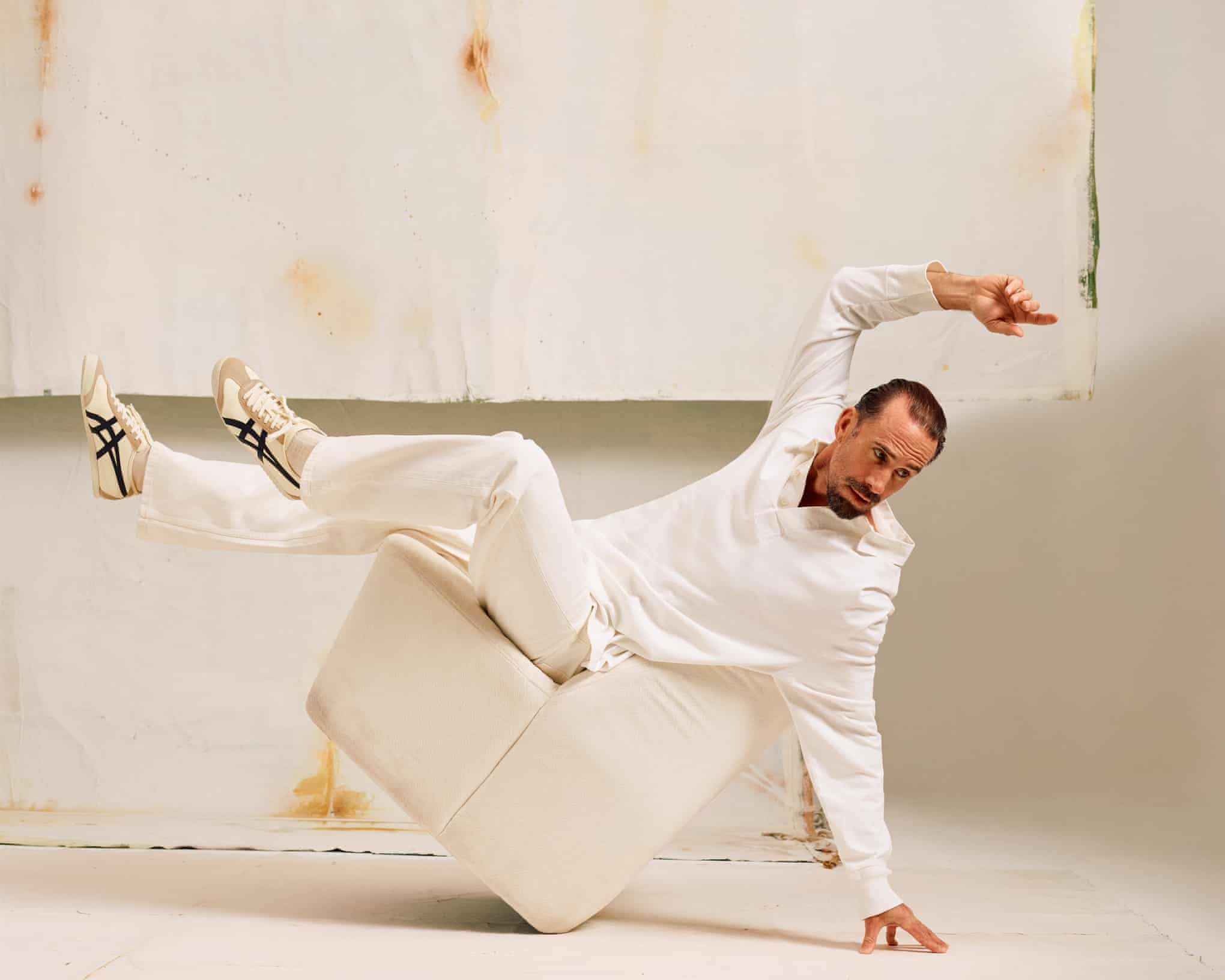
Joseph Fiennes on parenting, politics and banning children from social media: ‘Stand up, Keir, this is your kids’ generation’
He’s played English titans from William Shakespeare to Gareth Southgate, but what does the actor really think about the country today?The Guardian’s journalism is independent. We will earn a commission if you buy something through an affiliate link. Learn more.We are at a corner table in a breakfast place in Chelsea, Joseph Fiennes opposite me on the banquette with his jack russell, Noa. “Dog duty,” he says, apologetic
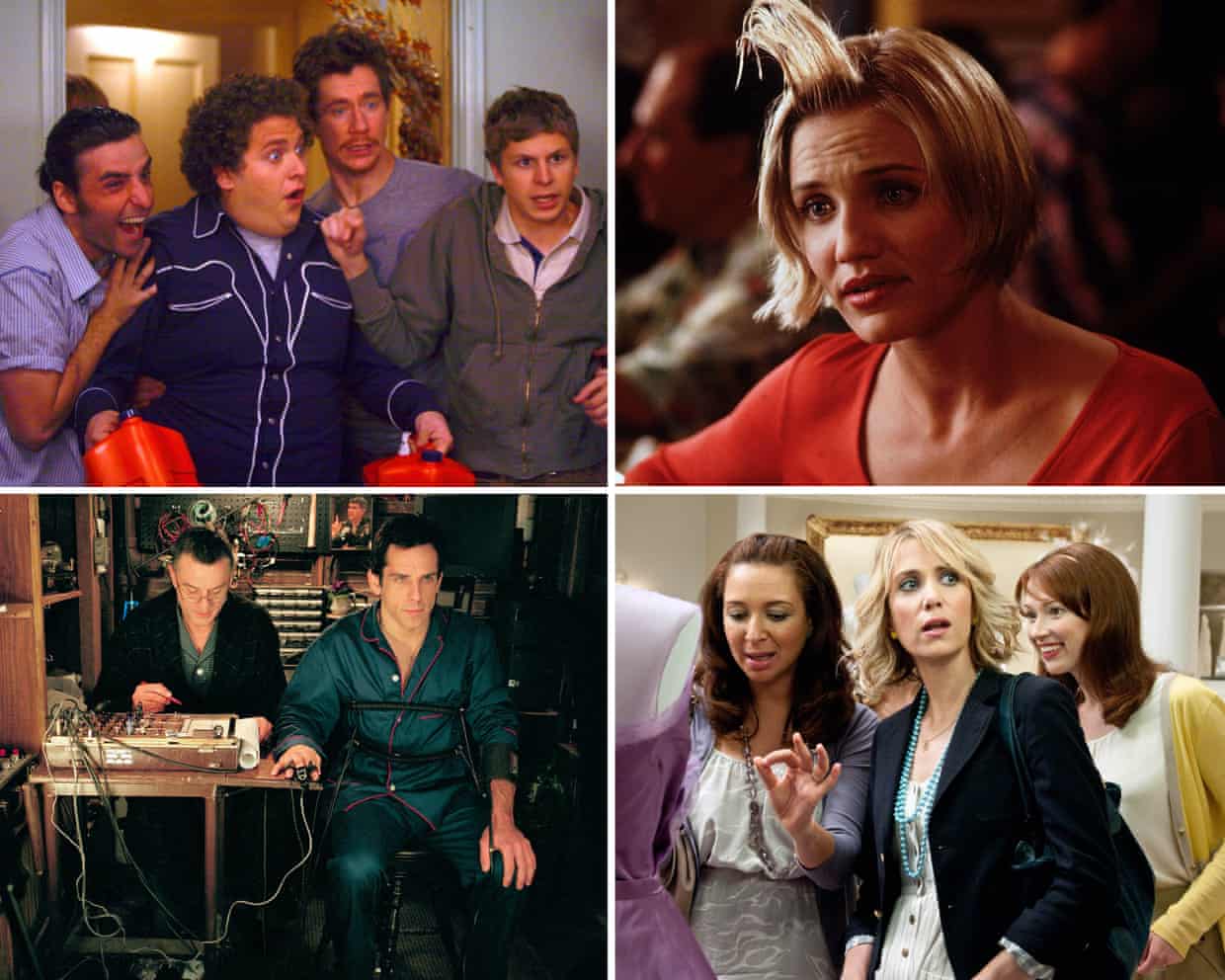
The Guide #242: Everyday Hollywood film comedies have faded but can they make a comeback?
There was a striking moment during this week’s episode of The Rewatchables, the wildly popular film-recap podcast that I reach for when I’ve had my fill of history/football/glum current affairs pods. The episode was revisiting 90s comedy There’s Something About Mary, a film that in some ways holds up hilariously, and in others has aged about as well as a bottle of semi-skimmed on a summer’s day in Death Valley. As part of the episode, the podcast’s panel were going through their favourite comedy films by decade and were spoilt for choice – until, that is, they reached the 2020s, when they seemed to collectively draw a blank. “The Drama’s pretty funny …” one offered tentatively. Finally, host Bill Simmons cut through the umming, ahhing and awkward silence to get to the heart of the matter: “Do we have comedies any more? What happened to comedies?”Yes, what did happen to comedies? Or rather, what happened to the “everyday” American comedies like There’s Something About Mary that once set up a permanent frat house residence in cinemas? You know the ones I mean: those that took a familiar real-world situation – teens trying to lose their virginity, a man clashing with his girlfriend’s dad, a maid of honour struggling to arrange a hen do, stunted adolescents refusing to fly the nest – and stretched them to absurd and lurid extremes

Ah, ah, ah, ah - I saved my dad’s life with a little help from The Office and the Bee Gees
When my father collapsed suddenly, an episode of the US comedy in which Steve Carell does CPR to the tune of Stayin’ Alive sprung miraculously to mindIt was a boiling hot day last summer, four days after my dad’s 73rd birthday. Mum was plating up dinner and Dad was on the sofa complaining about how stifling it was. I was meant to head to work, for my job as a personal trainer, but decided to take the evening off. It was just as well: as I turned back to Mum, Dad collapsed backwards and suffered a massive cardiac arrest.Mum was hysterical
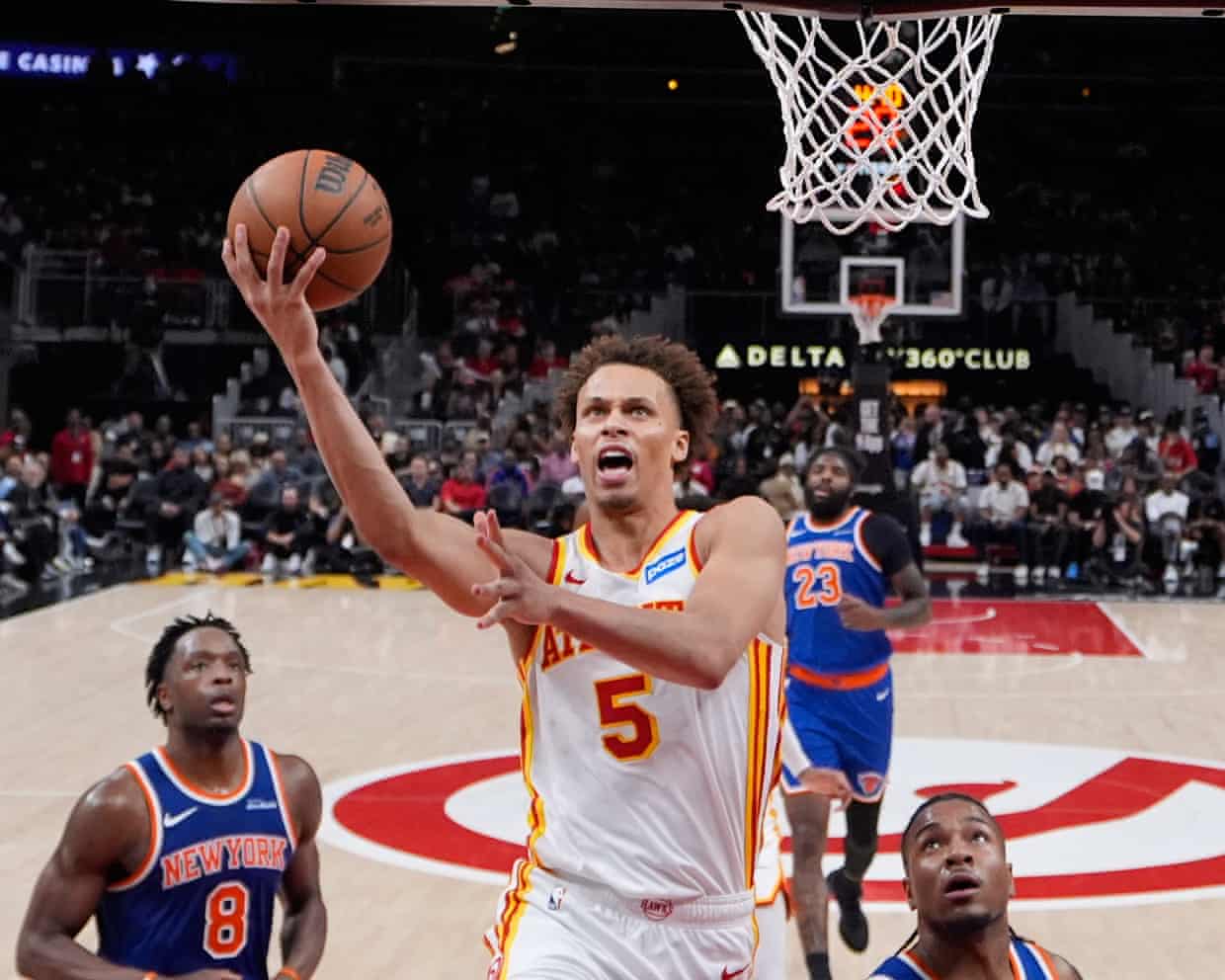
‘I’m unique’: Dyson Daniels on his NBA niche, missing three-pointers… and investing tips
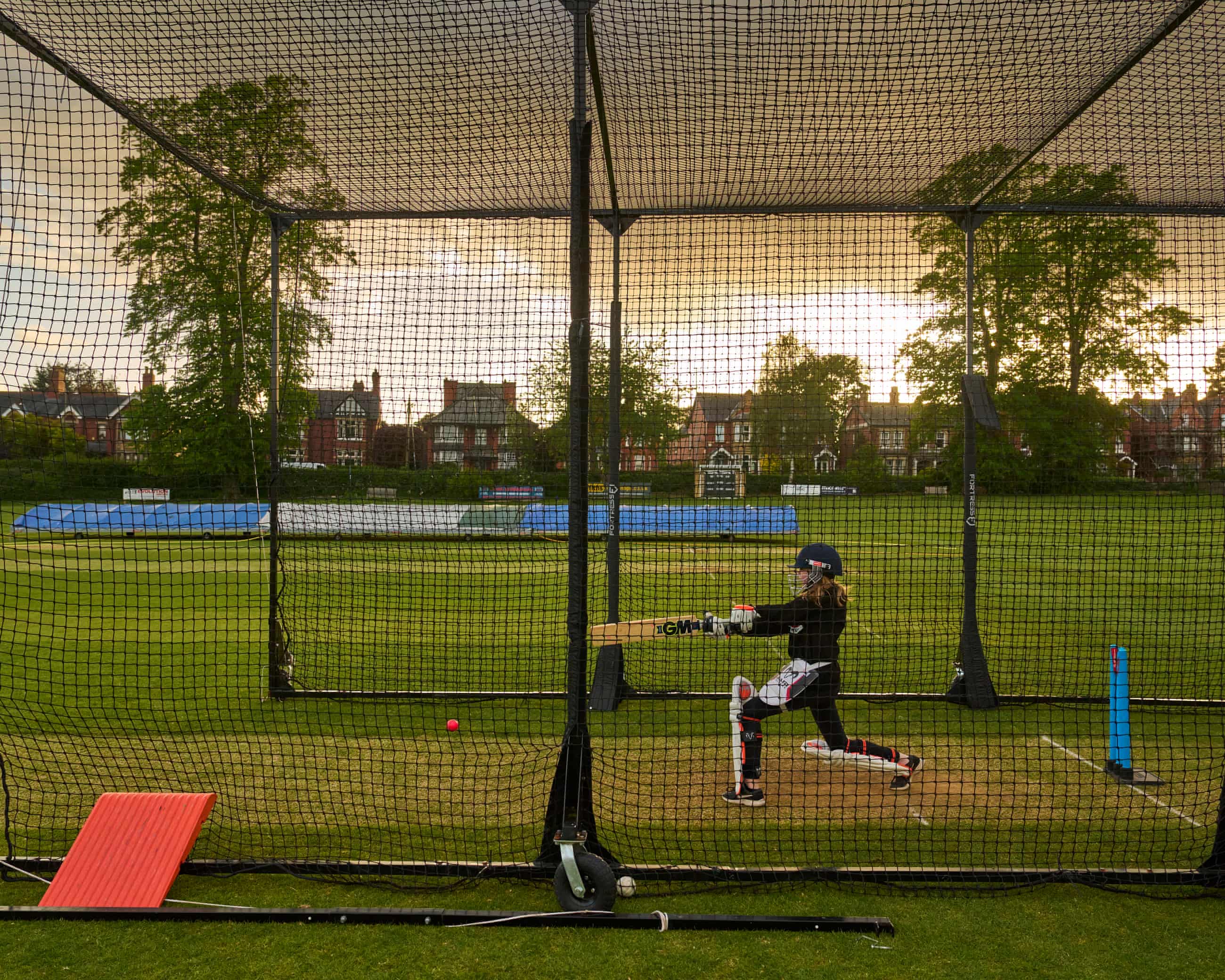
The Spin | ‘We have a hoot on the field’: Oswestry CC boasts 10 mother-daughter pairs
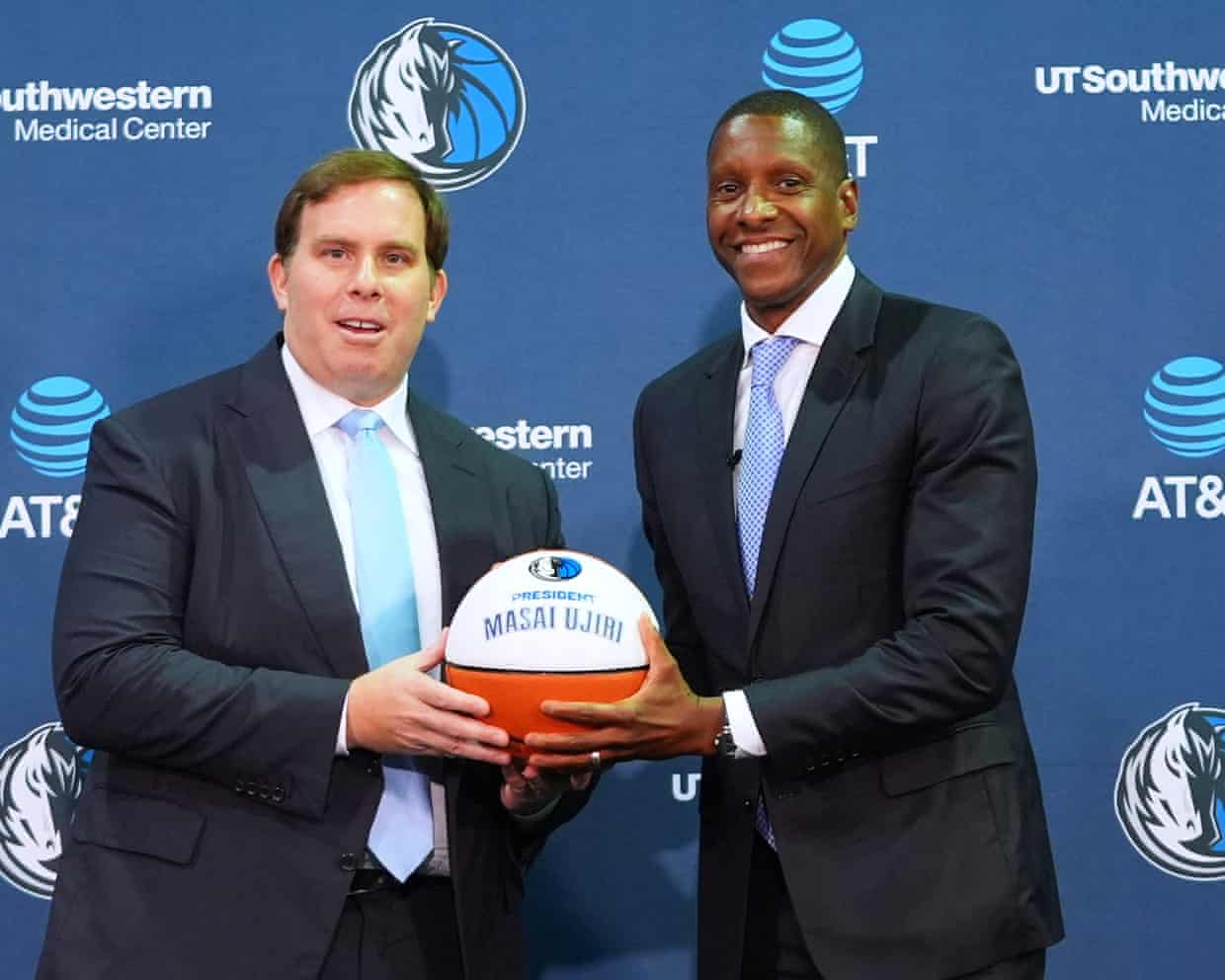
How will the liberal Masai Ujiri handle leading the ultraconservative Dallas Mavericks?
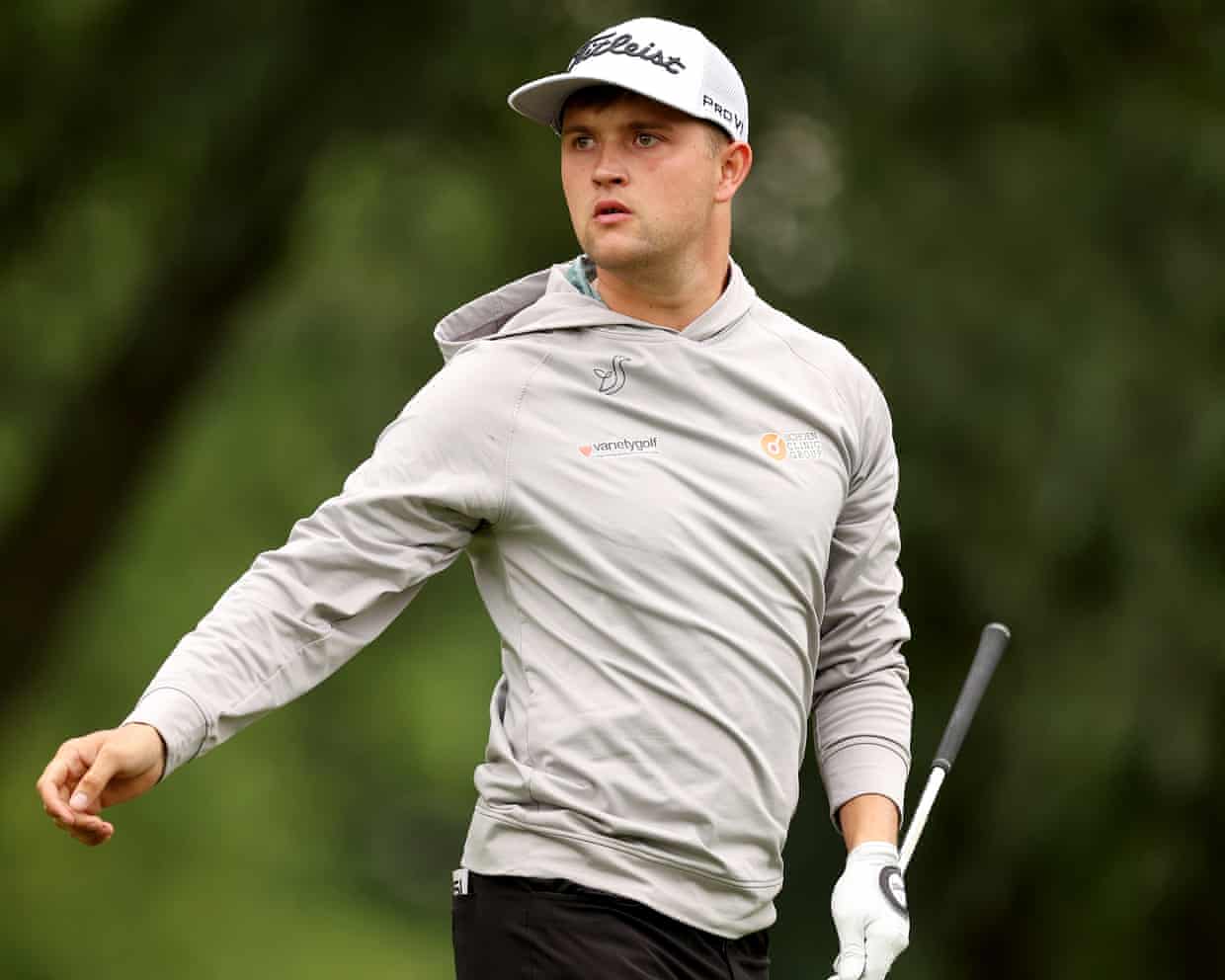
World’s No 1 disabled golfer Kipp Popert: ‘The best need to play for a living. The sport has stopped’
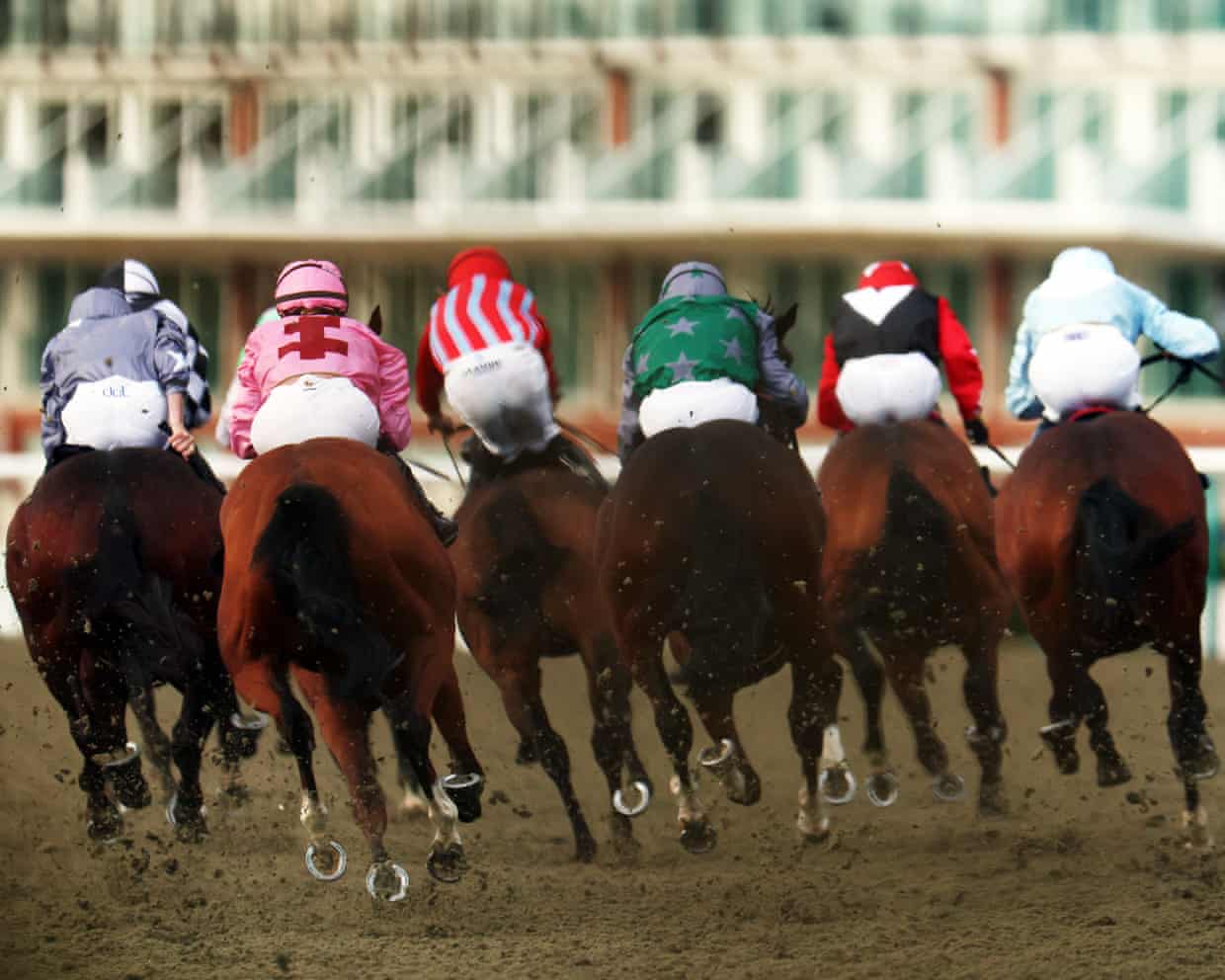
Racing need not fear Green party ‘conversation’ but must continue efforts on horse welfare
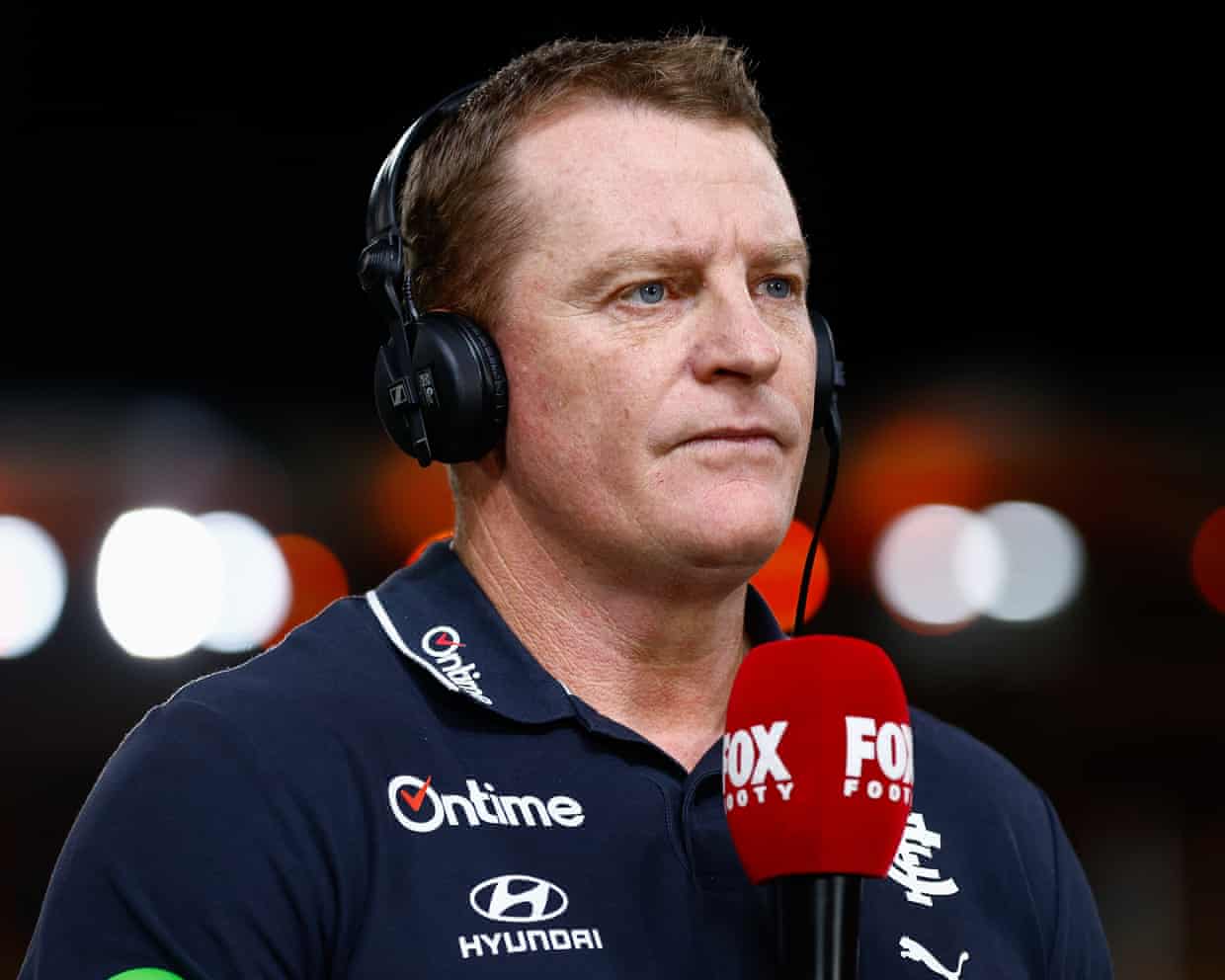
From the Pocket: Voss coached the way he played and his brutal football failed Carlton