Aramco warns of oil market ‘catastrophe’ unless strait of Hormuz reopens soon
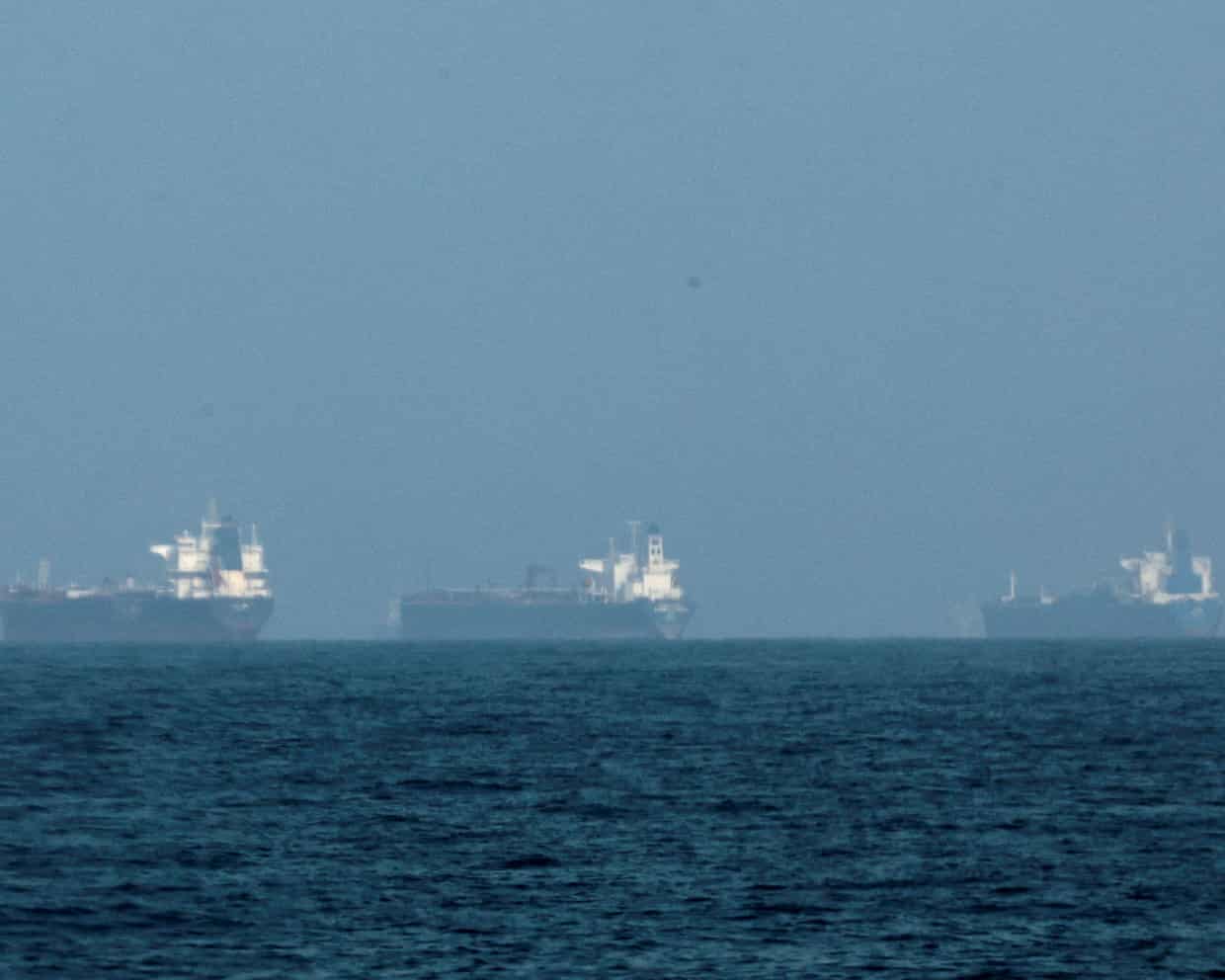
Saudi Arabia’s state oil company has warned of “catastrophic consequences” for the world’s oil markets if the US-Israeli war with Iran continues to block shipping in the strait of Hormuz,The world’s biggest oil exporter expects to be able to supply the market with about 70% of its usual crude output despite the stranglehold on the vital trade artery, but its chief executive warned that there would still be “drastic” consequences for the world economy if the disruption continued,Oil shipments from the Middle East have been blocked from passing through the narrow waterway since the US strikes on Iran 11 days ago, erasing about 20m barrels of oil from the global market every day,Despite the warning, oil prices fell on Tuesday after Donald Trump suggested the war could end “very soon”,The price of a barrel of Brent crude, the international benchmark, was down 14% on Tuesday evening, at about $85.
That was still well above the $72 a barrel before the US-Israel attacks on Iran, but lower than the peak of $119 this week, which was the highest price since 2022, when Russia invaded Ukraine, raising fears for the global economy.Markets on both sides of the Atlantic also staged a partial relief rally.The FTSE 100 in London rose 1.6% on Tuesday, Germany’s DAX was up 2.4% and France’s CAC rose 1.
8%.US markets were also trading higher in early afternoon trading on Wall Street.Amin Nasser, the chief executive of Aramco, said: “While we have faced disruptions in the past, this one by far is the biggest crisis the region’s oil and gas industry has faced.”Aramco has been unable to ship crude cargoes out of the Gulf owing to the disruption, but it hopes to meet customer demands by flowing crude through the east-west pipeline to the Red Sea port of Yanbu, from where it could be shipped to buyers.The company plans to increase shipments through the pipeline to reach its full capacity of 7m barrels a day in the next couple of days, it said.
About 2m barrels a day will be sent to Saudi Arabia’s refineries in the west of the country, leaving 5m barrels a day for the global crude market.This represents about 70% of the kingdom’s usual exports.Typically, about 100 tankers a day pass through the narrow waterway lying south of Iran, but the number has dwindled to single digits after the Islamic Revolutionary Guard Corps threatened to “set ablaze” any vessel using the trade route, which carries a fifth of the world’s oil and liquefied natural gas.Aramco said that it was now meeting most of its customers’ needs, partly by tapping crude held in storage outside the Gulf region.Nasser said these stores could not be used for “an extended period of time, but for the time being, we are capitalising on it”.
He said: “There would be catastrophic consequences for the world’s oil markets, and the longer the disruption goes on … the more drastic the consequences for the global economy.”G7 leaders on Tuesday called on the world’s energy watchdog to prepare scenarios for the release of emergency oil stockpiles to help cool the markets after historic market price gains recorded in recent days.However, the bloc stopped short of giving the green light to a stock release, which has happened on only five occasions in the history of the market.The International Energy Agency (IEA), which was set up after the Middle East oil crisis in the 1970s, requires its 32 member countries to hold at least 90 days of emergency crude supplies in reserve so they can be released to the market in the event of a supply shock.In total, IEA members hold more than 1.
2bn barrels of public oil reserves, and a further 600m barrels of industry stocks held under government obligation.In addition, China is estimated to have record-high levels of crude in storage.The world’s biggest energy importer, which is not a member of the IEA, may have up to 1.4bn barrels of oil in reserves.The hope that global leaders may be inching towards an intervention to temper the oil market volatility helped prices ease from the four-year highs earlier this week.
The price of Brent crude fell to just below $90 a barrel by the end of the trading day.
Starmer attacks Badenoch and Farage over Iran war support U-turns at raucous PMQs
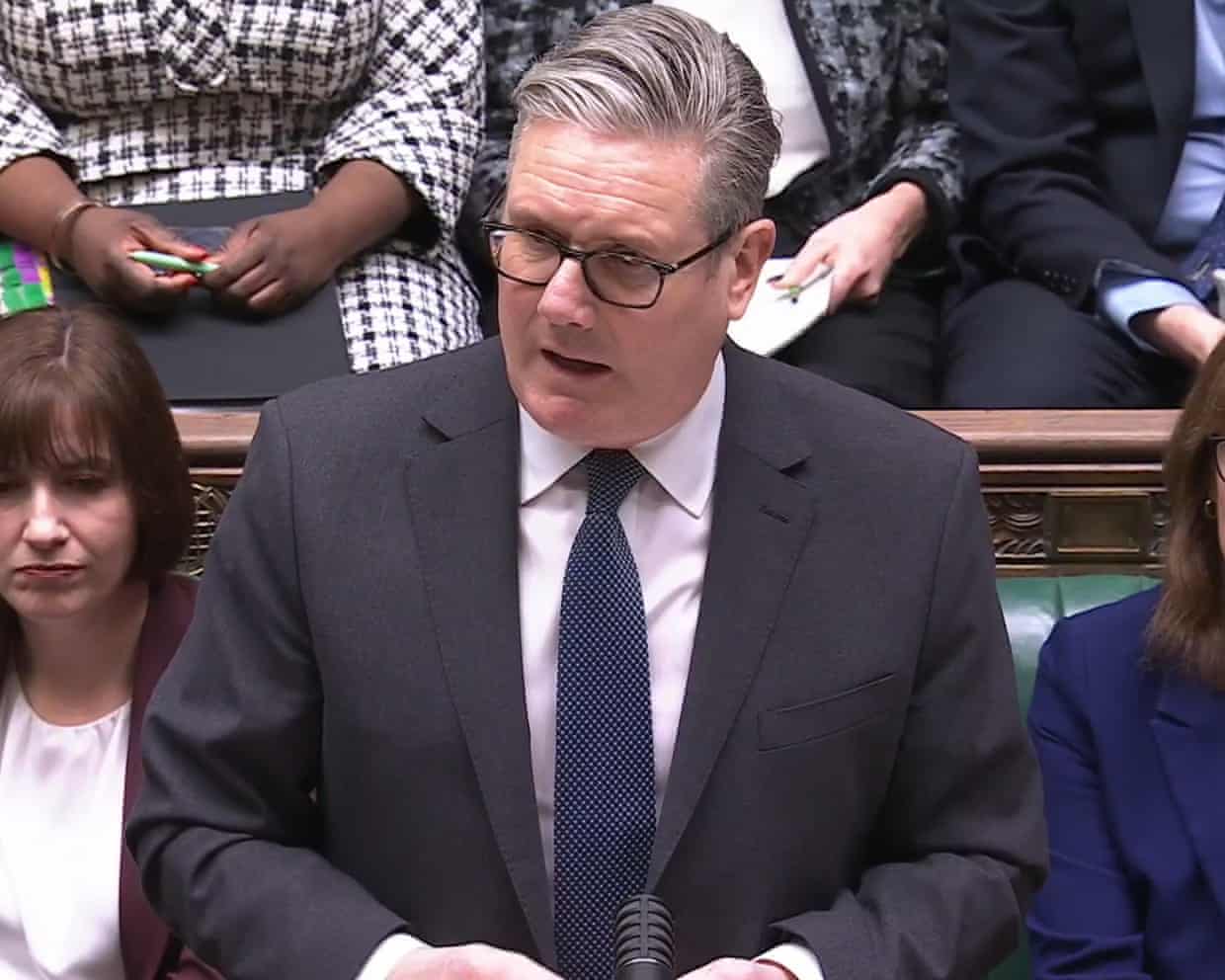
Keir Starmer has attacked Kemi Badenoch and Nigel Farage over their stance on the war in Iran, accusing both of U-turning on their support for Donald Trump.At a raucous prime minister’s questions, Starmer accused the leader of the opposition of making the “mother of all U-turns” and furiously trying to backpedal after on Tuesday she denied calling for the UK to join the US president’s war on Iran, after previously saying Starmer should do more to “stop the people who are attacking us”.Last week Badenoch repeatedly pressed Starmer on his decision not to launch offensive strikes to destroy missile bases, asking: “Why is he asking our allies to do what we should be doing ourselves?”On Wednesday, Starmer said: “If I’d asked her last week, her position would be, we support the initial strikes and we want to join the war. This week, she says, we don’t want to join the war. That is the mother of all U-turns on the single most important decision a prime minister ever has to take, whether to commit the United Kingdom to war or not
UK junk food ad ban so diluted it may be largely ineffective, experts say
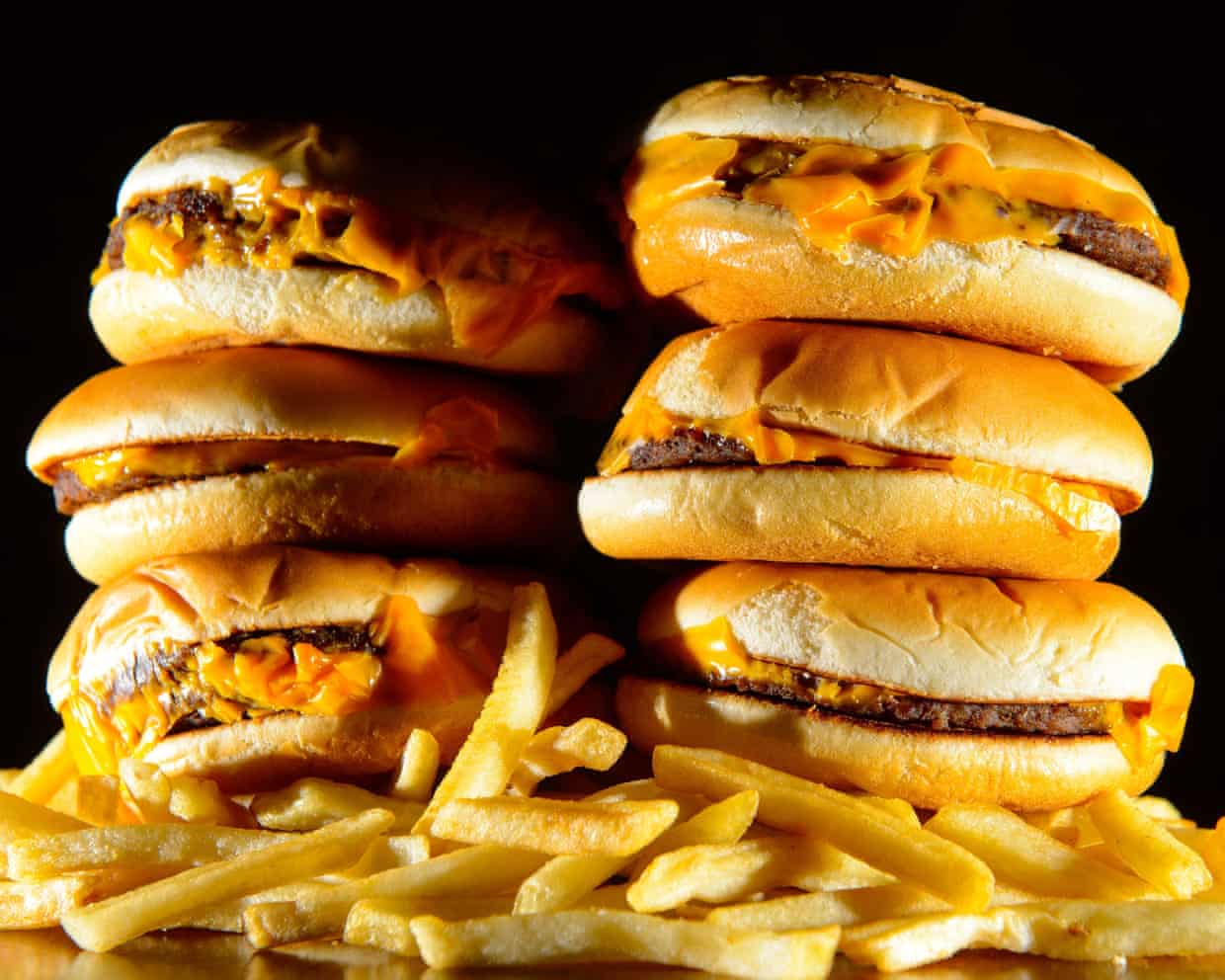
The junk food ad ban intended to curb childhood obesity will affect only 1% of the £2.4bn spent annually on advertising food and drink, and may prove a “paper tiger”, ministers have been told.The government has hailed the ban on advertising foods high in fat, salt and sugar before 9pm on TV and completely online, which came into force on 5 January, as a decisive and world-leading move that will remove 7.2bn calories from UK children’s diets every year.But it has been delayed, watered down and narrowed in scope so much after food industry lobbying that it will be “mostly ineffective”, research by the innovation agency Nesta has found
Ministers must act more quickly on deepfakes to protect women and girls, Kendall says
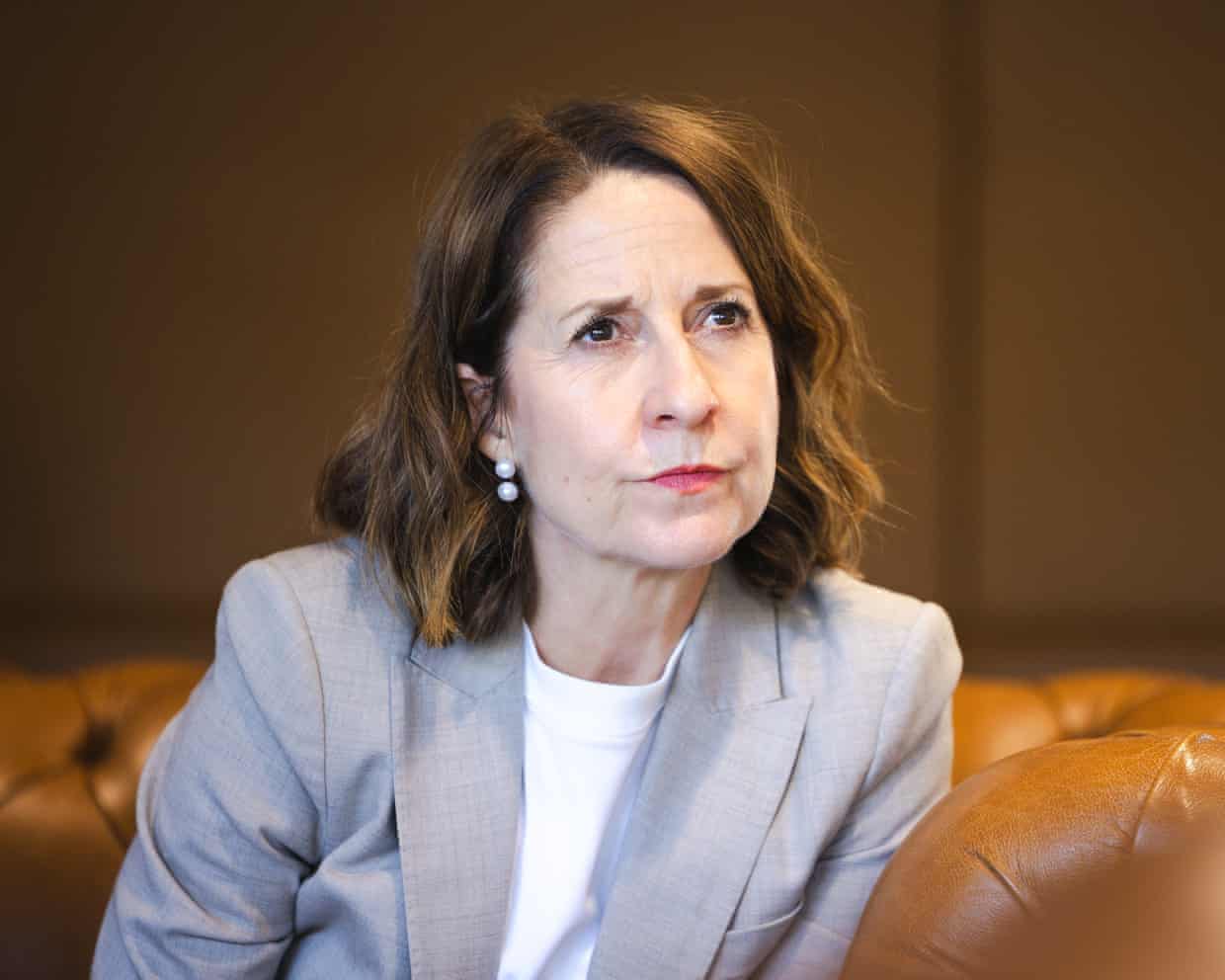
Ministers need to act more quickly to combat fast-changing threats from technology such as deepfakes, the technology secretary has said, as she warned about the risks women and girls face online.Liz Kendall said on Monday that technology was developing at such a pace that it was outstripping the government’s ability to regulate it, even suggesting there could be regular annual reviews of regulations as happens at the budget.The technology secretary was speaking to the Guardian after hosting a roundtable with tech companies including Meta, Snapchat, Reddit, Match Group, Google, TikTok and OnlyFans, during which she urged them to do more to tackle online misogyny.She said: “It took eight years for [the Online Safety] Act to come in, and the technology has developed so rapidly it hasn’t kept pace. Every year MPs have a finance bill to deal with the budget
Missing money, shipped chips and a 350,000% profit: key takeaways on AI ‘phantom investments’
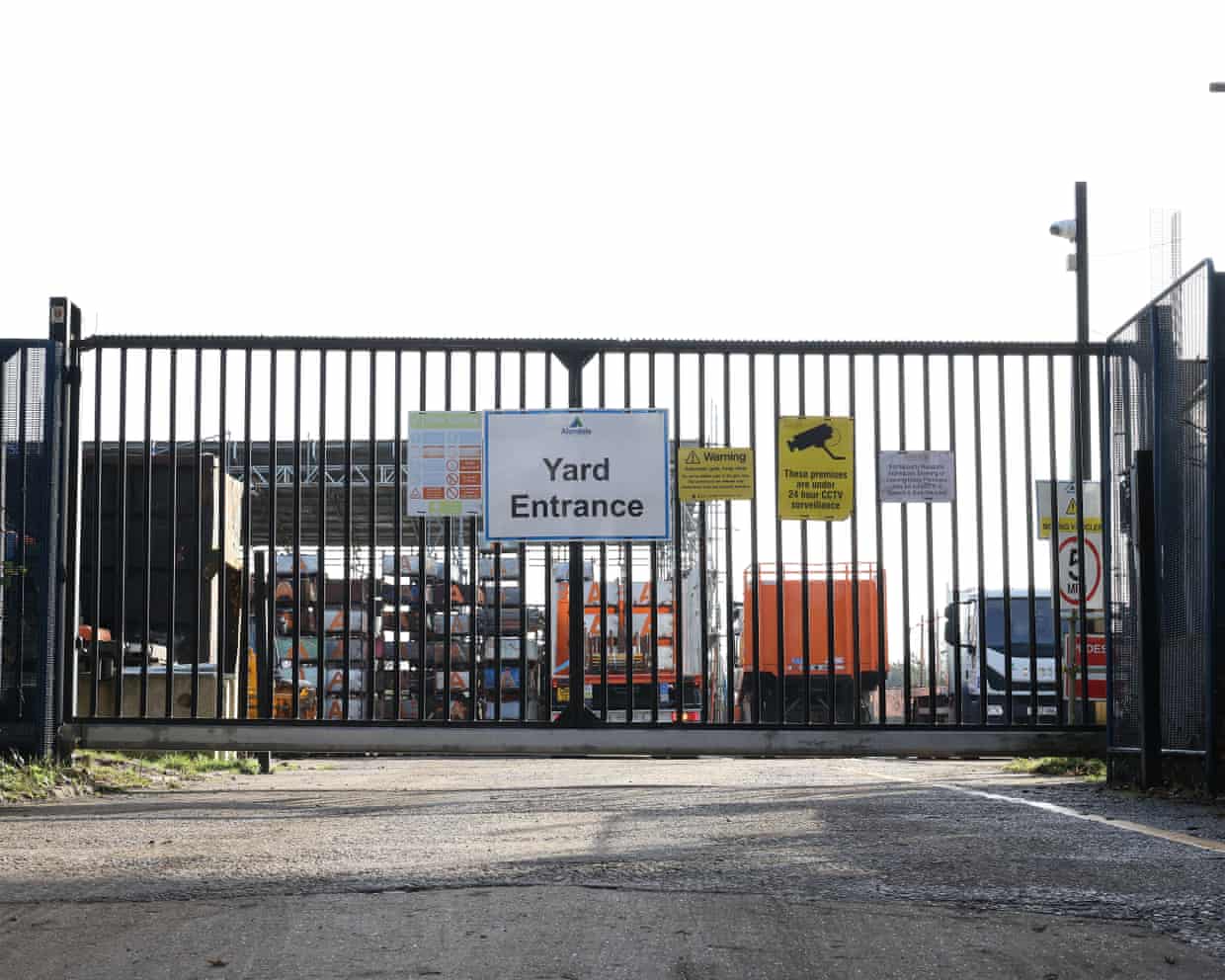
A Guardian investigation has examined a series of massive AI investments announced by the government over the past two years, comparing what was promised with what has so far been delivered.The investigation centres on two companies backed by the chipmaker Nvidia and central to the UK’s AI plans, Nscale and CoreWeave.It has found that large, promised sums do not represent real investments into the UK’s economy, that new datacentres are not in fact new, and that a giant supercomputer set to be online later this year is still being used by a construction company in Essex.Here are some of the key details at a glance.The Guardian visited a site in Essex that is supposed to host “one of the most powerful AI computing centres ever built”, built by Nscale
Lengthy US-Iran war would affect ‘lives and households of everybody’, says Starmer
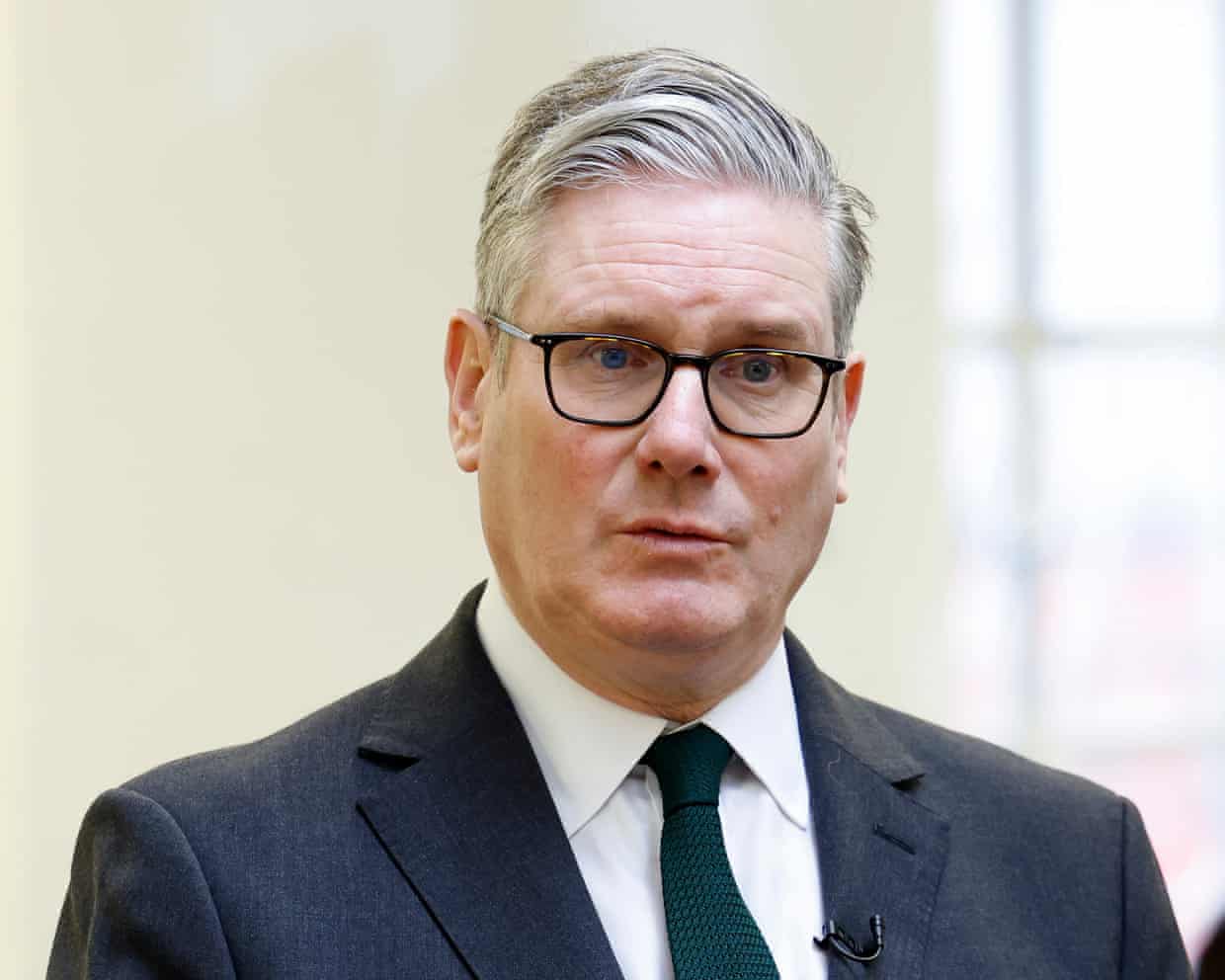
Keir Starmer has said that a long-term US-Iran war would affect the “lives and households of everybody”, as the head of the AA advised motorists against making “non-essential” journeys.On Monday, oil prices surged past $100 (£75) a barrel for the first time since 2022, which will feed through to higher costs at petrol stations, and consumers will also be hit if energy costs push up inflation.Ministers are understood to be looking at ways to potentially mitigate the rising costs on energy bills – and are likely to come under pressure to cancel a planned 5p rise in fuel duty this autumn.Speaking as he launched the government’s community cohesion plan, Starmer said: “The job of government is obviously to get ahead, to look around the corner, to work with others, and the chancellor speaks to the governor of the Bank of England on a daily basis … assessing the risks, monitoring and talking to our international partners as well about what more we can do together to reduce the likely impact on people here and businesses here, of course.“But it is important to acknowledge that work is needed, because people will sense … that the longer this goes on, the more likely the potential for an impact on our economy, impact into the lives and households of everybody and every business
Alba party to wind up and not contest Scottish election
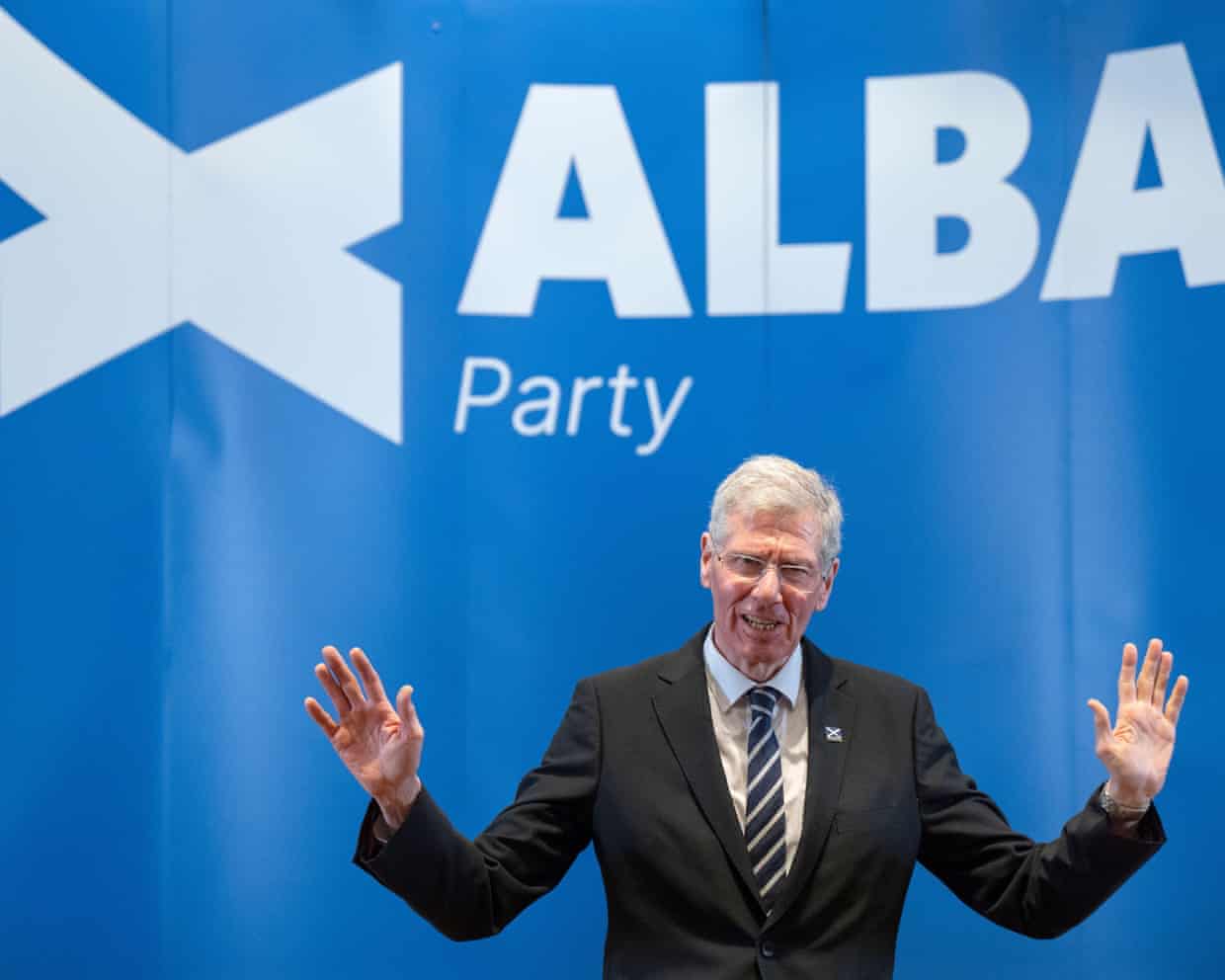
The Alba party has announced that it will wind up and not field any candidates for the 2026 Scottish parliament election.The pro-independence party was formed in 2021 by the late Alex Salmond as a “new political force” but has been suffering from a sharp fall in membership and a financial crisis.Police Scotland has been investigating alleged “irregularities” in the party’s finances since May.Kenny MacAskill, who defected from the Scottish National party and succeeded Salmond as Alba leader, said the decision taken by the party’s ruling national executive committee on Sunday had been made “with considerable regret”.The Electoral Commission advised the party that, given its financial situation, it should either voluntarily de-register or face statutory de-registration

British fintech Revolut gets full banking licence
Porsche to cut more jobs after costly reversal of electric car strategy
Aramco warns of oil market ‘catastrophe’ unless strait of Hormuz reopens soon

Pipeline of new drugs to fight superbugs is ‘worryingly thin’, experts warn
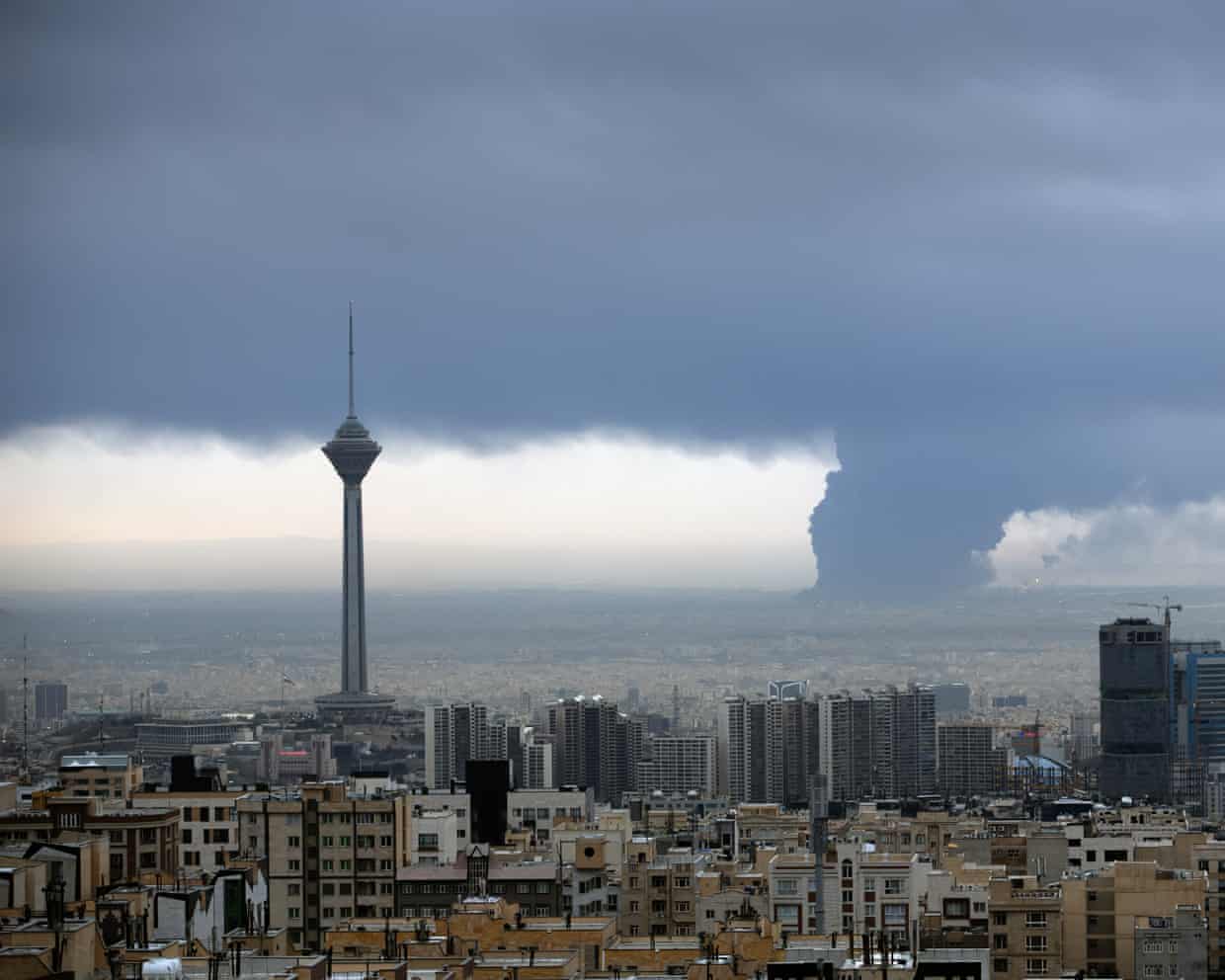
Trump’s re-election may have helped Albanese – but the US war in Iran is creating economic conundrums
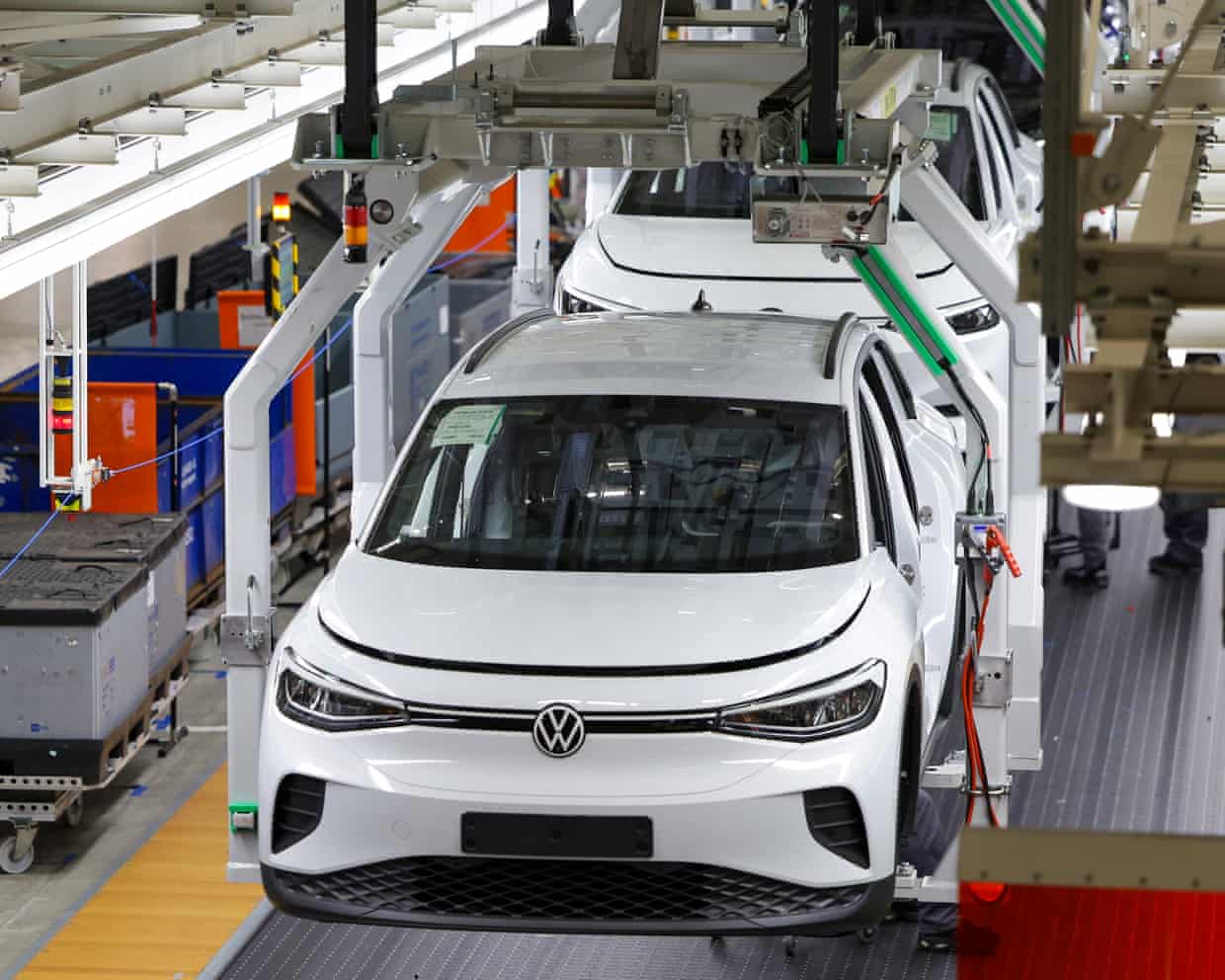
VW to cut 50,000 jobs by 2030 amid Trump tariffs and falling Chinese sales