UK house prices rise in February as chancellor avoids ‘negative speculation’
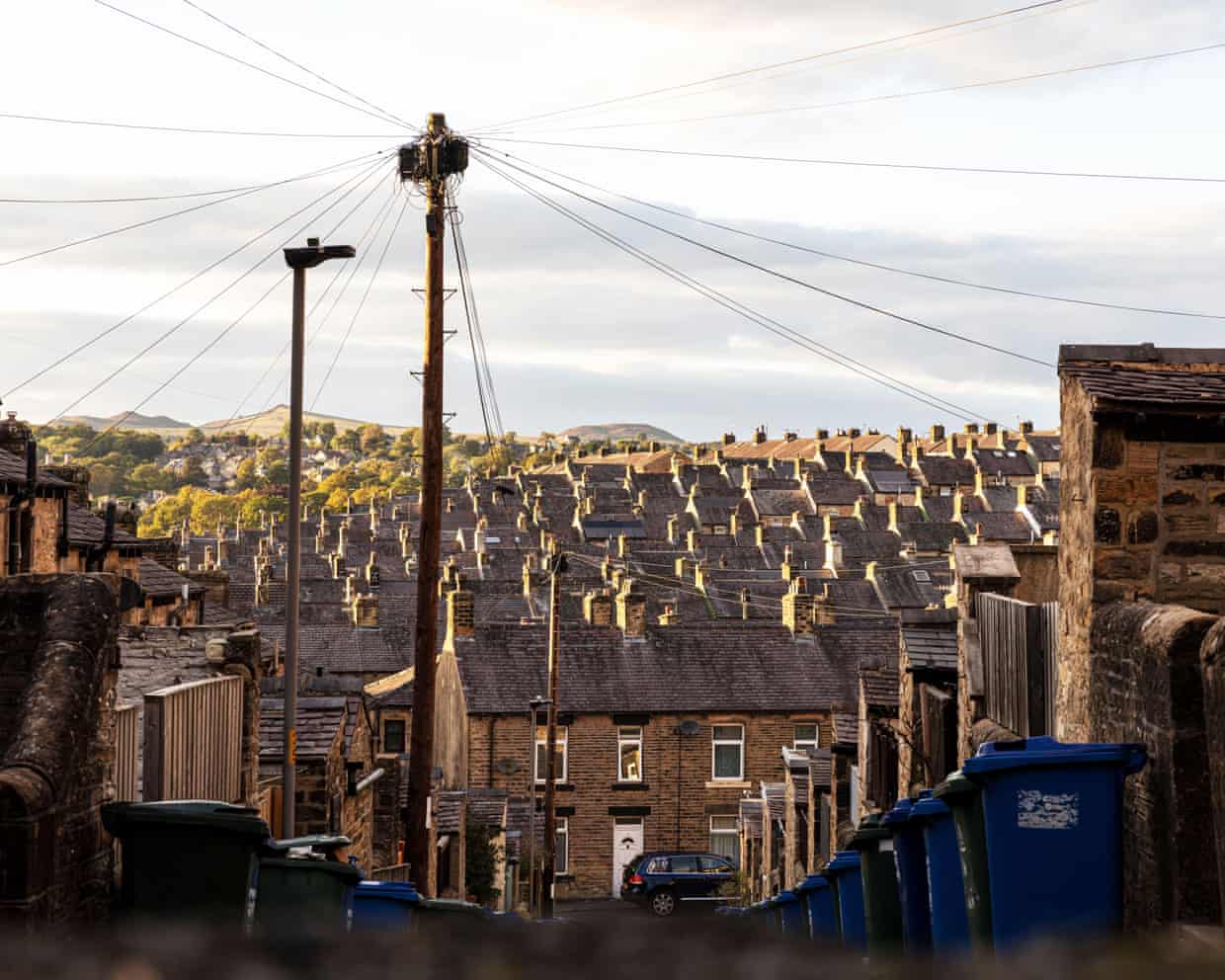
House prices in the UK increased in February, avoiding a repeat of the “negative speculation” that depressed the market before last November’s budget, as Rachel Reeves prepares to present the spring forecast on Tuesday,The average price of a home rose to £273,176 last month, up by 0,3% from the month before, according to Nationwide, the UK’s biggest building society,It matched January’s monthly increase, and was above analysts’ forecasts of a 0,2% gain.
The annual growth rate remained steady at 1%,The chancellor’s imminent forecast has not led to a slowdown in the housing market, as speculation around property tax changes in the months leading up to last November’s budget did,Jason Tebb, the president of the property website OnTheMarket, said: “Housing market activity and sentiment have continued to pick up this year, with buyers and sellers proceeding with their moves with more clarity and confidence, particularly as the spring forecast has not attracted anything like the same level of negative speculation as November’s budget,”Reeves will seek to project calm and competence after a tumultuous 18 months, following the latest forecasts from the independent Office for Budget Responsibility on Tuesday,In a short statement to parliament, the chancellor is expected to highlight progress on reducing the cost of living and say Labour has the “right plan” for fixing the economy.
Robert Gardner, the Nationwide chief economist, said the latest house price figures pointed to a “a modest recovery after a dip at the end of 2025” driven by uncertainty around potential property tax changes before the budget.“Housing market activity is likely to recover in the coming quarters, especially if the improving affordability trend seen last year is maintained as expected.”Housing market transactions climbed 10% last year compared with 2024.Gardner said improved affordability and an easing in mortgage availability “has helped to support first-time buyer activity”.First-time buyers are expected to drive sales this year.
UK inflation had been expected to ease to the Bank of England’s 2% target by April, allowing it to deliver another interest rate cut in the face of rising unemployment, sluggish economic growth and slowing wage rises.However, the odds of a rate cut in March dropped to 50% on Monday, from 80% last week, after US-Israeli airstrikes on Iran drove oil prices sharply higher because of fears of oil supply disruption.Brent crude, the global benchmark, jumped as much as 13% in early trading and hit $82 a barrel.Alice Haine, a personal finance analyst at Bestinvest, said higher energy prices would make it harder for the Bank to bring inflation down to target.She said many borrowers on one of the 1.
8m fixed-rate mortgages expiring this year were rolling off ultra-low five-year fixed-rate deals into a much higher mortgage rate environment.“They face refinancing at much higher rates than their current deal, which will put pressure on disposable incomes, though they can take comfort that they have avoided the worst of the mortgage crisis.”The number of new mortgages approved declined to 59,999 in January, the lowest in two years, the Bank of England reported on Monday.That slowdown came despite a drop in the “effective” interest rate on new mortgages, which fell to 4.09% in January from 4.
15% in December.Net borrowing of mortgage debt by individuals dropped to £4.1bn in January, from £4.5bn in December.

Bitter-sweet symphony: vermouth is more than just another cocktail ingredient
I like to think of vermouth as the Nile Rodgers of drinks, a backbone of good times known more for big hit collaborations than for its solo work. It is a foundation of any self-respecting cocktail cabinet (though it should be kept in the fridge), and also a family of drinks with many individual talents, which are now at long last being more widely recognised – Waitrose’s most recent Food & Drink report even touted vermouth as a 2026 trend, with searches for the stuff up by 26%.The Guardian’s journalism is independent. We will earn a commission if you buy something through an affiliate link. Learn more
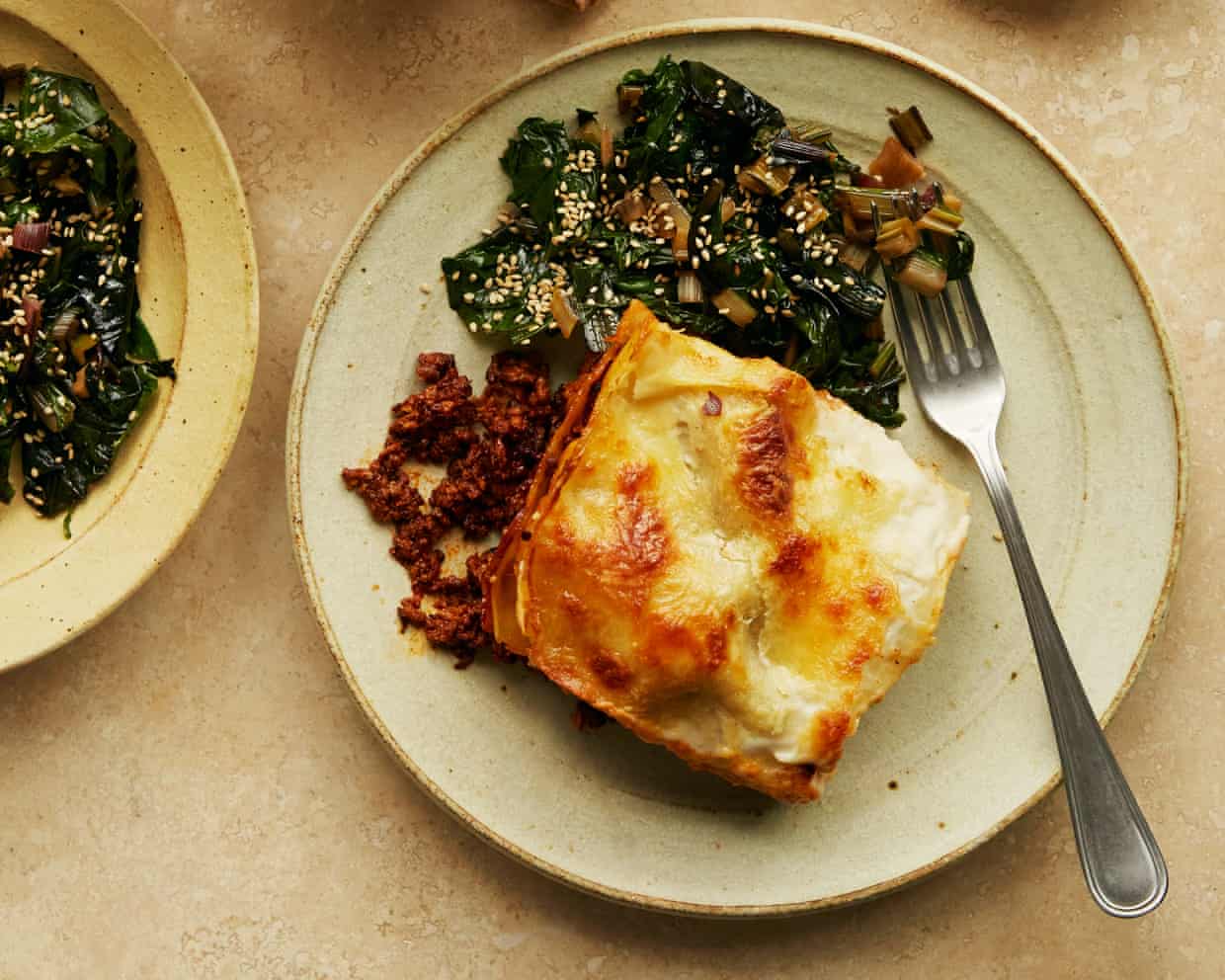
The bubbling beauty of baked pasta
The other day, I climbed the communal stairs and opened the front door to the smell of cheese on toast. A welcome aroma made even more welcome when I realised that it was actually the tips of pasta tubes turning golden among grated cheese and creamy bechamel sauce. To add to the pleasant scene, my partner, Vincenzo, was washing up. Because that is the thing about pasta al forno – baked pasta – the time between finishing the construction and the eating is around about 25 minutes. That is, exactly the right amount of time to wash up and wipe up, or delegate those tasks to someone else while you make a salad and open a bottle of wine
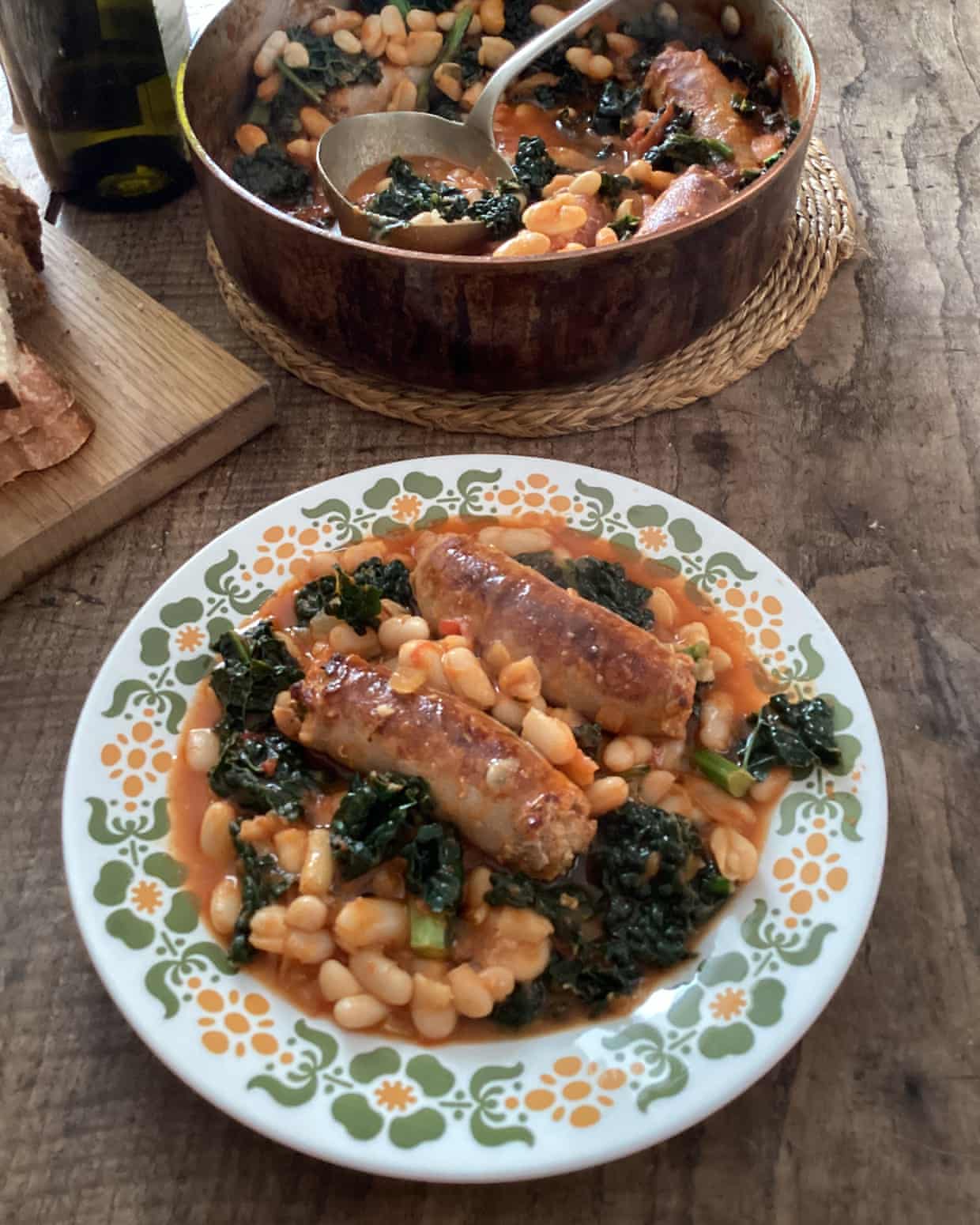
Rachel Roddy’s recipe for beans with greens and sausages | A kitchen in Rome
The benefit of soaking and cooking (or, better still, pressure cooking) your own beans are many: less packaging; money saved (a 500g bag of dried beans costing £2.50 will yield 1.5kg cooked beans, while some 400g tins can cost more or less the same); the suspiciously coloured but flavourful and starchy bean cooking water; and some personal satisfaction that you actually remembered to soak the beans in the first place. The benefits – and joy – of tinned beans, however, are almost instantaneous. That is, just a ring-pull away – unless, of course, said ring-pull comes off prematurely, turning the tin into a door without a knob and leaving you two options: searching for the tin opener that is somewhere in the miscellaneous drawer (or among the picnic equipment, which is on top of the wardrobe), or puncturing the tin at exactly the right spot on the seam with a pointy parmesan knife, which is somewhere in the same drawer

Doom Bar maker Sharp’s Brewery in Cornwall to be closed by US owner
The Cornish brewery that makes Doom Bar ale is to be closed by its US owner, throwing the popular beer brand’s future into doubt and putting about 200 jobs at risk.The drinks company Molson Coors said it plans to shut Sharp’s Brewery in Rock, along with its national call centre in Wales, saying it was “no longer financially sustainable”.The Chicago-based company, which bought Sharp’s 15 years ago, said it was planning to close the site by the end of this year but it “remains committed” to Sharp’s beer brands.Sharp was founded in 1994, and most its sales come from Doom Bar, which is among the bestselling cask ales in the UK, and was named after a notoriously dangerous sandbank in Cornwall’s Camel estuary. Sharp’s also makes Atlantic and Twin Coast pale ales
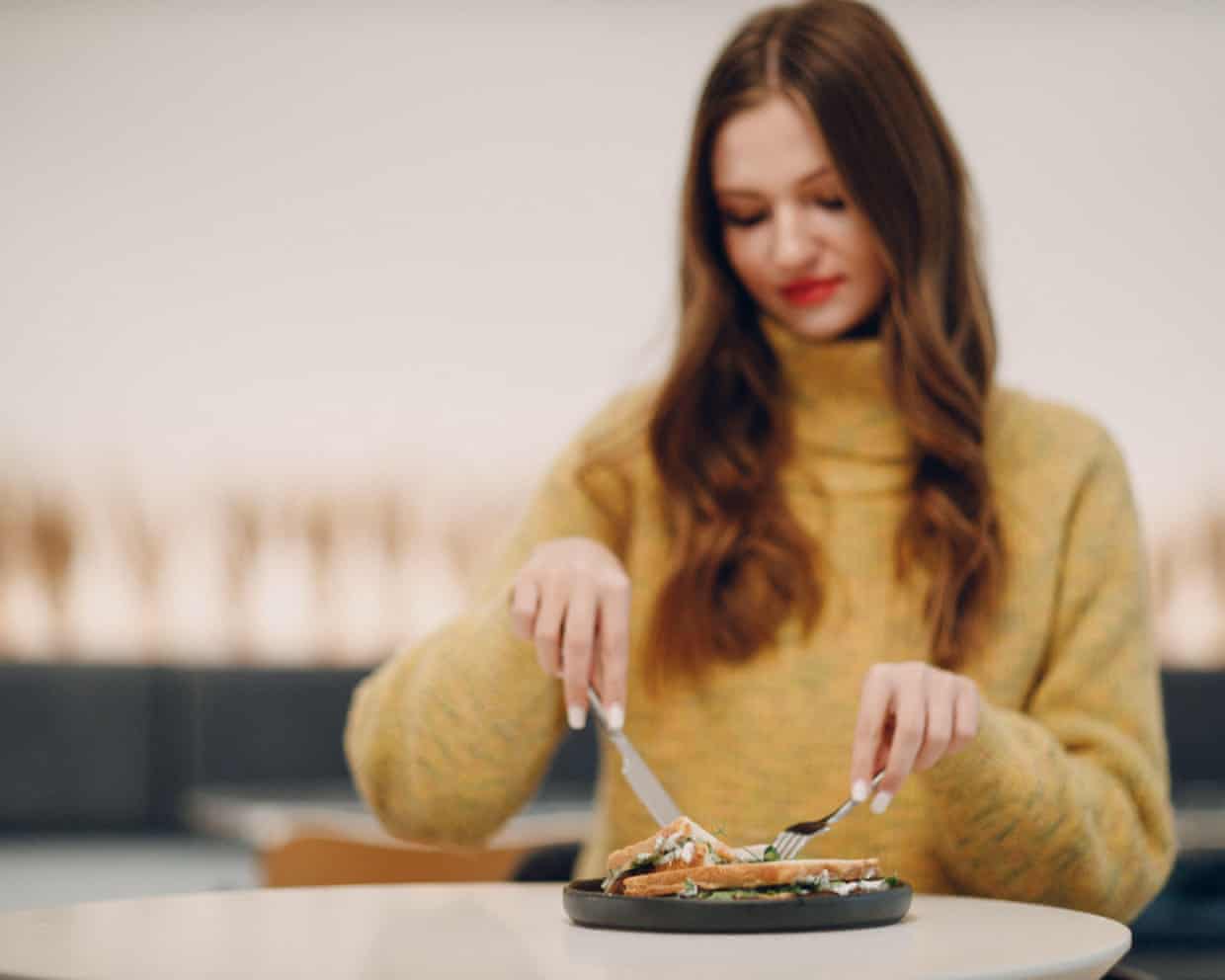
Table for one: is eating lunch at work on your own a bad thing?
Name: The lonely lunch.Age: Recent, but growing.Appearance: Très misérable.Why are you talking French to me? Have you gone all pretentious? I am talking French to you because this is a French problem.It is? Oui
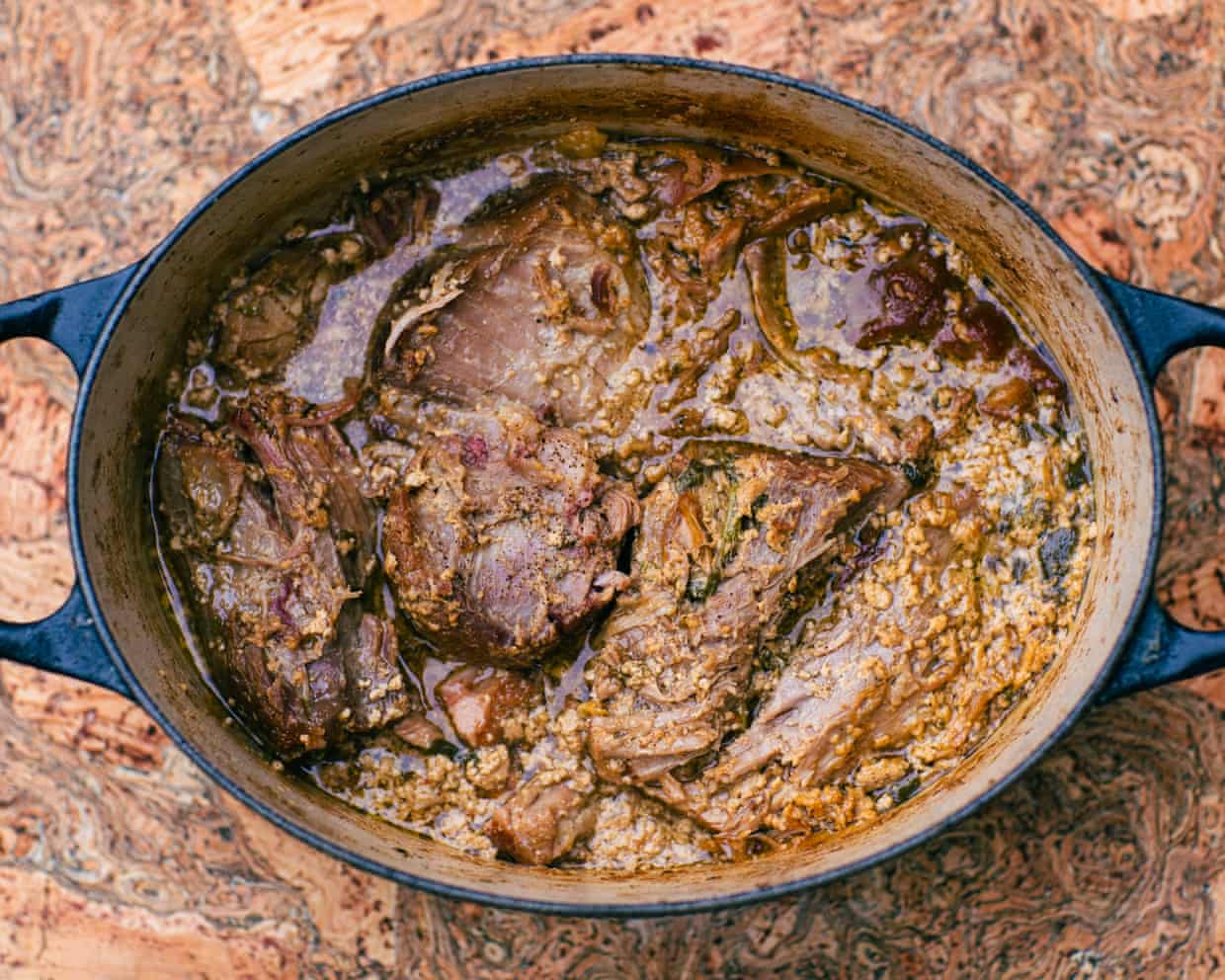
How to use on-the-turn milk to make an Italian classic – recipe
According to the Sustainable Food Trust, “the milk from 40,000 cows (300,000 tonnes) is tipped down the kitchen sink each year – a real slap in the face for the farmer”. Even though some supermarkets have now swapped use-by for best-before dates on their milk, those dates can still be confusing, so always do the sniff test before binning it: even if it’s a little sour, you can still cook with it.The Food Standards Agency advises that food with a best-before date can usually be tested using sensory cues such as the sniff test. And what better way to use up spent or sour milk than maiale al latte, or milk-braised pork, for which pork is slowly braised in milk and flavoured with a few aromatics until tender. The milk splits and forms large curds that thicken and caramelise the sauce, so creating a creamy rich dressing for the meat
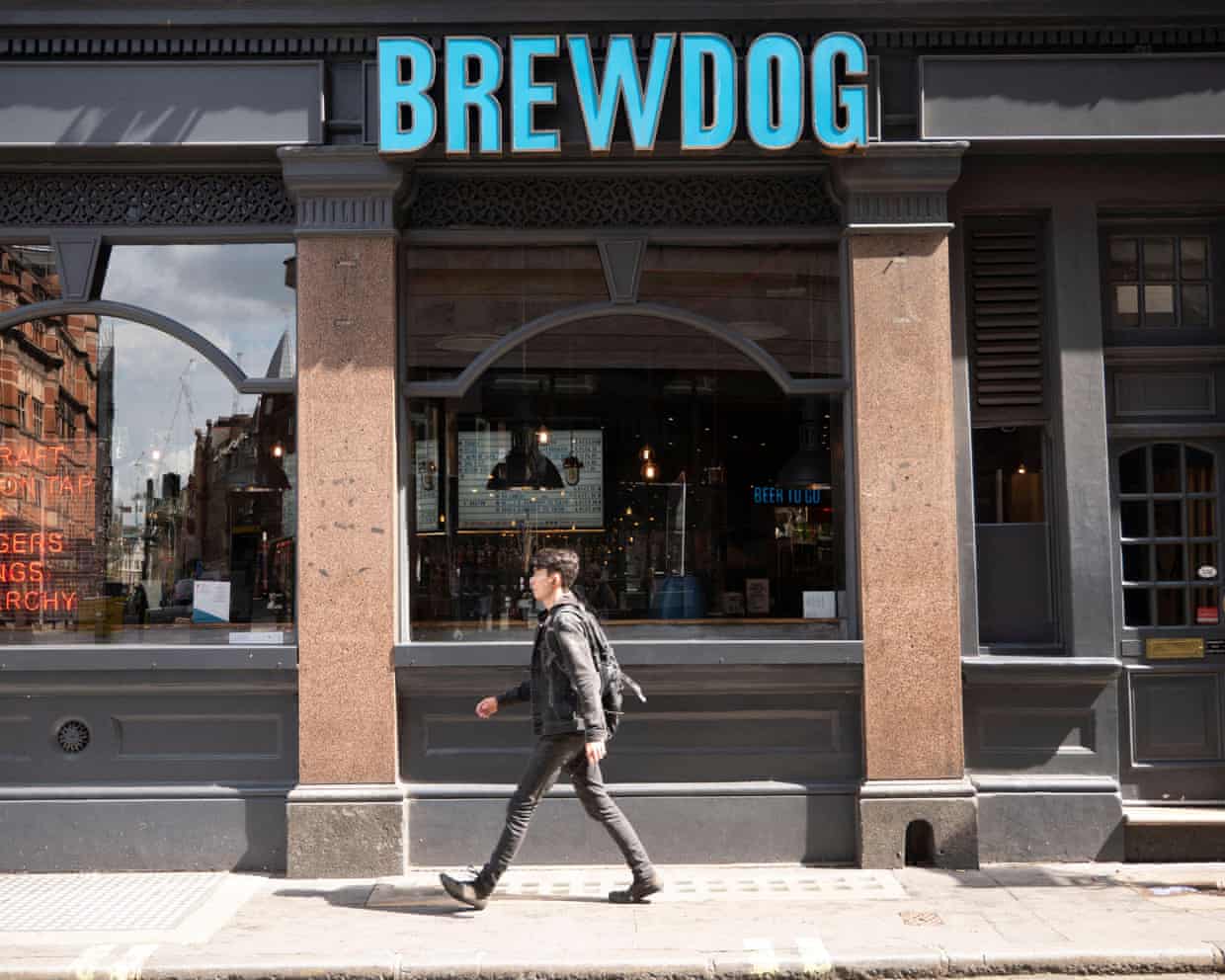
BrewDog bought by US cannabis and drinks firm for £33m, costing nearly 500 jobs

McDonald’s CEO’s awkward taste test sparks mocking online: ‘His aura screams kale salad’

FTSE 100 share index records biggest fall since November as Iran war drives up oil and gas prices – as it happened

What to do if your flight is cancelled due to the US-Israel war on Iran

UK competition watchdog investigates hotel groups over alleged data sharing
UK house prices rise in February as chancellor avoids ‘negative speculation’