FTSE 100 share index records biggest fall since November as Iran war drives up oil and gas prices – as it happened
Britain’s stock market has recorded its biggest daily loss in three and a half months, as the Middle East crisis hammered shares in airlines, luxury goods makers and banks.The blue-chip FTSE 100 share index has closed down 130 points, or 1.2%, at 10,780 – away from the record highs seen last week.That’s its biggest daily fall, in percentage terms, since 18 November 2025.British Airway’s parent company, IAG, were the top faller today, down 5.
5%, followed by Standard Chartered (-5,3%), the bank focused on Asia-Pacific markets,Other top fallers included Burberry (-4,7%), and Intercontinental Hotels (-4,1%).
Time for a recap:Global energy, bond and equity markets have been rattled by the outbreak of war in the Middle East last weekend.The Brent crude oil price is up 6.3% in late trading in London, at $77 a barrel, on concerns that supplies through the strait of Hormuz are being disrupted following the US-Israel war with Iran.UK and European gas prices have surged by around 40% today, after Qatar’s state-run energy company shut down liquefied natural gas production at the world’s largest export facility after it was targeted in an Iranian drone attack.Economists warned that higher energy prices could drive up inflation, hurting hopes of cuts to interest rates.
The money markets now indicate there is only a 51% chance that the Bank of England lowers borrowing costs this month, down from 80% last week.Inflation fears hit the prices of sovereign debt today, pushing up government borrowing costs.Global stock markets have fallen, with airlines, cruise operators and banks among the fallers.In London, the FTSE 100 share index fell 1.2%, its biggest drop since November.
There were steeper losses across Europe, with Germany’s DAX down 2,4%,Stocks fell at the start of trading in New York, but have now partially recovered, with the Dow Jones industrial average down just 0,2%,Investors are anticipating that the conflict could last for weeks.
Economists at Investec say:double quotation markThe big question now is what happens next.Indeed there is a total lack of clarity over the medium-term, given that President Trump has not coherently articulated the US’s exact ultimate goal or how to achieve it.But there are two main US areas of interest.Firstly, Trump has loosely called for regime change by calling on ordinary Iranians to rise up against the Tehran government, but there appears to be little in the way of a plan, at least publicly, on how that might be achieved.Whilst we are only on day three, even with the death of Ayatollah Khamenei and a number of Iran’s leadership figures, the Iranian establishment appears to still be very much in control.
Secondly, addressing Iran’s nuclear programmes had clearly been a focus running up to this weekend, so dismantling this and some of Iran’s other missile capabilities are also likely to be an aim.But whether this can be achieved through air power alone remains to be seen.In the aftermath of last June’s Midnight Hammer operation that saw US bombers strike Iranian nuclear enrichment facilities, President Trump claimed the mission a complete success and that Iran’s nuclear capabilities had been obliterated.However as later assessments had judged, capabilities were degraded, but not destroyed, raising questions over whether this latest operation will be any different.More cynically Trump’s goals could include attempts to control Iranian energy assets, similar to what has happened in Venezuela or to distract attention from domestic issues.
Thousands more flights were cancelled on Monday as the turmoil in global air travel caused by the US-Israel war on Iran continued, with hundreds of thousands of passengers stranded.Two people have been killed attacks on five ships in the Gulf of Oman, the UK maritime trade operations centre has said in a situation report on the critical security situation in the last 24 hours.An Indian national, who was in the engine room at the time was confirmed dead after an attack on the crude oil tanker, the MKD VYOM.A fire on board is now under control with plans to tow it to safety.A second person was killed on the US flagged tanker Stena Imperative berthed in the Port of Bahrain after it was struck in a drone attack just before 3am GMT on Monday.
Three others carriers came under attack, UKMTO said,It reported three attacks on oil infrastructure in the last 24 hours including an attack on the Jabal Ali port in Dubai and the Tanura refinery in Saudi Arabia following a drone attack,And they reported traffic in the Strait of Hormuz, a critical pinch point for oil cargo, had dropped 80% in the last 24 hours,“While no official legal closure has been confirmed … multiple reports indicate Iranian forces are issuing VHF hails claiming the waterway is restricted,Mariners are reporting severe GNSS/GPS interference and disruptions to AIS and communication systems,” it said in its situation report.
The cost of gas in the UK has also surged today, after Qatar was forced to shut down production at the world’s largest export facility for LNG.The day-ahead contract for gas in the UK is up 40% in late trading, at 110p per therm, an extremely sharp increase (although still below the highs hit in 2022).👀By my reckoning, today's rise in UK gas prices is the single biggest one-day jump (in percentage terms) since Russia invaded Ukraine in Feb 2022.The overall LEVEL of prices is (thankfully) much lower.But the lurch upwards is nearly unprecedented.
,,pic,twitter,com/o6rSeW0MiWThomas Pugh, chief economist at audit, tax and consulting firm RSM UK, fears the spike in UK gas prices today will push up inflation:double quotation mark“The primary way events in Iran will impact the UK economy would be through energy prices.
The immediate and most direct effect is the jump in global oil prices to $80, however if sustained the impact on natural gas could have a greater impact on the UK economy.“The UK imports 50−60% of its natural gas, with 20−25% of UK natural gas coming from liquefied natural gas (LNG), a large share from Qatar.If supplies of LNG are disrupted, then we could see a significant rise in gas and electricity prices, like we saw when Russia invaded Ukraine, since gas prices still tend to be the marginal setter of electricity prices.“Since natural gas and electricity make up about 3% of the CPI basket, a sustained 10% rise in energy prices would add an additional 0.3ppts to inflation.
“The good news is that UK inflation has already dropped to 3% and was heading to 2% in April as friendly base effects and policy measures announced in the Autumn Budget weighed on inflation,The bad news is that a rise in energy prices may offset some of that positive downward trend,“At the time of writing, UK natural gas futures have risen by around 50% since Friday,That would directly add around 1,6ppts to headline inflation through higher household utility bills and potentially even more as firms pass on increased production costs to consumers.
But, because of the energy price cap, movements in wholesale energy prices feed into bills with a lag.That means the impact of higher wholesale gas prices wouldn’t be felt until July at the earliest.The impact of higher oil prices would be felt much quicker.Ultimately, it depends on how high oil and natural gas prices go and how long they stay there for.Iranian news agencies are reporting that the country’s Revolutionary Guards say a fuel tanker burning in strait of hormuz after being hit by two drones (via Reuters).
IRAN'S REVOLUTIONARY GUARDS SAY FUEL TANKER BURNING IN STRAIT OF HORMUZ AFTER BEING HIT BY TWO DRONES- IRANIAN NEWS AGENCIESBritain’s stock market has recorded its biggest daily loss in three and a half months, as the Middle East crisis hammered shares in airlines, luxury goods makers and banks.The blue-chip FTSE 100 share index has closed down 130 points, or 1.2%, at 10,780 – away from the record highs seen last week.That’s its biggest daily fall, in percentage terms, since 18 November 2025.British Airway’s parent company, IAG, were the top faller today, down 5.
5%, followed by Standard Chartered (-5,3%), the bank focused on Asia-Pacific markets,Other top fallers included Burberry (-4,7%), and Intercontinental Hotels (-4,1%).
Aviation analytics firm Cirium said at least 1,560 flights have been cancelled on Monday, meaning more than 4,000 flights have been cancelled since Saturday.That figure is likely higher given incomplete data collection, Cirium added.The surge in gas prices today underlines the need to embrace renewable energy sources, says Greenpeace.Paul Morozzo, senior climate campaigner for Greenpeace UK, said:double quotation mark“The Strait of Hormuz is the pinch point for global gas supplies, and the UK’s energy bills.European gas prices have already surged by 50% in response to Qatar restricting supply, and there are predictions that the attack on Iran could lead to them increasing by 130%.
If your energy system uses gas then your energy bill is at the mercy of unstable regimes, in the Middle East and elsewhere, and oil profiteers.The UK’s gas supply, including the little remaining in the declining North Sea basin, is sold to us at market rates by those multinational oil majors.The only way the UK can be secure and self-sufficient in energy production is by using fuel supplies that can’t be disrupted - sunshine and wind.”After a jolting start, Wall Street has recovered some of its losses.Stocks are still in the red, though – the Dow Jones industrial average is down 229 points, or 0.
47%, at 48,748, recovering around half of its earlier losses.US crude oil, or West Texas Intermediate (WTI) has jumped by 6.6% today, to $71.60 a barrel – the highest since last June.Fiona Cincotta, senior market analyst at City Index, suggests WTI could be pushed to $90/barrel by supply worrries, if traffic through the strait of Hormuz doesn’t resume.
double quotation mark“Oil prices are rising on Monday and could remain elevated for the coming days as the market assesses the impact of the escalating Middle East conflict on supplies through the Strait of Hormuz,This is a key oil checkpoint, with more than 20% of global supply passing through it,Vessels are building up around the Strait after Iran warned Vessels not to pass through, and as insurance firms struggle to reprice,Should tensions remain, WTI could rise towards $80,00, or even $90.
00, a barrel in the coming week, much of this made up by the risk premium surrounding oil supply.Any sense of de-escalation in the region could bring oil prices back towards $70 a barrel.Any signs of Iran allowing passage through the Strait of Hormuz could reduce the risk premium and ease oil prices further.These latest developments came after an OPEC+ meeting over the weekend, where they agreed to an increase of 206,000 barrels per day starting in April.However, given the geopolitical developments, these changes may take some time to be felt.
”Today’s Wall Street losses come after President Donald Trump told the Daily Mail that strikes on Iran could go on for the next four weeks,Adam Turnquist, chief technical strategist for LPL Financial, said that market losses are relatively contained, explaining:double quotation mark“The market is taking it relatively well just given where oil is and the likelihood this is going to play out for four weeks - it’s not another weekend event,”Sovereign bonds are selling off sharply today, as fears of an inflation spike grow,With prices falling, the yields (interest rates) on government debt is rising,The yield on UK 10-year and 30-year bonds are both up by around 6 basis points (0.
06 percentage points); bad news for the UK Treasury as it nudges up the cost of borrowing.Kathleen Brooks, research director at XTB, says:double quotation markFar from acting as havens, sovereign bonds have sold off sharply and 10-year Gilt yields are higher by 6bps in the UK, 7bps in France and 8bps in Italy.US Treasury yields are also higher by 8bps so far today, and Canada is also facing sharply higher yields.Fears that a large spike in energy prices will cause another wave of inflation around the world is the latest macro risk emanating from the conflict.UK natural gas prices are spiking too, as Sky News’s Ed Conway shows here:UK natural gas futures spiking following the news about the shutdown of Ras Laffan.
The UK had been hoping to get roughly 10 billion cubic metres of LNG from Qatar this year,Whether that now happens is suddenly in doubt https://t,co/9xyeeLmIoO pic,twitter,com/yEBgnGw5CJUS defence company stocks are rallying, though

Bitter-sweet symphony: vermouth is more than just another cocktail ingredient
I like to think of vermouth as the Nile Rodgers of drinks, a backbone of good times known more for big hit collaborations than for its solo work. It is a foundation of any self-respecting cocktail cabinet (though it should be kept in the fridge), and also a family of drinks with many individual talents, which are now at long last being more widely recognised – Waitrose’s most recent Food & Drink report even touted vermouth as a 2026 trend, with searches for the stuff up by 26%.The Guardian’s journalism is independent. We will earn a commission if you buy something through an affiliate link. Learn more
The bubbling beauty of baked pasta
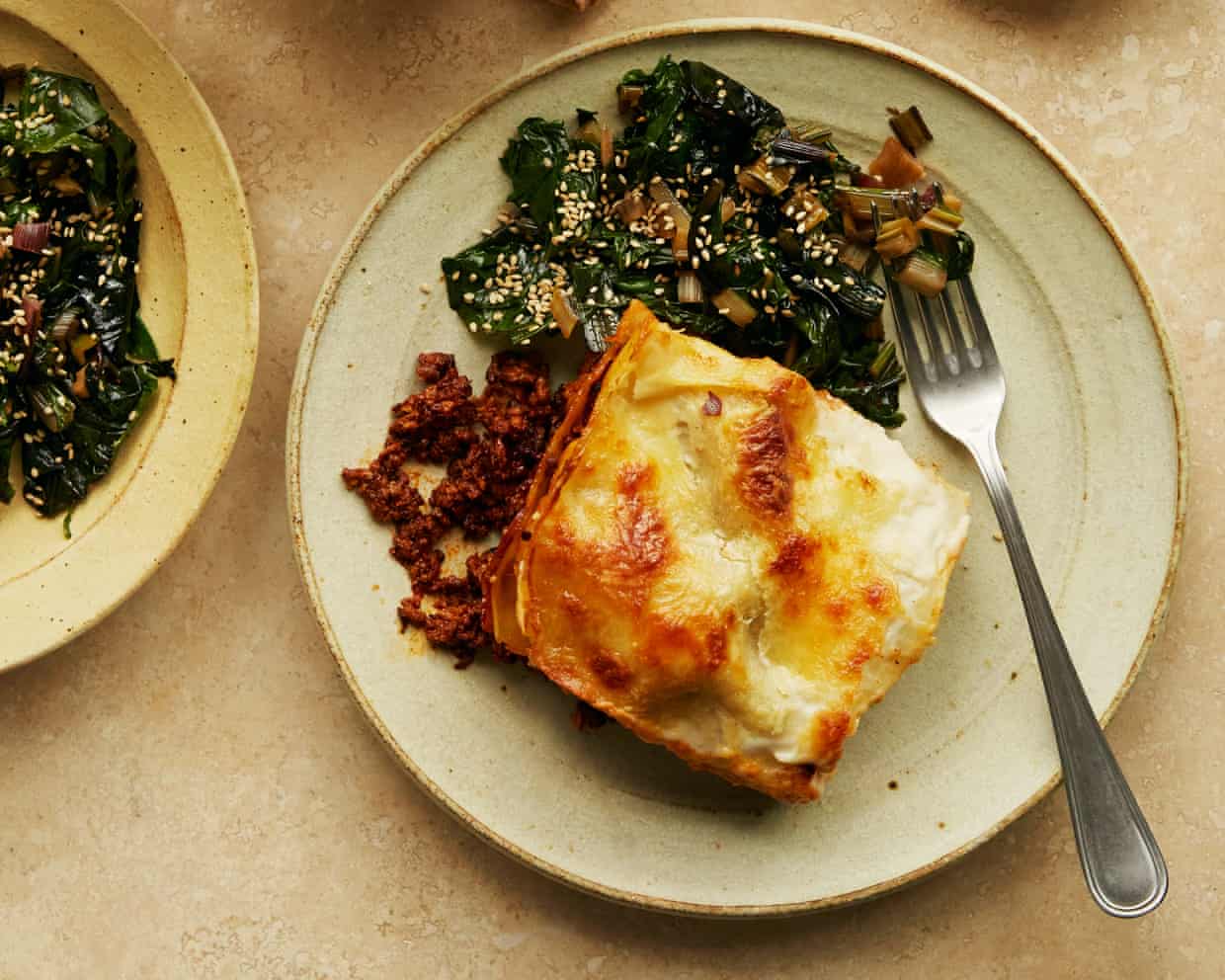
The other day, I climbed the communal stairs and opened the front door to the smell of cheese on toast. A welcome aroma made even more welcome when I realised that it was actually the tips of pasta tubes turning golden among grated cheese and creamy bechamel sauce. To add to the pleasant scene, my partner, Vincenzo, was washing up. Because that is the thing about pasta al forno – baked pasta – the time between finishing the construction and the eating is around about 25 minutes. That is, exactly the right amount of time to wash up and wipe up, or delegate those tasks to someone else while you make a salad and open a bottle of wine
Rachel Roddy’s recipe for beans with greens and sausages | A kitchen in Rome
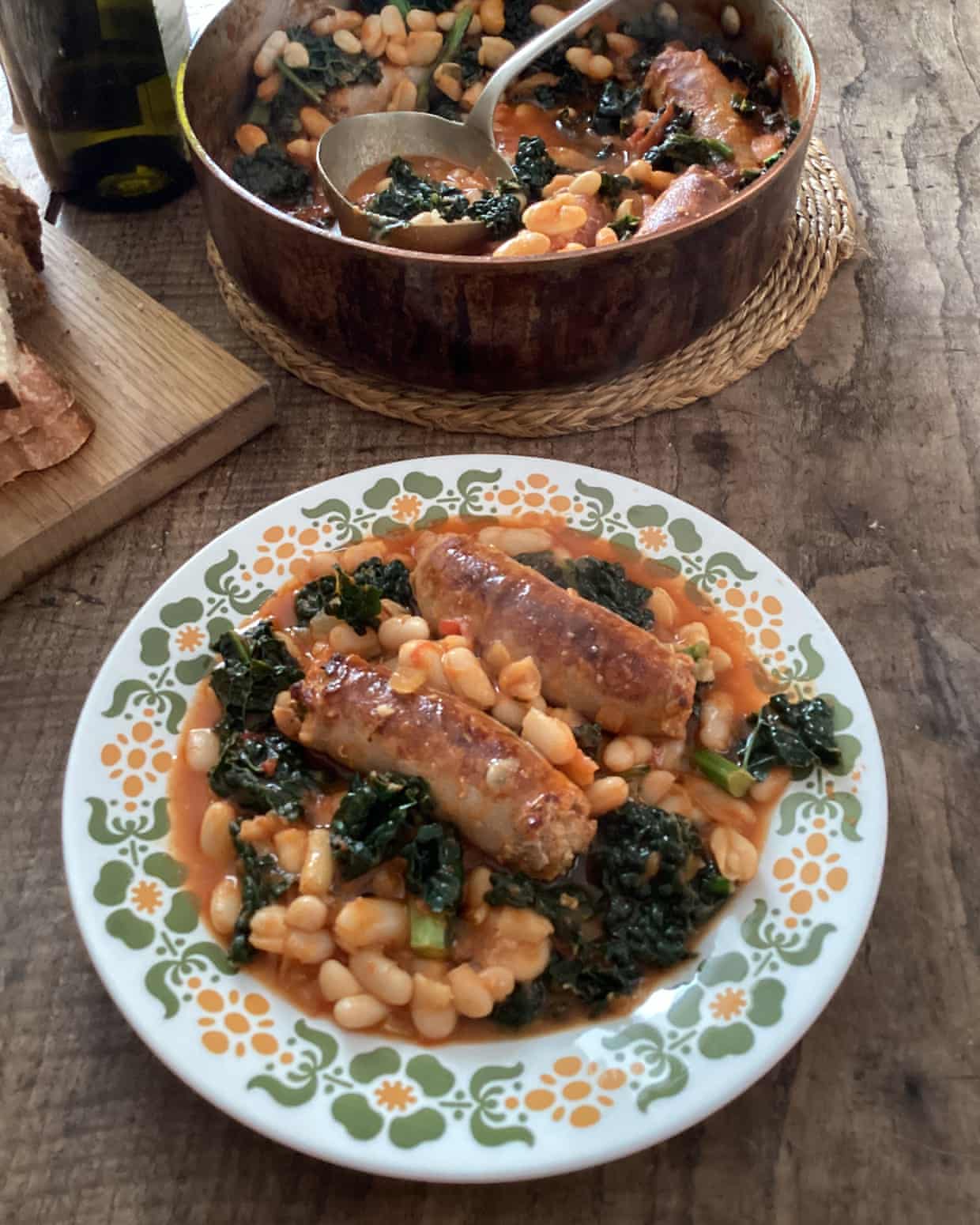
The benefit of soaking and cooking (or, better still, pressure cooking) your own beans are many: less packaging; money saved (a 500g bag of dried beans costing £2.50 will yield 1.5kg cooked beans, while some 400g tins can cost more or less the same); the suspiciously coloured but flavourful and starchy bean cooking water; and some personal satisfaction that you actually remembered to soak the beans in the first place. The benefits – and joy – of tinned beans, however, are almost instantaneous. That is, just a ring-pull away – unless, of course, said ring-pull comes off prematurely, turning the tin into a door without a knob and leaving you two options: searching for the tin opener that is somewhere in the miscellaneous drawer (or among the picnic equipment, which is on top of the wardrobe), or puncturing the tin at exactly the right spot on the seam with a pointy parmesan knife, which is somewhere in the same drawer
Doom Bar maker Sharp’s Brewery in Cornwall to be closed by US owner
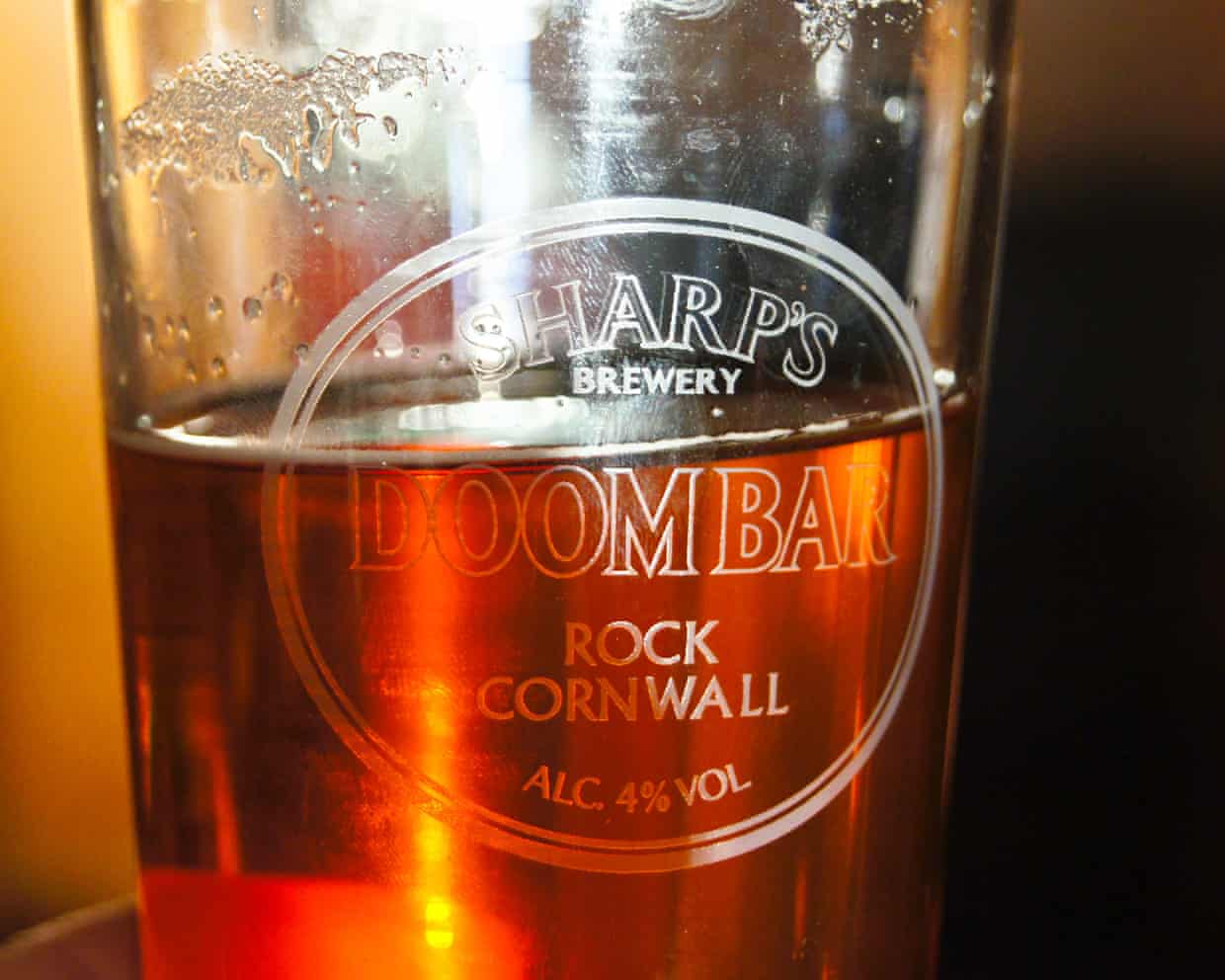
The Cornish brewery that makes Doom Bar ale is to be closed by its US owner, throwing the popular beer brand’s future into doubt and putting about 200 jobs at risk.The drinks company Molson Coors said it plans to shut Sharp’s Brewery in Rock, along with its national call centre in Wales, saying it was “no longer financially sustainable”.The Chicago-based company, which bought Sharp’s 15 years ago, said it was planning to close the site by the end of this year but it “remains committed” to Sharp’s beer brands.Sharp was founded in 1994, and most its sales come from Doom Bar, which is among the bestselling cask ales in the UK, and was named after a notoriously dangerous sandbank in Cornwall’s Camel estuary. Sharp’s also makes Atlantic and Twin Coast pale ales

Table for one: is eating lunch at work on your own a bad thing?
Name: The lonely lunch.Age: Recent, but growing.Appearance: Très misérable.Why are you talking French to me? Have you gone all pretentious? I am talking French to you because this is a French problem.It is? Oui
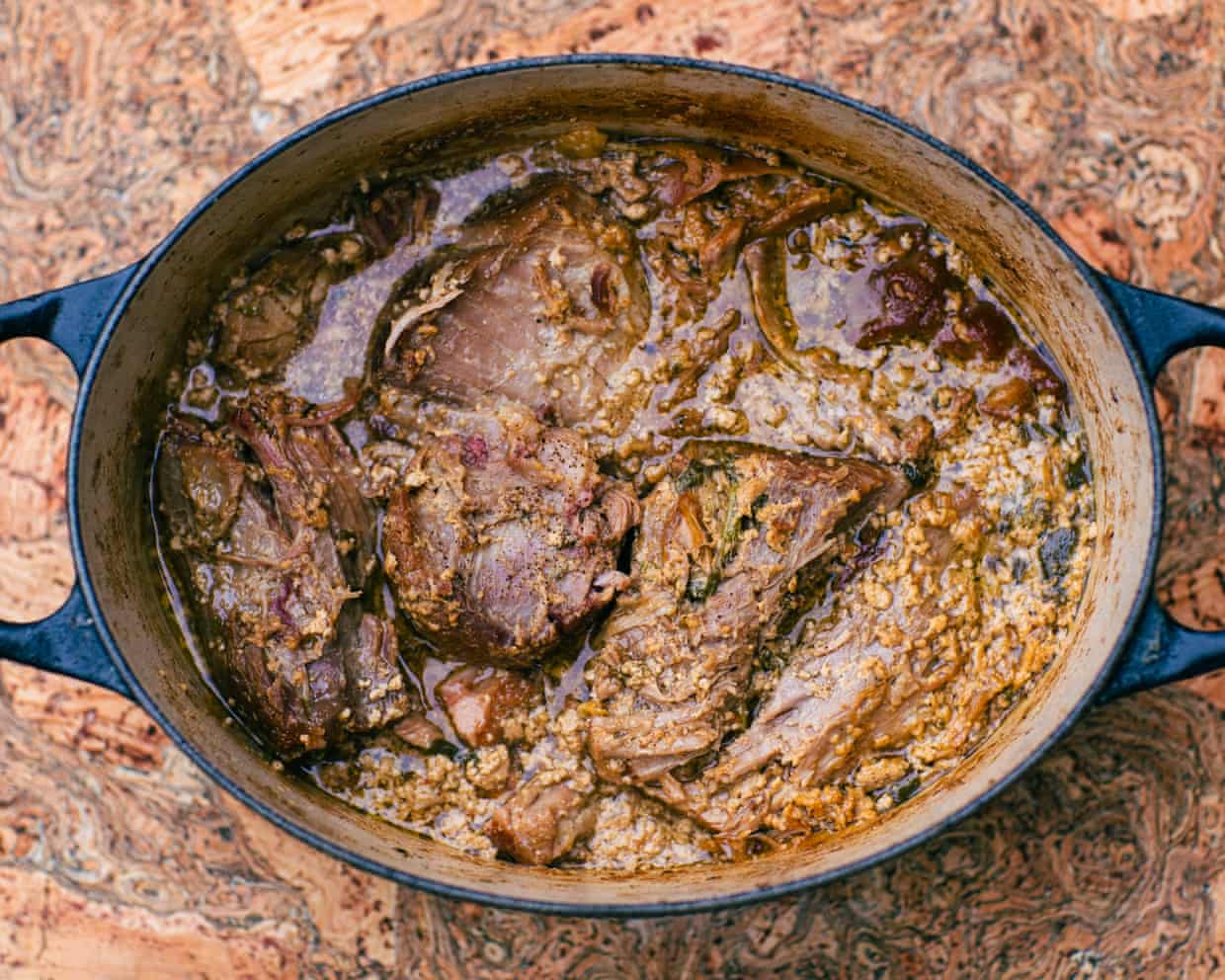
How to use on-the-turn milk to make an Italian classic – recipe
According to the Sustainable Food Trust, “the milk from 40,000 cows (300,000 tonnes) is tipped down the kitchen sink each year – a real slap in the face for the farmer”. Even though some supermarkets have now swapped use-by for best-before dates on their milk, those dates can still be confusing, so always do the sniff test before binning it: even if it’s a little sour, you can still cook with it.The Food Standards Agency advises that food with a best-before date can usually be tested using sensory cues such as the sniff test. And what better way to use up spent or sour milk than maiale al latte, or milk-braised pork, for which pork is slowly braised in milk and flavoured with a few aromatics until tender. The milk splits and forms large curds that thicken and caramelise the sauce, so creating a creamy rich dressing for the meat
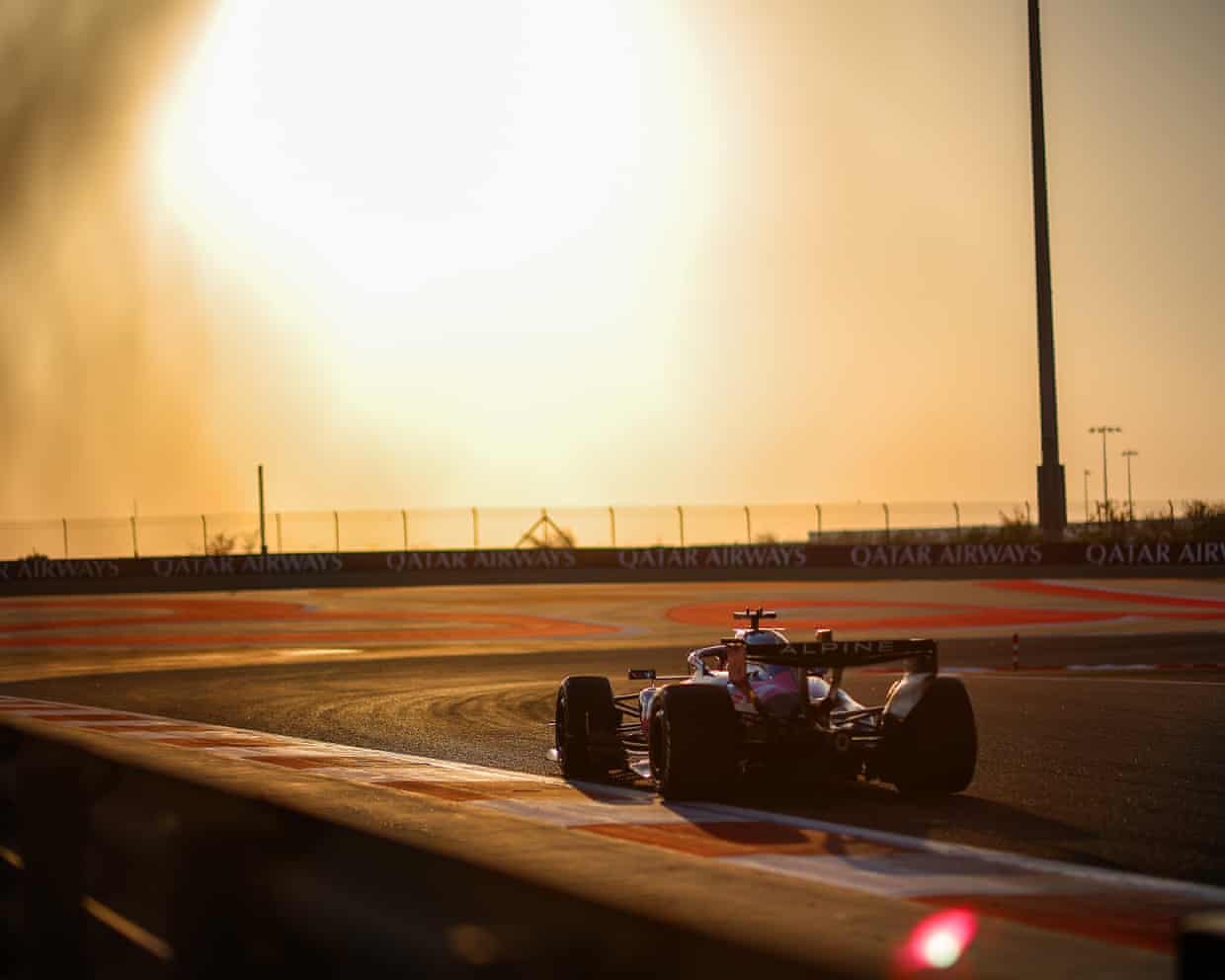
Formula One’s Australian Grand Prix hit by travel chaos amid Middle East crisis

Is 14 the magic number? Promoted trio make instant Super League impact
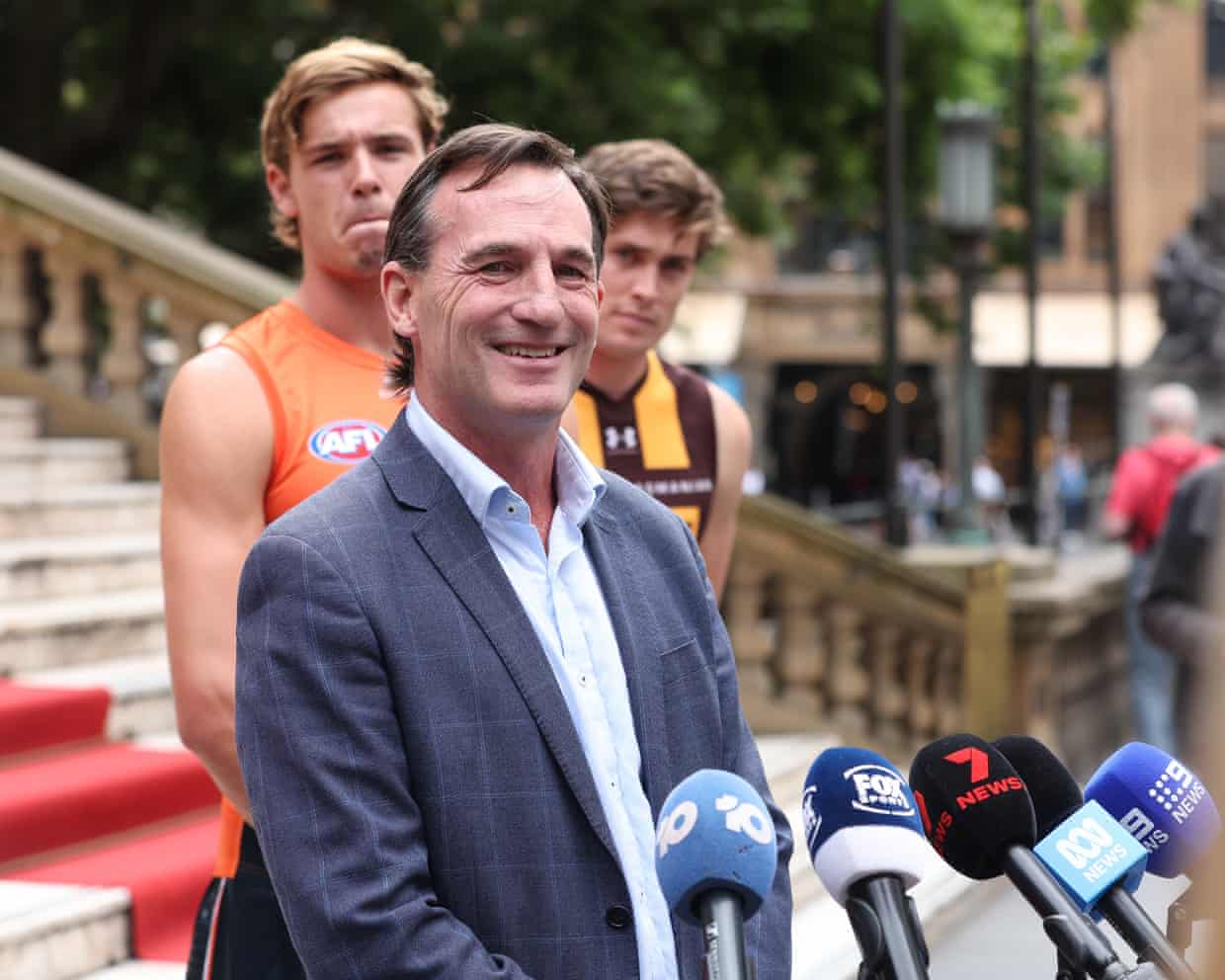
Andrew Dillon reveals AFL’s Olympic-sized ambitions for Brisbane 2032

Strongman Samson takes India past West Indies to set up England semi-final

US Half Marathon Championship ends in chaos as lead runners guided in wrong direction

AFL 2026 predicted ladder part one: Collingwood on a cliff edge as time waits for no one | Jonathan Horn