Shelling out? Easter eggs in the UK are smaller but pricier this year
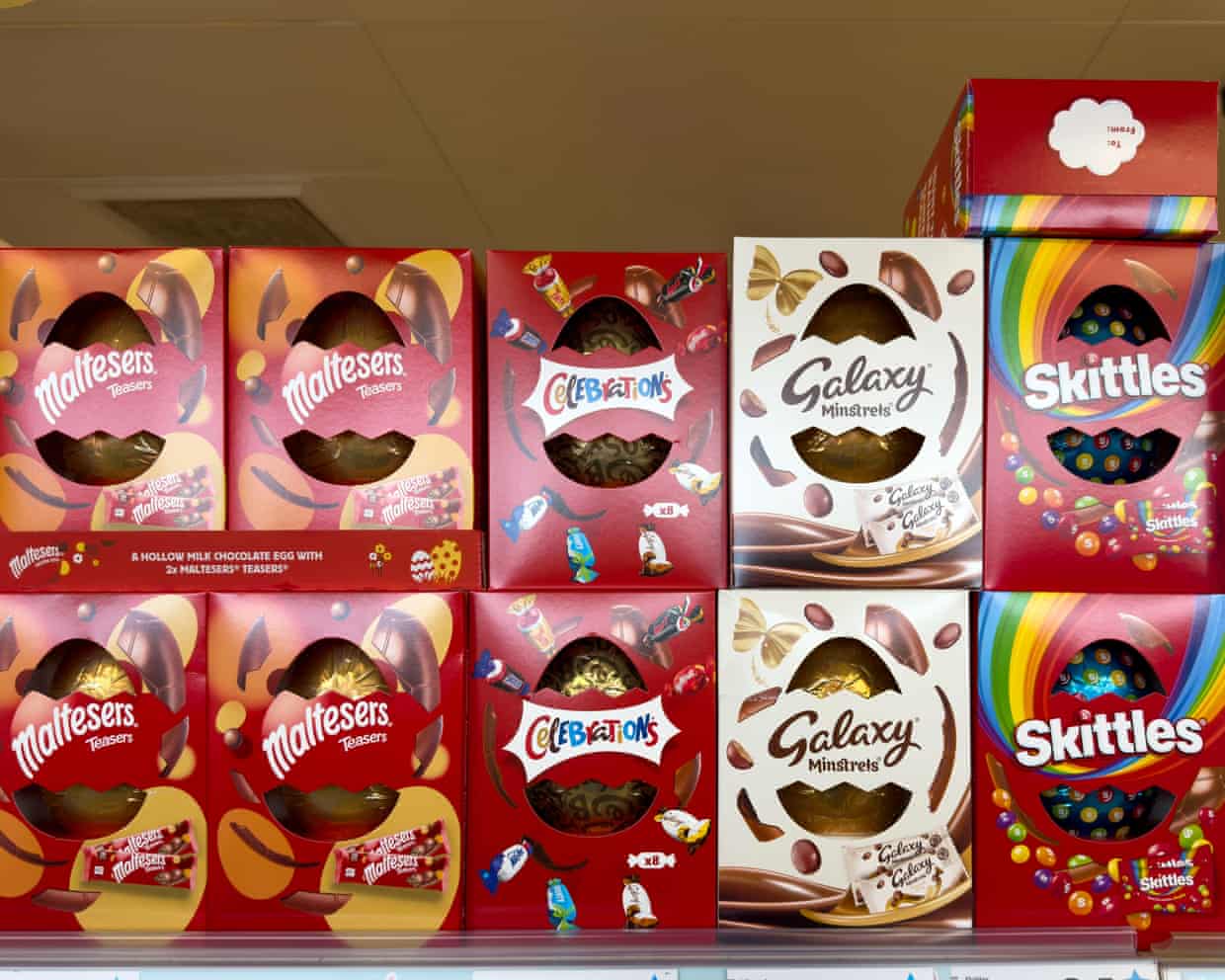
Chocolate eggs are looking smaller than ever this year and it is not just because Easter is still so far away.Many of the Easter eggs already out on supermarket shelves this month not only cost more, but have been reduced in size or weight as the price of cocoa has driven a new wave of shrinkflation.Maltesers is living up to its “the lighter way to enjoy chocolate” slogan with its XL egg rather less large this year at 194g in many shops, down from 231g in 2025, while the price charged by Tesco has risen by £1 to £7.The weight loss is largely down to there being one fewer mini pack of Maltesers inside the box, according to trade journal the Grocer, meaning the price per gram is up 39% to 3.6p.
A similar move with Cadbury’s Twirl eggs – which now include only two individually wrapped Twirl fingers rather than two full bars – means they have shrunk by 9.5% or 23g to 218g.However, the price in most shops has risen to £7 from £6 last year, leading to a price per gram increase of more than 28%.Four fewer eggs in a Mini Eggs family pack means the Cadbury’s treat is now 4% smaller at 256g compared with 270g a year ago, while the price has risen to £6.20 at Tesco for those without a loyalty card, compared with £4.
85 a year ago,That is equivalent to a 35% increase in price – although the same pack is priced at £5,50 at Sainsbury’s and Waitrose and £4,94 at Asda for those who wish to shop around,Lindt gold bunnies have held their ground at 200g for the largest option, but are now £8.
50 at most retailers (without a loyalty card), a £3 jump from their £5.50 price at Tesco a year ago.The cost of chocolate confectionery has increased sharply in the past few years as cocoa prices have soared after poor harvests in the main growing regions of Ghana and Côte d’Ivoire over the past three years, amid extreme temperatures and unusual rainfall patterns driven by the climate crisis.With sugar, energy and labour costs also on the rise, manufacturers have turned to a variety of tactics, from making bars and biscuits smaller to reducing cocoa content in an effort to keep the prices paid by shoppers down.In October, McVitie’s reduced the amount of cocoa in the recipes of Club and Penguin bars so much they are now only “chocolate flavour”.
A spokesperson for the Maltesers owner Mars Wrigley’s UK and Ireland business said: “We understand the cost pressures that shoppers continue to face and always aim to absorb rising costs wherever possible.“However, ongoing pressures, driven in part by well-documented rises in the cost of cocoa, mean we have had to make carefully considered changes.Decisions around product size are not taken lightly, but they help to ensure shoppers can continue to enjoy their favourite Easter treats without any compromise on the quality or taste they expect from Mars.As with all our products, final pricing remains at the discretion of individual retailers.”A spokesperson for Cadbury’s owner Mondelēz International said retailers were free to set their own prices, adding: “We understand the economic pressures that consumers continue to face and any changes to our product sizes is a last resort for our business.
“However, as a food producer, we are continuing to experience significantly higher input costs across our supply chain, with ingredients such as cocoa and dairy, which are widely used in our products, costing far more than they have done previously.“Meanwhile, other costs like energy and transport, also remain high.This means that our products continue to be much more expensive to make and while we have absorbed these costs where possible, we still face considerable challenges.“As a result, we are having to make carefully considered changes to the recommended promotional price alongside small weight reductions to our Cadbury Twirl Easter Egg (218g), Cadbury Wispa Easter Egg (177g) and Cadbury Mini Egg bags (256g).”Lindt was approached for comment.
Tesco declined to comment,
Study debunks Trump claim that paracetamol causes autism
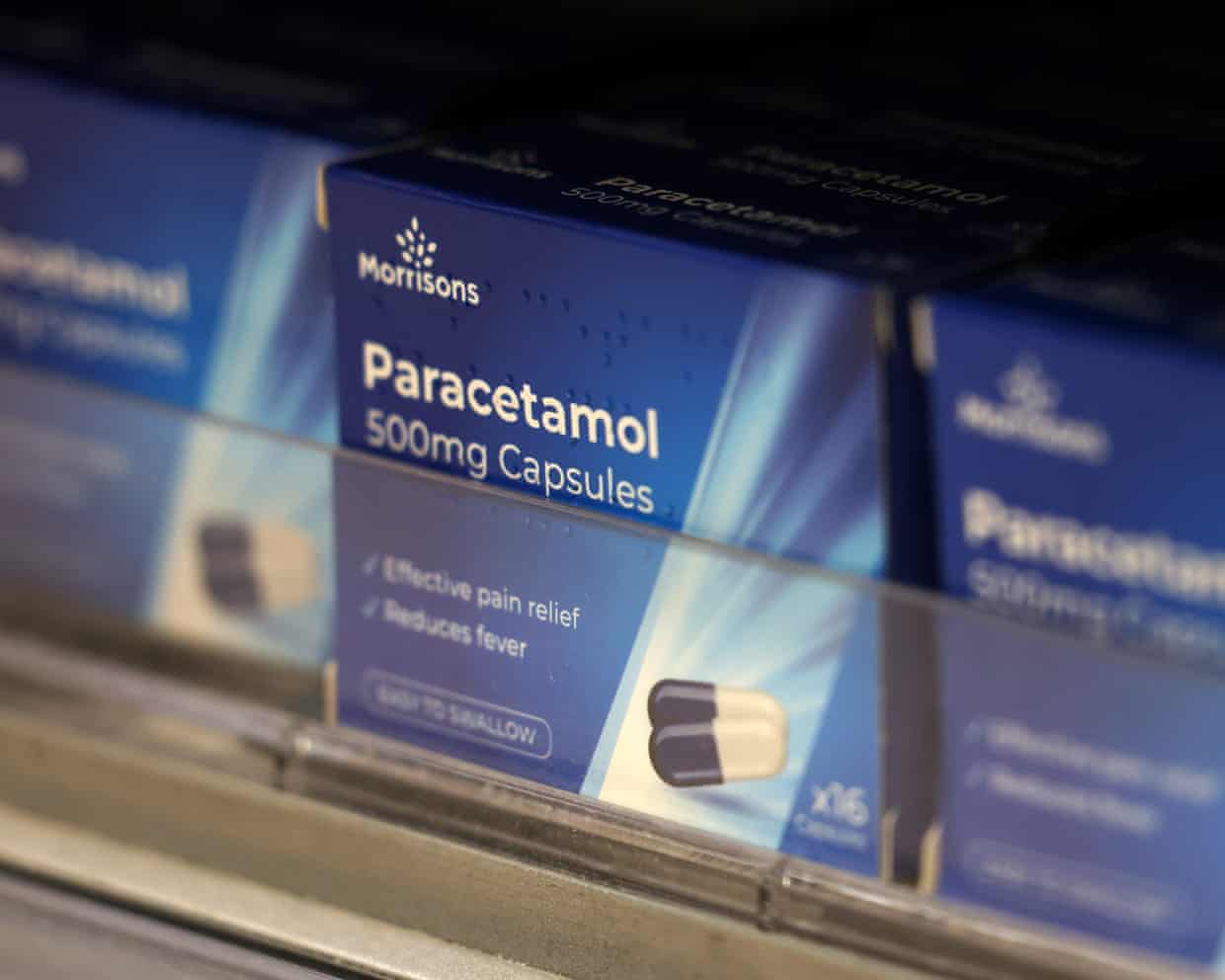
Taking paracetamol in pregnancy does not increase the chance that the child will be autistic, or have ADHD or an intellectual disability, a “gold standard” review of the evidence has found.The findings debunk Donald Trump’s claims last September that the painkiller causes autism, which were condemned by medical, women’s health and scientific organisations around the world.The US president’s remarks triggered anxiety among pregnant women because paracetamol is the drug that health authorities worldwide recommend they use to treat pain, such as headaches, and fevers.“This systematic review and meta-analysis found no evidence that maternal paracetamol use during pregnancy increases the risk of autism spectrum disorder, ADHD or intellectual disability among children”, says the study, which is published in the Lancet Obstetrics, Gynaecology and Women’s Health.It has been undertaken by a team of seven researchers from across Europe, led by Asma Khalil, a professor of obstetrics and maternal fetal medicine at City St George’s, University of London, who is also a consultant obstetrician at St George’s hospital in London
NHS expands access to prostate cancer drug in England to save thousands of lives
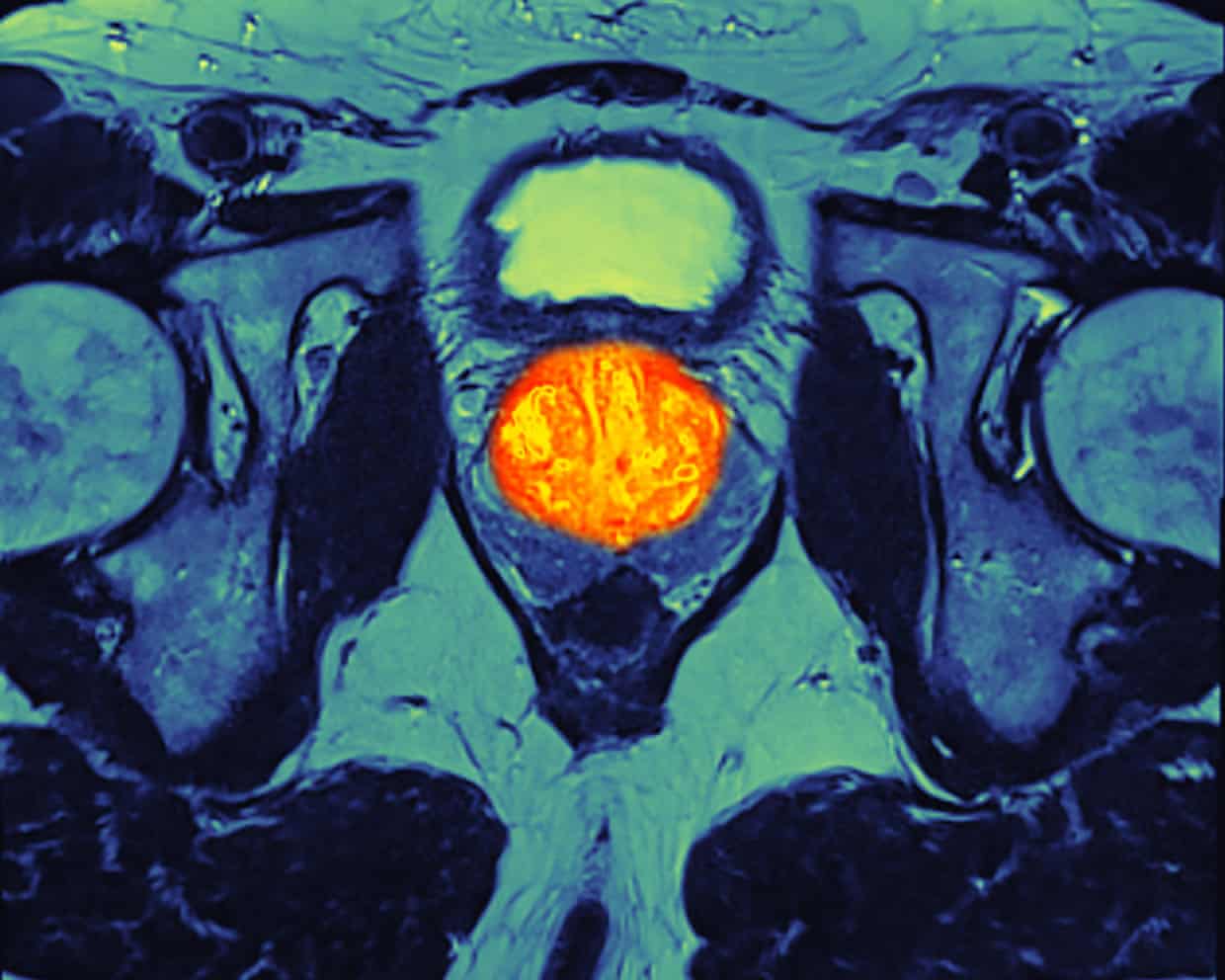
The NHS has expanded access to a prostate cancer drug across England in a move expected to save thousands of lives.Abiraterone, which starves cancer cells of the hormones they need to grow, will be offered to men who are newly diagnosed and whose disease has not spread beyond the prostate.Previously, the drug was available only to patients with advanced prostate cancer that had spread to other parts of the body. It is already prescribed more widely in Scotland and Wales, a disparity charities said had created a postcode lottery.The NHS said the rollout in England had been secured with the support of campaigners including Prostate Cancer UK

Dr Aggrey Burke obituary
In 1986 the psychiatrist Dr Aggrey Burke, along with his colleague Joe Collier, had gathered evidence that their employer, St George’s hospital, and other London medical schools, were discriminating against women and people with “foreign sounding names” in their admission processes. Burke and Collier, both then senior lecturers at St George’s, decided to blow the whistle. They published a paper that led to a Commission for Racial Equality inquiry, and wholesale changes to the admission policies at medical schools across the capital. Burke knew the risk the pair were taking, saying it was “as though one had offended against the whole system; we were blamed, unfairly treated and made to feel that we were outcasts”.As the first Black consultant psychiatrist in the UK, Burke, who has died aged 82 of prostate cancer, was at the forefront of challenging mental health systems to treat Black people with fairness, and of supporting those caught up in the criminal justice system
Controversial US study on hepatitis B vaccines in Africa is cancelled
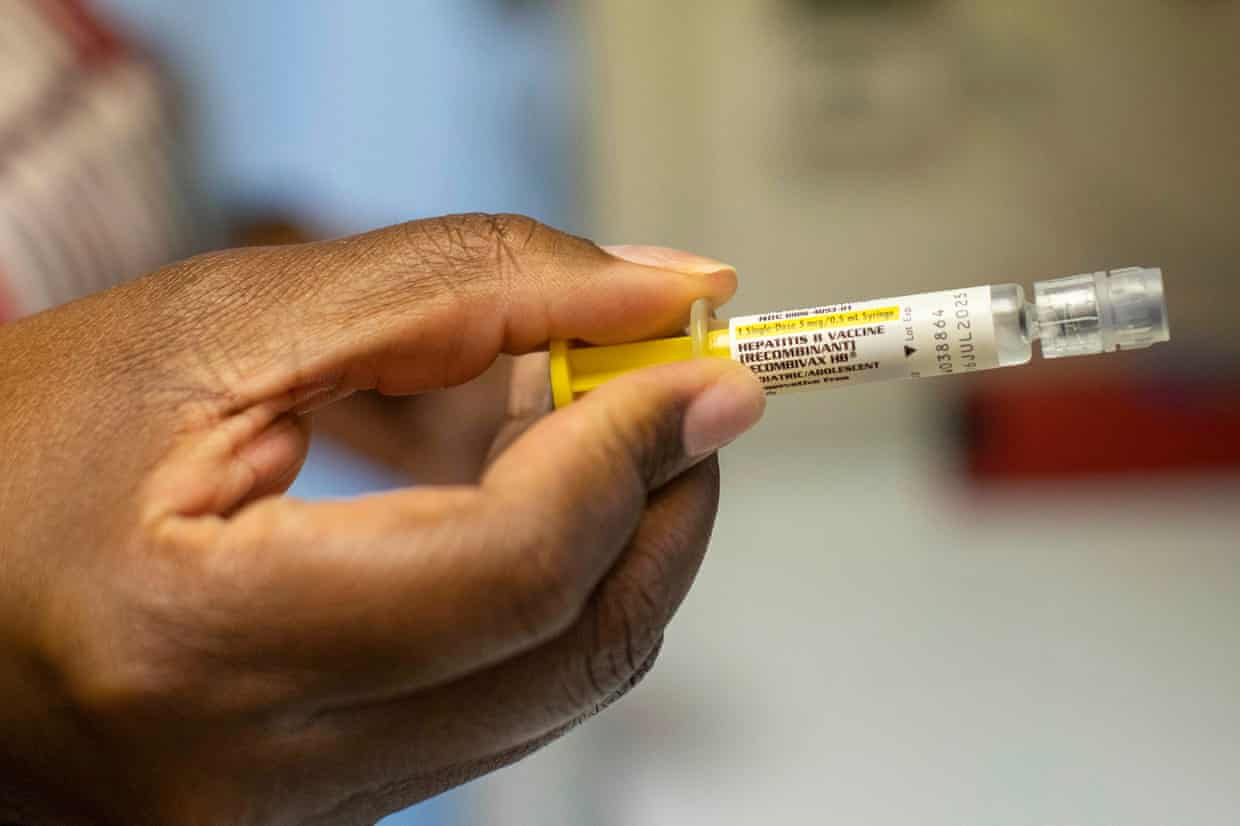
The controversial US-funded study on hepatitis B vaccines among newborns in Guinea-Bissau has been halted, according to Yap Boum, a senior official at the Africa Centres for Disease Control and Prevention (CDC).“The study has been cancelled,” Boum told journalists at a press conference on Thursday morning.The $1.6m study, funded under the purview of Robert F Kennedy Jr, a longtime vaccine skeptic and the secretary of the US Department of Health and Human Services (HHS) , drew outrage and criticism over ethical questions about withholding vaccines proven to prevent hepatitis B in a country with a very high burden of the disease.“It’s of importance for Africa CDC to have evidence that can be translated in policy, but this has to be done within the norm
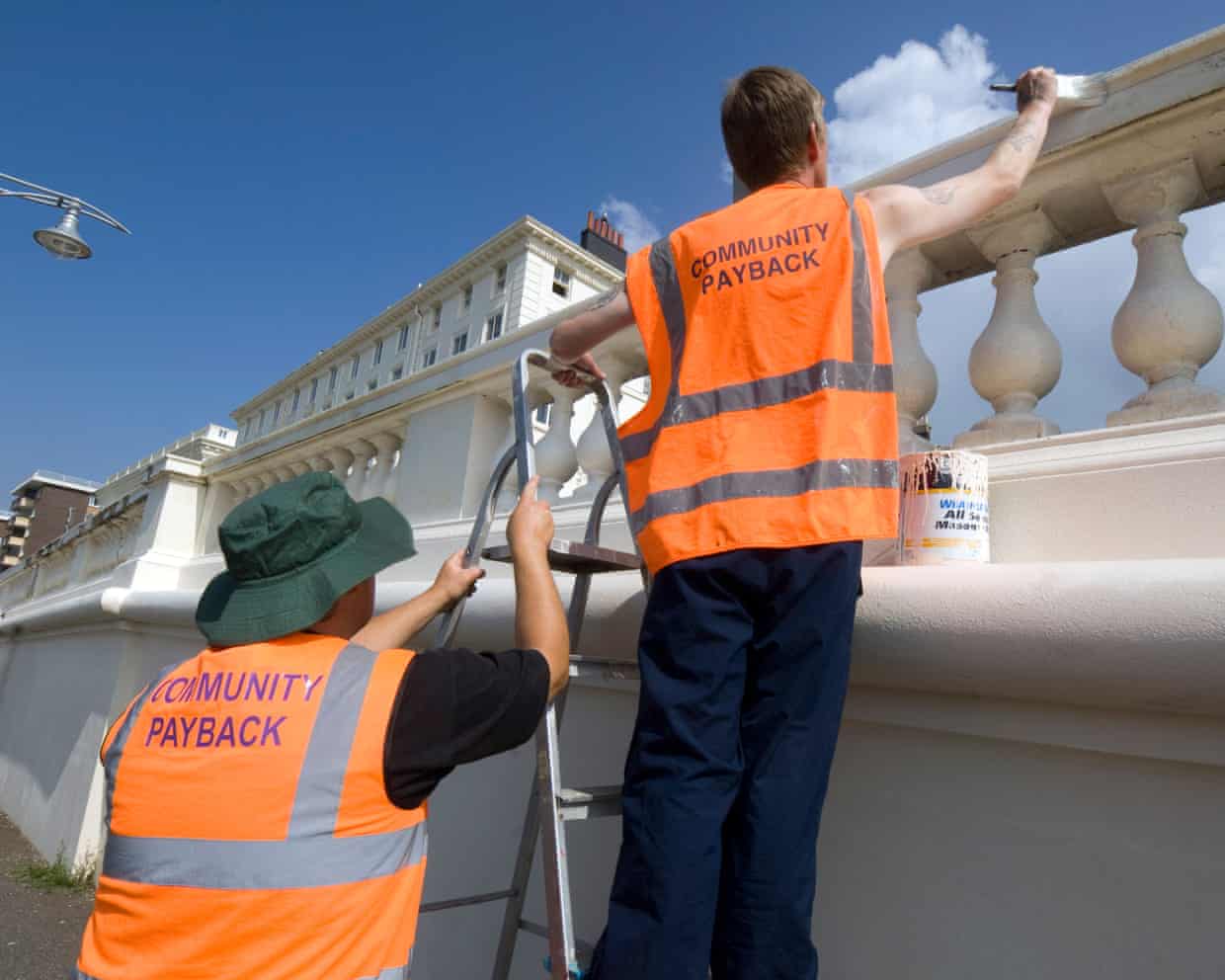
‘Name and shame’ plans for community sentences in England and Wales ditched
Ministers have dropped plans to photograph, name and shame offenders ordered to complete unpaid community work in England and Wales in the latest U-turn by Labour.The plans, first disclosed by the Guardian, would have meant people convicted of minor criminal offences having details of their cases and their community work publicised on government websites and promoted through local media.But after concerns that the material could be used to humiliate the children of offenders, the Ministry of Justice has accepted an amendment to the sentencing bill that will remove the right to publish offenders’ names and photographs.Keir Starmer is facing criticism from his own backbenchers for a series of policy reversals amid deepening unpopularity.Offenders can be sentenced to an “unpaid work requirement” under community orders and suspended sentence orders

Guardian’s Hope appeal raises more than £1m for charities opposing hatred
The Guardian has raised more than £1m in its Hope appeal to support grassroots charities whose work offers a positive antidote to social division, racism and hatred.The appeal, which closed on Thursday, had five partner charities that will share the donations: Citizens UK, the Linking Network, Locality, Hope Unlimited Charitable Trust and Who Is Your Neighbour?Katharine Viner, the Guardian’s editor in chief, said: “The theme of this year’s Guardian charity appeal was hope, supporting fantastic projects that foster community, tolerance and empathy.“Over the past year our reporting has captured the increased alarm most of us feel over the return of 1970s-style racist abuse, the demonisation of refugees and the resurgence of far-right marches in Britain’s streets.“I’m delighted that Guardian readers responded with such generosity, warmth and solidarity. Your donations will make a positive difference, sending a clear message about standing up to hate and bringing people together

Woolworths online delivery platforms tested: which is cheapest and how do they compare with in-store shopping?

World stock markets brace for turbulence after Trump’s latest tariff shock

Deactivate your X account – you won’t miss it when it’s gone | Letter

‘Still here!’: X’s Grok AI tool accessible in Malaysia and Indonesia despite ban

Houston Texans v New England Patriots: AFC Divisional Round NFL playoff – live

Not bowled over by male sports chat | Brief letters