Price rises in UK shops slow as retailers apply heavy discounts to lure shoppers

Price rises in UK shops have slowed as retailers applied “heavy discounting” to their goods in an effort to entice shoppers amid weakening consumer confidence, the industry’s trade group said.Shop price inflation rose by 1% year-on-year in April, a slowdown from 1.2% in March and below the three-month average of 1.1%, according to the British Retail Consortium (BRC).Retailers made discounts to clothing, furniture and DIY goods, the BRC said in its monthly survey of its members, compiled with NielsenIQ (NIQ).
Inflation for non-food items decreased to -0.1% year-on-year in April, against growth of 0.1% in March.This is below the three-month average of 0%.Recent surveys have shown households are becoming more cautious around spending as they brace for a fresh cost of living shock due to rising energy and food costs as a result of the Iran war.
At the weekend, the chief secretary to the prime minister, Darren Jones, warned that the UK faces higher prices for food and fuel for at least eight months after the war in Iran ends,UK inflation increased to 3,3% in March, according to official figures released last week, up from 3% in February,A survey from the data company GfK showed UK consumer confidence slid in April to its lowest level since October 2023,Helen Dickinson, the chief executive of the BRC, said: “With weakening consumer confidence, retailers competed harder on price to stimulate more spring spending.
”However, she added: “While we’re yet to see the full force of the Middle East conflict feeding into consumer prices, it will not be long before it begins to,”A separate survey of retailers by the Confederation of British Industry (CBI) found that sales volumes were “below seasonal norms in April” and are expected to also be poor in May,The CBI survey said a net balance of 68% of retailers said volumes had fallen in the year to April, up from 52% in March, representing the lowest reading since the survey began in 1983,Meanwhile, online retail sales volumes dropped at the fastest rate since January 2024, while wholesalers also reported falls,Martin Sartorius, the lead economist at the CBI, said: “Retail conditions deteriorated in April, with sales momentum weakening noticeably against a backdrop of fragile consumer confidence.
Activity remained subdued in the wholesale sector, with firms reporting headwinds from high costs and muted demand,”The BRC said food price inflation fell to 3,1% year-on-year in April, from 3,4% in March, as retailers offered discounts on Easter items including chocolate,Price rises for fresh food slowed significantly to 3.
9%, from 4.4% in March and below the three-month average of 4.2%.The slowdown is unlikely to last for long, however.Mike Watkins, the head of retailer and business insight at NIQ, said increased fuel prices are already leading to higher inflation, and the UK should expect to see a similar impact in the food and non-food supply chains in the months to come.
The BRC called on the government to moderate shop price inflation by fixing the price of so-called ‘non-commodity charges’, which are the other costs aside from electricity or gas that together make up around half of the average business energy bill in the UK.
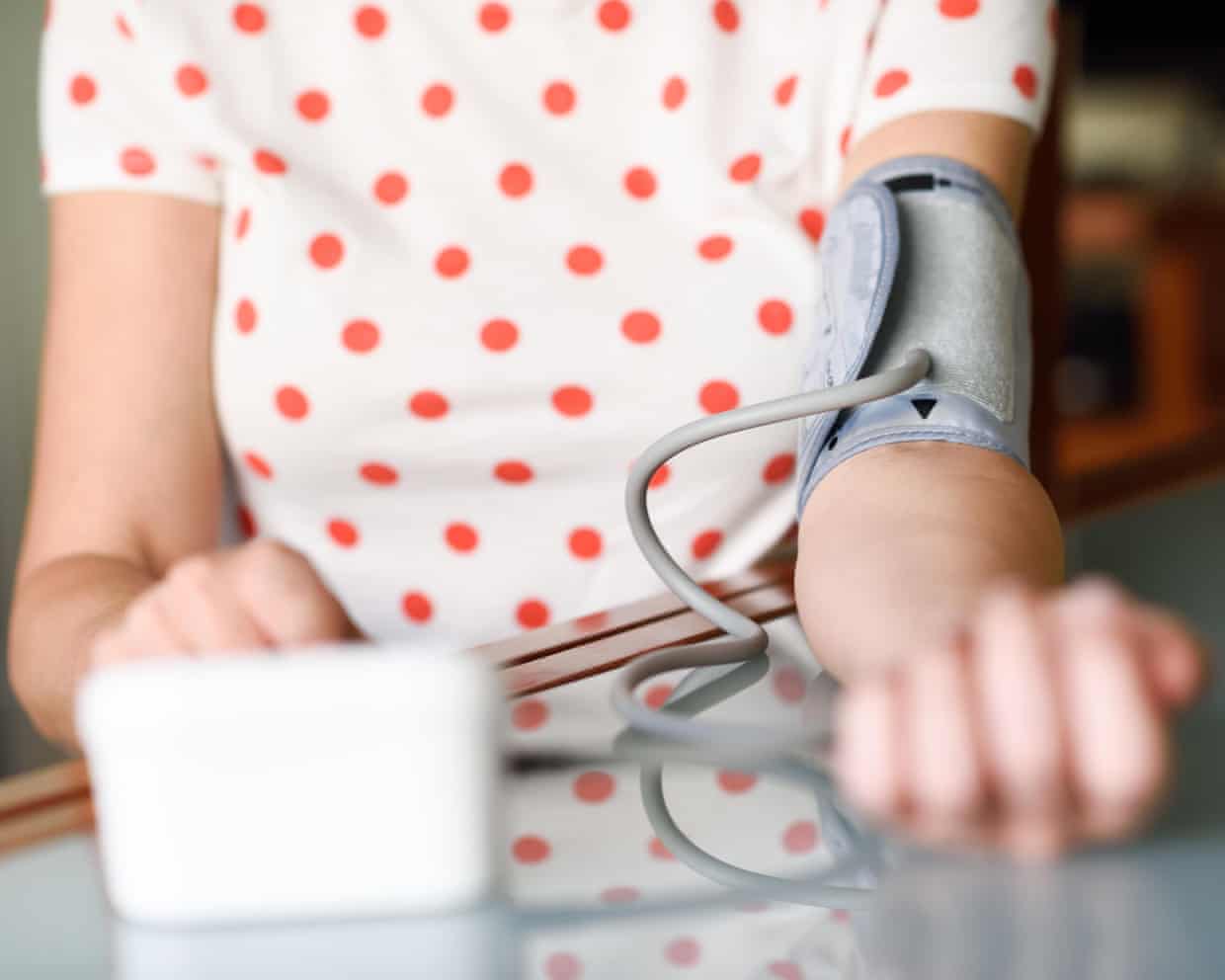
Home blood pressure checks could reduce risks after hypertensive pregnancy
New mothers who had hypertension in pregnancy could reduce their risk of heart attack, stroke and potentially early death through daily blood pressure checks at home, research suggests.Women who regularly monitored their blood pressure in the weeks after giving birth, and had doctors tailor their medication if needed, had better functioning arteries nine months later than those who received routine care, scientists found.When the medication was adjusted to account for blood pressure changes, the women ended up with less stiff arteries, an effect that researchers at the University of Oxford estimate could reduce the future risk of heart attack or stroke by 10%.Paul Leeson, a professor of cardiovascular medicine who led the study, said the findings suggested that the weeks after birth provided a “powerful and often overlooked opportunity” to protect women’s future health.“By simply monitoring blood pressure at home, new mothers with hypertensive pregnancies can protect their bodies from future damage,” he said

Four-fifths of UK mental health nurses say their workload is unmanageable
Mental health patients in the UK are routinely coming to harm because of high caseloads, understaffing and overwhelming administrative work, according to a poll that found only a fifth of specialist nurses felt their workload was manageable.Prof Nicola Ranger, the general secretary of the Royal College of Nursing, said mental health nurses were caught in a “perfect storm” and unable to keep up with rising demand, with patients paying the price by missing out on crucial care.Half of the specialist nurses who responded to the RCN union’s UK-wide survey said mental health patients “frequently come to harm” because caseloads are too high, with a quarter feeling that time pressures lead to daily issues with patient deterioration, relapse or self-harm.Nearly two-thirds said their caseloads had risen “a lot” in the past three years, while excessive admin and a “tick box” culture were blamed for taking away valuable time for patient care. The poll also suggests that demand for services has grown more than twice as fast as the number of nurses in the field

Drug use in England spikes during heatwaves and big sports events, research finds
Traces of illicit drugs in wastewater in England show spikes in usage during bank holiday weekends, heatwaves and sports events, while the Eurovision song contest ranks as one of the most drug-fuelled nights of the year.Tests at water treatment plants across the country found clear patterns in drug taking through the week and changing seasons, and revealed particularly high levels of cocaine and ketamine use compared with other European countries.Ketamine is a powerful anaesthetic that can be fatal and is especially dangerous when taken with other drugs. It can damage memory and cause serious bladder problems that can require surgical repair or even lead to removal of the organ.The project, led by Imperial College London for the Home Office, is one of the most detailed investigations to date into drug use in a single country

People in UK spend fewer years in good health than a decade ago, study finds
People in the UK are spending fewer years in good health than a decade ago, prompting concern that the population’s health is “going backwards”.The sharp decline in Britain’s healthy life expectancy, the amount of time someone spends free of illness or disability, is in sharp contrast to its recent rise in most other rich countries globally.The UK population’s health is poor, getting worse and not undergoing the same steady improvement seen in countries such as Japan, Norway and Spain, according to a new analysis of healthy life expectancy in 21 countries by the Health Foundation thinktank. It went up by an average of four-tenths of a year across the 20 other comparable countries.Healthy life expectancy for men in the UK has fallen from 62
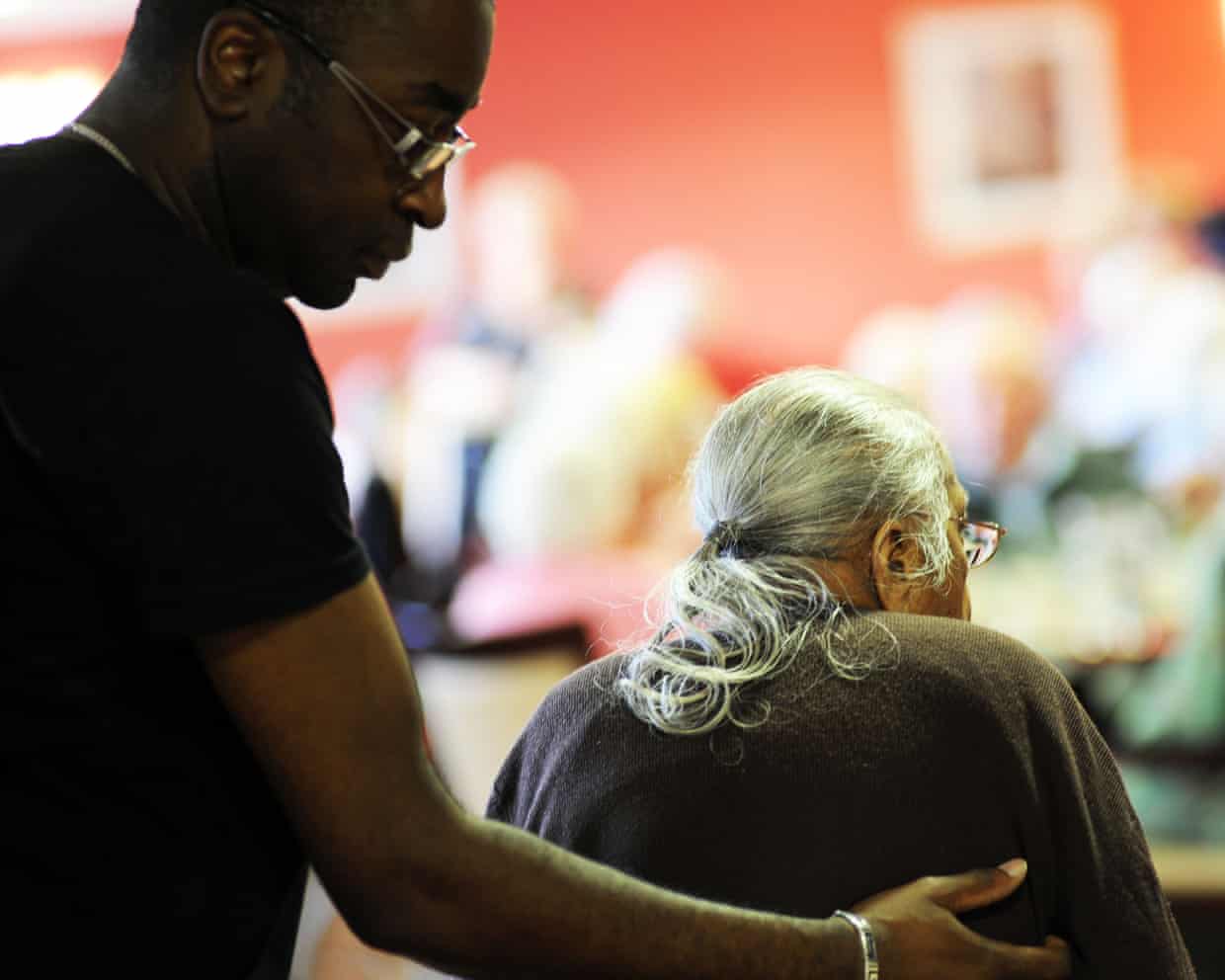
Britain is undermining the care workers it depends on | Heather Stewart
“We are deflated, we are sad. We feel the government is trying to pull the rug from under our feet,” says David. “It is like we are being criticised for working in a sector which the government called for us to come help with.”David – not his real name – is a care worker for adults with learning disabilities. He came to the east of England from Nigeria in 2022 with his wife as the Conservative government turned to migration to tackle the social care recruitment crisis

Suicide-related callouts to fire services triple in England in a decade
Suicide-related callouts to fire and rescue services in England have tripled in the last decade, with Samaritans now calling for mandatory training for firefighters, who they say are struggling to deal with the increase in traumatic incidents.New figures show that fire services in England attended 3,250 suicide callouts in the year ending September 2025, the equivalent to 62 callouts a week. This was up from 997 callouts in 2009-10 when records began.Samaritans said firefighters were often among the first on the scene when someone was in suicidal crisis, and despite having to make rapid, life-saving decisions, received no formal mandatory training on how to intervene.Elliot Colburn, public affairs and campaigns manager at the charity, said: “People with this experience are telling us they don’t feel equipped with the training on dealing with someone in suicidal crisis

Singing activists disrupt NatWest meeting over ‘climate backtracking’
UAE quits Opec in ‘pivotal moment’ for oil producing group – as it happened

The personal pettiness of the Elon Musk v OpenAI trial

Tell us: have you become emotionally attached to AI?

West Ham urged to show ‘heart and soul’ over London 2029 World Athletics bid

‘It’s a gamechanger’: Lewis Hamilton’s groundbreaking Mission 44 recruits working in F1