HSBC says Iran war is hitting confidence as businesses warn over economic risks
HSBC bosses have said the Iran war is already hitting global economic confidence, as a string of business leaders warned over the impact of the conflict,Georges Elhedery, the Lebanon-born chief executive of the bank, told Bloomberg Television at a HSBC conference in Hong Kong: “We’re saddened and concerned with what’s happening in the Middle East, and we’re concerned not just with what’s happening but also with how long this will take,“Unfortunately, some of these uncertainties have initially started to weigh on general confidence,We worry that the continuation of this conflict will have that impact globally way beyond the Middle East,” he said, pointing to the price of goods, oil and refined products, but also fertilisers and metals,After rising above $100 (£74) a barrel on Monday, Brent crude dipped 0.
9% to $98.5 a barrel on Tuesday morning, despite a US blockade on Iran’s ports coming into effect on Monday.Negotiating teams from the US and Iran could return to Pakistan’s capital, Islamabad, for more talks this week after 21 hours of discussions at the weekend ended without an agreement.In London, the FTSE 100 rose 22 points, or 0.21%, to 10,605.
Imperial Brands, which makes Davidoff and West cigarettes as well as vapes, was leading the FTSE 100 losers after flagging a “more uncertain geopolitical and macro environment”.The UK recruitment company PageGroup said the Middle East conflict was “driving an increasingly uncertain outlook for the rest of the year”, with the UK and Europe, the Middle East and Asia “tough markets” and salaries below those in 2022 and 2023.HSBC has a 31% stake in Saudi Awwal Bank.The London-headquartered lender is among the European banks most exposed to the Middle East, a region that accounts for roughly 4% of its pre-tax profit, according to analysts at JP Morgan Chase.However, Elhedery said the bank had seen only “very benign movement” of capital out of the Middle East so far.
Since the US and Israel began attacking Iran on 28 February, some wealthy investors based in the Middle East have been exploring whether to relocate to places such as Singapore and Hong Kong.The HSBC chair, Brendan Nelson, stressed that a Middle East peace deal was essential to ensure a substantial resumption of global energy flows, with oil-driven inflation posing a big risk to the world economy.Nelson, also speaking at the HSBC Global Investment Summit in Hong Kong, said: “The longer the disruption continues, the more the indirect effects from higher energy costs will lift inflation and depress growth.”Garment makers that use polyester and other synthetic fabrics, which are derived from petroleum products, have been hit.Tom Beahon, a co-founder and co-chief executive of the sportswear company Castore, which makes Premier League football kits and England cricket kits, said costs had gone up between 10% and 15%, and if the Iran war went on for another couple of months then some of this would be passed on to consumers.
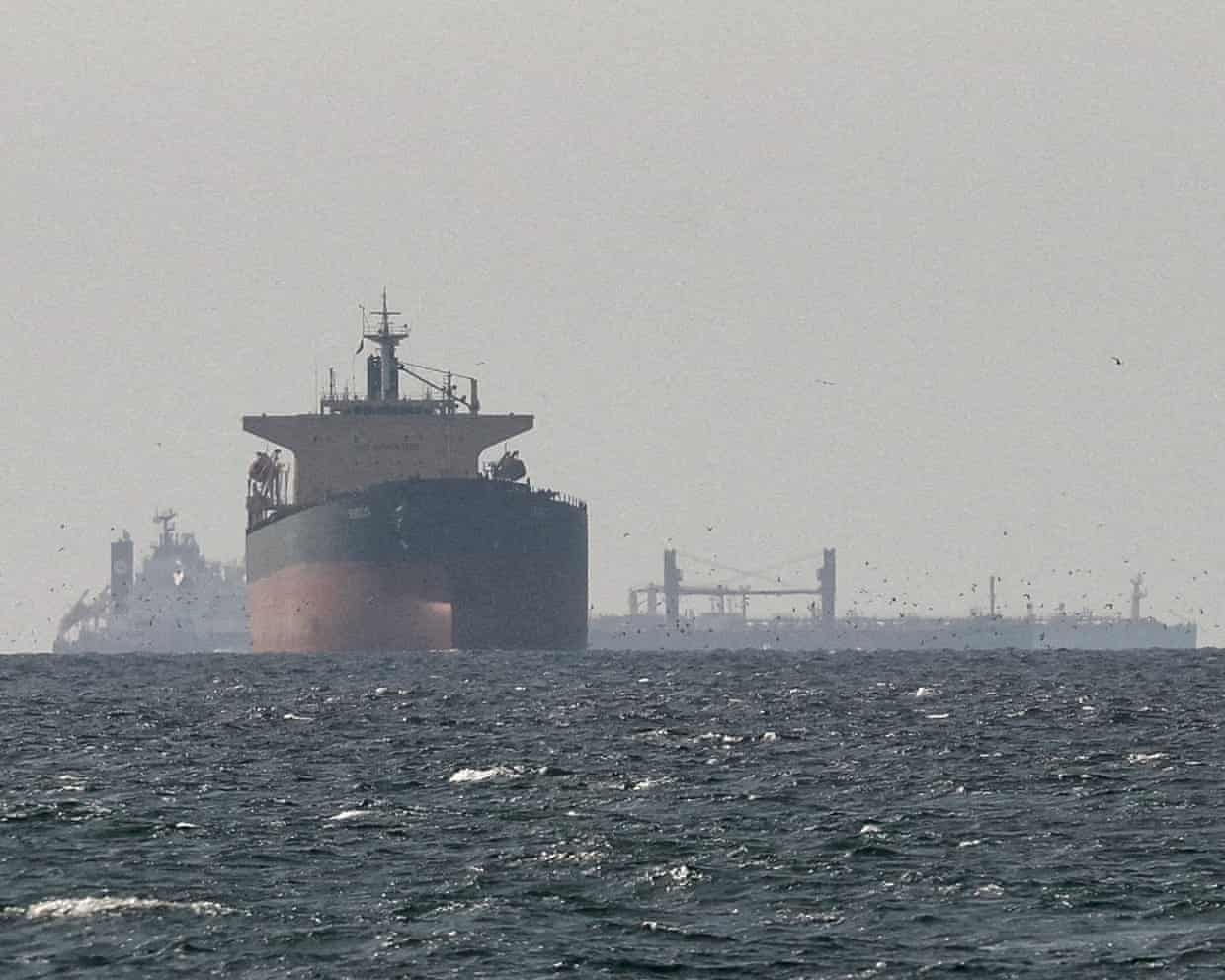
Beahon told BBC Radio 4’s Today programme: “The biggest challenge has been around the volatility.So it’s very difficult to plan when prices might be going up as high as 40% one day but then dropping down significantly again the next day.”He said the other challenge was to ship products, as airlines had reduced flights and ships were still stranded in the strait of Hormuz.“But there is a hope that if things start to get sorted out in the next few weeks, they won’t have a significant impact on customers,” he said.The chief executive of Virgin Atlantic, Corneel Koster, told the Financial Times that jet fuel prices were more than double prewar levels.
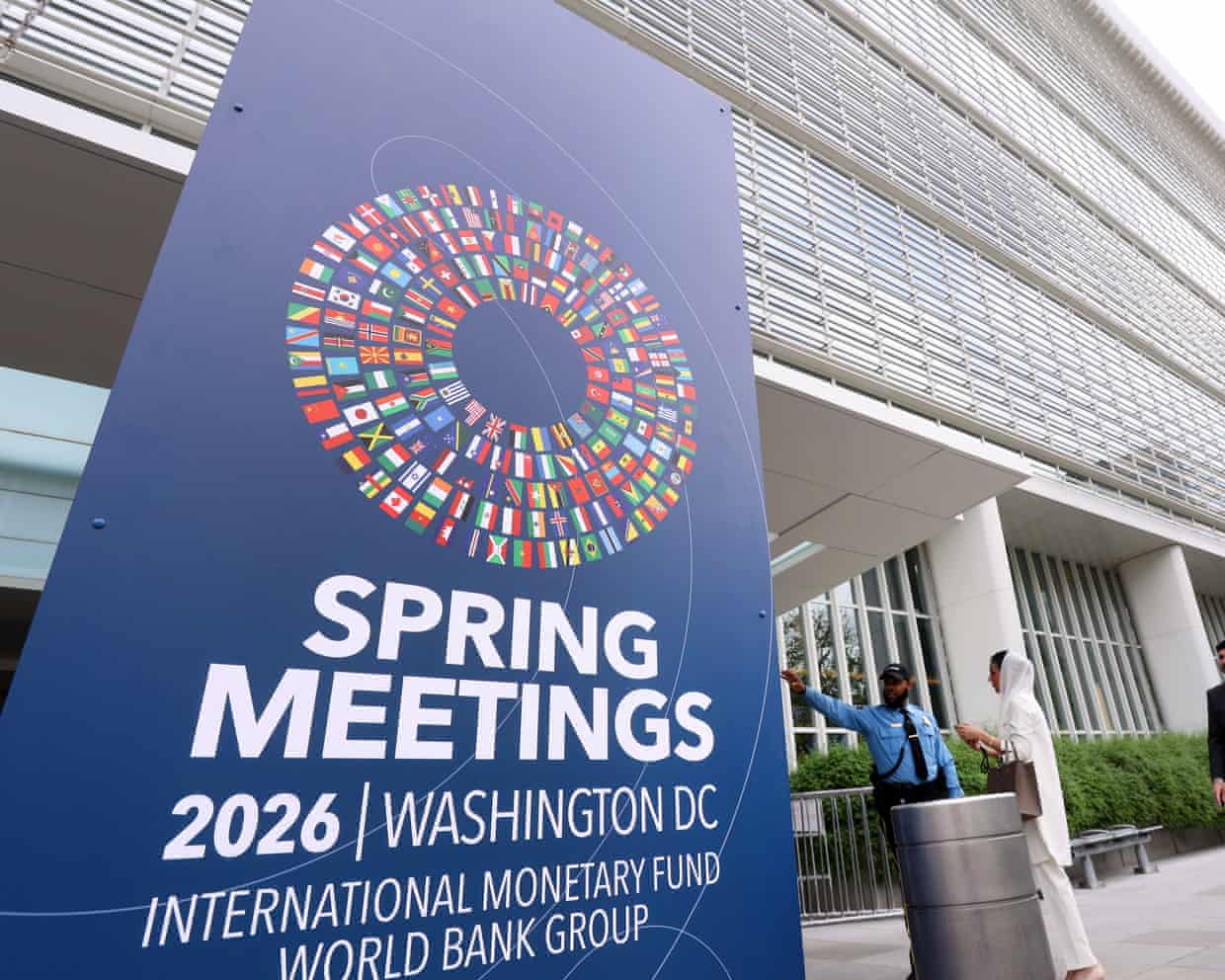
He said: “No matter what happens in the Gulf going forward … some of this disruption to global energy prices will be here to stay.”As Rachel Reeves headed to the International Monetary Fund and World Bank’s spring meetings in Washington, she called for coordinated economic action.“The Iran conflict must be a line in the sand on how we deal with global crisis and instability,” the chancellor said.
Iran war escalation could trigger global recession, IMF warns
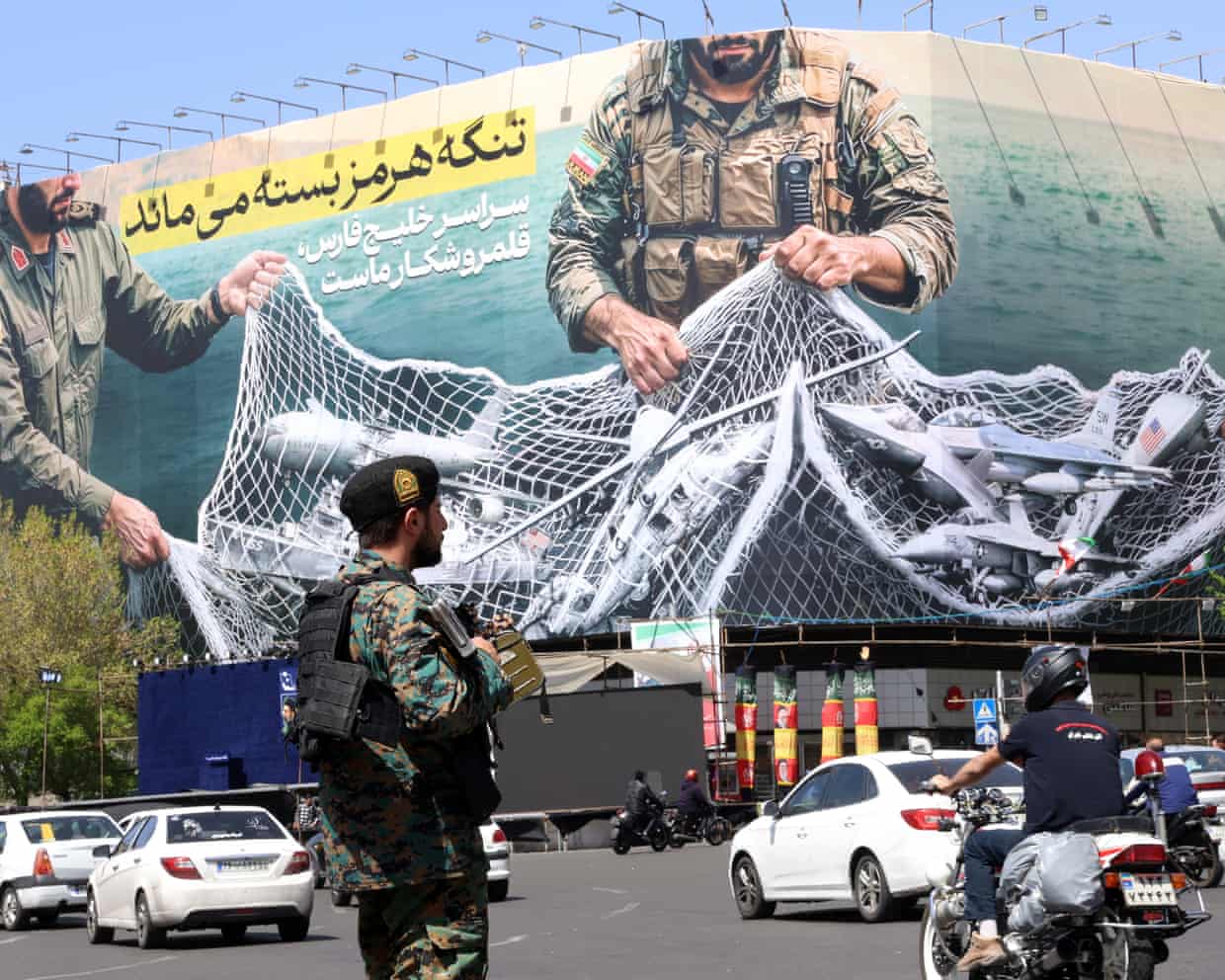
A further escalation in the Iran war could trigger a global recession that would affect the UK more than any of the other G7 nations, the International Monetary Fund has warned.Against an increasingly volatile backdrop, the Washington-based fund said the economic damage from the Middle East conflict was steadily rising as it cut its growth forecasts for 2026 based on the impact of the war so far.In its half-yearly update, the IMF said the UK would suffer the sharpest growth downgrade and joint highest inflation rate in the G7 this year, even if the fallout from soaring energy costs can be contained by the middle of 2026.However, under a worst-case “severe scenario”, involving a drawn-out war and persistently higher energy prices, it said the world would face “a close call for a global recession” for only the fifth time since 1980.The IMF’s warning prompted the UK chancellor, Rachel Reeves, into the British government’s harshest rebuke yet to President Trump
South East Water chief executive to forgo his bonus over ‘unacceptable outages’
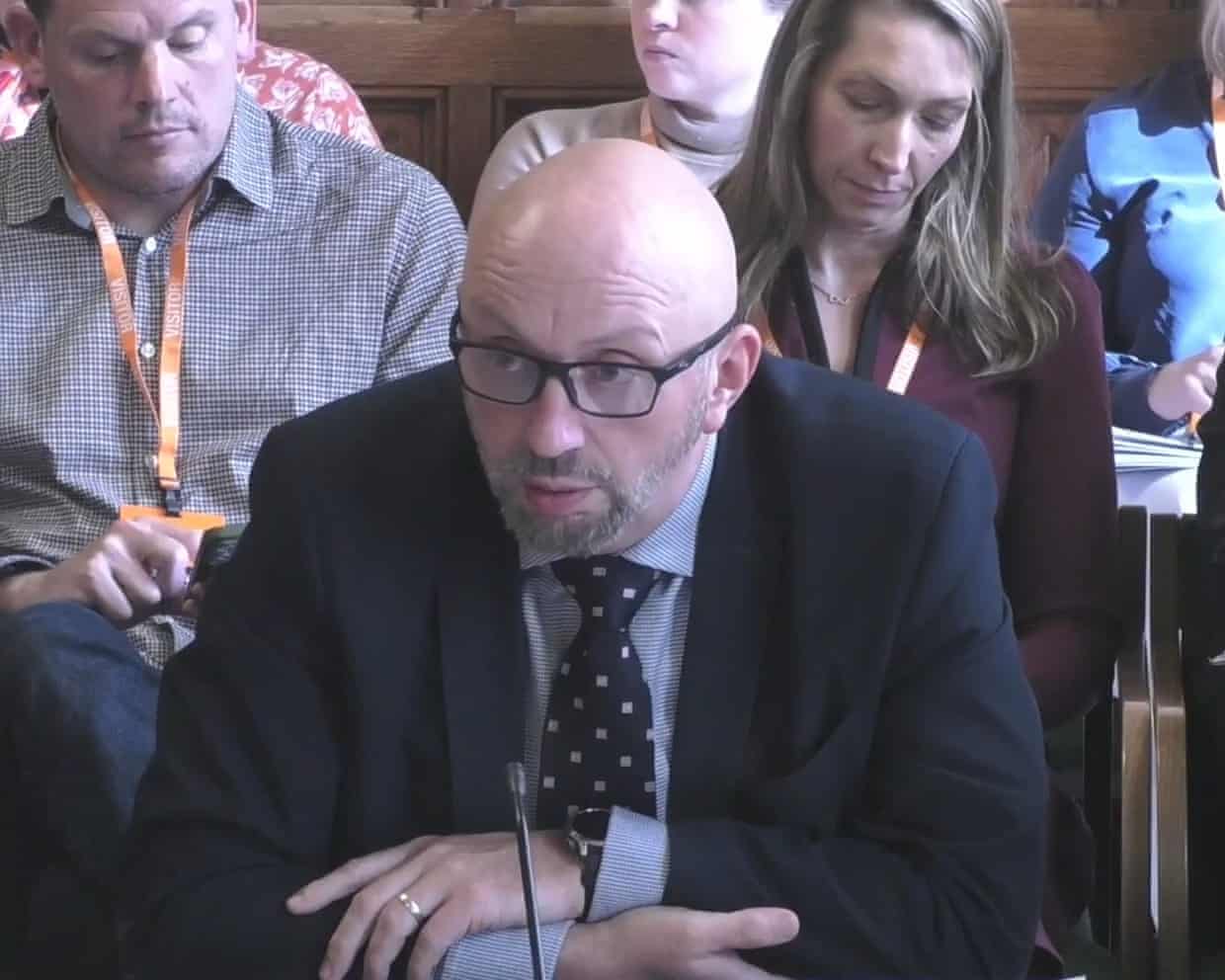
The chief executive of South East Water has said he will forgo his bonus in an act of penitence for “unacceptable outages” that left thousands of customers in Kent and Sussex without water.David Hinton told MPs on the environment, food and rural affairs select committee that he had decided not to accept an additional “performance payment” this year. Instead, he will receive only his £400,000 salary.In a statement released after his appearance in parliament on Tuesday, Hinton apologised to customers, half of whom in one town were now stockpiling bottled water in anticipation of future incidents, MPs also heard.South East Water customers in Tunbridge Wells faced significant supply disruptions in November and December
China now the ‘good guy’ on AI as Trump takes ‘wild west’ approach, MPs told
China is now the “good guy” on AI rather than Donald Trump’s US, where the technology is being pursued in a dangerous “wild west” manner, a former UN and UK government adviser has told MPs.Prof Dame Wendy Hall, who was a member of the UN’s AI advisory board and co-wrote a review of AI for Theresa May’s government, told the House of Commons business and trade committee that China was backing multinational attempts to introduce global governance of AI, in contrast to America, which had set up a race between profit-hungry companies that relied on hype.“China is doing some amazing work in AI, and in fact, at the moment they’re acting as the good guys because the US is totally against any regulation and talk about global governance,” said Hall, who is director of the Web Science Institute at the University of Southampton. “It’s all Maga. It’s all: we’re going to win at all costs

Bosses say AI boosts productivity – workers say they’re drowning in ‘workslop’
Ken, a copywriter for a large, Miami-based cybersecurity firm, used to enjoy his job. But then the “workslop” started piling up.Workslop is an unintended consequence of the AI boom. It’s what happens when employees use AI to quickly generate work that seems polished – at least superficially – but is in fact so flawed or inaccurate that it needs to be heavily corrected, cleaned upor even completely redone after it’s passed on to colleagues.For Ken, the problem started after his company’s CEO laid off several of his colleagues and mandated that remaining workers use AI chatbots, saying it would boost their productivity
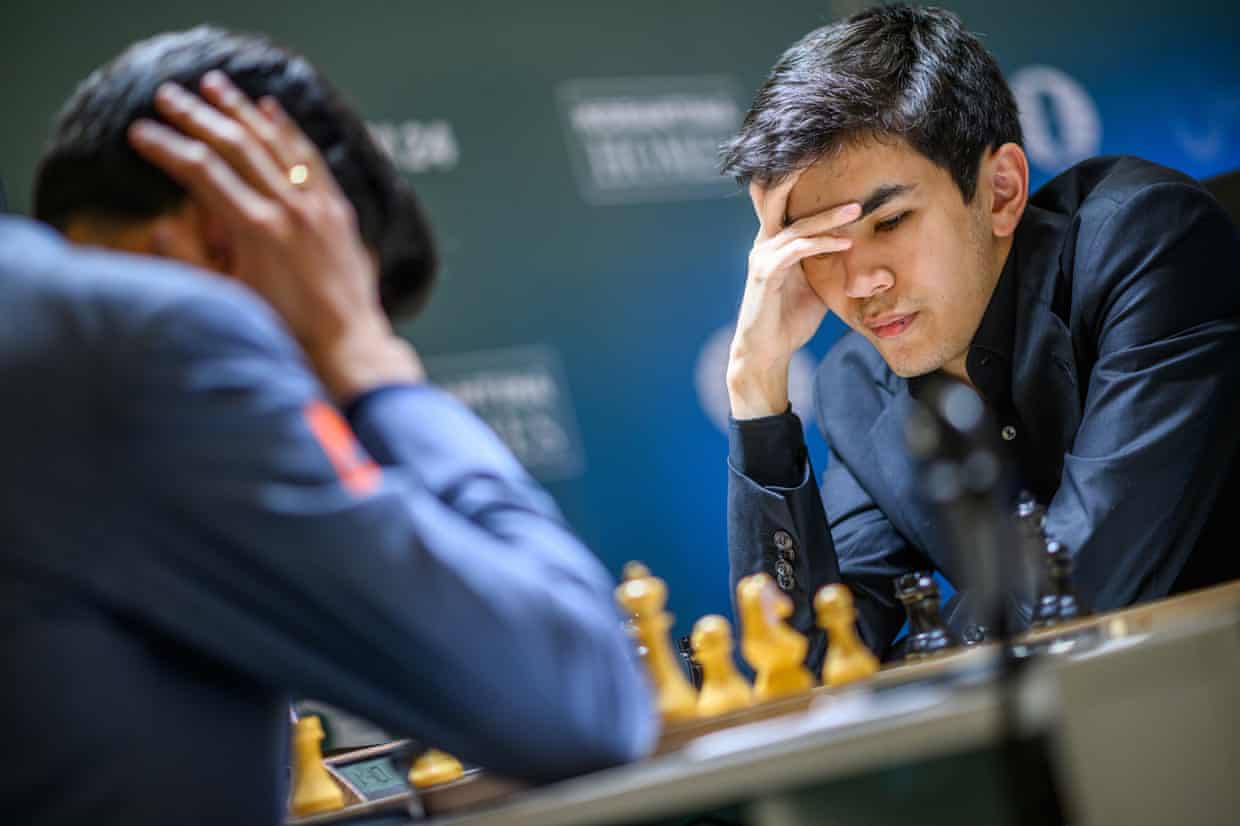
Javokhir Sindarov earns world chess title shot with stunning Candidates win
Javokhir Sindarov will challenge for Gukesh Dommaraju’s world chess championship this fall after clinching the Candidates tournament with a game to spare on Tuesday afternoon in Cyprus.The 20-year-old Uzbek grandmaster closed out an emphatic victory in the 14-game double round-robin with a tame 58-move draw playing with the black pieces against Dutch star Anish Giri, moving to 9½ points and leaving the world No 9 two adrift with one round remaining.“After he exchanged queens [20 Qxa6] ..
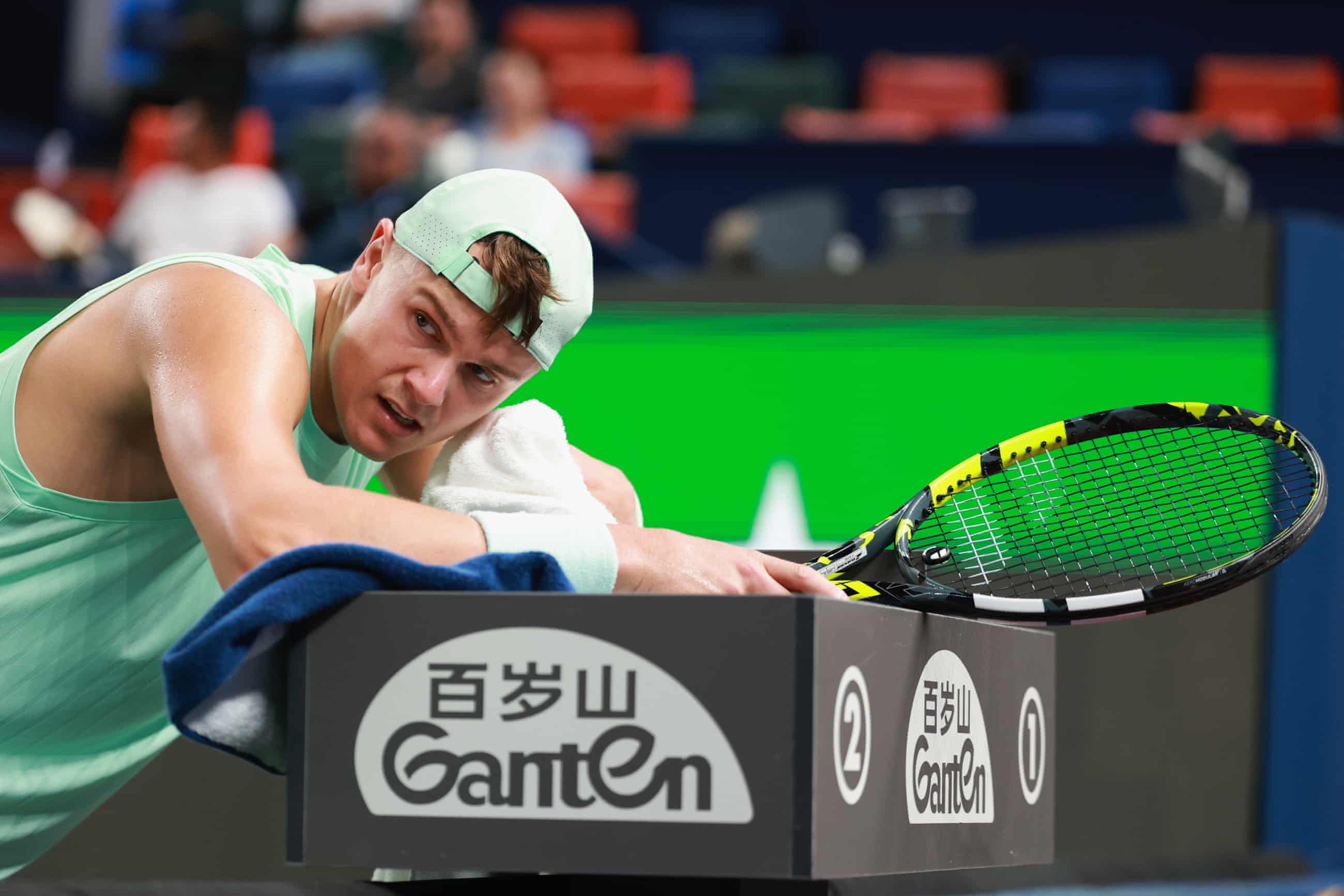
Welcome to The Hotspot, our new newsletter on sport’s relationship with the climate crisis
We delve into the best stories on how sport is changing around the climate crisis, and what can be done to navigate a way forwardTo subscribe to The Hotspot, just visit this pageNelson Mandela said: “Sport can create hope where once there was only despair.” Too optimistic? In 2026, almost certainly. Sport is still a common language, uniting unlikely groups like an all-powerful Esperanto, but it is in trouble.The pitches we play on, rivers we swim, seas we surf, mountains we climb, parks we run in, air we breathe – all are being degraded by the burning of fossil fuels as the climate crisis turns the sporting landscape upside down.Which is why The Hotspot, the Guardian’s new fortnightly newsletter on sport and the climate crisis, is here
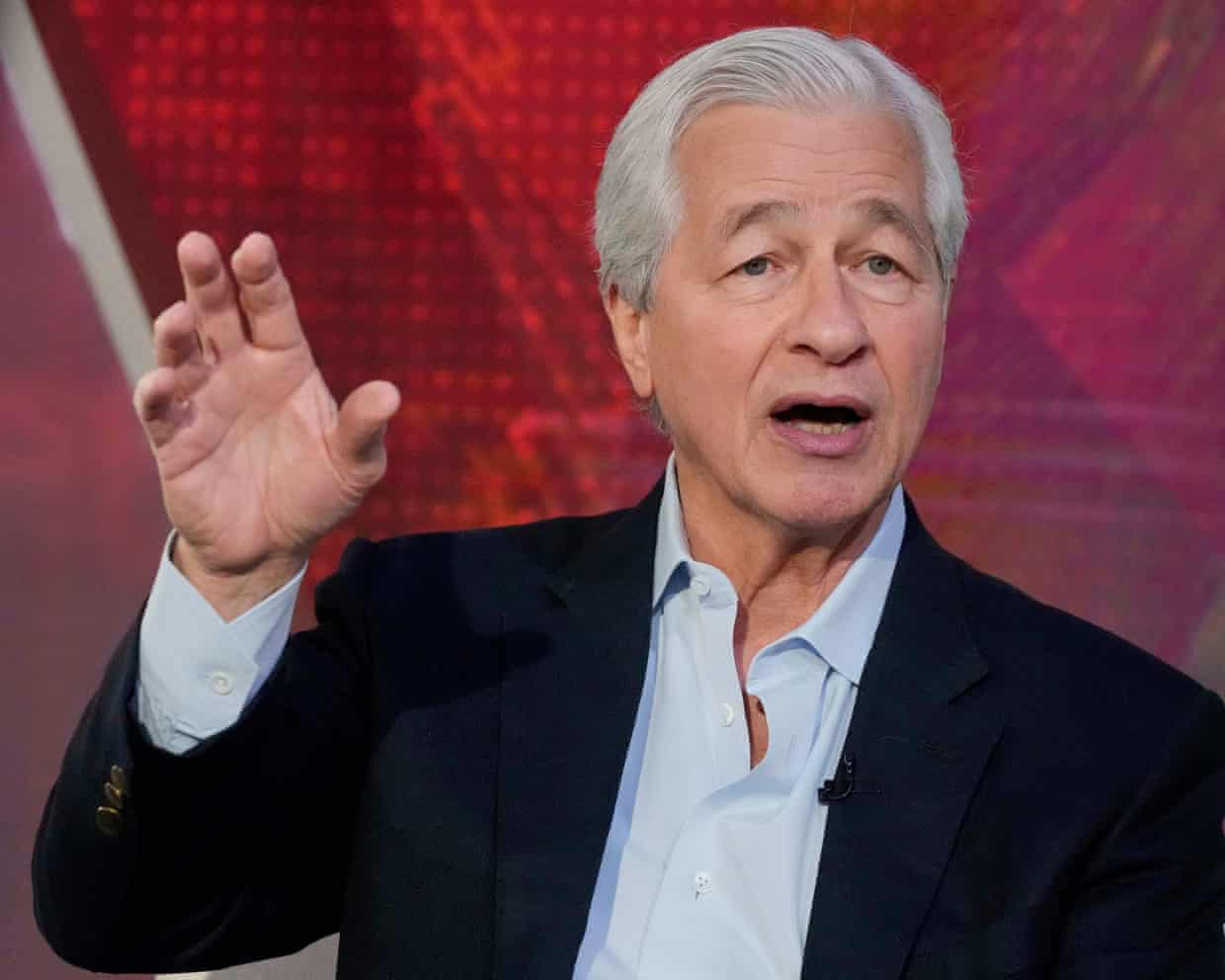
Jamie Dimon says private credit defaults are not threat to major banks
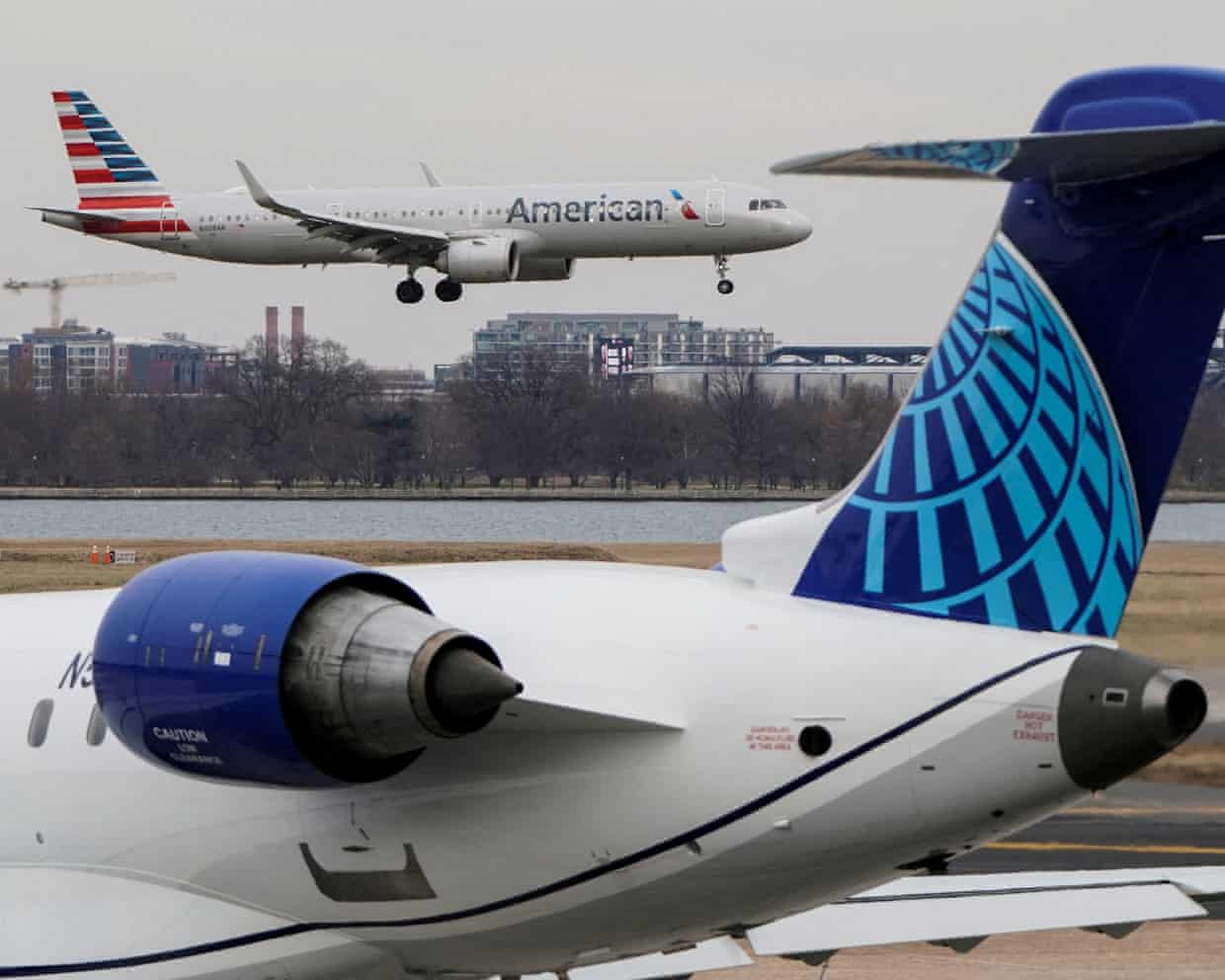
United Airlines CEO reportedly pitched merger with American, sparking competition fears
UK growth forecasts slashed by IMF as Iran war hurts global economy – as it happened
UK steel exports to EU at risk as bloc doubles tariffs and halves quotas
IMF warns ‘unprecedented’ energy crisis could trigger global recession as Australia prepares for G20 fuel talks

Nissan turnaround plan pins hopes on ‘AI-defined vehicles’