Former Co-op boss was paid almost £2m before leaving after group’s difficult year
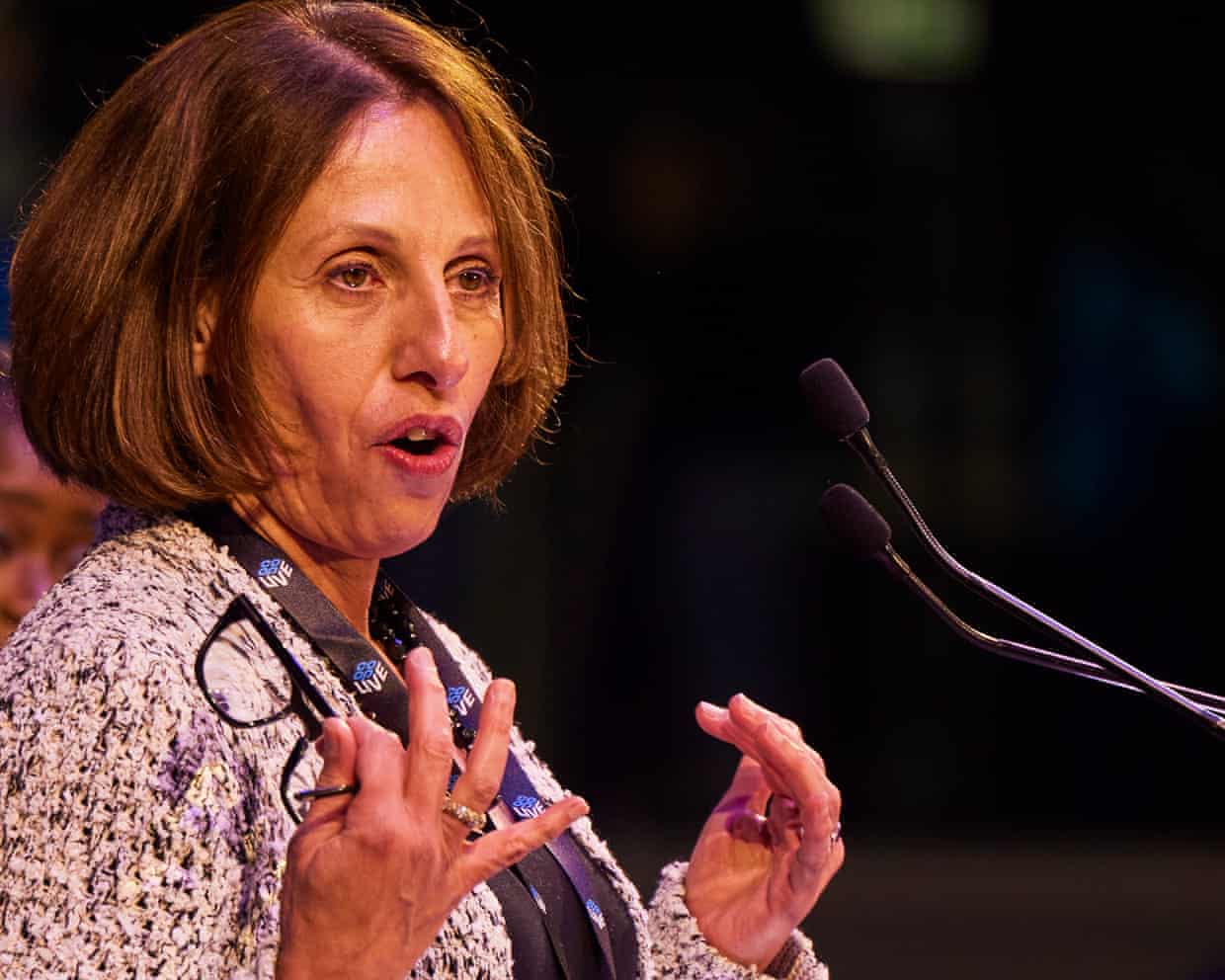
The former boss of the Co-op collected almost £2m before her sudden departure last month despite a difficult year when the retailer was pushed into the red by a damaging cyber hack.Shirine Khoury-Haq’s total annual pay package amounted to £1.9m in 2025, including a £165,000 “rewarding growth” bonus that was approved by the mutual’s board despite falling sales and the slide to an underlying loss of £125m.Khoury-Haq and other executives did not receive their regular annual bonus as the board said the company had not met an “affordability underpin” to make the payout.However, Khoury-Haq’s total pay did include a long-term performance bonus linked to earlier years.
In the Co-op Group’s annual report, the remuneration committee said it had decided to pay out 10% of the three-year potential total for the new “rewarding growth” incentive plan, which goes to all staff.The report said: “The challenges of 2025 mean that on formulaic assessment, the targets to trigger payment under this scheme for the year were not met.However, the committee is keen to recognise the tremendous hard work and effort of all colleagues in an extremely challenging and difficult year.“The way our colleagues responded with resilience and professionalism to an unprecedented malicious cyber-attack was truly remarkable.”That meant full-time, frontline workers, such as shop floor staff, who were employed for all of 2025 received £100 each under the scheme.
The report did not say if Khoury-Haq would receive any compensation for loss of office on her departure but did make clear she would not receive any more from the “rewarding growth” scheme,It said she was in line for a separate £682,000 performance bonus next May if conditions are met, and did not indicate if her departure would prevent payment,Overall, her pay package of £1,9m was down on £2,2m in 2024.
Kate Allum, a board member and former boss of the dairy group First Milk, will step in as the interim chief executive while a permanent replacement is sought.Khoury-Haq’s departure after four years heading the company, and almost seven at the business, came a month after reports of concerns about the culture at the top of the group.Last week, Khoury-Haq denied that her resignation was linked to the allegations of a toxic culture.“My decision to leave was very much a personal decision,” she said.“The reason is I want to go and do something else.
”In February the Co-op defended the behaviour of its bosses after reports said senior managers had complained of a toxic environment.The grocery and services chain said it did not believe the criticisms “represent the views of our broader leadership and colleagues”.The Co-op “lost trading momentum” while it focused on the recovery from the cyber-attack and also said it had been affected by a “contracting convenience market” as household budgets came under pressure.The group said it has faced “layered cost headwinds” of about £150m during the year from increases in employers’ national insurance, pay and packaging taxes.A spokesperson for the the Co-op said: “The rewarding growth incentive plan is a three-year all-colleague scheme, with 53,000 eligible colleagues across Co-op receiving a payout this year.
The board exercised discretion to recognise the extraordinary effort of colleagues during a very challenging year, including their response to the cyber incident.“The 10% is the maximum outcome expected for this year and reflects both that contribution and our commitment to ensuring colleagues share in the recovery and future success of our Co-op.”
Former Co-op boss was paid almost £2m before leaving after group’s difficult year
The former boss of the Co-op collected almost £2m before her sudden departure last month despite a difficult year when the retailer was pushed into the red by a damaging cyber hack.Shirine Khoury-Haq’s total annual pay package amounted to £1.9m in 2025, including a £165,000 “rewarding growth” bonus that was approved by the mutual’s board despite falling sales and the slide to an underlying loss of £125m.Khoury-Haq and other executives did not receive their regular annual bonus as the board said the company had not met an “affordability underpin” to make the payout. However, Khoury-Haq’s total pay did include a long-term performance bonus linked to earlier years
Fair Work Agency’s priorities criticised days before its launch
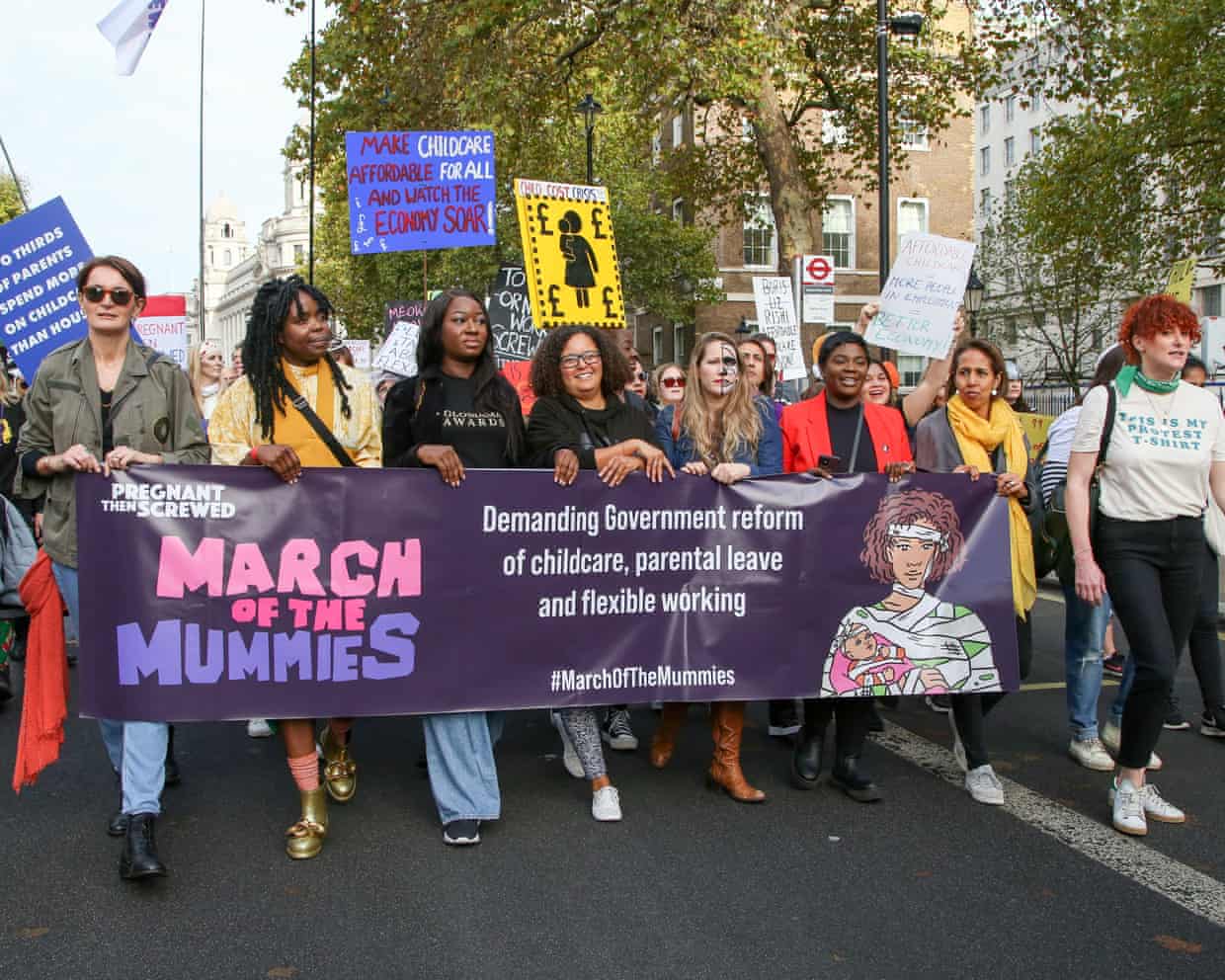
The government has asked its new employment rights watchdog to reduce the regulatory burden on business, it has emerged, a request that worker advocates said risks turning the agency into “a dead duck”.The Fair Work Agency (FWA), which is being launched on Tuesday, is a cornerstone of Labour’s Employment Rights Act. It will bring together several existing labour enforcement bodies and its responsibilities will include policing the minimum wage, holiday pay and modern slavery.At a recent meeting with civil society groups, Matthew Taylor, its incoming chair, listed the five priorities the Department of Business and Trade had laid out for the FWA in its first year. These included “thought leadership” and “reducing regulatory burdens”

‘It’s all fear and headlines’: energy traders race to keep pace with volatile oil markets
On the weekend that US-Israeli drones first began to rain down on Tehran, energy traders across the world’s major financial centres began to redraw their strategies.When they returned to their trading desks on that March Monday morning, they found oil and gas prices spiking amid a market nightmare made real: the unprecedented shutdown of the vital trade route through the strait of Hormuz.“I had been telling our oil trader for weeks to be ready for a war with Iran,” said one trading analyst at a major European energy company.“But he didn’t see it. The market was oversupplied, and prices were already looking higher than they should, so he shorted the market
Trussonomics still haunts parties’ economic promises in run-up to UK local elections | Phillip Inman
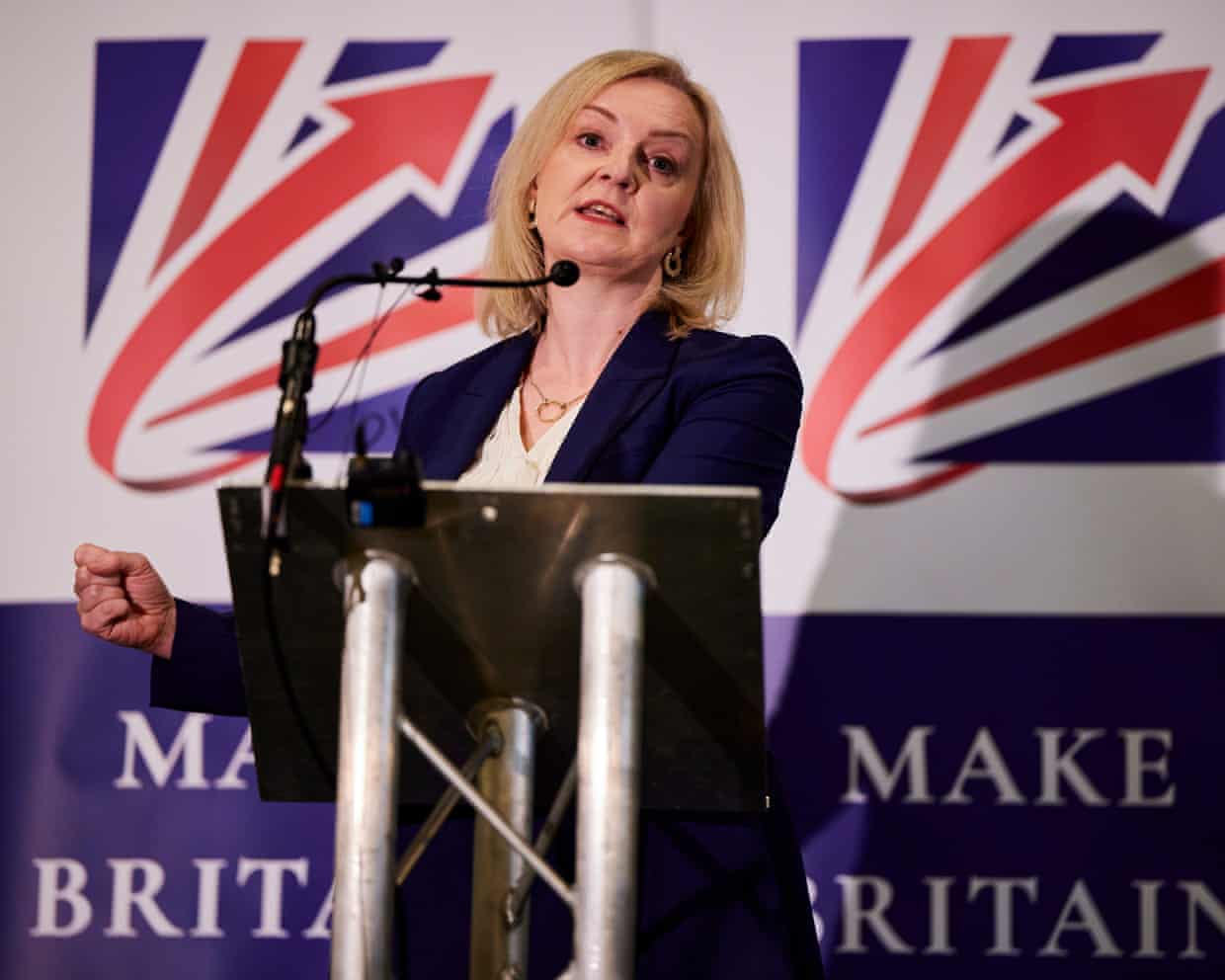
As local and regional elections across the UK loom into view, it is clear the spectre of Trussonomics lives on. The Greens, Reform UK, Your Party, Restore Britain, the Conservatives and even the Liberal Democrats cannot help making extravagant spending promises, often paid for by cutting something or borrowing more that, they argue, will have no negative economic consequences.Or if they do, the costs will be borne by people and businesses they do not care about.Only Keir Starmer and his cabinet colleagues seem to be immune to the hysterical demands for the UK government to somehow reconfigure the way the economy operates without any spillovers, unintended consequences or extra costs that nullify the supposed gains derived from the original policy.Liz Truss promised huge tax cuts worth £45bn paid for with extra borrowing and welfare “efficiencies”

House swaps: why exchanging home could be a ticket to a dream holiday
About six miles from Reims, beside a golf course, is a house with a heated pool and space to sleep 10 people that would probably be perfect for many of those planning to book a family holiday in France.An hour’s drive from Disneyland Paris, the four-bedroom property is quiet, located near a village with a bakery, has an electric gate that provides security, and is on almost half an hectare (one acre) of land.The cost? Nothing, if you are prepared to sign up to a “house swap holiday”, whereby you exchange your home with that of another person.Some regular home swappers claim they saved tens of thousands of pounds over the years.There are many websites where you can search for the perfect swap with (see end of story)
UK food halls buck downbeat hospitality trend: ‘In this impossible climate, they shine hope’
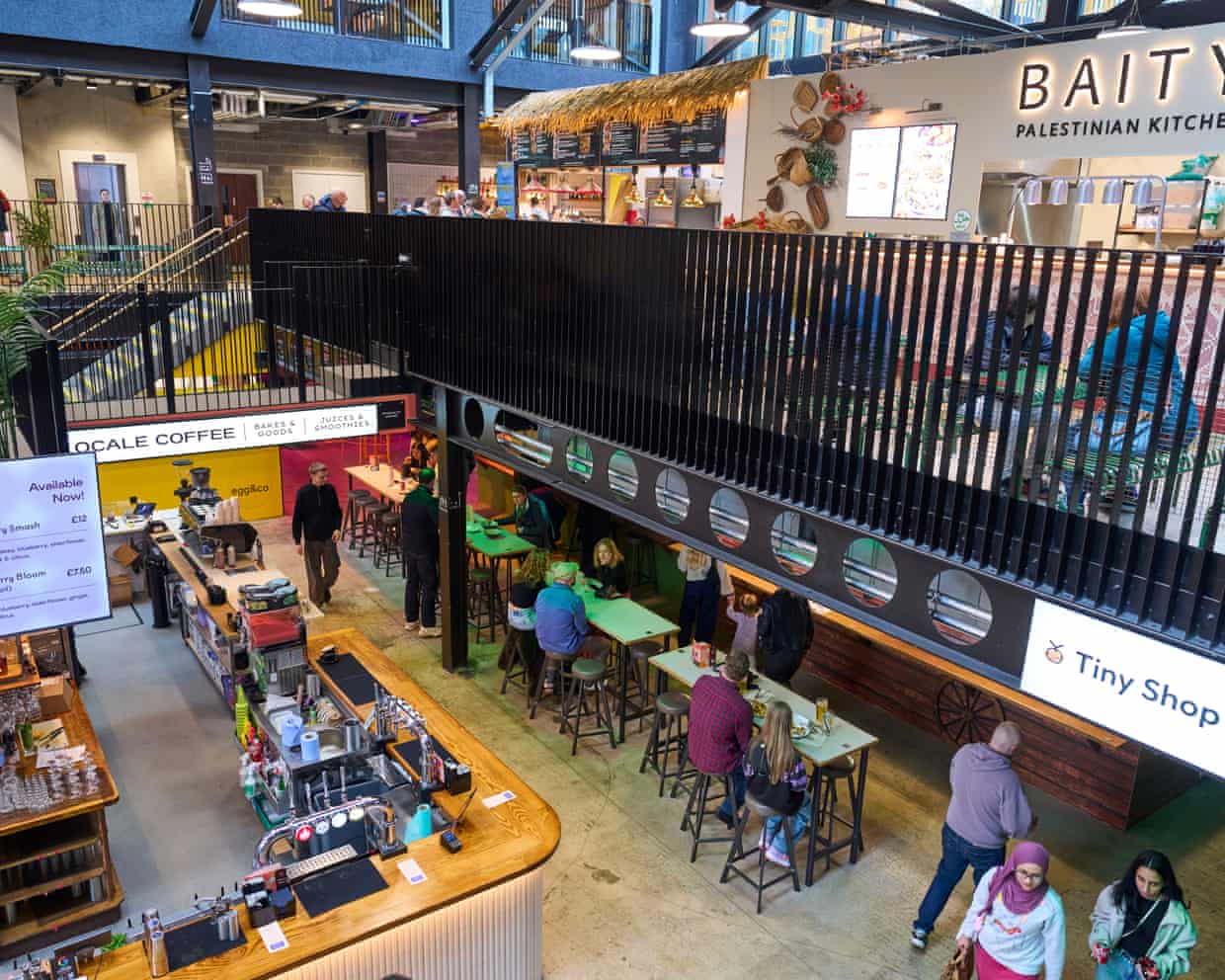
Beeps chirp through the cavernous Cambridge Street Collective on a busy weekday, as buzzers alert the lunch crowd to collect their sushi tacos, rendang curries or Palestinian chicken musakhan.The Sheffield food hall is Europe’s largest purpose-built venue of its kind, at 20,000 sq ft, and arrived in 2024 as part of a major redevelopment of the city, which has brought in businesses including HSBC.Food halls are on the rise as restaurateurs face a challenging economic climate in which rising energy costs have been exacerbated by US-Israeli attacks on Iran ,and labour costs have spiralled as a result of increases to the minimum wage and national insurance contributions for employers. Many diners are also opting to stay at home as the cost of living bites. But while brick-and-mortar restaurants across the UK are closing, food halls are making money; in major UK cities they average £5

Calling us Auntie or Uncle is no insult | Letters

Young people ‘more likely to leave for health reasons when in low-paid, insecure jobs’

NHS rehabilitation care staff shortage fails stroke patients, say health leaders
CPS considering 13 suspected cases of assisted dying in England and Wales

UK drug exports to US spared tariffs under deal critics say will cost NHS billions
Streeting hits out at BMA ‘delusion’ as talks to avert resident doctors’ strike fail