NEWS NOT FOUND

Nvidia’s Jensen Huang joins other US bosses on Trump trip to China
The billionaire chief executive of the chipmaker Nvidia, Jensen Huang, has joined Donald Trump’s China delegation after a reported last-minute invitation, highlighting the US’s AI and tech ambitions.Huang will join a roster of US bosses including the Tesla chief executive and X owner, Elon Musk, the Apple chief executive, Tim Cook, and Goldman Sachs’s David Solomon at Trump’s 36-hour meeting with the Chinese president, Xi Jinping.The high-stakes summit is the first overseas trip for Trump since the US and Israel launched attacks on Iran in late February. The summit is expected to cover topics including that conflict, tariffs and China’s relationship with Taiwan.Huang was not on the initial list of business delegates, according to reports
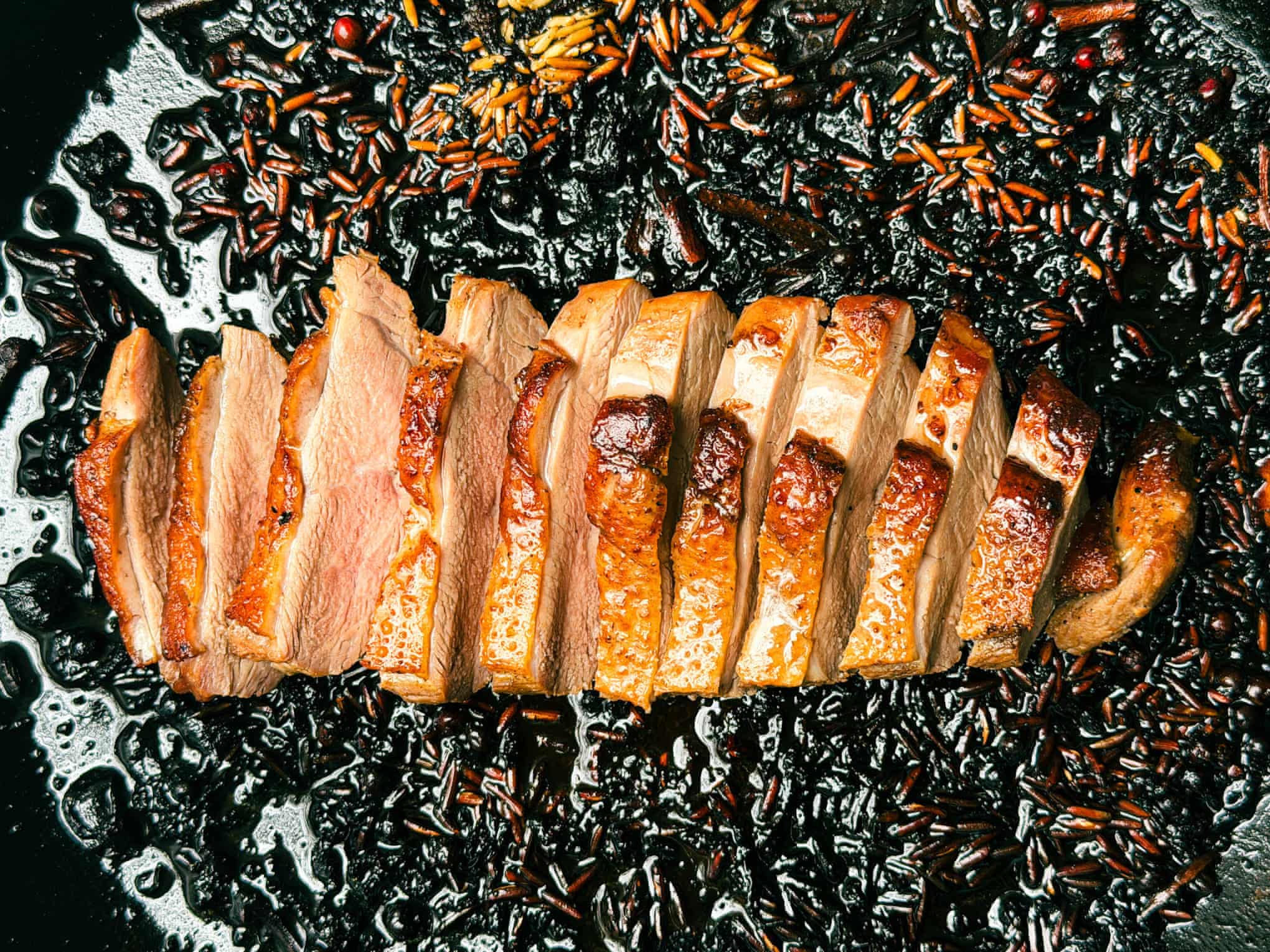
How to use spent tea leaves to smoke Chinese-style duck – recipe
A masterclass in smoking duck breasts the Sichuan way, but with used teabagsWhen I worked at River Cottage HQ, we used to smoke duck, rabbit and fish in a smoker made out of an old bread bin. It always felt like an exciting and alchemical way to cook, yielding incredible results, and it’s so simple, not least because food has been smoked since we first learned to cook over fire. Today’s recipe is my simple take on Chinese zhangcha duck, River Cottage-style and with a zero-waste twist by using spent teabags as the perfect fuel.It was always fun cooking at River Cottage: in between cooking lunch for our guests, we’d do cooking demos and sometimes cooked to camera (I have a cameo at the end of this video of Gill Meller making smoked duck that was filmed more than 20 years ago!)Zhangcha duck is traditionally smoked with camphor leaves and green or black tea, and while you can find camphor in some Asian supermarkets and online, tea alone does the job very well, too. Even still-wet spent teabags will work perfectly, imparting their incredible aroma into the meat
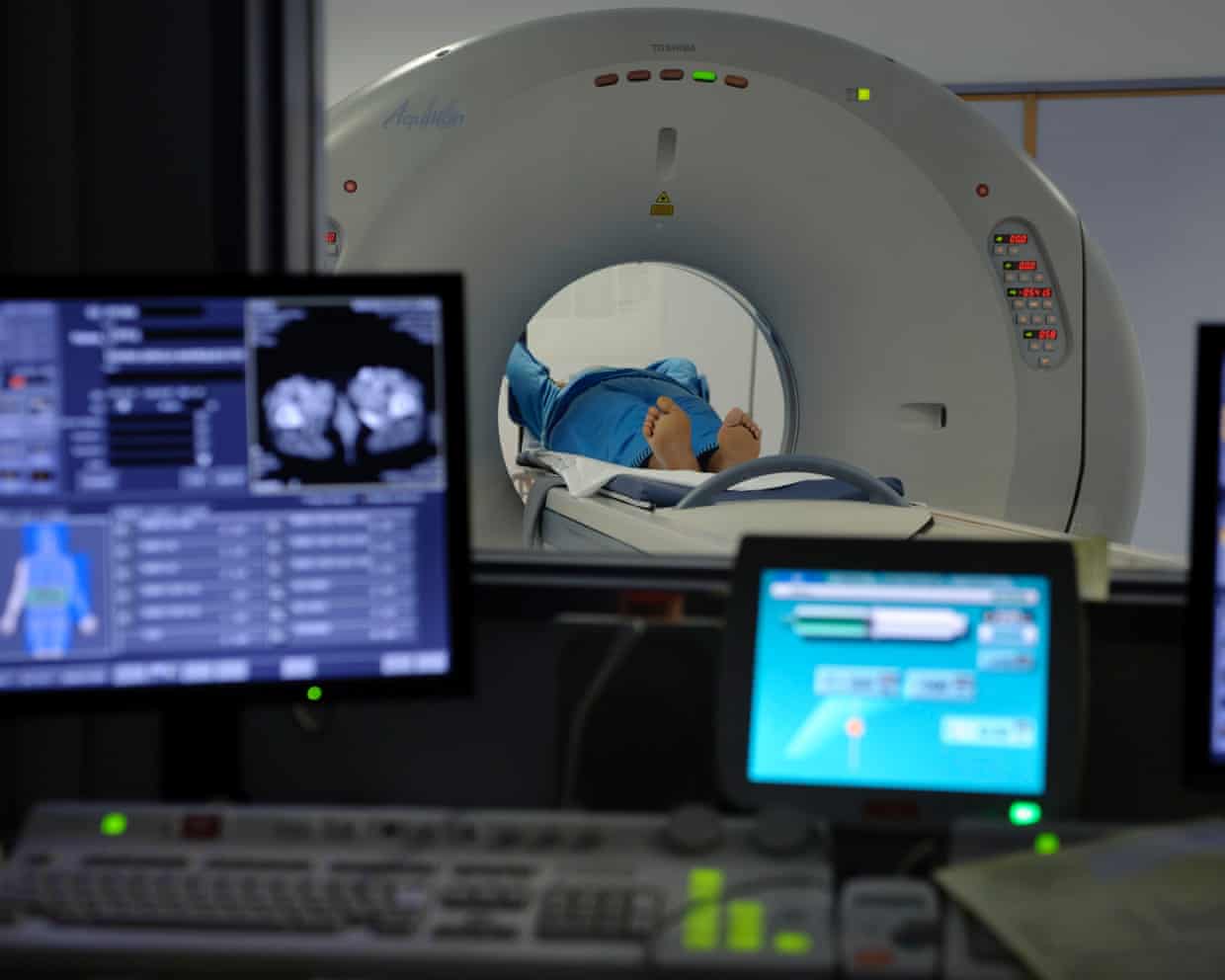
Weight gain as adult increases cancer risk by up to five times, research shows
Gaining weight as an adult increases the risk of cancer by up to five times, according to research involving more than 600,000 patients.Obesity can cause 13 different cancers and is thought to be linked to another eight. But less is known about the impact on cancer risk of the amount of weight put on – and when in life it is gained.To find out, researchers at Lund University in Sweden analysed weight and cancer incidence data from more than 600,000 men and women and found there was no safe age to get heavier.The study, presented at the European Congress on Obesity in Istanbul, measured the weight of more than 250,000 men and just under 380,000 women an average of four times between the ages of 17 and 60

Sarah Taylor named England men’s fielding coach while Gay, Rew and Baker are called up
On a day when England named three uncapped players in their Test squad, brought Ollie Robinson out of cold storage and officially confirmed a new selector had joined the set-up, perhaps the most significant news was the identity of their fielding coach.Sarah Taylor, the former England wicketkeeper, will be in charge of the fielding drills during the three-Test series against New Zealand that begins at Lord’s on 4 June – the first female coach to work in the men’s senior setup.The fact that Rob Key, the England men’s team director, almost mentioned it in passing was fitting for a coach who has quietly risen through the ranks. Taylor, 36, has held a number of roles in the men’s game since hanging up her gloves five years ago, including spells with Sussex men and Manchester Originals in the Hundred.This latest post is just for the New Zealand series initially but may continue through the summer

Wes Streeting prepares to launch leadership challenge against Keir Starmer
Wes Streeting is preparing to launch a leadership challenge against Keir Starmer on Thursday if the health secretary can secure the support of enough MPs to trigger a contest.Streeting’s move to force a race has sparked a frantic scramble on the left of Labour to find a candidate to oppose him, with Ed Miliband and Angela Rayner both possible contenders.The health secretary, who is considered to be on the Blairite right of the party, has been organising an attempt to oust the prime minister for days since Labour’s disastrous election results, despite his friends insisting he did not want to make the first move.Andy Burnham, the Greater Manchester mayor, is the favoured replacement for Starmer by many on the soft left, but does not yet have a seat despite trying to persuade several MPs to stand down for him. His latest hopes are said to be Afzal Khan or Jeff Smith, both Manchester MPs

Coconut dal, cheesy pickle toasties, carrot halva cakes: Ravinder Bhogal’s tastes of home – recipes
Public institutions, from hospitals to museums, are the most international communities, both in the workforce and in those who visit. It’s something that became obvious to us when we were cooking our globally inspired meals for frontline workers at Kings College Hospital, London, during the pandemic. The menu at Café Jikoni, our new restaurant at the V&A East museum, speaks to the depth and breadth of east London’s diverse community, with dishes that cross borders, celebrate pluralism and taste like home – wherever that may be. After all, the best hospitality is all about making your guests feel at home.This dal wanders from India into Thailand; we make a curry paste from scratch at Café Jikoni, but using a good-quality one, such as Maeploy, is a smart shortcut

Stephen Colbert on Trump’s 22ft gold statue at his golf club: ‘recreational idolatry’

One in seven in UK prefer consulting AI chatbots to seeing doctor, study finds
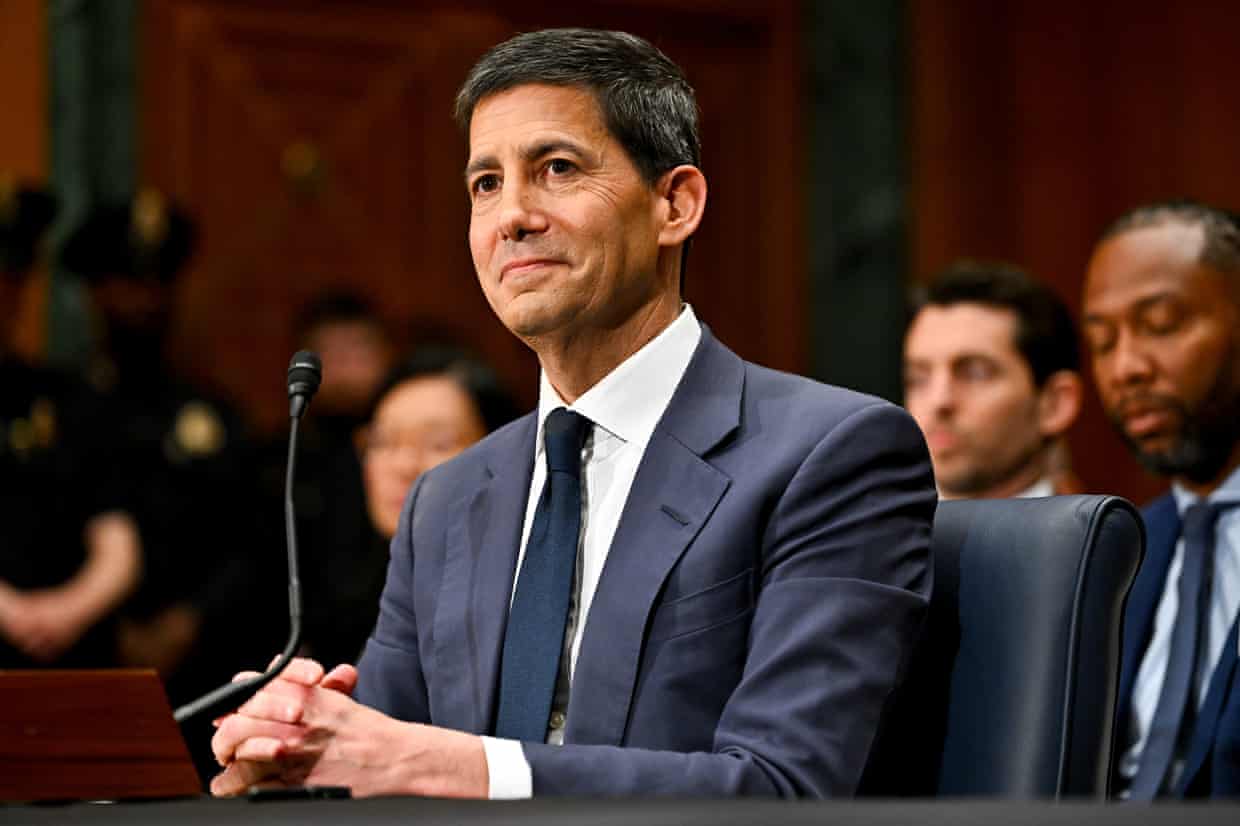
US Senate confirms Kevin Warsh as Federal Reserve chair, replacing Jerome Powell

Sam Altman defends OpenAI in courtroom showdown with Elon Musk
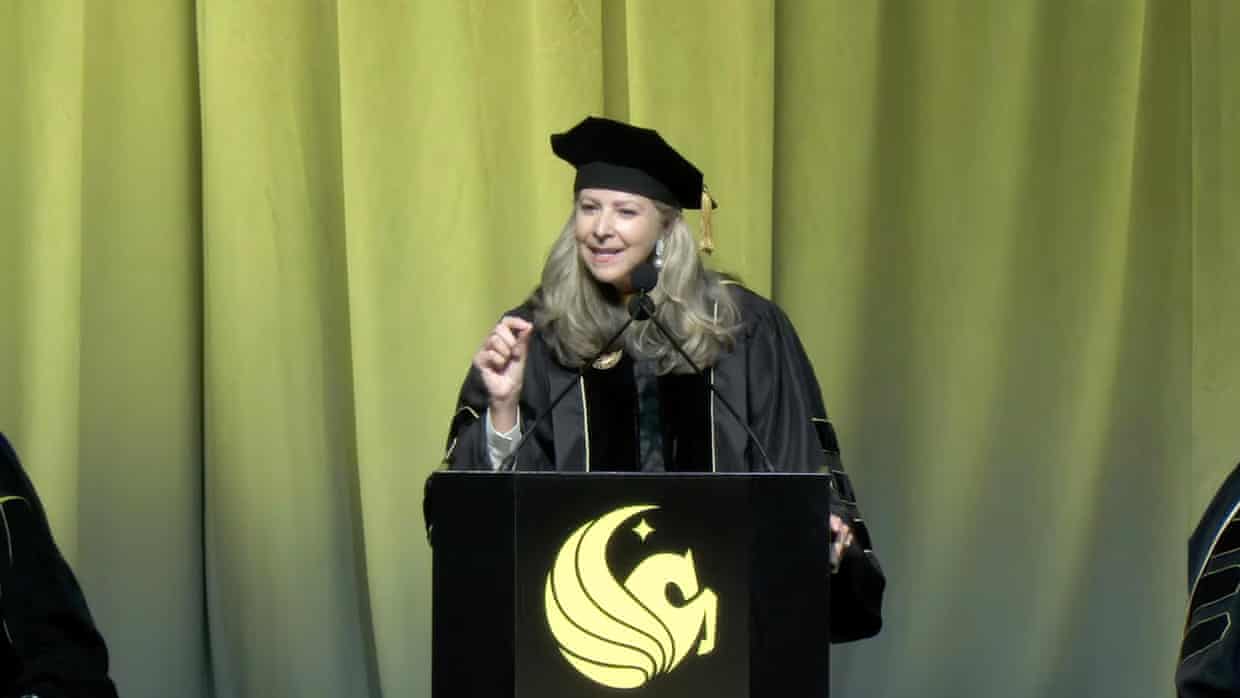
Florida students boo graduation speaker who called AI ‘next Industrial Revolution’

Jim Furyk tells US players they need to make Ryder Cup more of a priority