Brighton’s struggling independent stores: ‘The nation of shopkeepers will go on the dole’
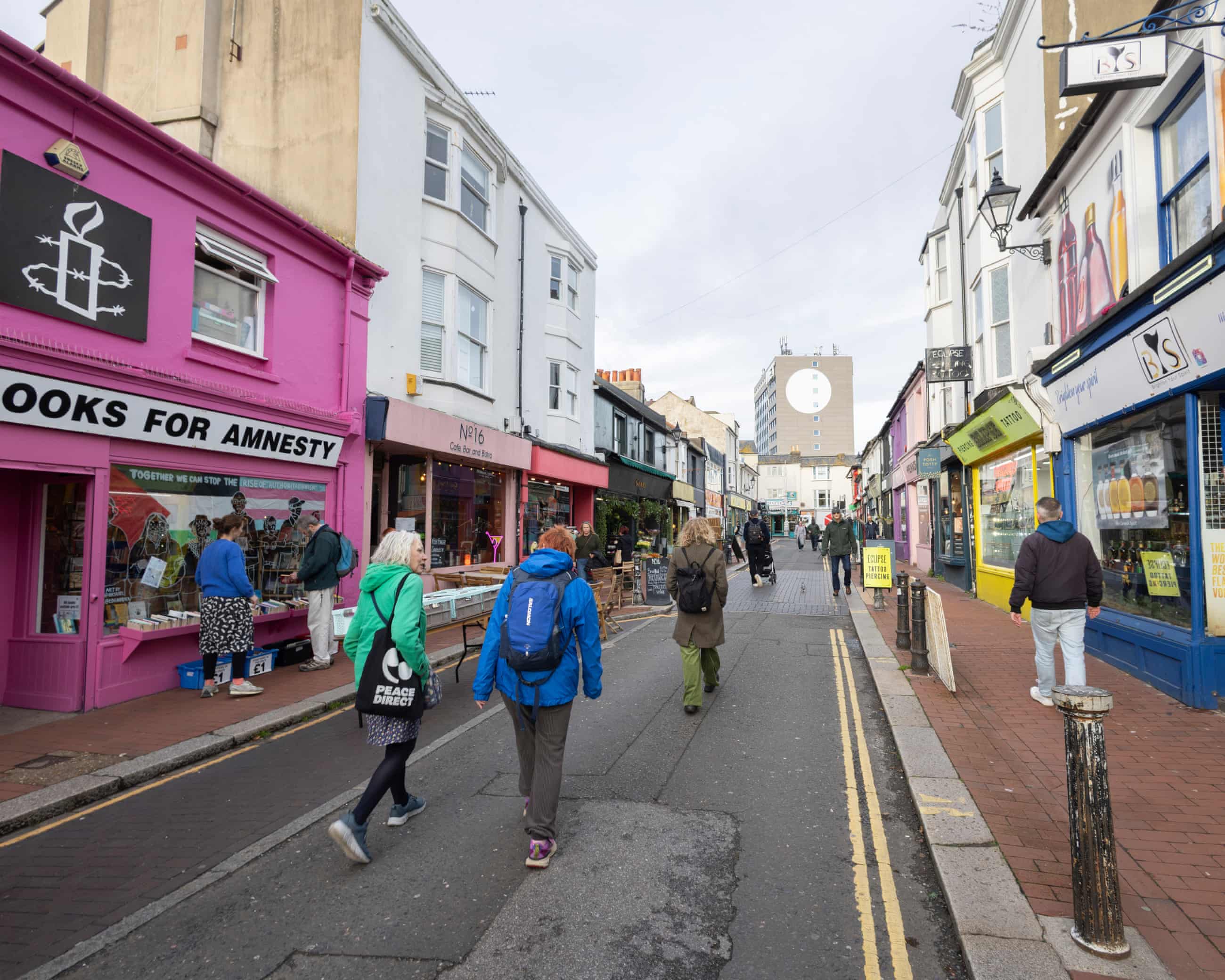
City’s small shops are reaching tipping point amid higher business rates, staff costs and big chains eager to move inIt’s lunchtime at Dormitory, an independent bedlinen store on Gloucester Road in Brighton, and proprietors Sue Graham and Cathy Marriott are peering across the street at the Brighton Sausage Co.They can tell when shoppers have stayed indoors by the number of sausage rolls left in the window.It’s a Tuesday before Christmas – supposedly the busiest time of the year.But there’s still a big pile remaining.“In 10 years’ time, we’re all going to be going, ‘We need shops.
Where have they all gone?’,” Marriott says.Her warning echoes widespread fears for Brighton’s plentiful independent shops, which have given the Sussex city international renown.Small businesses are the life blood of the North Laine – the colourful streets around Dormitory, filled with quirky gift shops and cafes that spill into the road – and the Lanes, the neighbouring area where the narrow passageways and hidden squares are famous for their jewellers and antique shops.Last month, research by American Express and GlobalData found that the North Laine district was the most popular UK destination for independents among generation Z shoppers.But even here – the affluent home of some of the UK’s favourite independents – the potential last generation of shopkeepers is under threat.
The challenges have racked up: Brexit and the pandemic, the growth of online shopping, a squeeze on consumer spending, increased costs and concerns over crime – problems some say the recent budget does not go far enough to address.The chancellor, Rachel Reeves, announced plans designed to ease the business rate burden on retailers.While some independents will be small enough to qualify to not pay rates at all, some may ultimately receive higher bills linked to lower discounts and an increase to their property value.Many independent business owners in Brighton say any permanent discounts will also be offset by increases to national insurance contributions (NICs) and the national minimum wage – and that they are not seeing any benefits for the rates they already pay.Graham and Marriott opened Dormitory five years ago after long careers in retail, and maintain a wholesale and consultancy business that keeps their brand afloat.
But over half a decade, owning bricks and mortar has reached a tipping point where their costs to run a physical store outweigh the returns.Once they are gone, Graham says, there’s no new generation of independent shopkeepers to replace them: “It will be the big chains.”“The internet’s becoming impossible to get what you want or to get advice – it’s so full of misinformation.A lot of the expertise will be lost,” she says, adding that they can tell customers which Italian manufacturers produce the yarn in their sheets and the name of the atelier where the fabrics are hemmed, embroidered and finished by hand.On nearby London Road, the coffee shop Presuming Ed’s has been serving drinks and supporting artists and musicians in an old HSBC bank for 11 years.
Its owner, Richard Grills, says a combination of higher business rates, VAT, staff costs and additional council charges have reduced his profit margins significantly.As a hospitality venue, he has benefited from business rates relief, but since his premises were rerated and his relief reduced, his annual bill has gone up from £1,200 to £12,000.Grills says the relief hides a bigger problem of businesses not receiving essential council services in exchange for the payment.“The busier we get, the more people we need, the more costs incurred.There’s very little benefit in expanding.
If you’re trying to start something now you haven’t got a chance,” he says.“The nation of shopkeepers will go on the dole because it’s easier.”On nearby Sydney Street, Kate Turnbull is making up a funeral wreath in the back of Gunns, a fourth-generation florist that has been in Brighton since 1875.“Brexit has certainly changed things,” she says, feeding chrysanthemums into florist foam.Gunns imports its flowers from the Netherlands, which means each delivery is subject to a customs charge.
With three branches, Gunns pays a charge for each drop.Deliveries are held up regularly by customs checks in France or once they enter the UK, meaning Turnbull has to allow extra time to meet orders.Alongside pressures from increased staffing costs and more expensive utilities, Turnbull is worried about crime.She has had bikes stolen and the shop window smashed, but, she says, nothing has happened after she told the police.Instead, the traders have set up a WhatsApp group and warn one another about suspects.
When the window of Gunns was smashed, the nextdoor neighbour boarded it up in the night.“It’s a nice community,” Turnbull says.The WhatsApp group was started last summer by traders facing an increase in shoplifting and the threat of far-right riots.Recently, it evolved into a series of meetings with the council, tentatively called the Brighton Independents Forum, set up by the Green councillor for the West Hill and North Laine, Ellen McLeay.Councillor Jacob Taylor, the deputy leader of Brighton and Hove city council, says the forum is one way the council is trying to repair its relationship with small businesses, which he considers an essential part of the local economy and the city’s identity.
“There hasn’t been a strong two-way relationship with the council acknowledging that the independent retail sector is such an important part of the city.The council can’t fix everything – the existence of Amazon or rates set by the government – but we can be more responsive and improve the local services we do control,” he says.At 9%, Brighton has one of the lowest retail vacancy rates in the country, according to a recent report by the Centre for Cities thinktank, coming in fifth after London, Cambridge, Oxford and York.In the central business improvement district, the rate is even lower, at 4%, compared with a national average of between 13% and 14%, according to the British Retail Consortium.Business churn, according to Taylor, is higher than average, signalling that while there is an appetite for entrepreneurship in Brighton, lots of shops fail.
On Bond Street, which runs south of Sydney Street, Mountain Warehouse acquired premises for the chain surf store Animal in August.In October, Ben & Jerry’s opened a branch there.McLeay says the makeup of local businesses is changing and chains are creeping in.“If we lose this footprint of independent shops we risk losing footfall in the high street,” she adds.“You end up with boarded-up shops – and it takes a long time to get the footfall back again.
”The trend has been shown to have political impact.Reform UK wins more seats in places where the high street is in decline, according to Power to Change, a charitable trust supporting community businesses.Reform is the second most popular party in a quarter of parliamentary seats where persistent high street vacancy increased significantly between 2015 and 2023, compared with 14% across the rest of England, its analysis shows.In Brighton, councillors are selling properties in public ownership to create housing in the face of a crisis in temporary accommodation and a homelessness problem.Susannah Dowse runs Dowse, an independent homewares store on Gardner Street.
She has been trying to scale up as her business is growing and needs more space.But private landlords and property agents, including those working on behalf of the council, consistently favour big chains, leaving smaller traders stuck in premises that limit their potential, she says.“People still come to Brighton for the independent shops,” she says, “but that community is being chipped away by chains moving into areas where independents and creative businesses belong”.McLeay says change from the top is needed.She is calling for corporations to pay a greater share of tax to create a balanced economy, in recognition of the value independent and smaller traders bring to a community.
Without change, she says, “we may see that this Christmas is the last for some businesses in the North Laine, and that’s local jobs gone and a community gutted”.
‘Every chef should train here’: Turkish restaurant ranks fourth on list of London’s top food spots
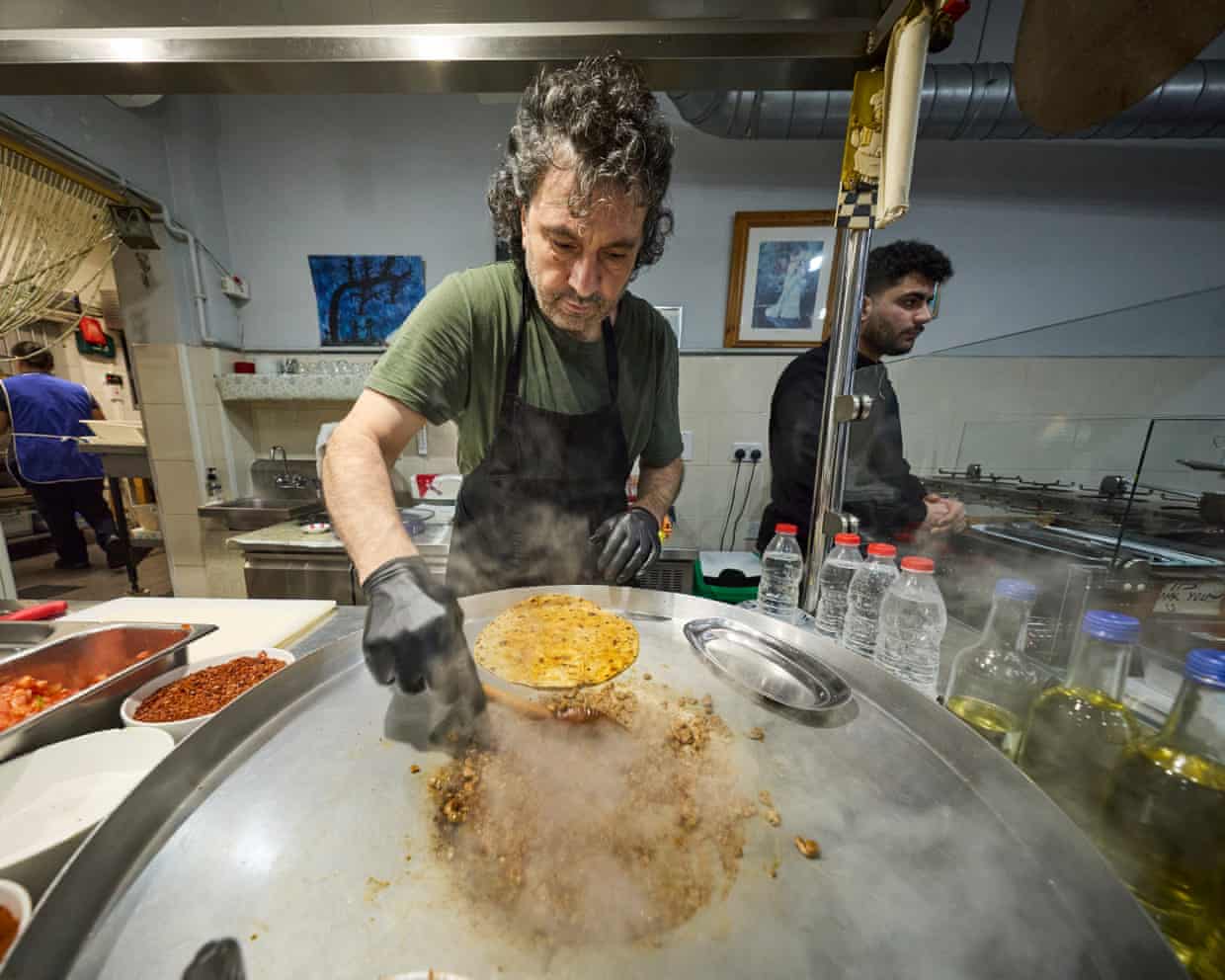
On a list of London’s best restaurants, you would expect to see the usual Michelin-starred suspects such as The Ledbury, Ikoyi and The Ritz. But high among these culinary heavyweights sits a humble salonu tucked away in the depths of north London.Neco Tantuni, a small Turkish eatery specialising in the foodie delights of Mersin, a city located on the southern coast of Turkey, has been crowned the fourth best restaurant in London by Vittles, the trendy food magazine that has become a bible for those looking for the best (and more off-the-radar) grub in the capital.“I’m totally shocked,” says Eren Kaya, whose parents hard graft has resulted in their restaurant, situated in a far-flung corner of Enfield, being placed near the top of the 99-strong list.The small shop, which was a greasy spoon cafe before being transformed into the hugely popular food hotspot, hasn’t fully shed the character of its former self
Ho, ho, Hamburg: bringing the flavours of a true German Christmas market home
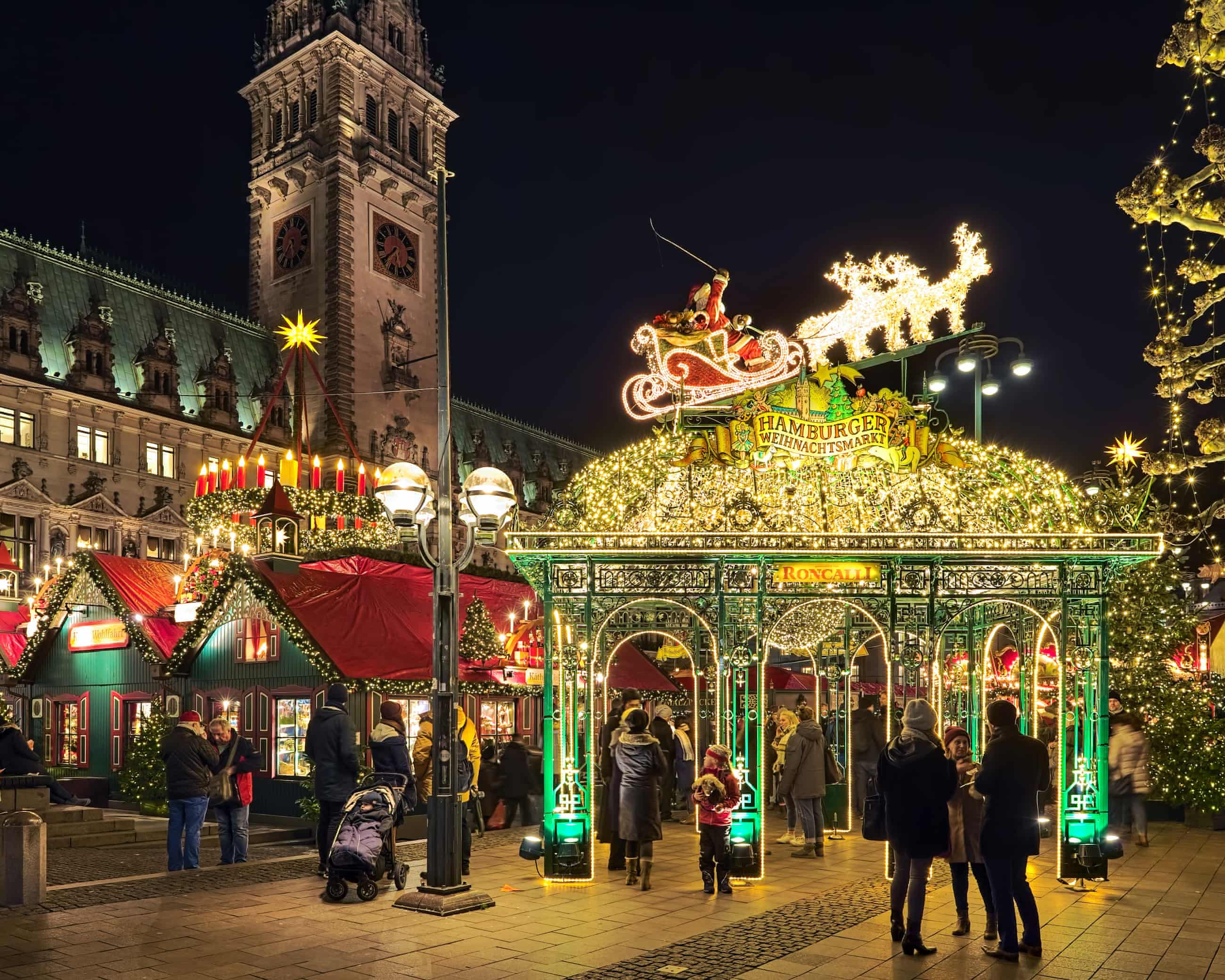
From glühwein to lebkuchen, bratwurst to stollen, recreating the delicacies I sampled in the city’s festive markets is wholly achievable. Plus, a new digital cookbook for a good cause Sign up here for our weekly food newsletter, FeastWithout wanting to sound tediously Scrooge-like, the German-style markets that have become seasonal fixtures in many British cities over the last few decades never make me feel particularly festive. What’s remotely Christmassy – or German – about Dubai-chocolate churros and Korean fried chicken, I grumble as I drag the dog (who enjoys all such things) around their perimeters.Hamburg’s markets, however, which I was myself dragged around last weekend, are a very different story. For a start, the city has many of them, mainly fairly small – and some, such as the “erotic Christmas market” in St Pauli, with a particular theme
Christmas gift ideas for drinks lovers, from champagne to canned cocktails
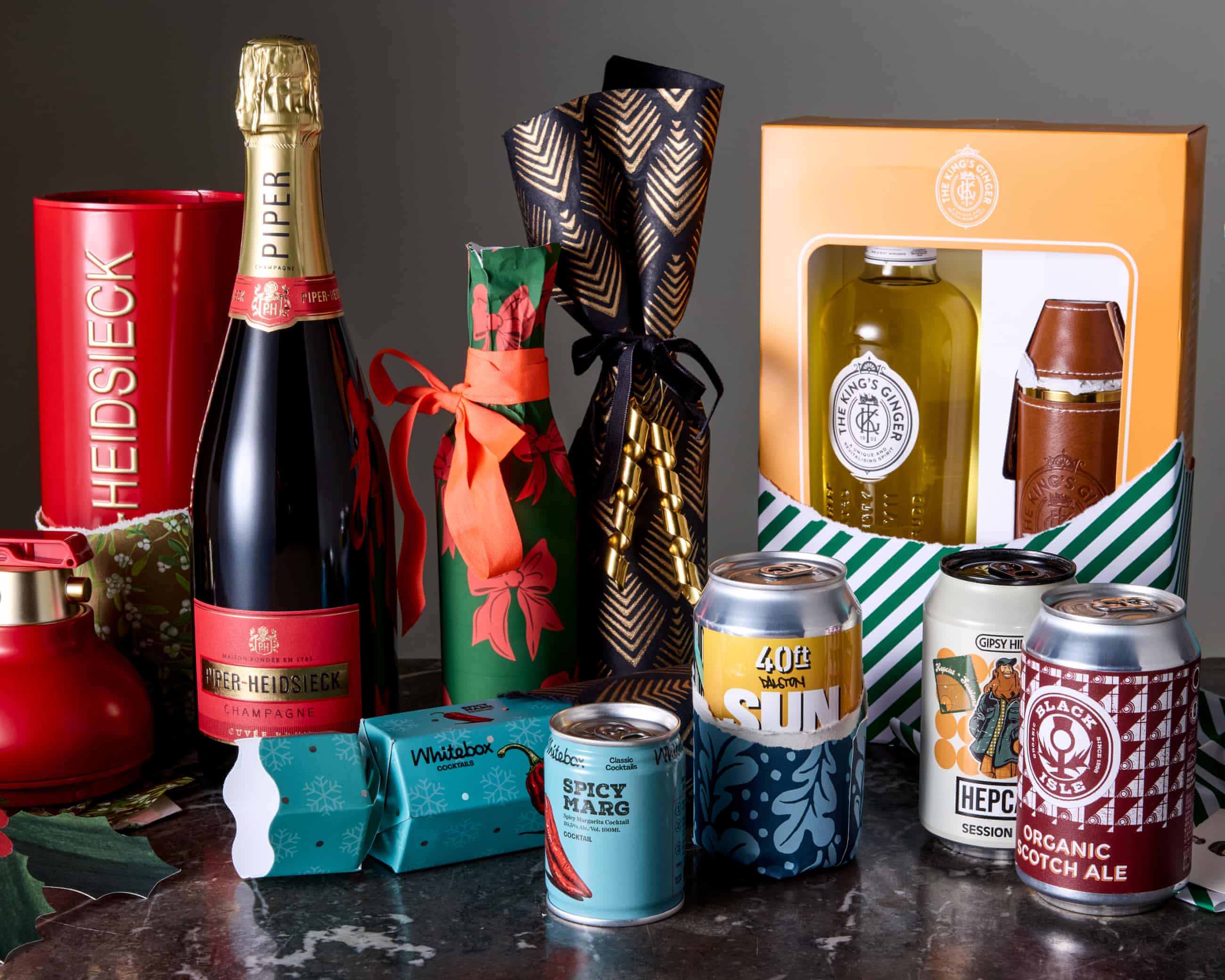
Don’t get pulled in by silly gadgets: buy presents you’d be happy to receive yourselfThe Guardian’s journalism is independent. We will earn a commission if you buy something through an affiliate link. Learn more.Alcohol is an unavoidable part of a festive spread (for more advice on which wines, beers and other drinks I like for each and every occasion, take a look at last week’s Christmas drinks guide), but, sometimes, a drink deserves a place under the tree as well as around it – especially if it’s an easy win for a drinks devotee for whom you need to buy a prezzie.The Guardian’s journalism is independent
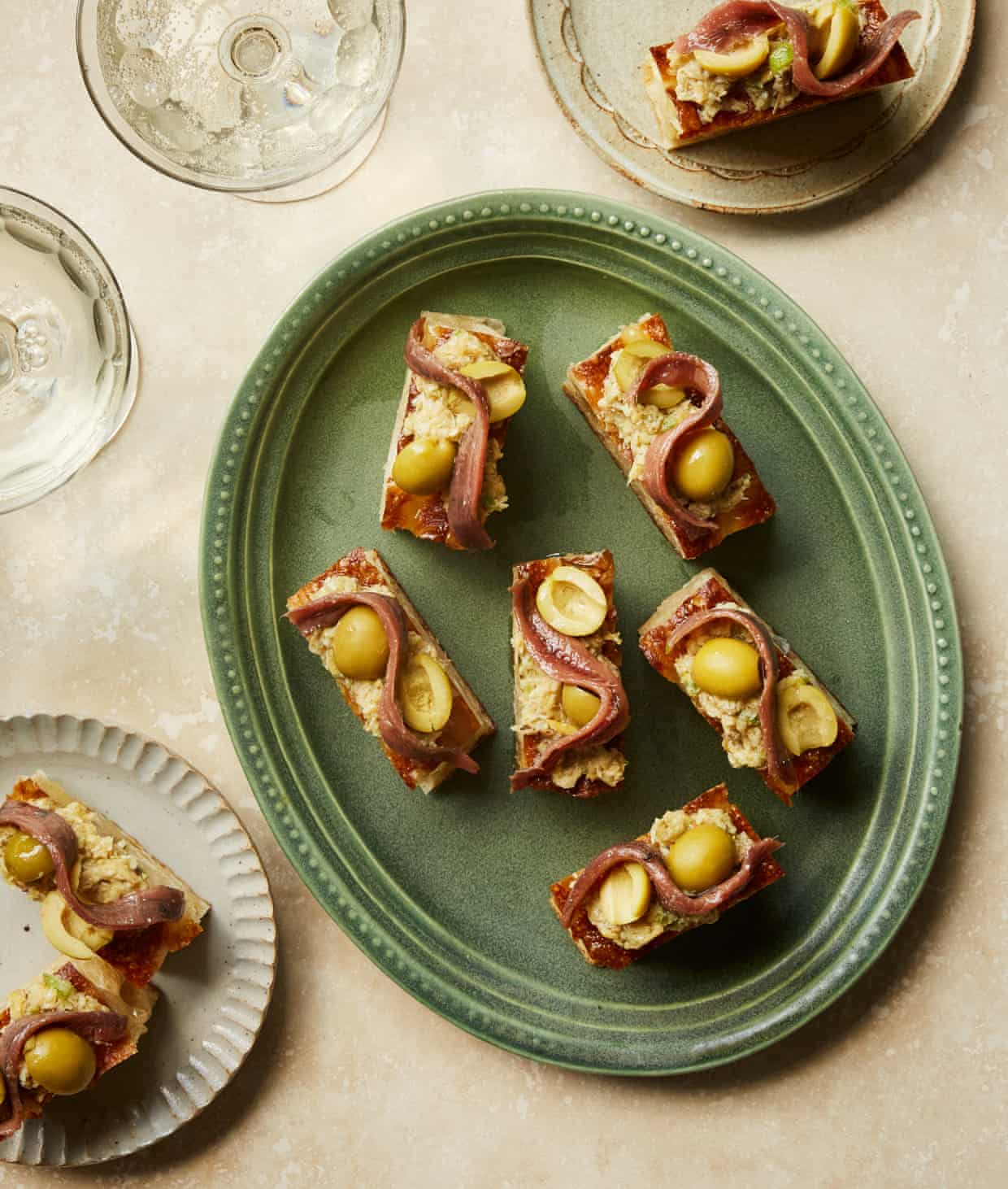
Nine bring-a-plate ideas for Christmas drinks, barbecues and dinner parties this summer – recipes
Like nibblies, the concept of bringing a plate to a social event or a host’s home can be deeply confusing across cultures and generations. Are you carting canapes? Are you slinging salad? Are you delivering dessert? If we’ve learned anything from the tragedy of Romeo and Juliet, it’s that communication is key. So if you’re unsure about what your host expects, just ask.Below are nine summer-friendly recipes to suit various bring-a-plate scenarios: one-bite snacks that go with cocktails, salads to bring to barbecues and make-ahead dessert for dinner parties, arranged in each category from easiest to most ambitious.And if time is seriously short, you could throw together a pleasingly arranged antipasto-ish plate comprised of Guardian Australia’s top supermarket taste test products: crackers, feta, salami and pickles

Toffee Crisp and Blue Riband no longer called ‘chocolate’ after recipe change
Toffee Crisp and Blue Riband bars can no longer be called chocolate after Nestlé reformulated their recipes due to the increasing cost of ingredients.The Swiss conglomerate now describes the treats as being “encased in a smooth milk chocolate flavour coating”, rather than being covered in milk chocolate.In the UK, a product needs to have at least 20% cocoa solids and 20% milk solids in order to be described as milk chocolate, a level each product fell below after a higher amount of cheaper vegetable fat was used.Nestlé said the changes were necessary due to higher input costs but were “carefully developed and sensory tested”, adding there were no plans to alter the recipes of other chocolate products.A spokesperson for Nestlé said it had seen “significant increases in the cost of cocoa over the past years, making it much more expensive to manufacture our products

How to use a spent tea bag to make a boozy, fruity treat – recipe | Waste not
Save a used teabag to flavour dried fruit, then just add whisky for a boozy festive treatA jar of tea-soaked prunes with a cheeky splash of whisky is the gift you never knew you needed. Sticky, sweet and complex, these boozy treats are wonderful spooned over rice pudding, porridge, yoghurt, ice-cream or even panna cotta.Don’t waste a fresh tea bag, though – enjoy a cuppa first, then use the spent one to infuse the prunes overnight. Earl grey adds fragrant, citrus notes, builders’ tea gives a malty depth, lapsang souchong brings smokiness, and chamomile or rooibos offer softer, floral tones. It’s also worth experimenting with other dried fruits beyond prunes: apricots, figs and/or dates all work beautifully, too

Resident doctors in England vote to go ahead with strike
Tell us: have you ever had an allergic reaction caused by your clothes?

Europe’s housing costs akin to ‘new pandemic’, warns Barcelona mayor

People pulling own teeth due to lack of urgent NHS dental care in England, watchdog finds

Hospitals in England ‘face dangerous winter overcrowding due to discharge delays’

Wes Streeting is right to examine questions of overdiagnosis | Letters