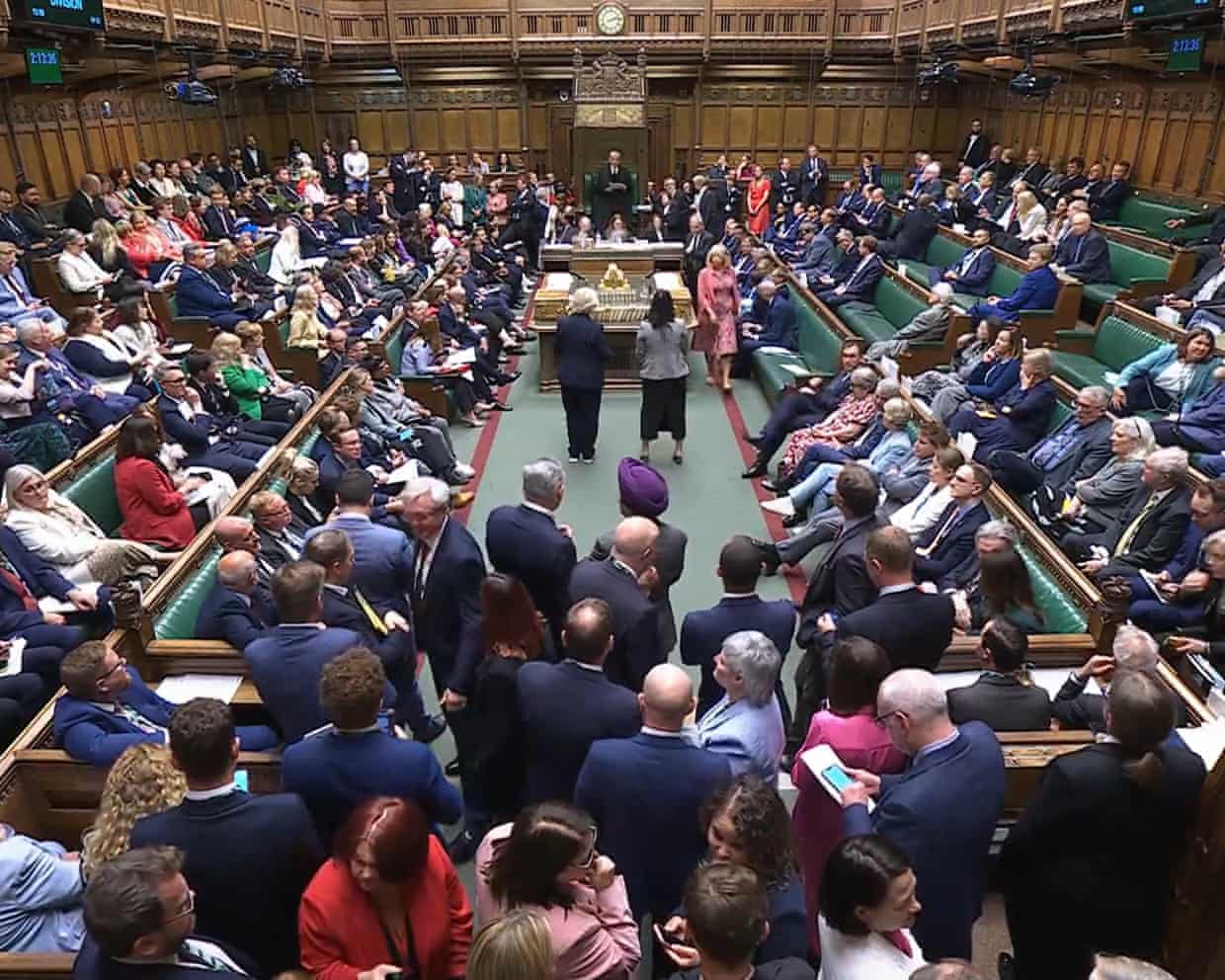
MPs’ basic salary to rise to £110,000 by end of parliament, watchdog says
The basic annual salary of MPs will soon rise to £110,000, the expenses watchdog has said, on the grounds of increased abuse and intimidation as well as growing constituency workloads.This April, MPs’ basic pay will rise by almost £5,000 to £98,599, a jump of 5% – and it is expected to reach £110,000 by the end of the parliament.The Independent Parliamentary Standards Authority (Ipsa) said the pay had been benchmarked against other similar roles in the public sector as well as parliamentarians around the world in similar democracies.It awarded an increase that was significantly above inflation – a 3.5% increase for the cost of living and a further 1
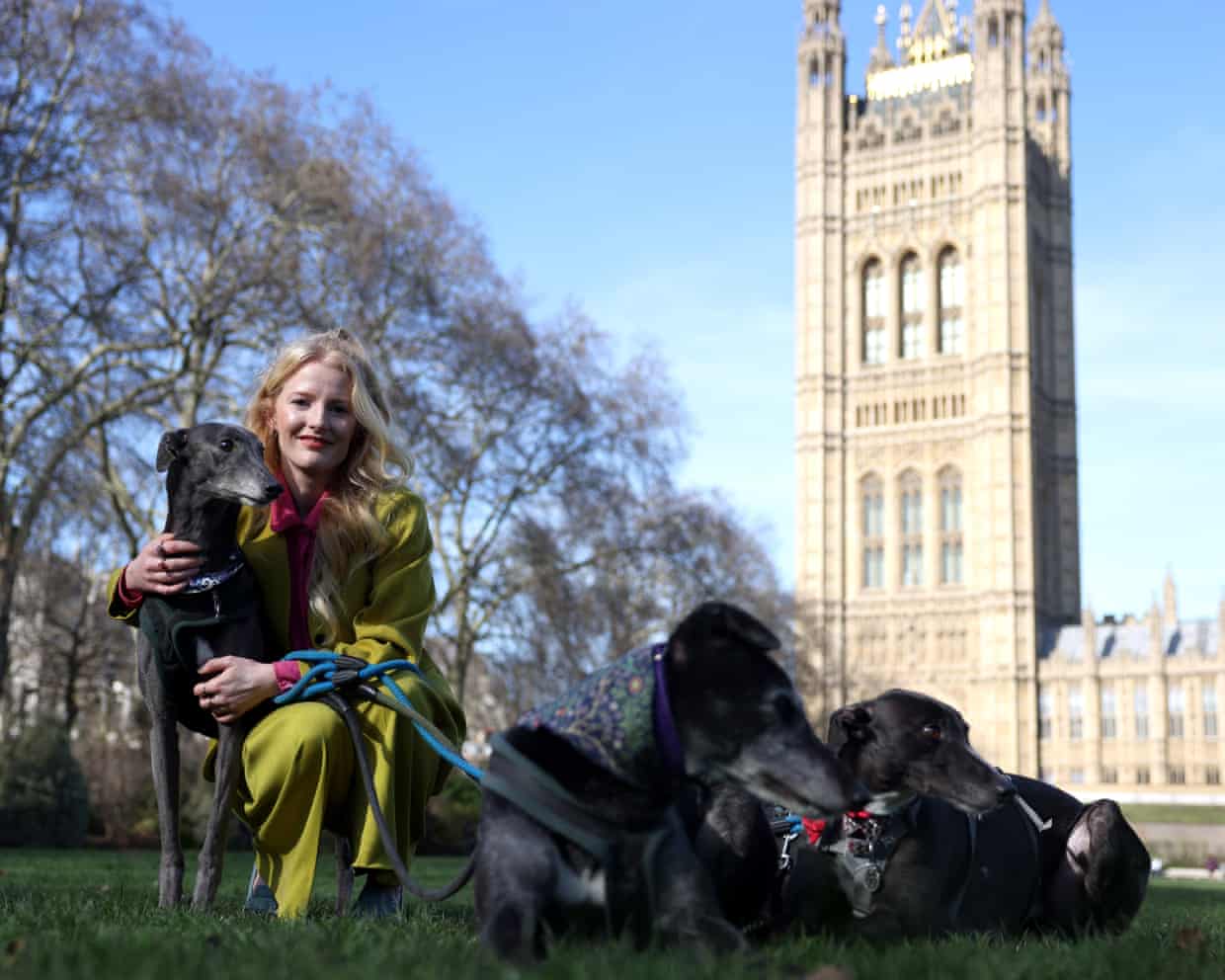
Farage emulating ‘his hero Trump’ in deriding byelection results, says new Green MP
Nigel Farage has been accused of Donald Trump-style election denial by the Green party’s new MP for Gorton and Denton, after he claimed her Reform rival “came first” among British-born voters in last week’s byelection.Hannah Spencer, a local plumber and councillor, was elected as the party’s first MP in northern England last week after winning 14,980 votes, more than 4,400 ahead of Reform’s candidate, who came second.After the election, Reform reported allegations of “family voting” – where people appear to collude on votes in breach of secret ballot rules – to Greater Manchester police and the Electoral Commission.Outlining a new Reform policy that he said would allow only British citizens to vote in parliamentary elections, Farage added: “I’m absolutely convinced that amongst British-born voters, Matthew Goodwin came first in their election last week. Of that, I have absolutely no doubt whatsoever
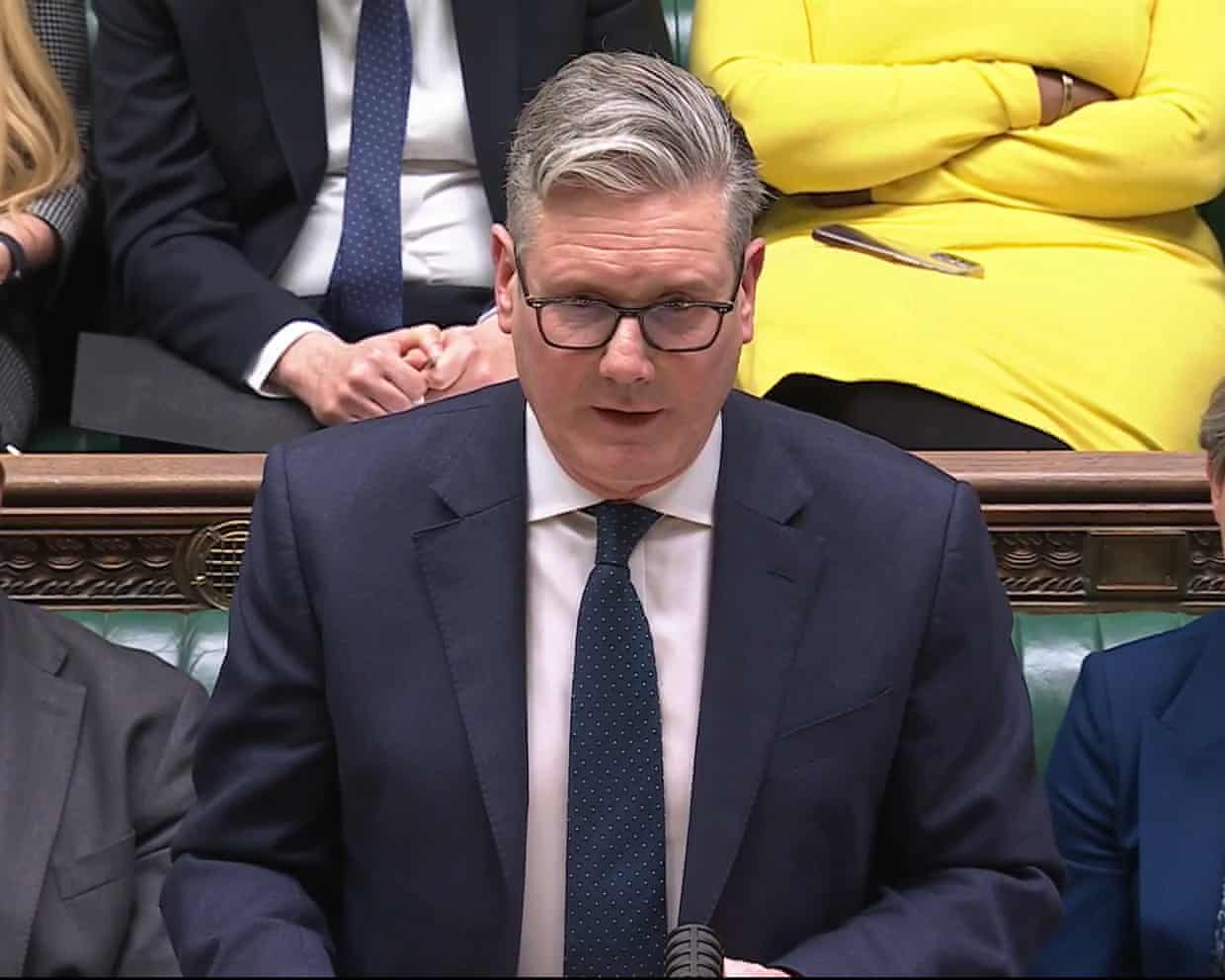
Starmer says UK ‘not joining strikes’ on Iran but will continue defensive action – as it happened
In a statement that stressed Britain was not involved in the initial wave of attacks on Iran, Starmer said that the country will not join the US and Israel in offensive strikes. Instead the UK will focus on “defensive actions”.Starmer added that the US will use British bases for similar purposes, with a goal of destroying Iran’s capability to fire more missiles.“We were not involved in the initial strikes on Iran, and we will not join offensive action now, but in the face of Iran’s barrage of missiles and drones, we will protect our people in the region, and support the collective self-defence of our allies, because that is our duty to the British people,” he said.“It is the best way to eliminate the urgent threat, to prevent the situation spiralling further, and support a return to diplomacy
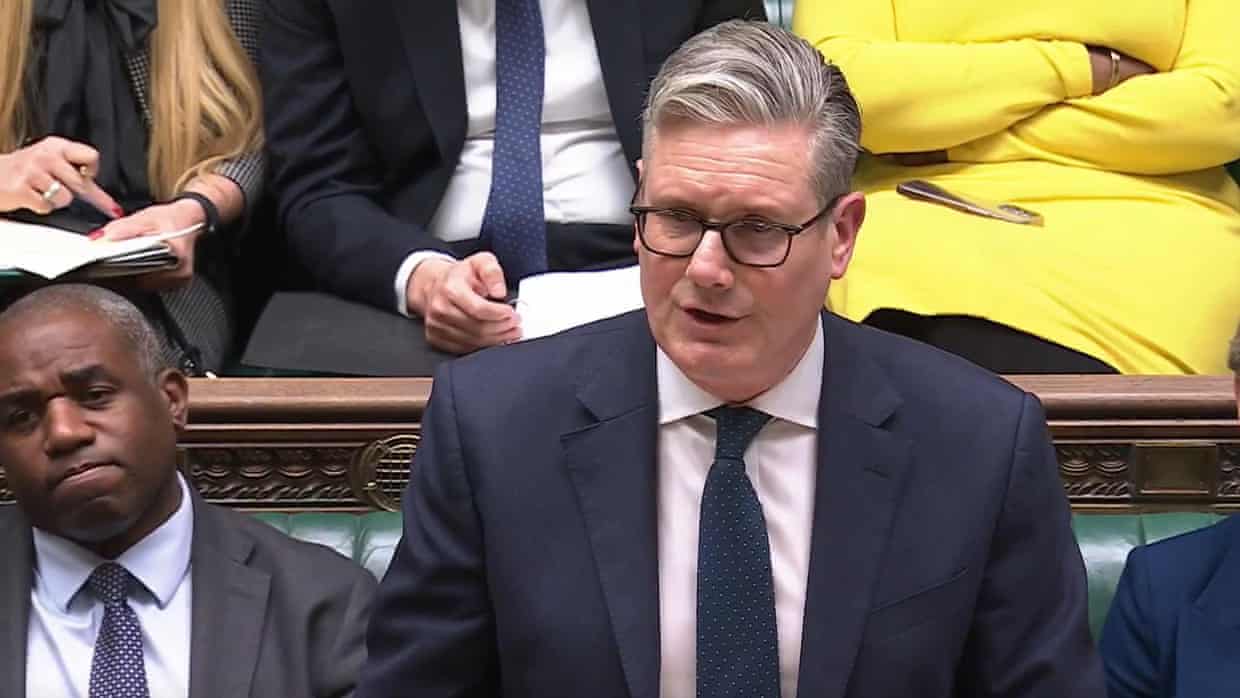
Starmer says UK will not join ‘regime change from the skies’ on Iran
Keir Starmer has issued his strongest rebuke yet of Donald Trump’s action in Iran, saying the UK did not believe in “regime change from the skies”.The prime minister said the UK would not join offensive strikes by Israel and the US on Iran, but defended his decision late on Sunday to permit the US to conduct defensive strikes on Iranian missile sites from RAF bases, saying that was “the best way to protect British interests and British lives”.As MPs urged Starmer not to allow the UK to be dragged further into the conflict, Starmer suggested he had qualms about the US action and plans in place for the aftermath of the strikes.“We all remember the mistakes of Iraq, and we have learned those lessons. Any UK actions must always have a lawful basis, and a viable thought-through plan,” he said
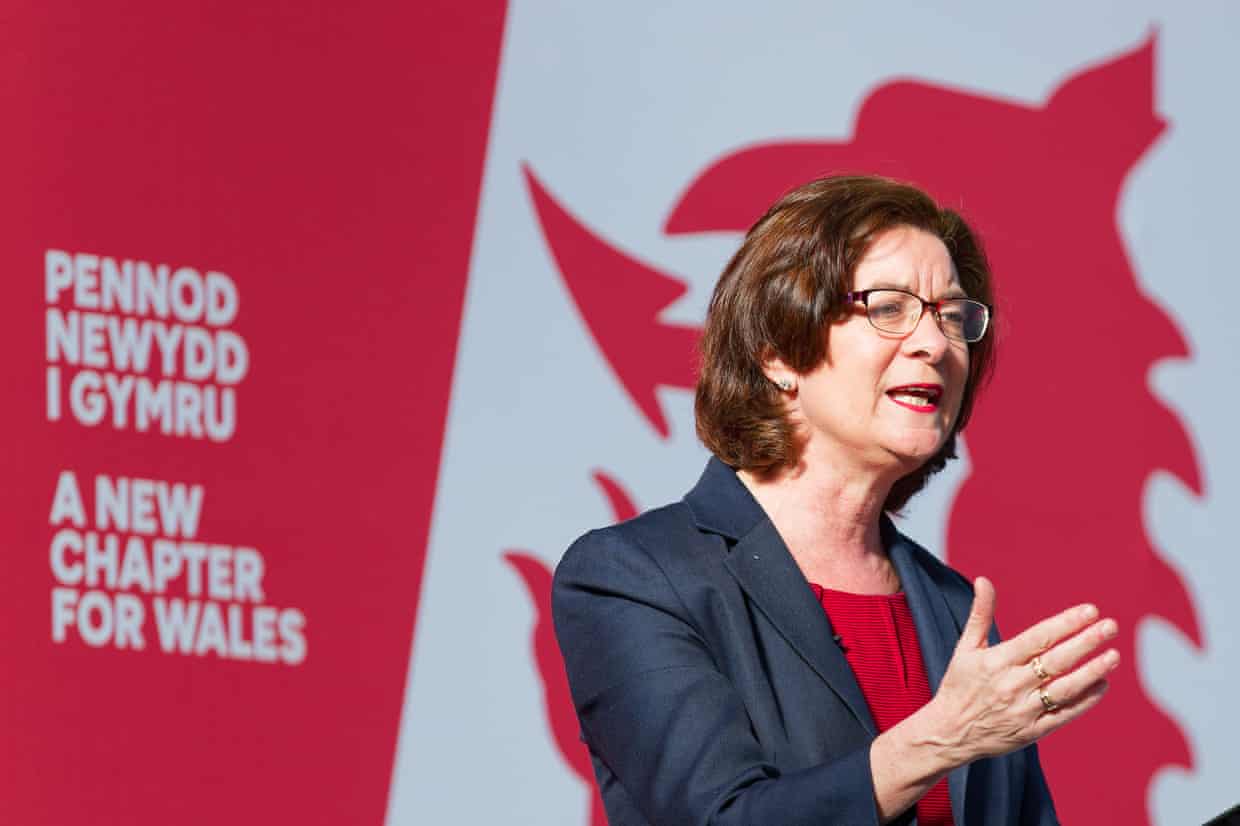
Welsh Labour leader begins party’s uphill battle for Senedd victory
The leader of Welsh Labour, Eluned Morgan, has said her party is a patriotic protector of her country as she tries to fend off the twin threats of Plaid Cymru from the left and Reform UK from the right.Launching Welsh Labour’s Senedd election campaign, the first minister said: “Welsh Labour will always be proud to be patriots and to stand up for our country. I’ve always been a patriot. It is absolutely central to my core political beliefs.”Morgan chose the market in Newport, south-east Wales, as the venue for the campaign launch and invoked the spirit of the Chartists, who marched there in 1839 to demand democratic reform
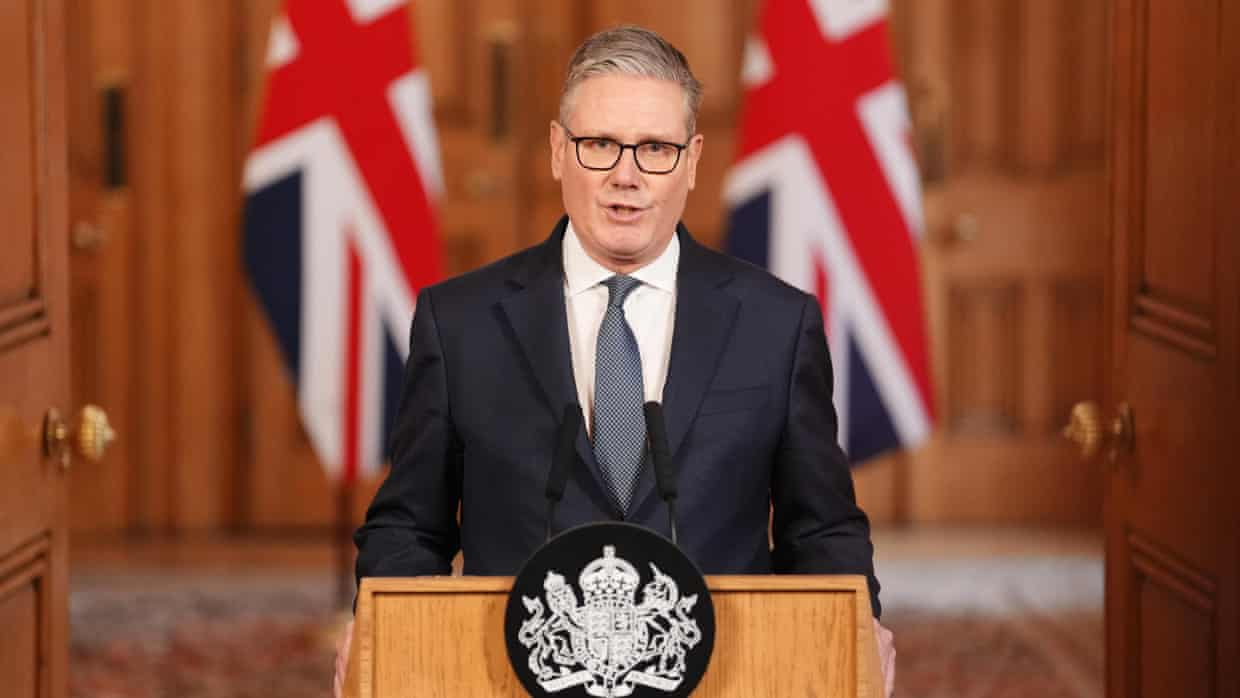
UK to allow US to use British bases for defensive strikes against Iran
The UK has agreed to let the US use British military bases to attack Iranian missile sites, Keir Starmer has said.The UK has so far not been involved in the US-Israeli strikes on Iran, but in a recorded statement on Sunday evening, the prime minister said that Iran’s approach was becoming more reckless and putting British lives at risk, leading to the decision to allow the US to use two of its military bases.Within hours of the prime minister’s statement, the UK’s Akrotiri air force base in Cyprus was hit by a suspected drone, with only “minor damage” and no casualties.The government also released a summary of its legal position, saying: “The UK is acting in the collective self-defence of regional allies who have requested support.”Revealing that 200,000 British people are in Middle Eastern countries being targeted by Iran, Starmer said: “The only way to stop the threat is to destroy the missiles at source in their storage depots or the launchers which are used to fire the missiles
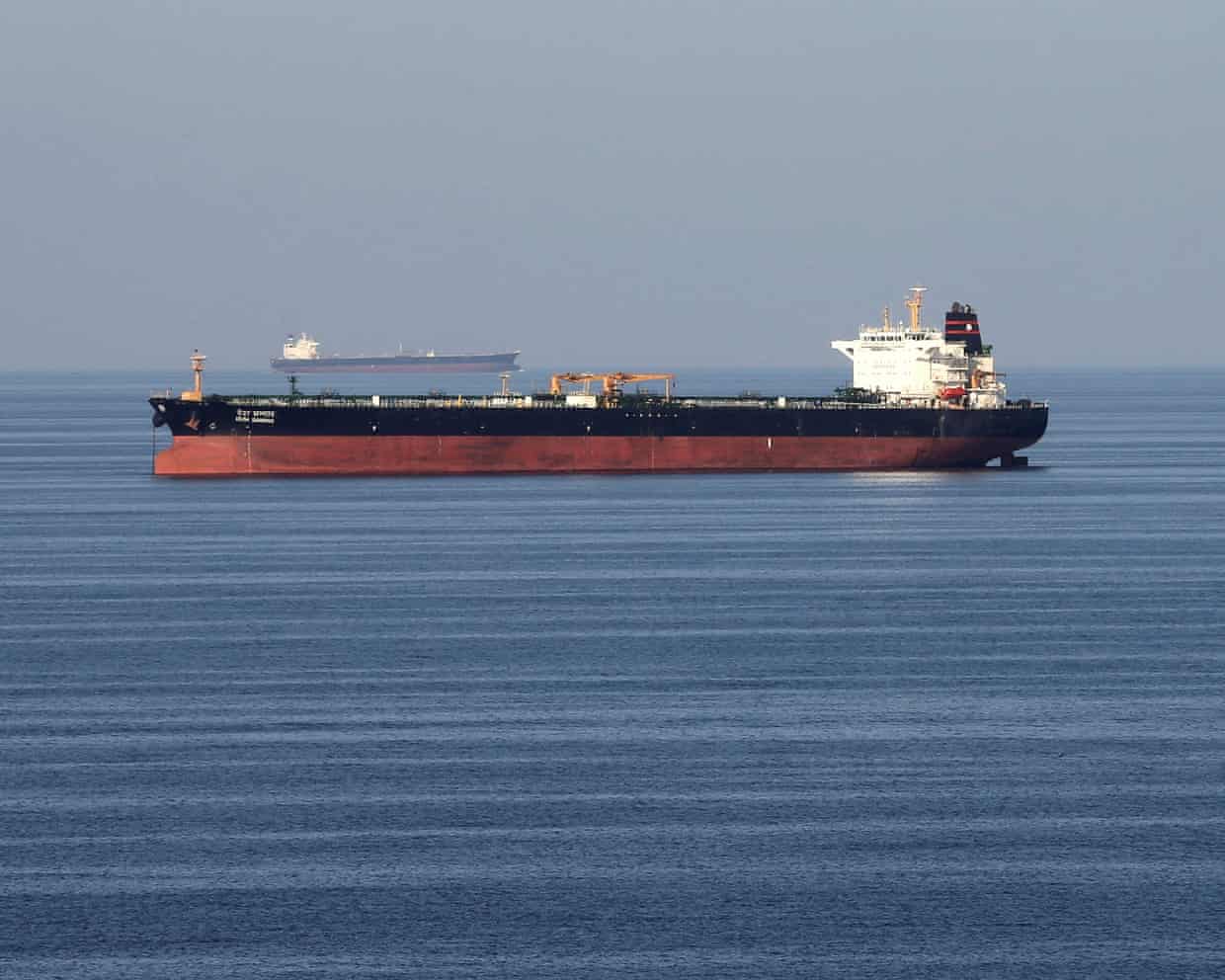
Maritime insurers cancel war risk cover in Gulf as Iran conflict disrupts shipping

BrewDog bought by US cannabis and drinks firm for £33m, costing nearly 500 jobs

McDonald’s CEO’s awkward taste test sparks mocking online: ‘His aura screams kale salad’
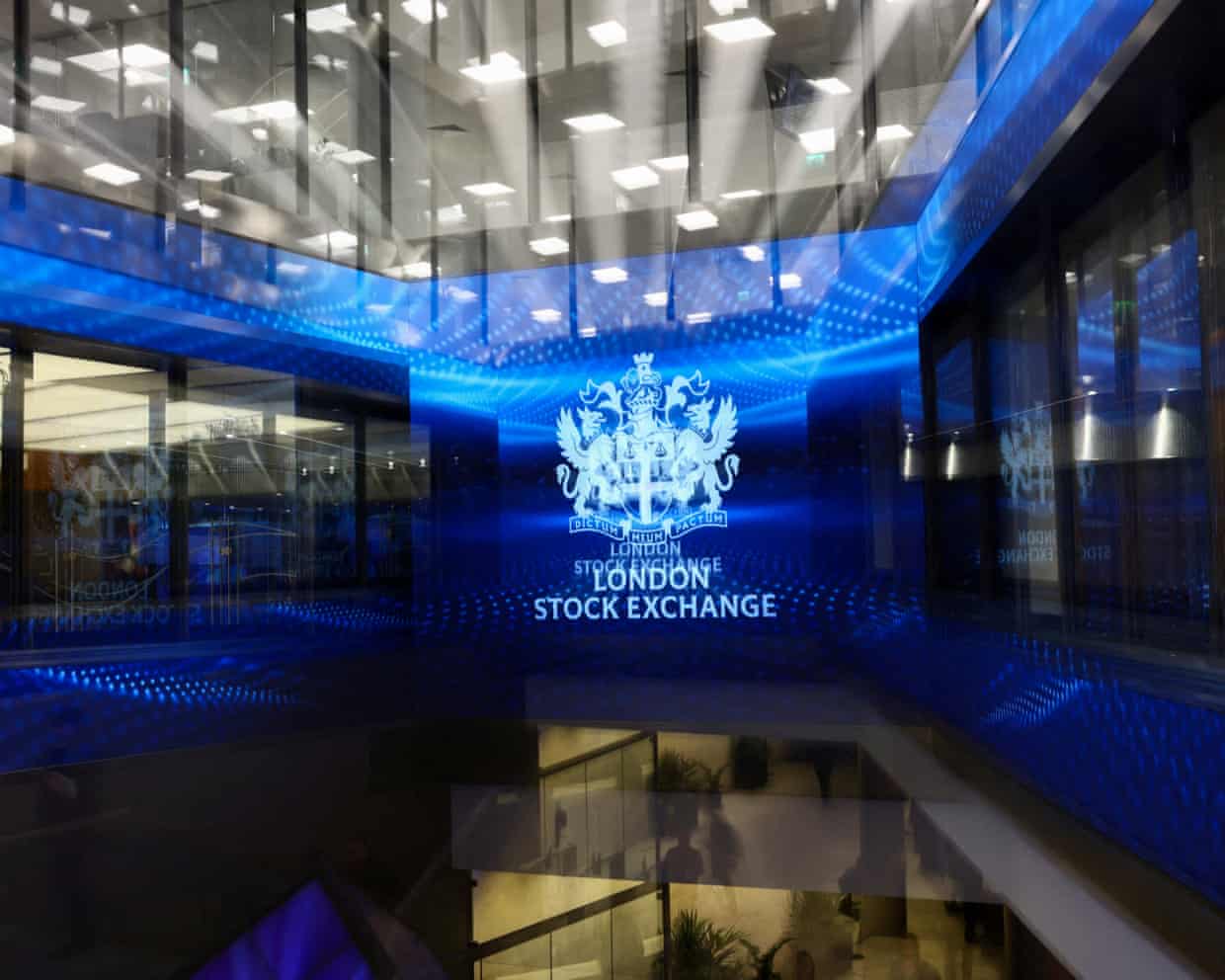
FTSE 100 share index records biggest fall since November as Iran war drives up oil and gas prices – as it happened
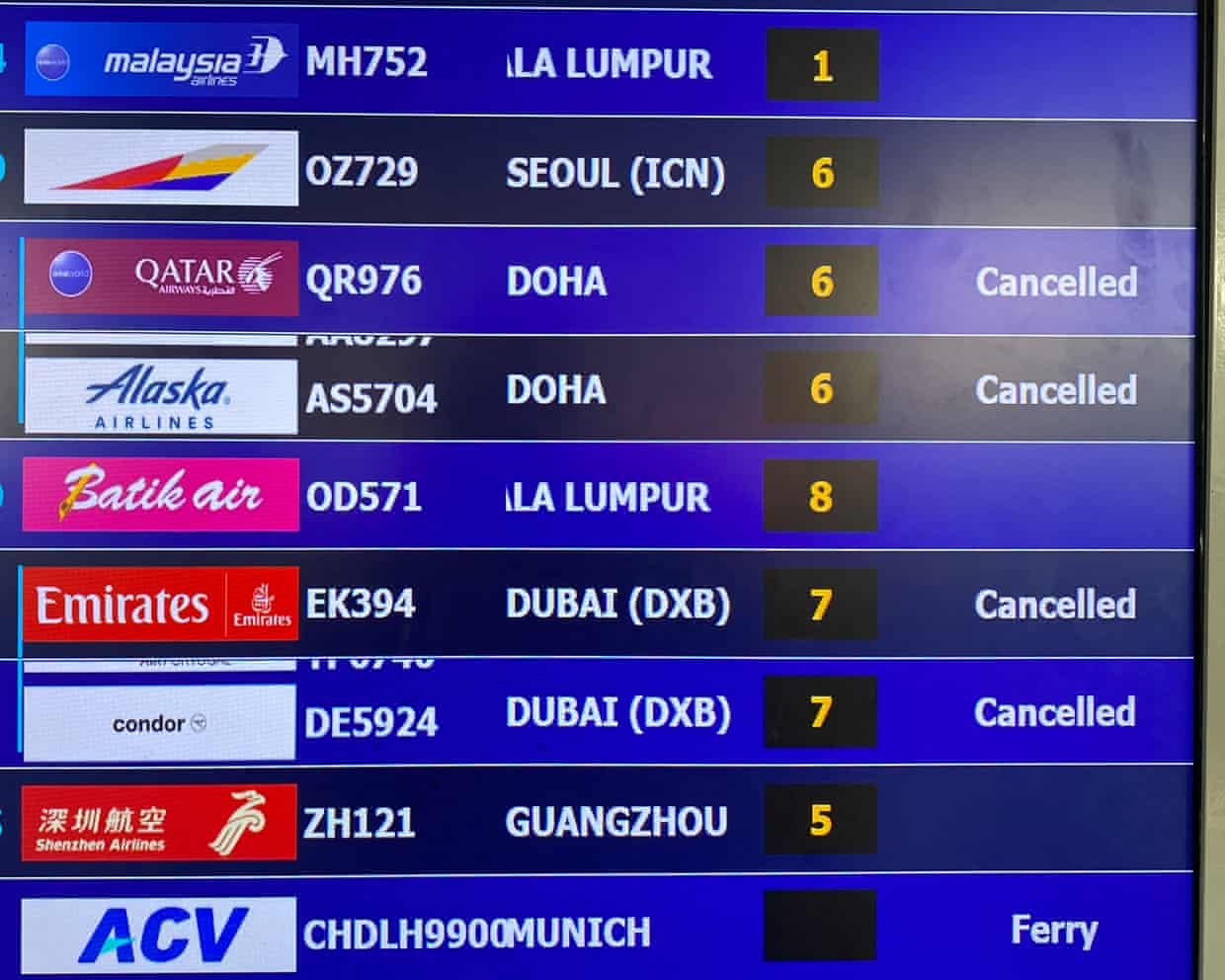
What to do if your flight is cancelled due to the US-Israel war on Iran
UK competition watchdog investigates hotel groups over alleged data sharing