Starmer vows to tackle social media’s ‘addictive features’ to protect children

Keir Starmer has said he will tackle “addictive features” in social media amid increasing signs the UK government is preparing to crack down on risks to children after a US court verdict that held Meta and YouTube responsible for harms caused by designing addictive technology,The prime minister said the verdict in a California court signalled a rising public expectation for more aggressive regulation and said: “I’m absolutely clear that we need to go further,”“The status quo isn’t good enough,” he said,“We need to do more to protect children,That’s why we’re consulting about issues such as banning social media for under-16s.
I’m very keen that we do more on addictive features within social media,”Jurors in the US found the tech companies to be negligent, having failed to provide adequate warnings about the potential dangers of their products,The jury awarded the plaintiff – a 20-year-old woman who said she became hooked on social media as a child – damages of $6m (£4,5m), with Meta to pay 70% and YouTube the remainder,The Duke and Duchess of Sussex were among campaigners celebrating the verdict, calling it “a reckoning”.
“For too long, families have paid the price for platforms built with total disregard for the children they reach,” they said in a statement.“We stand with every parent and young person who refused to be silenced.“Today, the truth has been heard and precedent has been set.Let this be the change – where our children’s safety is finally prioritised above profit.”Google, which owns YouTube, said it would appeal against the jury verdict, which came after nine days of deliberation in the first lawsuit concerning social media’s alleged harm to young people to go to trial.
“We disagree with the verdict and plan to appeal,” said a spokesperson for Google.“This case misunderstands YouTube, which is a responsibly built streaming platform, not a social media site.”Meta had previously said: “We respectfully disagree with the verdict and are evaluating our legal options”.In Brussels, Henna Virkkunen, the European Commission’s digital chief, said the case, along with similar pending cases, would send “a very clear message” that online platforms needed to take seriously “the risks they are posing”.Other campaigners for safer social media welcomed the jury decision as a potential watershed in efforts to reform the way platforms such as TikTok, Instagram and X are regulated.
“The ruling will rightly send shock waves across the tech sector and governments and highlights how we need to legislate for safer tech that protects young people and their wellbeing,” said the Molly Rose Foundation, which was set up after the death of 14-year-old Molly Russell who was exposed to harmful content on Instagram.“[The government] can make safety and wellbeing the price for tech firms to pay for doing business in the UK.”“Ethically, this has to serve as a warning for the wider technology sector,” said Thomas Lancaster at Imperial College London’s department of computing.“It’s fine to have policies regarding who can use your service, but if these policies can’t be enforced, that is putting the people at risk – the very people who the policies are designed to protect.”With more similar cases pending in US courts, Sacha Haworth, the executive director of the Tech Oversight Project, told Reuters: “The era of big tech invincibility is over.
After years of gaslighting from companies like Google and Meta, new evidence and testimony have pulled back the curtain and validated the harms young people and parents have been telling the world about for years.”

Creator of AI actor Tilly Norwood says she received death threats over project
The creator of the AI actor Tilly Norwood has said she received death threats after a global backlash against the project, and said she developed it to “provoke thoughts and discussion” about the impact of AI in the entertainment world.Eline van der Velden caused anger and panic in Hollywood and beyond last year after she said talent agents had been interested in signing her creation. Prominent actors and acting unions immediately condemned the idea.In an interview with the Guardian, Van der Velden said she had been prepared for a backlash against the provocative idea of AI performers. However, she said she was “quite shocked by the vitriol” that followed
Charity Commission warns Alan Turing Institute of its legal duties after complaints
The board of the UK’s leading AI research institute has been reminded of its legal duties in areas such as financial oversight and managing organisational change by the charity watchdog after a whistleblower complaint.The Charity Commission issued formal regulatory advice and guidance to trustees at the Alan Turing Institute (ATI), the organisation’s board, after it was contacted by a group of staff with a list of concerns.The commission told ATI it was closing the case and was not launching a statutory inquiry – a formal investigation. However, the watchdog said if there was evidence of trustees ignoring its advice, it could resume contact with the institute.The commission launched a compliance case related to ATI after receiving the complaint last summer
Meta and YouTube designed addictive products that harmed young people, jury finds
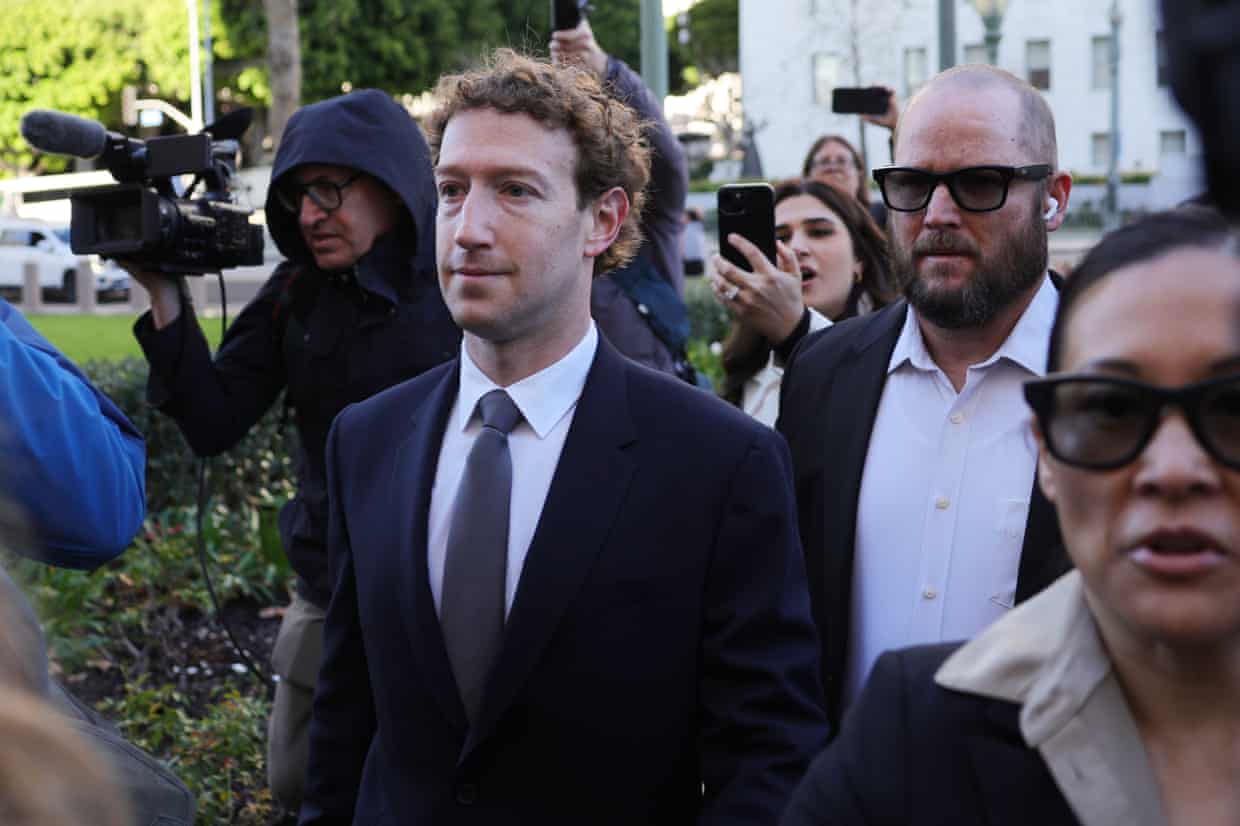
Meta and YouTube have been found liable for deliberately designing addictive products that hooked a young user and led to her being harmed, a jury ruled on Wednesday. Jurors found the tech companies to be both negligent and having failed to provide adequate warnings about the potential dangers of their products.The jury awarded the plaintiff in the case damages of $6m, with Meta to pay 70% and YouTube the remainder. It took nearly nine days of deliberations for the Los Angeles jury to reach its verdict. This lawsuit, over social media’s alleged harm to young people, was the first of its kind to go to trial

Record investment in quantum computing talent | Letter
Dr Simon Williams (Letters, 19 March) writes that ambition in quantum computing cannot succeed without sustained investment in people and fundamental science. He is correct on that point, but wrong to say that UK’s investment plans risk losing quantum computing talent.The UK’s advantageous position in quantum has only emerged through sustained long-term public investment from UK Research and Innovation (UKRI) and partners into fundamental physics research projects, and the best people, infrastructure and partnerships. It is through this that the UK is poised to reap the benefits of the quantum revolution.In the last 10 years, UKRI’s councils have made investments in physics research, supporting hundreds of academics and building the foundation for where we are today
UK iPhone users face over-18 age check to use services after update
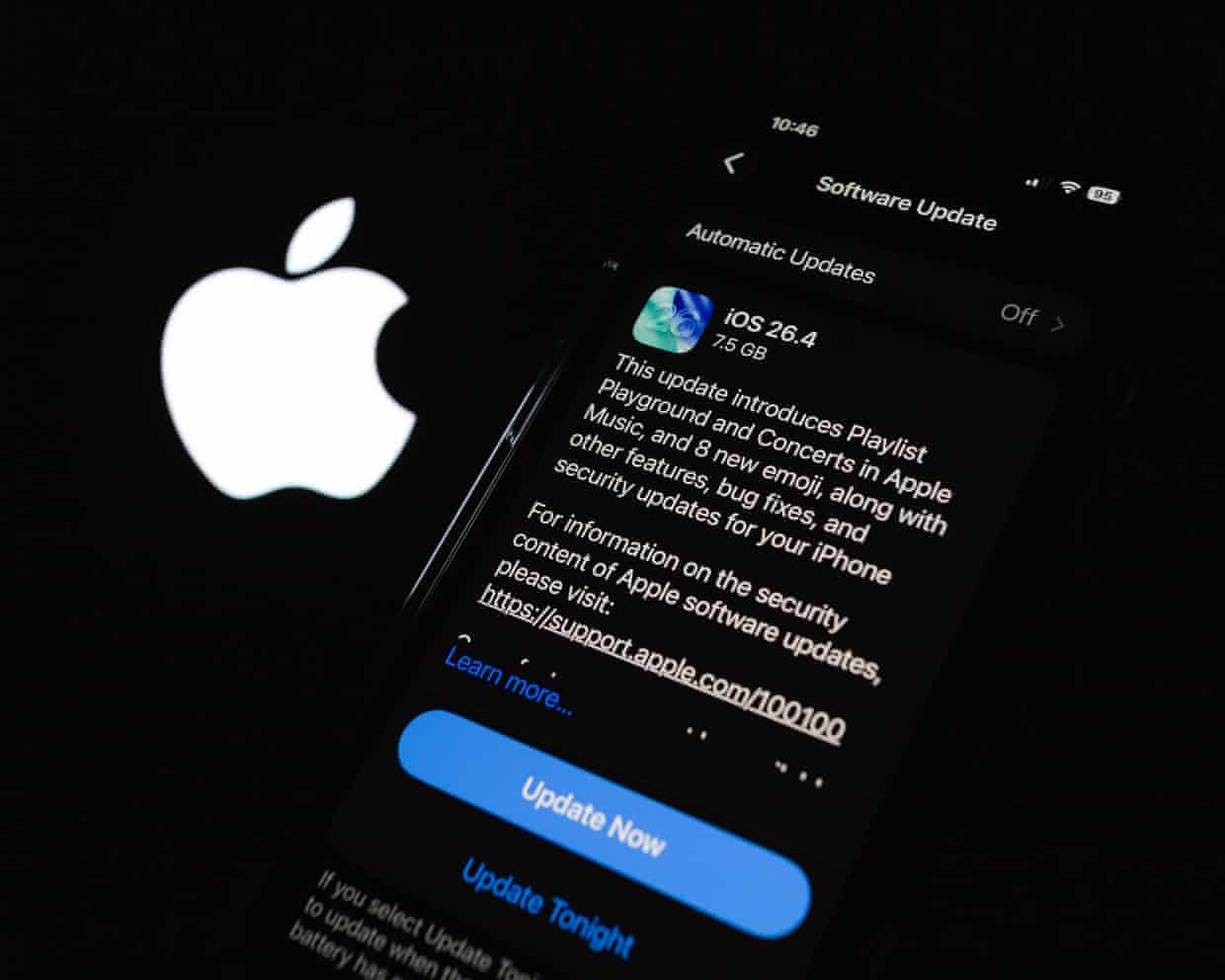
Millions of Apple iPhone customers in the UK will now have to confirm they are 18 or older to use all available services, including by showing a credit card or by scanning an ID.The move, believed to be a first for a European market, comes amid pressure on tech companies from the government to do more to protect children online.The new requirement will be included in a software update. It was welcomed by Ofcom, the online regulator, which called it “a real win for children and families” and said it was part of a wider drive to “keep young people away from harmful content”.However, some users complained that it raised concerns about the privacy of the information that is uploaded to prove age

What are the rules on cryptocurrency donations to UK political parties?
Ministers are introducing a temporary ban in cryptocurrency donations following an official review.Philip Rycroft, a former senior civil servant, made the recommendation as part of a review into countering foreign financial influence and interference in UK politics.Rycroft said the moratorium would allow regulators to catch up, although a full ban was not deemed necessary. Nonetheless, “there is a risk that crypto assets are used as a vehicle to channel in foreign money”, he said.Donations of crypto assets – such as bitcoin, stablecoins and non-fungible tokens – to political parties are not illegal, although the moratorium will put these on hold
UK politics: Trump says UK’s aircraft carriers are just ‘toys’ – as it happened
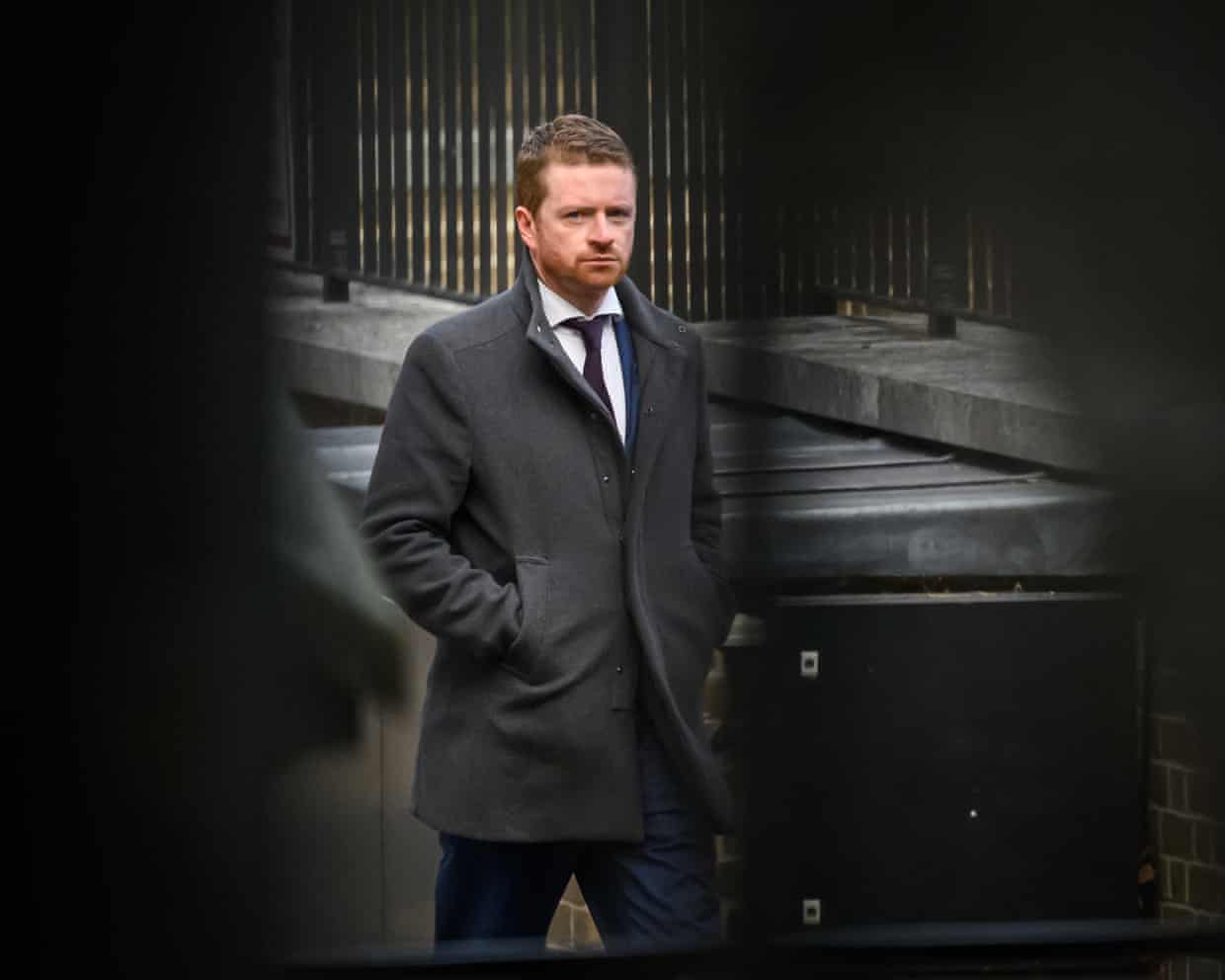
Tories are convinced McSweeney’s phone is the only one in London not to have been stolen | John Crace

Orgreave inquiry formally under way into policing during miners’ strike

Starmer tells Travelodge boss to engage with MPs over sexual assault case
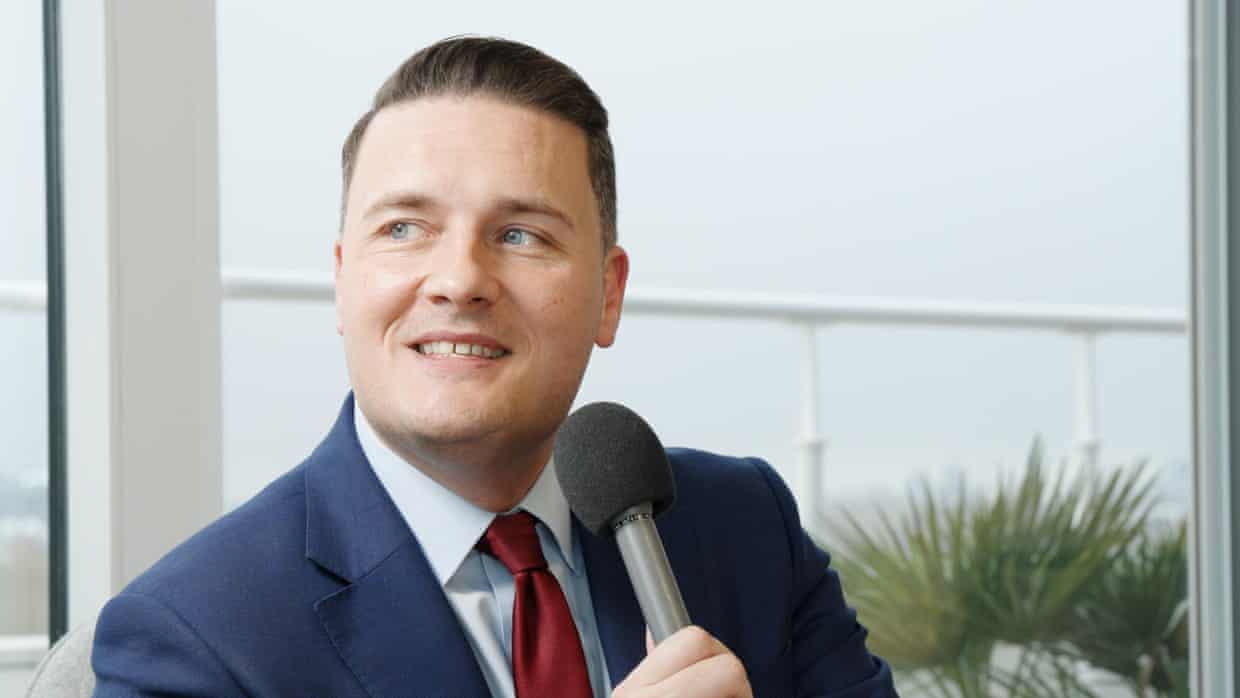
‘Give the guy a chance’: Wes Streeting says he does not want Starmer ousted
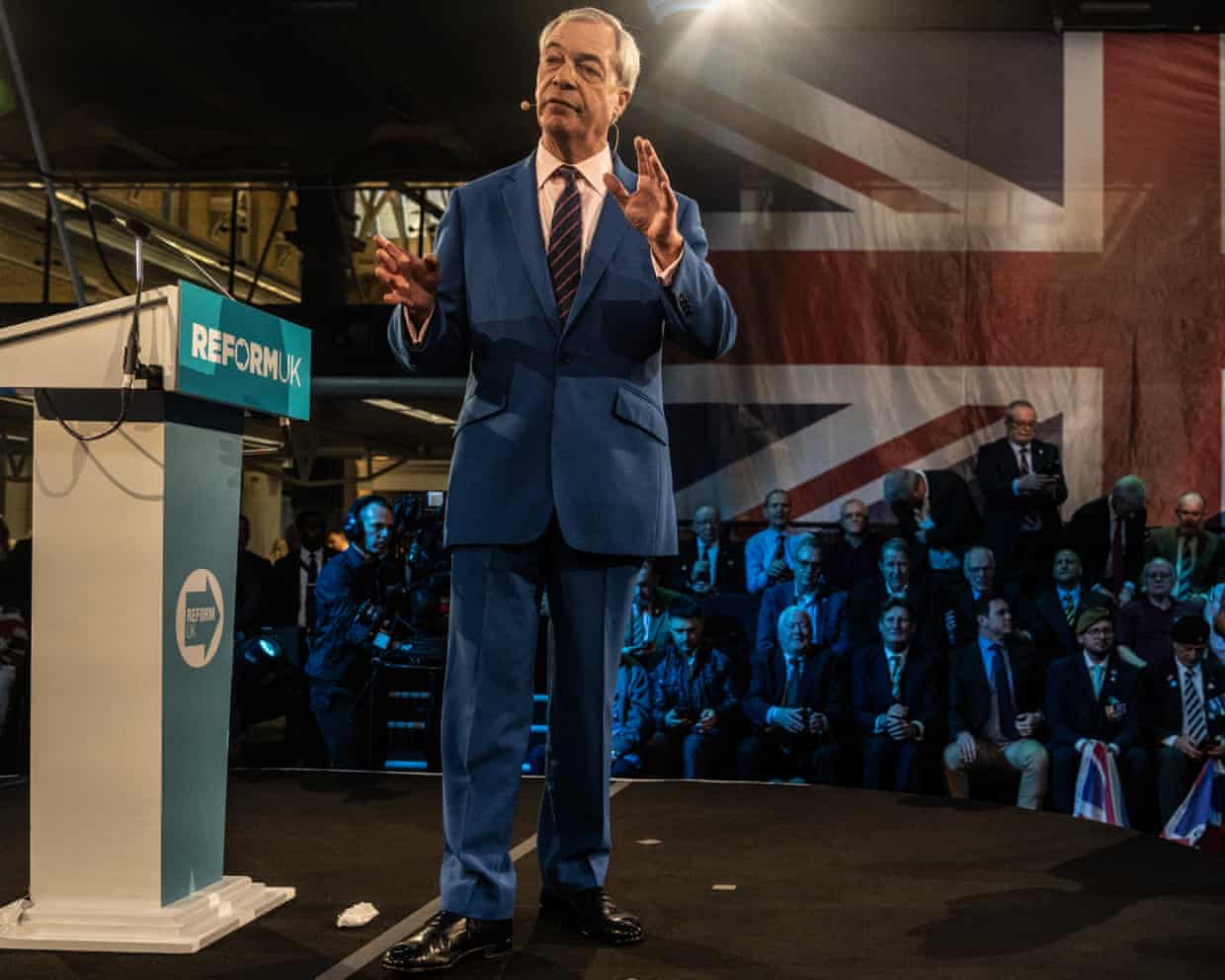
Overseas political funding capped and crypto donations blocked in blow to Reform UK