Paris paradox: did Borthwick liberate England or was it down to player power? | Gerard Meagher
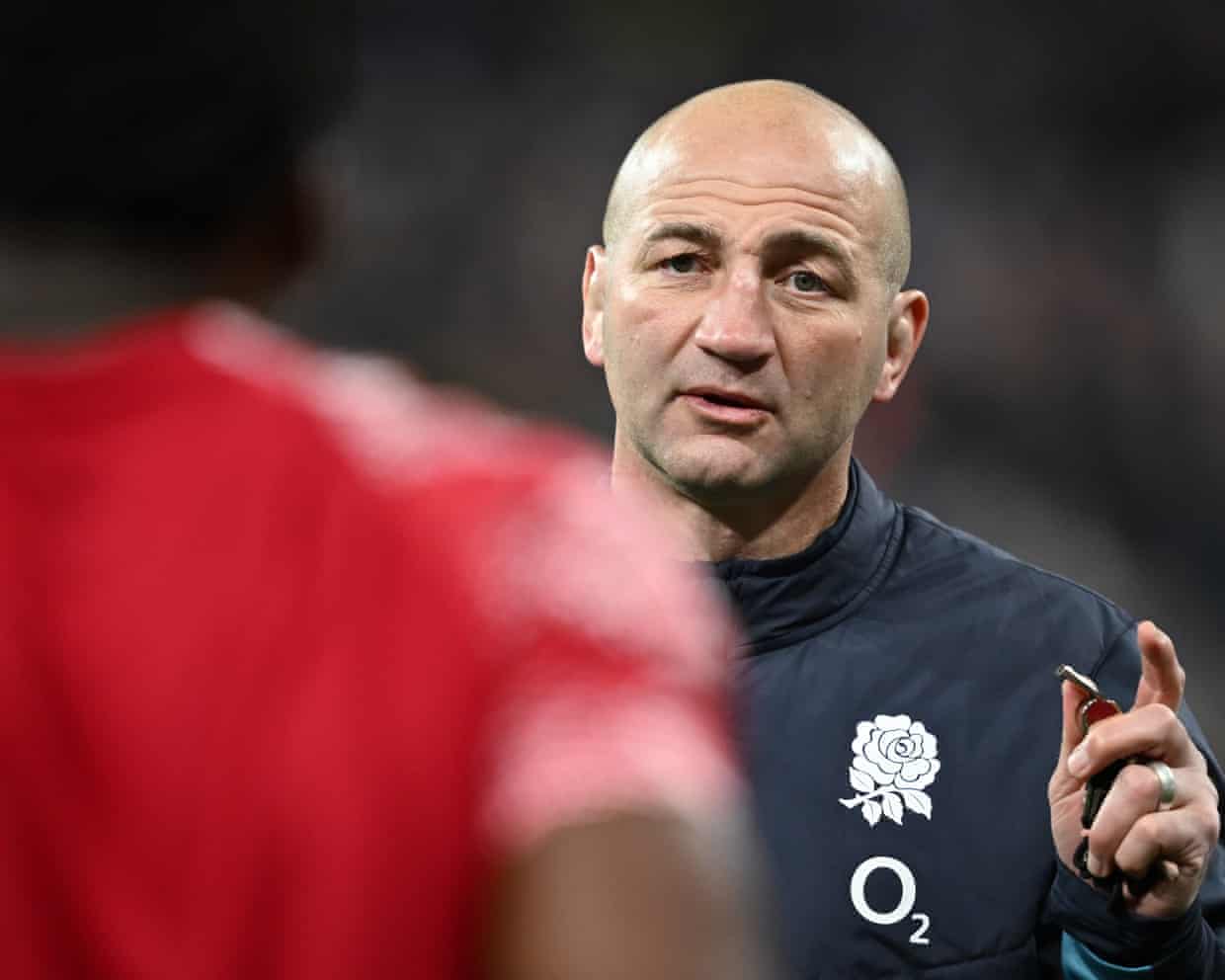
Did England play like that because of Steve Borthwick or in spite of him? For all that the Rugby Football Union will deep dive, look under the bonnet, get into the weeds – pick your own favourite bit of corporate speak – it is the fundamental question that Bill Sweeney and his review panel must ask in the coming weeks.Did Borthwick liberate his players against France, or did they take matters into their own hands?As usual, the panel will include input from Sweeney and Conor O’Shea as well as those from outside the building who insist on anonymity.It is said that despite the huge upswing in performance in defeat against France, the RFU is still determined to establish what went wrong during this Six Nations.That is a positive sign because when the dust settles, this still goes down as their worst-ever championship.The noises coming from the RFU suggest that they will not be blinded by the razzle-dazzle in Paris, that Borthwick still has a case to answer.
A memo for Sweeney: do not drown in a deluge of data, do not get bogged down in too much detail.Address England’s desperate discipline, scrutinise Richard Wigglesworth’s role as coach of a porous defence, the absence of clear thinking in the final minute, but do not conclude that improvements in “lower body strength and appropriate skill modifications” are needed to resolve breakdown indiscipline, as was bizarrely the case in 2021.Instead, Sweeney must assess what was behind the renewed approach against France, and what will ensure England stick to it in the future.If Borthwick instigated it, if it was all smoke and mirrors that they would double down on the kicking gameplan, it does not paint him in a particularly good light because the obvious question is why it took until round five for England to perform in a manner that captivates supporters.Different opponents require strategic tweaks but England were unrecognisable in outlook and approach in Paris.
If it was the players, then it hints at a questioning of Borthwick’s authority.There has been nothing emanating from the camp that suggests even a jot of mutiny, whether uttered publicly or privately, but there is a difference between revolt and taking responsibility.The manner in which Maro Itoje has extolled the virtues of showing character of late certainly suggests that the penny has dropped that rugby by numbers will only get you so far.Indeed, Sweeney and his panel must be rigorous in ascertaining what the players think.Clearly, there is backing for Borthwick, for the “clarity” he brings, for the environment he cultivates, but how do the players really react when they are asked to tighten up because, as Saturday night showed, there is so much talent with which to let loose?“It would have been so easy for us to splinter off, and I’ve been part of many teams that have, and there’s been whispers in corridors and there’s been doubts about gameplan and personnel,” said Jamie George in the aftermath of Saturday’s match.
“Honestly, there has been none of it.We’ve been clear.We’ve been confident in the people that we have, staff and players, and we have stayed so tight.Our togetherness has been a huge strength of the team for 12 plus months.”The next pressing question for the panel to address is why England so often need their backs against the wall to produce a performance like Saturday’s.
Ollie Chessum was in a prickly mood all week.He addressed the squad the night before and proceeded to deliver his best performance in an England shirt.His furious celebration after his first try was, in microcosm, a demonstration of the passion and intensity with which England played.But why does it take a feeling that they have been slighted for England to find the right emotional pitch?Is it an indictment of Borthwick and his coaches’ inability to press the right buttons, is it further evidence of overdue accountability being taken by the squad or is it something deeper than that? Because, while Borthwick’s tenure has been pockmarked by performances born out of intense scrutiny, it is a problem that predates him.Perhaps it is a problem with the English psyche because playing with “character” is far easier when there is a common, higher cause to fight for.
For some, such as South Africa, it is unbridled patriotism.For others, it is for the head coach, as demonstrated by Scotland’s response to their opening defeat by Italy in support of Gregor Townsend.For England, there are blurred lines between patriotism and nationalism while their performances against Scotland and Ireland did not look like a squad fighting for their coach.Then came their Parisian riposte and a willingness to fight for a collective cause amid a feeling of being chastised.Hell hath no fury like an English rugby player scorned.
“It’s an excellent programme as a whole,” George said,“Honestly, the togetherness and how tight we have been over this period of time is the biggest indicator that the right people are in the room,Not many other teams would go out and perform like that under that sort of pressure,” That may be so but the key issue will be whether the RFU believes this current England environment is set up to ensure performances like that continue,
Row over tuition fees cut for European students threatens Starmer’s EU reset
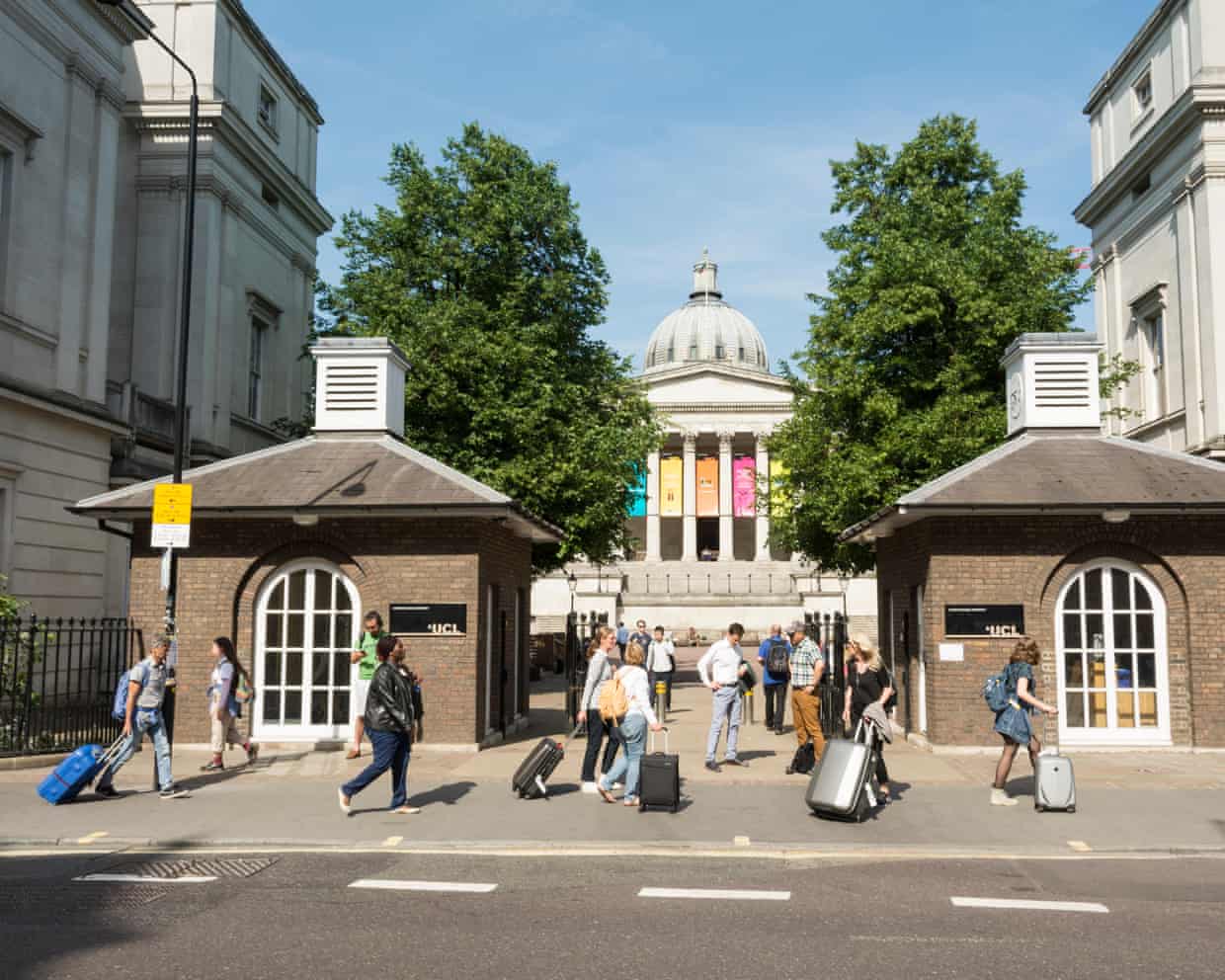
Britain is in a standoff with Brussels over a demand to cut university tuition fees for European students, in a row that threatens to scupper Keir Starmer’s planned EU reset.EU officials say European students should pay “home” fees of about £9,500 a year in England and Wales as part of the negotiations over a youth mobility scheme, rather than the higher international rate, which can rise above £60,000. European students would also pay the domestic rate in Scotland, which is set at £1,820 a year, although most Scottish students qualify for free tuition. Fees for Irish students In Northern Ireland are generally capped at £4,855.However, British negotiators say they have been blindsided by the demand, which they say was not mentioned in the framework agreement signed last year and would cost British universities an estimated £140m a year
UK needs nuclear deterrent independent from US, Ed Davey to say
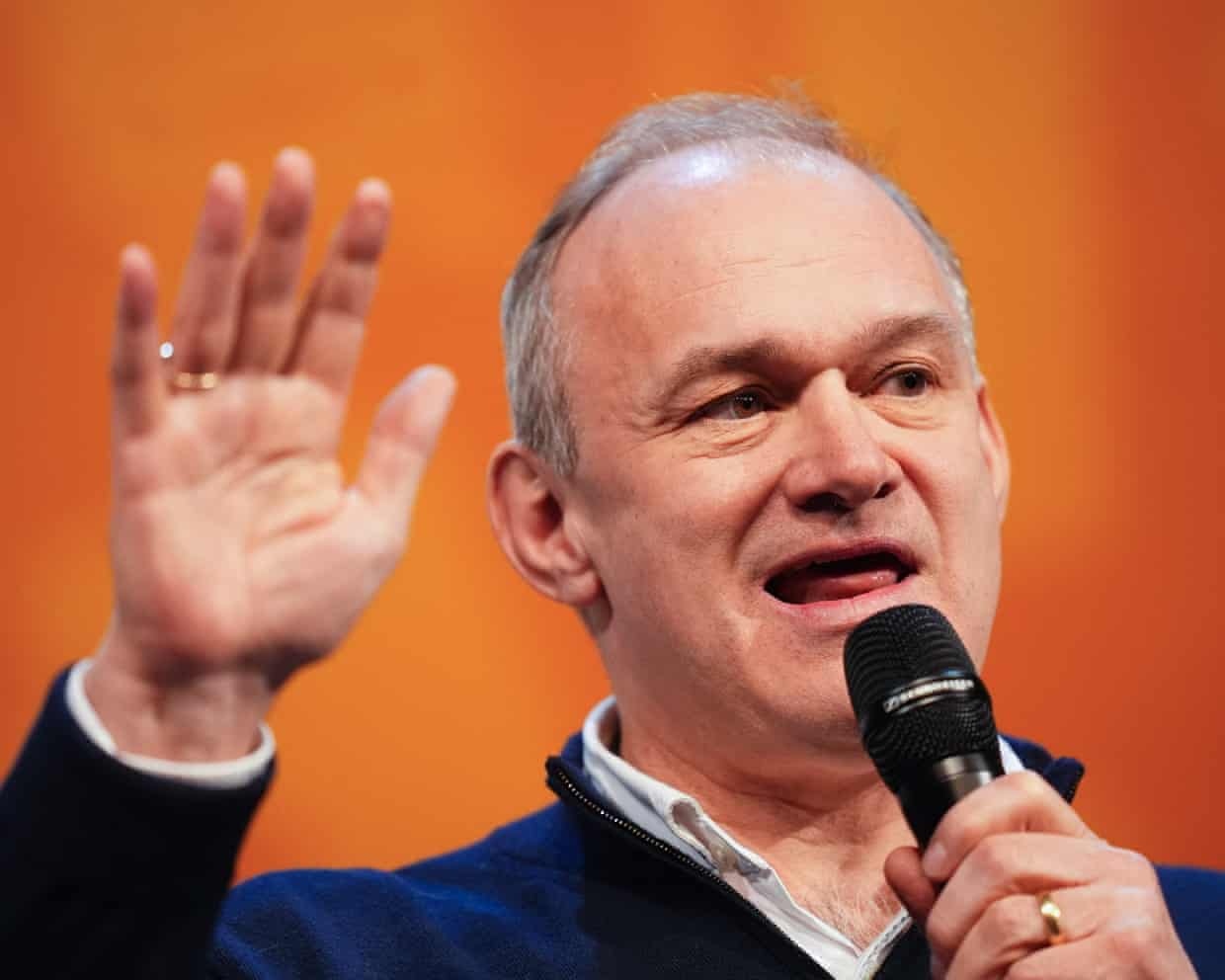
Britain should have a completely independent nuclear deterrent as it can no longer rely on the US, Ed Davey is expected to say on Sunday.In a speech at the Liberal Democrats spring conference, the party leader will argue that the UK should manufacture and maintain its nuclear weapons in Britain, a move that Davey acknowledges will cost billions.Davey’s speech will come amid his claims that the US president, Donald Trump, has made his support for European security “conditional” on his personal whims.“While Trump is in charge, we certainly cannot rely on America as a dependable ally in the way we used to,” Davey will say. “And we can no longer bet our nation’s security on the hope that the US won’t produce new versions of Trump in the future

Reform UK government would replace top civil servants with those ‘more likely to implement party’s priorities’
A Reform UK government would expect to dismiss the top civil servant in every government department and replace them with people seen as more likely to implement the party’s priorities, the Guardian has learned.Senior Reform figures have concluded that the current crop of permanent secretaries, the lead civil servant in each department, are not up to the necessary standard. Some would be replaced by outsiders, and others by existing officials viewed as more suitable.The plan has prompted warnings that a shift towards a less stable and more politicised civil service could result in the loss of significant expertise and of institutional memory, and would make government less effective.Nigel Farage’s party has promised it will enact a radical programme

Phil Woolas, former Labour minister, dies of brain cancer aged 66
The former Labour MP minister Phil Woolas has died of brain cancer, his family and close friends have announced.Woolas, 66, was elected to parliament to represent Oldham East and Saddleworth as part of Labour’s landslide victory in the 1997 general election. He remained in Westminster for New Labour’s entire 13-year stretch in power.In government, Woolas held several ministerial roles, including being the minister of state for local government, the environment, and borders and immigration, positions that he held sequentially until Labour’s fall from power.In a statement announcing his death on Saturday, his family and close friends said: “For more than a year he battled the brain cancer glioblastoma

‘We are a completely different political party’: inside the Greens’ membership boom
It is, as one Green activist put it, a never-ending series of “constantly good problems to have”. But how does a party adapt to the sudden trebling of its membership? And when a majority of people in an organisation are new, is it even the same thing anymore?The basic facts alone are startling. Before Zack Polanski took over as leader last September, the Greens in England and Wales had around 66,000 members. They are now at 215,000, and still rising at speed.This means the party has many more people to knock on doors and fold leaflets, as seen with the vast numbers of canvassers the party could call on in winning last month’s Gorton and Denton byelection
Wealthy British nationals fleeing Gulf conflict bypass UK to avoid tax bills
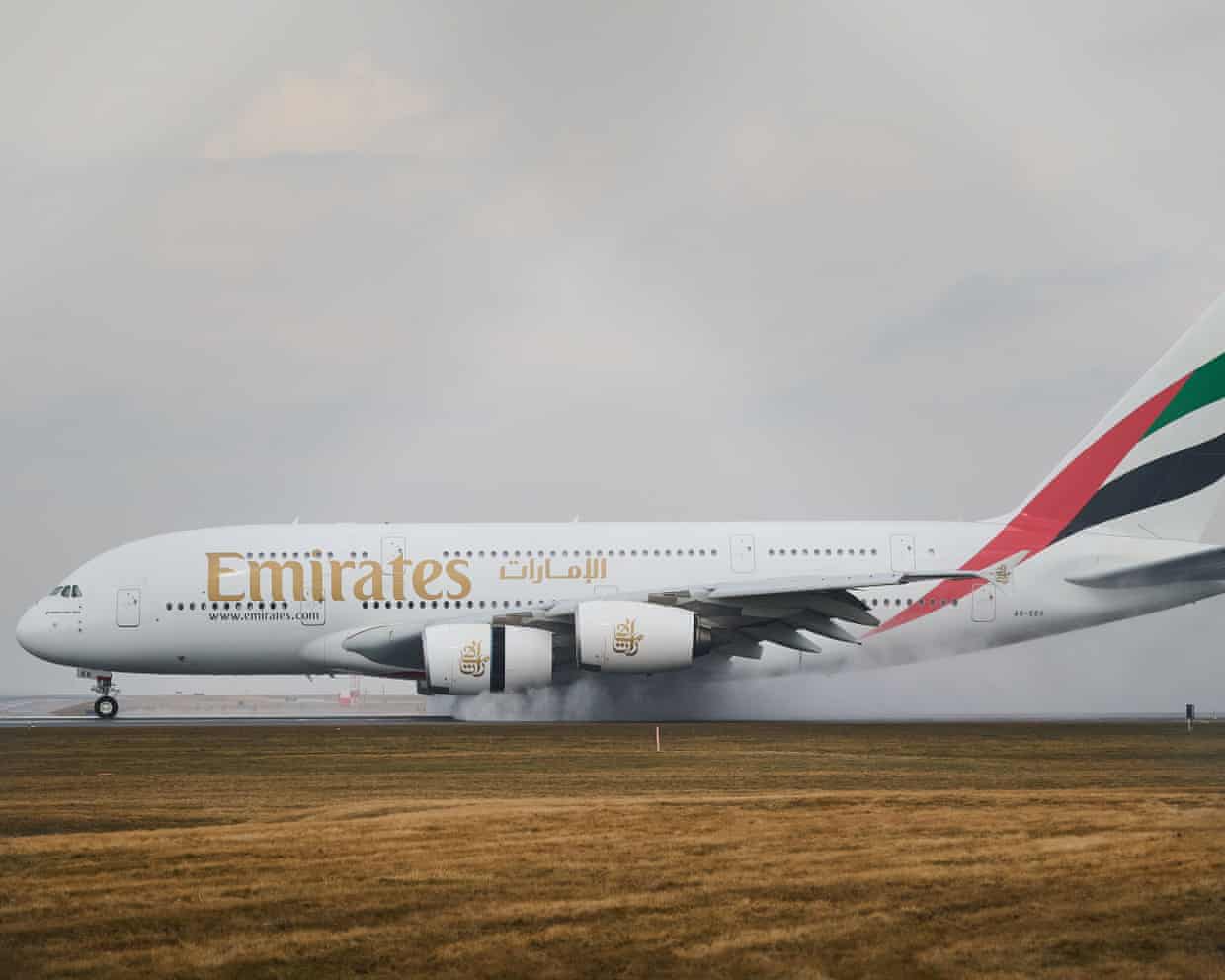
Wealthy UK nationals fleeing war in the Gulf are seeking sanctuary in countries such as Ireland and France to avoid hefty tax bills back home.In the face of possible demands from HM Revenue and Customs, high-net-worth individuals who had been living in the United Arab Emirates and neighbouring countries are hoping to wait out the missile and drone attacks elsewhere rather than return to the UK.With only about three weeks remaining in the current financial year, many overseas residents have already “spent” their allocation of days in Britain without incurring tax liabilities. Some are seeking guidance from HMRC on whether they would be granted 60 extra days under an “exceptional circumstances” provision.Nimesh Shah, the chief executive of advisory firm Blick Rothenberg, said: “I’ve had a disproportionate number of calls from people wanting to leave the UAE in recent weeks

Seth Meyers on Pete Hegseth: ‘The face of a man war-fighting with his colon’
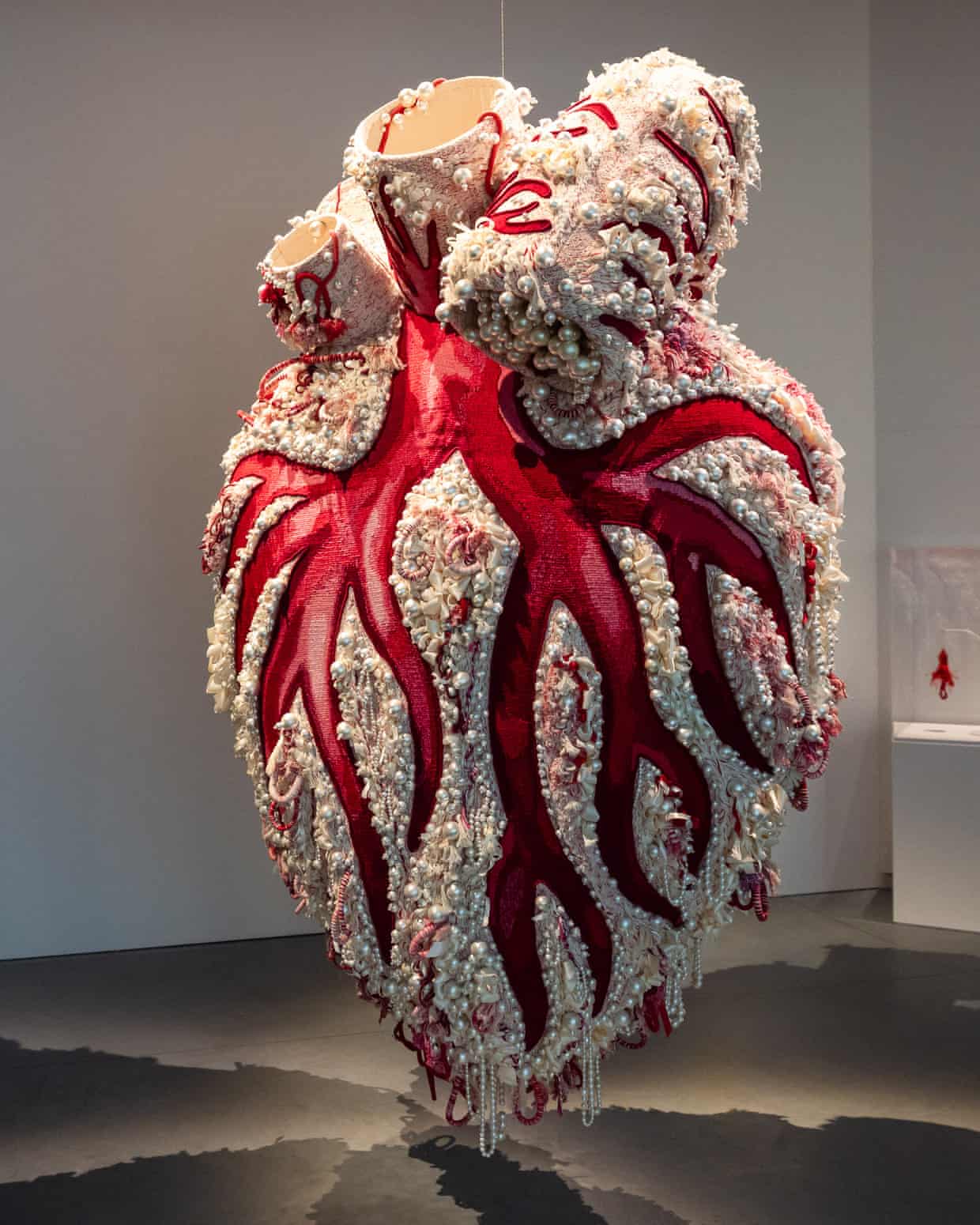
Sydney Biennale 2026: politics is everywhere – but with nuance, beauty and heart
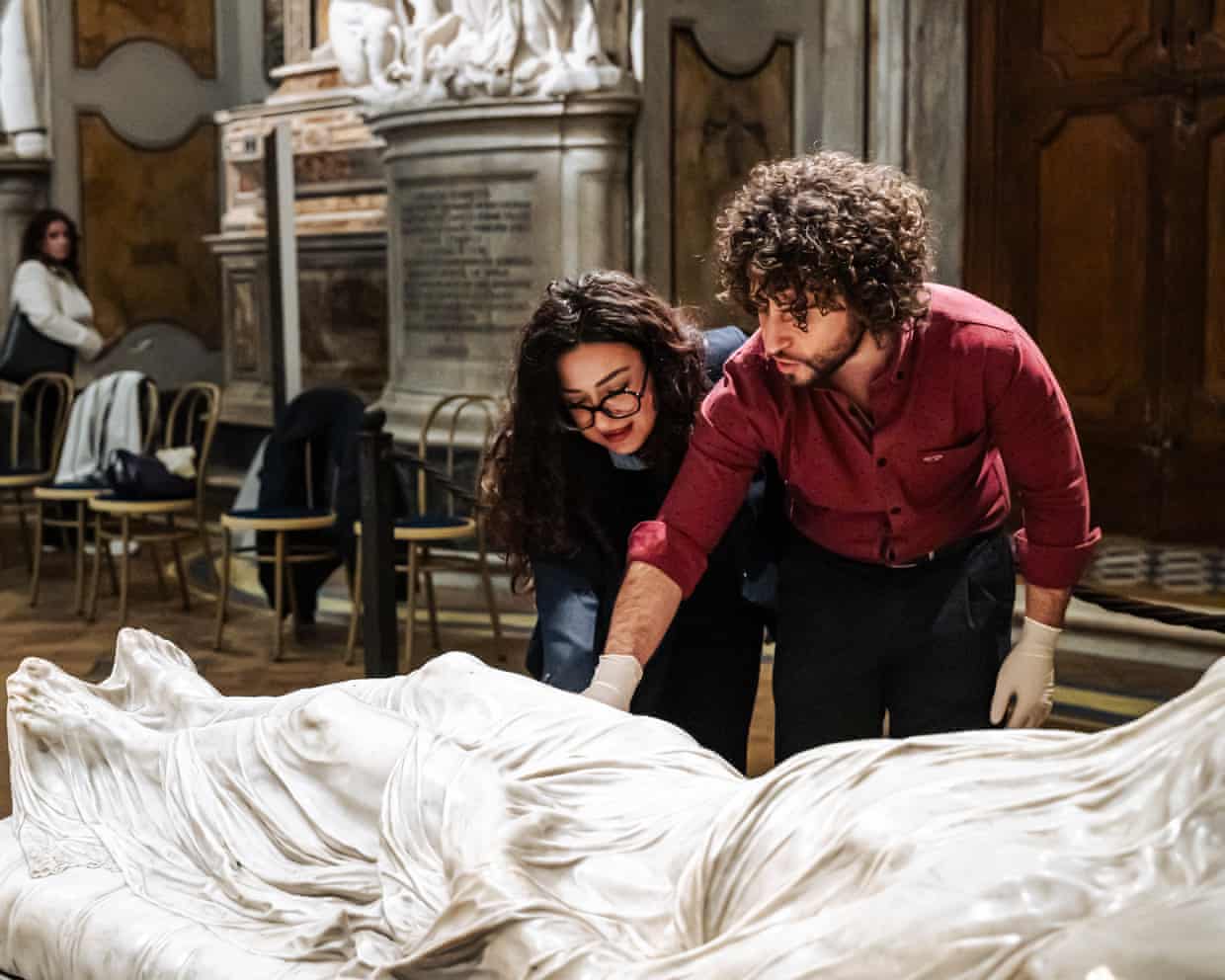
Naples museum to allow visually impaired visitors to experience art through touch
Jimmy Kimmel on Pentagon splurging on doughnuts: ‘Is this My 600lb Defense Department?’

Rapper Lil’ Kim to headline both Vivid Sydney and Melbourne’s 2026 Rising festival
Stephen Colbert on US war in Iran: ‘We’re still no closer to learning what the goal is’