UK needs nuclear deterrent independent from US, Ed Davey to say
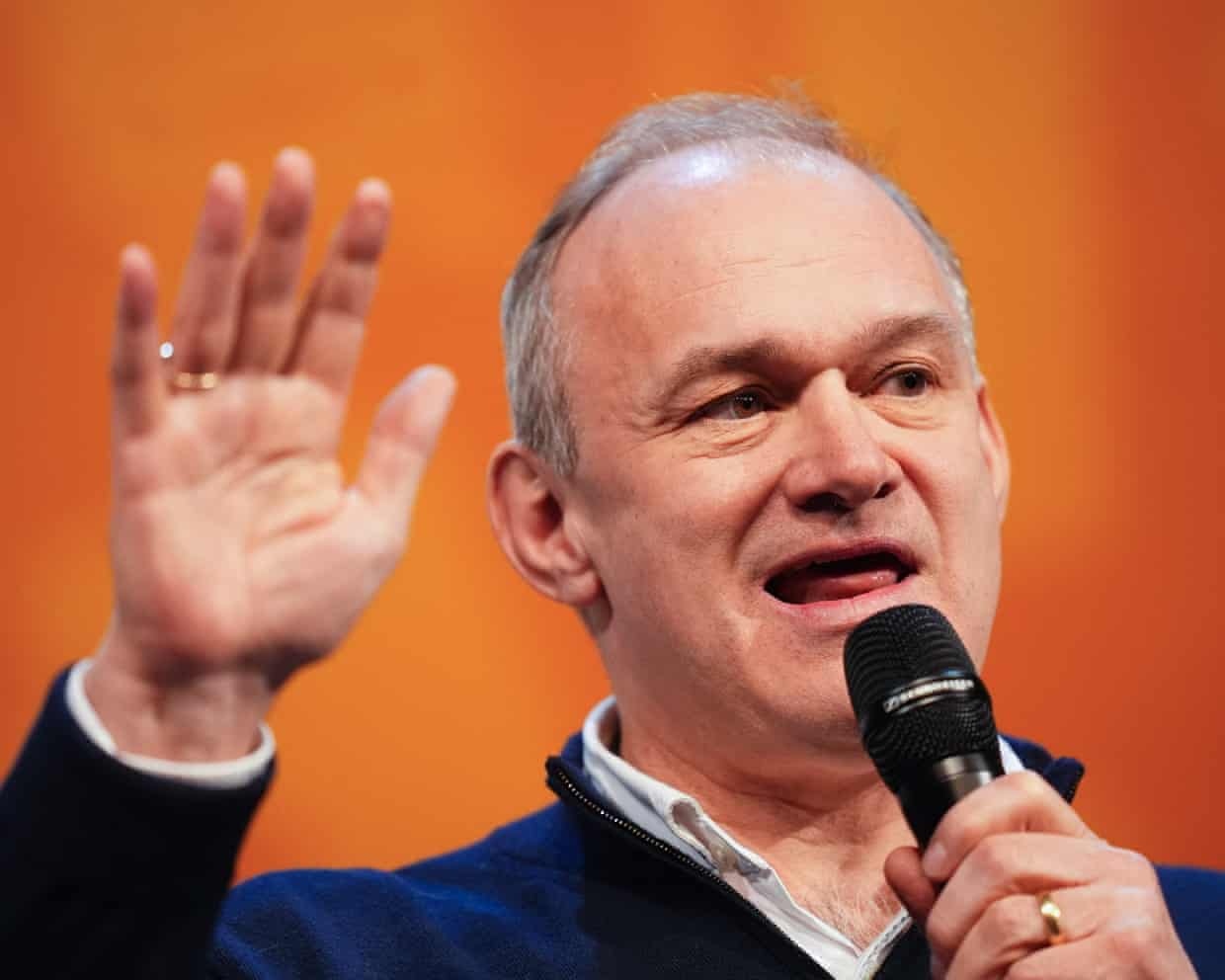
Britain should have a completely independent nuclear deterrent as it can no longer rely on the US, Ed Davey is expected to say on Sunday.In a speech at the Liberal Democrats spring conference, the party leader will argue that the UK should manufacture and maintain its nuclear weapons in Britain, a move that Davey acknowledges will cost billions.Davey’s speech will come amid his claims that the US president, Donald Trump, has made his support for European security “conditional” on his personal whims.“While Trump is in charge, we certainly cannot rely on America as a dependable ally in the way we used to,” Davey will say.“And we can no longer bet our nation’s security on the hope that the US won’t produce new versions of Trump in the future.
“So the real question is not whether we should build a sovereign British nuclear deterrent.The question is what happens if we don’t.”In theory, a British prime minister could choose to launch nuclear missiles without input from allies, including the US.However, the UK’s nuclear programme, Trident, based at Faslane, near Glasgow, on the River Clyde, is heavily dependent on US input.The weapons are manufactured in the US and have to be returned there regularly for maintenance.
Davey’s speech is likely to be viewed as the latest instalment of what has been dubbed Operation Epsom Fury – a play on Trump’s Iranian mission and an attempt to attract voters disillusioned by Britain’s relationship with the president ahead of May’s local elections,“If the answer to ‘Is our nuclear deterrent working?’ depends on what Donald Trump had for breakfast, then the answer is, ‘No, it’s not’,And our deterrent is not truly independent,” Davey is expected to tell delegates in York,“This should be keeping British defence planners awake at night,Yet it’s not being asked loudly enough in our public debate.
Perhaps because Conservative- and Reform-supporting commentators don’t want to face up to the profound implications of Trump.“Our nuclear deterrent – the ultimate guarantor of our national security, the thing that successive governments of every stripe have described as the bedrock of Britain’s defence – is not fully ours.“The Trident missiles sitting in our Vanguard submarines are leased from the United States.Their maintenance depends on American facilities.And that means the operability of our deterrent ultimately depends on the goodwill of whoever sits in the Oval Office.
“A few years ago, that didn’t feel like an issue,It certainly feels like one now,”Davey will cite Trump’s threat to annex Greenland and his apparent failure to take the Russian president, Vladimir Putin, to task over the war in Ukraine as evidence that he is an increasingly unreliable ally,“He and his White House lackeys have made it clear, repeatedly and unmistakably, that American support for European security is conditional,” Davey will say,“Conditional on European countries doing what Trump wants, whether on trade, relations with China, or just being nice to him.
Certainly nothing to do with the values and alliances that have kept us safe for 80 years.”Davey is expected to concede that building a nuclear capability without US input would would “cost billions over the next two decades” at a time when defence spending is already under pressure.However, he will add that instead of “handing billions of taxpayers’ hard-earned cash to the American defence and technology industry” the money should be invested in the UK.“Let’s invest in British science and manufacturing, build up our defence industry, and guarantee a fully independent deterrent we can truly rely on, no matter who sits in the Oval Office,” he will say.The Liberal Democrats have said they remain committed to the goal of multilateral nuclear disarmament.
However, Davey will say: “With Vladimir Putin sitting on a stockpile of more than 5,000 nuclear warheads, we must deal with the world as it is.Trump’s reckless, unpredictable presidency – and the reality that we can no longer count on America as we once assumed we could – is a challenge we cannot ignore.”

Fetuses likely have more ‘forever chemicals’ in blood than thought – report
New peer-reviewed research shows fetuses likely have much higher levels of Pfas “forever chemicals” in their blood than previously thought.Testing of umbilical cord blood typically looks for a small number of common Pfas compounds, like Pfoa and Pfos. However, thousands of Pfas exist, and a new Mount Sinai study tested 120 umbilical blood cord samples that were previously found to contain up to four compounds.The expanded “non-targeted analysis” identified 42 Pfas compounds across the 120 samples, and the total level of Pfas in the blood was much higher than previously found.The findings suggest “babies are exposed to many more Pfas than we previously thought”, said Shelley Liu, a study co-author and associate professor at the Icahn School of Medicine at Mount Sinai
Casey’s review of adult social care offers hope | Letters
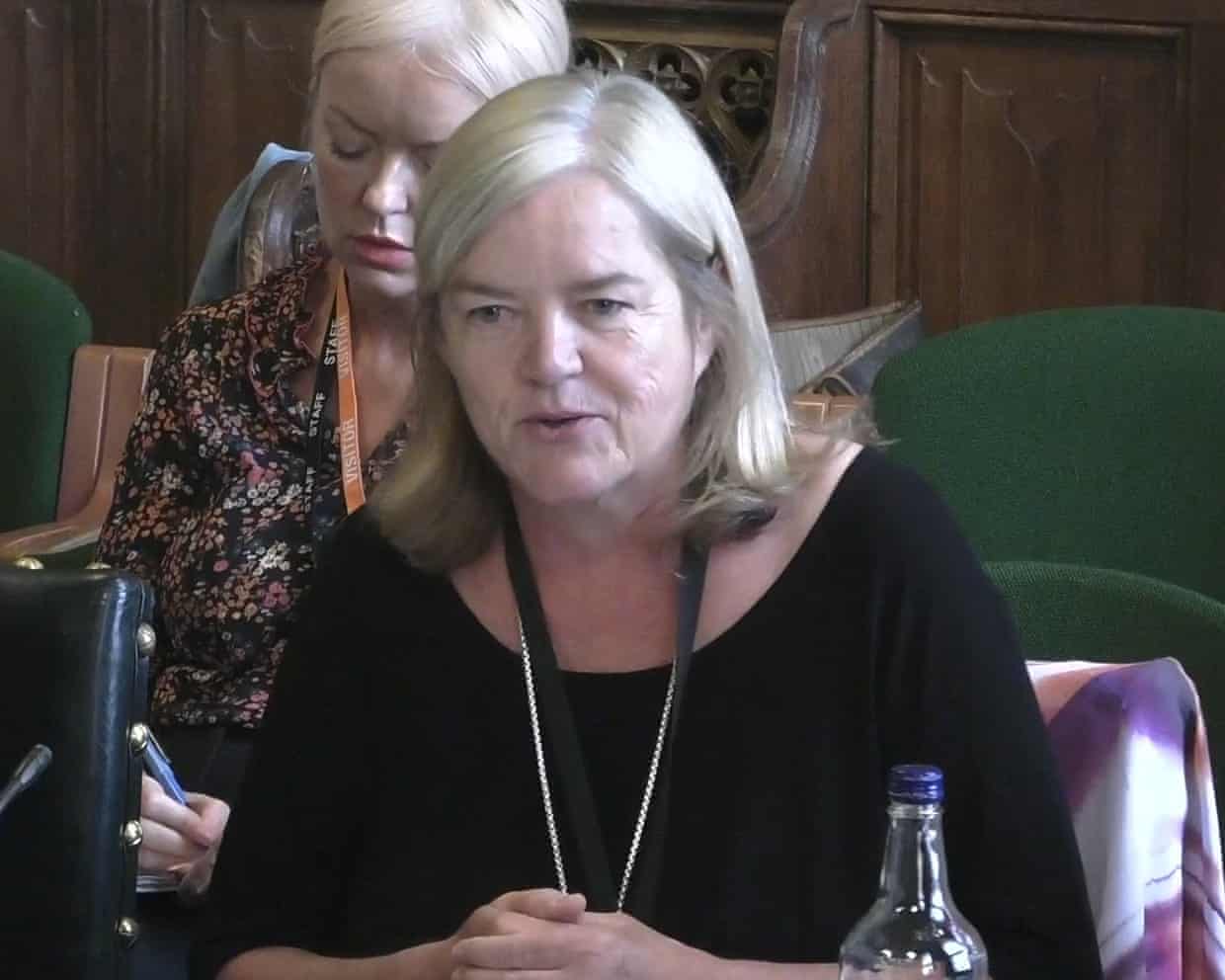
Louise Casey may have the power of words behind her (The blistering speech that tells me Britain’s social care deadlock can finally be broken, 10 March), but what she’s uncovered is a truth that local authorities have been voicing for years: the national care service will fail unless ministers stabilise the local systems that underpin it.Key Cities (a cross-party network of UK local authorities) has long been calling for an urgent funding reset for the social care system. And while the Casey commission’s reforms are welcome, what’s still missing is the transition plan to enable councils to make this happen. A key part of the government’s NHS 10‑year plan must be a significant expansion of joint commissioning, across regional and national scales. This collaboration will finally end the costly push‑pull between those who fund and those who deliver care and, vitally, lay the foundations for effective transformation from local to national provision

Give mayors more powers to tackle youth unemployment crisis, says Alan Milburn
Mayors across England should be given greater powers to tackle the youth unemployment crisis and avoid the “long-term scarring” of regions outside London, the government’s work tsar has said.Alan Milburn, who is leading a major review into increasing inactivity among Britain’s young people, said the issue could not be solved by Whitehall alone.Most of the nearly 1 million young people not in work, education or training (Neets) are in the north and Midlands. Eight of the 10 local authorities with the highest number of Neets are in these two regions.In an interview with the Guardian, Milburn said: “Local authorities and mayors have an absolutely critical role to play because they’ve got convening power – they can bring together schools, the colleges, the employers in an area
Sons were suspects in nearly one in five cases of women killed by men in UK in past year
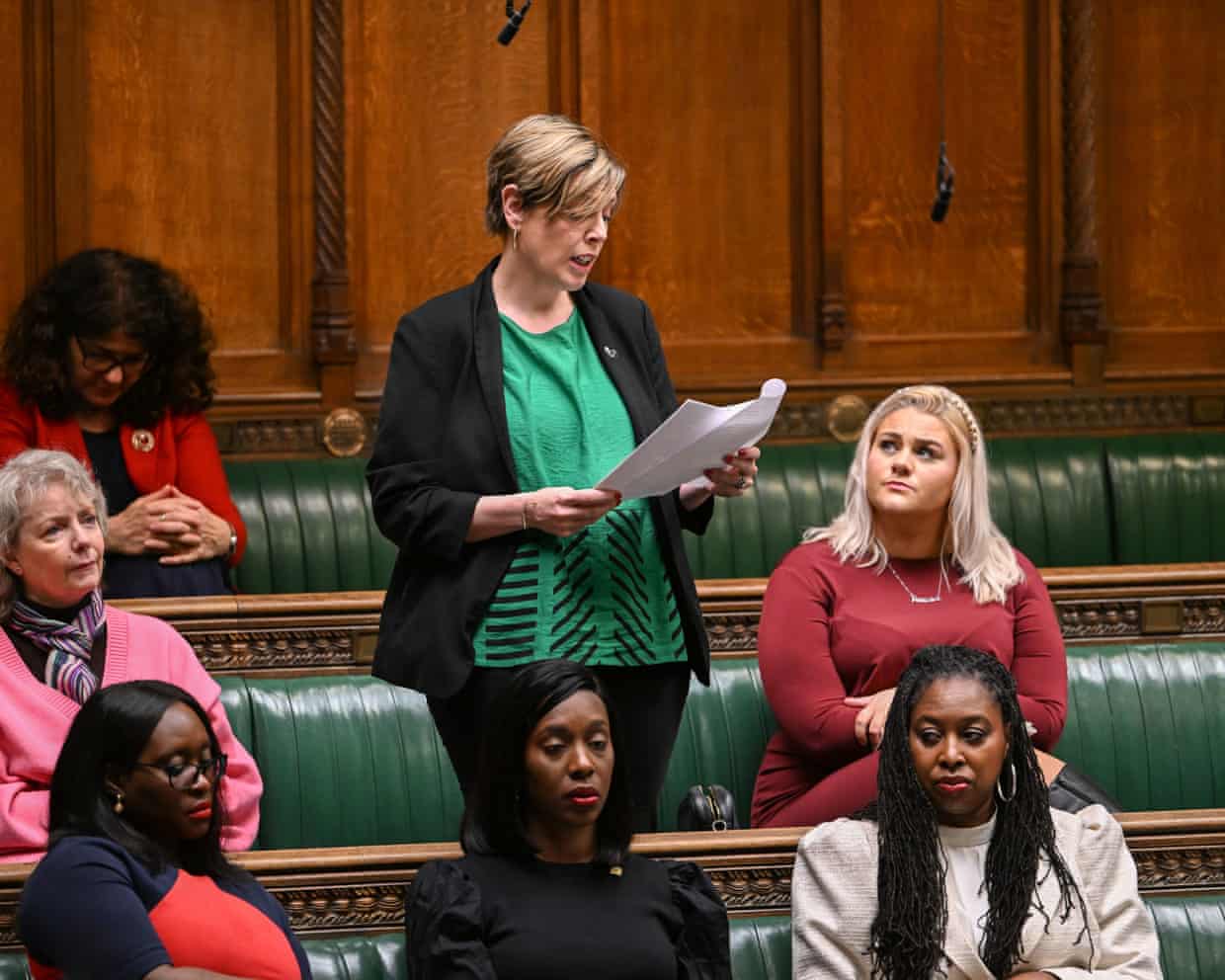
The names of 19 women believed to have been killed by their sons in the last year were read out in parliament on Thursday, as research showed that almost one in five women killed by men since the last International Women’s Day were suspected victims of matricide.For the 11th year running, Jess Phillips read out the names of the 108 women killed in the UK by men – or where a man has been charged – in the past 12 months. In keeping with previous years, she had to request special dispensation to speak beyond the time given to each MP in the International Women’s Day parliamentary debate, because reading the names took more than five minutes.Addressing MPs, Phillips said women and girls were suffering in “every part” of the country. “They are being attacked, abused, harassed and stalked at home, in public places, and online
Patients face long journeys for medicines as pharmacies cut weekend hours
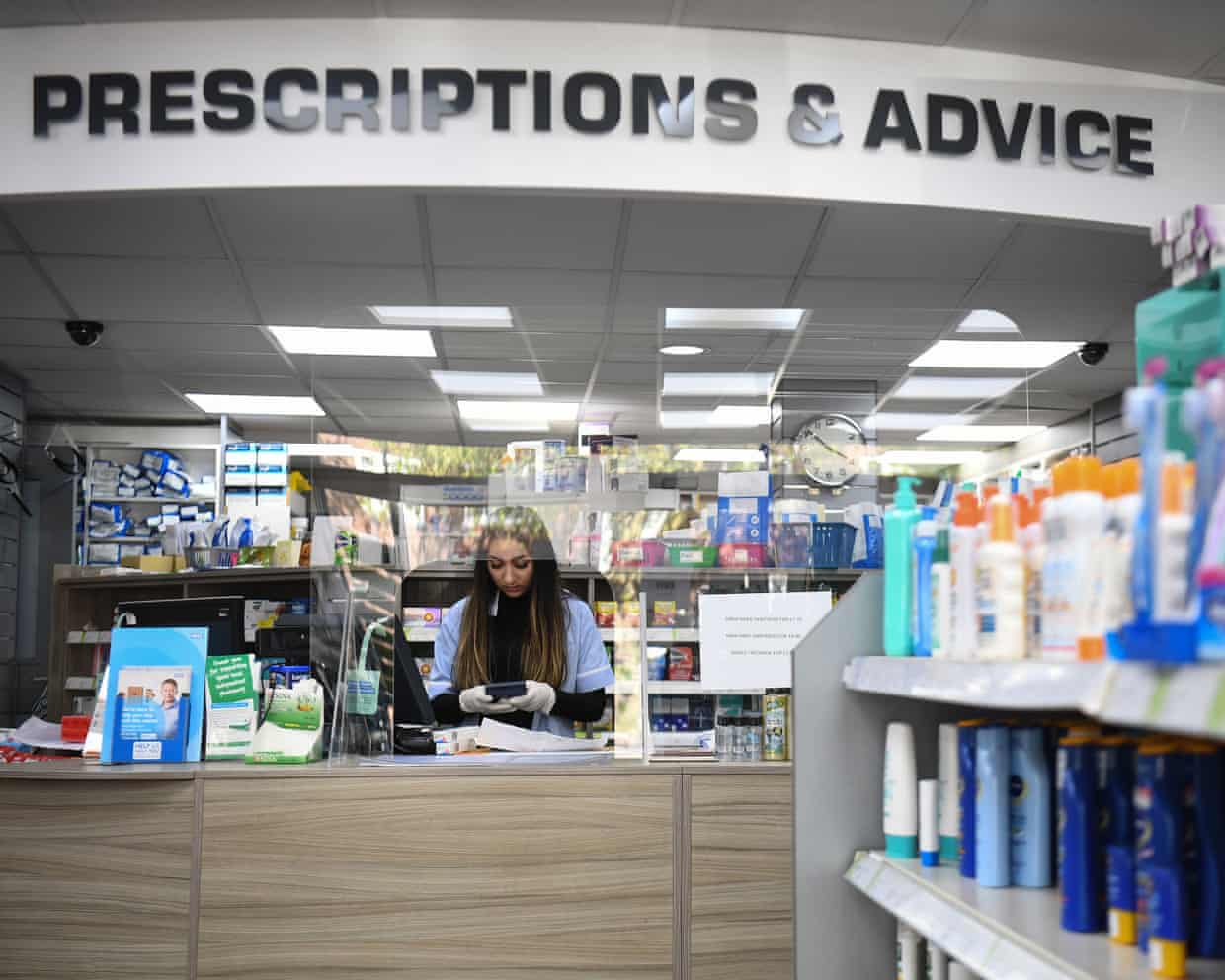
People who need to obtain medication at the weekend are having to undertake long trips because more pharmacies are cutting their opening hours on Saturdays and Sundays.One in six pharmacies in England have reduced their hours at weekends since 2022, with some shutting altogether, as a result of “unsustainable” pressures on their budgets.The cuts mean that overall more than 20% of weekend opening hours have been lost, which has left pharmacy services increasingly unavailable, according to the National Pharmacy Association (NPA).That has forced some patients to go to an A&E or urgent treatment centre to get the morning-after pill, or an emergency prescription or advice on how to treat a minor ailment.Rural areas such as Devon, Cornwall and the Lake District were particularly affected, although in cities such as Manchester and Leeds there had also been less weekend opening, the NPA said
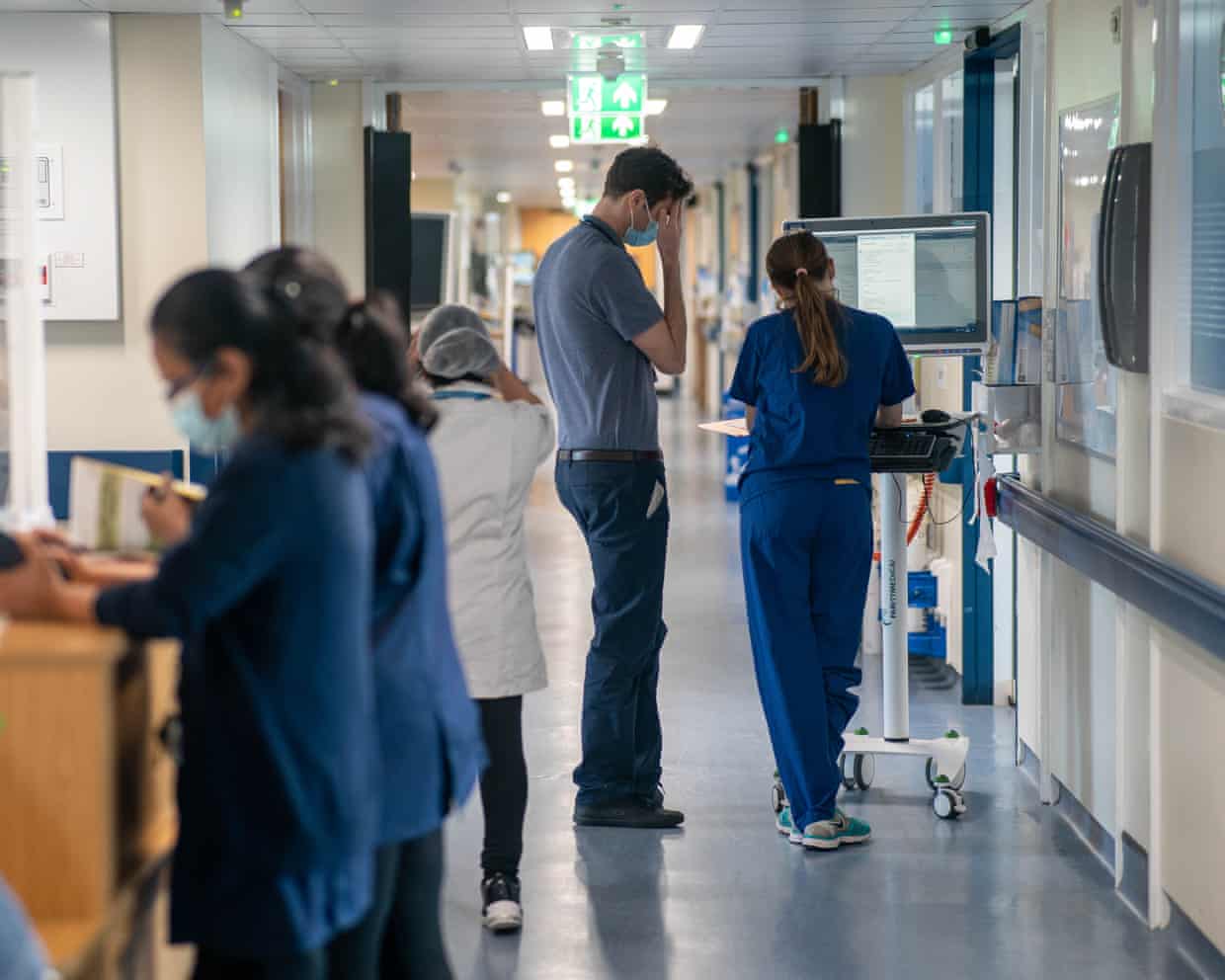
Hundreds of thousands of NHS staff in England attacked and harassed, survey shows
Hundreds of thousands of NHS staff have been attacked, harassed, bullied, or subject to racism, latest NHS figures show.The health service’s 2025 staff survey found that one in seven had experienced violence from patients or the public, while more than a quarter reported harassment, bullying and abuse, the highest levels in three years.Given that the NHS in England employs 1.5 million people, this would equate to about 217,000 experiencing violence and more than 380,000 reporting harassment and bullying in 2025 alone.Sexual harassment has also reached record levels, the figures show

‘I’m back to my best’: Lewis Hamilton marks Ferrari revival with Chinese GP podium place

Kimi Antonelli wins F1 Chinese GP from pole as Lewis Hamilton claims first Ferrari podium

Formula One: Kimi Antonelli wins Chinese Grand Prix race updates – as it happened
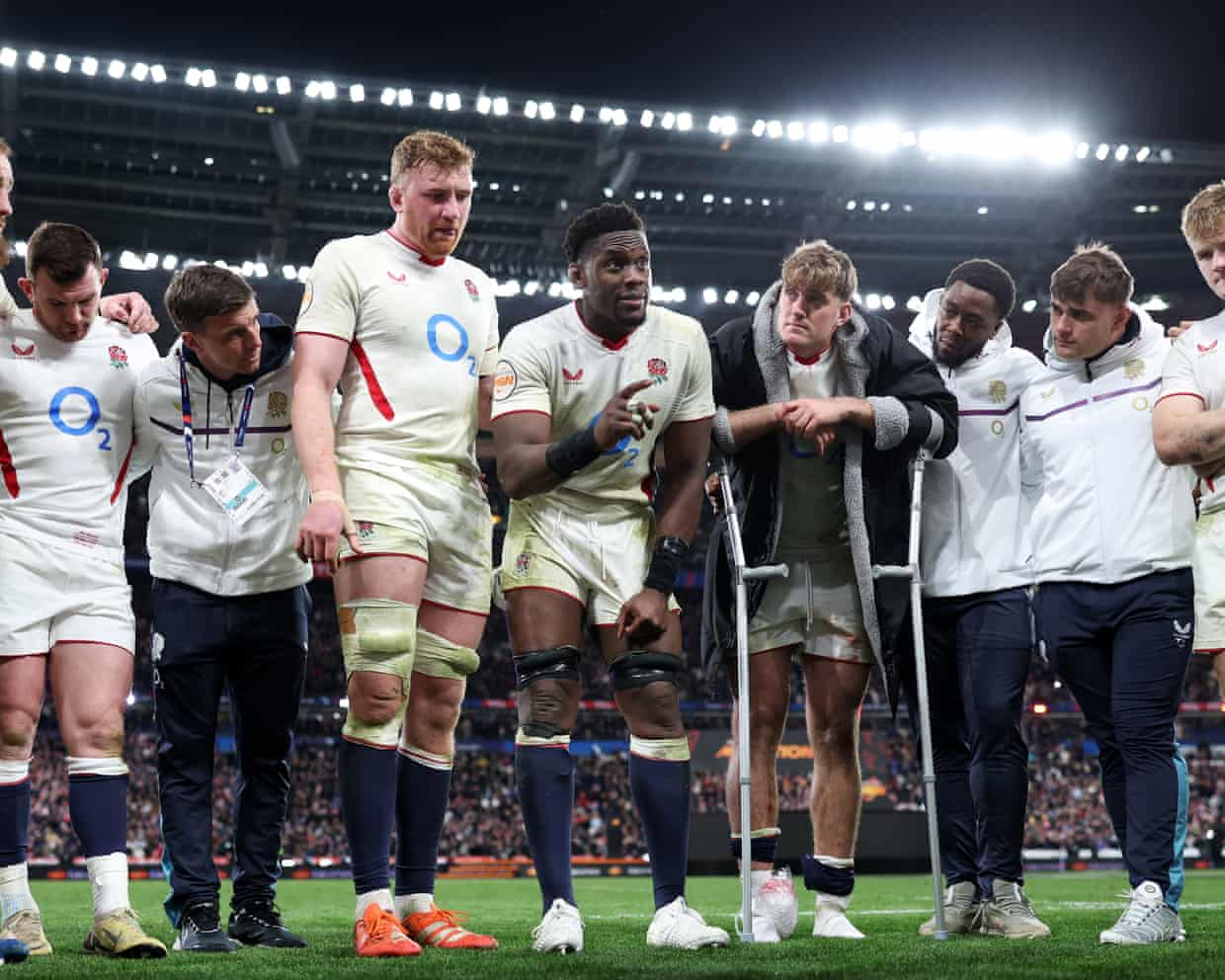
‘So close to being a special day’: Borthwick rues agony of England’s France defeat
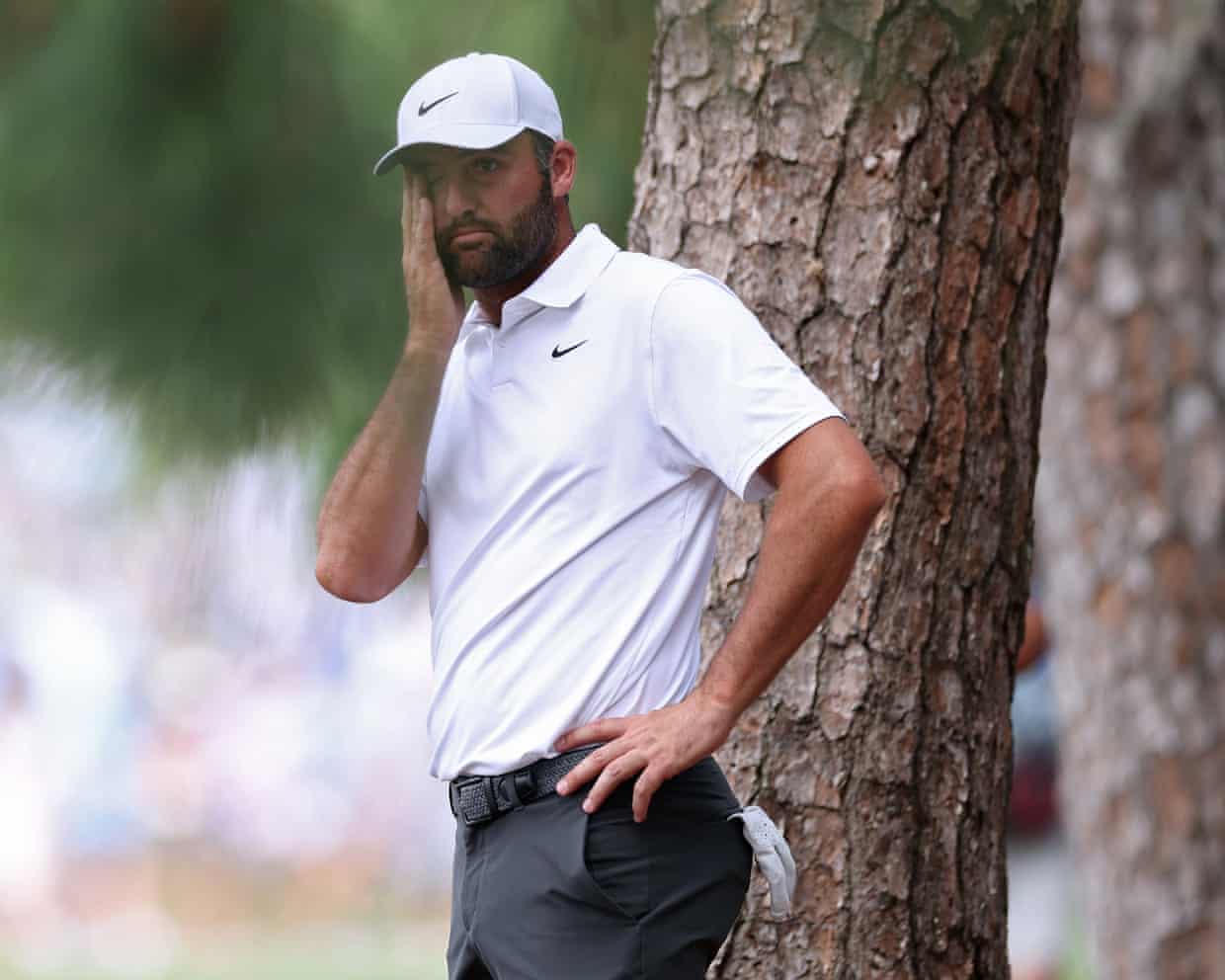
Scheffler searches for form with Masters looming as Åberg leads the way at Players

Heartbreak for England but spirited display signposts the way forward | Gerard Meagher