Wealthy British nationals fleeing Gulf conflict bypass UK to avoid tax bills
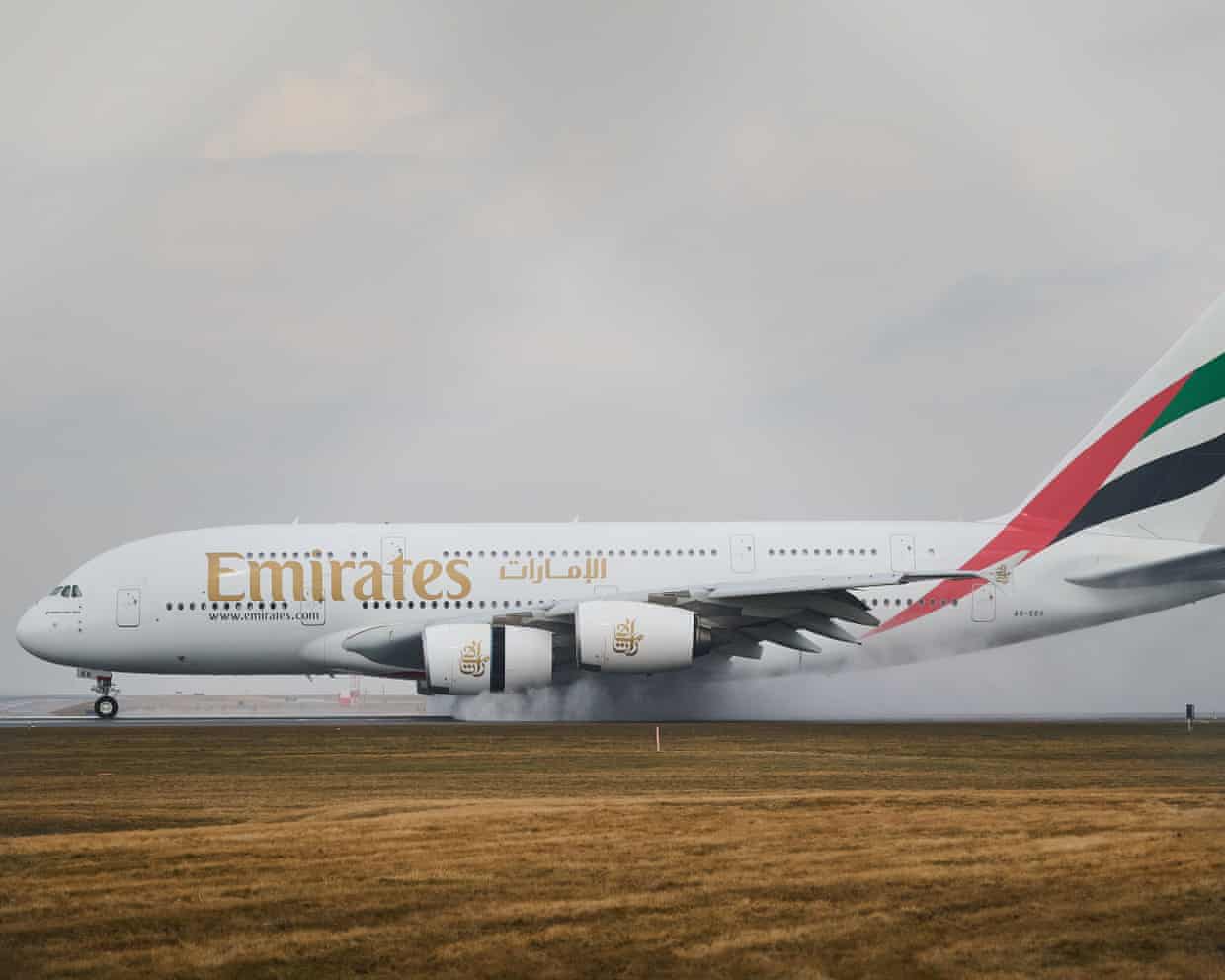
Wealthy UK nationals fleeing war in the Gulf are seeking sanctuary in countries such as Ireland and France to avoid hefty tax bills back home.In the face of possible demands from HM Revenue and Customs, high-net-worth individuals who had been living in the United Arab Emirates and neighbouring countries are hoping to wait out the missile and drone attacks elsewhere rather than return to the UK.With only about three weeks remaining in the current financial year, many overseas residents have already “spent” their allocation of days in Britain without incurring tax liabilities.Some are seeking guidance from HMRC on whether they would be granted 60 extra days under an “exceptional circumstances” provision.Nimesh Shah, the chief executive of advisory firm Blick Rothenberg, said: “I’ve had a disproportionate number of calls from people wanting to leave the UAE in recent weeks.
“I’ve told them not to rely on any exceptional circumstances provisions from HMRC.I can’t imagine HMRC are very sympathetic here.”Shah added: “There’s UK taxpayers who have decided to leave to go to the likes of UAE.In HMRC’s mind they’ve chosen to go there to not pay tax in the UK.They’re not going to give you a green light to spend more time here and not pay tax.
”For those who have been non-resident for fewer than five years, it is not just income tax for the current year that could fall within HMRC’s scope if they return.They could also face capital gains tax on any assets or business sold during the period they were away.One very wealthy business owner told the Guardian he was spending time in Dublin until they could visit London after 5 April, when the 2025-26 tax year ends.“I’m happy to pay income tax and tax on investments next tax year, but I don’t want the sale of a business that I sold years ago to fall within UK capital gains tax,” he said.“I paid for my own travel home, by the way.
”Another British UAE-based business owner said they would spend some time in France for now.If someone claims to be non-resident for tax purposes, the number of days an individual can stay in the UK depends on several tests.These measure their ties to the UK and can include whether they have accommodation, a spouse or children in the country.For many individuals who have left in recent years, this can mean they are allowed as few as 45 days in the UK before they fall back into the domestic tax regime.For others, they may be allowed as many as 183 days in a tax year, depending on their circumstances.
During the Covid-19 pandemic, HMRC allowed some people to overspend their allowance without becoming tax resident in the UK.This 60-day exceptional circumstance provision was accepted for those cases in which people could prove they could not leave the country owing to the shutdown in international travel.To be successful they had to prove efforts were made to leave the UK.This is unlikely to apply in cases this time, tax advisers said.Travel guidance is also a factor.
The UK government’s travel advice for many of the affected countries such as Bahrain is “all but essential travel”, but according to guidance on the HMRC website, the exceptional circumstances provision would only kick in if the Foreign Office advises “no travel” at all.David Little, a partner at the wealth management firm Evelyn Partners, said: “Even a few extra days in Britain can have major consequences” with worldwide income and investment gains potentially becoming taxable as well as that from the UK.He added that for those who left and then sold assets, a return to the country could trigger a tax liability, with gains from a few years ago “retrospectively falling under UK taxation on their return”.

Fake rooms, props and a script to lure victims: inside an abandoned Cambodia scam centre
It is as if you have walked into a branch of one of Vietnam’s banks. A row of customer service desks, divided by plastic screens, with landline phones, promotional leaflets and staff business cards. A seated waiting area and a private meeting room. All of it features the OCB bank’s logo, or its trademark green colour.This is not a genuine bank branch, however

Apple cuts China App Store commission fees after government pressure
Apple announced late on Thursday it would lower the commission fees collected in its App Store in mainland China. The move follows pressure from regulators in the tech company’s second-largest market, as well as global scrutiny of its payment requirements.Fees for in-app purchases and paid transactions will be lowered to 25% from 30% starting on Sunday, Apple said in a statement on its blog for developers.“Apple is making changes to the App Store in China following discussions with the Chinese regulator,” the company’s announcement reads. “As of March 15, 2026, changes will be made to the commission rates that apply to the China mainland storefront of the App Store on iOS and iPadOS
Anthropic-Pentagon battle shows how big tech has reversed course on AI and war
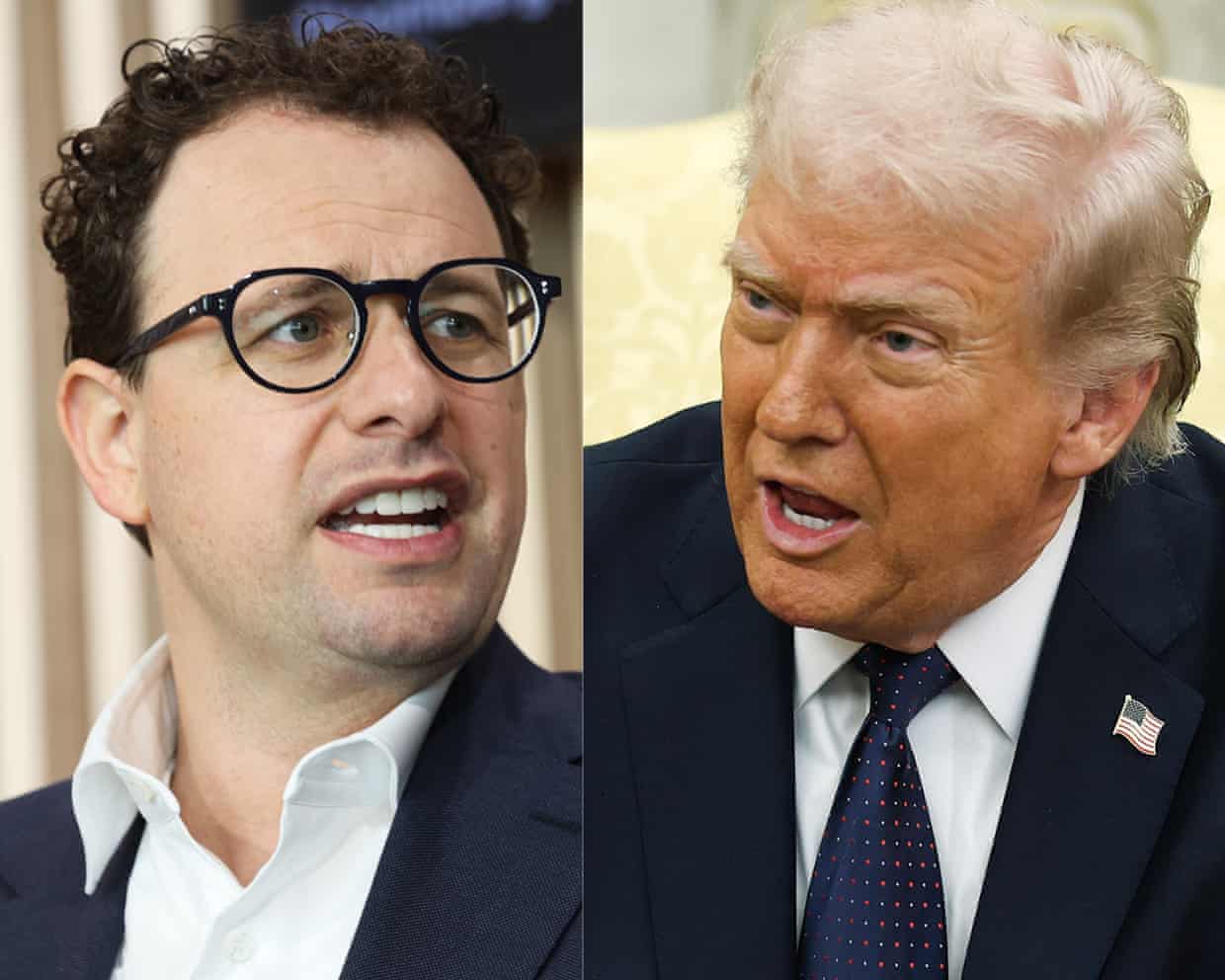
The standoff between Anthropic and the Pentagon has forced the tech industry to once again grapple with the question of how its products are used for war – and what lines it will not cross. Amid Silicon Valley’s rightward shift under Donald Trump and the signing of lucrative defense contracts, big tech’s answer is looking very different than it did even less than a decade ago.Anthropic’s feud with the Trump administration escalated three days ago as the AI firm sued the Department of Defense, claiming that the government’s decision to blacklist it from government work violated its first amendment rights. The company and the Pentagon have been locked in a months-long standoff, with Anthropic attempting to prohibit its AI model from being used for domestic mass surveillance or fully autonomous lethal weapons.Anthropic has argued that giving in to the DoD’s demands to permit “any lawful use” of its technology would violate its founding safety principles and open up its technology for potential abuse, staking an ethical boundary that others in the industry must decide whether they want to cross
AI toys for young children must be more tightly regulated, say researchers
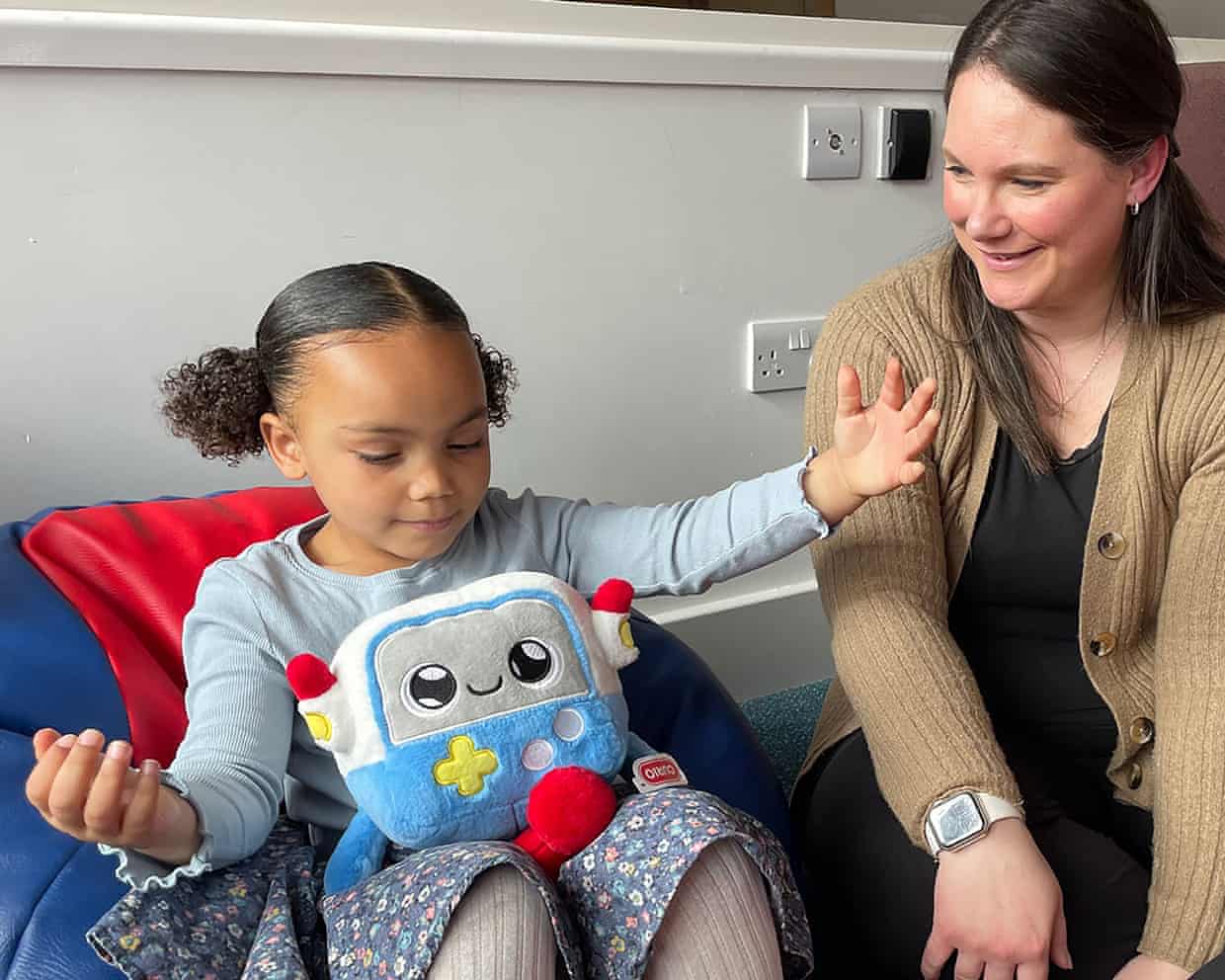
It was all going well. Charlotte, five, was chatting with an AI soft toy called Gabbo at a London play centre about her family, her drawing of a heart to represent them and what makes her happy. She even offered a couple of kisses to the £80 toy with a face like a computer screen.It was when she declared: “Gabbo, I love you”, that the fluent conversation came to an abrupt halt.“As a friendly reminder, please ensure interactions adhere to the guidelines provided,” said Gabbo, awkwardly crashing into its guardrails
‘IG is a drug’: jury to deliberate as US trial over social media addiction wraps up
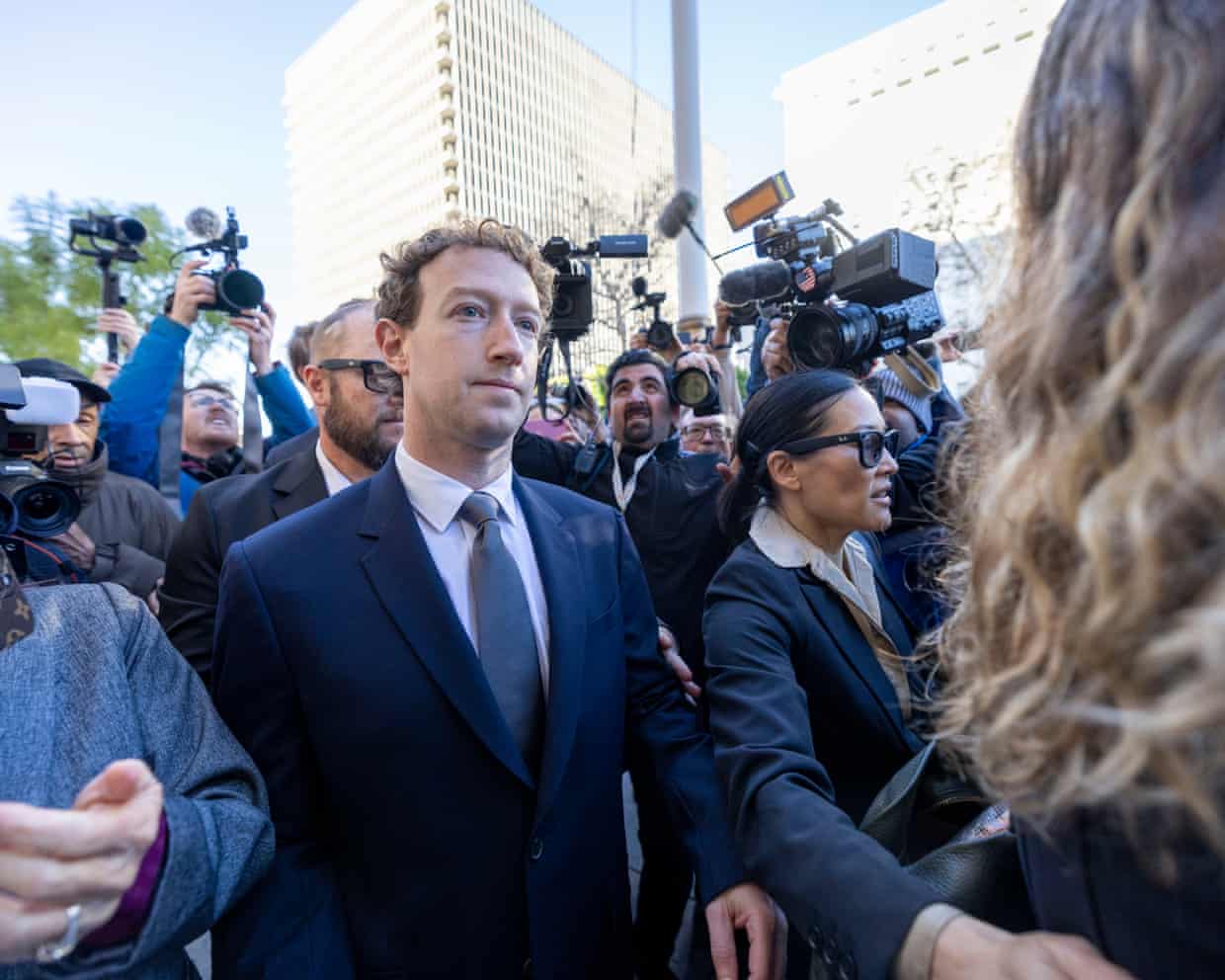
The first-ever jury trial over the potential harms of social media wrapped up on Thursday. Lawyers for Meta and YouTube have argued their platforms are safe for the vast majority of young people, while lawyers for a young woman at the center of the case say the tech companies have designed their products to be addictive, leading to mental health issues in children and teens.“How did they become such behemoths?” Mark Lanier, a lawyer for the plaintiffs, said during closing arguments in Los Angeles superior court on Thursday, according to NBC. “It’s the attention economy. They’re making money off capturing your attention

Google’s former Europe boss close to becoming next head of BBC, sources say
Google’s former Europe boss is closing in on becoming the BBC’s next director general, the Guardian has been told.Sources said that Matt Brittin, 57, was very advanced in the appointment process. Some insiders believe that, barring a last-minute development, he will succeed Tim Davie as the broadcaster’s next director general.Brittin, a member of the British Olympic rowing team in 1988, led Google in Europe, the Middle East and Africa for a decade until stepping down last year to take what he described as a “mini gap year”. He is also a non-executive director of Guardian Media Group
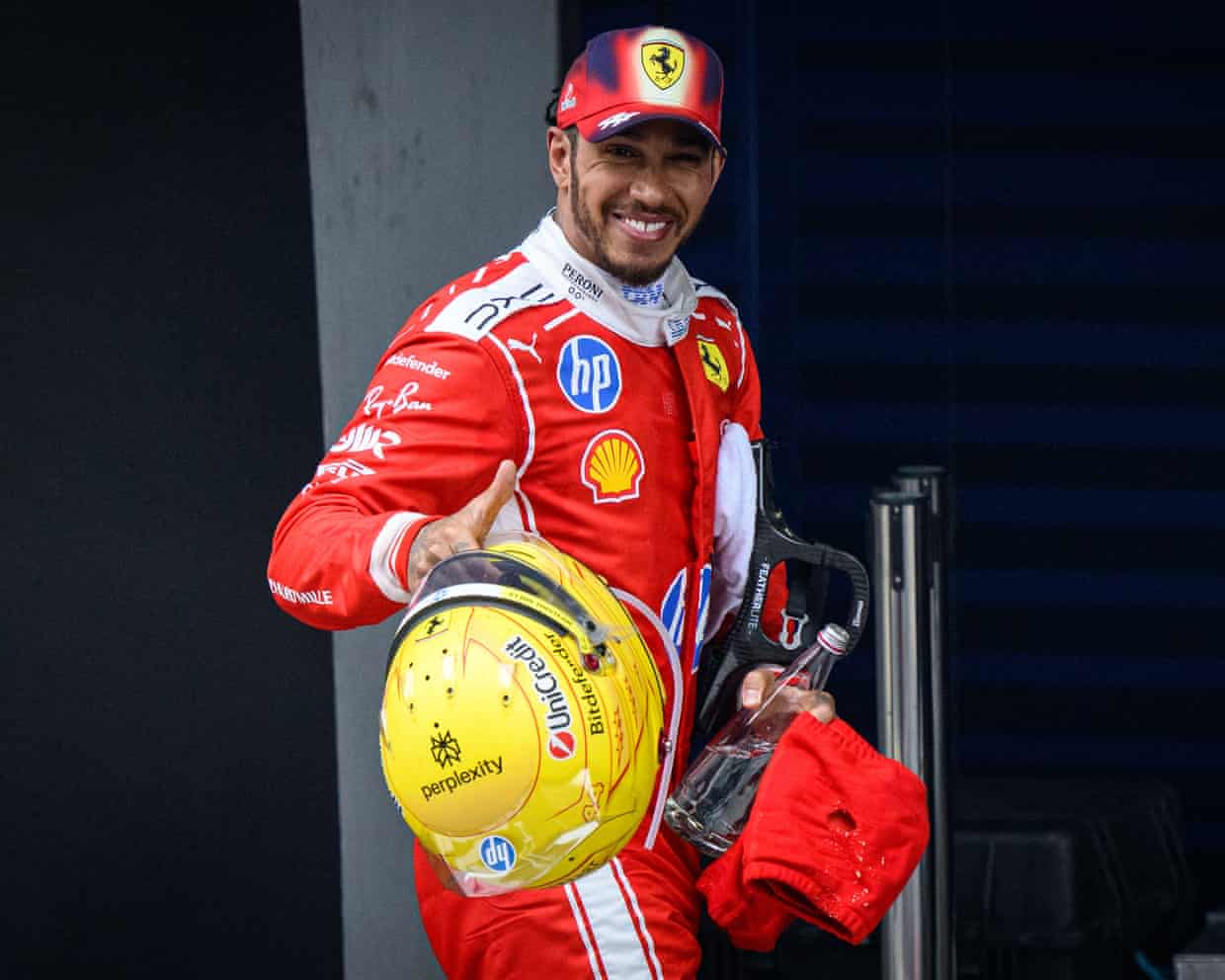
‘I’m back to my best’: Lewis Hamilton marks Ferrari revival with Chinese GP podium place
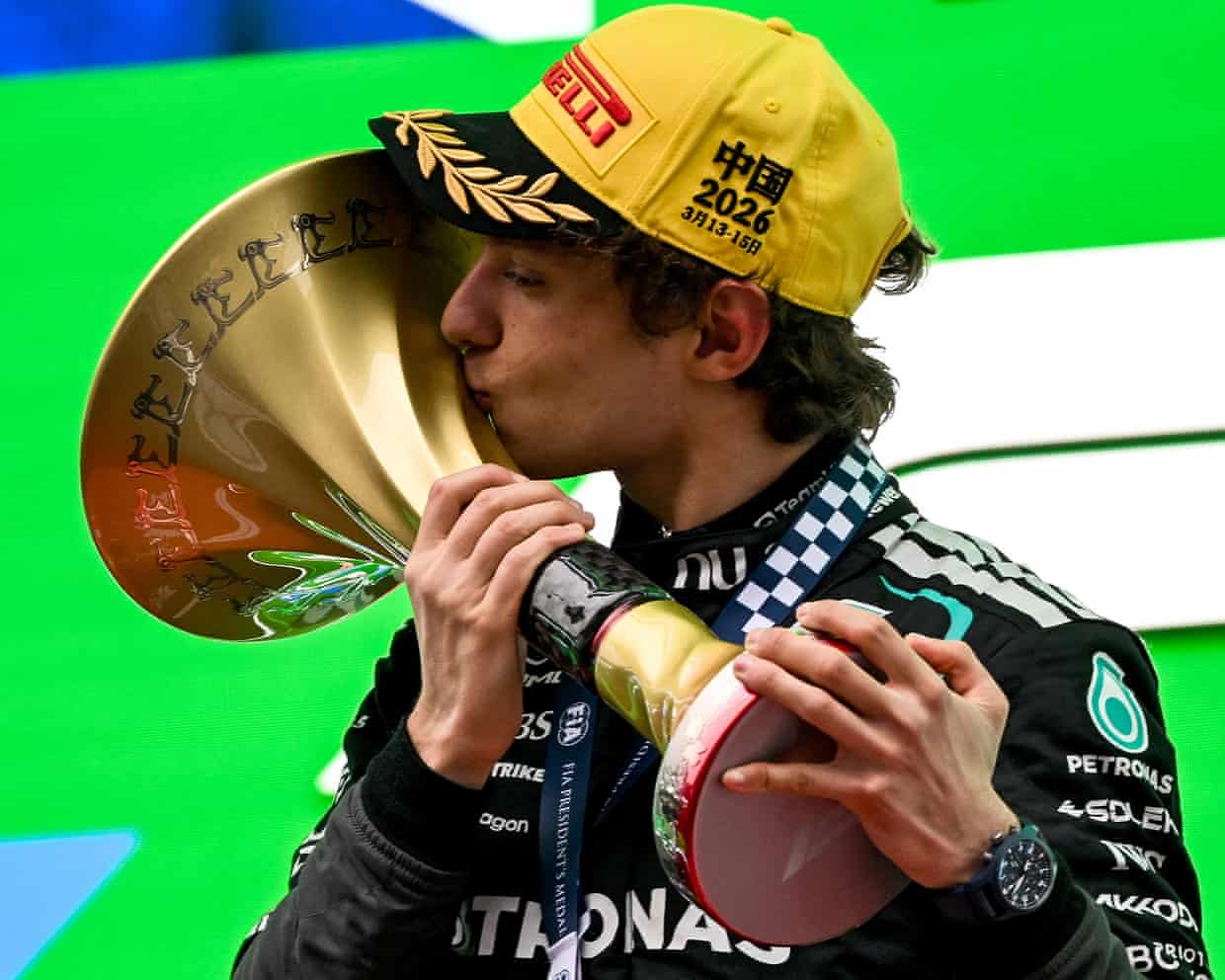
Kimi Antonelli wins F1 Chinese GP from pole as Lewis Hamilton claims first Ferrari podium
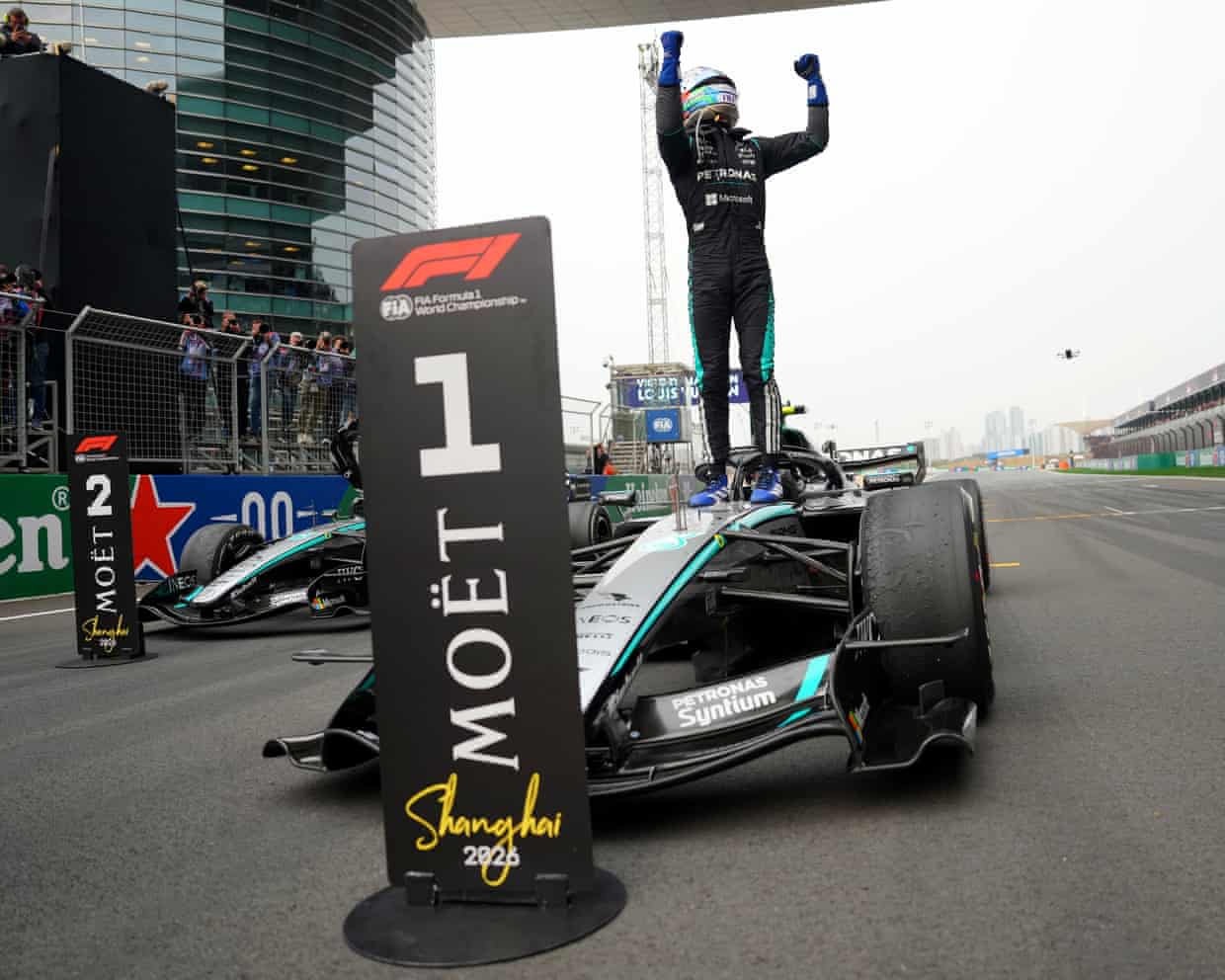
Formula One: Kimi Antonelli wins Chinese Grand Prix race updates – as it happened
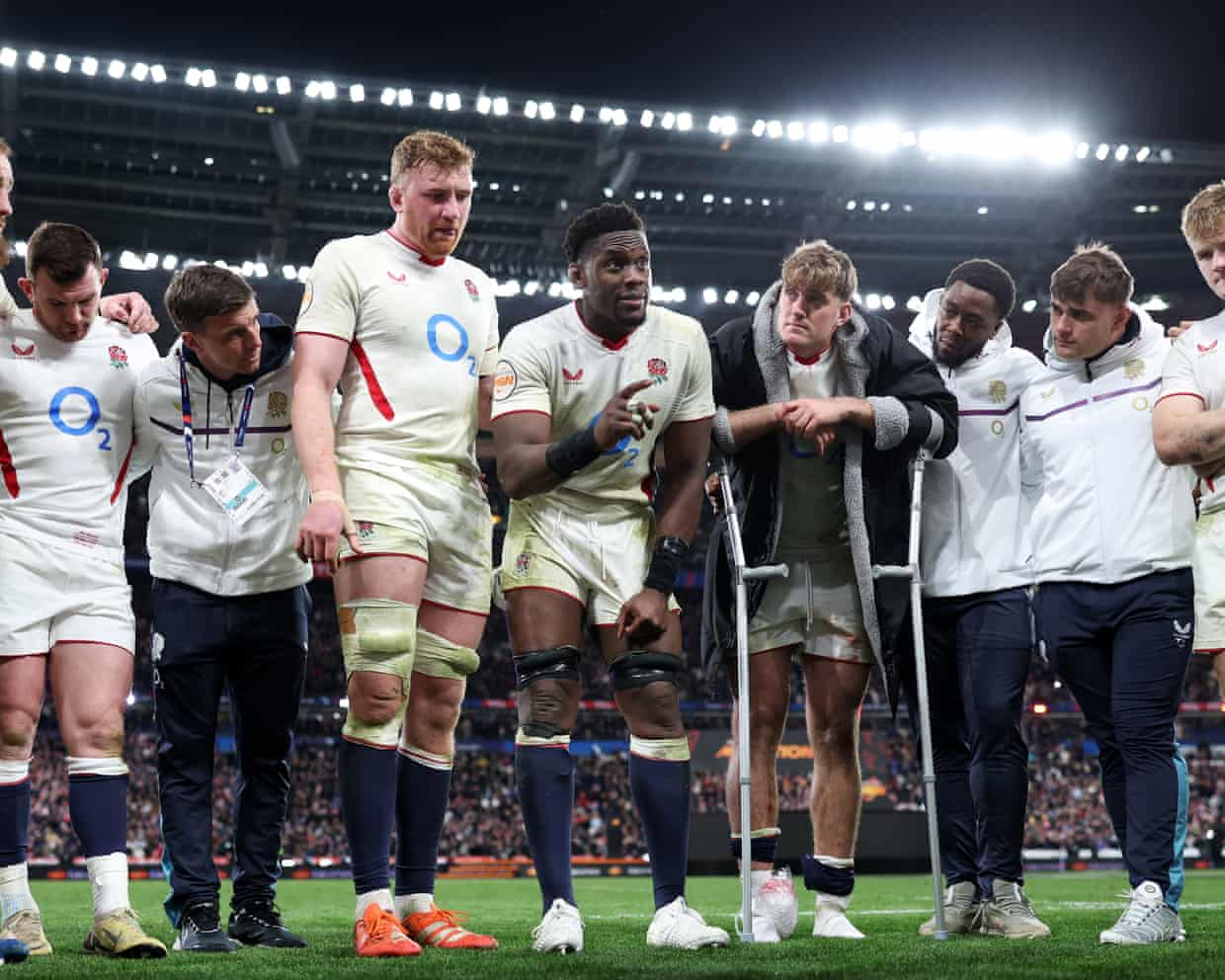
‘So close to being a special day’: Borthwick rues agony of England’s France defeat
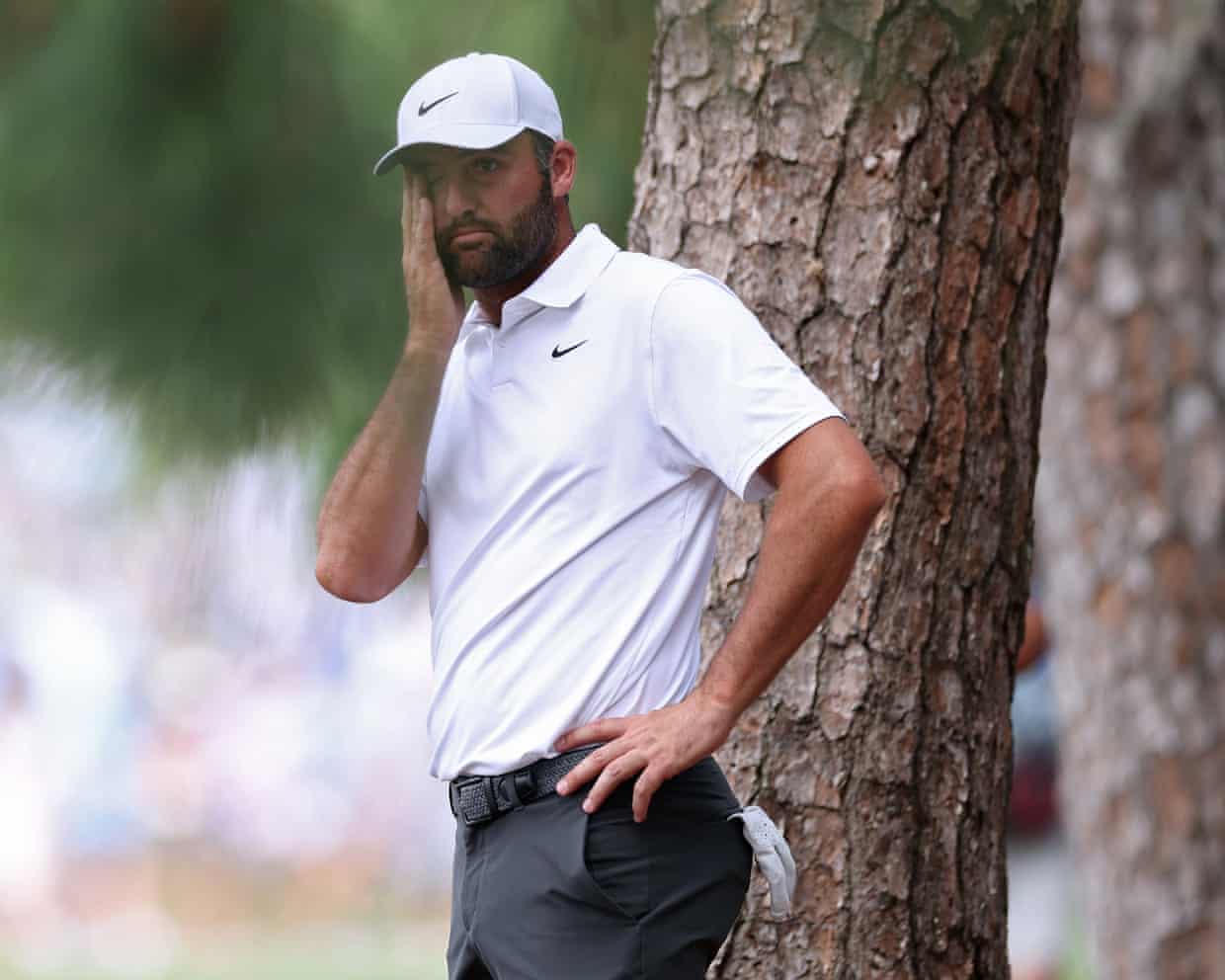
Scheffler searches for form with Masters looming as Åberg leads the way at Players
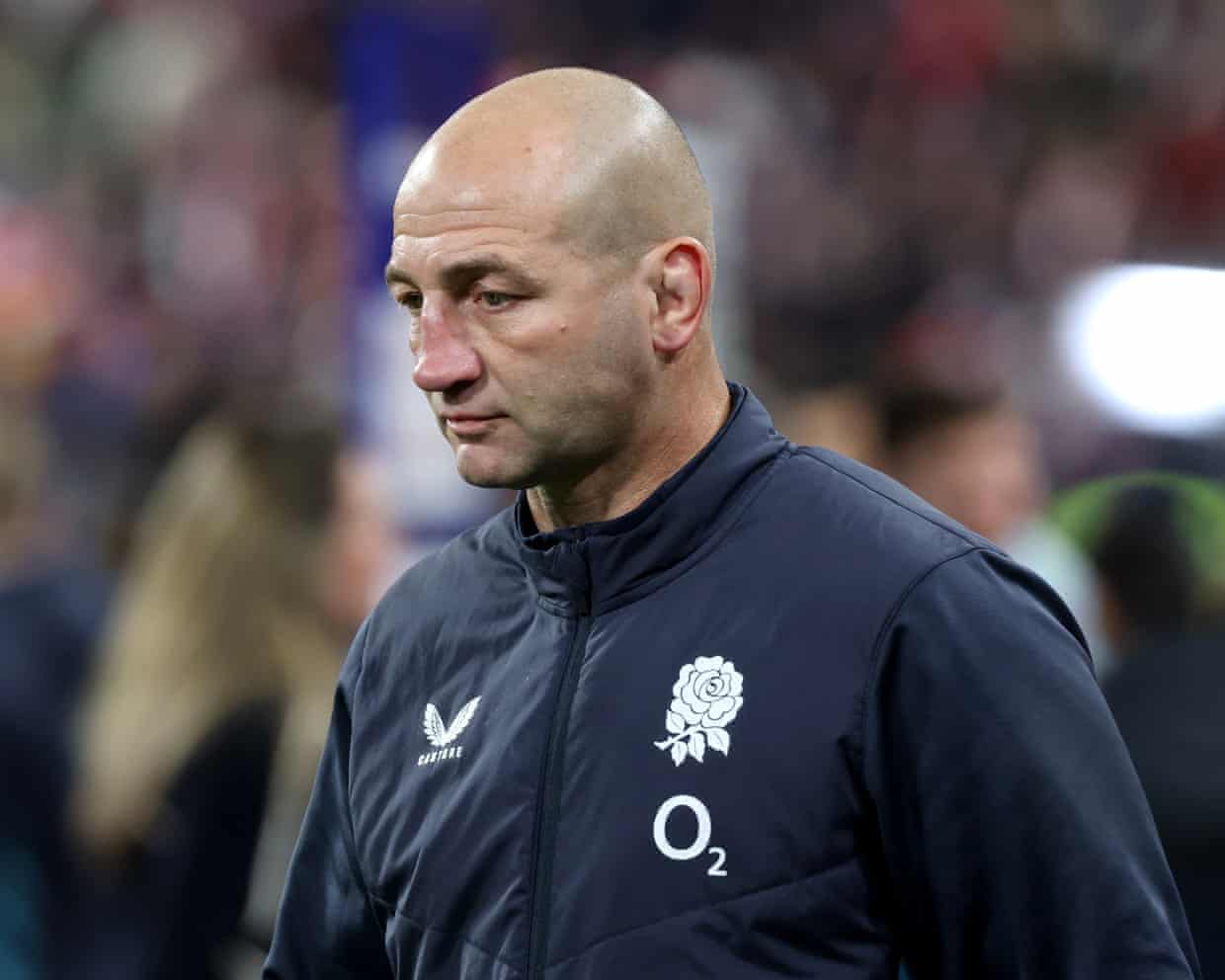
Heartbreak for England but spirited display signposts the way forward | Gerard Meagher