Pakistan’s Abrar Ahmed defies talk of ‘shadow ban’ with Sunrisers deal in Hundred

Abrar Ahmed has become the first Pakistani player to be signed by one of the four Indian-owned Hundred teams, after he was bought by Sunrisers Leeds for £190,000 in the inaugural men’s player auction.The signing was a badly needed relief for the England and Wales Cricket Board, which was recently forced to deny publicly reports that the four sides would operate a “shadow ban” on picking players from Pakistan.The Sunrisers are owned by the Sun media group, which runs the Indian Premier League franchise in Hyderabad and South Africa’s Sunrisers Eastern Cape.They had to fight hard for him after being drawn into a bidding war with the Trent Rockets.Ahmed, 27, is third in the world in the men’s international T20 bowling rankings.
He is one of only a handful of Pakistani players to be signed by Indian-owned teams around the world.The head coach, Dan Vettori, insisted it was strictly a cricket decision.“There wasn’t a discussion, it was just about who was the best option for is.We missed out on Adil Rashid, so then the priority was to get a spin bowler, and we didn’t think that quality was in the local market so we had to look overseas.”The Sunrisers faced an immediate backlash online.
The announcement they posted on X received a barrage of angry replies from outraged Indian fans.Ahmed is a controversial figure among the Indian online cricket community because he once posted a selfie with the caption “Having the last cup of FANTASTIC evening TEA before Ramadan begins”.The post was widely interpreted to be a reference to a meme about Wing Commander Abhinandan Varthaman, an Indian fighter pilot who was shot down and captured during a dogfight in Jammu and Kashmir in 2019, and who then appeared in a video talking about the “fantastic tea” he had been given while he was in Pakistani captivity.There is a suspicion that everyone involved in all sides of this particular argument may be guilty of spending too much time online, but all the same, the India spinner Varun Chakravarthy only just celebrated his side’s victory in the T20 World Cup by posting a picture of himself drinking a cup of tea while holding the trophy, with the caption “a lot of distance was travelled to get a taste of this cup”, which was widely reported to be a dig at Ahmed.Ahmed was not the only Pakistani player to be picked up.
His teammate Usman Tariq, infamous for the long pause in the middle of his unorthodox bowling action, was bought for £140,000 by Birmingham Phoenix, who are part-owned by the US investment firm Knighthead Capital.Shadab Khan, Saim Ayub and Haris Rauf, who were among the top 50 players in the auction, all went unsold.Phoenix also brought Mustafizur Rahman, whose recent dismissal from the IPL on political grounds sparked Bangladesh’s boycott of the T20 World Cup.England's Ashes contingent will not be speaking to the media ahead of the county season after an intervention from the England and Wales Cricket Board.The domestic season gets under way on 3 April, with the traditional round of media days being held by all 18 teams over the next three weeks.
But those involved with England during their troubled 4-1 defeat in Australia are not currently cleared to field questions, according to sources in the county game.While Jacob Bethell, Ben Duckett, Jofra Archer, Will Jacks and Brydon Carse will be absent due to involvement in the Indian Premier League, the other 11 players are not being made available.That number includes captain Ben Stokes, Harry Brook, Joe Root, Gus Atkinson, Zak Crawley, Ollie Pope, Matthew Potts, Jamie Smith, Josh Tongue, Mark Wood and Shoaib Bashir, several of whom had already been provisionally offered for interview by their counties.The Press Association understands the ECB is planning to put forward chief executive Richard Gould and team director Rob Key for a media briefing to reflect on the events of the winter in the coming weeks and do not want individual players to face questions before the management have had their say.There is some frustration among county camps, who feel the attraction of big name internationals helps shine a spotlight on the first-class game.
Players who do line up at the start of the Rothesay County Championship season are still likely to be made available for standard end-of-play interviews with attending media, dependent on performance.The complications around Ahmed made the extraordinary story of Sussex’s all-rounder James Coles seem fairly straightforward in comparison, but this, too, is a clear sign of the ways in which English cricket is changing.Coles became the most expensive player sold on the day when he was bought by London Spirit for £390,000.He is 21 and has not played international cricket, but won two man of the match awards in seven games for Sunrisers Eastern Cape this winter.He bats in the top six, bowls left-arm spin and took eight wickets in three T20 games for England Lions against Pakistan’s A team during the recent series in Abu Dhabi.
Young English players are at a premium because the teams expect to be able to build around them for the next three years of the competition.But even so, it was an astonishing turn of events given that he is now the fourth best-paid player in the tournament, behind Harry Brook, Phil Salt and Jofra Archer.London Spirit could have bought both Liam Dawson and Rashid Khan for the same money and had change left over.Or to put it another way, they could have bought his new teammate Mason Crane 11 times over and had enough money left for another to be 12th man.London Spirit’s head coach, Andy Flower, insisted that Coles had been sold for only “a little more” than his side expected to pay for him.

‘Highly problematic behavior’: Noma residency in LA starts with PR crisis
It was always going to be an indulgence for René Redzepi, the Danish-Albanian chef of Noma fame, to bring his exacting, innovative vision of haute cuisine to Los Angeles and spend several weeks tickling the palates of well-heeled diners at a hilltop estate once dubbed “the most beautiful home in Hollywood”.The Guardian’s journalism is independent. We will earn a commission if you buy something through an affiliate link. Learn more.The timing has certainly been unfortunate, since the US is now fighting a destabilizing war in the Middle East and food prices are climbing so steeply that many ordinary Americans can no longer afford to eat at McDonald’s, much less contemplate the counterintuitive delights of tacinga cactus, bougainvillea petals, mealworms and giant tuna eyes
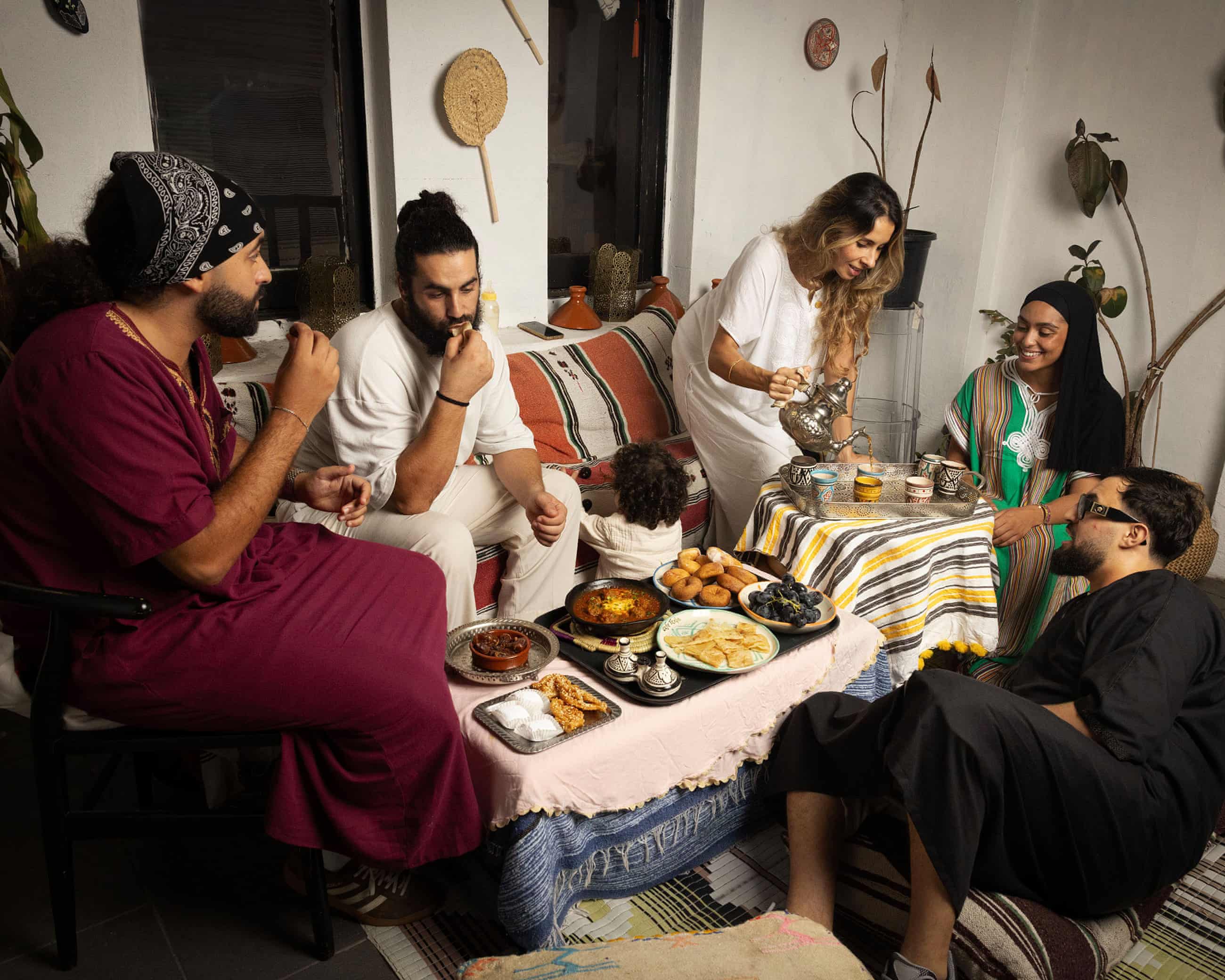
Before sunrise: while Sydney sleeps, suhoor meals attract a lively social scene during Ramadan
Suhoor – the pre-dawn meal – is typically shared at home. But in Sydney customers also queue outside food trucks, restaurants and cafes with extended trading hoursIt’s just after midnight in an industrial courtyard in Auburn in Sydney’s west and a glow of string lights and the constant sizzle of a grill signal one of Ramadan’s newest late-night rituals. A food truck specialising in halal steak sandwiches has attracted a small crowd and a queue begins to form.The rest of the city is largely asleep but here the courtyard hums with life as young Muslims arrive in waves after evening taraweeh prayers, chatting and checking their phones as the clock edges closer to suhoor – the pre-dawn meal eaten during Ramadan before the day’s fast begins.Inside The Meat Up, a Lebanese husband-and-wife duo move quickly over the grill
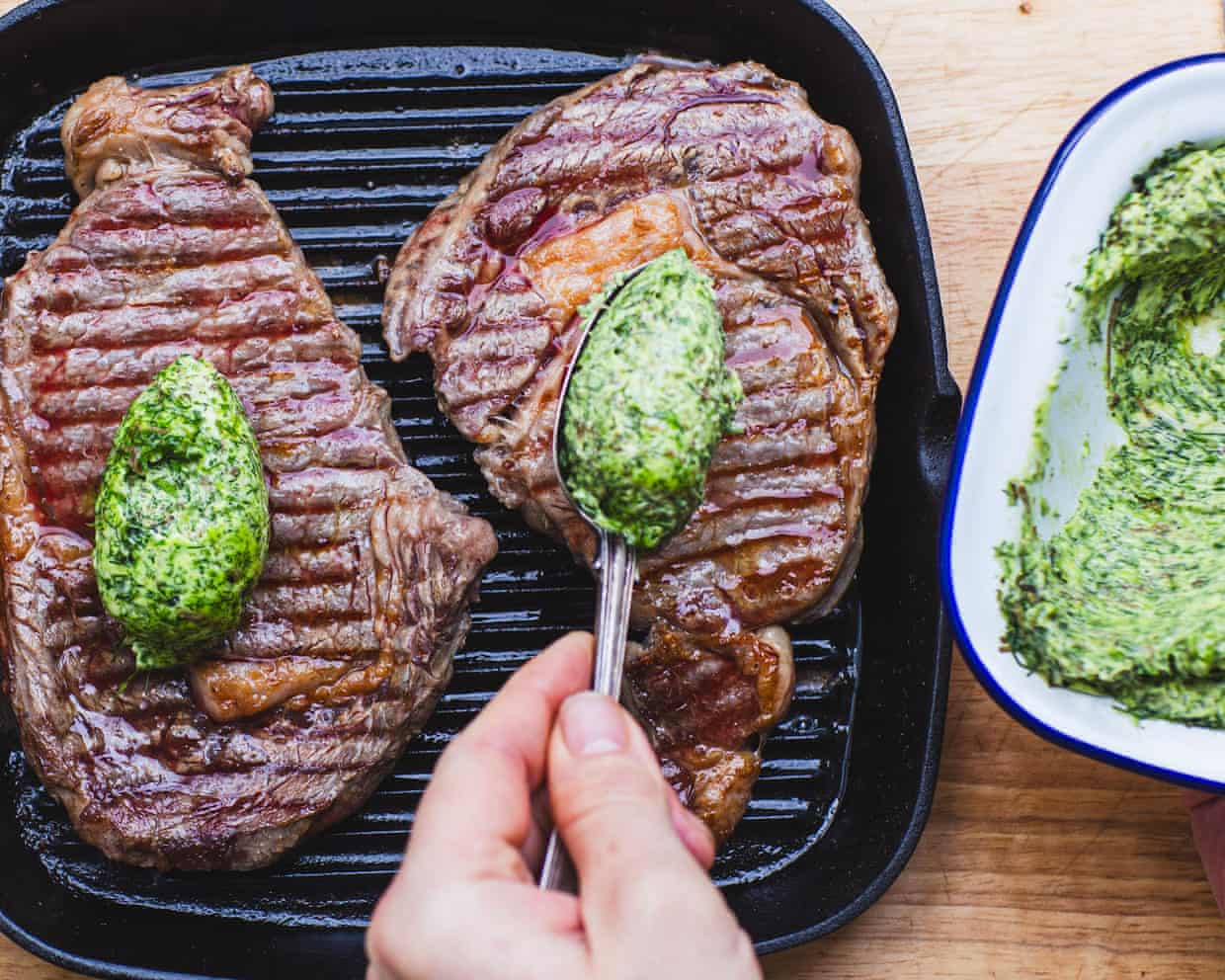
How to use up limp herbs in a flavoured butter – recipe | Waste not
Compound butter is simply butter that’s been mixed with flavourings, both sweet and savoury, and is a tasty and easy way to give a small bunch of tired herbs new life. It can be melted over vegetables, stirred through pasta, grains or pulses, basted over meat or fish, spread on toast, or frozen in slices to use a little at a time. Think of this less as a recipe and more as a framework: taste as you go and decide whether you want something bold and explosive or a more gentle experience.Long before the TikTok revival, compound butter was something most home cooks admired on restaurant plates rather than made themselves. But it’s a really simple way to save a few tired herbs and give a meal a welcome boost, adding both serious flavour and visual impact
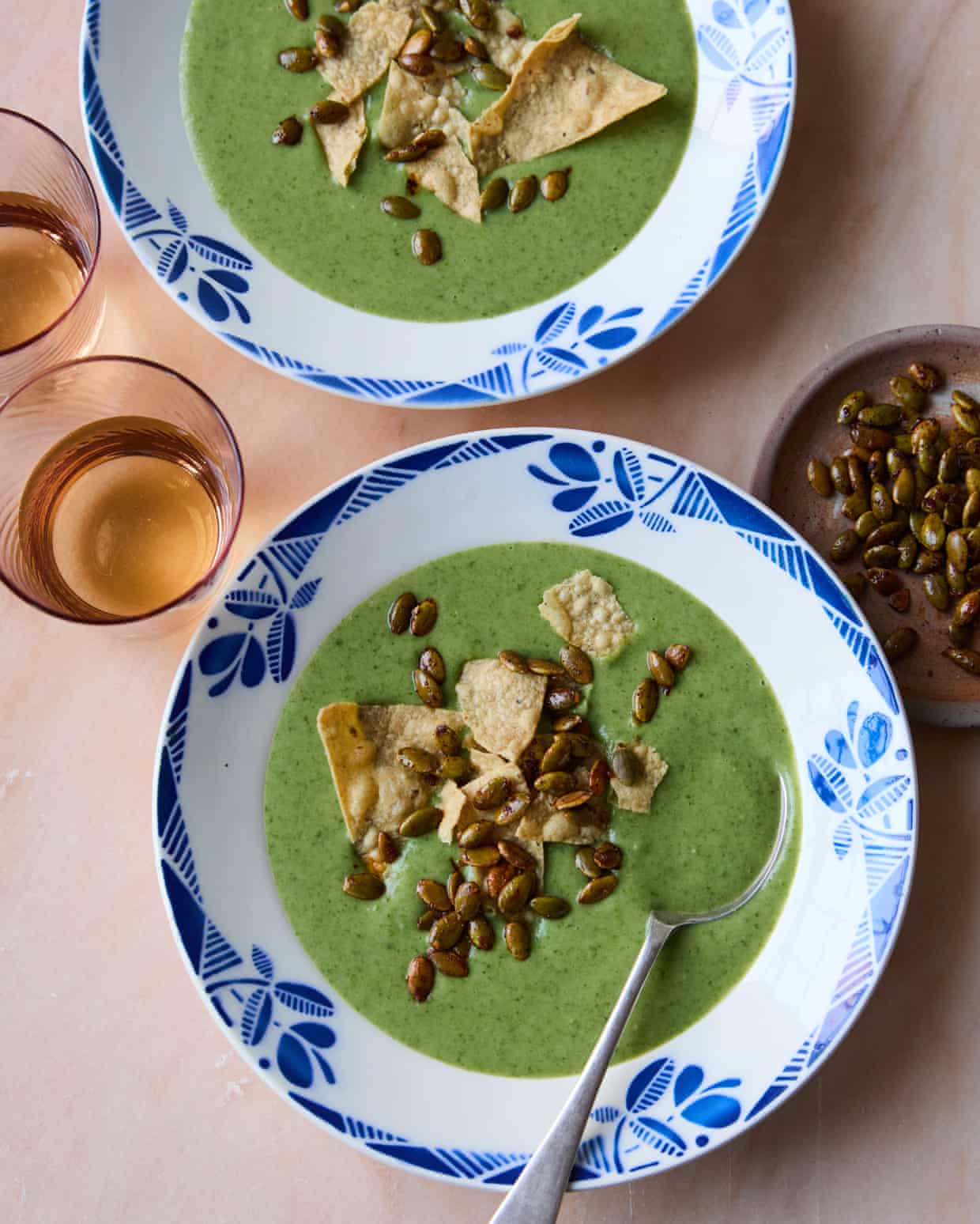
Chicken wings and soup: Helen Graves’ spring onion recipes
March is a tricky pin in the seasonal calendar, with energising winter citrus fading and spring’s stars yet to emerge. It’s a time when I find pleasure in reappraising ingredients that are routinely overlooked. Spring onions, say, which are often considered a garnish, but which are good for so much more. Their contrasting colourway is a clue to their varying intensity, with the white roots holding pungency and the greens more akin to especially bolshie chives. Today’s recipes harness the properties of both, bridging the gap between the current need for comfort and the warmer weather ahead

Chefs the world over strive for a perfect score from Rate My Chives. Could I achieve one at home?
My goal: a perfect 10 from Rate My Chives, the ‘number one authority on chives worldwide’. Why is this so hard?Get our weekend culture and lifestyle emailChopping chives, I notice my weak wrists for the first time. My knife is connected to my hand which is connected to my wrist, which is flopping about like an overcooked piece of asparagus.“You’ve got to keep them more sturdy,” says chef Trisha Greentree. “Lock in that line
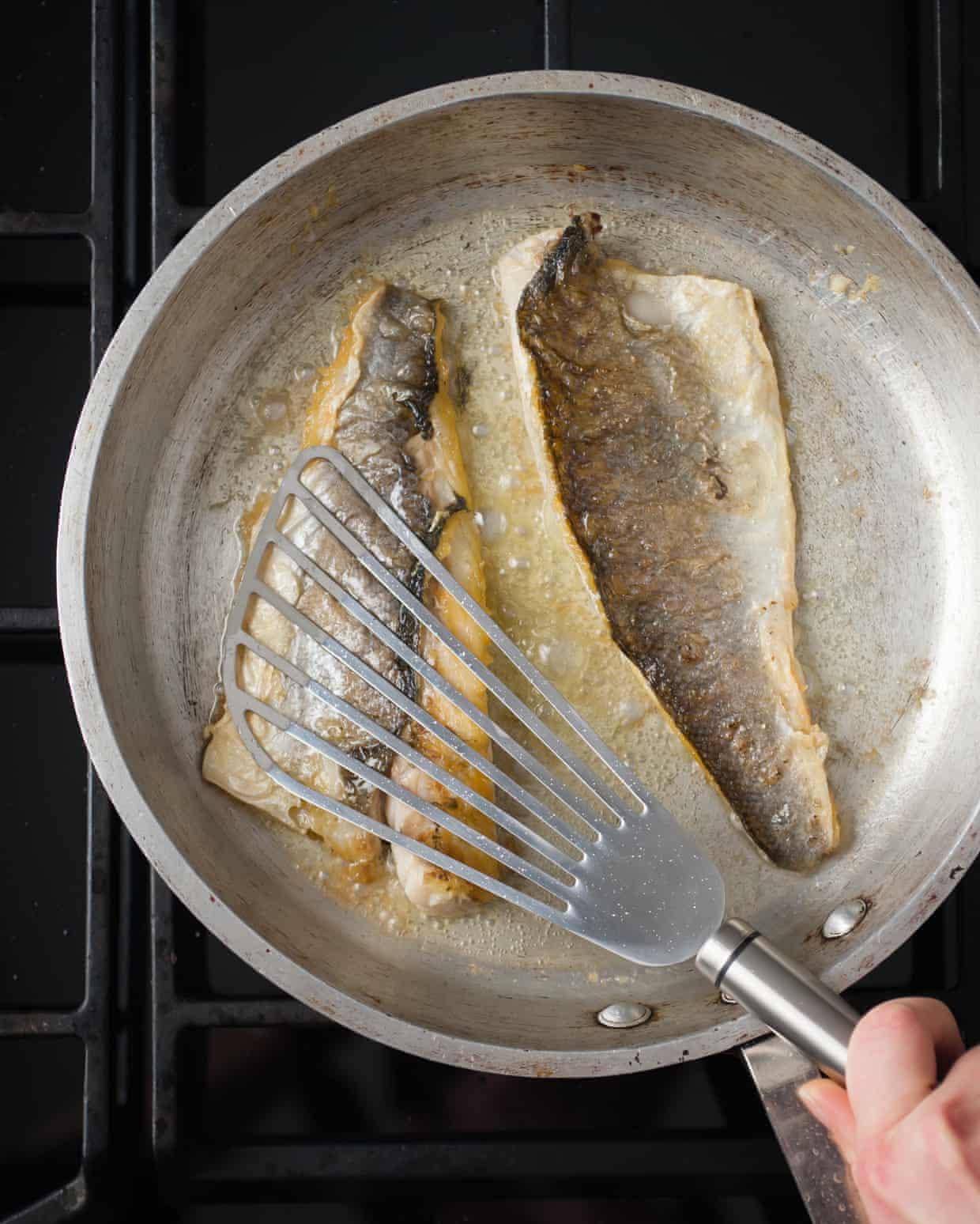
What’s the secret to crisp-skinned fish? | Kitchen aide
When I fry fish, the skin never goes crisp, and instead either sticks, rips or goes limp. What am I doing wrong?Emily, by email “The secret to perfectly crisp fish skin is heat,” says Mitch Tonks, founder of Rockfish in south-west England. Well, heat plus a little bit of prep. Fish are, of course, moist things, and moisture is the enemy in the quest for that golden-brown crust, so the first thing Emily is going to need to do is dry that skin out. “If the fish has any moisture on it, it will create steam while it’s being cooked, which, in turn, will make the skin go soggy and inedible, rather than crisp and delicious,” says British fish guru Nathan Outlaw, whose latest book, On Fish: A Seafood Handbook, is published next month

Middle East war creating ‘largest supply disruption in the history of oil markets’

Antibiotics need coordinated G7 investment | Letter

UK regulator examines IT glitch that enabled bank customers to see others’ accounts on app

Middle East war creating ‘largest supply disruption in the history of oil markets’, as Brent crude hits $100 again – as it happened

John Lewis pays first annual staff bonus in four years as profits rise

Welsh Water to pay £44.7m after ‘unacceptable’ sewage works failings