Easier start for Alex de Minaur as Matteo Berrettini withdraws from Australian Open

Alex de Minaur has received an early boost to his Australian Open chances after the withdrawal of his tough first-round opponent, former world No 6 Matteo Berrettini.Tens of thousands have filled Melbourne Park on a sunny Sunday marking the first day of the main draw, which has already seen Perth product Talia Gibson secure passage to the second round.Even before a ball had been hit, however, there was reason for Australian optimism.Berrettini announced he had suffered a recurrence of the abdomen problems which had plagued his 2025 season, forcing him to miss the French and US opens, and would not take the court against De Minaur.“Unfortunately I’ve felt discomfort in my obliques once again and I won’t be ready to perform at my best level for five sets,” the Italian posted on Instagram.
“It hurts because playing in Australia is always special and after four weeks of intense training I was excited and ready to get going.”“I’m hoping and feeling that I won’t be out from the tennis courts for a long time.”The news robs the tournament of its most compelling first-round match.Berrettini had appeared a formidable first opponent for De Minaur, after the former Wimbledon finalist defeated world No 27 Learner Tien in straight sets at the Kooyong Classic last week.The Australian will now meet Mackenzie McDonald, the American who was beaten in qualifying but now receives a last-minute call-up as a “lucky loser”.
The 30-year-old is a respected tour veteran with a career-high ranking of 37, whose best result at Melbourne Park was reaching the fourth round in 2021.De Minaur, the highest local men’s seed in two decades, will face McDonald on Rod Laver Arena on Monday afternoon.Gibson was the first of four Australians in action on Sunday, and she defeated 62nd-ranked Anna Blinkova 6-1 6-3 in just 76 minutes.The 21-year-old, who also reached the second round last year, said she is becoming more comfortable as the aggressor, and is able to finish off more points.“The experiences that I’ve had over the last 12 months, I’ve been able to learn so much and grow mentally as well as physically,” she said.
“That was exciting for me, to be able to go out there and be in control of most of the points,”The world No 119 was given a wildcard for the tournament and she said the prize money – at least $225,000 for those in the second-round this year – would go “an extremely long way” in supporting her life on tour this year,The 32nd seed Corentin Moutet defeated Australian Tristan Schoolkate on Kia Arena in the afternoon, 6-4 7-6 (1) 6-3,Queenslander Adam Walton has been given one of tennis’ toughest tasks in his match against men’s top seed, Carlos Alcaraz, in the evening session on Rod Laver Arena,Qualifier Jason Kubler meets the American 29th seed, Frances Tiafoe, on John Cain Arena no earlier than 5pm.
The tournament’s Opening Week, featuring qualifying matches, concerts and the One Point Slam, attracted 217,999 attendees.It almost doubled the previous record, 116,528, set last year.

Dr Aggrey Burke obituary
In 1986 the psychiatrist Dr Aggrey Burke, along with his colleague Joe Collier, had gathered evidence that their employer, St George’s hospital, and other London medical schools, were discriminating against women and people with “foreign sounding names” in their admission processes. Burke and Collier, both then senior lecturers at St George’s, decided to blow the whistle. They published a paper that led to a Commission for Racial Equality inquiry, and wholesale changes to the admission policies at medical schools across the capital. Burke knew the risk the pair were taking, saying it was “as though one had offended against the whole system; we were blamed, unfairly treated and made to feel that we were outcasts”.As the first Black consultant psychiatrist in the UK, Burke, who has died aged 82 of prostate cancer, was at the forefront of challenging mental health systems to treat Black people with fairness, and of supporting those caught up in the criminal justice system
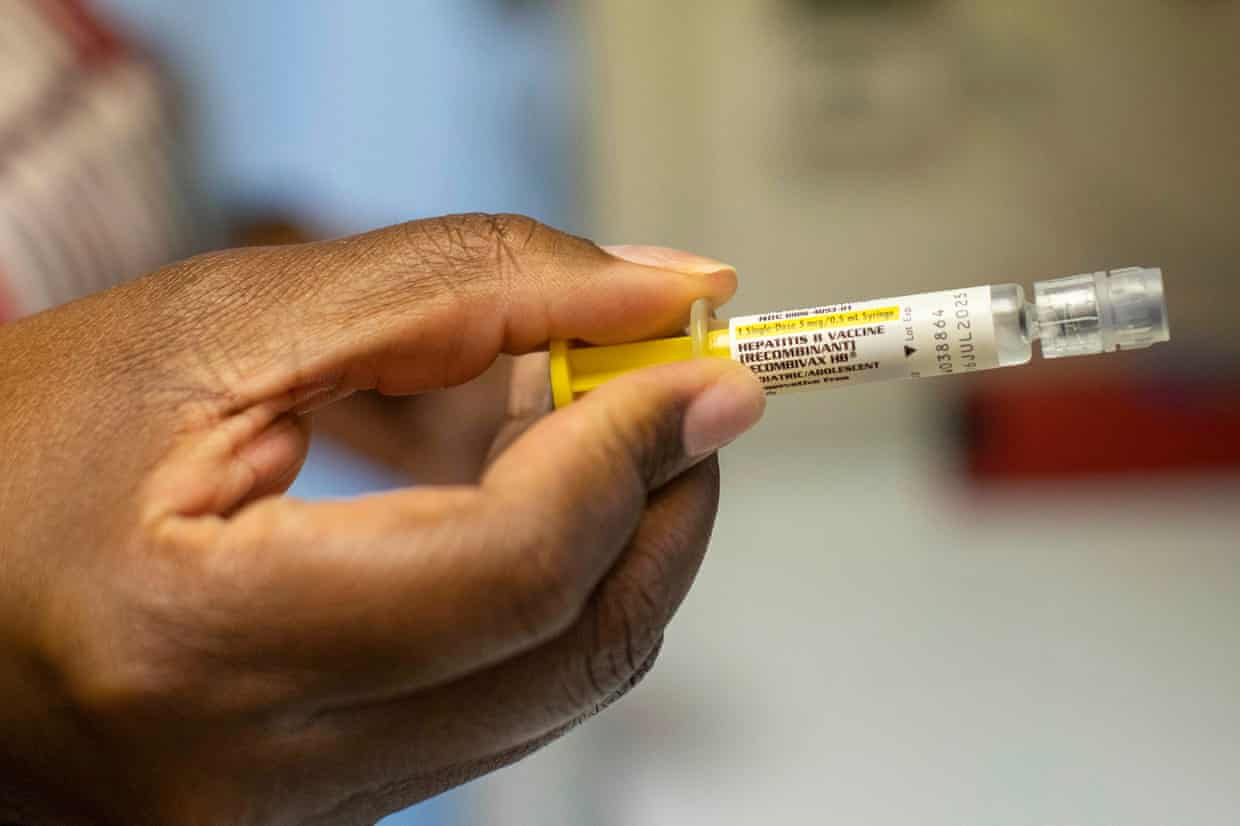
Controversial US study on hepatitis B vaccines in Africa is cancelled
The controversial US-funded study on hepatitis B vaccines among newborns in Guinea-Bissau has been halted, according to Yap Boum, a senior official at the Africa Centres for Disease Control and Prevention (CDC).“The study has been cancelled,” Boum told journalists at a press conference on Thursday morning.The $1.6m study, funded under the purview of Robert F Kennedy Jr, a longtime vaccine skeptic and the secretary of the US Department of Health and Human Services (HHS) , drew outrage and criticism over ethical questions about withholding vaccines proven to prevent hepatitis B in a country with a very high burden of the disease.“It’s of importance for Africa CDC to have evidence that can be translated in policy, but this has to be done within the norm
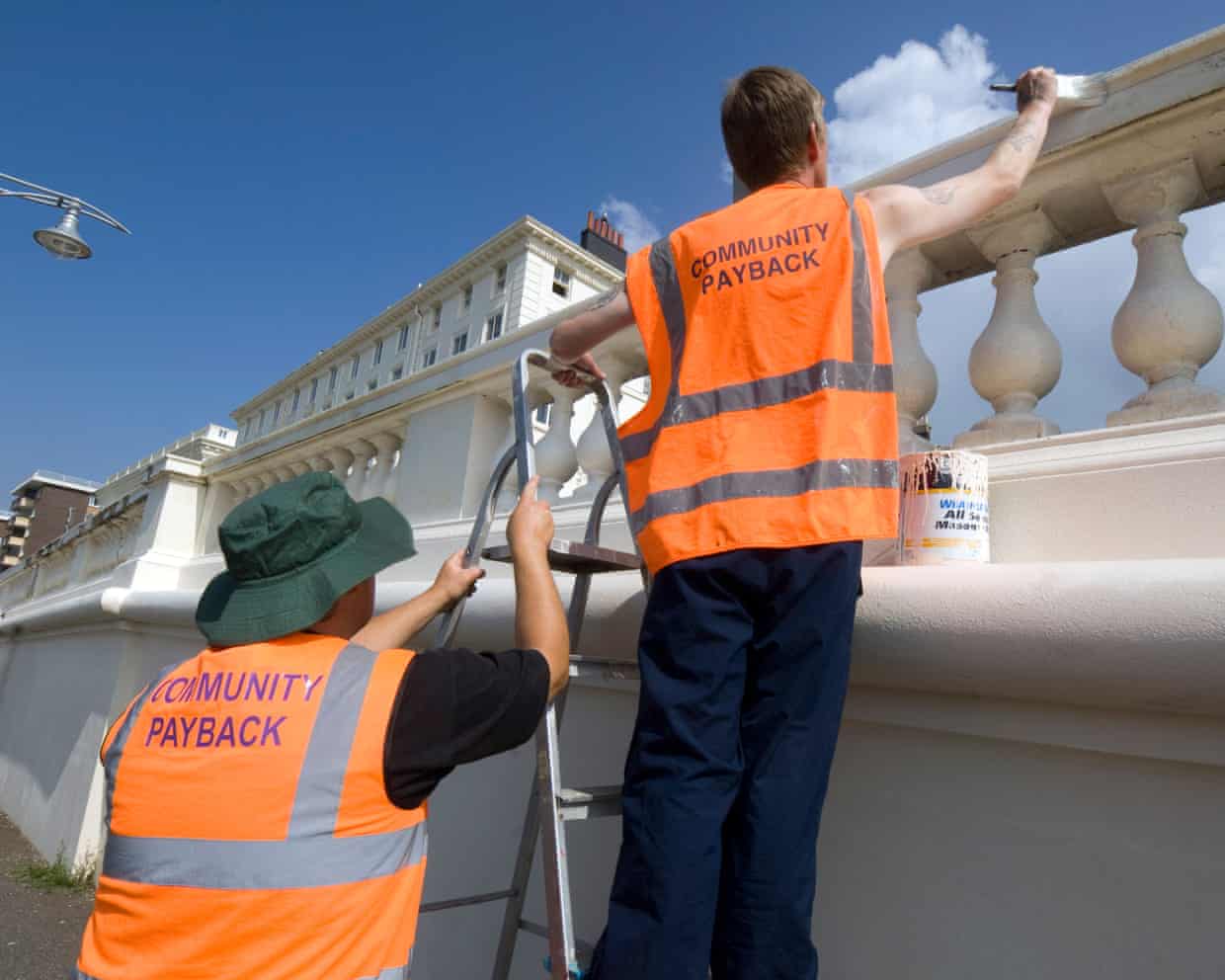
‘Name and shame’ plans for community sentences in England and Wales ditched
Ministers have dropped plans to photograph, name and shame offenders ordered to complete unpaid community work in England and Wales in the latest U-turn by Labour.The plans, first disclosed by the Guardian, would have meant people convicted of minor criminal offences having details of their cases and their community work publicised on government websites and promoted through local media.But after concerns that the material could be used to humiliate the children of offenders, the Ministry of Justice has accepted an amendment to the sentencing bill that will remove the right to publish offenders’ names and photographs.Keir Starmer is facing criticism from his own backbenchers for a series of policy reversals amid deepening unpopularity.Offenders can be sentenced to an “unpaid work requirement” under community orders and suspended sentence orders

Guardian’s Hope appeal raises more than £1m for charities opposing hatred
The Guardian has raised more than £1m in its Hope appeal to support grassroots charities whose work offers a positive antidote to social division, racism and hatred.The appeal, which closed on Thursday, had five partner charities that will share the donations: Citizens UK, the Linking Network, Locality, Hope Unlimited Charitable Trust and Who Is Your Neighbour?Katharine Viner, the Guardian’s editor in chief, said: “The theme of this year’s Guardian charity appeal was hope, supporting fantastic projects that foster community, tolerance and empathy.“Over the past year our reporting has captured the increased alarm most of us feel over the return of 1970s-style racist abuse, the demonisation of refugees and the resurgence of far-right marches in Britain’s streets.“I’m delighted that Guardian readers responded with such generosity, warmth and solidarity. Your donations will make a positive difference, sending a clear message about standing up to hate and bringing people together

NHS limiting ADHD assessments to save money despite soaring demand
The NHS is restricting people’s ability to be assessed for attention deficit hyperactivity disorder in order to save money but not telling GPs or patients, despite soaring demand for the service.More than half of the NHS’s 42 integrated care boards (ICBs) in England have imposed limits on how many people can be assessed for ADHD during 2025-26, freedom of information responses show.Of the 22 ICBs who have imposed limits, 13 had not told GPs and 12 had not informed patients awaiting an ADHD assessment.The charity ADHD UK, which obtained the figures, said the NHS’s lack of communication showed it was trying to hide that “cruel” curbs on assessment were being widely used to help it cope with a squeeze on its budget.Henry Shelford, ADHD UK’s chief executive, said: “Waiting times for assessments are already horrendously long and it’s shocking to see how the NHS is further rationing people’s care to save money

NHS corridor care is ‘torture’ leading to patient deaths and staff nightmares
Corridor care is “a type of torture” that is leading to patients dying and causing NHS staff to have nightmares, the UK’s nurses union has warned.In one case, an elderly patient choked to death in a corridor, unseen by staff, according to a new dossier of evidence highlighting the problem published by the Royal College of Nursing (RCN).Demand for care is so intense that hospitals are having to turn dining rooms, staff kitchens and rooms for viewing deceased people into overspill care areas, the RCN reveals.Wes Streeting, the health secretary, has pledged to end the use of corridor care in England by 2029, if not sooner. However, NHS staff groups are sceptical that he can fulfil that promise, given that many hospitals are overloaded so often, and not just during the winter

‘The dollar is losing credibility’: why central banks are scrambling for gold
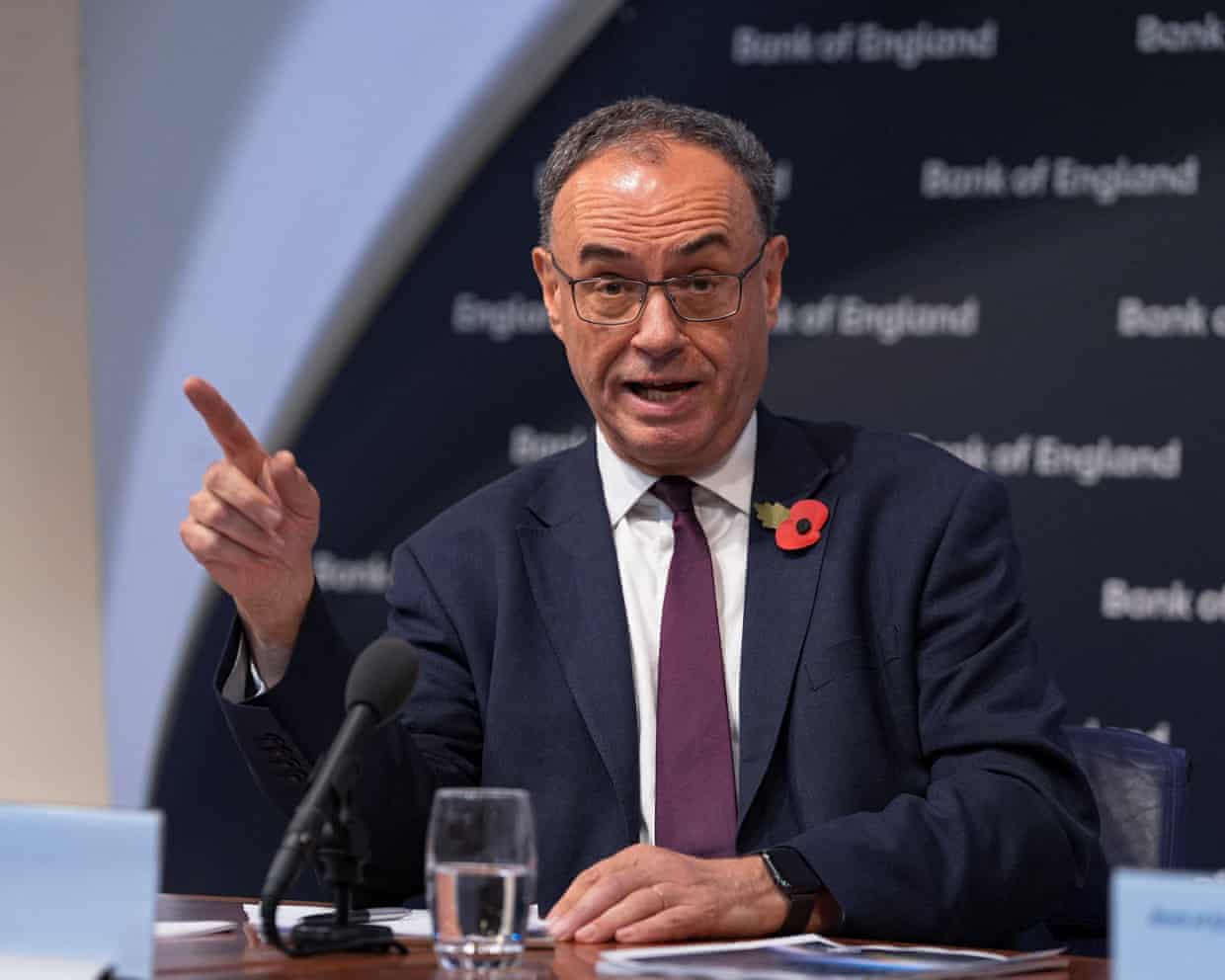
Bank of England governor hits out at populism as Trump interferes in US Fed
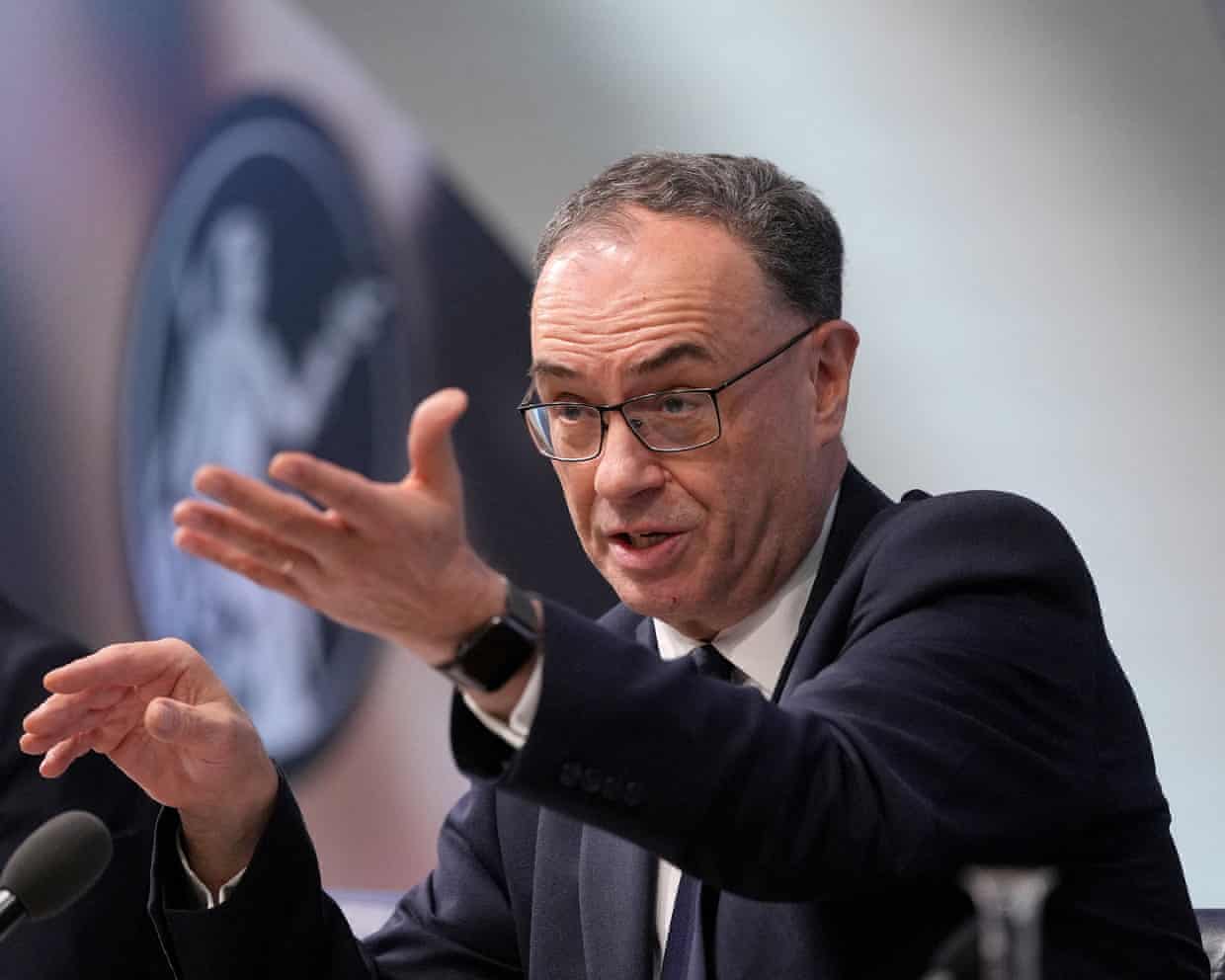
Bank of England governor calls for fightback against populism; South East Water restores service to most Kent and Sussex homes – as it happened

Top two bosses at City & Guilds placed on leave after bonus scandal

BP accused of ‘insidious’ influence on UK education through Science Museum links
South East Water boss lasting weeks in post would be a surprise | Nils Pratley