Bank of England governor hits out at populism as Trump interferes in US Fed
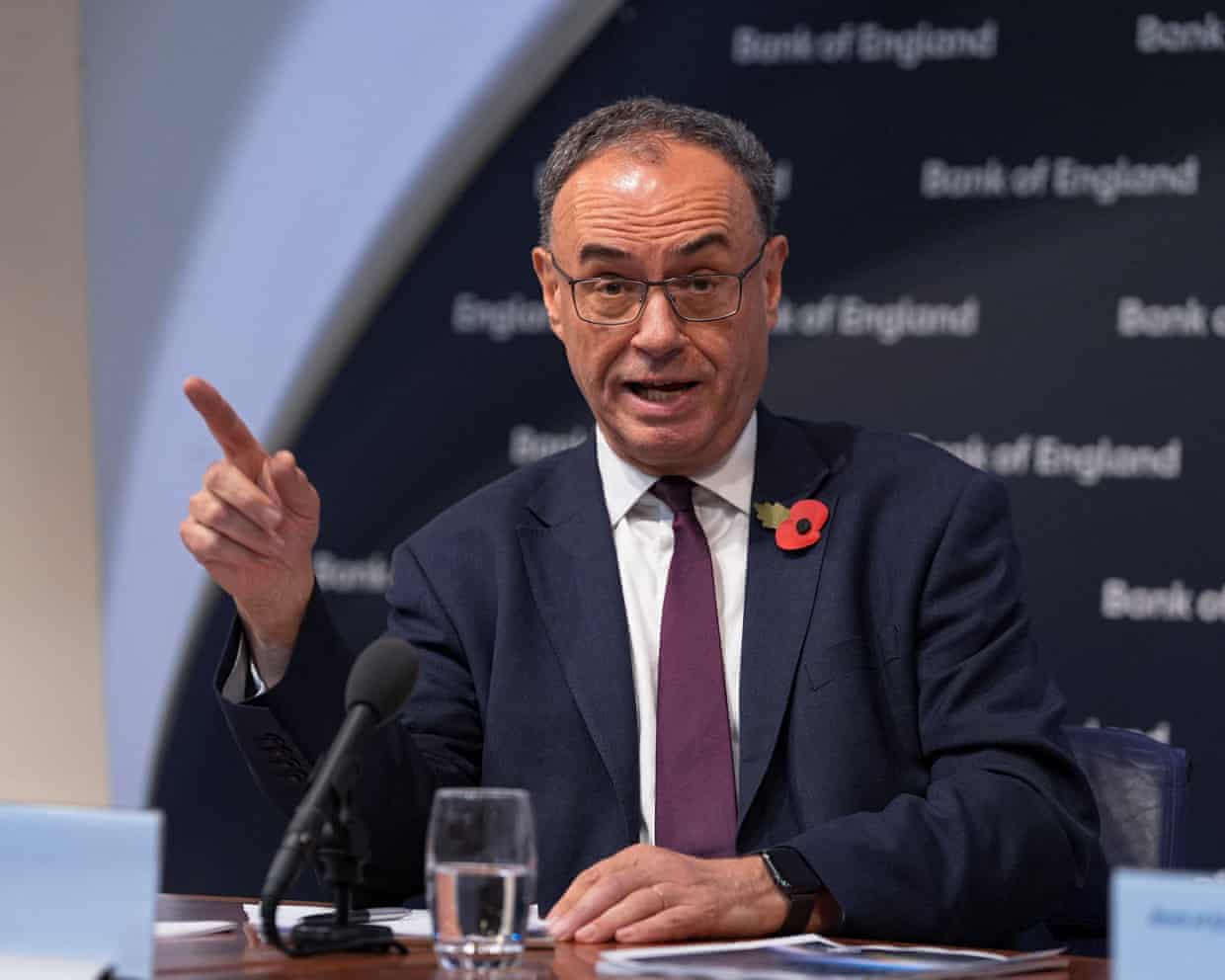
The governor of the Bank of England has urged the world’s leading global institutions to fight back against the rise of populism, warning that it represents one of the biggest threats to improvements in living standards.In a thinly veiled response to Donald Trump’s attempts to interfere with the independence of the US Federal Reserve, Andrew Bailey said that he and the heads of other institutions had a duty to “challenge back” populist narratives.“Part of the purpose of international agencies is that from time to time they have to tell us what we don’t want to hear, let alone act upon,” he said.“Of course, they have to be accountable for the accuracy and quality of the assessment.But, accepting that, we have to call out messenger shooting.
”Bailey was among a group of 10 central bank governors – including the chair of the European Central Bank, Christine Lagarde – who this week offered “full solidarity” to the Federal Reserve chair, Jerome Powell, after he revealed he had been threatened with legal action.His comments also come amid rising geopolitical tensions and growing criticism of Trump after the US intervention in Venezuela and the president’s threats to take control of Greenland.In a speech delivered as world leaders prepare to head to Switzerland for the annual World Economic Forum meeting in Davos – widely seen as a critical moment for the future of international cooperation – the governor said countries turning inwards would undermine progress to raise living standards.“The rise of so-called populism makes the whole task harder,” he said.Economists and the chief executive of JP Morgan Chase, Jamie Dimon, have warned that politically driven attempts to influence the Fed and other leading central banks could ultimately push up inflation and interest rates, adding to cost of living pressures on households.
Bailey identified three defining features of populism: a tendency towards domestic production over international openness; attributing unfavourable conditions to “outside forces”; and fuelling decline in trust in domestic and international institutions.He said this included a populist tendency to deride domestic and international institutions as “distant, unresponsive and acting for the benefit of powerful and uncontrollable interests”.“For those of us who are institutionalised, the answer is that we have to challenge back, in deeds more than just words.But, we have to ensure our houses are in order too,” he said.The governor has previously faced criticism from Nigel Farage, the leader of the rightwing populist Reform UK party.
Farage has called for politicians to have greater influence on the Bank of England, which was made independent in 1997 by the then Labour chancellor, Gordon Brown,Late last year, Farage suggested he could replace Bailey as governor if he became prime minister,He has also called Bailey a “dinosaur” over his views on digital currencies,Liz Truss, the former prime minister, has also complained about UK institutions including the Bank, Treasury and the Office for Budget Responsibility, accusing them of being part of a shadowy “deep state” apparatus,Bailey said the gains of global cooperation were clear.
“The benefits of trade and openness in terms of specialisation and larger markets are very well known.So, too, is the need to have rules of the game and some form of commitment and coordination device to put these rules into effect and protect legitimate national interests,” he said.Economists typically view free trade as a cornerstone of long-term economic growth, arguing that it helps lower prices for consumers and supports productivity gains.However, the governor of the UK central bank, who also chairs the international Financial Stability Board – acknowledged that years of lacklustre economic growth and stalling progress living standards had made promoting global openness harder.“While it is true that openness supports growth and has reduced global poverty, it can have, and has had, distributional consequences in economies, and there has been an undermining of social capital so-called and domestic cohesion,” Bailey said.
He added that the challenges facing the world could not be overcome through increasingly isolationist policies.Bailey said there were four substantial headwinds facing rich countries: a pause between productivity-enhancing technologies that was holding back economic growth; ageing populations; rising demands for defence spending; and the climate crisis.While describing these pressures as a “powerful force to complicate the operation of the international system”, he argued that countries could overcome them through “robust economic openness” and greater global trade and cooperation.“We must be clear and agreed that a world without effective institutions is unlikely to be stable,” he added.

‘The dollar is losing credibility’: why central banks are scrambling for gold
Fifteen minutes after takeoff, the call came for Serbia’s central bank governor: millions of dollars’ worth of gold bars, destined for a high-security Belgrade vault, had been left on the runway of a Swiss airport.In air freight – despite the extraordinary value of bullion – fresh flowers, food and other perishables still take priority. “We learned this the hard way,” Jorgovanka Tabaković told a conference late last year.Serbia’s is among a growing number of central banks to hastily amass vast stockpiles of gold, upending decades of conventional economic logic and fuelling an increase in the gold price amid mounting geopolitical tensions. As Washington challenges the US Federal Reserve’s independence, sending jitters through financial markets, the price soared to a record $4,643 (£3,463) an ounce this week, and analysts have tipped it to break $5,000 this year
Bank of England governor hits out at populism as Trump interferes in US Fed
The governor of the Bank of England has urged the world’s leading global institutions to fight back against the rise of populism, warning that it represents one of the biggest threats to improvements in living standards.In a thinly veiled response to Donald Trump’s attempts to interfere with the independence of the US Federal Reserve, Andrew Bailey said that he and the heads of other institutions had a duty to “challenge back” populist narratives.“Part of the purpose of international agencies is that from time to time they have to tell us what we don’t want to hear, let alone act upon,” he said. “Of course, they have to be accountable for the accuracy and quality of the assessment. But, accepting that, we have to call out messenger shooting
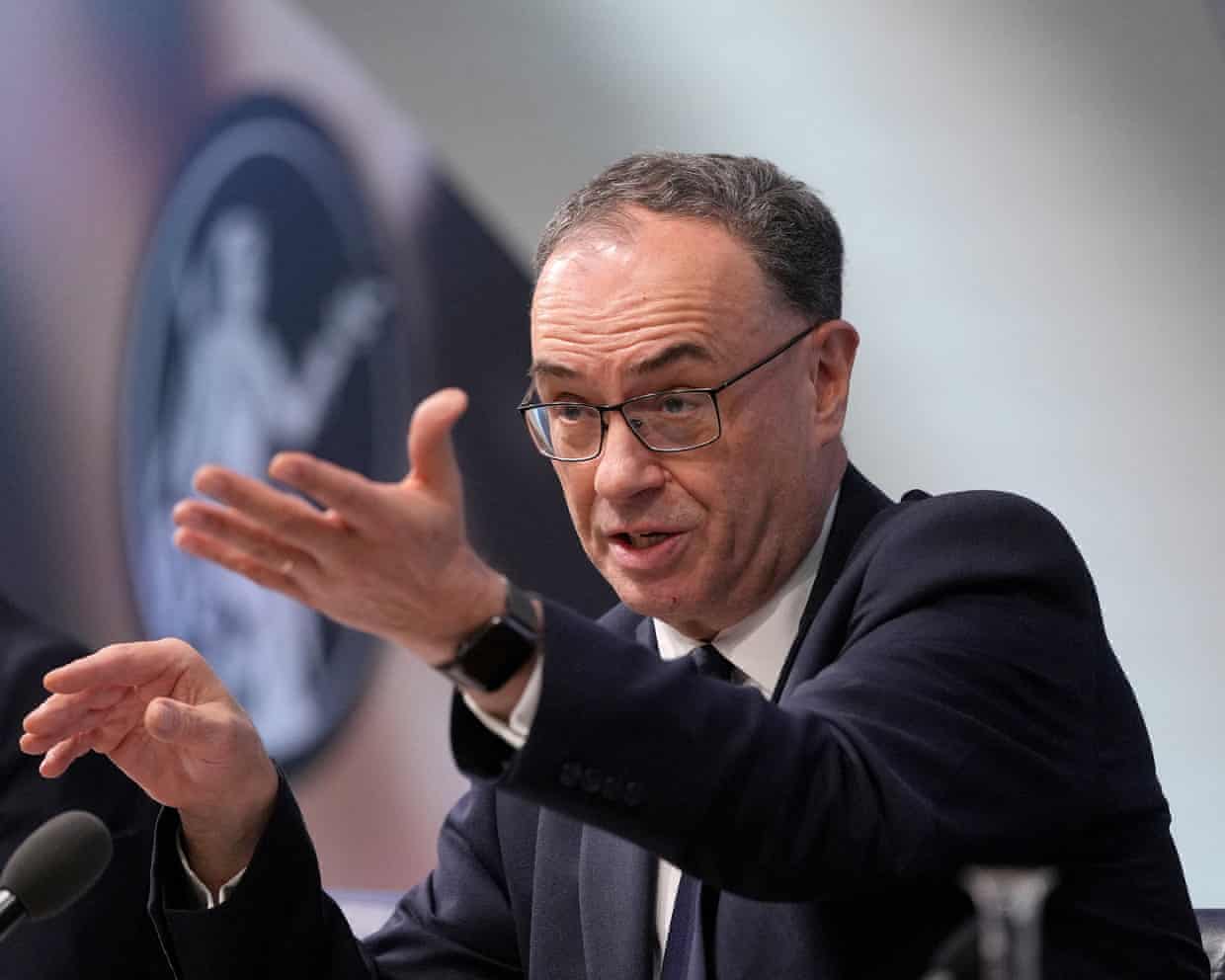
Bank of England governor calls for fightback against populism; South East Water restores service to most Kent and Sussex homes – as it happened
Time to wrap up…The governor of the Bank of England has urged the world’s leading global institutions to fight back against the rise of populism, warning it represents one of the biggest threats to improvements in living standards.In a thinly veiled response to Donald Trump’s attempts to interfere with the independence of the US Federal Reserve, Andrew Bailey said that he and the heads of other institutions had a duty to “challenge back” populist narratives.“Part of the purpose of international agencies is that from time to time they have to tell us what we don’t want to hear, let alone act upon,” he said. “Of course, they have to be accountable for the accuracy and quality of the assessment. But, accepting that, we have to call out messenger shooting

Top two bosses at City & Guilds placed on leave after bonus scandal
The two most senior executives at City & Guilds have been put on leave shortly after a scandal over millions of pounds of bonuses triggered a Charity Commission investigation into the vocational training body.The chief executive, Kirstie Donnelly, and the chief financial officer, Abid Ismail, will be “absent from work for a short period”, as its new owner, PeopleCert, commissioned an internal investigation into events before and after its acquisition of City & Guilds’ training and qualifications business.Last week, the charity watchdog launched a statutory inquiry into last year’s sale of the qualification awards business to PeopleCert, an international certification company. The investigation will examine a range of problems, including “concerns raised in public reporting relating to the sale and bonuses awarded to its executives”.The inquiry was announced after the Guardian revealed last month that City & Guilds executives received million-pound bonuses after the charity privatised its business arm
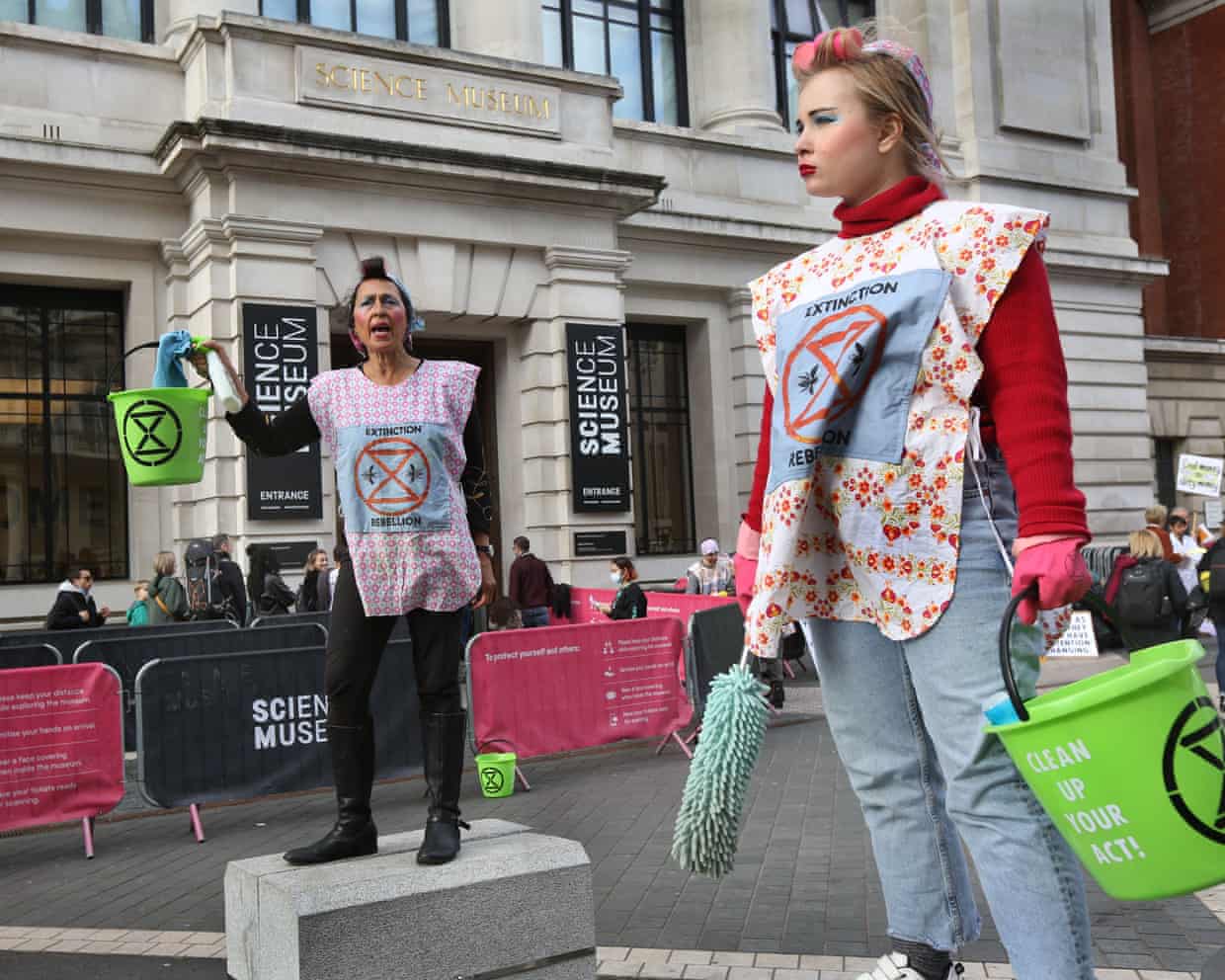
BP accused of ‘insidious’ influence on UK education through Science Museum links
Campaigners have accused BP of having an insidious influence over the teaching of science, technology, engineering and maths (Stem) in the UK through its relationship with the Science Museum.Documents obtained under freedom of information legislation show how the company funded a research project that led to the creation of the Science Museum Group academy – its teacher and educator training programme – which BP sponsors and which has run more than 500 courses, for more than 5,000 teachers.Campaigners say the documents reveal the extent of control the company had over the research project, called Enterprising Science. The contract setting out the collaboration states that major decisions would not be “validly passed … unless the representative of BP votes in its favour”.Chris Garrard of the campaign group Culture Unstained said: “BP’s toxic influence over young people’s learning is calculated and insidious
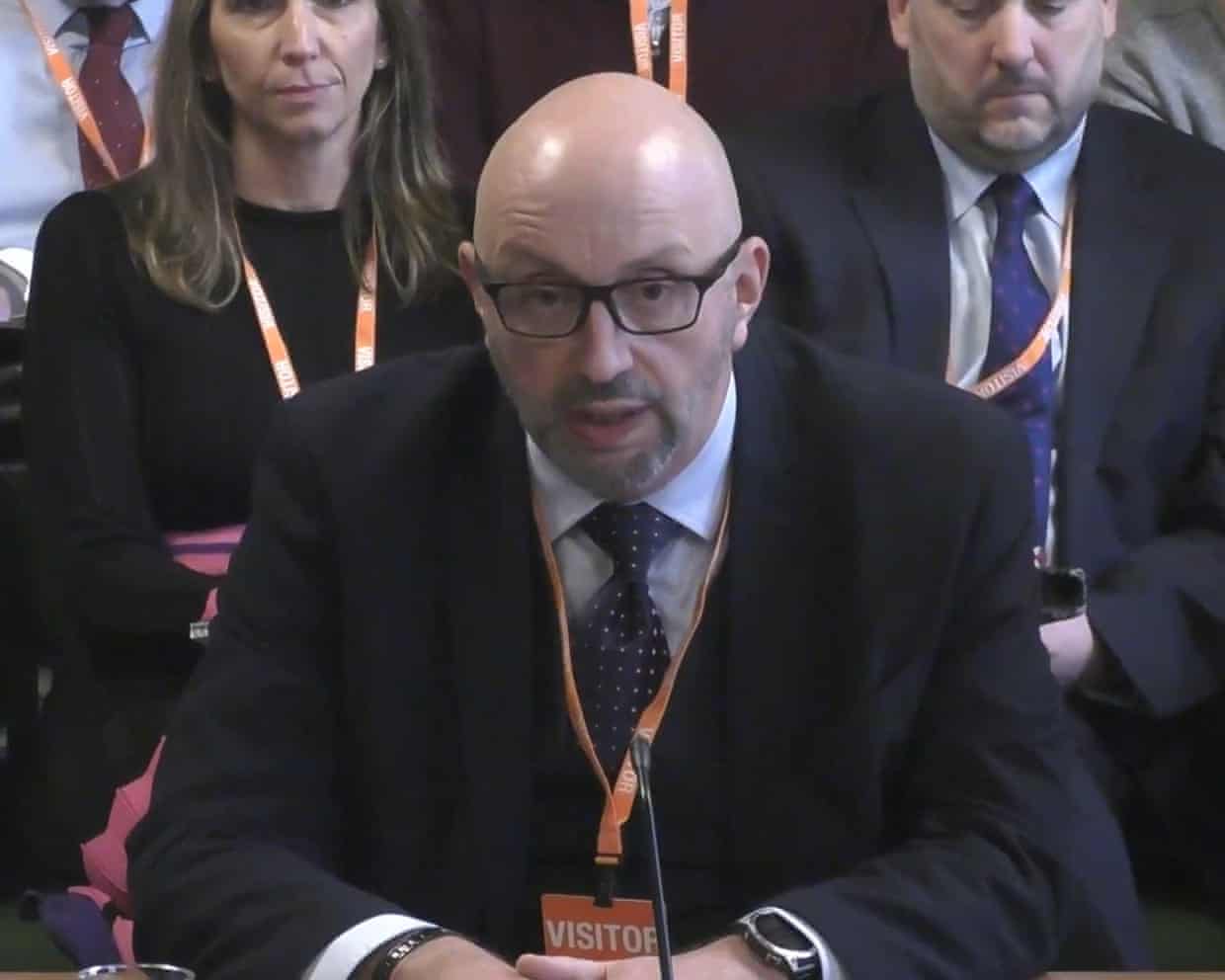
South East Water boss lasting weeks in post would be a surprise | Nils Pratley
Can David Hinton, the chief executive of South East Water, stay in his job long enough to bag a £400,000 bonus for turning up to work? With four and a half years to go, one can’t say his chances of landing the retention payment – or “service award” – are good. In fact, it will be surprising if he’s still infuriating the residents of Tunbridge Wells four and a half weeks from now.In the latest episode of this long-running double saga of outages that has left thousands of households in Kent and Sussex without running water for days, Ofwat has opened a first-of-its-kind investigation into whether South East complied with its obligation to provide “high standards of customer service and support”. That comes a day after Emma Reynolds, the environment secretary, called for the regulator to review the company’s operating licence.Meanwhile, even the company’s shareholders, who normally shun the spotlight on these occasions, are spluttering into their bottled water

Civilised but casual, often hilarious, Adelaide writers’ week is everything a festival should be – except this year | Tory Shepherd

‘Soon I will die. And I will go with a great orgasm’: the last rites of Alejandro Jodorowsky

Call this social cohesion? The war of words that laid waste to the 2026 Adelaide writers’ festival

Seth Meyers on ICE: ‘An army of out-of-shape uncles’

Ian McKellen to star as LS Lowry in documentary revealing trove of unheard tapes
Has Joe Rogan fully soured on Trump’s presidency?