Scotland 31-20 England: Six Nations player ratings from Murrayfield

Tom Jordan Solid under high ball, did his bit in a cohesive attacking display from Gregor Townsend’s fluent backline.7Kyle Steyn Profound threat with powerful, direct running – and he kept coming all game.Quite a contrast between his scintillating performance and Henry Arundell’s.9 Player of the matchHuw Jones Ran the length for decisive try after George Ford was charged down.Confident early finish helped establish home supremacy.
8Sione Tuipulotu Typically punishing and direct carrying into contact combined with smart leadership.Ushered Arundell off stage with protestations to the referee.7Jamie Dobie Not as influential or dangerous as Steyn on the other wing but he still produced a couple of big moments.7Finn Russell Class.Brilliant tap-on for Jones’s opener and accurate place-kicking helped build lead.
Stunning jinking run and clever kick created third try,9Ben White Excellent box-kicking combined with slick distribution was crucial in Scotland’s early salvo,Set tempo alongside the accomplished Russell,7Nathan McBeth Impressive around the field on first Six Nations start, contributed to the hosts’ important first quarter,Life was more difficult at scrum.
6George Turner Some determined work at the breakdown but none of the front-rowers got Scotland moving forward at the set piece,6Zander Fagerson Dominated in scrums,Withdrawn early after a pummelling from Ellis Genge and company but brought his physicality in the loose,6Gregor Brown Justified his introduction to the second row,Set piece was far from ideal but mucked in to press England back.
6Scott Cummings Unaffected by loss of his regular lock partner, Grant Gilchrist, after the flop in Rome.Key contribution to maul defence before half-time.7Jamie Ritchie Applied simple early finish on the wing.Teamed up with Rory Darge to keep England on the back foot at the breakdown.7Rory Darge Drove at heart of English defence with powerful attacking carries and put his body on the line at the other end.
8Jack Dempsey Solid, composed, physical,Played a full part in a high-class performance from the Scottish pack that they badly needed,7Replacements: Matt Fagerson (for Ritchie ht) Crucial chargedown on Ford when England were threatening to apply some serious scoreboard pressure 9; Pierre Schoeman (for McBeth 49) Could not overturn England’s scrum supremacy,6; Dave Cherry (for Turner 51) Busy around the park, nearly got over for a try,8; Elliot Millar Mills (for Z Fagerson 51) Contributed well in attack and defence after appearing off the bench.
8; Max Williamson (for Dempsey 58) Solid after coming on.6; George Horne (for White 59) Decent distribution.6; Darcy Graham (for Jordan 69) Huge tackle on Freddie Steward in the closing minutes and some bright running.8; Adam Hastings (for Dobie 76) n/a.Freddie Steward Fulfilled job description: solid if unspectacular.
One handy interception but scant chance to make attacking impact and hammered into touch by Darcy.6Tom Roebuck Sloppy handling error when England were searching for a bonus point.Arguably caught out for one Scotland try, just couldn’t get involved.5Tommy Freeman Costly early defensive misread followed by big carry for England’s first try; generally a frustrating afternoon against high-class midfield opponents.5Fraser Dingwall Little front-foot ball to work with.
His craftiness counted but outshone by Jones and the Scotland captain, Tuipulotu,6Henry Arundell Credit for good early tackle but subsequent failure to release led to loss of 14 points during his sin-bin period,Second offence was foolishly reckless,3George Ford Careless when charged down at a crucial time when attempting a drop goal,Prompted intelligently with his distribution but an indifferent day overall.
5Alex Mitchell Mostly positive afternoon in attack and defence, kicked competently but unable to turn the tide.Expensive knock-on after a sniping run.7Ellis Genge Made his presence felt in scrums and the loose but calamitous defensive bungle allowed White in to score before half-time.6Luke Cowan-Dickie Typical no-arms tackle gave away a needless penalty but showed his experience around the park while scrummaging and throwing well.6Joe Heyes Hit hard in defence and helped to establish England’s ascendancy in the scrums.
A growing influence on the game.7Maro Itoje Far from his most impactful afternoon in an England shirt.One costly knock-on but generally efficient.6Ollie Chessum Big target at the lineout, massive work rate and combines technique, power and desire.Superb interception before half-time.
9Guy Pepper Plenty of effort, as is to be expected, but the Bath flanker was unable to stem the Scottish tide.6Sam Underhill Performed a decent job to tidy up some messy lineout ball at one point but hooked early by Steve Borthwick.5Ben Earl Carried purposefully, brought energy and kept Scotland’s tacklers honest.Contributed to the scrums and less sexy stuff.Deserved his try.
7Replacements: Jamie George Tried his best but the die had been cast.6; Bevan Rodd Gave away a scrum penalty.5; Tom Curry Introduced at the break but could make little difference overall.6; Trevor Davison Did his job but match was gone.6; Alex Coles Unable to make his presence known.
6; Henry Pollock Joined long list of culprits who wasted promising possession with a knock-on,5; Ben Spencer Struggled to make any impact,5; Fin Smith Joined for final quarter but little ball to work with,6

NHS deal with AI firm Palantir called into question after officials’ concerns revealed
Health officials fear Palantir’s reputation will hinder the delivery of a “vital” £330m NHS contract, according to briefings seen by the Guardian, sparking fresh calls for the deal to be scrapped.In 2023, ministers selected Palantir, a US surveillance technology company that also works for the Israeli military and Donald Trump’s ICE operation, to build an AI-enabled data platform to connect disparate health information across the NHS.Now it has emerged that after Keir Starmer demanded faster deployment, Whitehall officials privately warned that the public perception of Palantir would limit its rollout, meaning the contract would not offer value for money.By last summer fewer than half of health authorities in England had started using the technology amid opposition from the public and doctors. The British Medical Association (BMA) has said its members could refuse to use parts of the system citing Palantir’s role in targeting ICE raids in the US
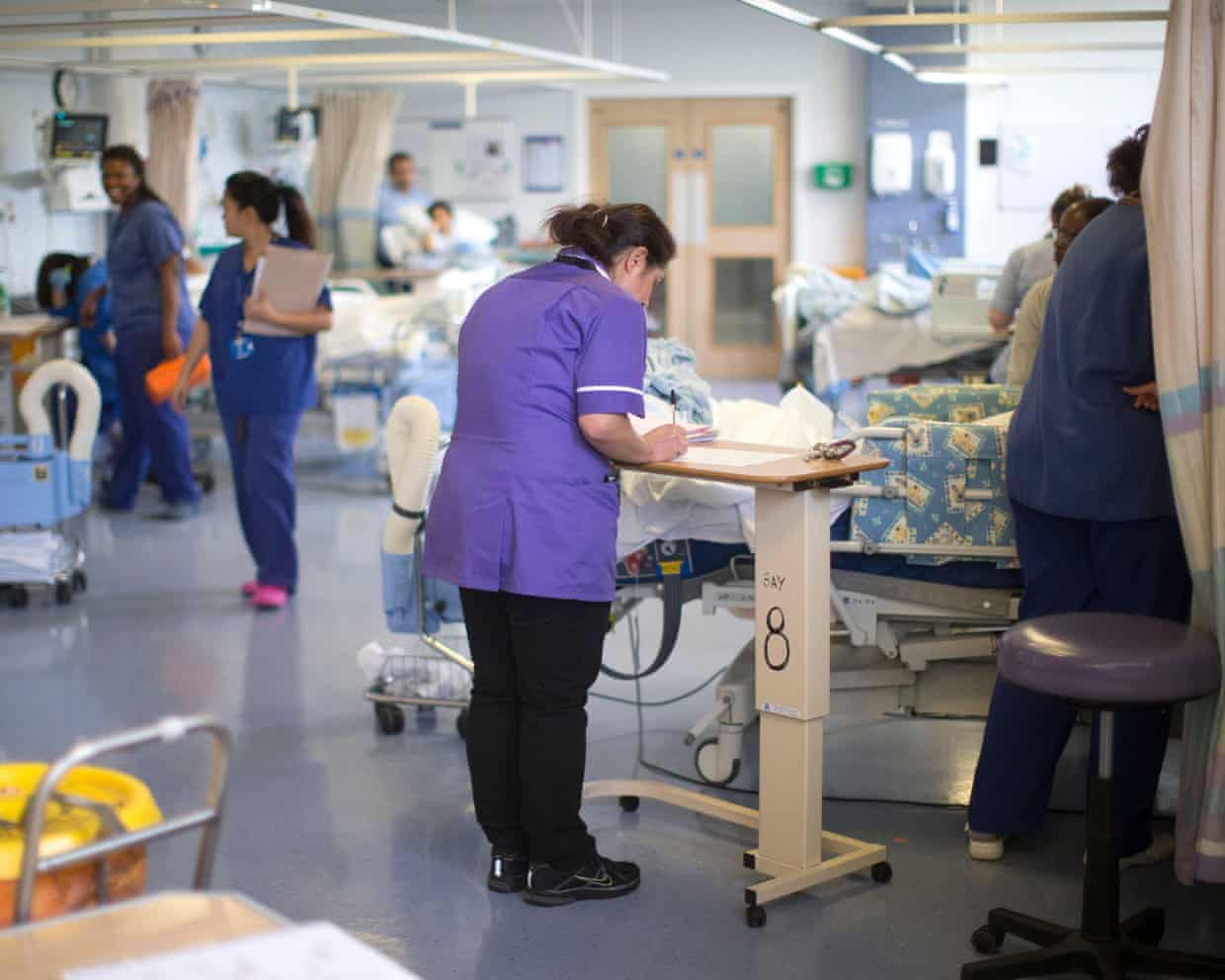
Health unions call 3.3% pay rise for 1.4m NHS staff in England ‘an insult’
Health unions have criticised the 3.3% pay rise imposed on 1.4 million NHS staff in England as “an insult”, with one threatening to strike over the below-inflation award.They described the increase announced by Wes Streeting, the health secretary, as a “betrayal” of the frontline workers – including nurses, midwives and porters – who will receive it for 2026-27. The 3

Children’s vocabulary shrinking as reading loses out to screen time, says Susie Dent
Children’s vocabulary is shrinking as reading loses out to screen time, according to the lexicographer Susie Dent, who is urging families to read, talk and play word games to boost language development.The Countdown star’s warning comes as the government prepares to issue its first advice to parents on how to manage screen use in under-fives, amid concerns that excessive screen time is damaging children’s language development.“So many children are now falling behind,” Dent said. “The vocabulary gap is getting bigger and there is a real perception that vocabulary development is suffering and that impacts on learning.”Citing a 2023 Oxford University Press report that found that two in five pupils had fallen behind in vocabulary development, she said: “There is a huge perception that screen time is having a negative impact on vocabulary, and I think that’s because it is taking away from reading time

Youth work ‘black holes’ in half of all council areas in England, study finds
Almost half of all council areas in England have youth work “black holes” with few or no services despite high levels of deprivation and antisocial behaviour, analysis shows.The first mapping in decades of youth centres across the country has revealed a nationwide crisis in youth support and significant inequality. Poorer areas in the north of England are shown to have been the worst affected by cuts to youth services since 2010.The research, produced by the charity funder Social Investment Business (SIB) and the University of Leeds, plotted youth services against the needs of the local population for the first time and found “a consistent picture of youth work black holes” across the country.Bethia McNeil, the director of quality and impact at the YMCA, the country’s largest youth charity, said: “Having this data is critical – we haven’t had anything like this in a very long time, probably since 2010, and youth provision has changed dramatically since then

One in 14 children who die in England have closely related parents, study finds
One in 14 children who died in England in a four-year period had parents who were close relatives, according to “stark” figures revealed by the first study of its kind.The figures, published by the National Child Mortality Database (NCMD), based at the University of Bristol, analysed all 13,045 child deaths in England between 2019 and 2023. Of these, 926 (7%) were found to be of children born to consanguineous parents, meaning the mother and father are close blood relatives, such as first cousins.Although the exact number of children with consanguineous parents across England is unclear, the data clearly shows their overrepresentation within mortality statistics and requires “urgent action”, according to researchers.The largest geographical estimate of consanguinity currently available is from a large study following the lives of 13,000 babies born in Bradford

Reading and writing can lower dementia risk by almost 40%, study suggests
Reading, writing and learning a language or two can lower your risk of dementia by almost 40%, according to a study that suggests millions of people could prevent or delay the condition.Dementia is one of the world’s biggest health threats. The number of people living with the condition is forecast to triple to more than 150 million globally by 2050, and experts say it presents a big and rapidly growing threat to future health and social care systems in every community, country and continent.US researchers found that engaging in intellectually stimulating activities throughout life, such as reading, writing or learning a new language, was associated with a lower risk of Alzheimer’s disease, the most common form of dementia, and slower cognitive decline.The study author Andrea Zammit, of Rush University Medical Center in Chicago, said the discovery suggested cognitive health in later life was “strongly influenced” by lifelong exposure to intellectually stimulating environments

Scottish Labour leader says he doesn’t regret calling for Starmer to quit – UK politics live

Dual nationals to be denied entry to UK from 25 February unless they have British passport

Left or right, Keir? Labour factions jostle for influence in post-McSweeney No 10
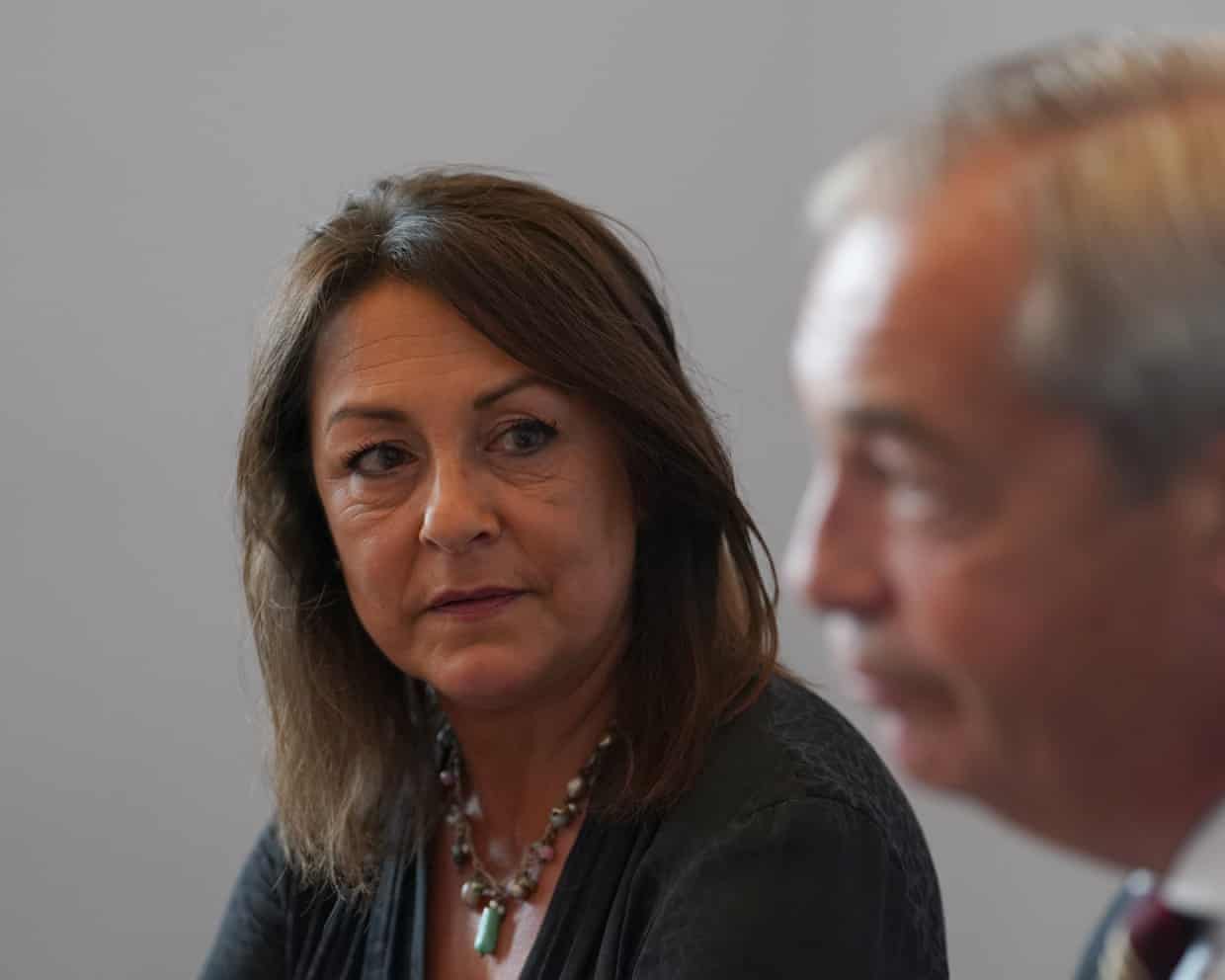
Reform UK’s Kent council faces ‘extreme risk’ after passing first budget

Reeves urged to reassure MPs over public finances amid £6bn-a-year Send costs

Starmer ousts cabinet secretary in clear-out of top team after Mandelson scandal