FIA confirms F1 rule changes in reaction to driver unhappiness and safety fears
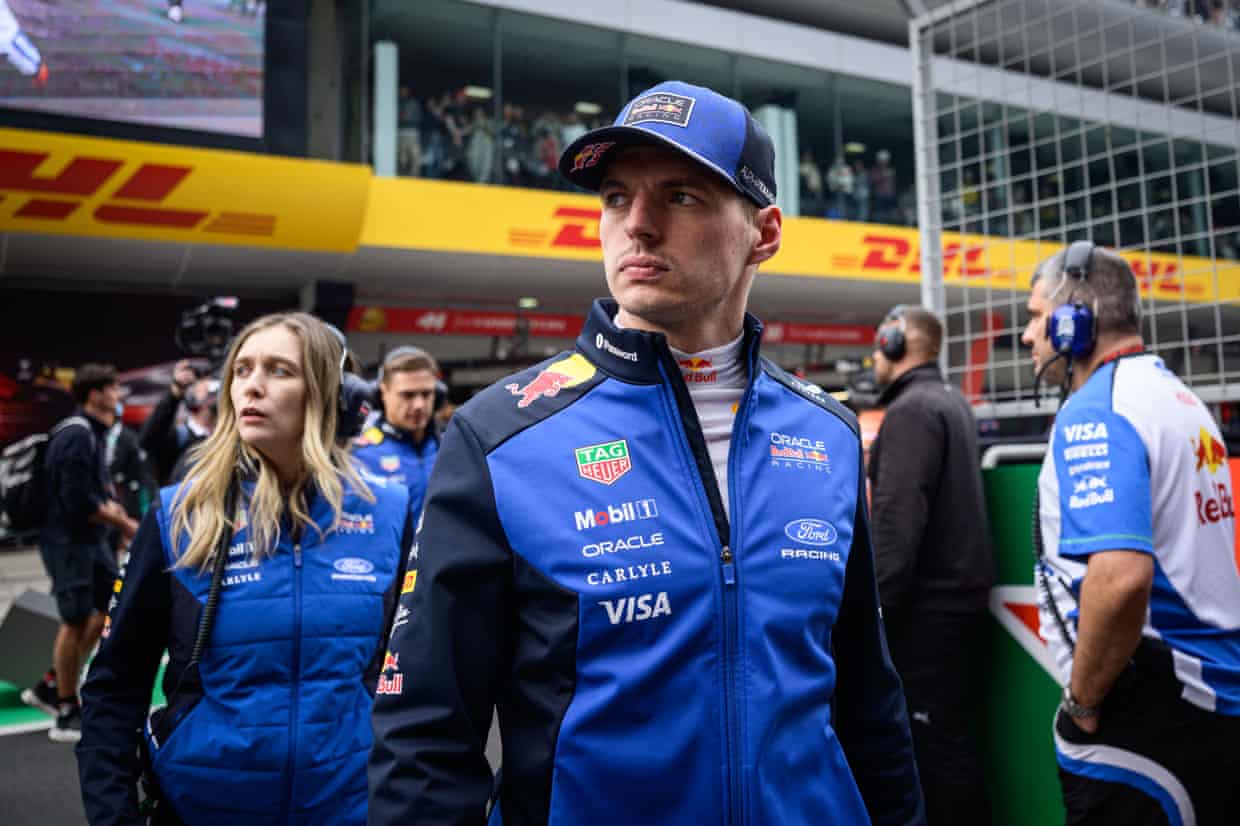
The FIA has confirmed rule changes for the ongoing Formula One season as the sport reacts to driver dissatisfaction and safety concerns with the new regulations.The adapted rules address the energy management issues that have proved controversial across the opening three meetings this year.Technical and sporting considerations had been discussed twice since the last round in Japan and on Monday senior representatives, including the FIA, team principals and their chief executives, the power unit manufacturers and F1’s chief executive, Stefano Domenicali, formally agreed the changes.They remain subject to ratification by the world motorsport council, a formality expected to be concluded before the next round in Miami on 3 May.There has been disquiet among many drivers at the role energy management now plays in the sport with an almost 50-50 split between power from the combustion engine and electrical energy.
The deployment and recharging of the latter has come to dominate how drivers approach a lap, with the four-time champion Max Verstappen so unhappy at how it has affected racing that he is considering his future in F1.The energy management requirements have also brought safety sharply into focus.Oliver Bearman had an accident at Suzuka because of the differing closing speeds of cars managing electrical energy in alternate modes at the same point on track.The rule changes agreed in response are an adjustment to existing regulations, rather than a sweeping rewrite, focusing on refining the use of electrical energy.To address key driver complaints there were two major adjustments.
In qualifying, the limit in recharge over a lap has been decreased from eight megajoules to seven, with the intent of allowing a lap to be run flat out without having to use tactical energy recovery.Similarly, the unpopular process of lift and coast, where drivers come off throttle with a paucity of electrical energy, has been addressed.There has been an increase in the recharge limit from 250kW to 350kW when super clipping, the process of recovering energy when at full throttle.With more energy recovered in so doing, it is expected drivers will no longer have to lift and coast at the end of straights.The issue of closing speeds, considered a serious safety concern, has led to a change in the boost limits for use to prevent cars coming up on one another at high speed in unexpected areas.
The maximum boost power has been capped at 150kW.There were also added safety protocols for race starts including warning lights for cars that are slow to move off and the potential for further technical changes around the starts to be evaluated at the Miami Grand Prix.The amount of power available through the energy recovery systems would also be adjusted during wet races to ensure the cars were able to be driven safely in difficult conditions.On Sunday the FIA president, Mohammed Ben Sulayem, described what had been a “constructive and collaborative” engagement with the drivers during the process and said he was pleased all parties had come to an agreement.“Safety and sporting fairness remain the FIA’s highest priorities,” he said.
“These changes have been introduced to address the issues identified in the opening events and to ensure the continued integrity and quality of the competition.“All parties have remained fully committed to acting in the best interests of F1.More than ever, the drivers have been at the heart of these discussions, and I would like to thank them for their valuable input throughout this process.”Before the meeting the Mercedes team principal, Toto Wolff, had said he was confident F1 would find a constructive way forward in an approach of using a “scalpel rather than a baseball bat”.He added: “The discussions that have been taking place between the group of drivers, the FIA, Formula One and the teams have been constructive and we all share the same objectives.
It’s how can we improve the product, make it out-and-out racing and look at what can improve in terms of safety, but act with a scalpel and not with a baseball bat.“We are coming to good solutions that we are going to ratify hopefully today, in order to evolve, because it’s only three races in.”
Starmer says it ‘beggars belief’ he wasn’t told about Mandelson vetting failure as he faces down the Commons – UK politics as it happened
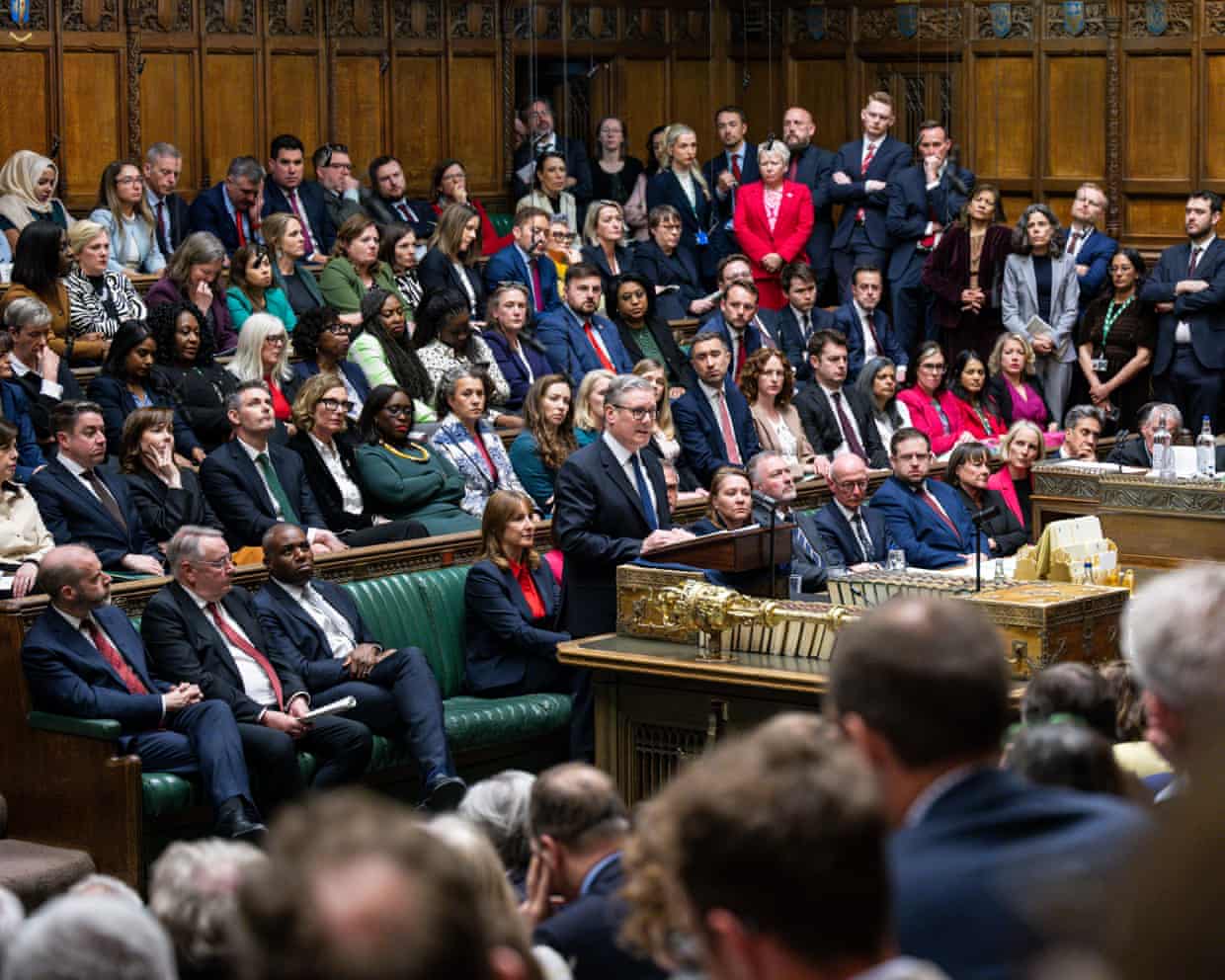
It wasn’t much of a win, but as Keir Starmer heads back to Downing Street he will probably count that as a sort of success. Labour MPs did not turn on him; there was no one on his side calling for his resignation, and those who did speak out were mostly from the Corbynite left (whose views are discounted by No 10 anyway), and who were more keen to aim their fire at Morgan McSweeney and Peter Mandelson.If Kemi Badenoch thought there was more mileage in this, she could have tabled a no confidence motion on this which would have to be debated tomorrow, but she didn’t. She can be brutal in the Commons, but her speech today did not cause the PM any difficulties.Last week she was saying he was clearly lying
What Starmer said, and didn’t say, in the Commons about the Mandelson saga
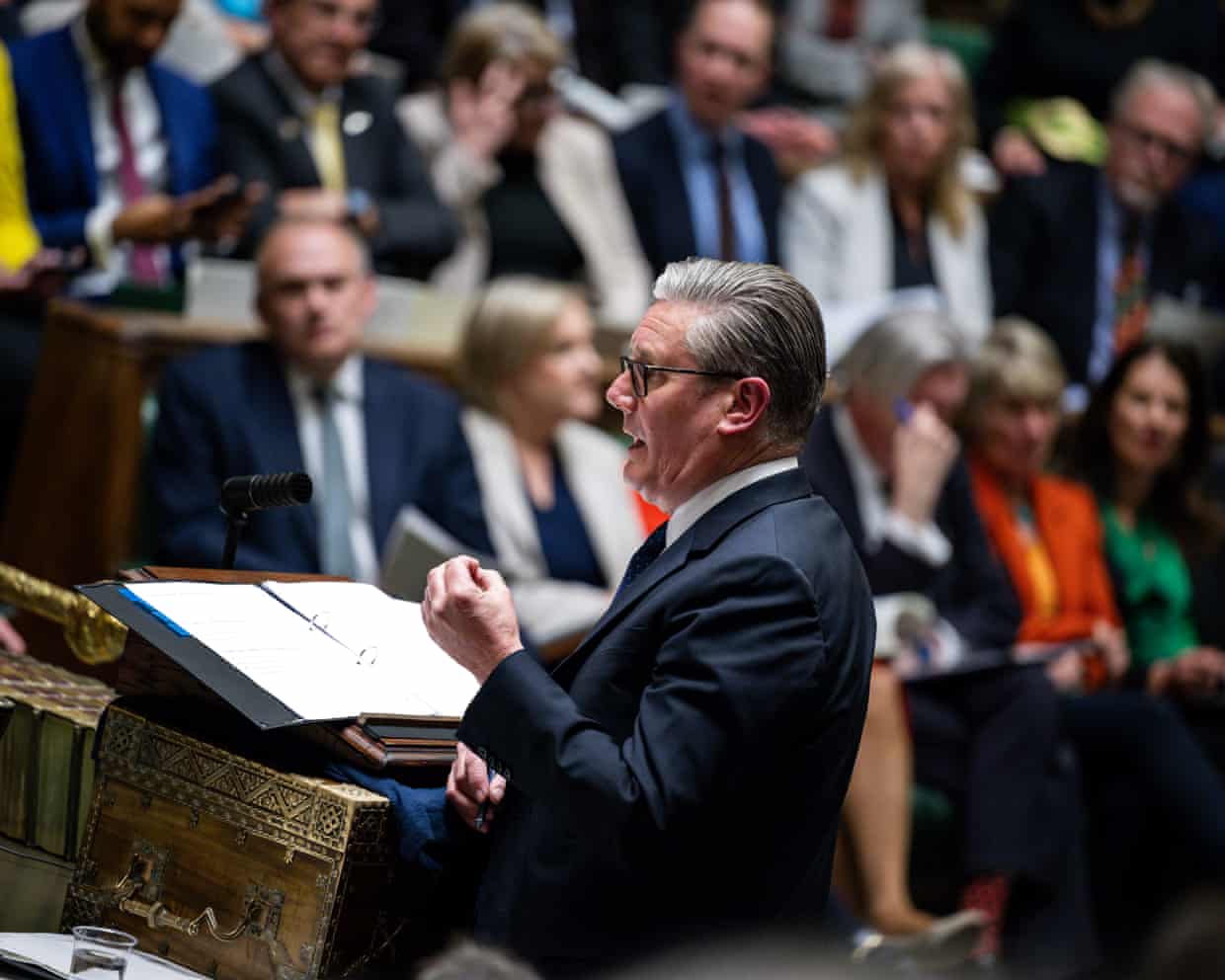
Keir Starmer has laid out a detailed timeline of events leading up to Peter Mandelson being refused security vetting and how the message was not passed to No 10. Here’s what his statement did tell us – and what it was more vague on.double quotation markI will now set out a full timeline of the events in the Peter Mandelson process.”In a statement that leaned heavily on Starmer’s time as a lawyer, and was framed almost as a prosecution opening case against the Foreign Office and its now-ousted head civil servant, Olly Robbins, the PM set out events from 18 December 2024, when the decision to appoint Mandelson was confirmed, to last Tuesday, when he finally learned that security vetting had been initially refused.This included moments when, Starmer argued, he or others should have been told about Mandelson initially being refused security vetting: the initial refusal; when the foreign affairs select committee was assured that normal procedures were followed; and when Starmer began a wider review into vetting this year
Starmer the Incurious asks no questions and sees no Mandy-shaped red flags
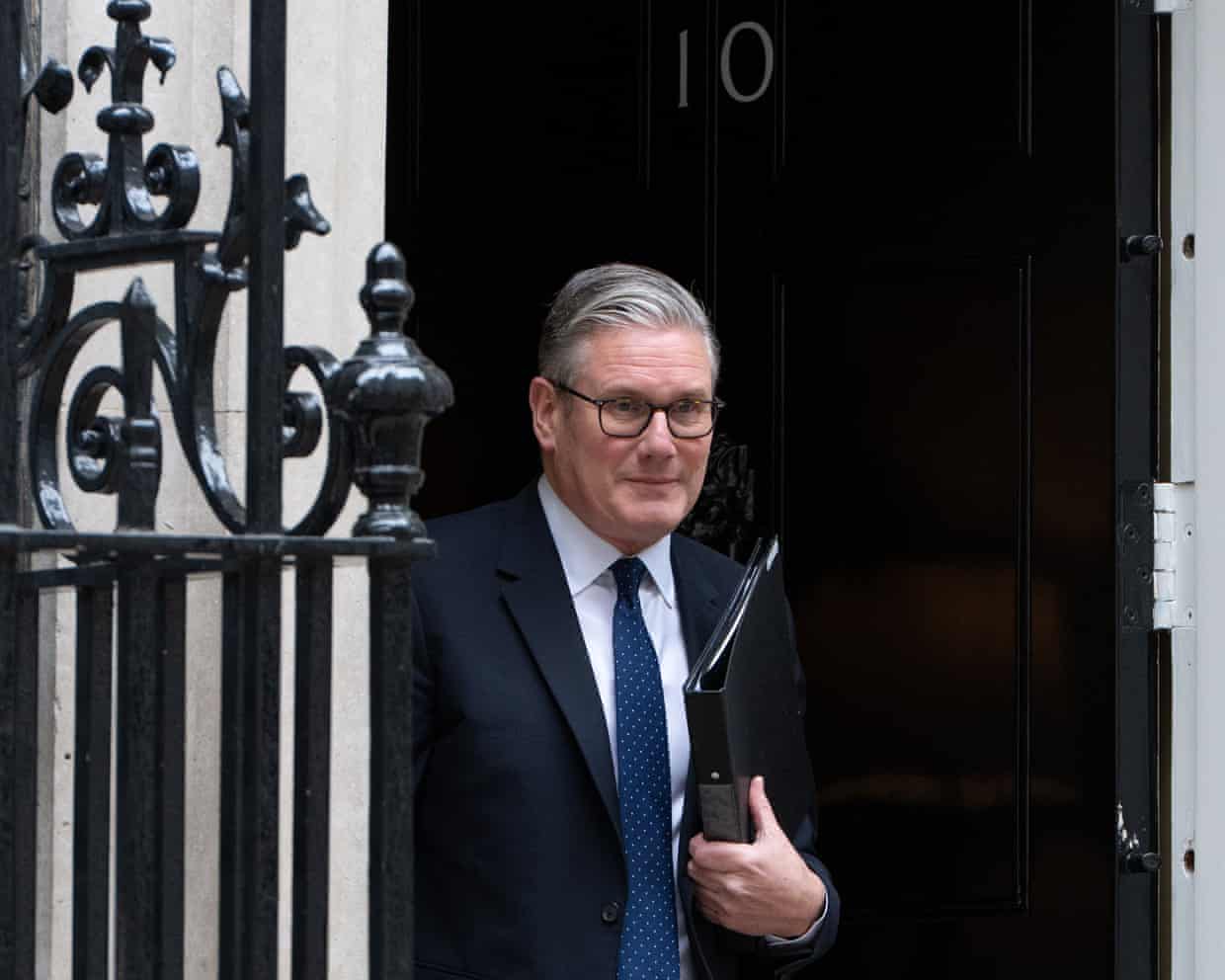
Things could be worse. The prime minister can still catch a break. Some had called Monday’s Commons statement Keir Starmer’s judgment day. But that was a category error. Many Labour MPs had long since made up their minds
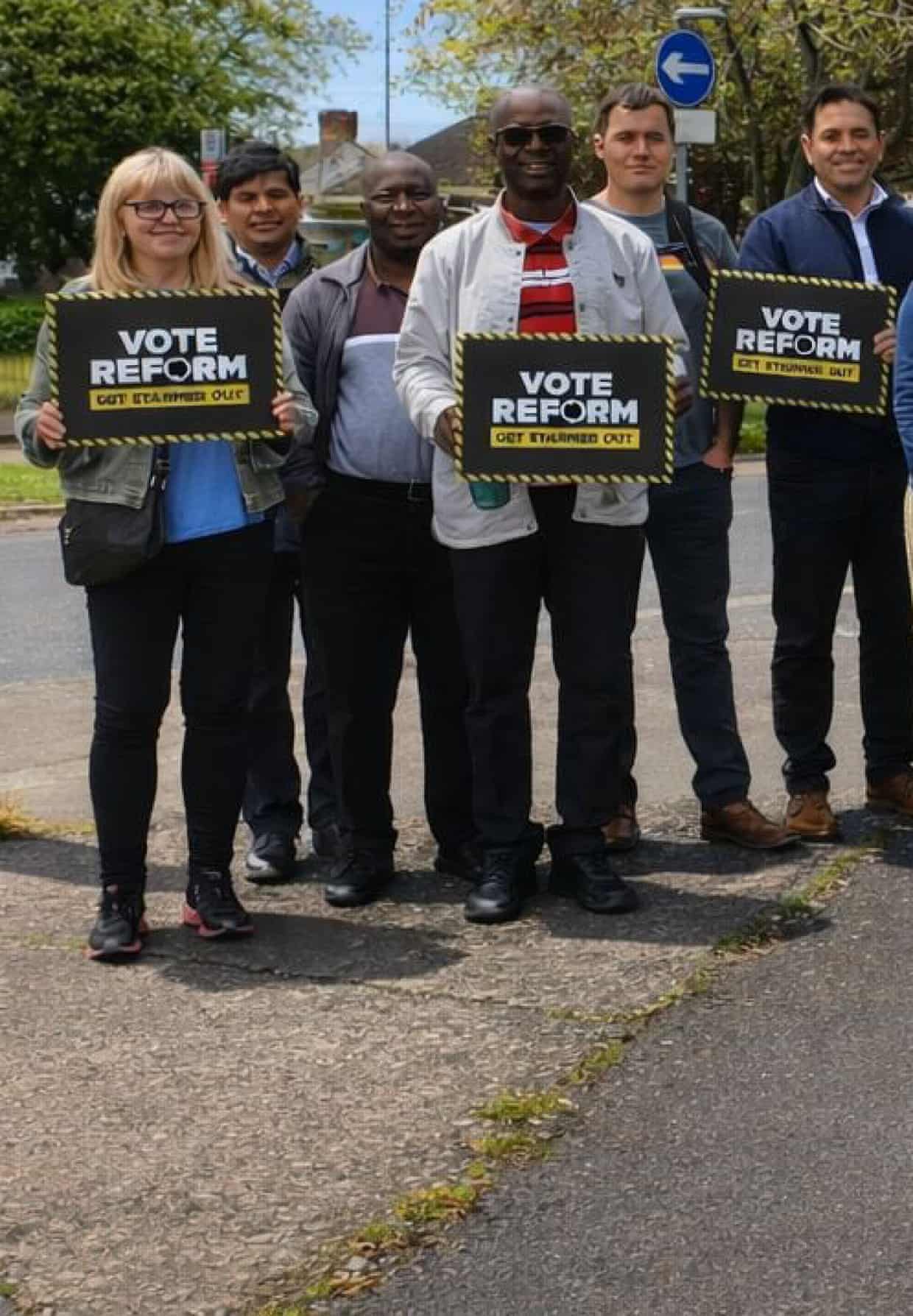
Is Richard Tice’s picture AI-manipulated? Here are five giveaways
After Richard Tice posted a picture of an apparent Reform campaign event on Sunday, experts and social media detectives took a closer look and concluded from a variety of telltale signs that the image had either been edited or generated by artificial intelligence. Here are some of the elements that critics called into question.One woman has six fingers on one hand and extra long ones on the other. The man in the beige jacket has three extremely long fingers which look like sausages. AI often gets fingers wrong

Mandelson vetting saga reveals flaws in Starmer’s judgment, not process | Letters
The emerging account of Peter Mandelson’s appointment as US ambassador raises a question not of process, but of judgment (Revealed: Mandelson failed vetting but Foreign Office overruled decision, 16 April). The prime minister was warned repeatedly. Briefings in November and December 2024 flagged reputational risks, including well-documented associations and potential exposure if the appointment went wrong. Keir Starmer’s national security adviser raised concerns directly. Yet the appointment proceeded at pace
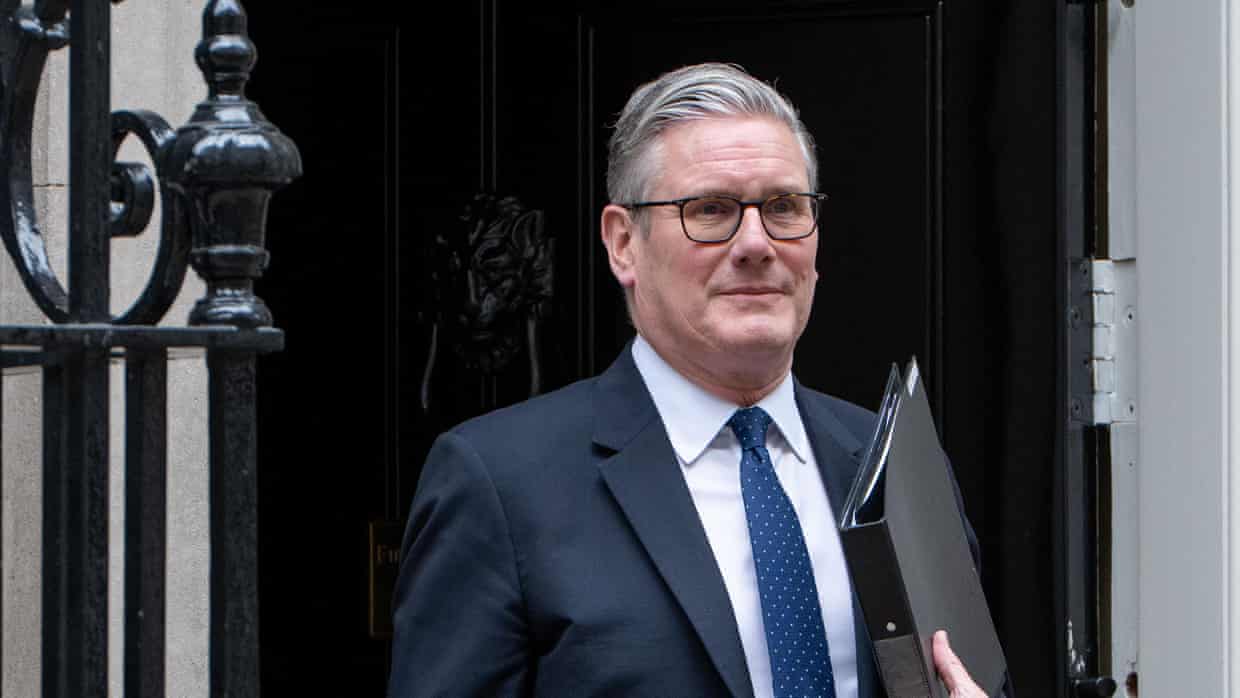
Starmer orders inquiry into any security concerns over Mandelson’s tenure in US
Keir Starmer has ordered an investigation into any security concerns relating to Peter Mandelson’s tenure as UK ambassador to the US, as he set out a series of practical measures in the wake of the controversy over Mandelson’s vetting.Setting out to the Commons what he called the “frankly staggering” way that Mandelson was appointed to the job despite initially being turned down for security vetting, Starmer said he had ordered a full review into the vetting system.He went on: “Separately, I have asked the government security group in the Cabinet Office to look at any security concerns raised during Peter Mandelson’s tenure.”The prime minister also set out how rules had been changed to make sure that, as happened with Mandelson, someone could not be publicly named as an ambassadorial appointee before they were vetted, even for a political choice like Mandelson.“I want to make clear to the house that for a direct ministerial appointment it was usual for security vetting to happen after the appointment, but before starting in post
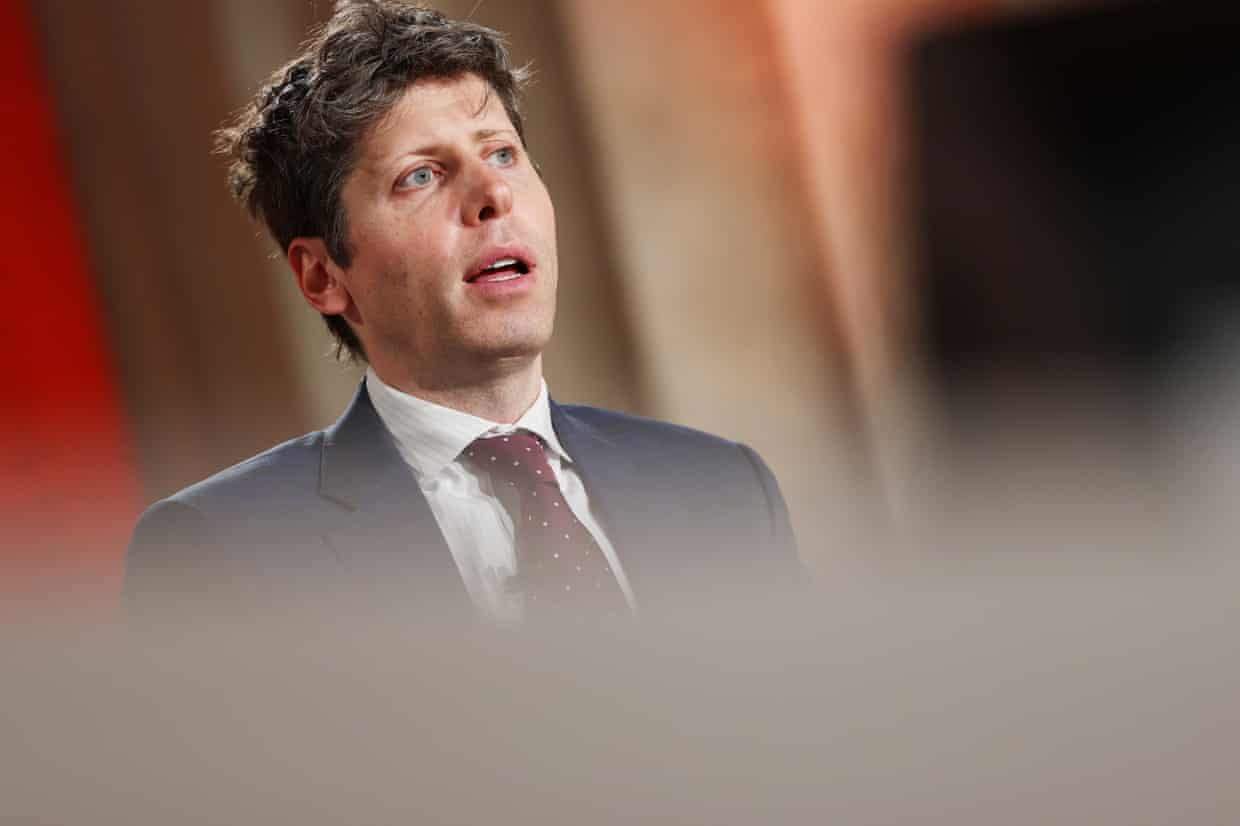
How a fiery attack on Sam Altman’s home unfolded

Kenyan firm sacks more than 1,000 workers after losing Meta contract

UK’s OnlyFans tops $3bn valuation amid talks to sell stake to US investor

Finance leaders warn over Mythos as UK banks prepare to use powerful Anthropic AI tool
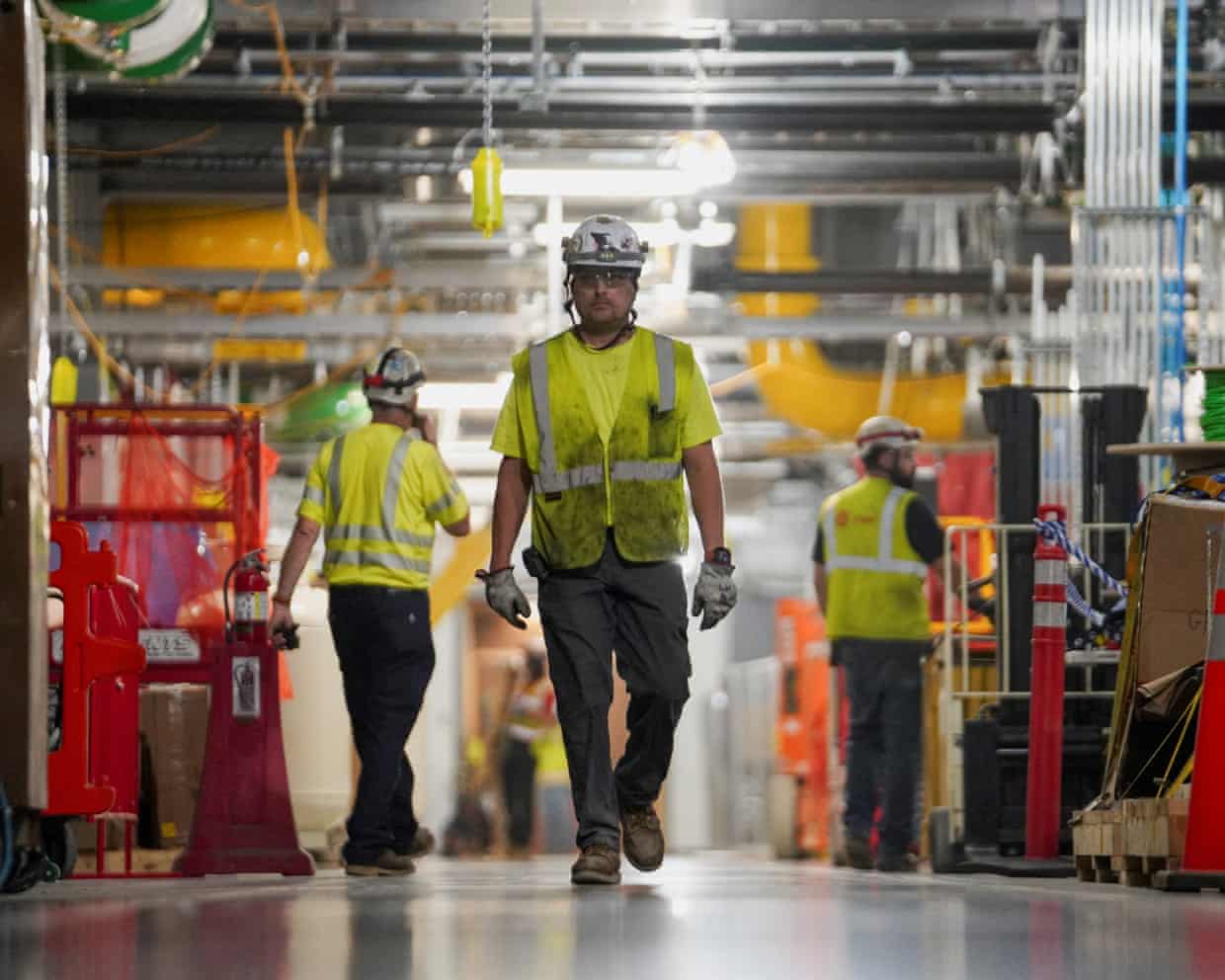
US tech firms successfully lobbied EU to keep datacentre emissions secret
Liz Kendall urges UK public to embrace AI as government makes first £500m fund investment