Horse welfare debate helps highlight Grand National’s unrivalled status
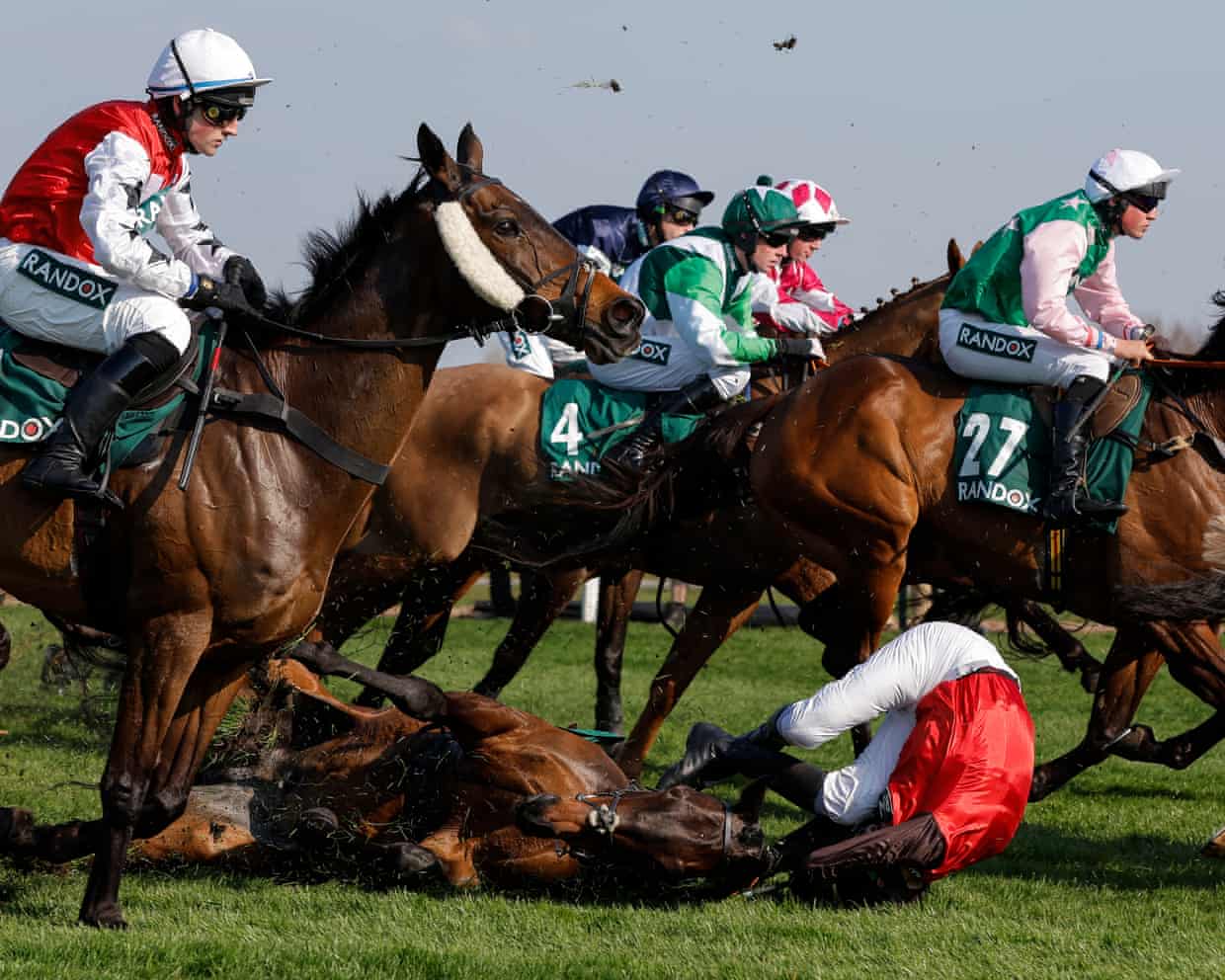
There will never be a year when horse welfare is not an issue in the run-up to the Grand National, and that is, in a sense, a positive for the sport.It is a sign that the National retains its status as the biggest race of the year – in terms of audience, betting turnover, name recognition and pretty much any other measure you care to choose.Nearly two centuries after the first running in 1839, it still has deep roots in British culture as an annual sporting rite of spring.Within the racing bubble too there are few subjects that raise hackles and generate debate quite like the National, not least because for many racegoers and punters it is the race that first stoked their interest in the sport.Significant changes to the fences and other conditions in recent years, with the aim of minimising the risk of serious or fatal injuries, have left some fans, at least, feeling it is no longer the same race that they fell in love with several decades ago.
Another view – one which I tend to share – is that the British Horseracing Authority and Aintree have done well to steer the National through some significant and necessary amendments while maintaining the sense of the race as a public spectacle.Critics from animal rights groups, which annually use the National as a wedge issue in their campaign to ban not just racing but the use of animals for anything at all, like to claim that the public is losing interest, but both the TV audience – in an ever more fractured media landscape – and the annual betting turnover figures tend to suggest otherwise.And while statisticians may argue about whether even a dozen years’ worth of evidence is conclusive, there are definite signs, at least, of a steady reduction in the number of fallers and, by extension, the number of horses brought down.From 2014 to 2025 inclusive, the total number of fallers in the National has been: 8-8-4-4-6-4-5-4-4-0-3.The figures from 2024 and 2025, which are the first two runnings of the latest iteration of the National, with easier fences and a maximum field of 34, are the lowest and third-lowest this century.
None of the three falls last year resulted in a fatal injury, although Broadway Boy, who suffered a heavy fall when leading at Valentines on the second circuit, was subsequently retired from racing.Celebre D’Allen, however, collapsed after jumping the last and died two days later as the result of a respiratory infection.Michael Nolan, Celebre D’Allen’s rider, was suspended for 10 days by the Aintree stewards for “continuing in the race when the horse appeared to have no more to give”.A postmortem found that while Celebre D’Allen’s “exercise-associated episode” did not lead directly to his death, his immune system had been “severely compromised” by overexertion and he could not fight off a subsequent bacterial infection.Nolan, who suffered such sustained abuse on social media in the aftermath of last year’s National that he deleted his accounts, told the Racing Post that he was “more upset than anybody that something has happened”, and that he “went from travelling so easy and you can almost see the winning post from where you are, to getting off him and trying your best to help him”.
If nothing else, his experience should serve as a reminder that while risk is ever-present in any race, the National magnifies the consequences of every incident and decision many times over.National Hunt racing also heads towards Aintree after a Cheltenham festival at which four horses died: two in falls in hurdle events, one while galloping between fences, and the veteran Envoi Allen, a multiple winner at the meeting, who collapsed on the way back to the unsaddling enclosure after the Gold Cup.Pontefract 1.57 Spaceman 2.27 Arabian Desert 2.
57 Kokanee 3.27 Mission Command 3.57 Arklow Lad (nb) 4.27 Treasure Islands 5.00 Liquid Cooled 5.
35 Get Up Everybody Exeter 2,10 Dawn’s Desire 2,40 Madame De Labrunie 3,10 Arnie Moon 3,40 Bannerdown 4.
10 Land Girl’s Luck 4.40 Dyno Dave 5.10 Macklin Southwell 4.55 Pickersgill 5.30 Blue Lakota 6.
00 Deported 6.30 Real Jack 7.00 Moonjid (nap) 7.30 Analogical 8.00 Gesayed 8.
30 Bomb Squad Four fatalities was as many as the three previous festivals combined, and prompted the Royal Society for the Prevention of Cruelty to Animals (RSPCA) to issue a statement suggesting:“One death is too many – but the scale of fatalities reiterate the urgency that lessons must be learned – including what caused the loss of life, decision making during the race and any future means of prevention.” The statement added: “These incidents are clearly at odds with the UK’s status as a nation of animal lovers.”Learning lessons is exactly what the racing authorities have been doing for years.It is why the rate of fatal injuries has steadily and clearly fallen over the past two decades, at Aintree and Cheltenham and also in jump racing as whole.The RSPCA has its own issues and image to worry about, as it competes with more aggressively strident rights-based groups for attention and funds.
Its latest intervention does add somewhat to the annual sense of nervous anticipation, however, as the sport packs its bags and prepares to head to Liverpool for the one race of the year that still towers above all others.Callum Pritchard has had a breakthrough season over jumps but his challenge for the conditional jockeys’ title appears to have come to a premature conclusion after he was banned for 12 days at Plumpton on Sunday, having appeared to ease down on his horse a circuit too soon in a stayers’ novice chase.It was the kind of mortifying, brain fade error that all of us have made at some point, not least in the learning phase of our lives, and some may argue that the sheer embarrassment alone is almost punishment enough.Like so many of the rules of racing around similar issues, however, the penalty is about deterrence too and designed to maintain punters’ faith in the integrity of the sport and the betting markets it generates.Pritchard’s mount, Sweet Nightingale, was the 2-1 joint favourite, and what ended up being a horribly inefficient ride meant she finished only third of the four runners.
The backers who watched their money going west can at least be sure that Pritchard too will take a hit to his pocket and that his fellow jockeys will have been reminded of the need to keep count of the circuits.And it could also be pointed out – as the late John McCririck invariably did at similar moments – that the penalty for a similar offence in some jurisdictions would be closer to months than days.

Say it right! The trouble with unfamiliar names | Letters
Priti Ubhayakar’s article resonated with me because of my non-English surname (A moment that changed me: for the first time in my life, a stranger pronounced my name correctly, 1 April). I grew up in the 1950s on a very English council estate. Most other kids were a Brown, Smith, Jones, etc, but I was an Uszkurat. My lineage is complex on my dad’s side, with a Lithuanian grandfather whose original name was changed to Uszkurat by, I think, German authorities. My dad was born in a part of Europe that was German until the Treaty of Versailles made it part of the new Poland
A striking exchange between nurse and doctor | Brief letters
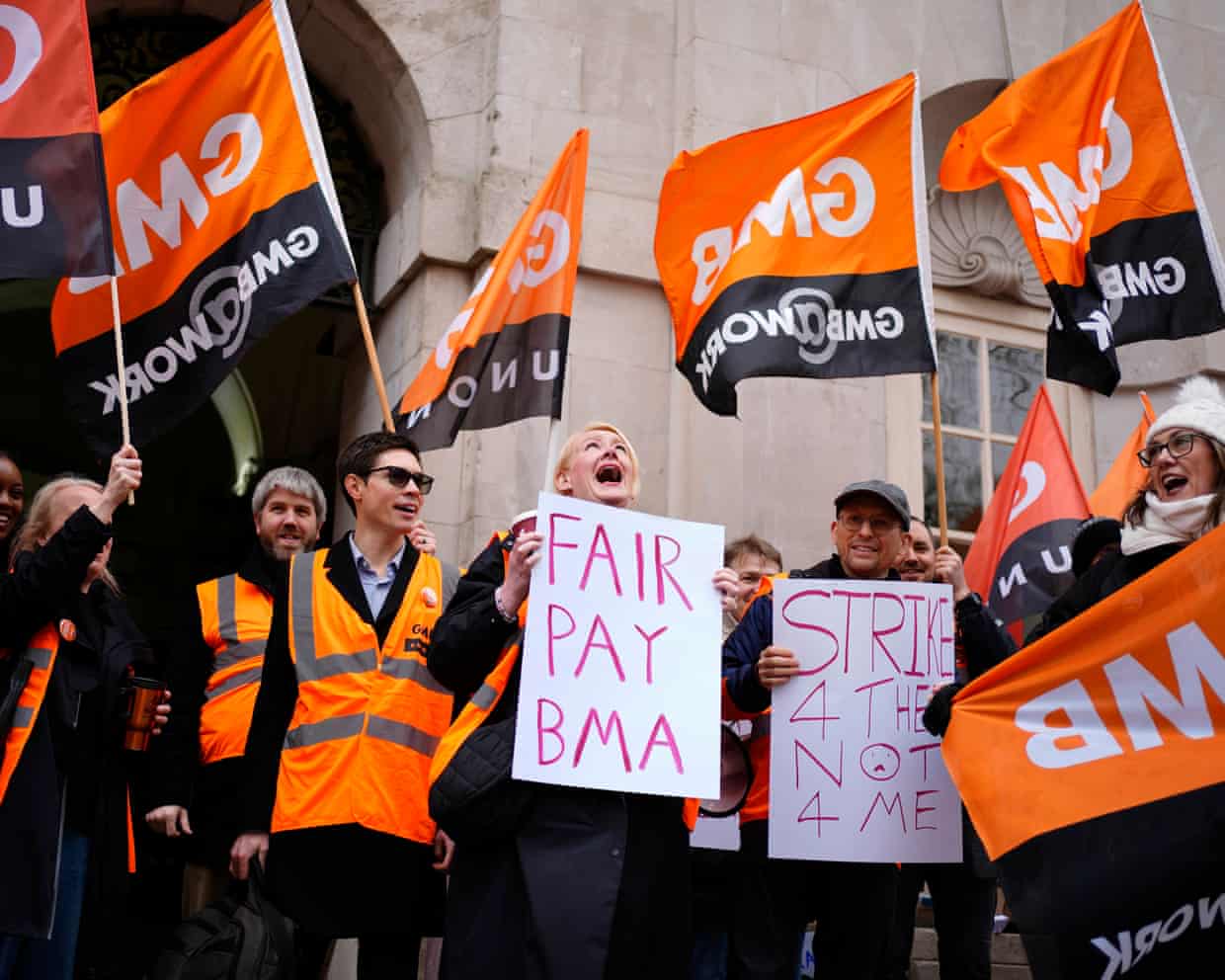
As a young ward sister and trade union steward, I remember, in the 1980s, when I was on the picket line in front of my hospital, stopping a doctor in his Mercedes. He asked me who I was, and I replied: “One of your colleagues.” He looked at me with contempt and answered: “I don’t think so, my colleagues are intelligent people.” So I wonder where their newfound enthusiasm for industrial action comes from. Has the price of Range Rovers gone up?Hilary BramleyCourbesseaux, France There seem to be experts for every aspect of life nowadays, but to read that the Woodland Trust has a “conversation adviser” in the form of Dr Ed Pyne surely takes the biscuit (Contractor that cut back 500-year-old oak in London park identified, 3 April)

Medicines watchdog to investigate UK peptide clinics over health claims
The medicines regulator is investigating whether UK clinics are breaking the law by making claims about the benefits of unregulated, experimental peptide therapies, the Guardian can reveal.Interest in experimental peptides has boomed in recent years. The substances are delivered by injection and are touted by sellers, influencers and even some medics as aiding everything from anti-ageing to recovery from injury.There is little scientific evidence to support such health and wellness claims in humans. Where studies have been carried out, most are in animals or cells
‘Young people want to come together’: experts respond to mass teen meet-ups in Clapham
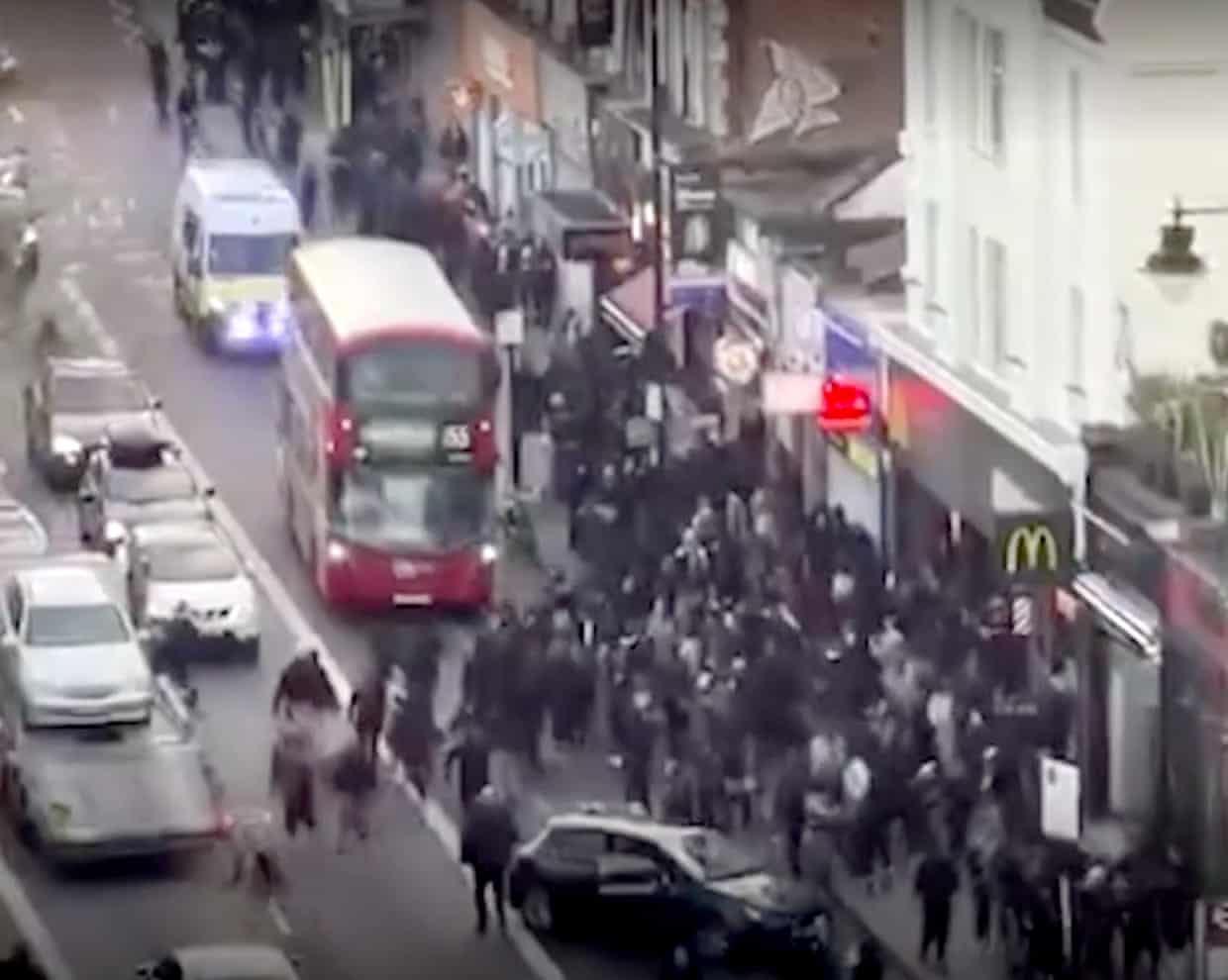
It started with a flyer sent around on Snapchat. Teenagers were invited to gather at a south London basketball court to celebrate the start of the Easter holidays. They were told to bring their own weed and laughing gas because it was going to be a late one.What followed in the hours after was chaos. Hundreds of young people came to the “link-up” last Saturday, and then gathered on Clapham High Street
Dorothy Logie obituary
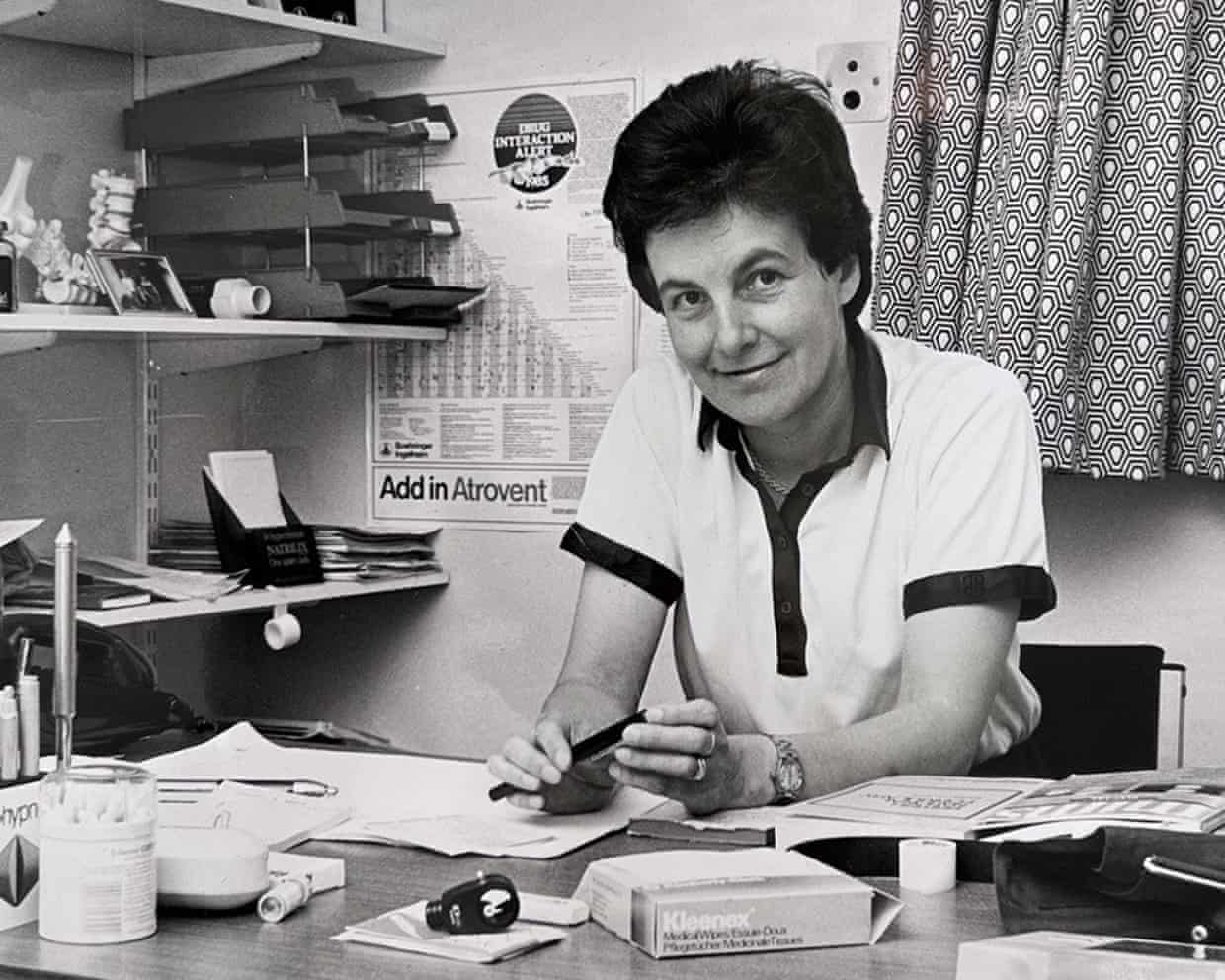
My sister, Dorothy Logie, who has died aged 83 of Alzheimer’s, was a Scottish GP whose commitment to global health extended to HIV/Aids care and advocacy in Africa.Dorothy was born in Aberdeen, the daughter of Adeline (nee Donald), a housewife, and William Caie, group secretary of Aberdeen General Hospitals who helped establish the NHS in Aberdeen, inspiring Dorothy to study medicine. She left St Margaret’s school aged 17, qualified as MBChB from Aberdeen University in 1966, and married Sandy Logie, a fellow doctor, two weeks later.She and Sandy travelled the following year to the Gambia to join the Medical Research Council; Sandy was a medical officer and Dorothy researched maternal malaria. When she became pregnant with their first child, she returned to Aberdeen, but the visit sparked a lifelong love of Africa
How we won a refund from a cash-grabbing care home firm | Letters
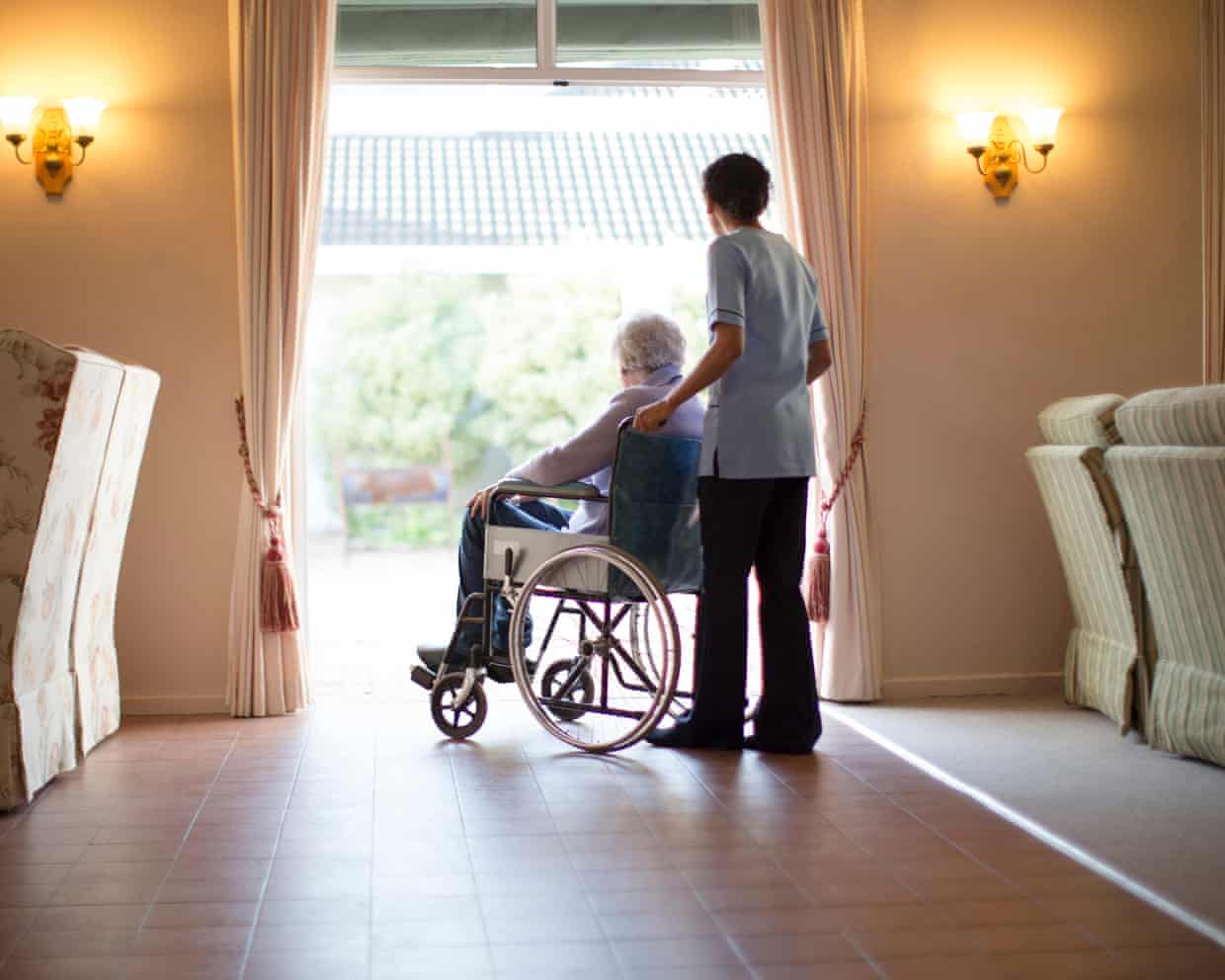
As witness to the cash-grabbing nature of these businesses (The great care home cash grab: how private equity turned vulnerable elderly people into human ATMs, 28 March), I would like to draw your attention to a specific practice: that of trying to deny grieving families the balance of fees owed to them when a resident dies in the home with full weeks already paid for.I had already heard of this from someone else, so I was on the alert when the same thing happened to us. We were told that it was not their “policy to refund” when, policy or not, a careful reading of the contract showed that the money was owed. We appealed, and were successful.I imagine that many families in the grip of bereavement simply accept this “policy”, shrug their shoulders and say goodbye to the money owed to them

Relationship with Trump may be beyond repair, Keir Starmer told

Starmer’s cost of living adviser urges him to extend fuel duty cut in light of Iran war
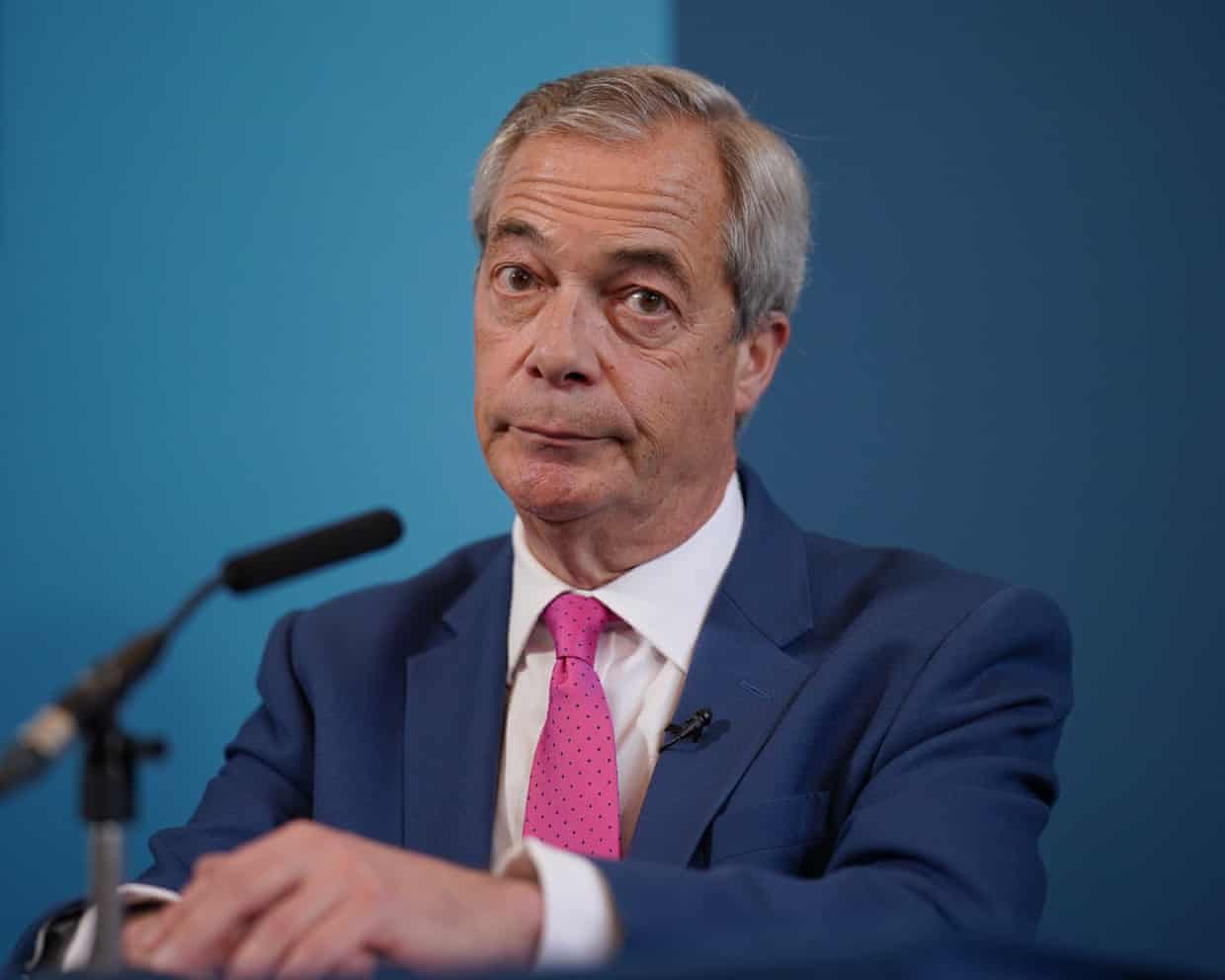
Labour challenges Farage over cost of private jet trip to Maldives

Starmer must call energy summit akin to 2008 crisis response, Labour MP says
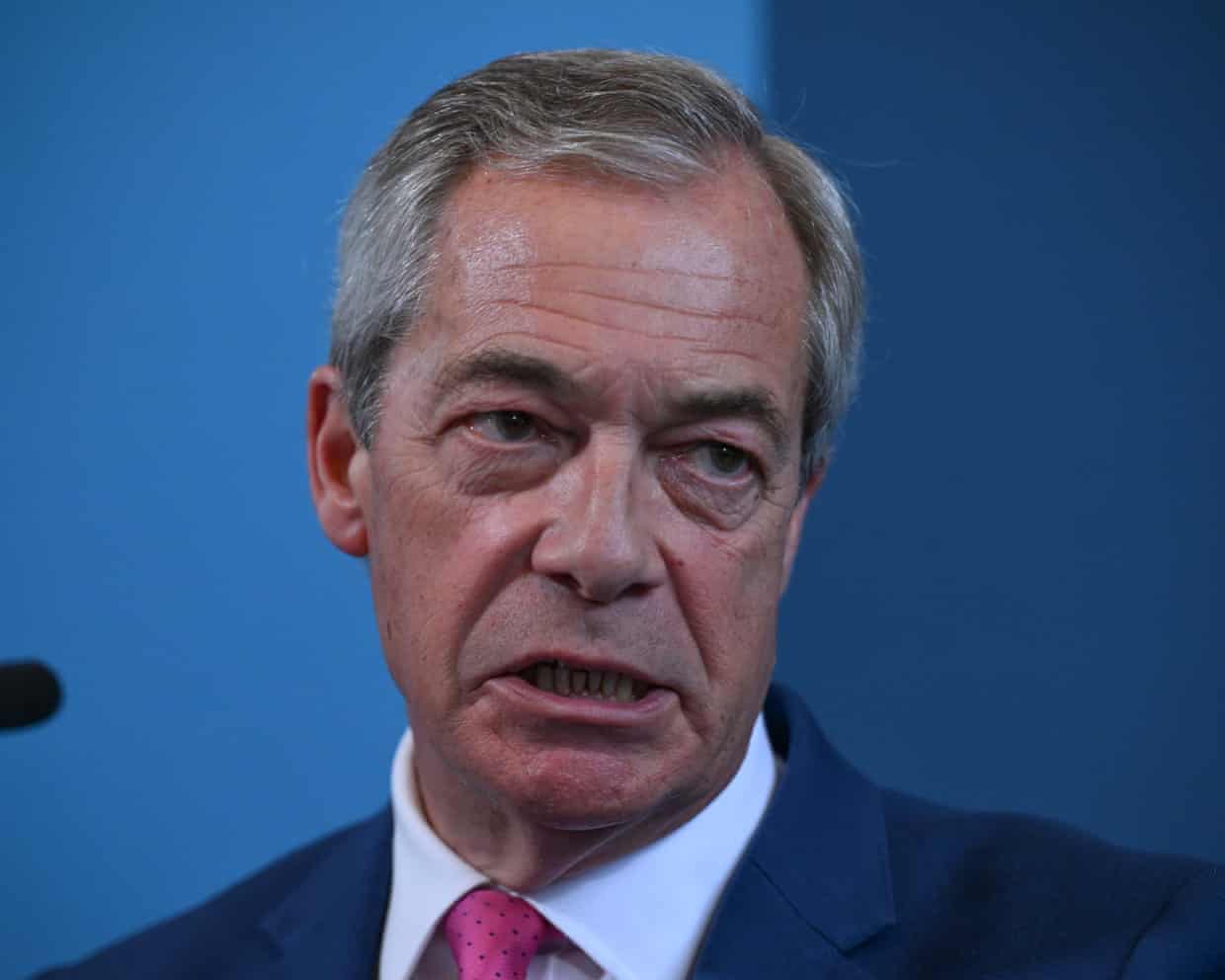
Drip-feed of Reform UK controversies puts party’s policy drive in shade
UK politics Q&A, as it happened: Andrew Sparrow answers your questions on Starmer, Reform and more