Anthony Joshua calls out Tyson Fury after sending Jake Paul to hospital with broken jaw
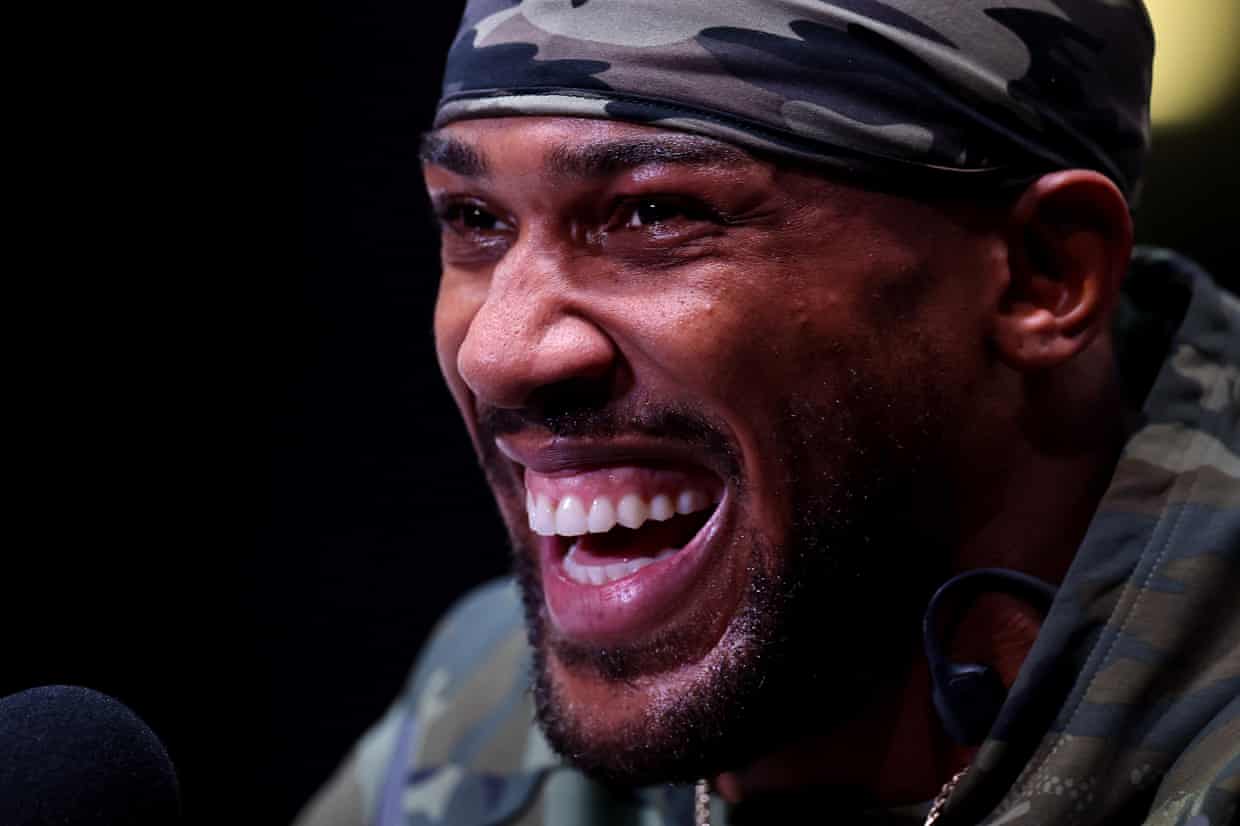
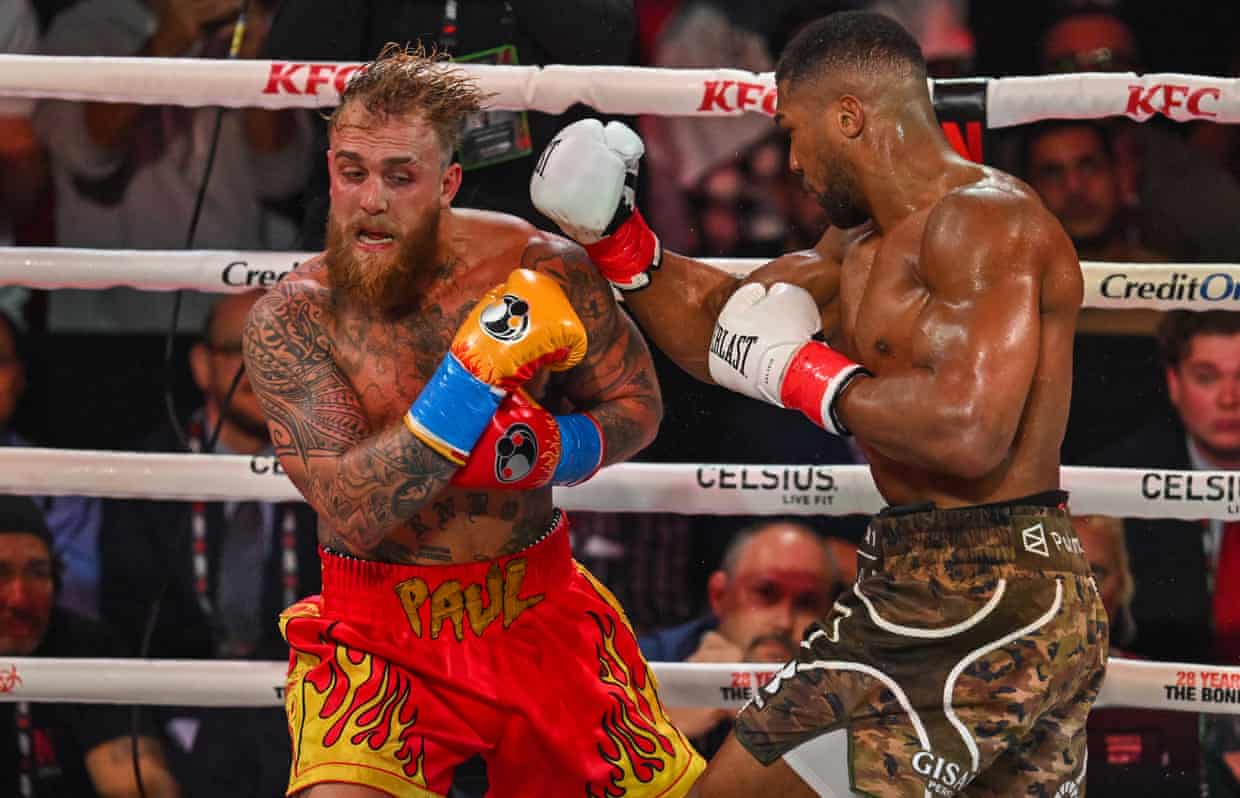
Anthony Joshua wasted little time early Saturday morning in Miami turning the page from spectacle to ambition, calling out Tyson Fury moments after stopping Jake Paul in a bout that ended with the YouTuber-turned-boxer driving himself to hospital with a suspected broken jaw.Joshua halted Paul in the sixth round of Friday night’s heavyweight contest at the Kaseya Center, dropping him four times in a one-sided fight that had been built as a Netflix-backed global event.Afterwards, the former two-time unified champion was blunt in his assessment of both his performance and what should come next.“It wasn’t the best performance,” Joshua said.“The end goal was to get Jake Paul, pin him down and hurt him.
That has been the request leading up, and that’s what was on my mind.It took a bit longer than expected, but the right hand finally found the destination.”Joshua acknowledged Paul’s resilience after a fight in which the American was repeatedly floored but kept rising.“Jake Paul, he’s done really well tonight,” Joshua said.“I want to give him his props.
He got up time and time again,It was difficult in there for him, but he kept on trying to find a way,It takes a real man to do that,Anyone who laces up these gloves, we always say we give them our respect,We have to give Jake his respect for trying and trying and trying.
Well done,”But Joshua was unequivocal about the hierarchy the fight reinforced,“He came up against a real fighter tonight that’s had a 15-month layoff,” he said,“We shook off the cobwebs, and I can’t wait to roll into 2026,”That forward-looking focus quickly sharpened into a challenge aimed directly at Fury, with whom Joshua has long been linked in talks over a blockbuster heavyweight clash.
“If Tyson Fury is as serious as he thinks he is, and he wants to put down his Twitter fingers and put on some gloves and come and fight one of the realest fighters out there that will take on any challenge, step into the ring with me next if you’re a real bad boy,” Joshua said.“Don’t do all that talking, ‘AJ this, AJ that’.Let’s see you in the ring and talk with your fists.”Paul, meanwhile, struck a notably upbeat tone despite the punishment he absorbed and his admission that he had suffered a serious injury.“I’m feeling good.
That was fun,” Paul said.“I love this sport.I gave it my all.It’s fucking crazy.I had a blast.
Anthony’s a great fighter,I got my ass beat, but that’s what this sport’s about,”Paul revealed during his post-fight comments that he believed his jaw had been broken, after spitting blood during an interview,“I think my jaw is broken, by the way,” he said,“It’s definitely broke.
A nice little ass-whipping from one of the best to ever do it,I love this shit and I’m going to come back and keep on winning,”Nakisa Bidarian, Paul’s co-founder at Most Valuable Promotions, confirmed at the post-fight press conference the injury was being assessed but played down long-term concerns,“We think he broke his jaw,He’s fine,” Bidarian said.
“We met with Netflix afterwards.He took a shower, he drove himself to the hospital.A broken jaw is very common in sports, particularly in boxing and MMA, and I think the recovery time from the doctors and surgeons we already talked to is four to six weeks.”Despite the defeat, Paul framed the night as another step in a longer journey.“Man, I’ve already won in every single way in life,” he said.
“My family, my beautiful fiancée [Dutch speedskating star Jutta Leerdam].This sport has helped me so much in my life.I’m going to come back and get a world championship belt at some point.”For Joshua, however, the message was simpler.The experiment was over, the hierarchy restored and attention now turned firmly toward unfinished business at the top of boxing’s glamour division.
Jimmy Kimmel on Trump’s speech: ‘Surprise primetime episode of The Worst Wing’
Late-night hosts discussed – or ignored – Donald Trump’s surprise primetime address and dug further into the explosive new interview the White House chief of staff, Susie Wiles.Jimmy Kimmel opened his Wednesday night show with an acknowledgment of the president’s 9pm ET national address, also known as a “surprise primetime episode of The Worst Wing tonight on every channel”.Trump announced only on Tuesday that he would deliver an impromptu fireside chat during the season finales of Survivor and The Floor. “It’s weird to think that had a couple of states just gone the other way, he’d be hosting one of those shows,” Kimmel joked. “Trump shouldn’t be pre-empting The Floor
Stephen Colbert on Susie Wiles’s candid interviews: ‘She dished, bish’
Late-night hosts reacted to White House chief of staff Susie Wiles’s revealing interview with Vanity Fair.“If there’s one thing Donald Trump wants, it’s a hamburger,” said Stephen Colbert on Tuesday’s Late Show. “If there’s a second thing, though, it would be to make you think that you’re crazy. That’s why periodically, I like to remind all of you that you’re not crazy. What’s happening is crazy
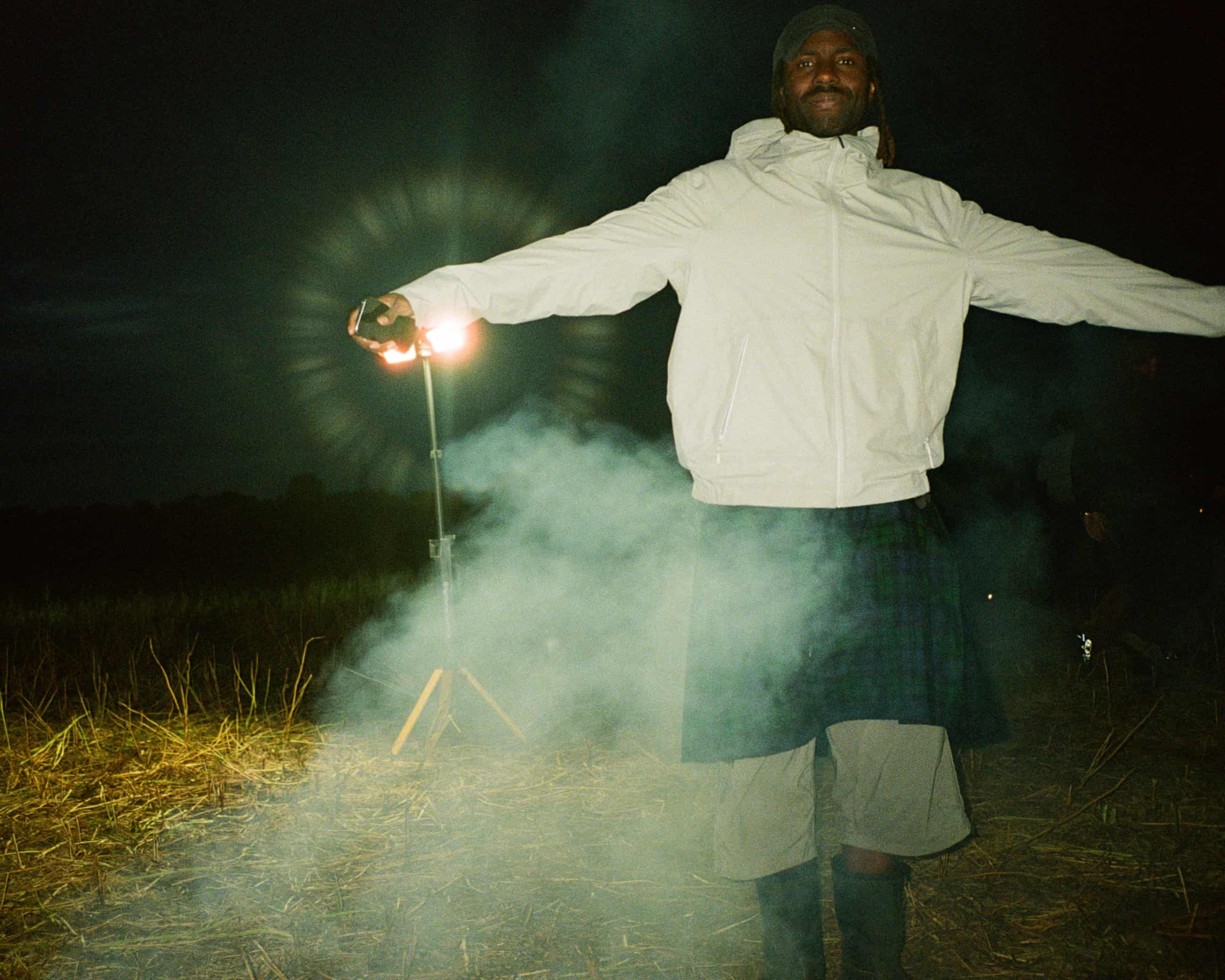
The 50 best albums of 2025: No 3 – Blood Orange: Essex Honey
Dev Hynes’ deeply personal response to his mother’s death embodied the many unexpected shades of grief in pastoral hymnals and post-punk The 50 best albums of 2025 More on the best culture of 2025There’s a lot of grief across the best albums of this year. It’s unsurprising: 2025 has felt like a definitive and dismal break with government accountability, protections for marginalised people and holding back the encroachment of AI in creative and intellectual fields, to cherrypick just a few horrors. Anna von Hausswolff and Rosalía reached for transcendence from these earthly disappointments. Bad Bunny and KeiyaA countered colonial abuse and neglect with writhing resistance anthems. On a more personal scale, Lily Allen and Cate Le Bon grappled with disillusionment about mis-sold romantic ideals

Arts funding in England must be protected from politics, Hodge report urges
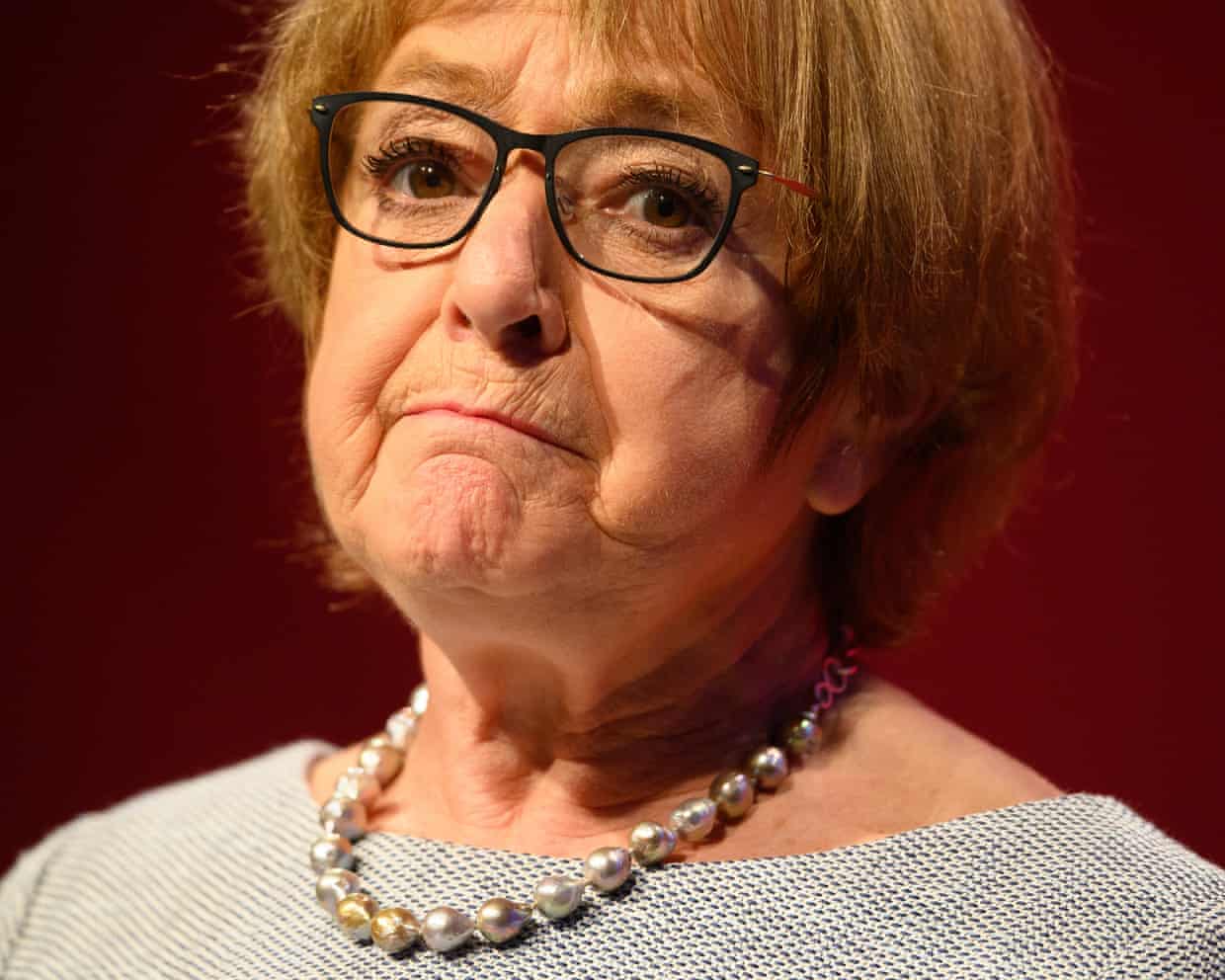
Arts Council England must ensure funding is protected from politicisation and simplify its application process in order to regain trust, a damaging report has found.The investigation into the national body for arts funding found there had been a “loss of respect and trust” for ACE among those it backed, in part because of “perceived political interference in decision-making”.The report was written by the Labour peer Margaret Hodge, who recommended that ACE be retained but with the arm’s-length principle strengthened at all levels of government “to ensure that arts funding is protected from politicisation”.She said: “There have been attempts to exert more political control over ACE decisions in recent years and this has to stop. The Arts Council must remain free from political interference
The Hodge report into Arts Council England: ‘Not exactly a ringing endorsement’
The arts in England are underfunded, and were dealt a blow by Covid from which many organisations have not yet recovered. But that has been only part of the story. The sheer weight of required form-filling, the endless bureaucracy, the impracticable length of time it takes to simply be funded by Arts Council England (ACE) have caused universal frustration among those working in the arts. There is much talk of exhaustion and burnout.Many organisations have felt frustrated, too, by the strictures of ACE’s flagship strategy, Let’s Create, which, though admirable in principle, with its focus on participation in the arts, is perhaps tilted too far from recognising the expertise and individuality of artists and arts institutions

The Vietnam War ended 50 years ago. But its lessons live on in The Quiet American
Alden Pyle (Brendan Fraser) was a “quiet American”, says Thomas Fowler (Michael Caine) to a French policeman. “A friend,” he adds, as the lifeless corpse of Pyle stares back at him with a wretched expression.This is the scene that opens Phillip Noyce’s Vietnam-set political drama before the film flashes back a few months earlier to 1952 Saigon, where Fowler, an ageing Englishman, lives leisurely as a journalist reporting on the first Indochina war. When Pyle, a young American aid worker advocating for US intervention, falls for Fowler’s 20-year-old Vietnamese lover, Phượng (Đỗ Thị Hải Yến), the jaded reporter’s tranquil existence begins to unravel.At Pyle and Fowler’s first meeting at the Continental hotel, it is clear that Pyle is anything but “quiet”: handsomely bespectacled, the American idealist is attentively reading Dangers to Democracy, a book on foreign policy
Anthony Joshua overwhelms Jake Paul in six to restore boxing sanity in Miami
Baumgardner and Dubois win as women’s champions shine on Paul v Joshua undercard

‘They like a good night out’: German darts fans find a (mostly) friendly rivalry at Alexandra Palace

Your Guardian sport weekend: Premier League, NFL and boxing
Proud Welshman Sam Thomas eyes National glory after Steel Ally’s Ascot romp
Tom Jordan brings a smorgasbord of skills to Bristol’s Big Game at Harlequins